By The MacDonald Team
The appraisal is one of the most consequential steps between an accepted offer and a closed transaction — and on the Main Line, it carries specific complexities that buyers and sellers in higher-volume markets rarely encounter. Varied architectural styles, wide price ranges across adjacent towns, and limited comparable sales make the Main Line one of Pennsylvania's more challenging appraisal environments.
Key Takeaways
- A home appraisal is an independent assessment of market value required by most lenders — it protects both the buyer and the institution from overpaying relative to what the market will support
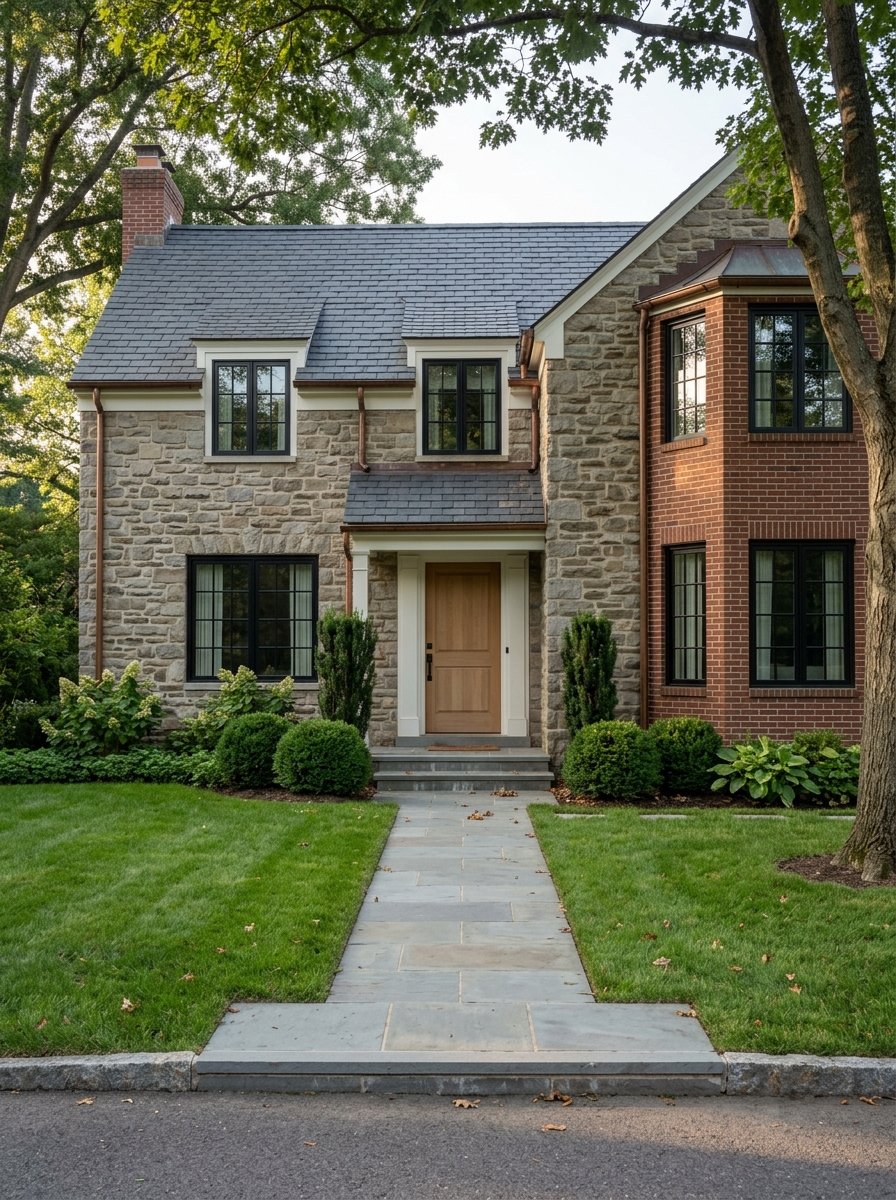
- The Main Line's architectural diversity — from pre-war stone colonials to contemporary new construction — makes true comparable sales scarce and requires appraisers with specific local experience
- Appraisal gaps are a real and recurring feature of Main Line transactions, particularly when accepted prices reflect competitive demand that recent comparable sales don't fully capture
- Sellers can meaningfully influence outcomes by preparing documentation of improvements and ensuring the home is accessible and well-presented at the time of the visit
What an Appraisal Is and Why It Matters
An appraisal is a licensed appraiser's professional opinion of a property's current market value, based on physical inspection and comparable sales analysis. The lender uses it to confirm that the collateral supporting the loan is worth what they're being asked to finance.
Key Facts Every Main Line Buyer and Seller Should Know
- The appraisal is ordered by the lender but paid for by the buyer — typically $500 to $900 in the Philadelphia suburban market, depending on property size and complexity
- The appraiser is assigned independently — neither the buyer's nor seller's agent selects them, protecting the integrity of the valuation
- Appraisals are distinct from home inspections — an inspection evaluates condition and identifies issues, while an appraisal determines value for lending purposes
- Most reports are delivered within a week of the on-site visit, though complex or historic Main Line properties can take longer to evaluate accurately
Understanding what an appraisal is — and what it isn't — removes the anxiety that often surrounds this step for buyers and sellers going through it for the first time.
Why the Main Line Presents Specific Appraisal Challenges
Not all residential markets are equally straightforward to appraise — and the Main Line presents challenges that appraisers working primarily in higher-volume suburban markets sometimes underestimate.
What Makes Main Line Appraisals More Complex
- Housing stock spanning pre-Civil War stone farmhouses, early 20th-century colonials, mid-century ranches, and new construction within the same zip code makes identifying true comparables significantly harder than in more uniform communities
- Lower Merion, Radnor, and Tredyffrin-Easttown are distinct municipalities with their own tax rates, school district designations, and buyer demand profiles — treating the Main Line as a single market produces valuations that don't reflect local buyer behavior accurately
- Lower transaction volume in the Main Line's higher price bands means appraisers may need to look further back in time or further geographically for comparables — both of which introduce valuation risk
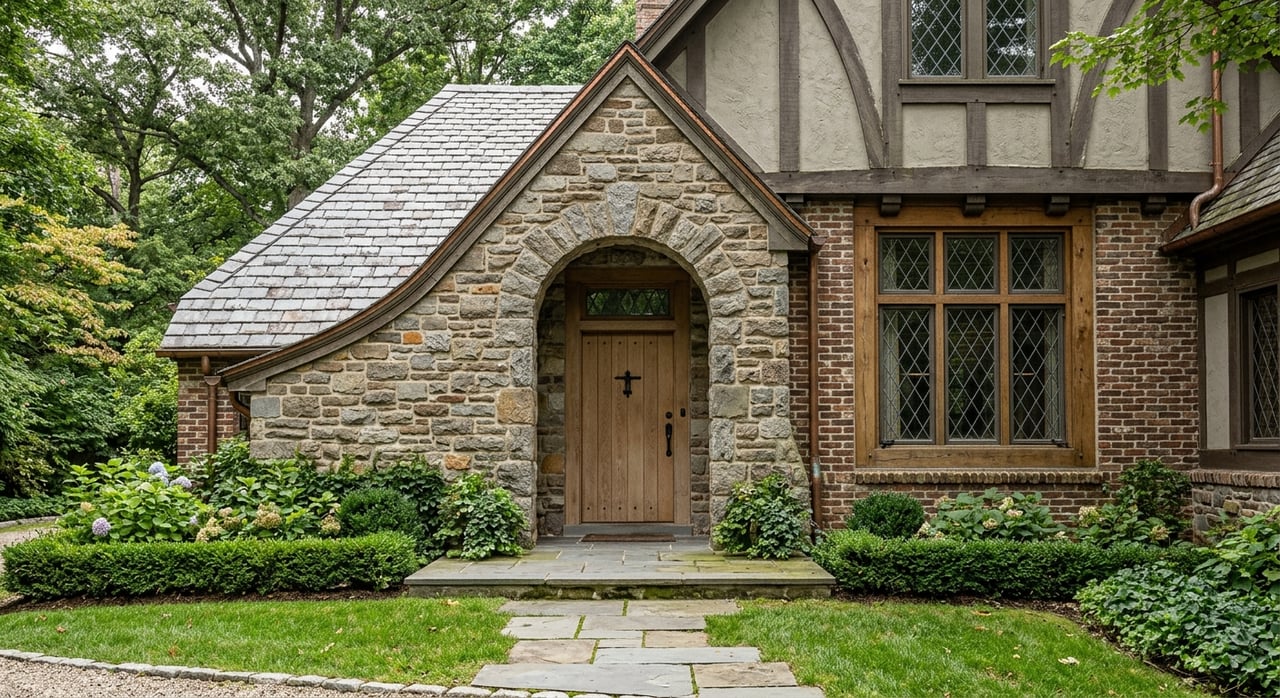
- Historic stone homes in Haverford, Merion, and parts of Wayne command premiums for original architectural character that standard cost-approach methodology doesn't fully capture
Selecting an appraiser with demonstrated Main Line experience — not just general Montgomery or Delaware County residential coverage — is one of the most important and least discussed aspects of a well-managed transaction here.
When Appraisals Come in Below Contract Price
Appraisal gaps on the Main Line are more common than in lower-price-point suburban markets. Understanding your options before one appears prevents the transaction from unraveling under deadline pressure.
What Buyers and Sellers Can Do When the Appraisal Falls Short
- The buyer can cover the gap in cash, paying the difference between appraised value and contract price — increasingly common in competitive Main Line situations where buyers are motivated and well-capitalized
- The seller can agree to reduce the sale price to the appraised value, allowing the transaction to proceed without additional buyer cash
- Both parties can negotiate a middle-ground solution — seller reduces partially, buyer covers the remainder — splitting the gap and preserving the deal
- The buyer can submit a formal rebuttal of value supported by specific comparable sales the appraiser didn't use — a process that sometimes results in upward revision when the documentation is strong
Appraisal gaps on the Main Line most often reflect comparable data lagging behind current buyer demand — not a miscalculation in what the buyer agreed to pay.
FAQs: Home Appraisals
Why do Main Line appraisals sometimes miss the mark?
The combination of architectural diversity, lower transaction volume, and distinct micro-market dynamics between communities means appraisers without specific local experience sometimes rely on comparables that don't reflect what Main Line buyers are actually paying for equivalent properties.
Can a seller be present during the appraisal?
Yes — and it's generally advisable. Being present allows the seller to answer questions, highlight improvements, and provide documentation that an appraiser working alone might not otherwise capture.
What improvements most affect an appraisal on the Main Line?
Kitchen and bathroom updates, replacement of major systems, and improvements that bring an older property into alignment with current buyer expectations carry the most weight — particularly when supported by permits, invoices, and completion dates.
Navigate the Appraisal Process with The MacDonald Team
The appraisal is one of several steps in a Main Line transaction where experienced guidance makes a measurable difference. We are The MacDonald Team, led by Stephanie, with 18 years of experience across the Main Line, Center City, and Southern New Jersey. Our clients are always our number one focus — and our commitment is to put your needs first and advocate for your interests at every step.
Connect with The MacDonald Team today.
Connect with The MacDonald Team today.