By The MacDonald Team
The Philadelphia region offers all three options within a reasonable radius — Center City's urban core, the Main Line's established suburban corridor, and the rural stretches of Chester and Lancaster counties just beyond. Choosing between them is one of the most consequential decisions a buyer makes, and it deserves more than a gut feeling. Here's how to think through it.
Key Takeaways
- Urban living prioritizes walkability, density, and proximity to employment and culture — at the cost of space, quiet, and typically a higher price per square foot
- Suburban living on the Main Line delivers a balance of community character, school quality, and commute access that draws buyers from Center City and out of state alike
- Rural living offers space, privacy, and land at prices that urban and suburban markets can't match — with meaningful trade-offs in commute time, services, and social infrastructure
- The right choice is determined by how you actually live, not how you imagine you might — commute frequency, social preferences, and family stage all drive the decision more than any single lifestyle narrative
The Case for Urban Living
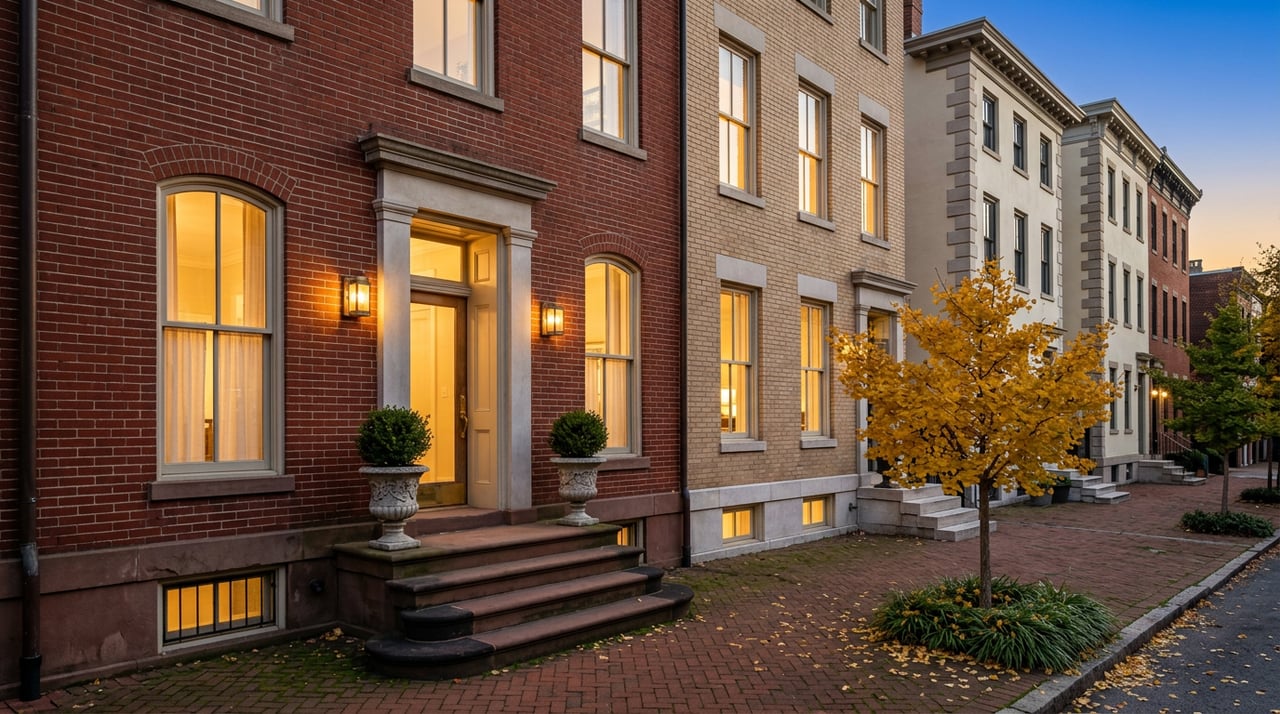
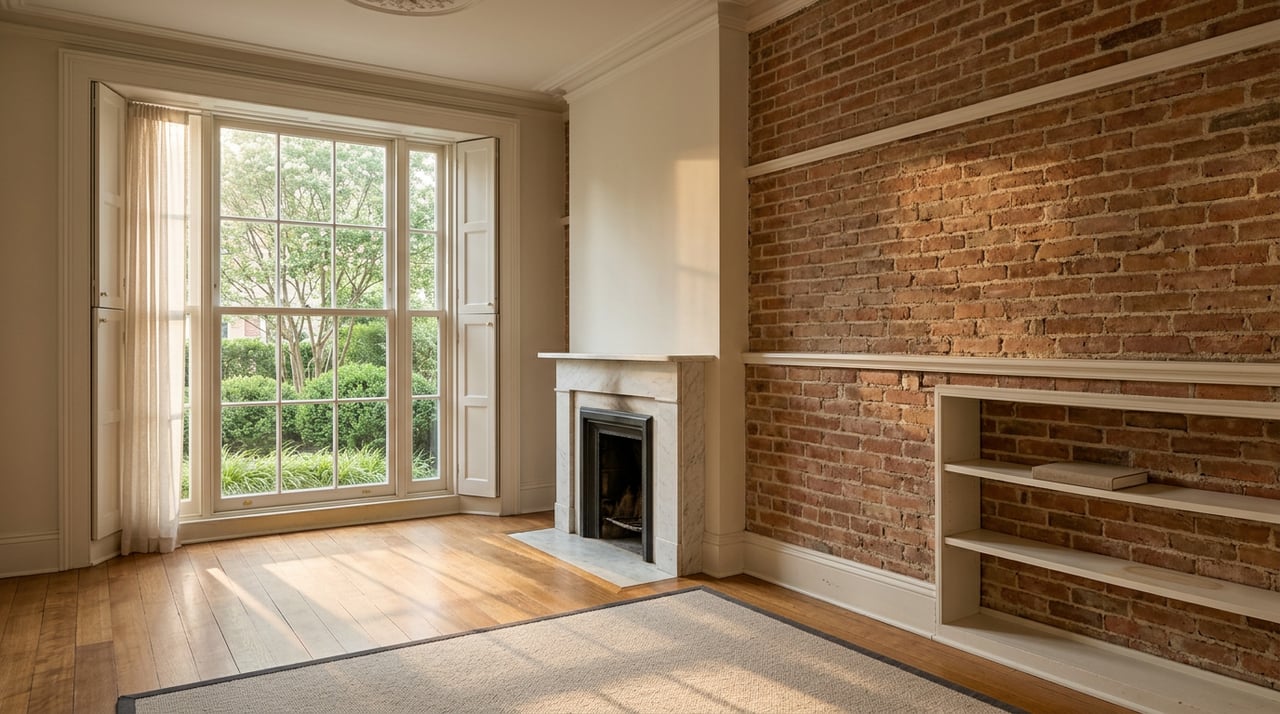
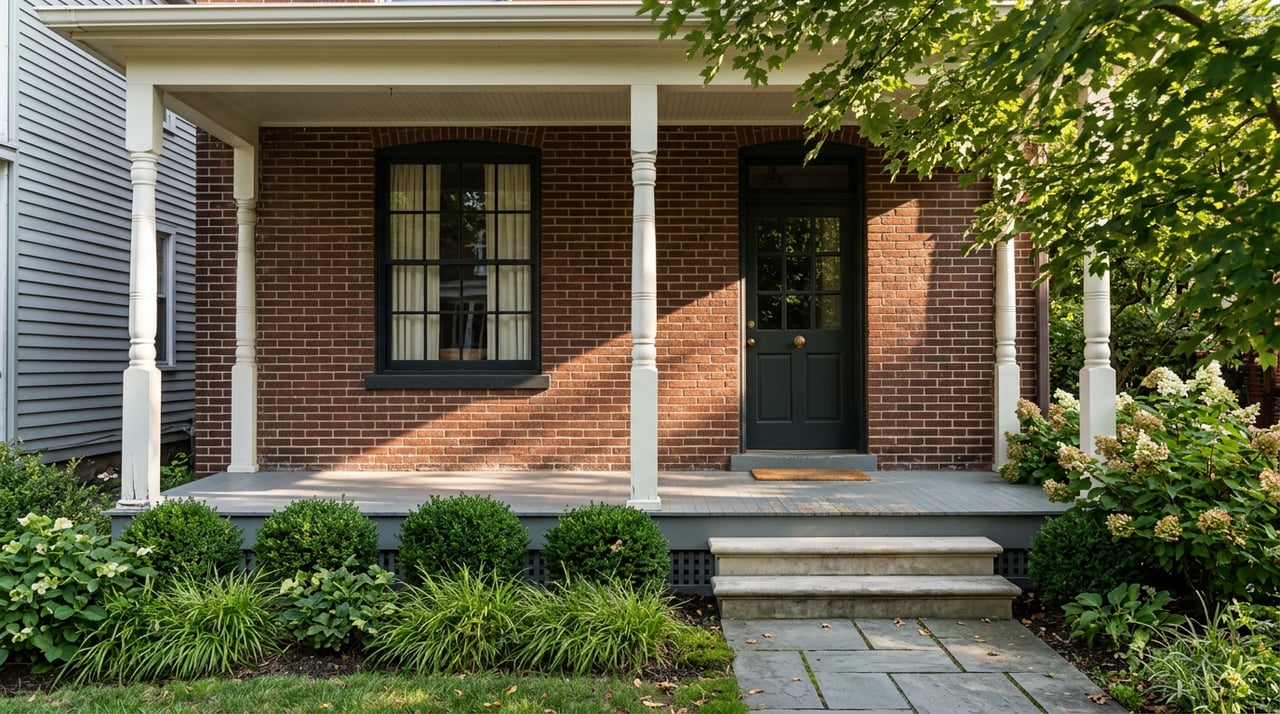
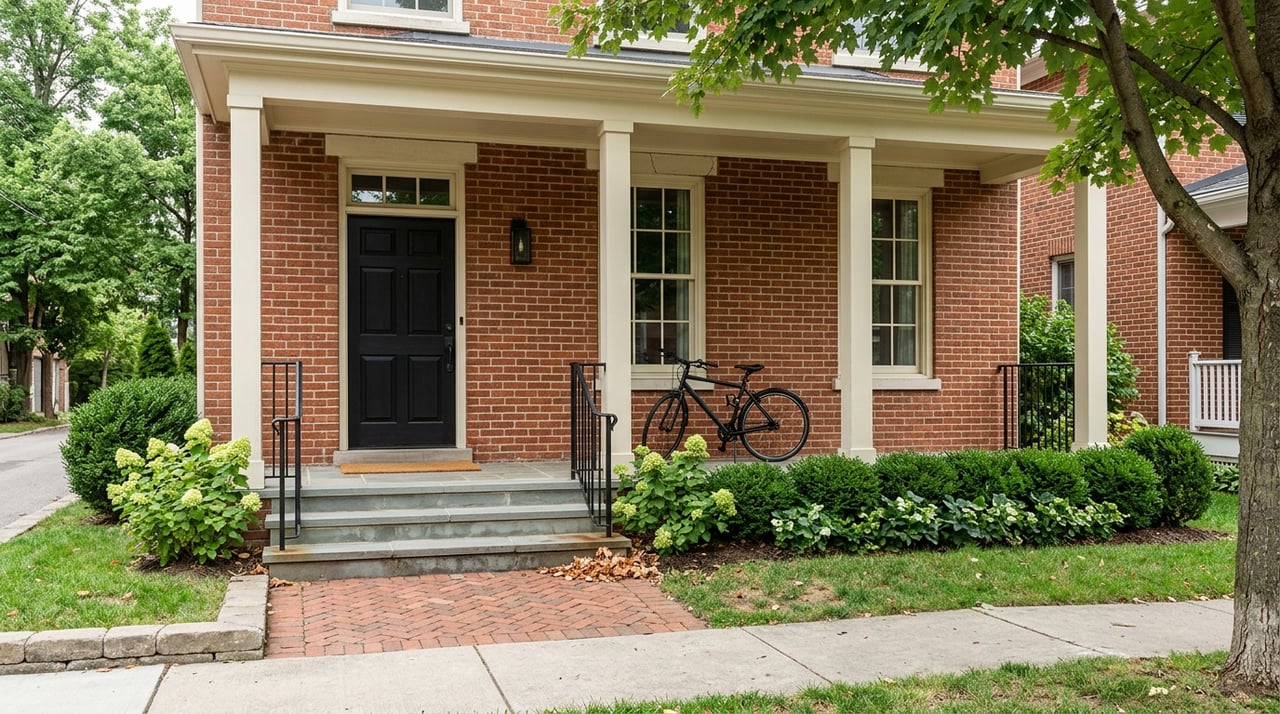
Center City Philadelphia delivers a specific version of daily life that no suburban or rural alternative fully replicates. Walkability, density of restaurants and culture, and proximity to major employers in healthcare, education, and finance are genuine advantages for buyers whose lives are organized around the city.
Who Does Urban Living Actually Suit?
- Buyers who commute to Center City employers — Penn Medicine, Jefferson Health, Comcast, and the law and finance corridors — for whom proximity genuinely reduces time lost to transportation
- Professionals and empty nesters who use the city's cultural infrastructure — the Philadelphia Museum of Art, the Academy of Music, Reading Terminal Market — frequently enough that walkable access matters daily, not occasionally
- Buyers who prioritize a low-maintenance lifestyle where a building or HOA handles exterior upkeep, giving them time and attention for the parts of life they actually want to manage
- First-time buyers and younger households whose social life is city-centric and for whom the urban premium buys access to a community they already inhabit
Urban living rewards buyers whose daily life genuinely benefits from density — and costs buyers who are purchasing an idea rather than a lived reality.
The Case for Suburban Living
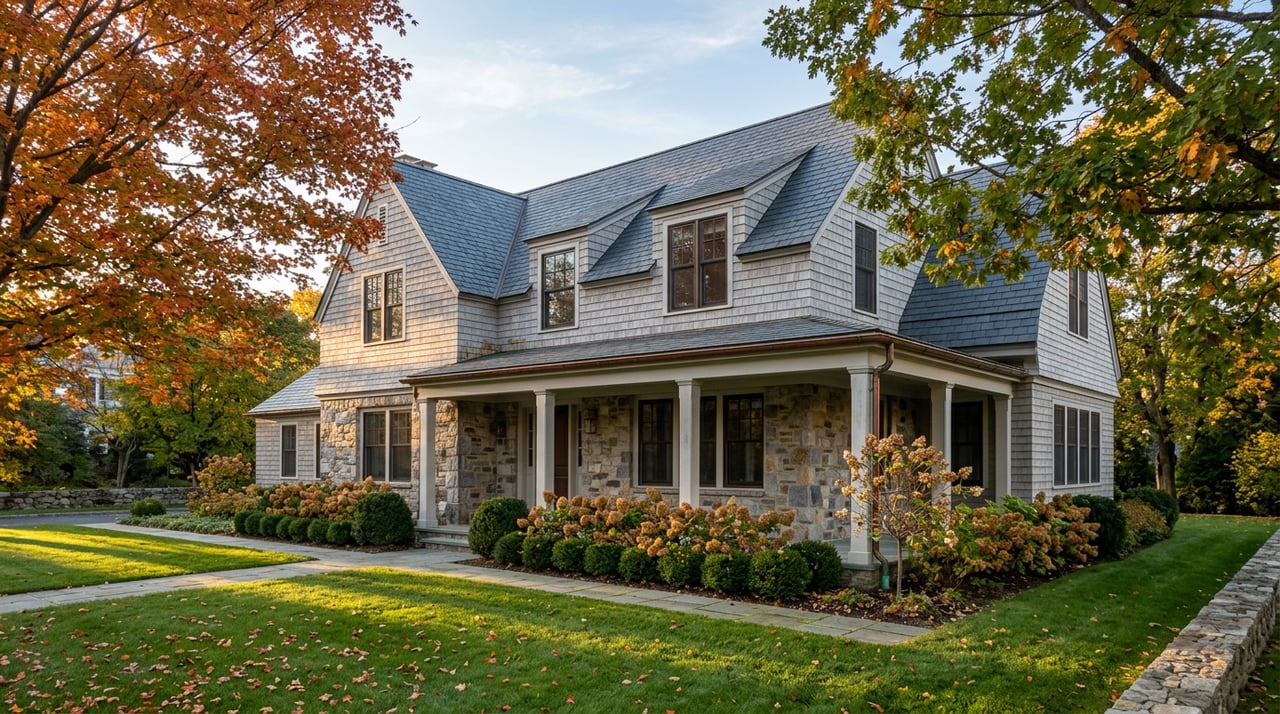
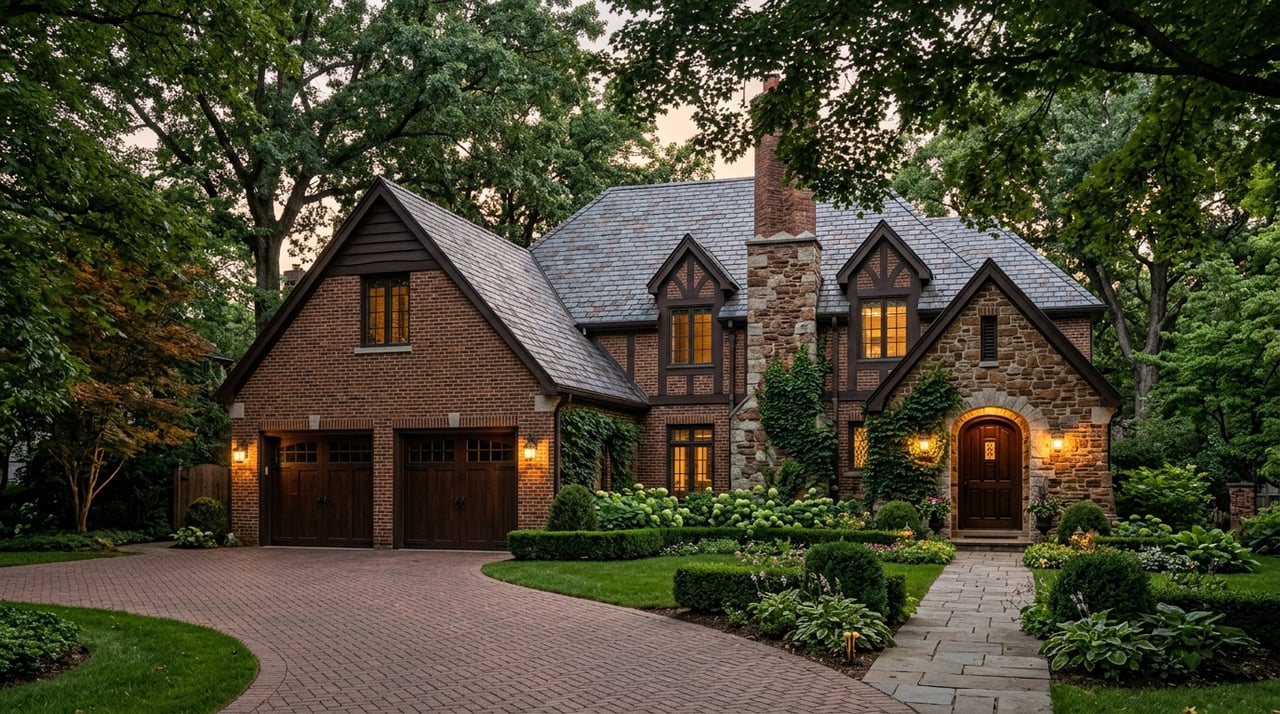
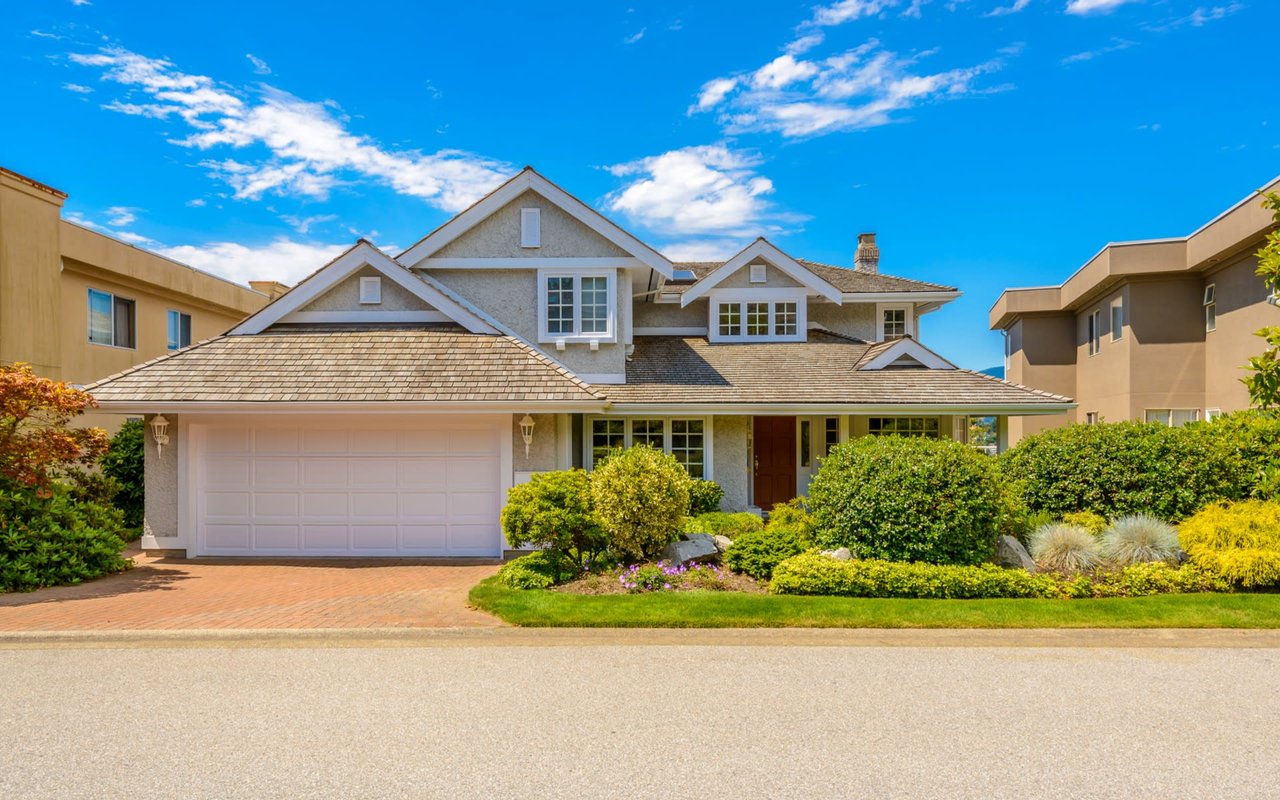
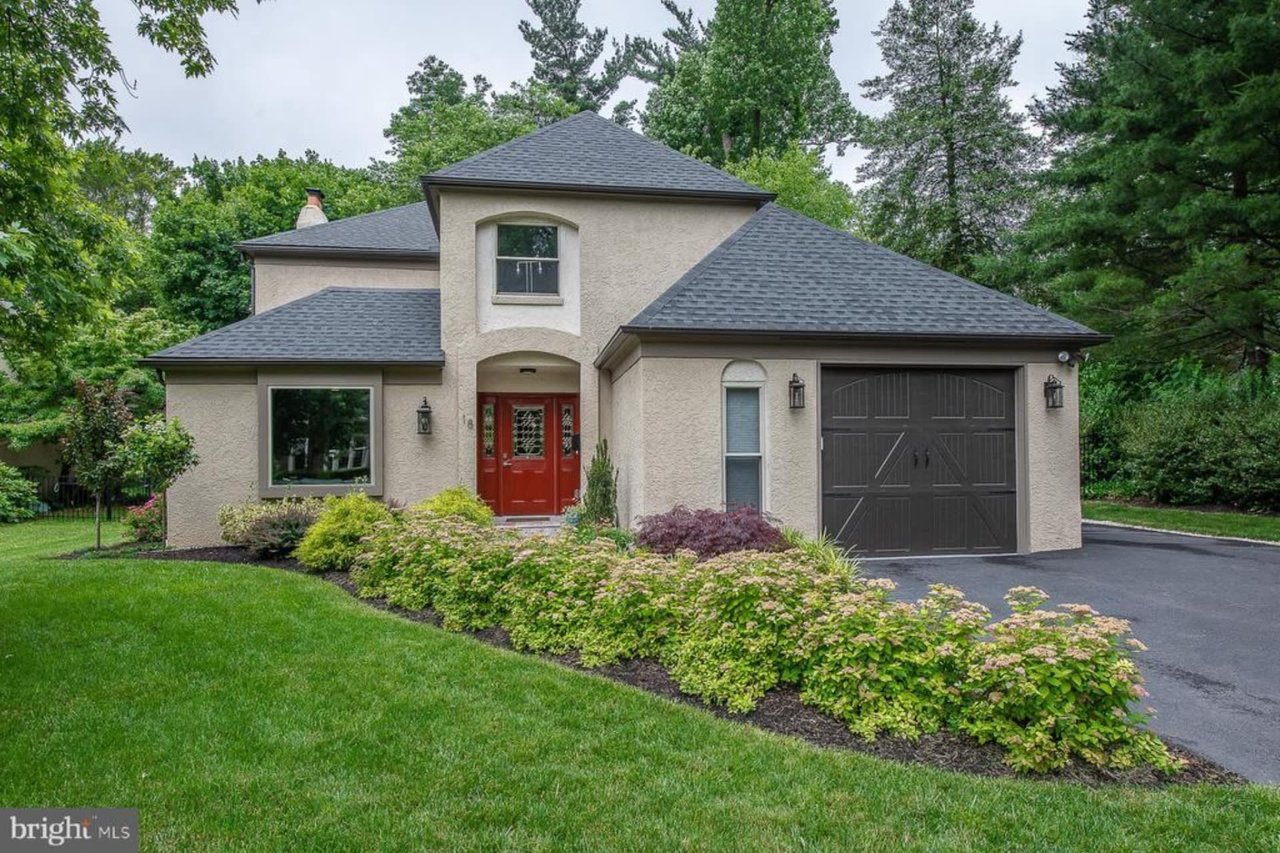
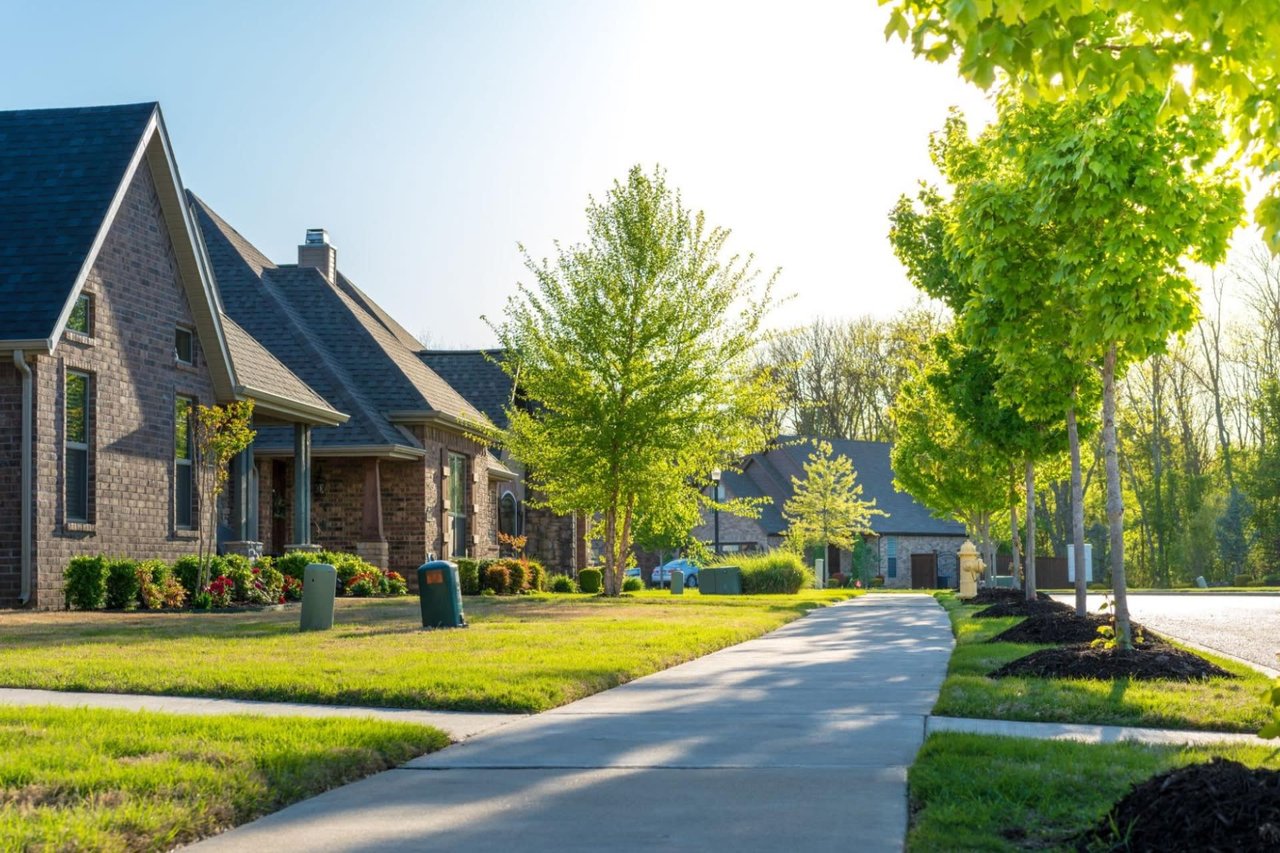
The Main Line exists because buyers across generations have made the same calculation: Center City's culture and employment within reach, but with a house, a yard, and a school district that resets the quality-of-life equation for families. That calculation still holds.
What the Main Line Delivers That Urban Living Doesn't
- School districts, including Lower Merion, Radnor, and Tredyffrin-Easttown, consistently rank among the strongest in Pennsylvania — a primary driver for families with children making the move from Center City or from out of state
- SEPTA Regional Rail connects Ardmore, Wayne, Paoli, and other Main Line stations to Center City in 20 to 40 minutes — a commute that makes hybrid work arrangements genuinely practical without daily car dependence
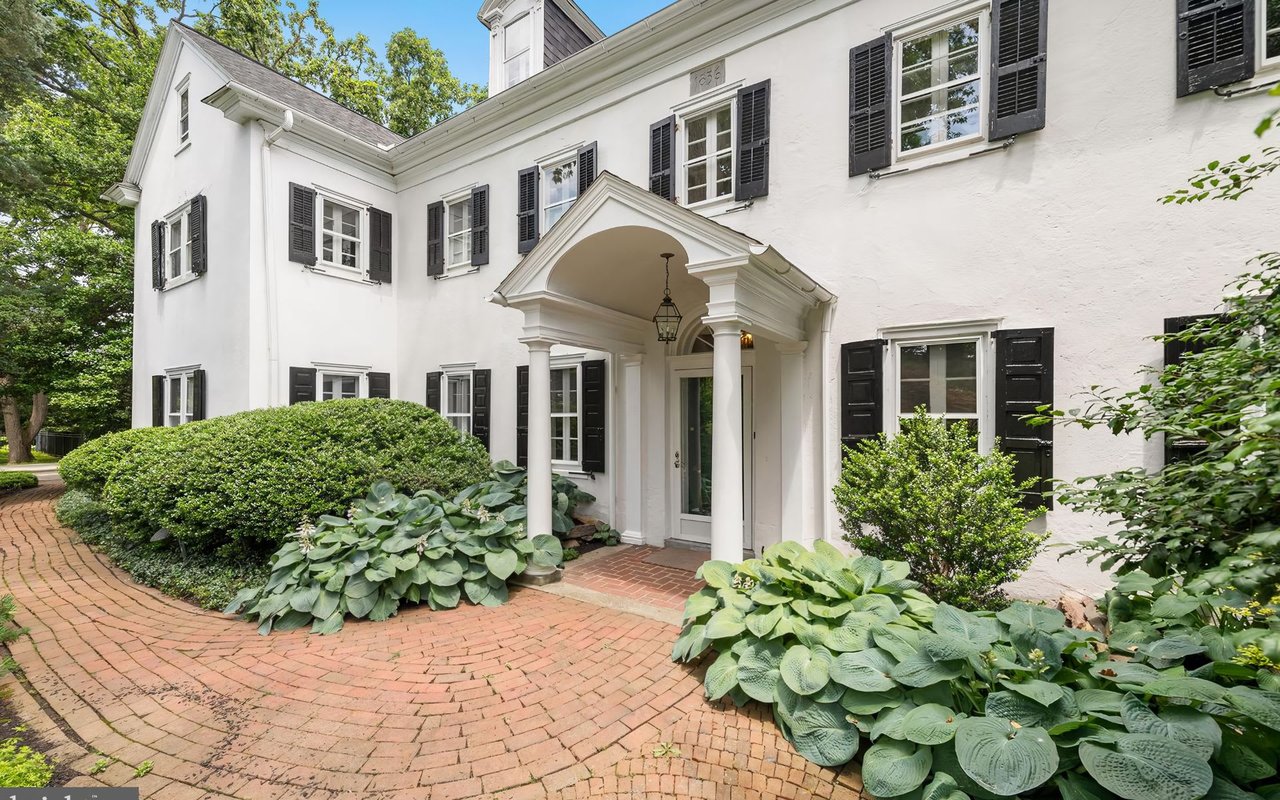
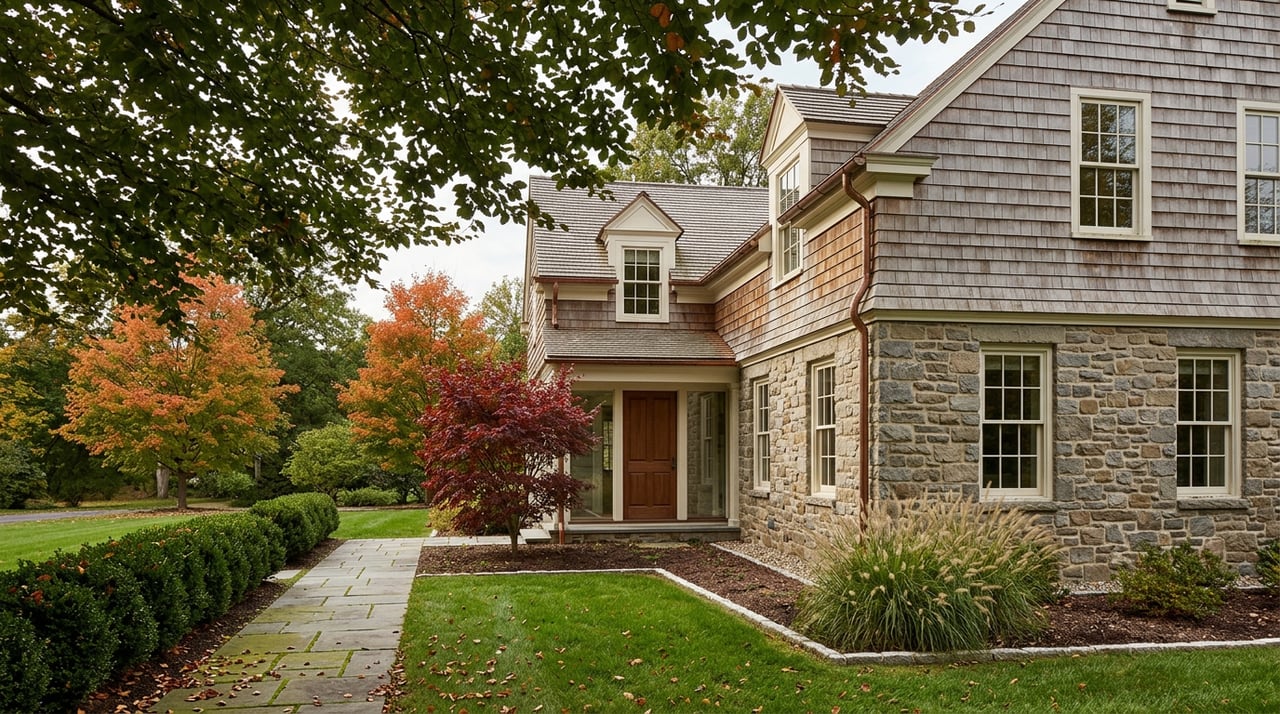
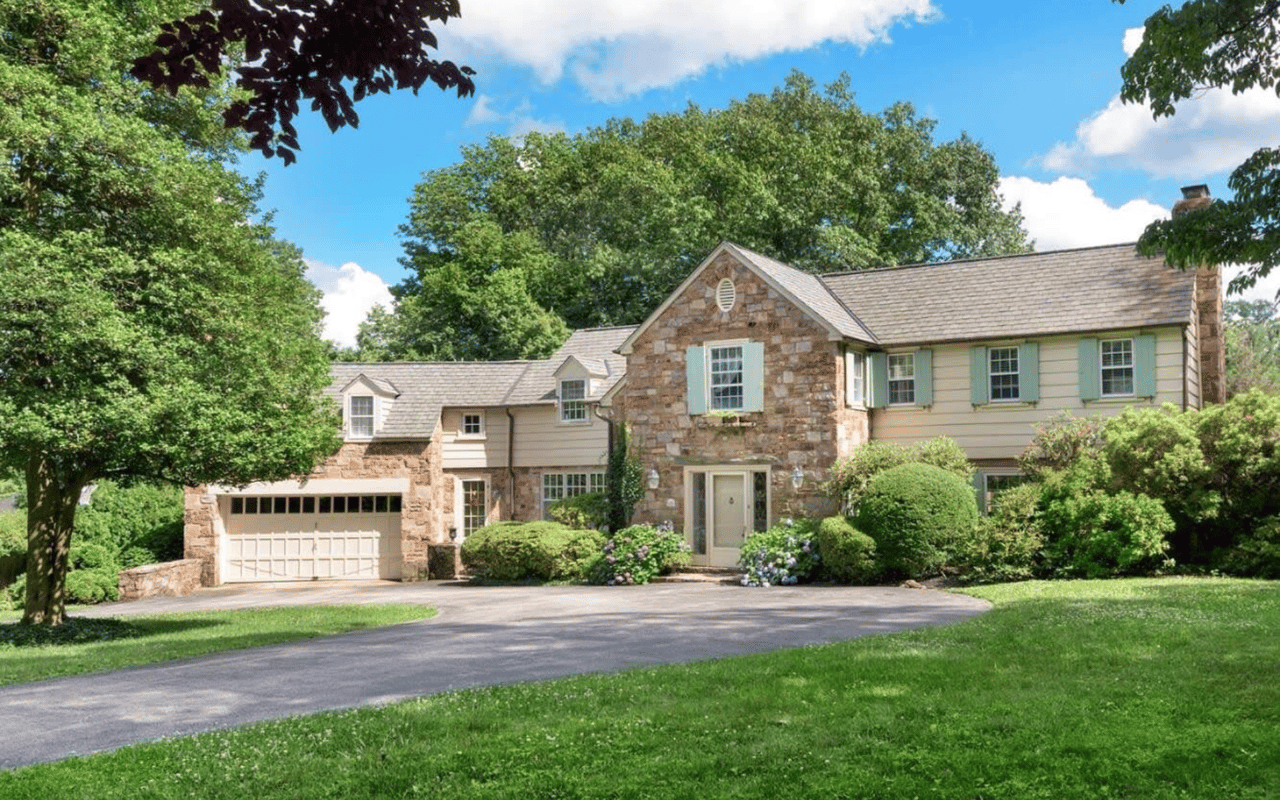
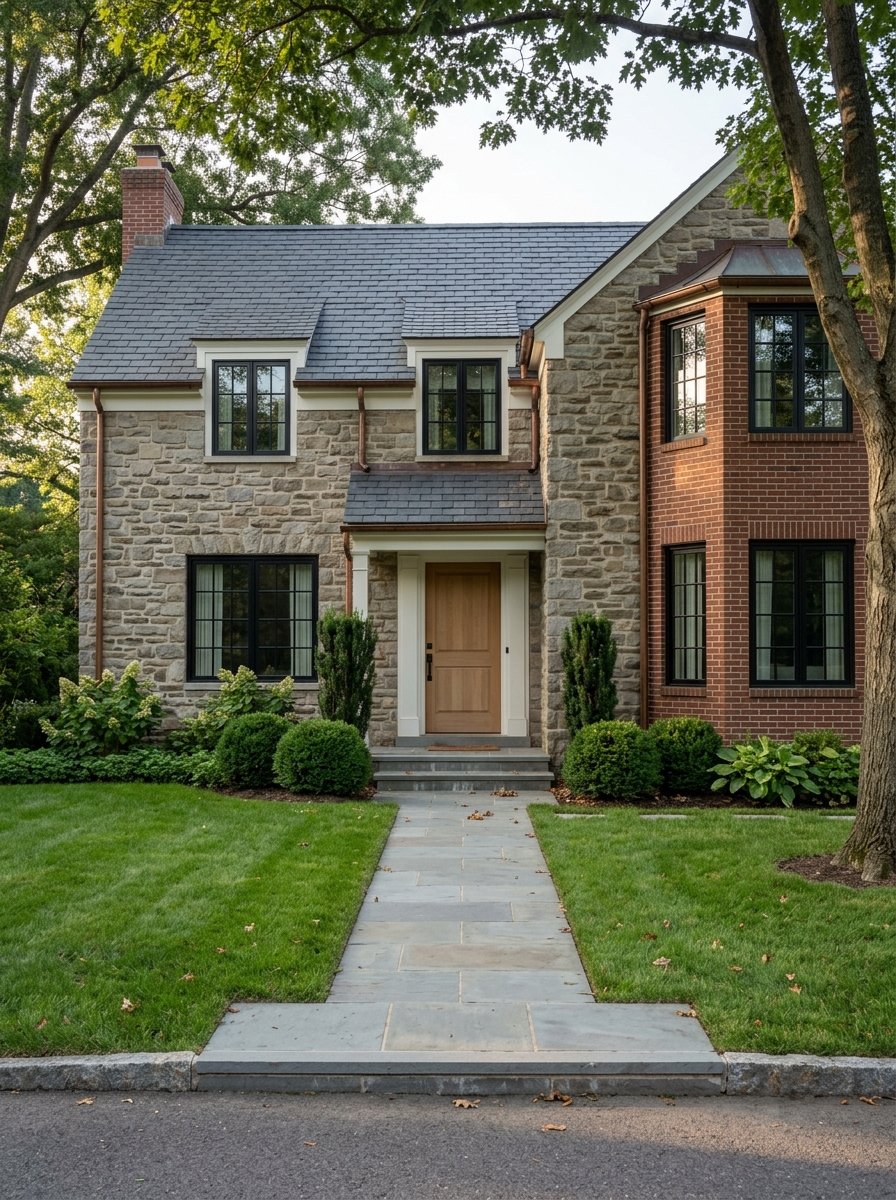
- Housing stock ranging from pre-war stone colonials and twin homes to newer construction on larger lots gives buyers genuine variety across price points that urban inventory rarely provides at a comparable scale
- A walkable town center culture in communities like Bryn Mawr, Wayne, and Narberth creates a social and commercial infrastructure that provides genuine daily livability without requiring a city address
The Main Line's sustained appeal across generations isn't nostalgia — it's a well-calibrated response to what most buyers with families and hybrid work arrangements actually need from a home.
The Case for Rural Living
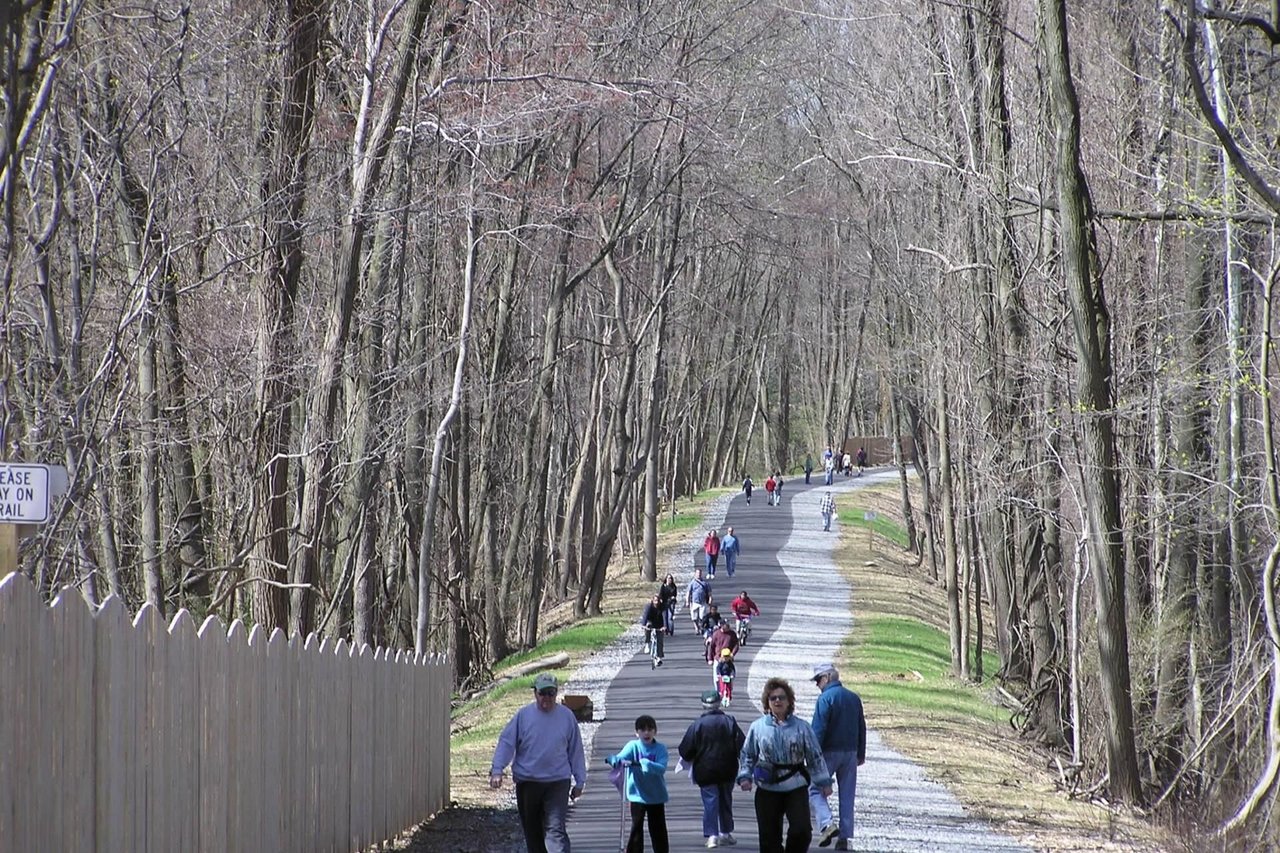
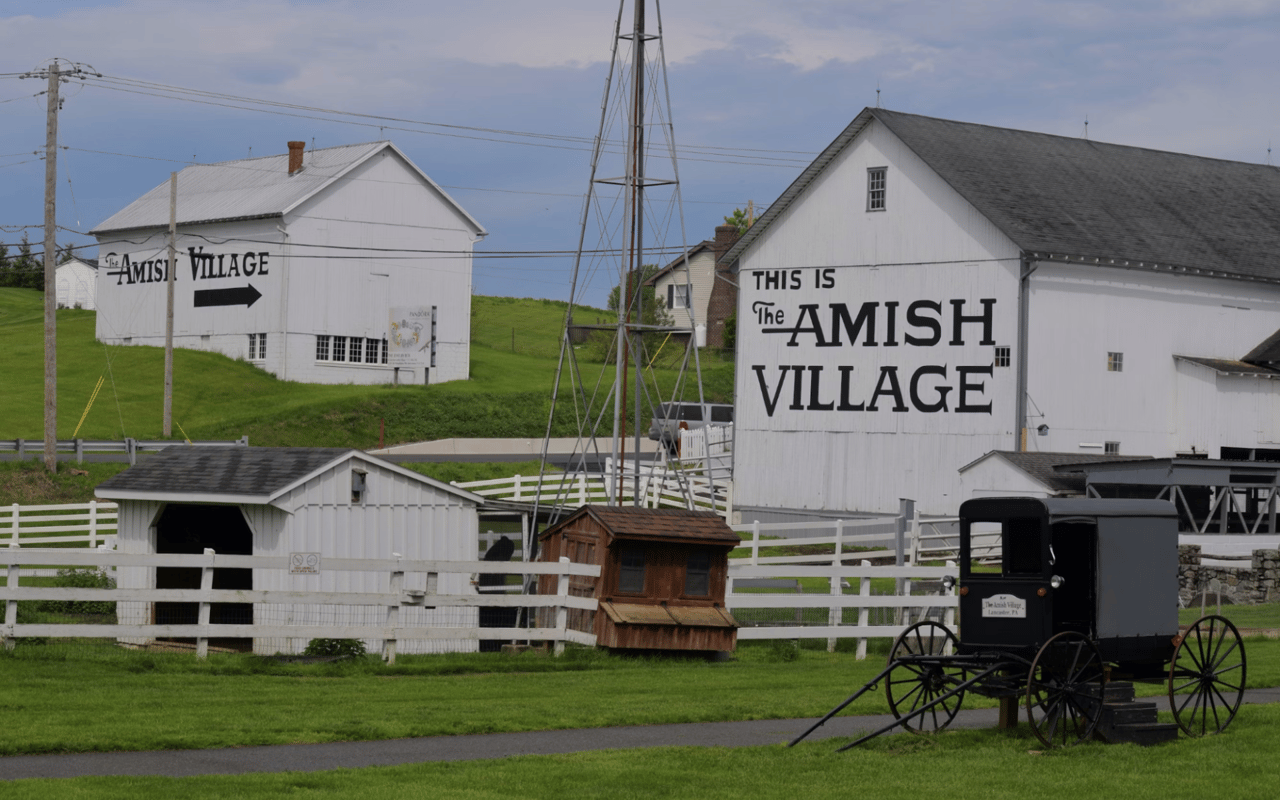
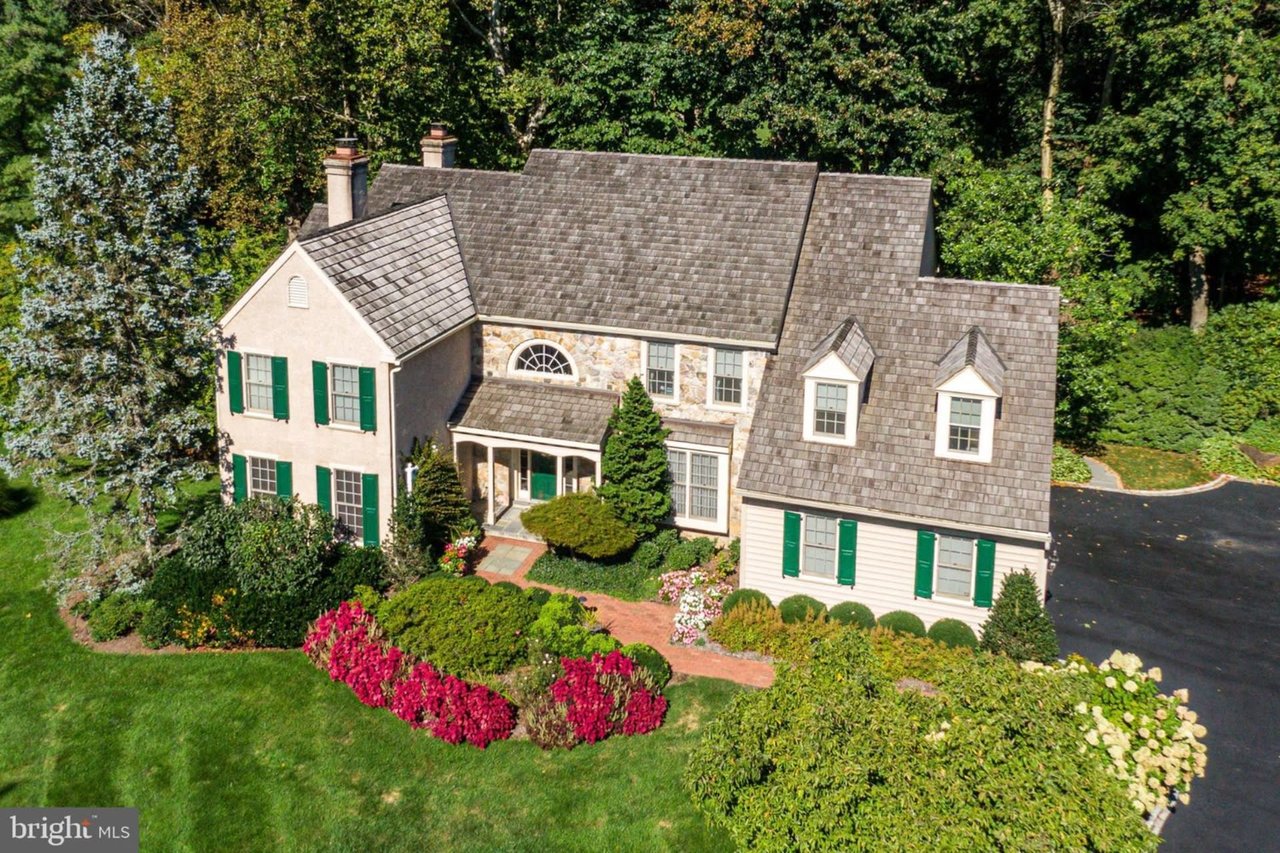
Chester County's rural stretches offer something neither Center City nor the Main Line can — land, privacy, and the kind of quiet that restructures daily life in a fundamental way. For the right buyer, that trade is straightforwardly worth making.
Who Does Rural Living Actually Suit?
- Buyers who work remotely full-time and have genuinely decoupled their professional lives from a commute-based geography — for whom the city is a destination rather than a daily obligation
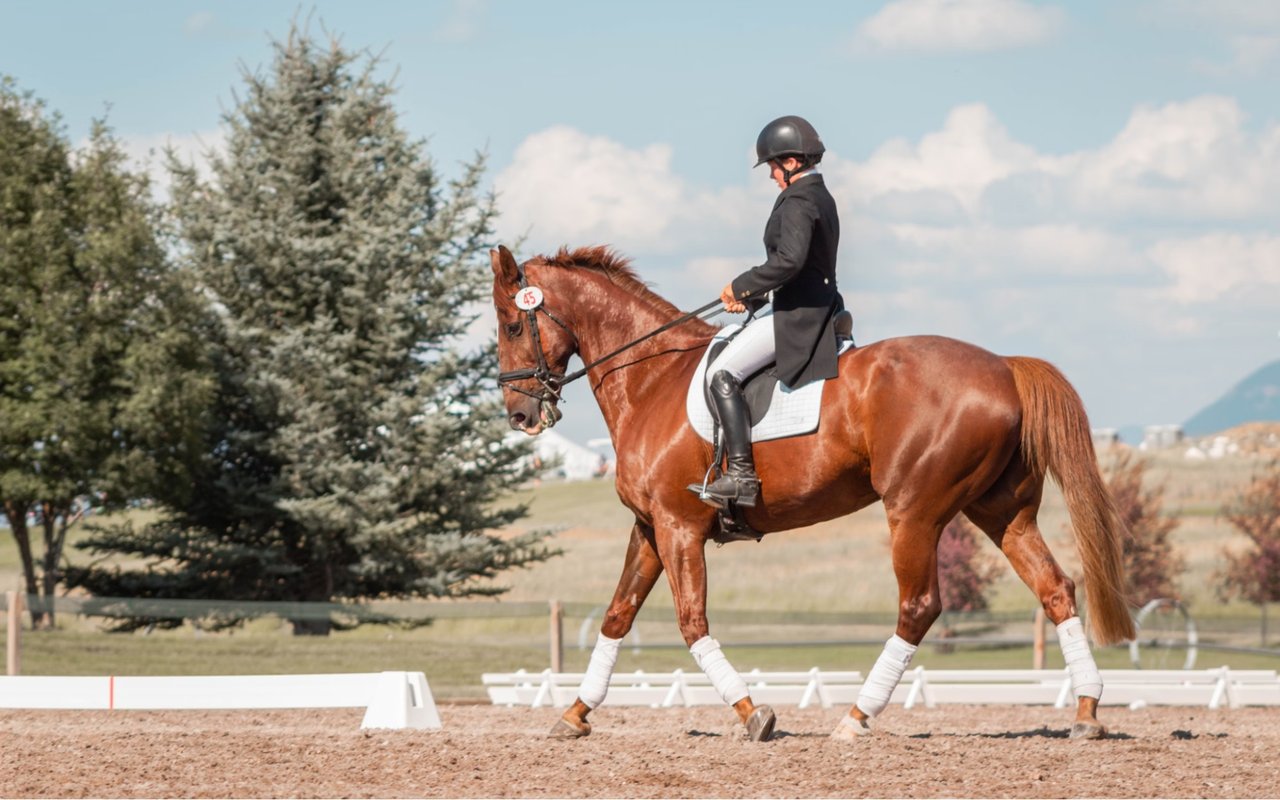
- Families and individuals who prioritize outdoor space, agricultural opportunity, or equestrian access in ways that suburban lots don't support regardless of price
- Buyers whose social infrastructure is relationship-based rather than proximity-based — those who maintain close friendships and community ties independently of geographic density
- Buyers whose budget, stretched thin by urban or Main Line pricing, goes dramatically further in rural Chester or Lancaster County — allowing them to acquire the space and land they actually want rather than the square footage the closer markets allow
Rural living requires honest self-assessment about how much the trade-offs actually cost you — and rewards buyers who have done that assessment clearly.
FAQs: Urban vs Suburban vs Rural Living
How do I know if I'm a suburban buyer pretending to be an urban one?
Ask how often you actually use the city's amenities — not how often you think you will. If honest accounting shows that most of your life happens at home, in a car, or in a small network of familiar places, suburban living will likely serve you better than the urban premium it replaces.
Is the Main Line right for buyers without children?
Yes, for buyers who value community character, architectural quality, and commute access regardless of school district priorities. Lower Merion and Radnor in particular attract a significant share of empty nesters and professional couples whose decision is driven by the towns themselves rather than the school systems.
What's the minimum commute tolerance for rural Chester County buyers?
Most rural Chester County properties sit 45 to 75 minutes from Center City by car during peak hours — a workable commute for one or two days per week, and a meaningful daily burden for anything more frequent. Remote work flexibility is the primary enabler of rural living in this region.
Find Your Right Fit with The MacDonald Team
Whether you're drawn to Center City's energy, the Main Line's established communities, or the quiet of Chester County's rural stretches, the decision deserves the guidance of someone who knows all three markets well. We are The MacDonald Team, led by Stephanie with 18 years of experience across the Main Line, Center City, and Southern New Jersey. Our clients are always our number one focus — and our commitment is to put your needs first, provide honest guidance, and negotiate on your behalf every step of the way.
Connect with The MacDonald Team today.
Connect with The MacDonald Team today.