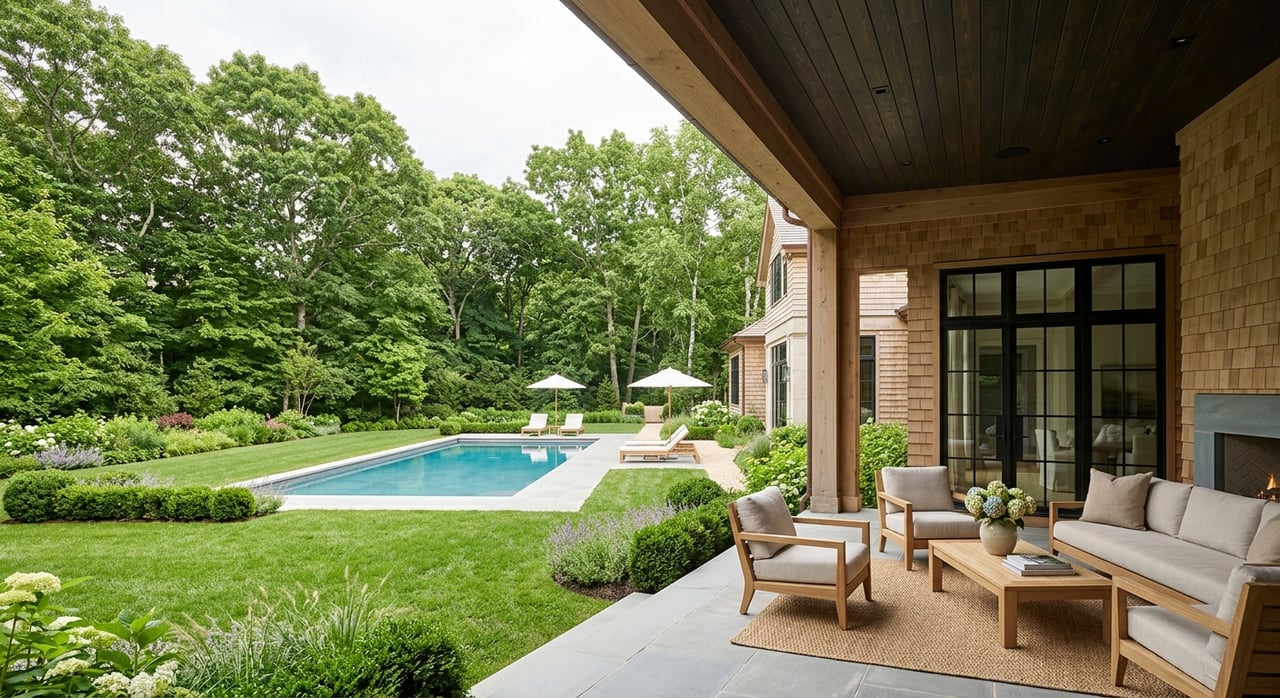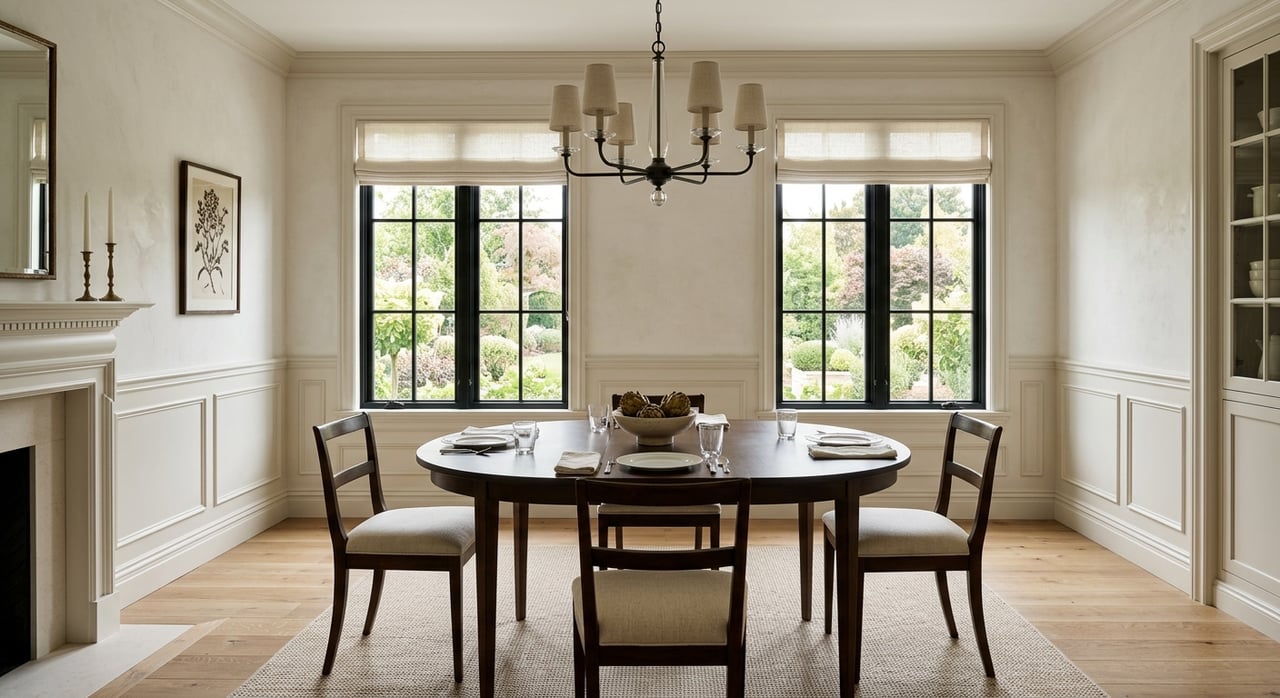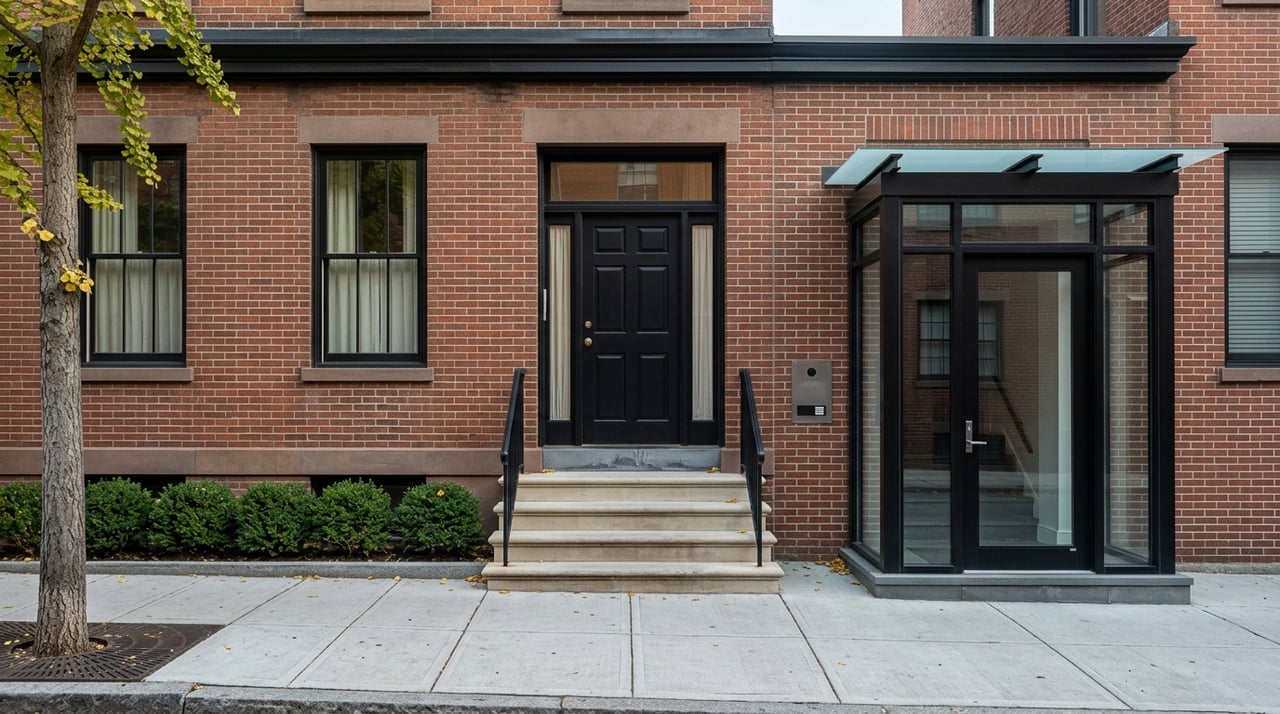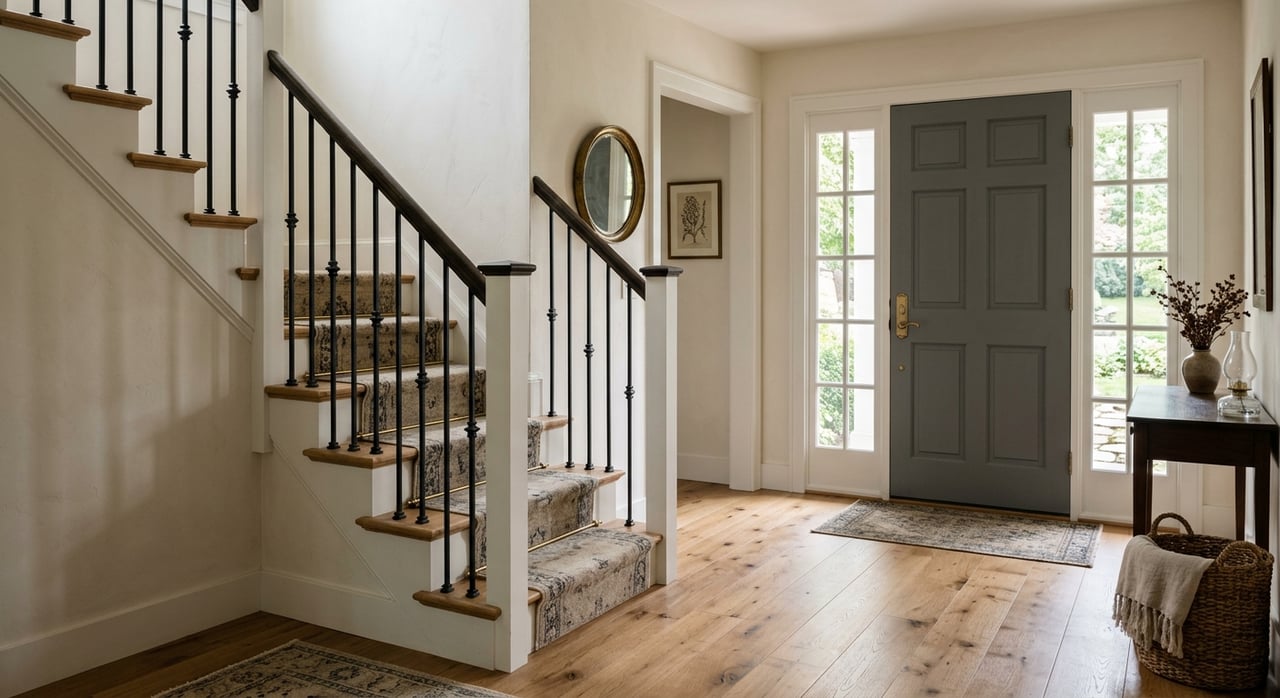
Choosing between a new construction home and a historic property in Berwyn is not just about age. It is about how you want to live, what kind of upkeep you can handle, and how much value you place on character versus convenience. If you are weighing both options, understanding Berwyn’s housing history, local rules, and likely ownership costs can help you make a smarter decision with fewer surprises. Let’s dive in.
Why Berwyn Offers Both Options
Berwyn has a housing mix that reflects decades of development rather than one single building boom. According to Easttown Township’s history, the area changed significantly after the railroad arrived, and housing growth accelerated in the 1950s as former estates were divided into single-family homes and townhouses.
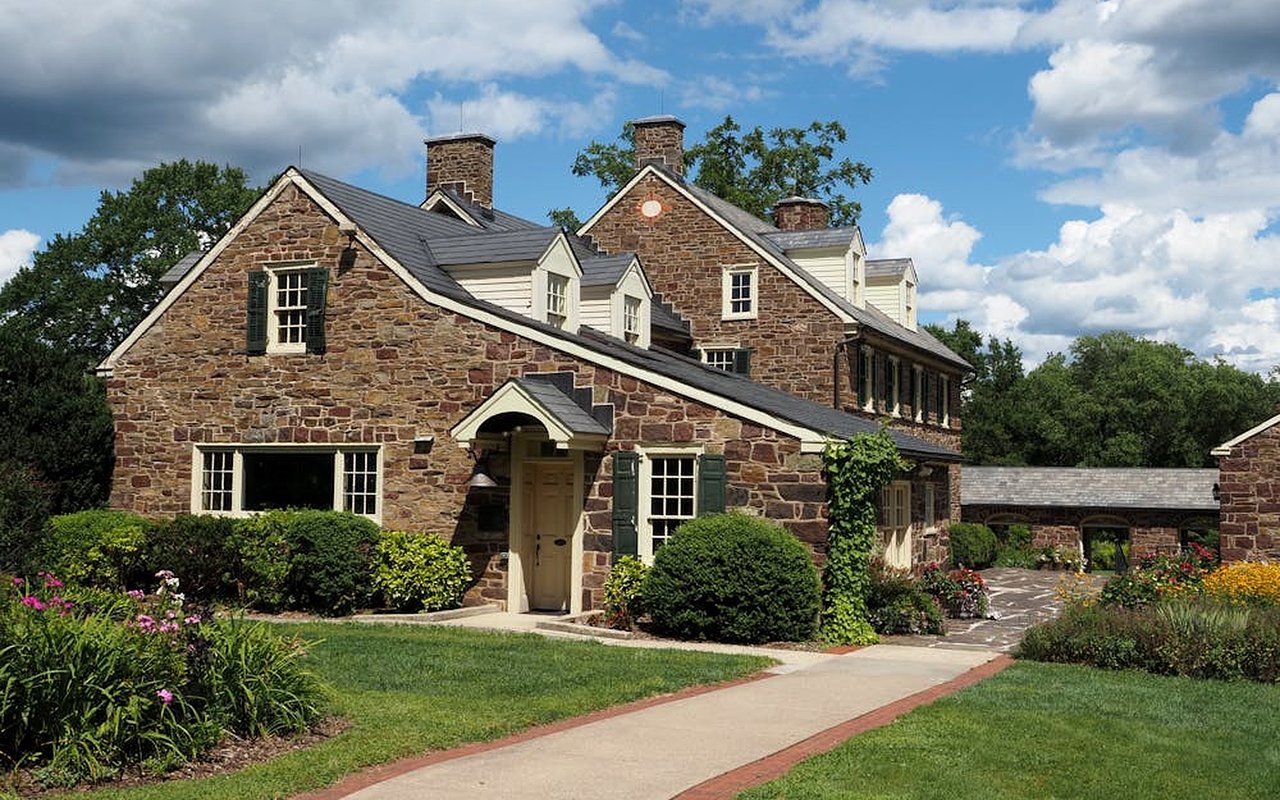
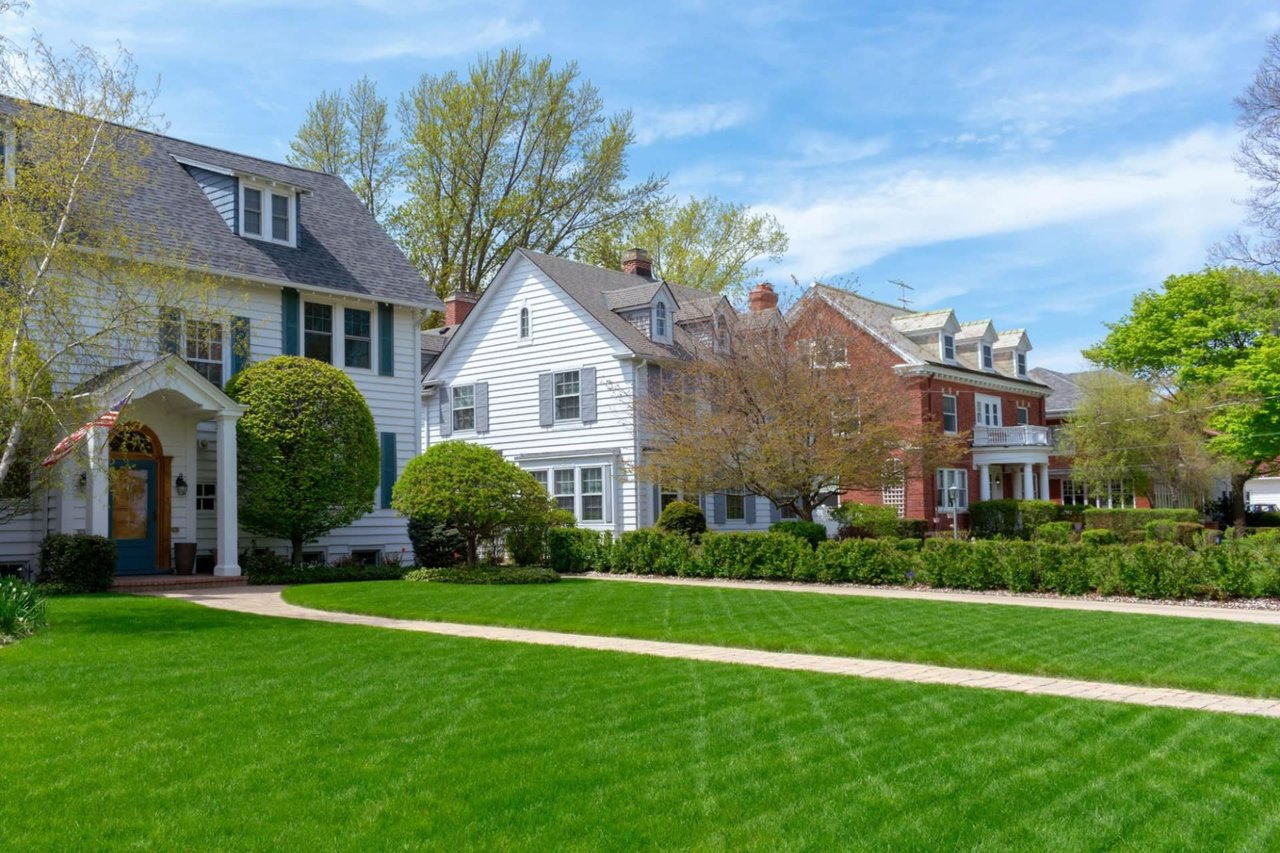
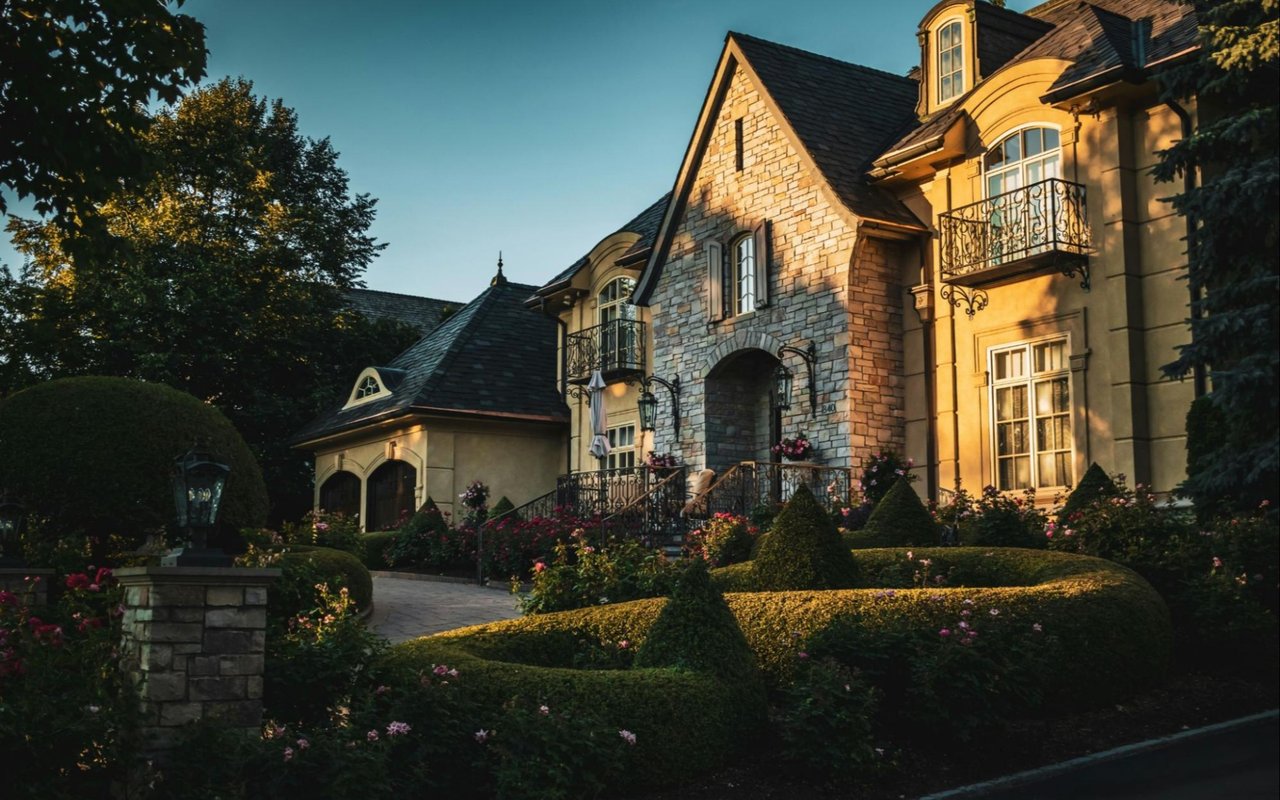
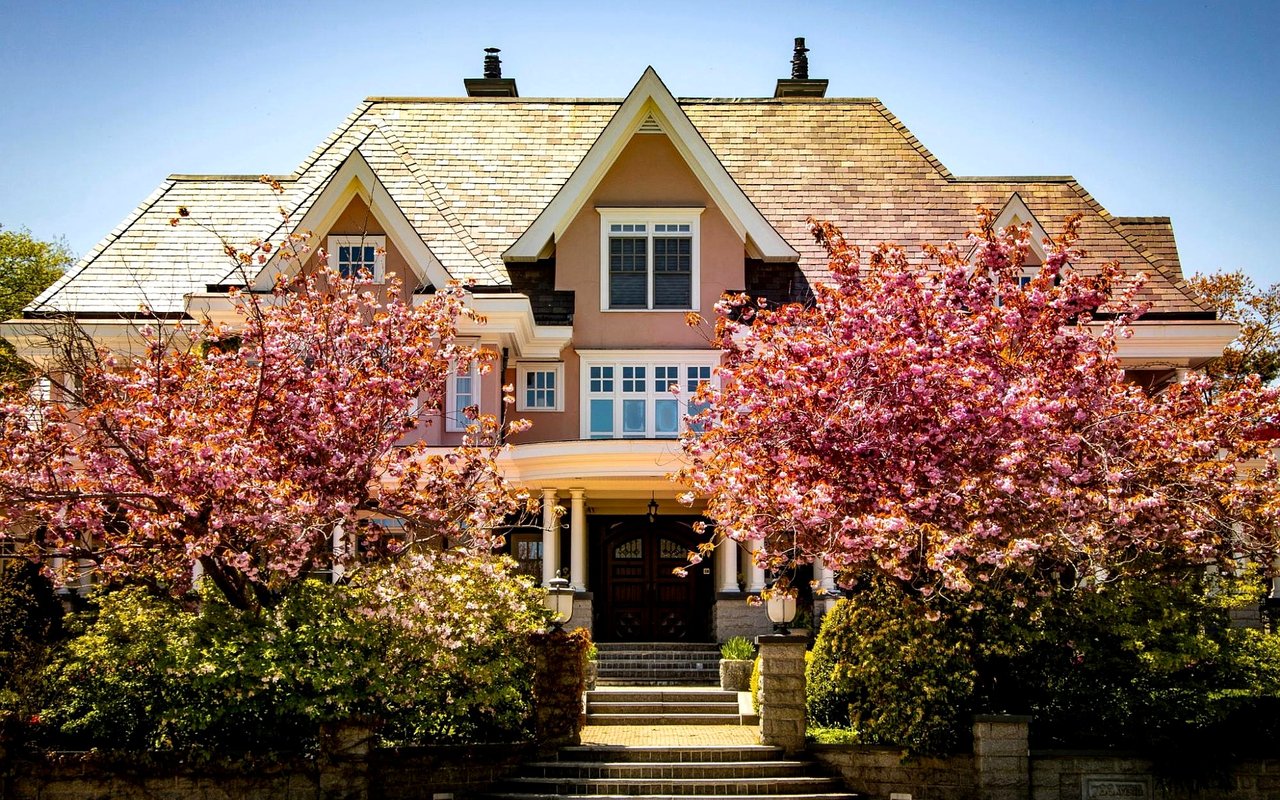
That history helps explain why Berwyn can feel so varied from one block to the next. Tredyffrin Township’s preservation plan notes that Berwyn, Strafford, and Paoli developed concentrations of Queen Anne, Shingle Style, Colonial Revival, and Tudor Revival homes from the 1890s through the 1920s, along with farmhouses, estate buildings, and pattern-book houses near the stations.
For you as a buyer, that means “historic home” in Berwyn can cover a wide range of house styles and conditions. It can also mean very different floor plans, lot layouts, and renovation needs compared with a newly built home.
Character Versus Modern Living
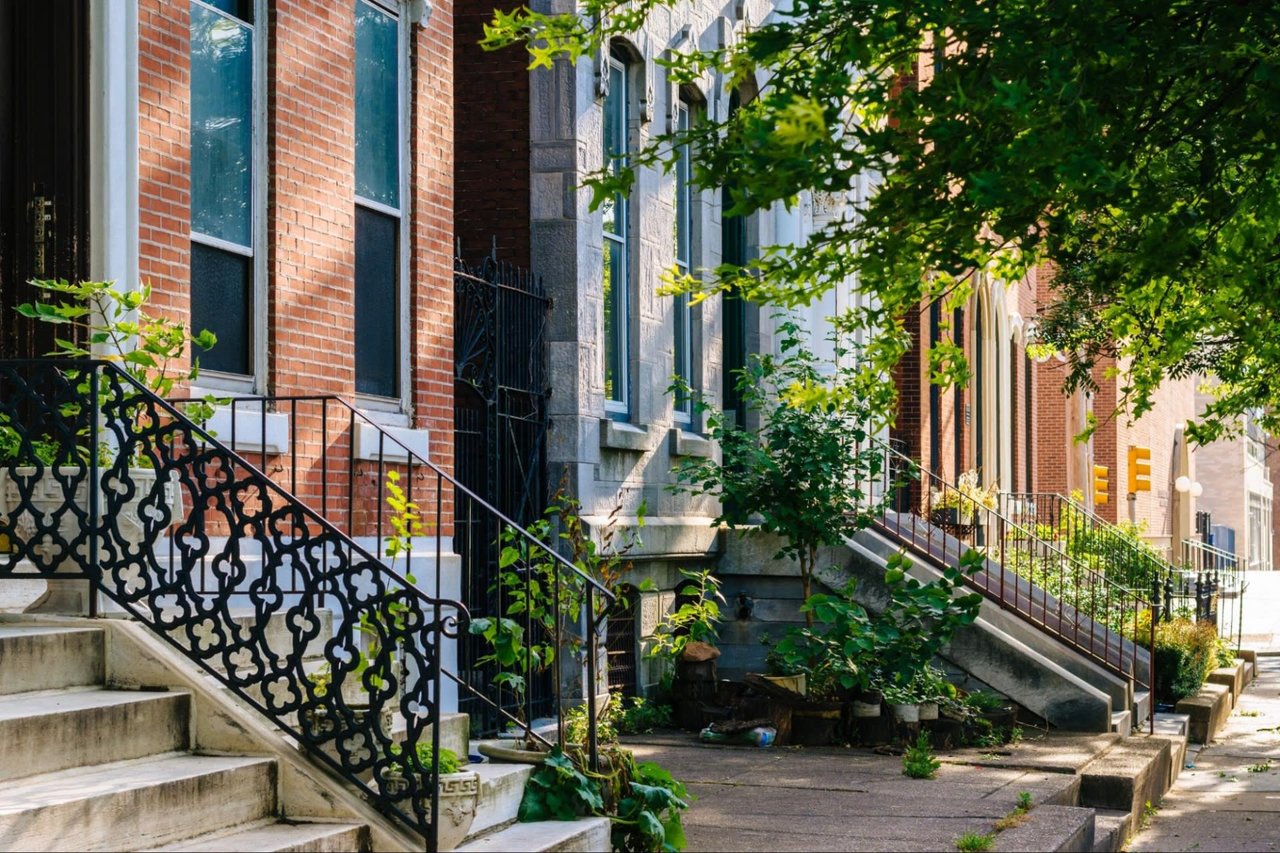
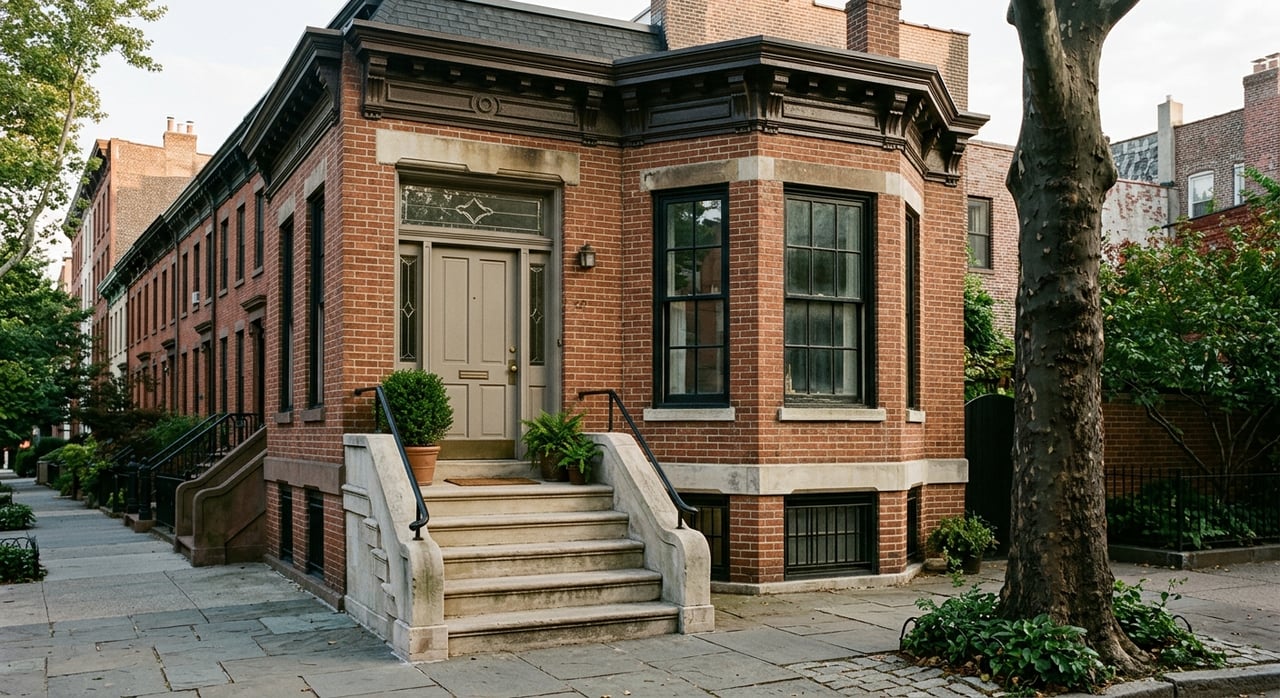
Historic homes often stand out visually
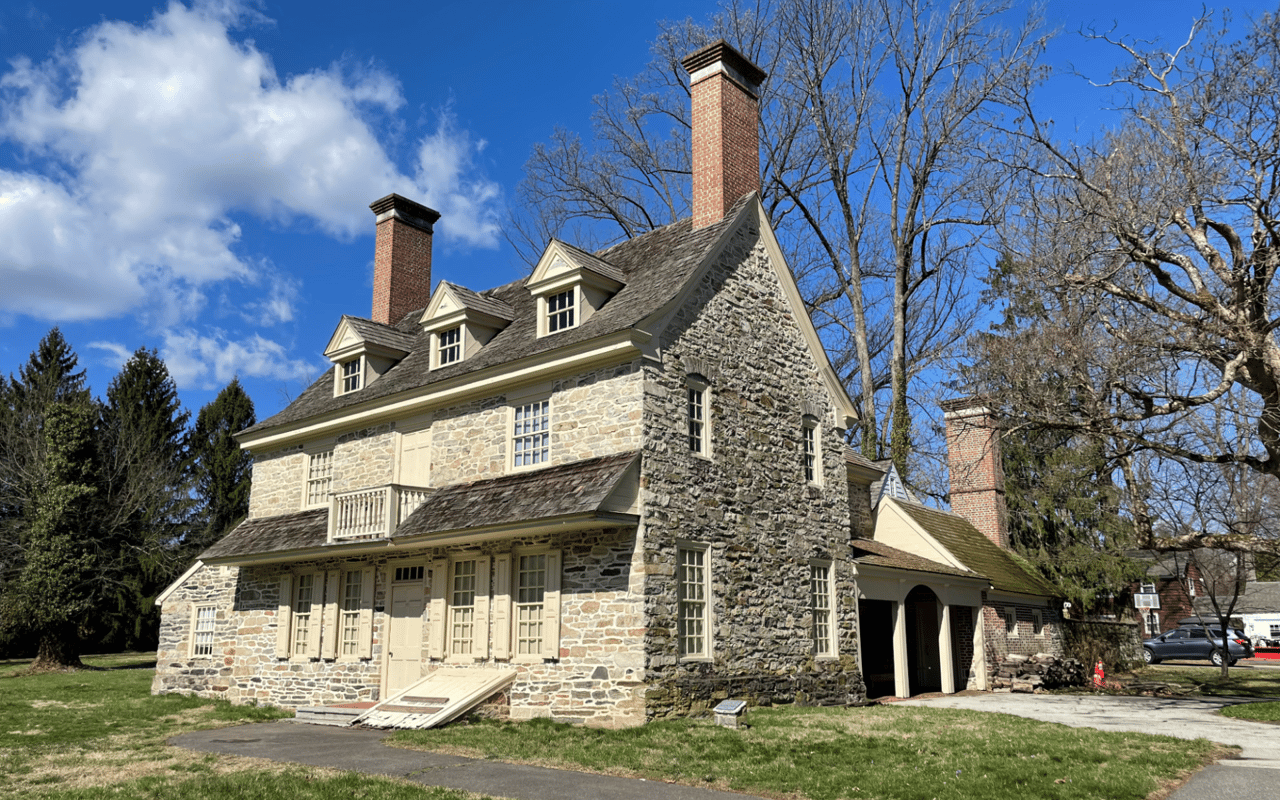
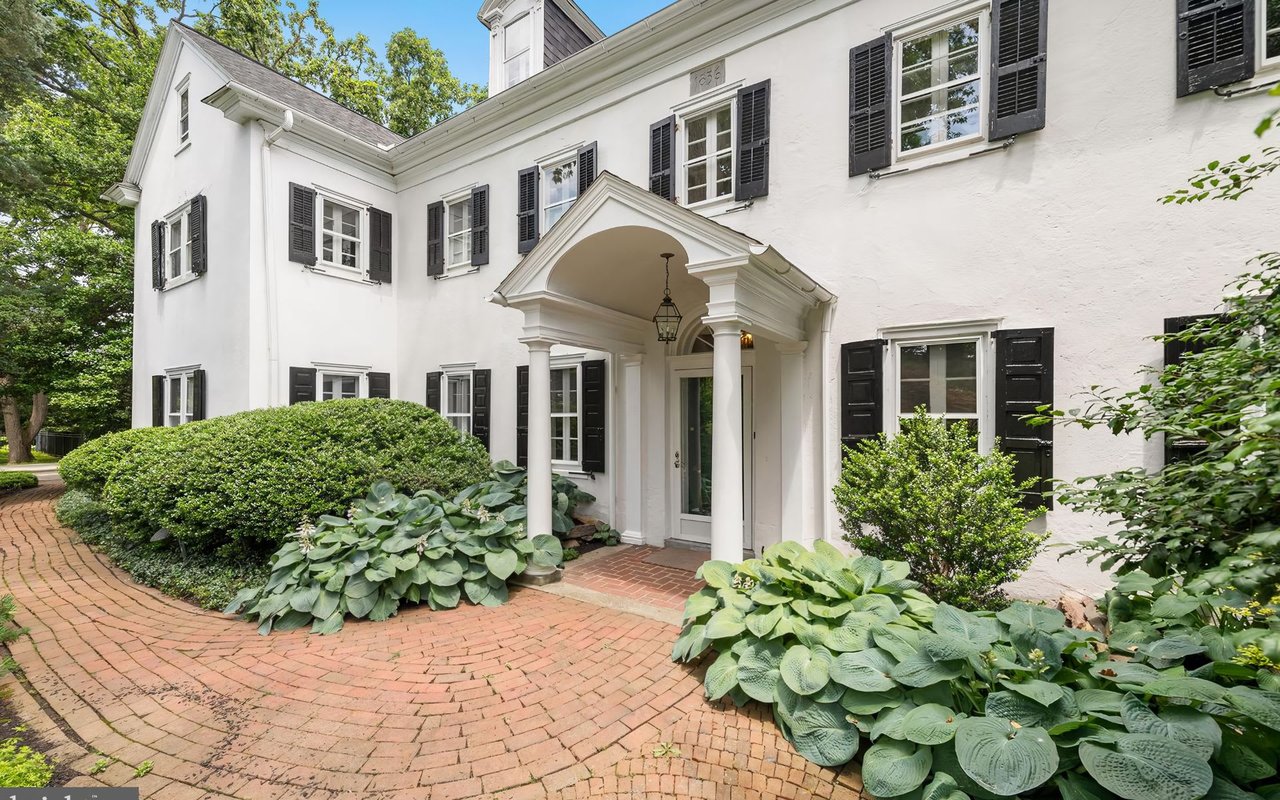
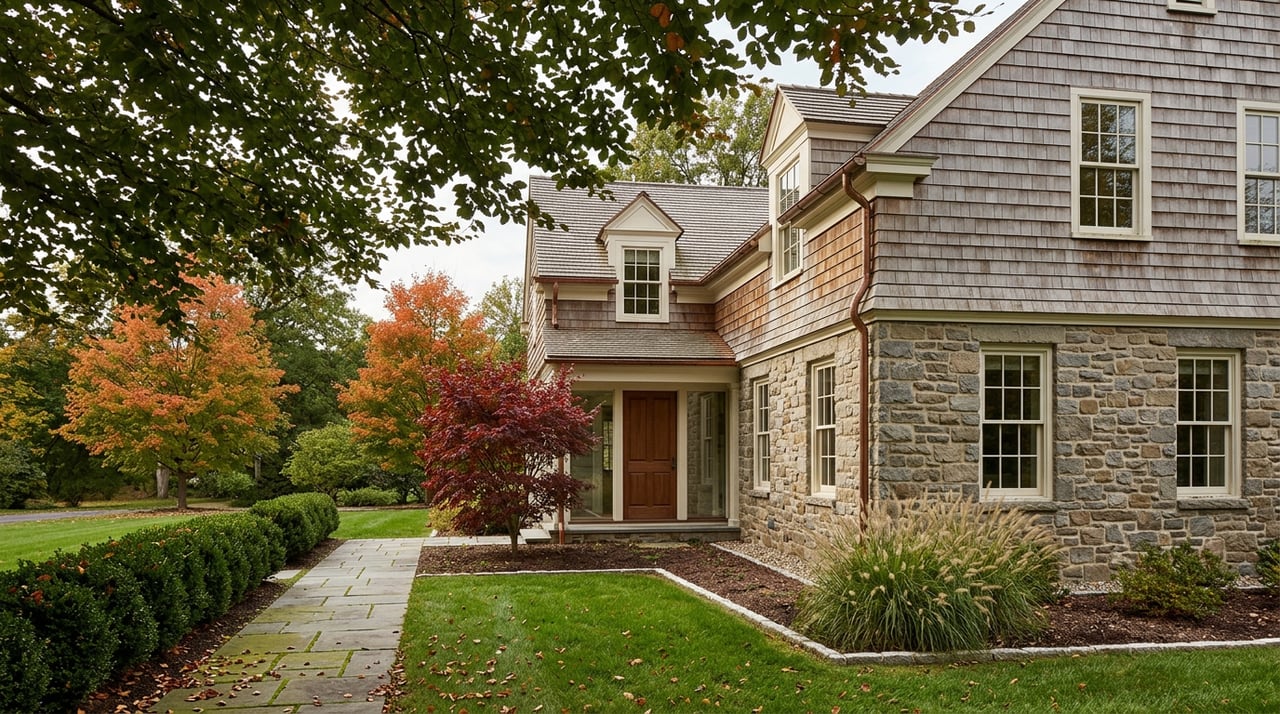
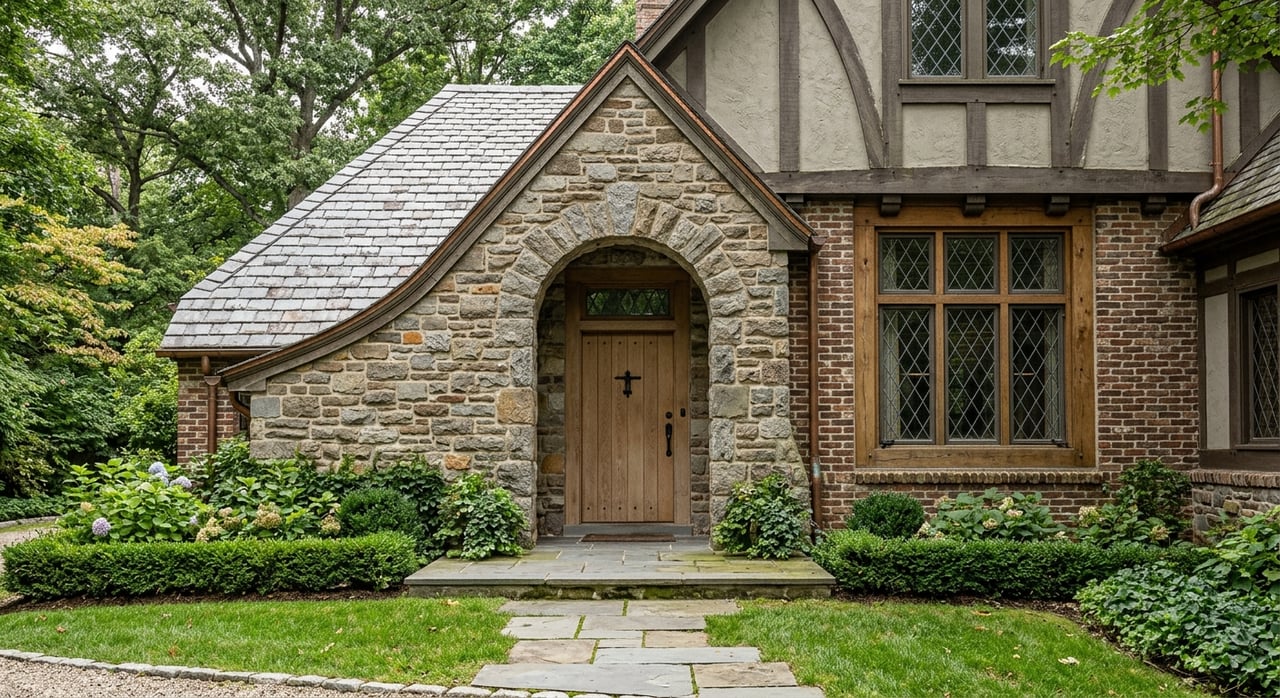
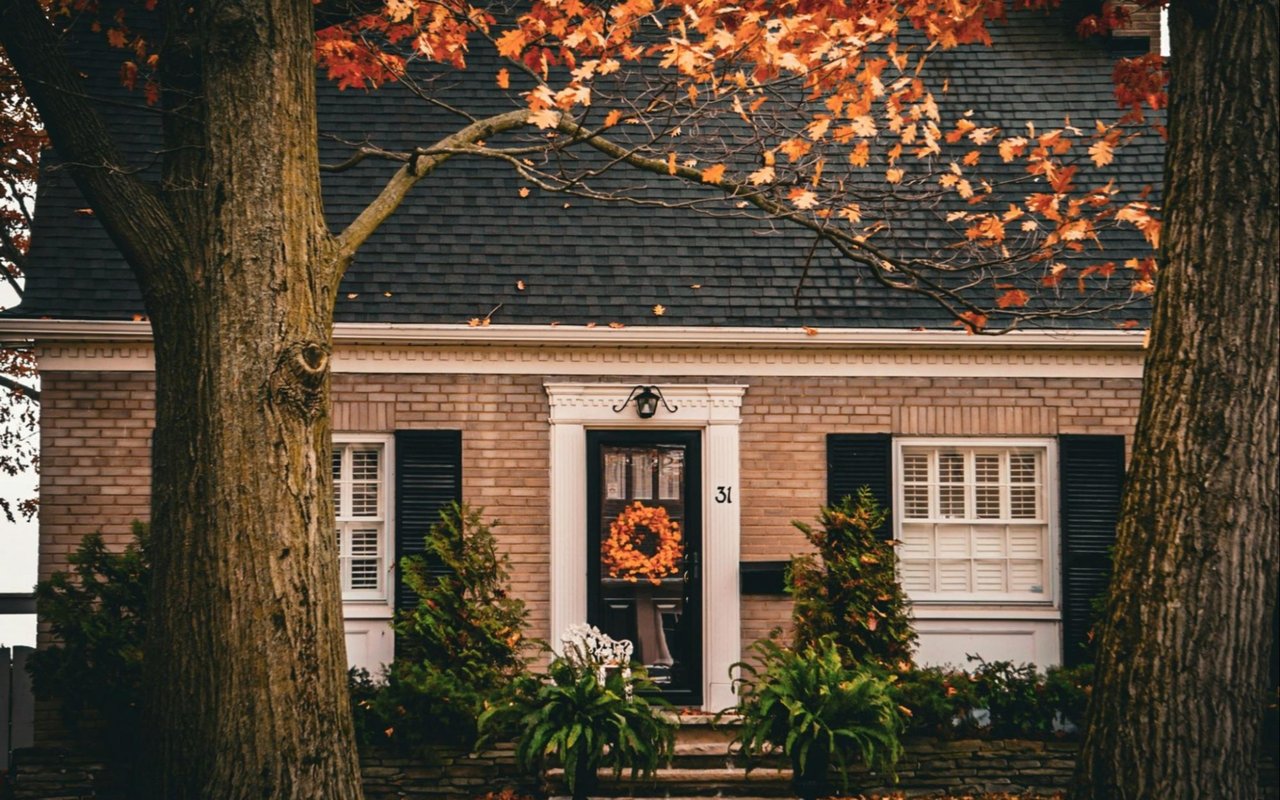
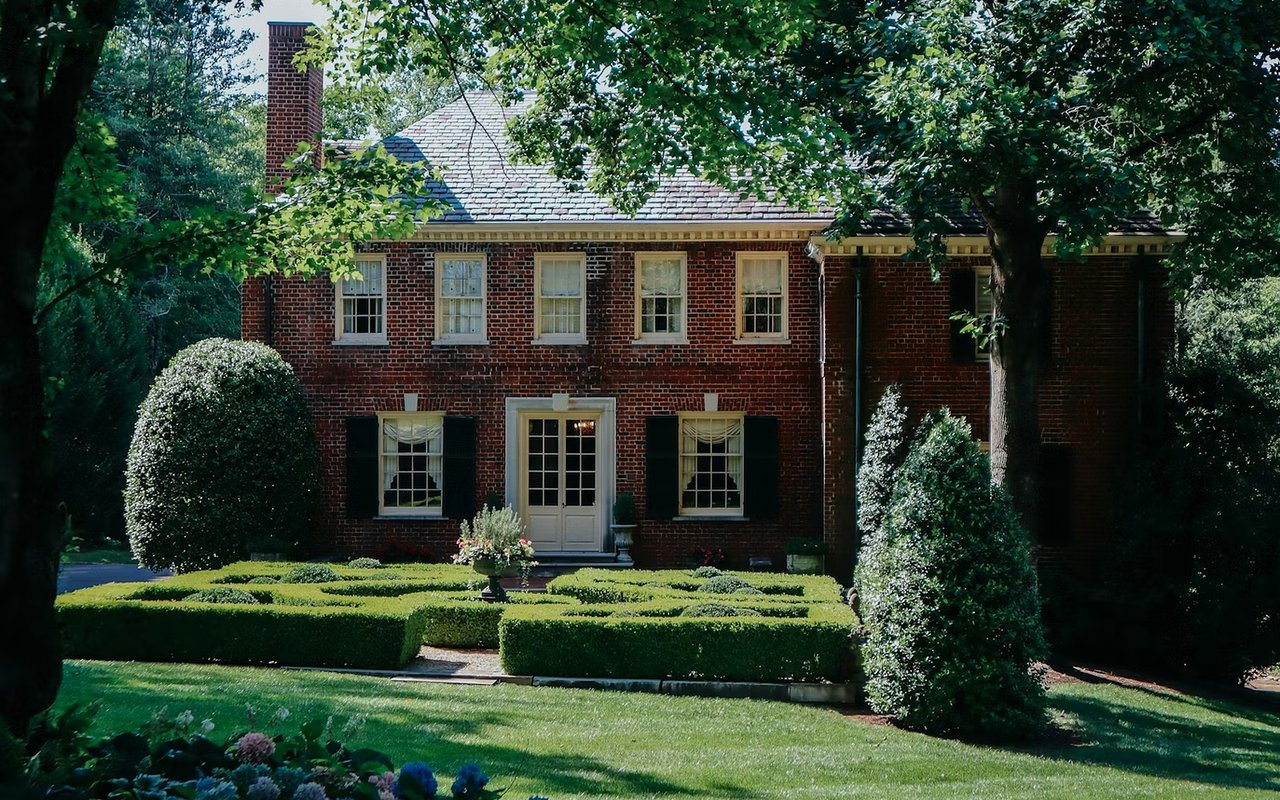
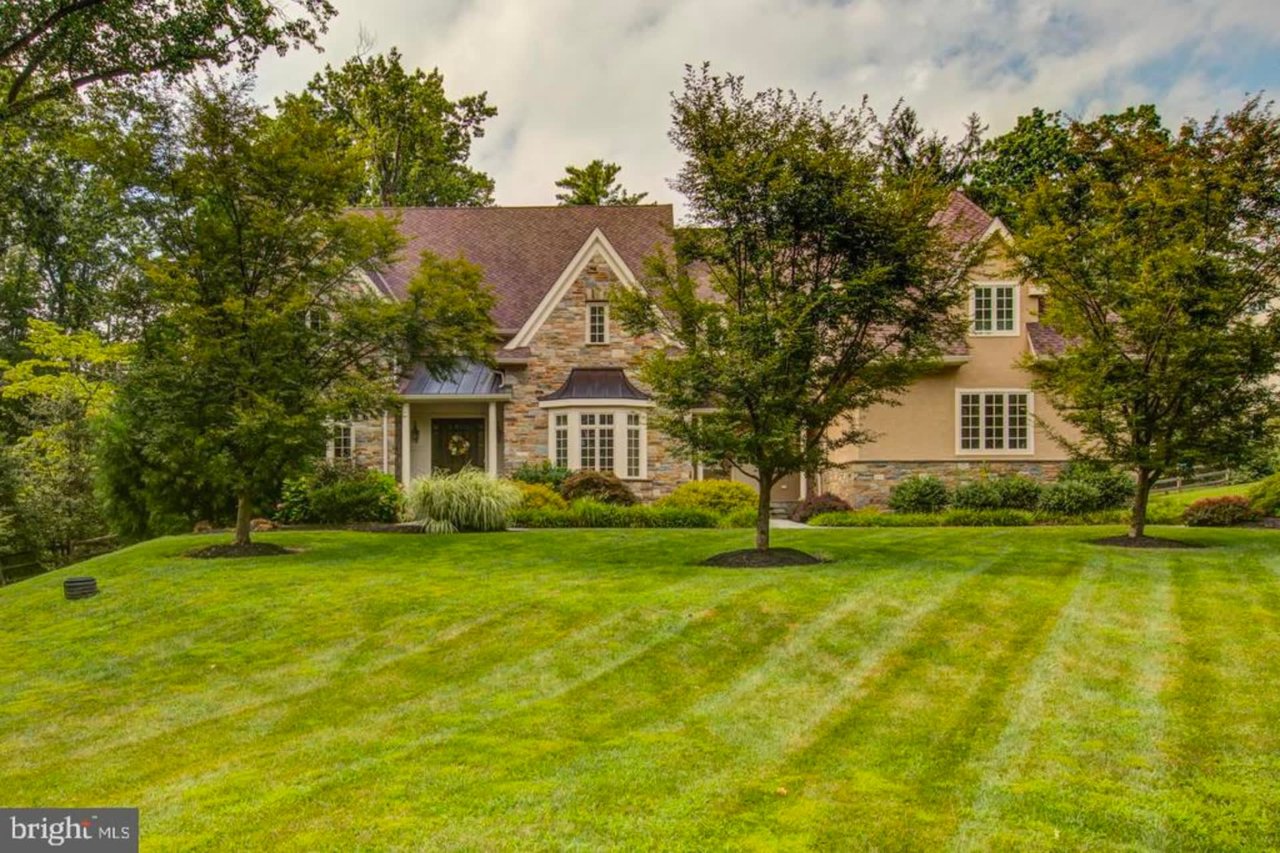
If you love architectural detail, older Berwyn homes may have instant appeal. Original exterior trim, older proportions, mature surroundings, and ties to the Main Line’s commuter-era growth often create a strong sense of place that is hard to duplicate.
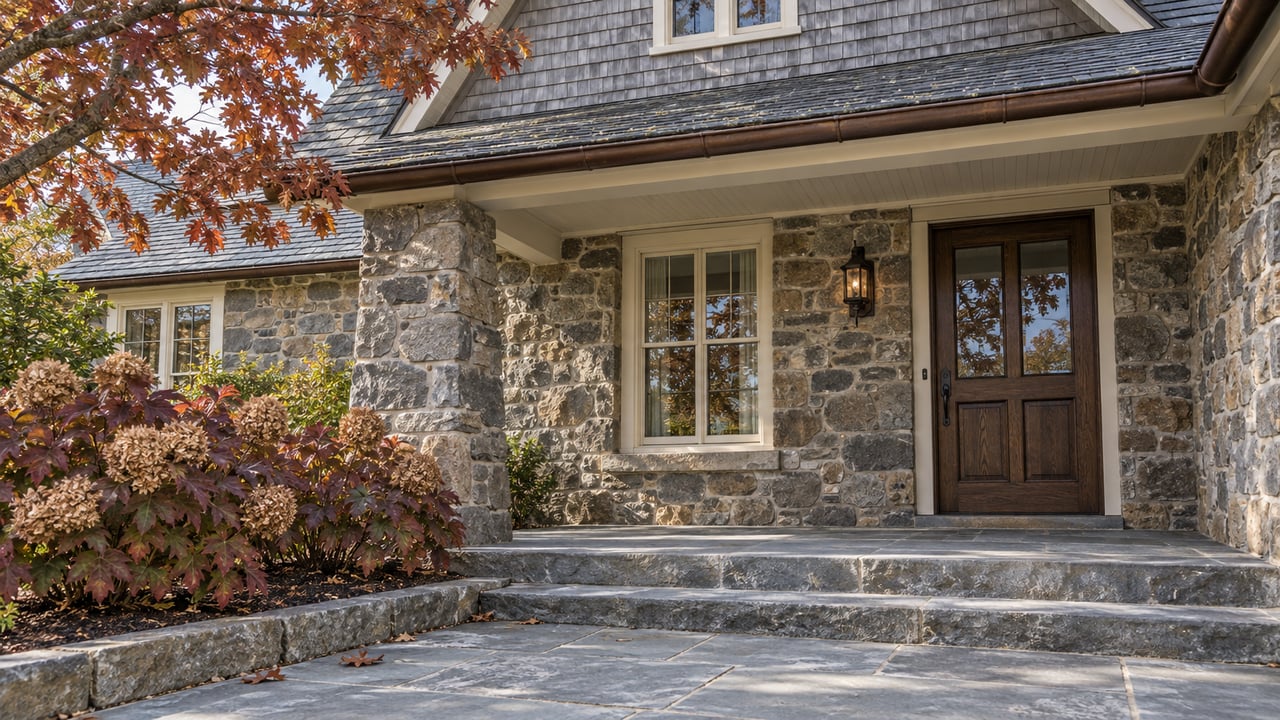
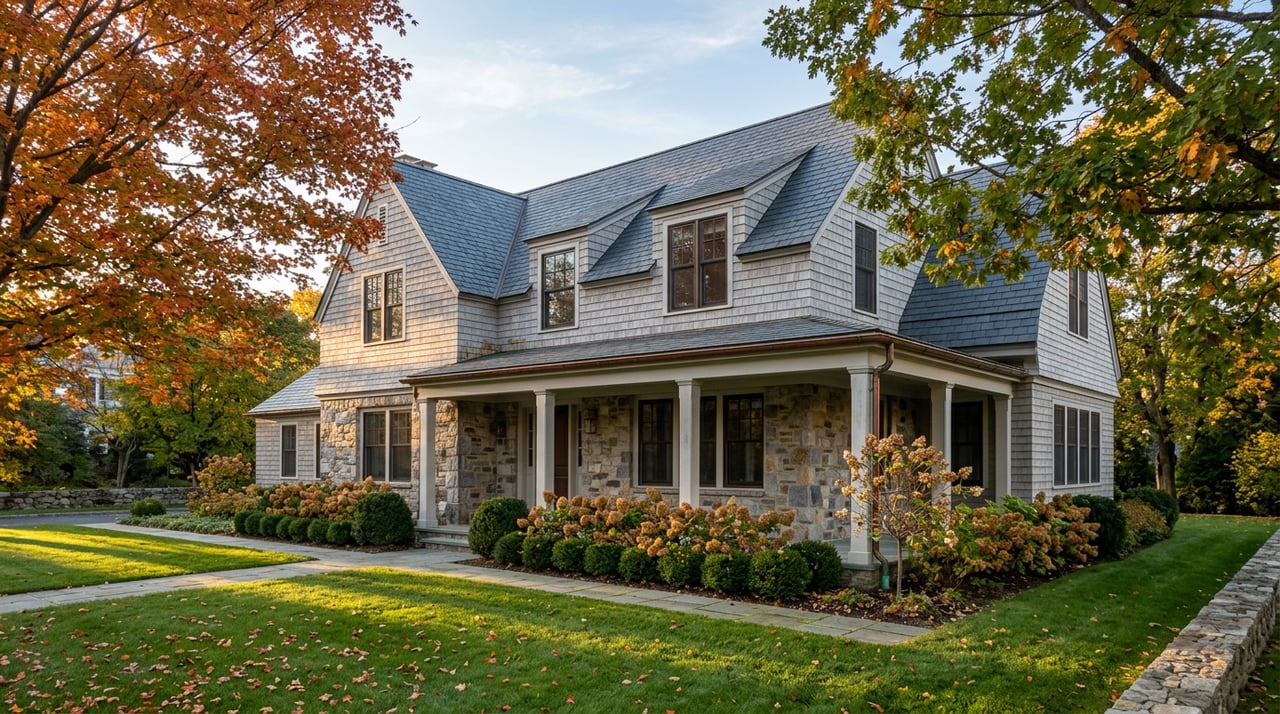
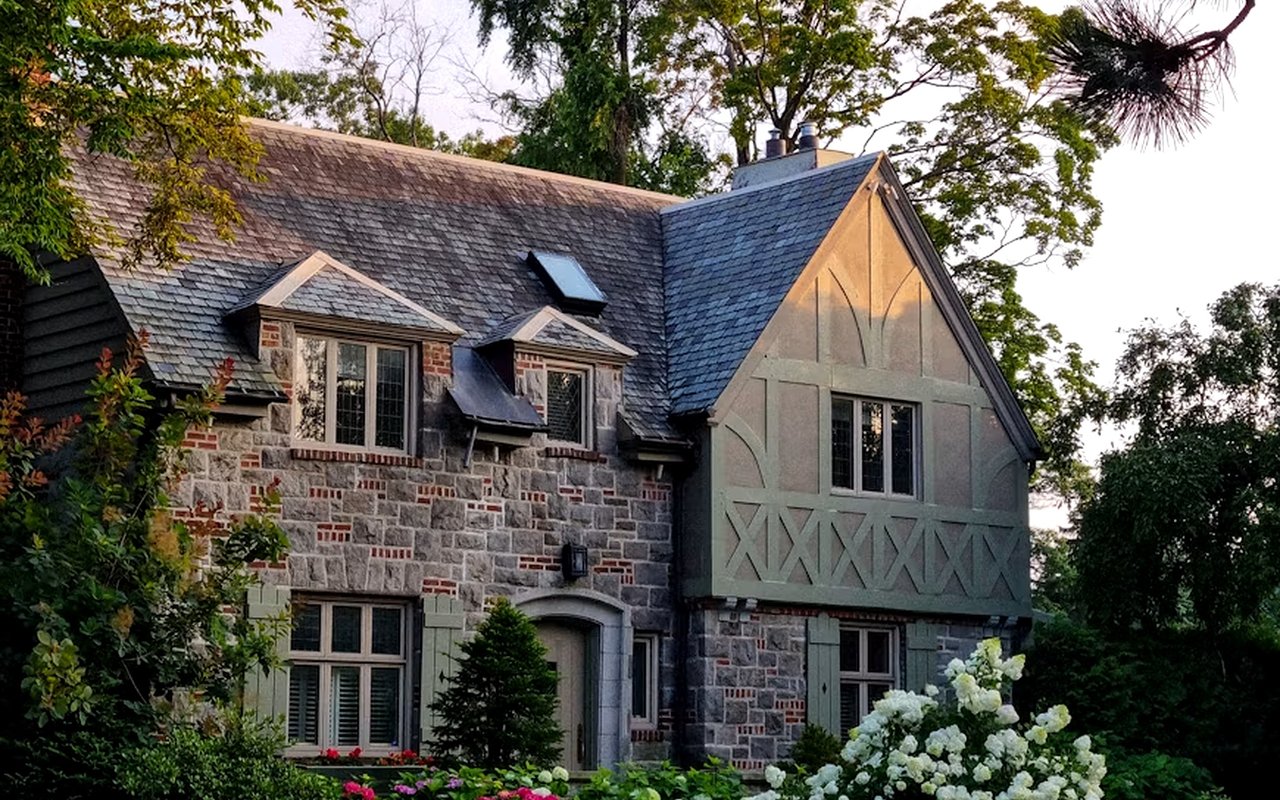
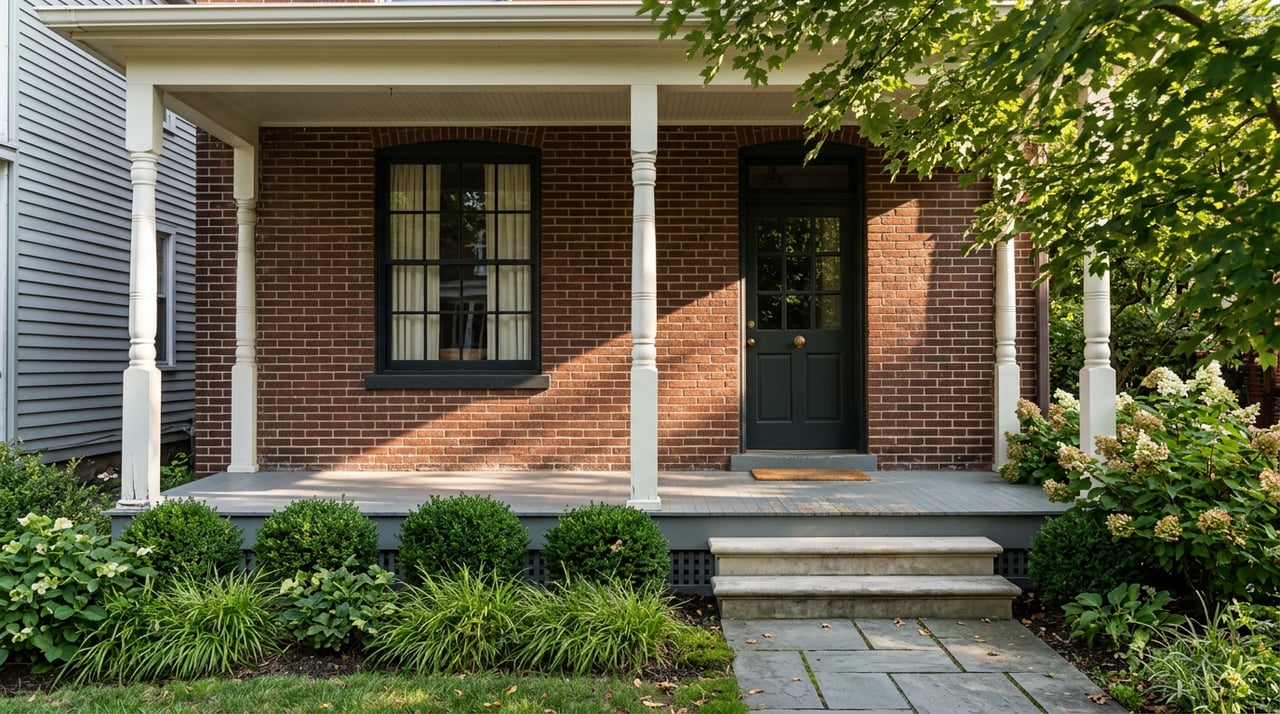
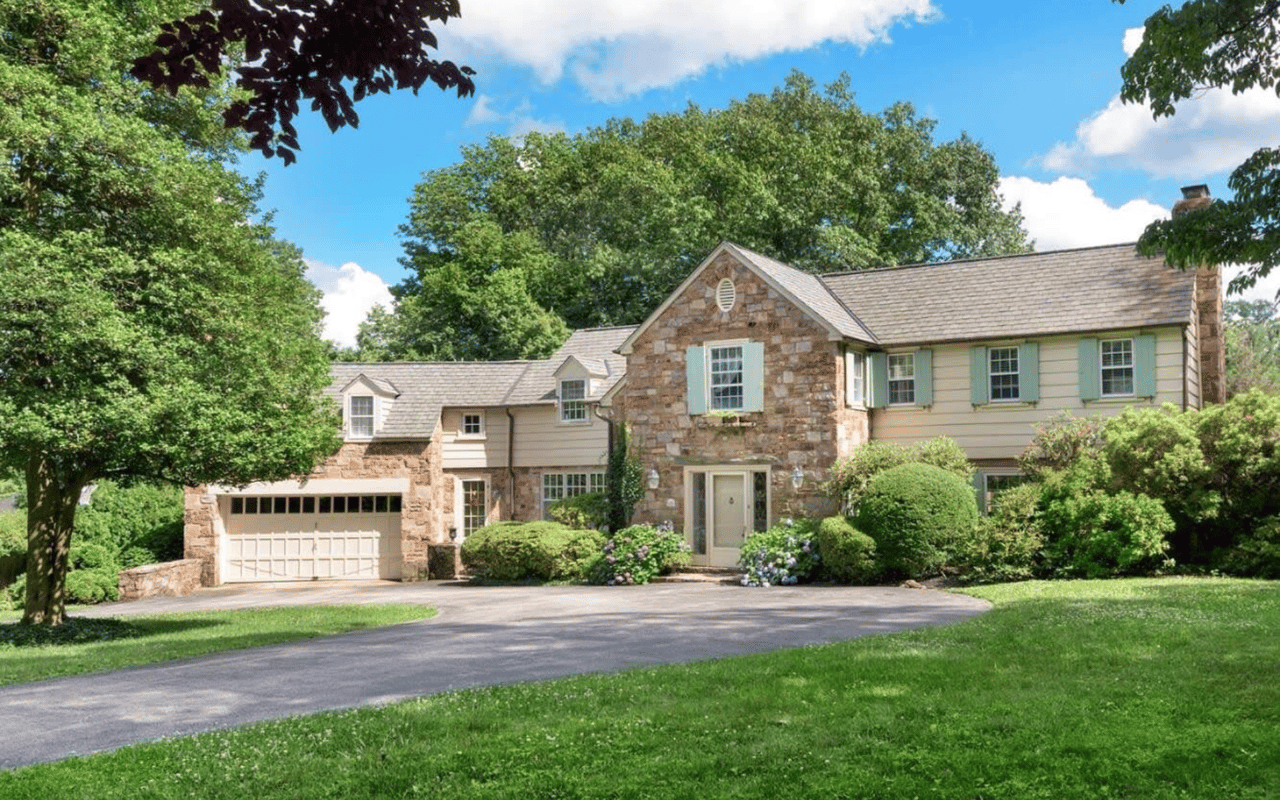
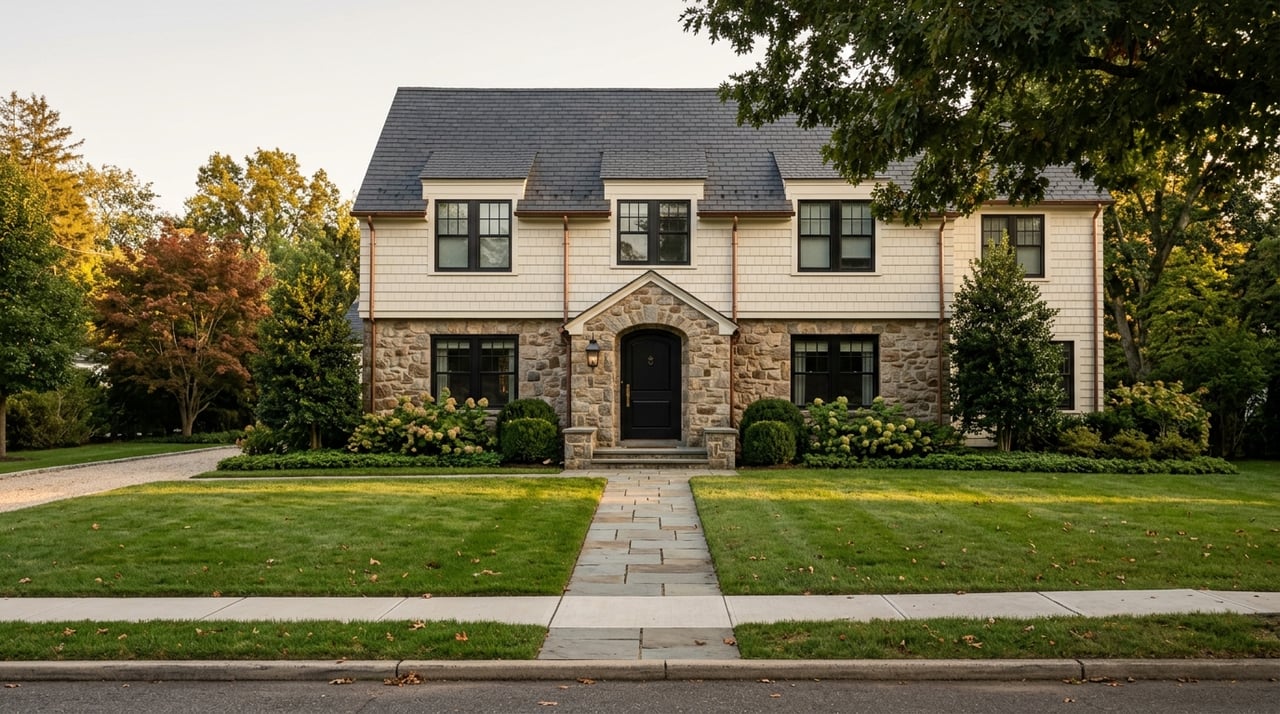
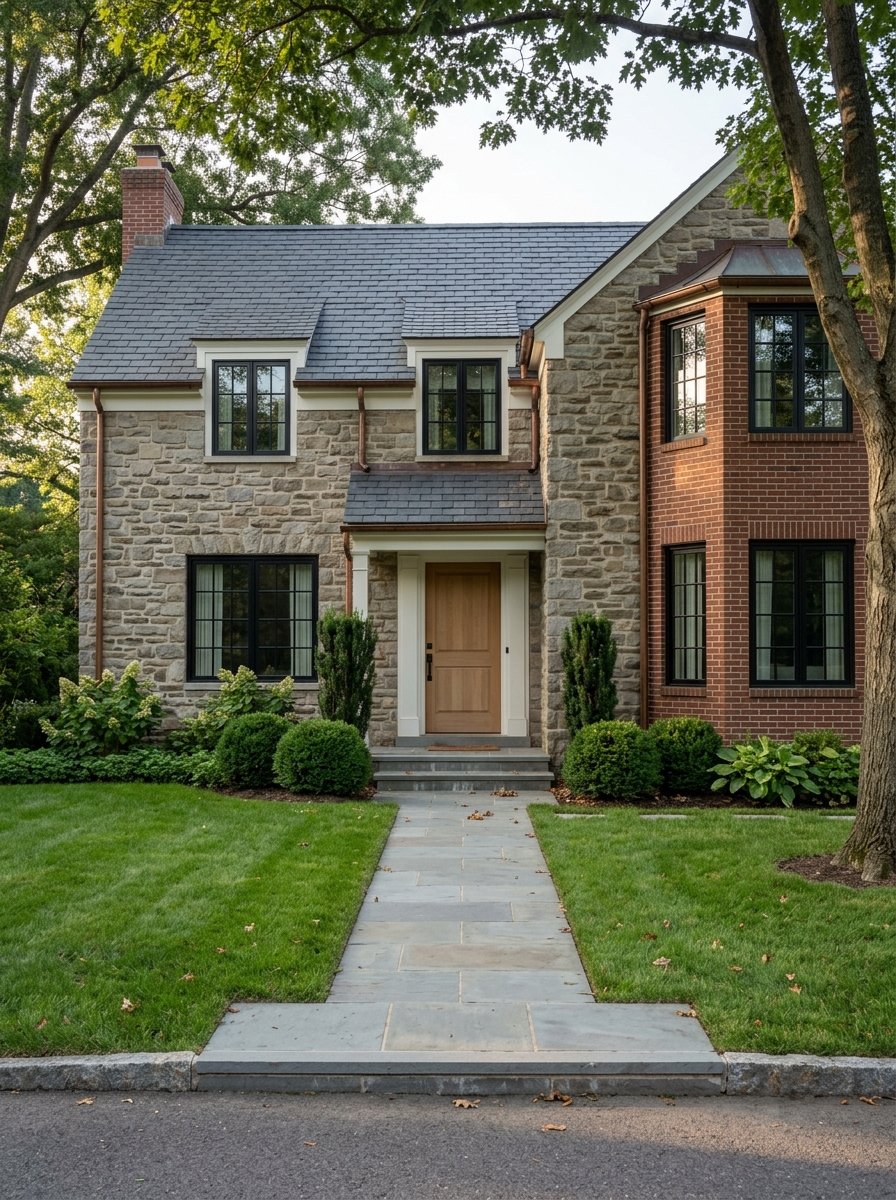
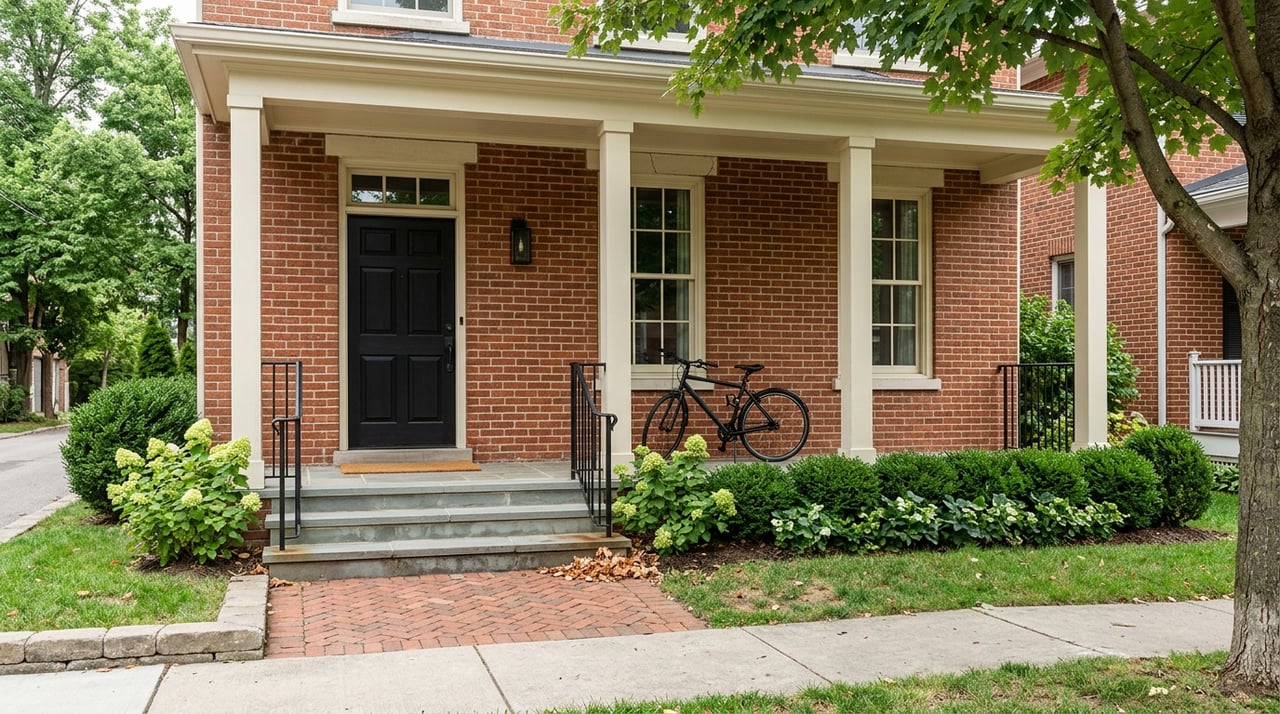
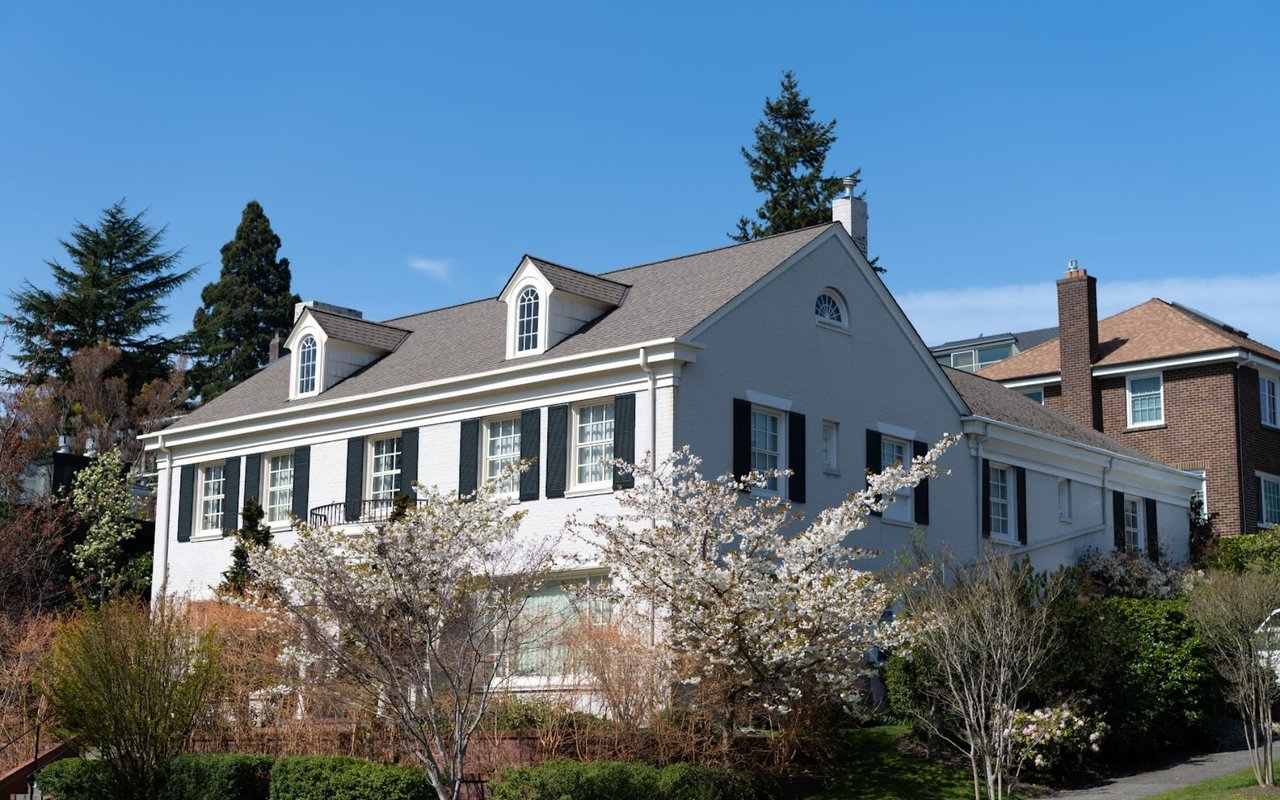
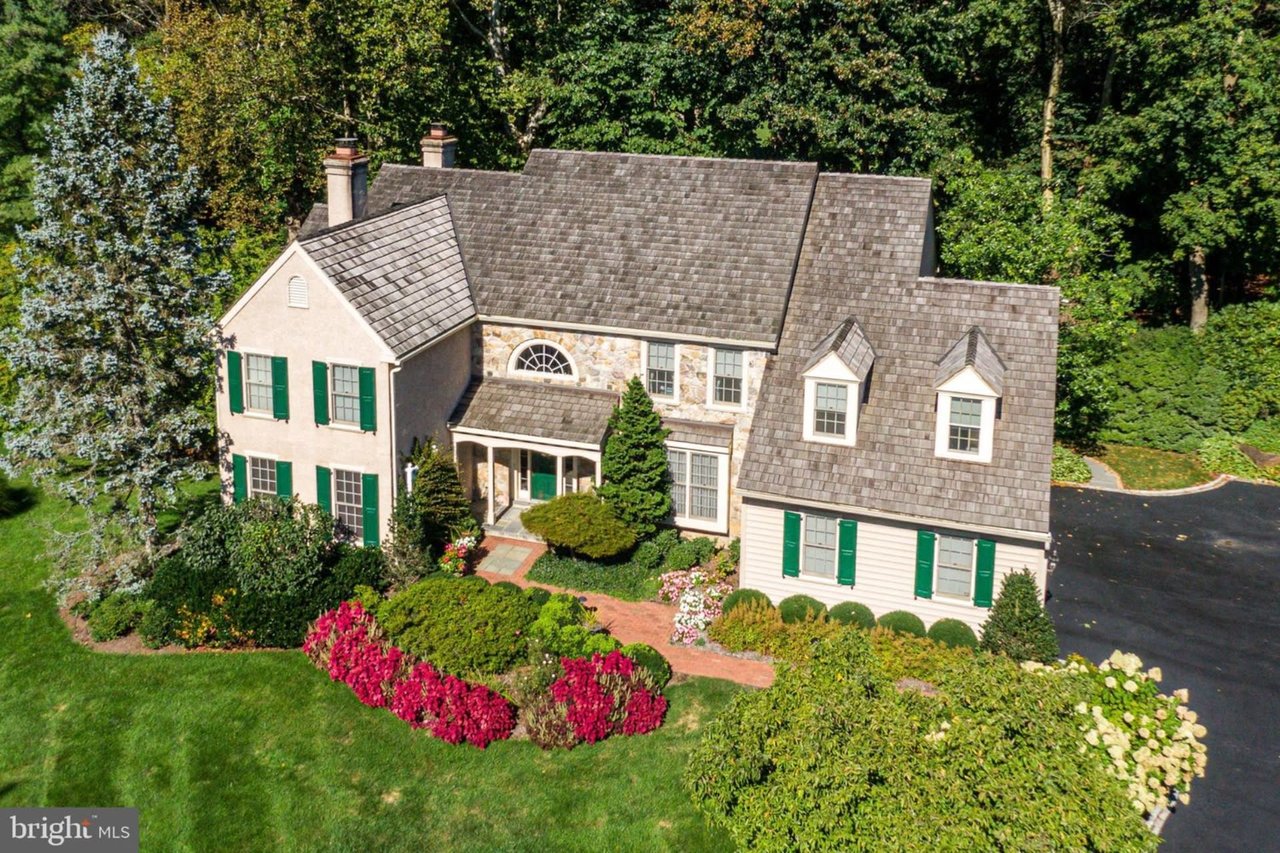
This is one reason historic homes in Berwyn can feel distinct rather than interchangeable. You may find one home with Tudor Revival details, another with Colonial Revival symmetry, and another with a shingle-sided exterior and deep porch.
New construction often feels easier day to day
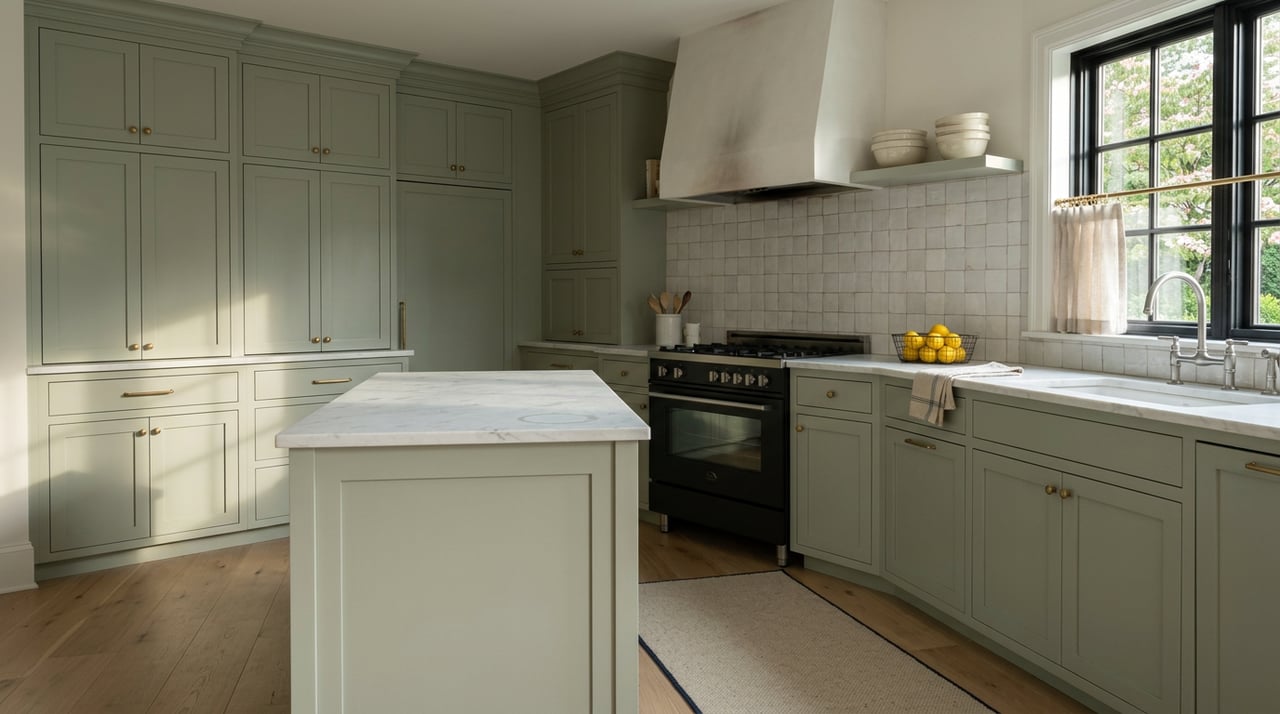
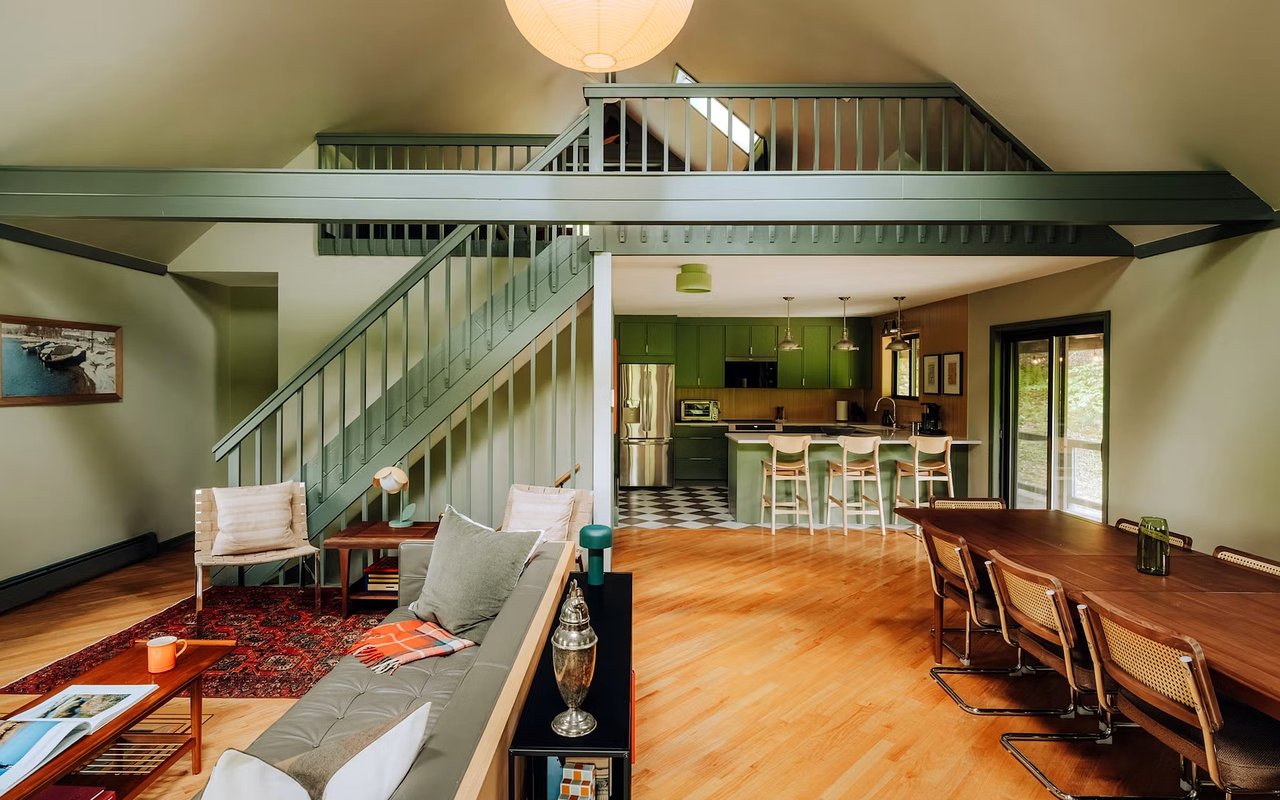
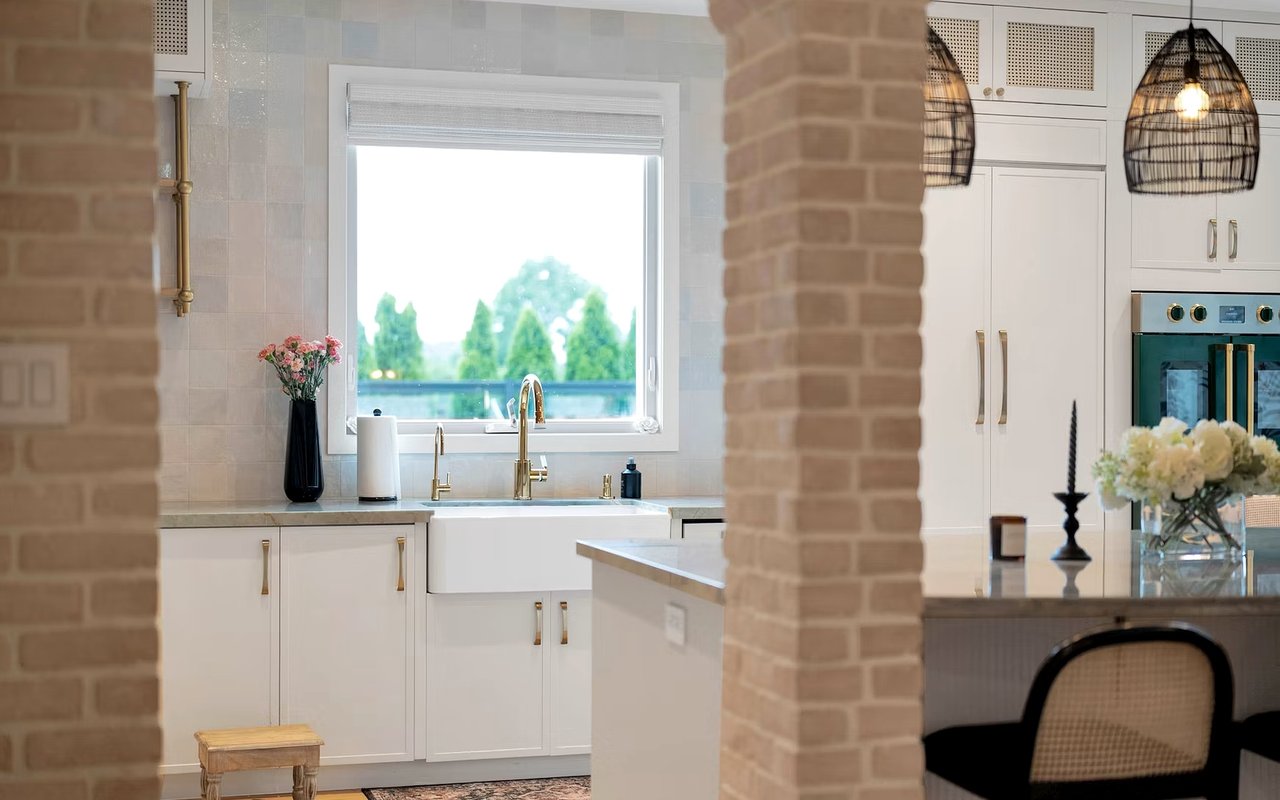
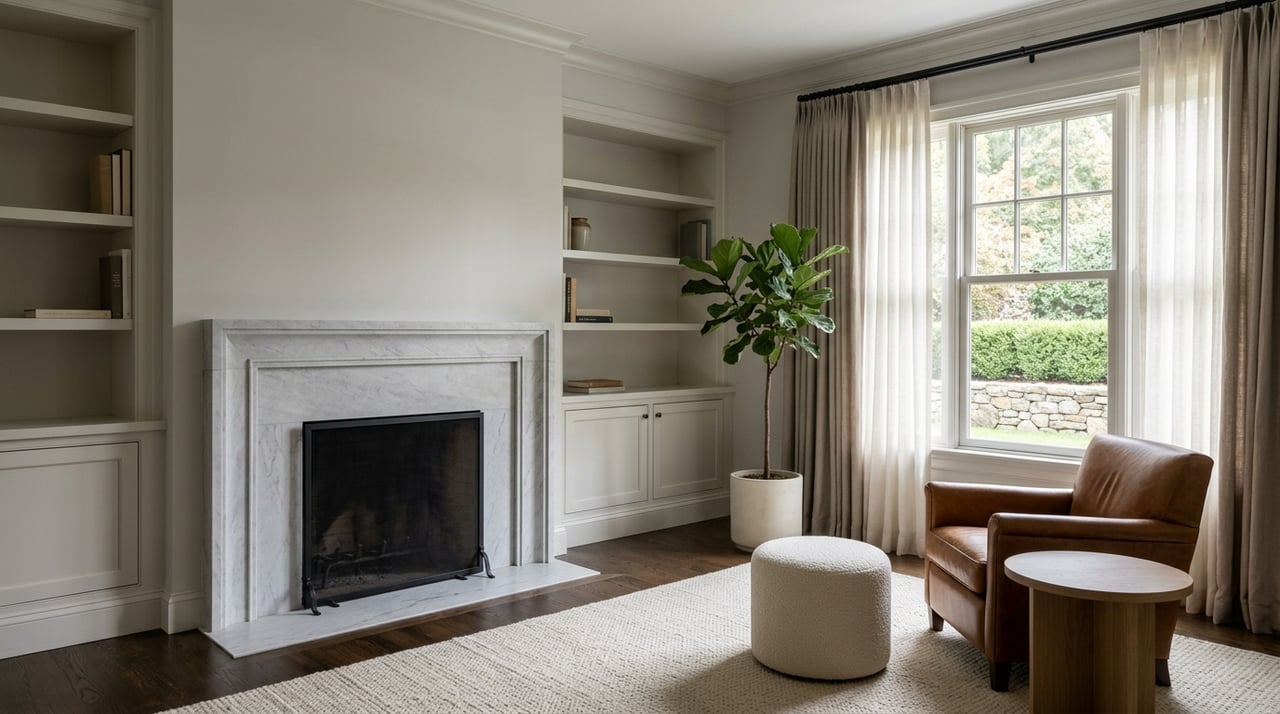
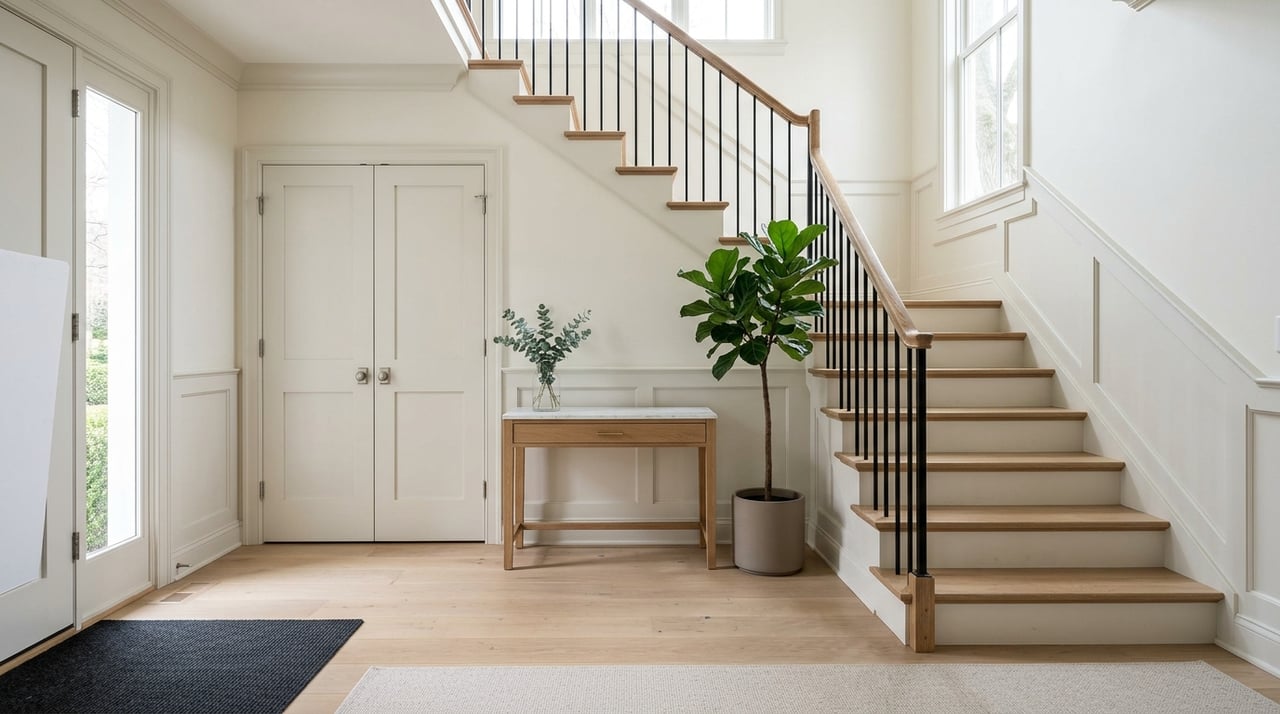
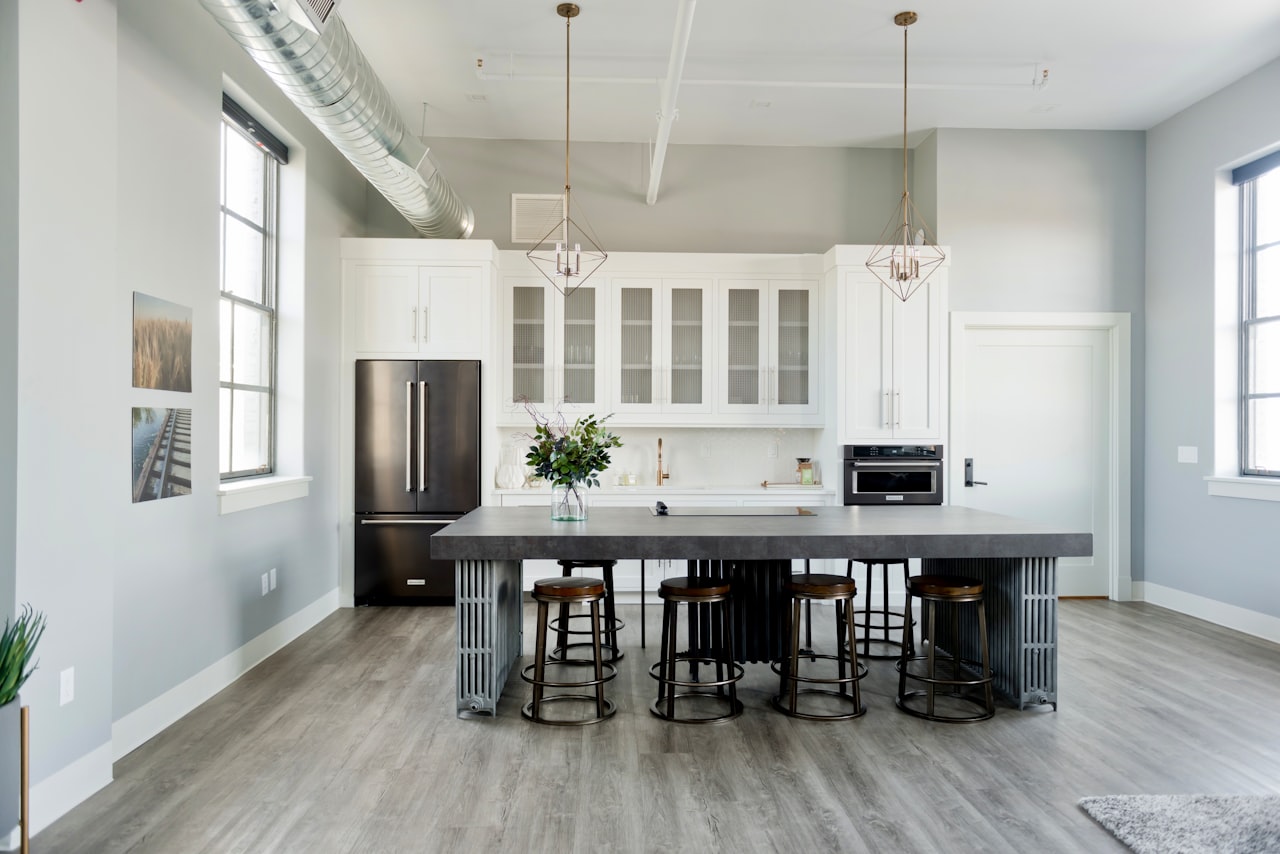
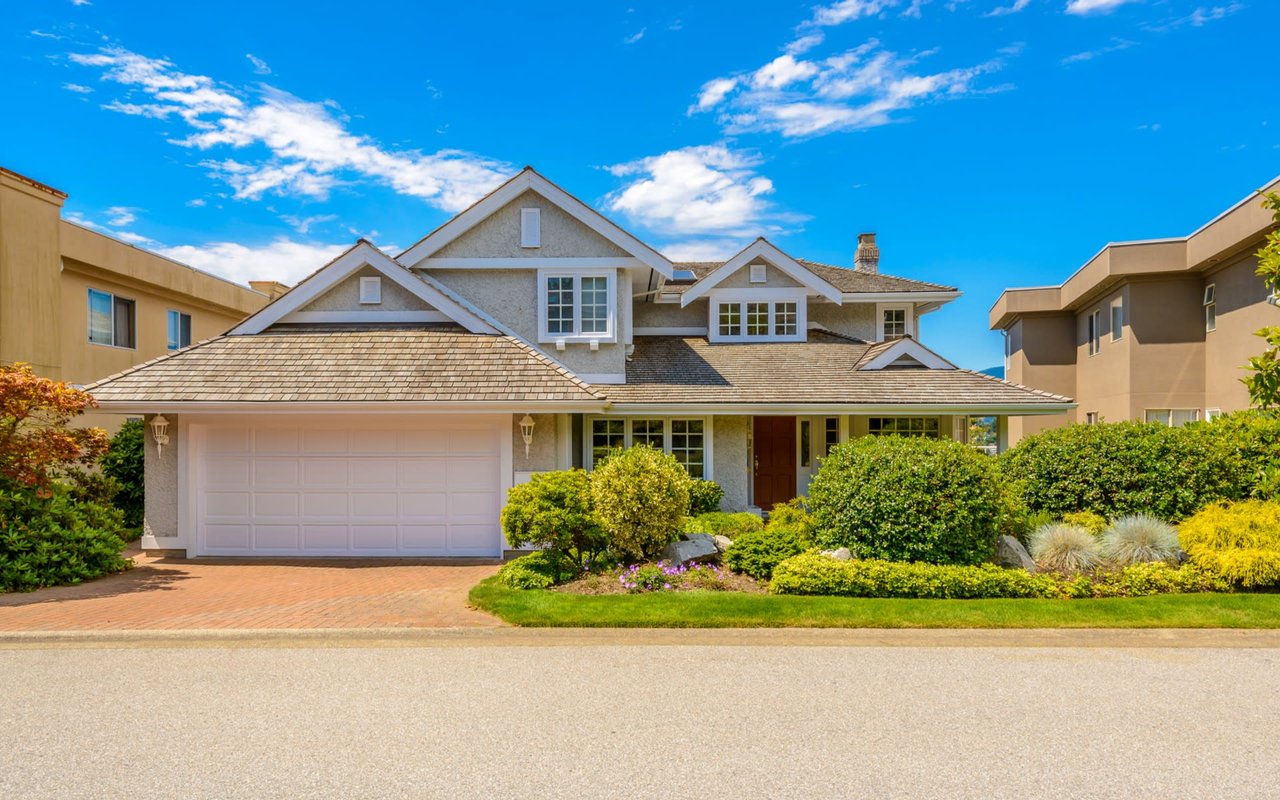
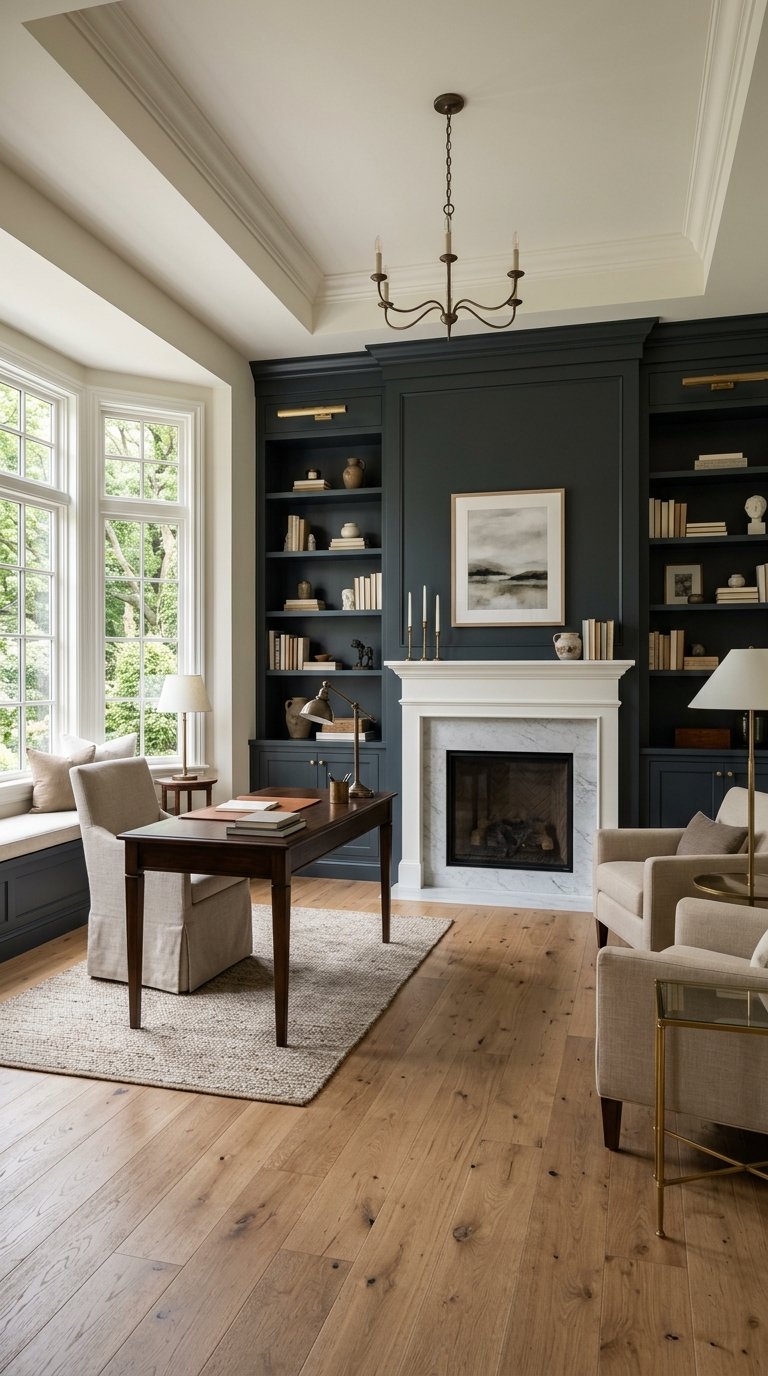
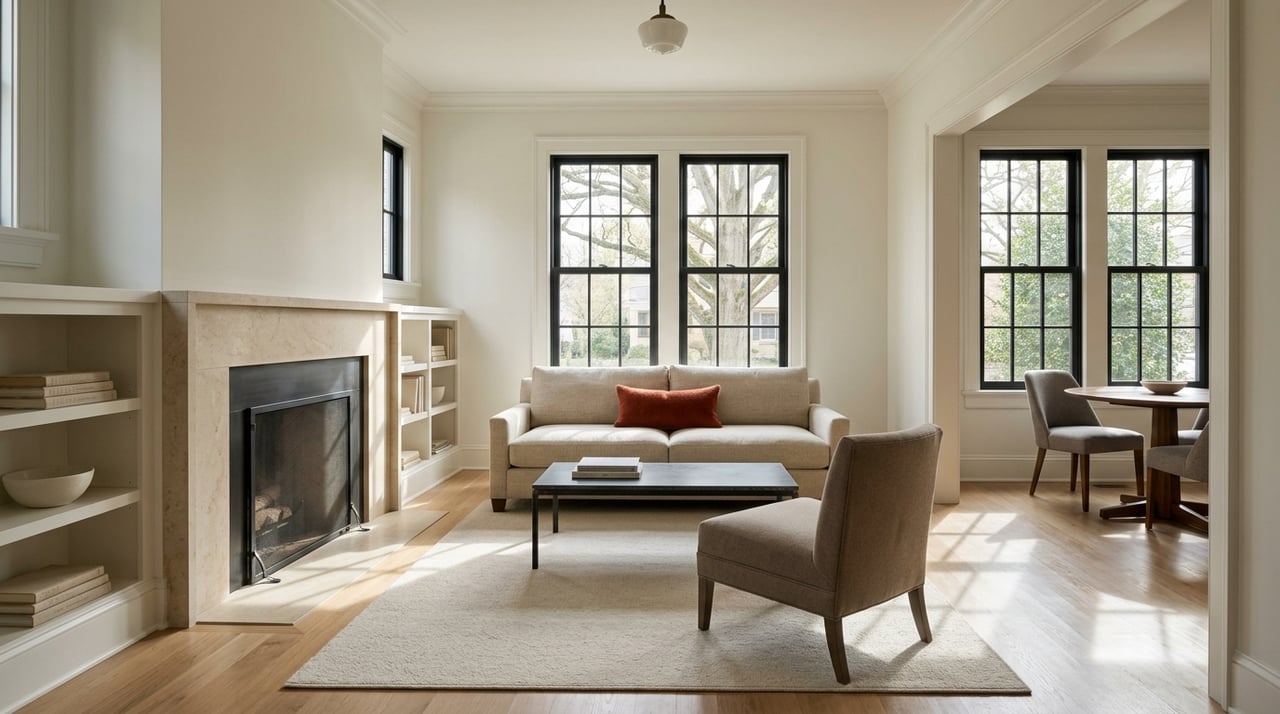
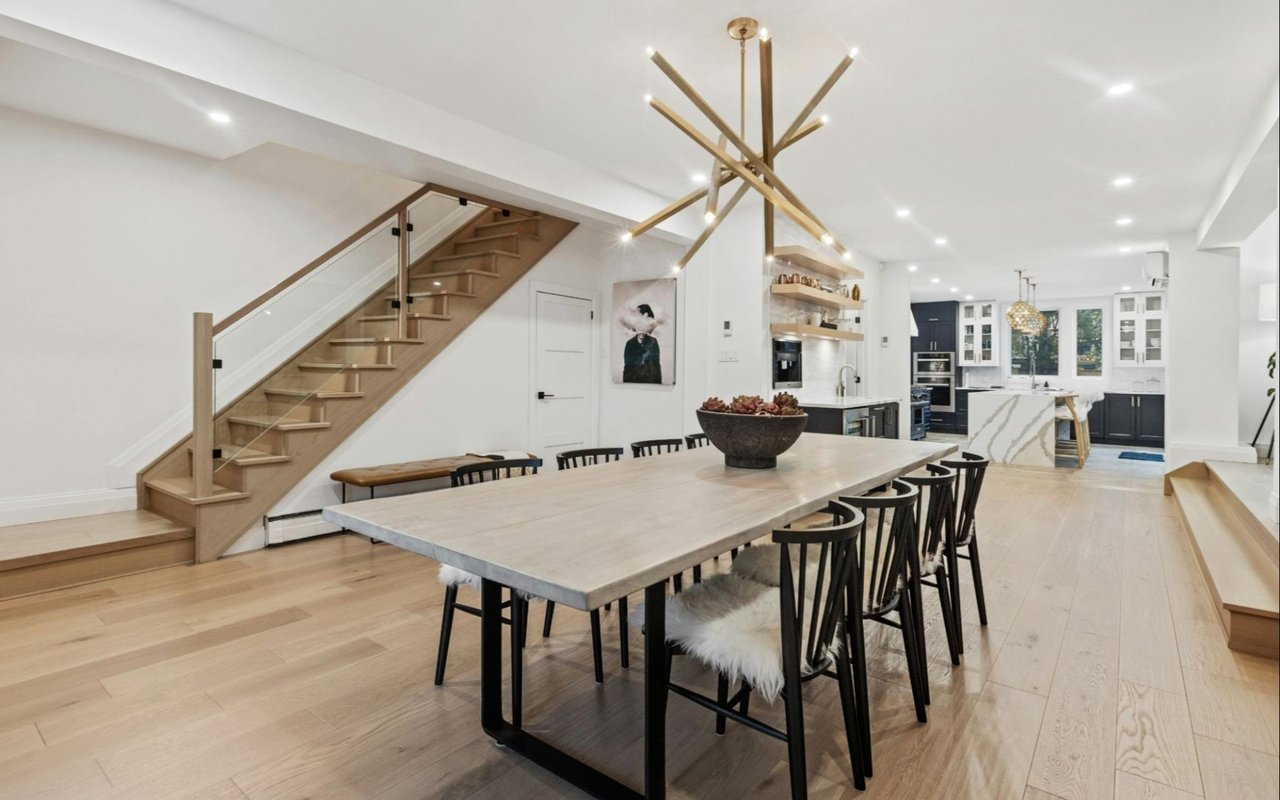
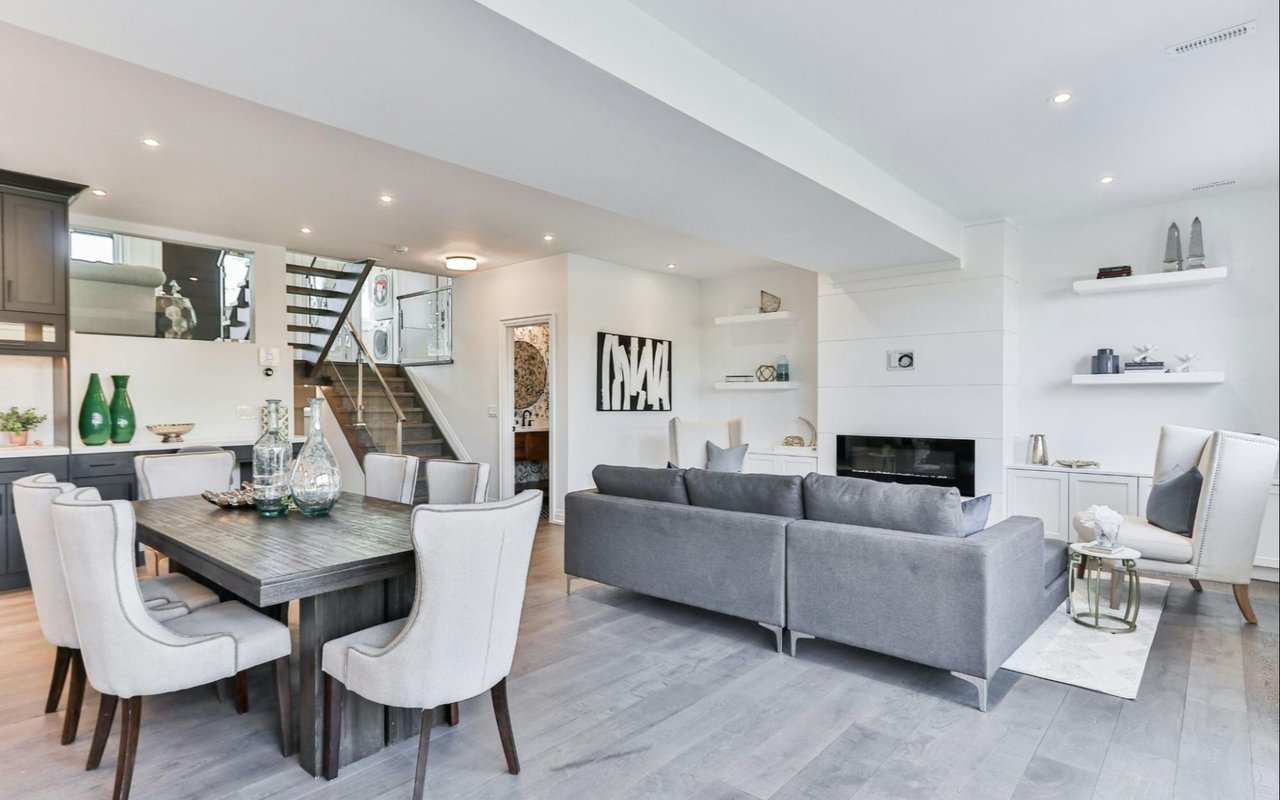
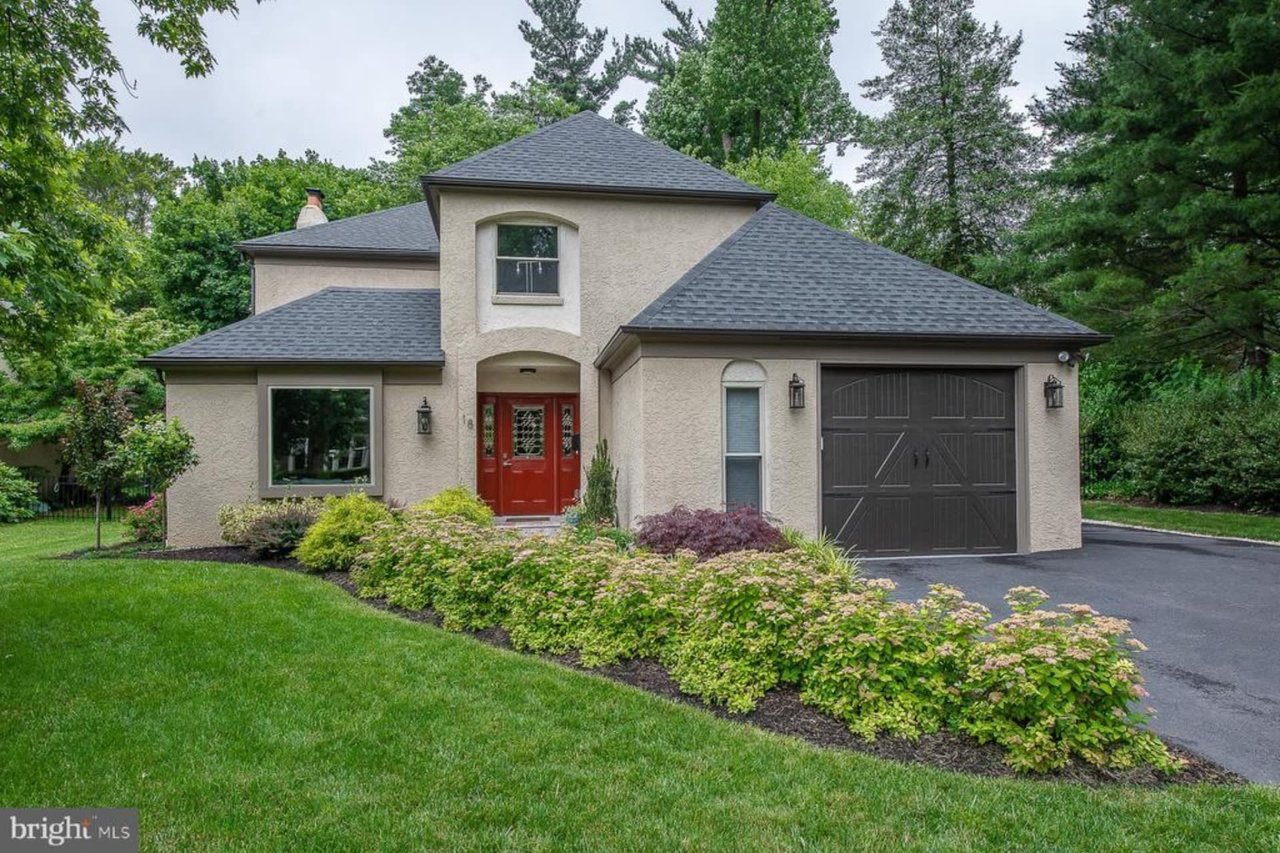
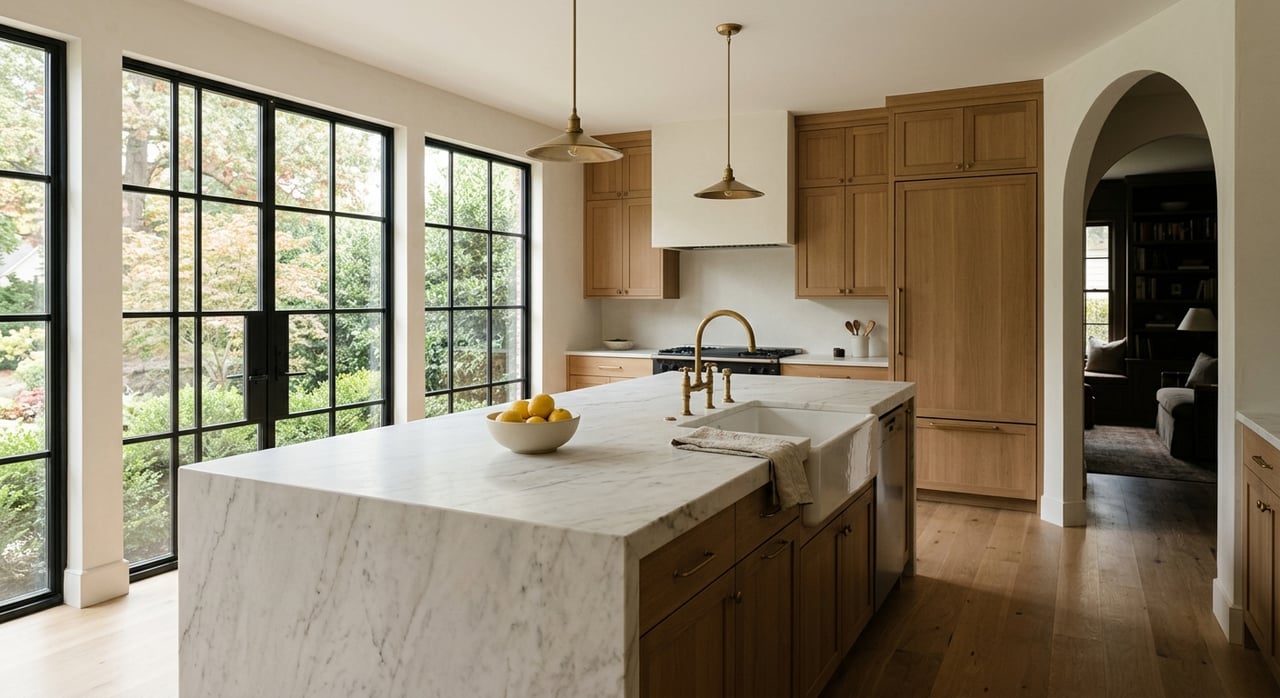
Newer homes usually trade some of that visual history for layouts that better match how many people live now. Open gathering spaces, newer kitchens, larger closets, and more current mechanical systems can make daily life feel simpler and more comfortable.
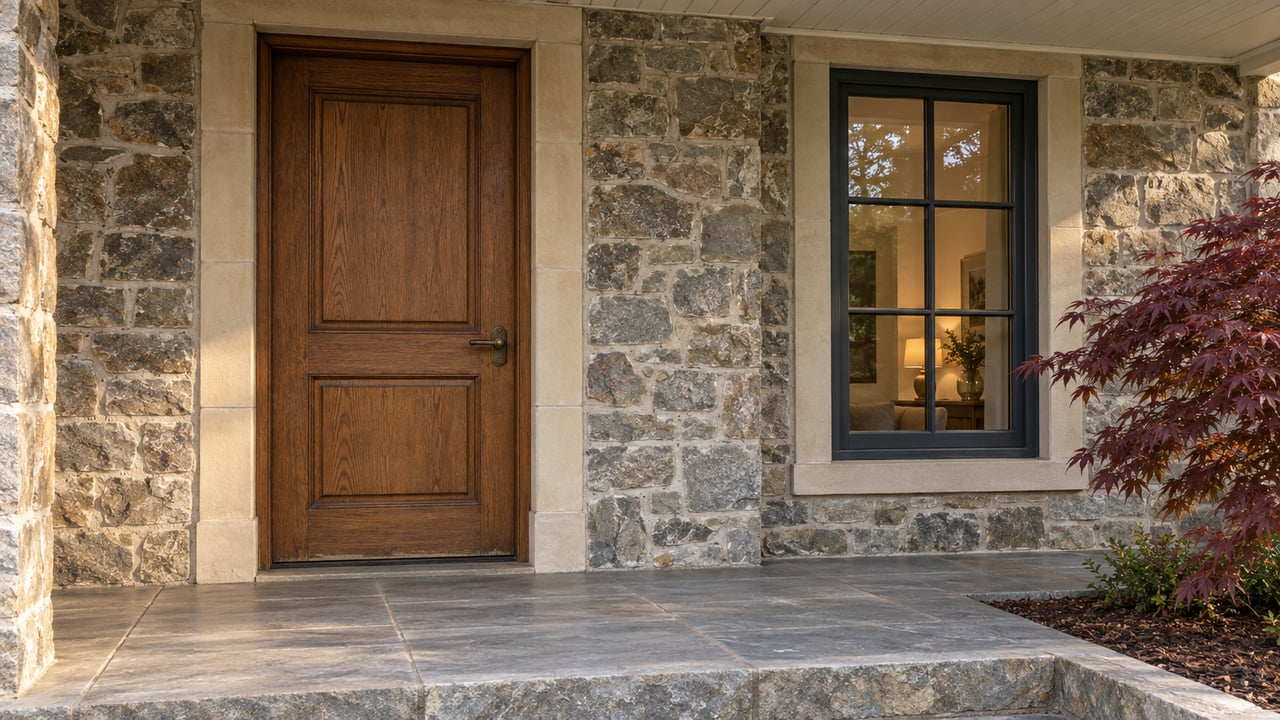
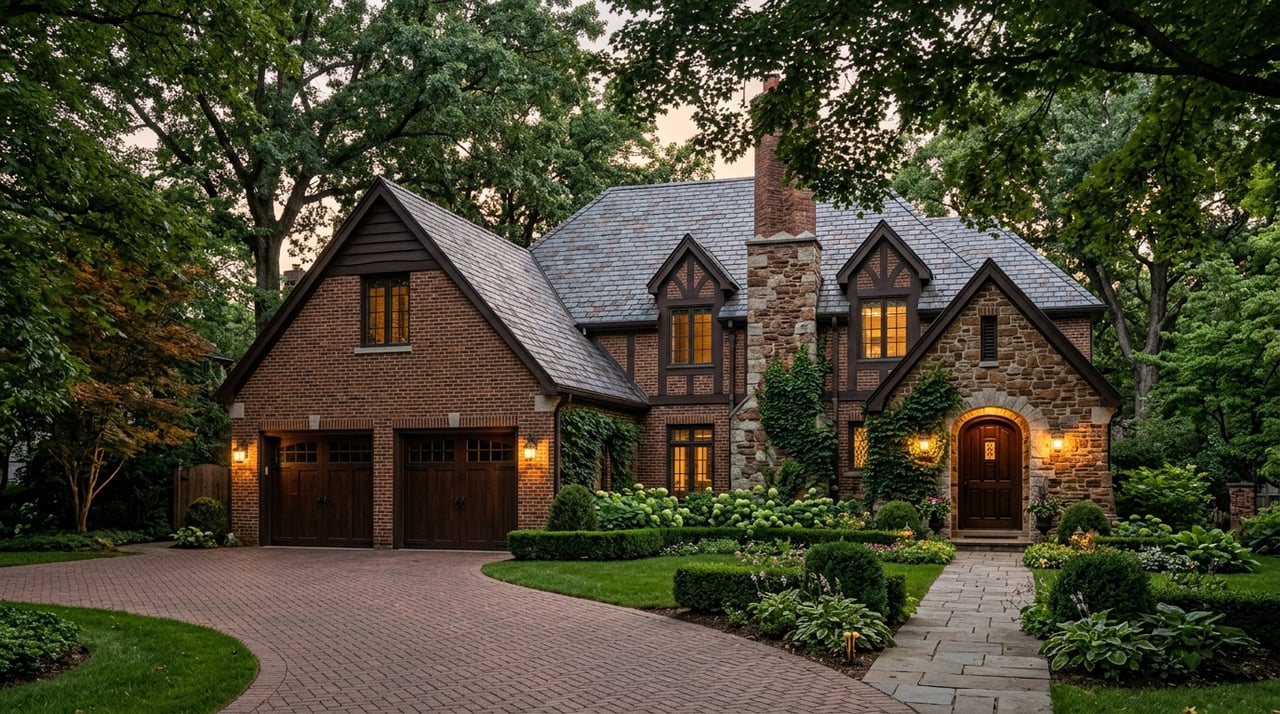
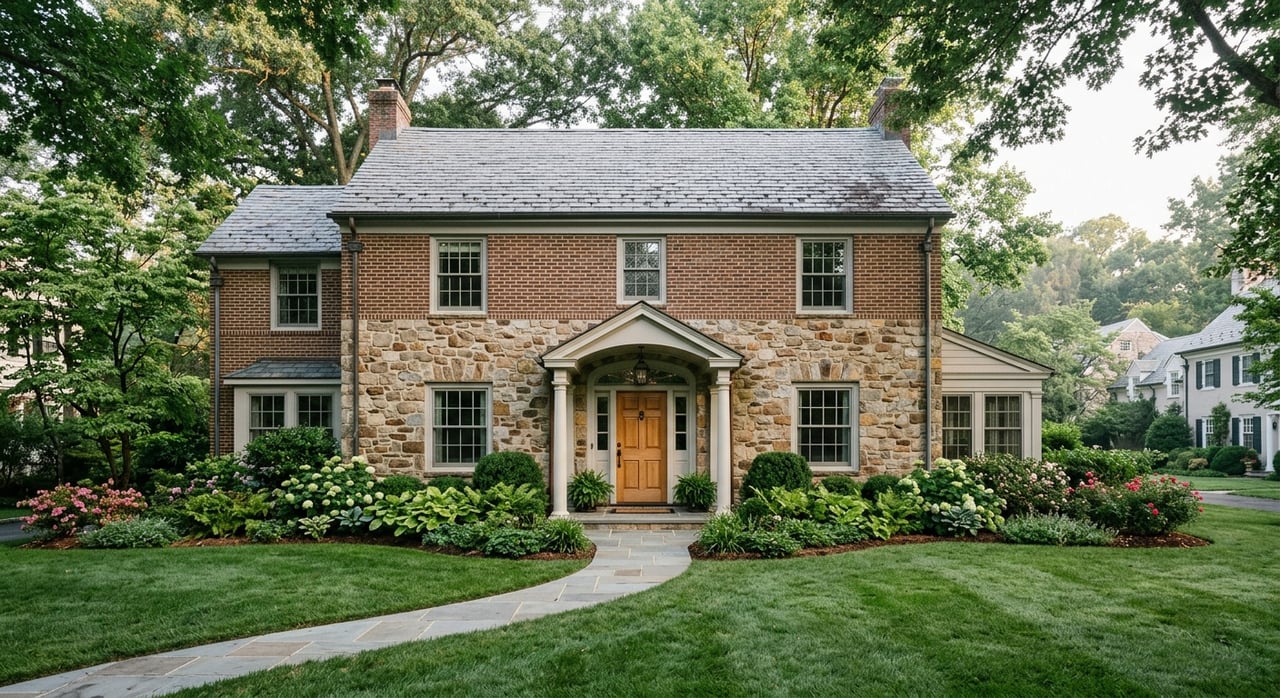
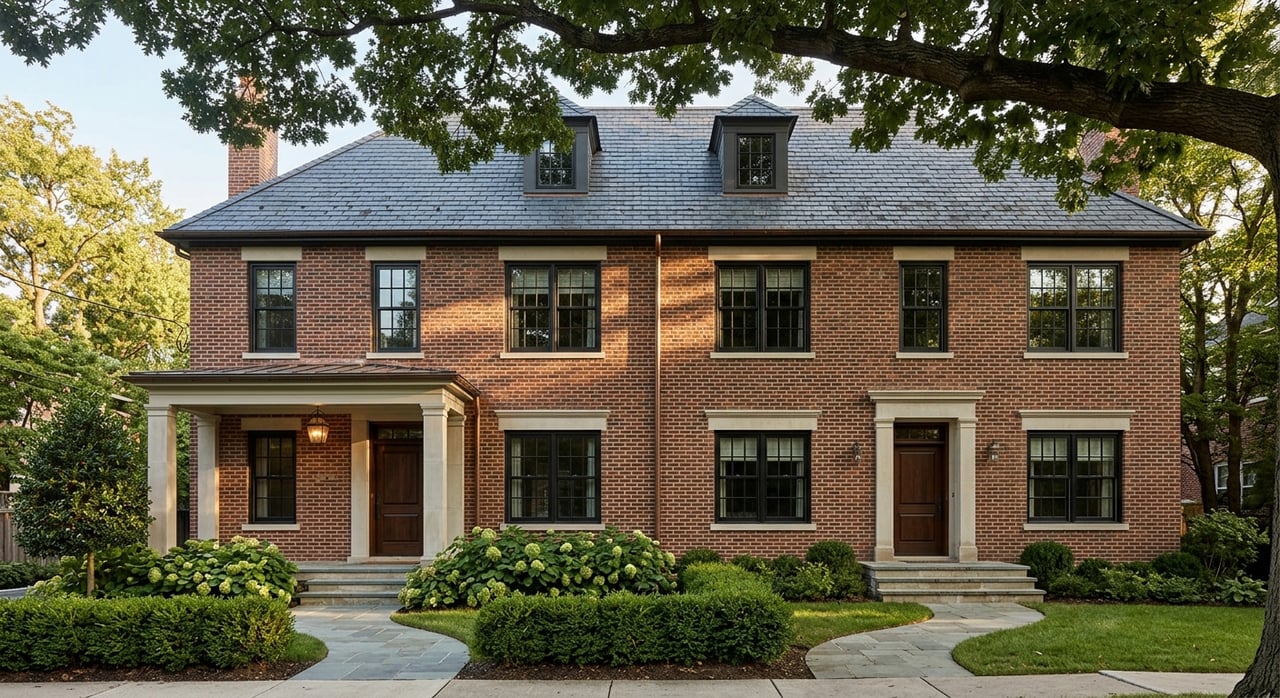
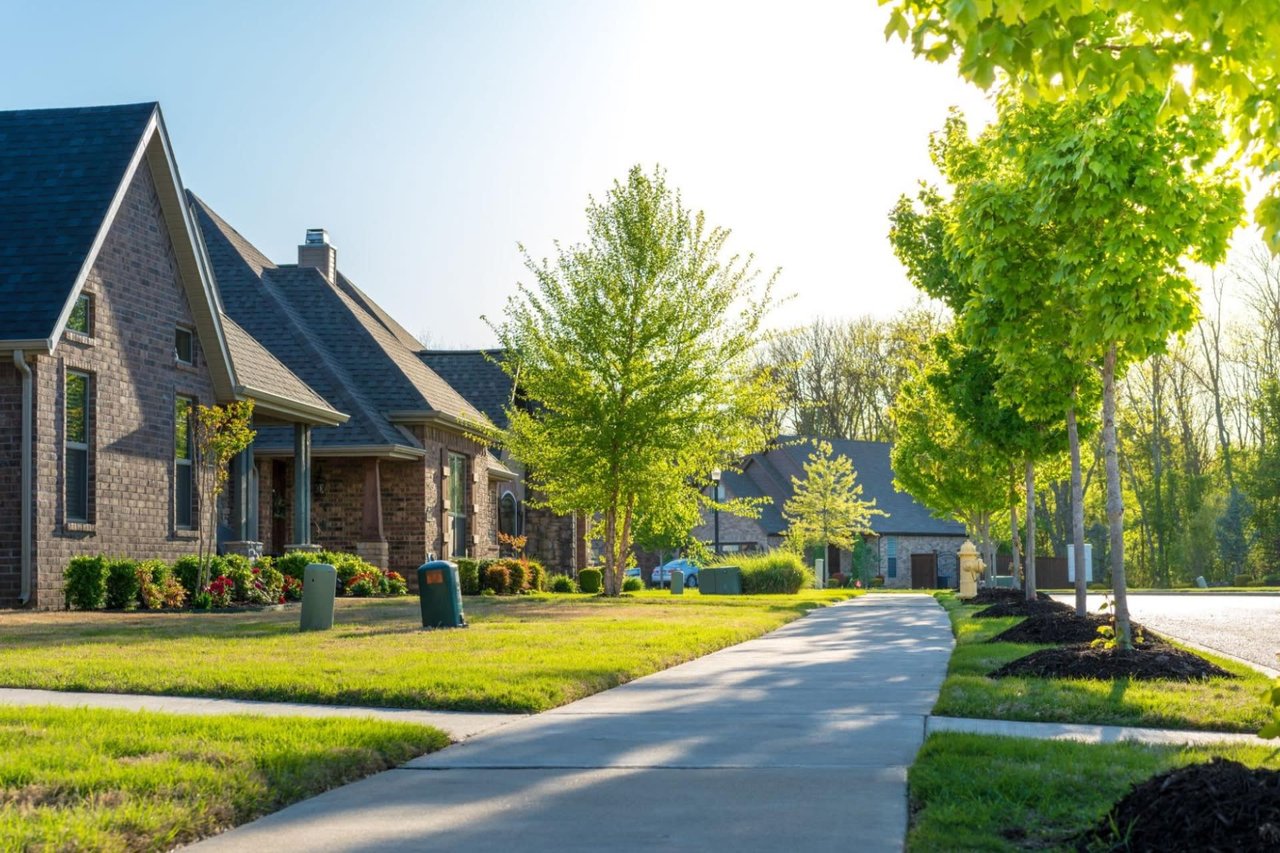
In Berwyn, though, new construction is not always designed as a generic suburban product. Easttown Township’s Village of Berwyn standards require street-facing principal facades, front-entry design elements like porches or hooded doors, and garage setbacks that support a village-scale streetscape. In practical terms, a newer home may feel modern inside while still fitting Berwyn’s more traditional look from the street.
Maintenance Is One of the Biggest Tradeoffs
Historic homes usually need more active upkeep
Older homes often require more ongoing attention because materials and systems age at different rates. In a high-value market like this one, that matters. Census Bureau QuickFacts show median owner-occupied home values of $852,800 in Easttown Township and $709,700 in Tredyffrin Township, which underscores why repair planning and reserve budgeting deserve real attention.
For many historic homes, maintenance is not one large issue but a steady list of smaller and medium-size items over time. Paint condition, windows, roofs, masonry, and insulation upgrades can all become part of the ownership picture.
EPA guidance also notes that homes built before 1978 are more likely to contain lead-based paint, with risk increasing as homes get older. Peeling, chipping, cracking, or damp painted surfaces can be especially important to evaluate around windows, doors, stair parts, and porches.
New construction may lower near-term repair risk
New homes usually reduce the chance that you will face immediate system replacement costs right after closing. That does not mean they are maintenance-free. It simply means the nature of the risk is often different.
With a new build, the focus shifts from aging materials to workmanship and installation quality. Moisture management, flashing, air sealing, and finish details matter a great deal because problems in those areas can affect comfort and durability even in a recently completed home.
Energy Efficiency and Comfort
Older homes may need targeted upgrades
Historic homes can absolutely become more comfortable and efficient, but they often need thoughtful improvements. The U.S. Department of Energy says an energy assessment can help identify insulation and air-sealing needs, and many older homes have less insulation than homes built today.
If you are considering an older Berwyn property, some of the best opportunities may be in the walls, attic, basement, and areas where drafts are entering. Those improvements can help with both comfort and utility costs over time.
New homes start with an advantage
A new home benefits from having the building envelope assembled from scratch. DOE guidance explains that a tight air-sealed home reduces leaks, drafts, moisture, and even insect entry when the air barrier is done correctly.
Some newer homes may also include third-party verified efficiency features. DOE describes certified efficient new homes as high-performance buildings verified by a qualified third party, and EPA says WaterSense labeled homes are designed to be at least 30% more water-efficient than a typical new construction home.
That said, performance should still be verified rather than assumed. A new home can be efficient in theory and still underperform if details were missed during construction.
Inspection Priorities in Berwyn
Historic home inspection checklist
When you are evaluating an older home in Berwyn, inspections usually need to go beyond the basics. Because much of the local historic housing stock dates from the 1890s through the 1920s, issues related to age and deferred maintenance deserve careful review.
Common priorities include:
- Lead-based paint concerns in pre-1978 homes
- Insulation gaps and air leakage
- Aging roofs
- Moisture-related deterioration
- Older windows and painted trim conditions
Radon testing should also be part of the conversation. Pennsylvania DEP says radon is odorless and invisible, and about 40% of homes tested in Pennsylvania have radon levels above the EPA action guideline of 4 pCi/L.
New construction inspection checklist
A new home still needs a full inspection, even if it looks flawless on walkthrough day. In fact, newer homes often require closer attention to the details that are hard to see once walls and finishes are complete.
Key inspection areas often include:
- Roof valleys and roof penetrations
- Flashing and water management details
- Air leakage around wiring, plumbing, ducts, and windows
- Sill plate sealing
- Documentation for radon-resistant construction, if included
EPA also notes that the only way to know whether a home has a radon issue is to test it. That applies to newer homes too, even when passive radon-resistant features are present.
Local Rules Can Shape Your Decision
Easttown Township review matters
If you are buying in the Village of Berwyn zoning districts, local review can affect both historic homes and new construction. Easttown Township’s Historical Commission reviews exterior demolition, exterior renovation, and other exterior work on historic resources within the Village of Berwyn districts.
The commission also reviews the aesthetic design of new construction there to help maintain character, streetscape, and massing. That means changes to a historic property, and even the look of a new one, may be influenced by township standards rather than private preference alone.
Design standards affect new homes too
Easttown’s Village of Berwyn design standards call for dominant exterior materials, articulated rooflines, visually integrated rooftop mechanical equipment, and front-facing orientation with porch-like entry features and garage setbacks. For you, that means a newly built home may offer the finishes and layout you want while still being shaped to fit Berwyn’s traditional streetscape.
Tredyffrin historic overlay can come into play
On the Tredyffrin side of Berwyn, some properties may fall under the township’s Historic Resource Overlay District process. Tredyffrin says the overlay applies to designated historic properties and is intended to protect historic resources while keeping them economically viable for owners.
If you are considering a home with historic-resource status, it is worth understanding how that designation may affect future exterior changes. This is especially important if your long-term plan includes additions, major renovations, or substantial exterior updates.
Which Type of Home Fits You Best?
There is no one right answer in Berwyn. The better choice depends on your priorities, budget, and comfort level with future projects.
A historic home may be the stronger fit if you:
- Value architectural character and original detail
- Prefer mature surroundings and established streetscapes
- Are comfortable budgeting for maintenance and updates
- Want the possibility of customizing an older home over time
A new construction home may be the stronger fit if you:
- Prefer lower near-term upkeep
- Want a more current floor plan and newer systems
- Care about insulation, air sealing, and overall envelope performance
- Like the idea of modern living with exterior design that still fits Berwyn’s traditional context
The Bottom Line in Berwyn
In Berwyn, the decision between new construction and a historic home is really a decision about tradeoffs. Historic homes often deliver more character and a deeper connection to the area’s past, while new homes tend to offer easier maintenance, stronger efficiency potential, and more contemporary living spaces.
The right answer usually comes down to how you balance charm, cost, flexibility, and peace of mind. In a market where inspection findings and future repair planning can meaningfully affect your total cost of ownership, having clear guidance before you commit matters.
If you are comparing homes in Berwyn and want strategic, honest advice on what fits your goals, reach out to The MacDonald Team PA. You will get thoughtful guidance, strong contract insight, and local perspective to help you move forward with confidence.
FAQs
What is the main difference between new construction and historic homes in Berwyn?
- Historic homes in Berwyn usually offer more architectural character and older design details, while new construction often provides a more current layout, newer systems, and lower near-term maintenance.
Are historic homes in Berwyn more expensive to maintain?
- They often require more active upkeep over time because older materials and systems can age unevenly, and buyers may need to budget for paint, roofing, masonry, windows, and insulation improvements.
Do new homes in Berwyn still need inspections?
- Yes. New homes should still be inspected carefully for workmanship, flashing, moisture management, air sealing, and radon-related issues.
Should buyers test for radon in Berwyn homes?
- Yes. Pennsylvania DEP says about 40% of homes tested in Pennsylvania have radon levels above the EPA action guideline, so radon testing is an important step for both older and newer homes.
Can local rules affect renovations in Berwyn?
- Yes. In parts of Berwyn, Easttown Township and Tredyffrin Township have review processes and preservation-related rules that may affect exterior renovations, demolition, new construction design, or changes to designated historic properties.