If your home hits the market looking dated, unfinished, or overpriced, buyers will notice fast. Even in a seller-leaning Dauphin County market, today’s buyers have more choices than they did a few years ago, which means preparation matters. If you are getting ready to sell a home in Wayne Township, a smart pre-list plan can help you make a stronger first impression, avoid preventable surprises, and position your property more competitively. Let’s dive in.
Why preparation matters in Wayne
Recent Dauphin County housing data points to a market that still favors sellers, but with more active listings than during the peak pandemic years. GHAR reported 482 active listings in April 2026, which was a five-year April high, along with a median sold price of $279,900 and average days on market of 37. Other market trackers showed different timeframes and numbers, but they told a similar story: buyers are active, prices remain solid, and homes still need to stand out.
That matters if you are selling in Wayne Township. When buyers have options, they tend to compare condition, presentation, and pricing more carefully. A home that feels ready can attract stronger interest, while one that looks unfinished or overpriced may take longer to sell.
Start with disclosures and records
Before you think about paint colors or staging accessories, make sure your paperwork is in order. In Pennsylvania, sellers must disclose known material defects before signing an agreement of transfer. The state disclosure form covers major topics such as roofing, structural issues, water intrusion, plumbing, heating and cooling, electrical systems, pests, and legal or title matters.
The key word is known. You are not required to investigate every possible issue, but you should not leave out defects you already know about. Taking time to review your home honestly at the start can reduce stress later when buyer questions and inspections begin.
Gather permit and improvement documents
Wayne Township permit materials are a good reminder that buyers may ask questions about past work. If you have completed additions, finished a basement, added a deck, replaced HVAC equipment, installed a fence or pool, or made plumbing changes, collect any records you have before listing.
Helpful documents may include:
- permit paperwork
- final inspection records
- occupancy approvals where applicable
- septic or well documentation if relevant
- driveway or stormwater approvals if they applied to your project
- contractor invoices and warranties
Having these details ready can make your listing feel more complete and credible. It also helps your agent answer questions quickly during negotiations.
Don’t overlook lead-based paint rules
If your Wayne home was built before 1978, federal lead-based paint disclosure rules may apply. Sellers of most pre-1978 homes must provide buyers with the required lead information, including any known records or reports, and buyers generally receive a 10-day opportunity to test for lead-based paint unless they waive that right.
This is not a detail to handle at the last minute. If your home falls into this age range, gather what you know early so your sale process stays organized.
Fix condition issues before buyers find them
Many sellers ask the same question: should you repair things now or let the buyer deal with them later? In many cases, handling important issues before listing gives you more control. Buyers today are often less willing to compromise on condition, especially when they are comparing several homes online and in person.
A pre-listing inspection is not required, but it can be useful. It may help you identify concerns in advance, decide what is worth fixing, and avoid surprise renegotiations once you are under contract. It can also help you price more accurately from the start.
Focus on high-impact repairs
Not every project deserves your time or money. The best pre-list work is usually practical and visible. Buyers tend to respond well when a home feels cared for, functional, and easy to move into.
Prioritize items like:
- roof issues if needed
- fresh paint in worn or bold-colored rooms
- damaged flooring or carpeting
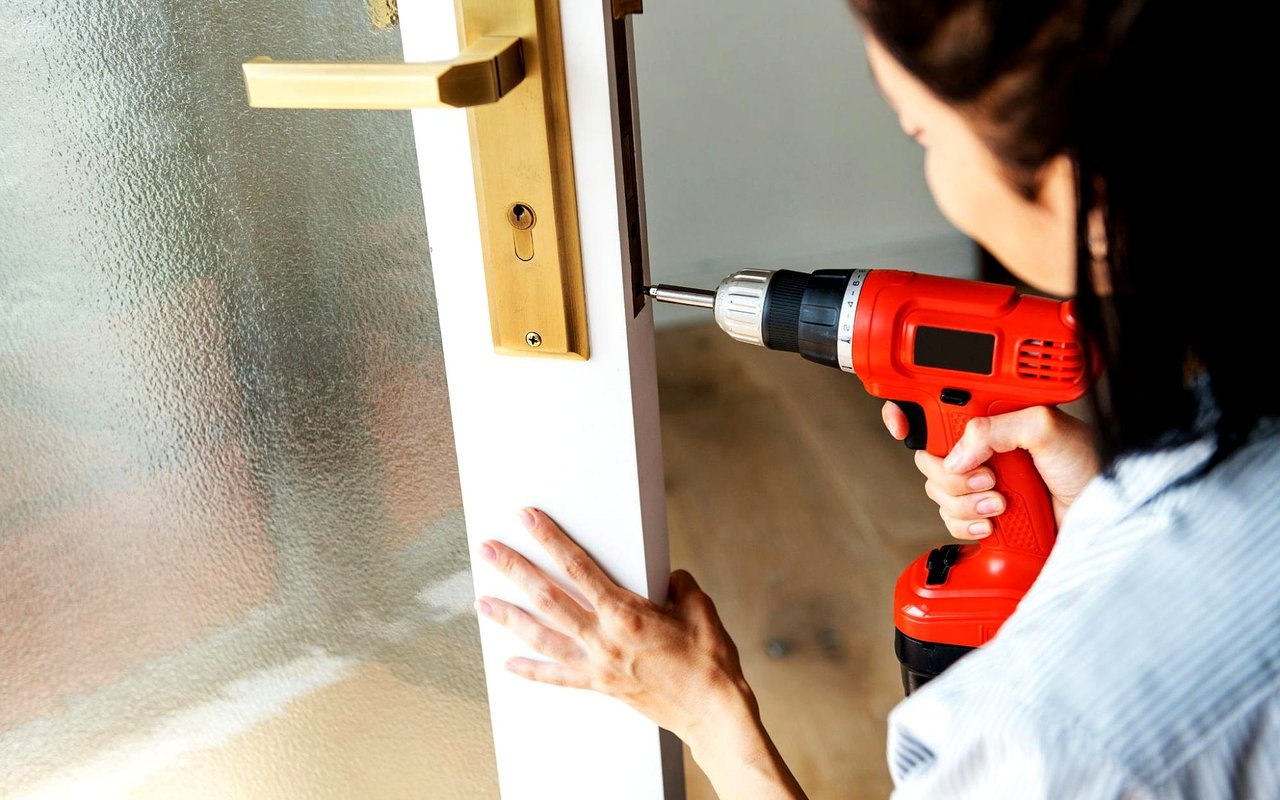
- loose hardware, doors, or trim
- plumbing leaks or slow drains
- HVAC or electrical issues you already know about
- signs of water intrusion in basements or crawl spaces
You do not need a full renovation to make a strong impression. In many cases, clean repairs and cosmetic refreshes do more for buyer confidence than an expensive remodel.
Make the home feel clean, light, and neutral
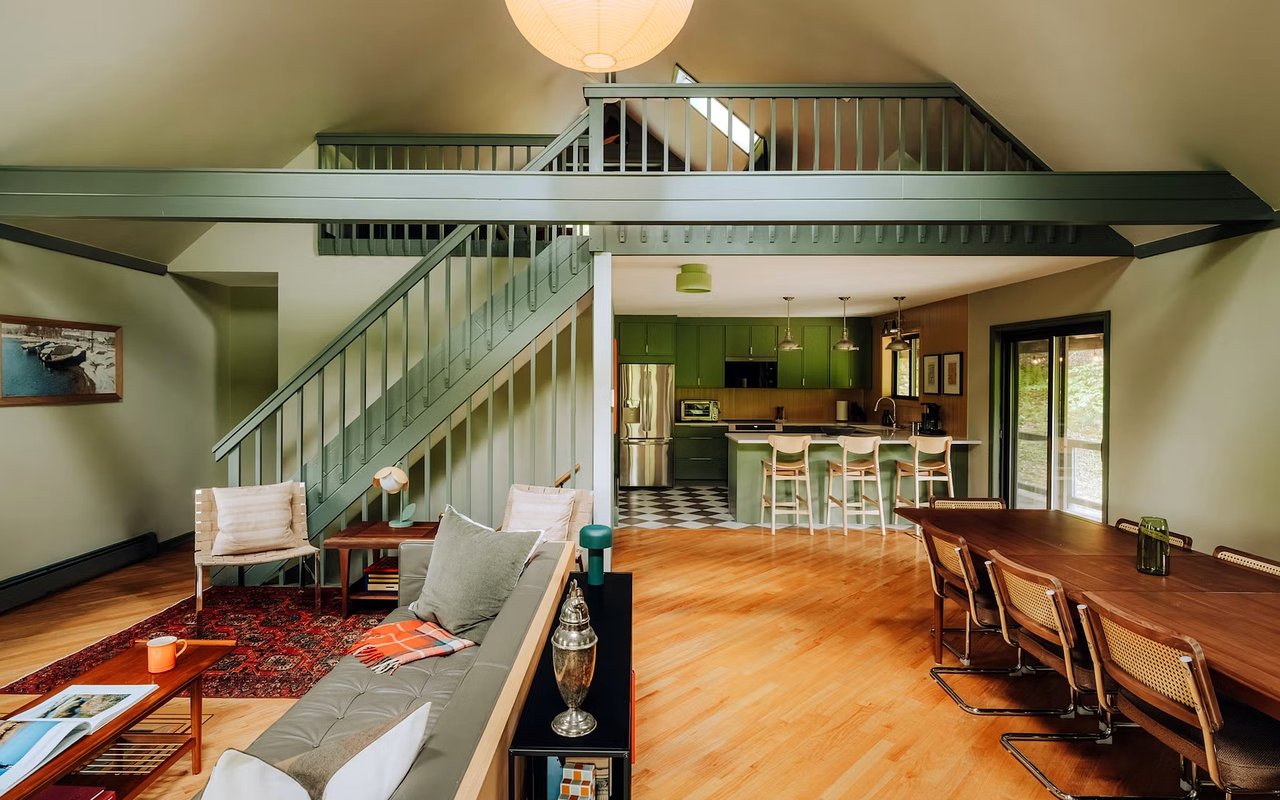
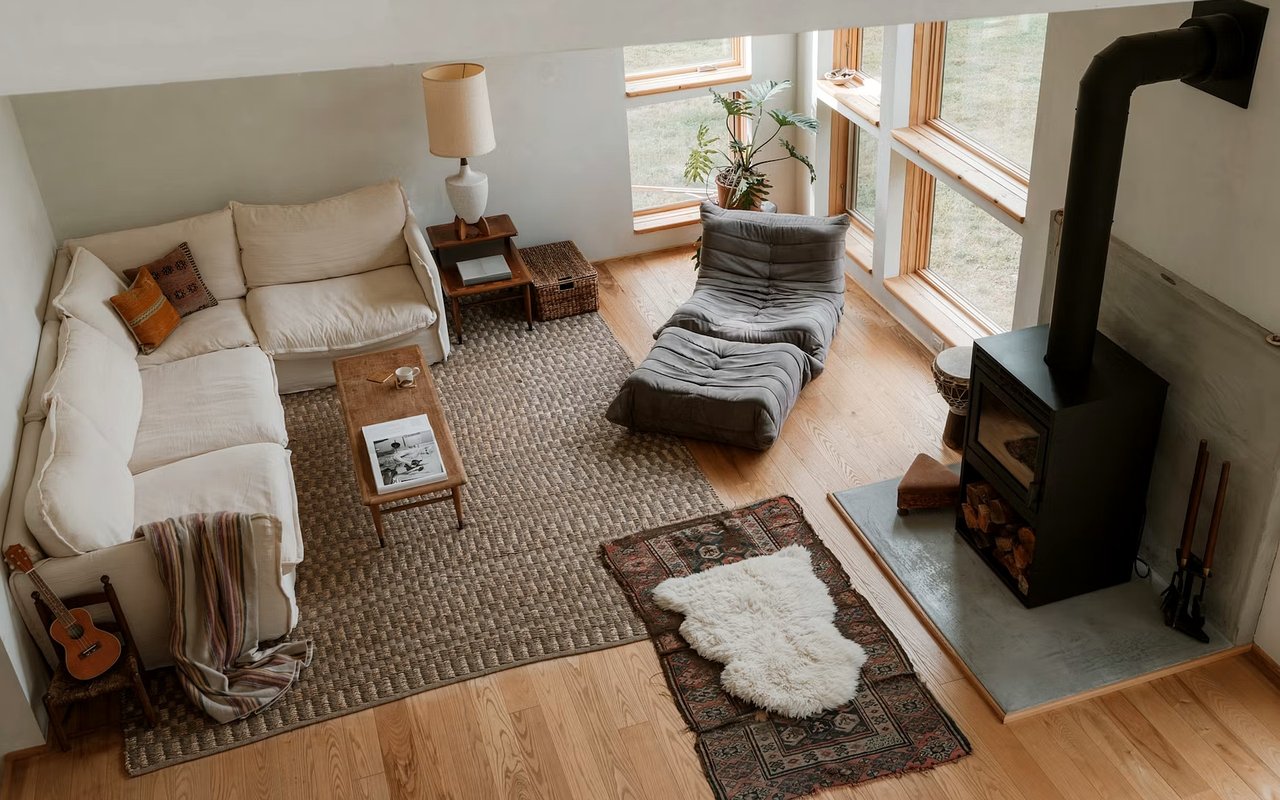
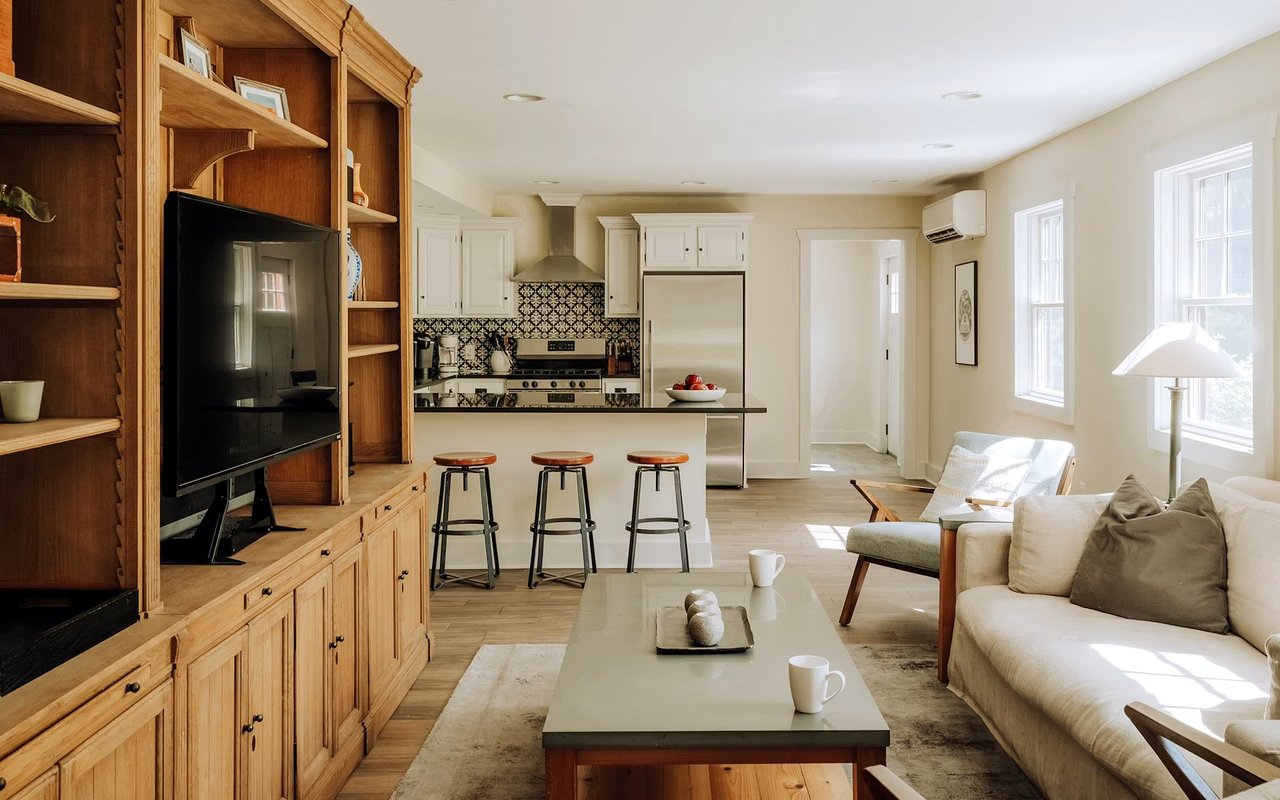
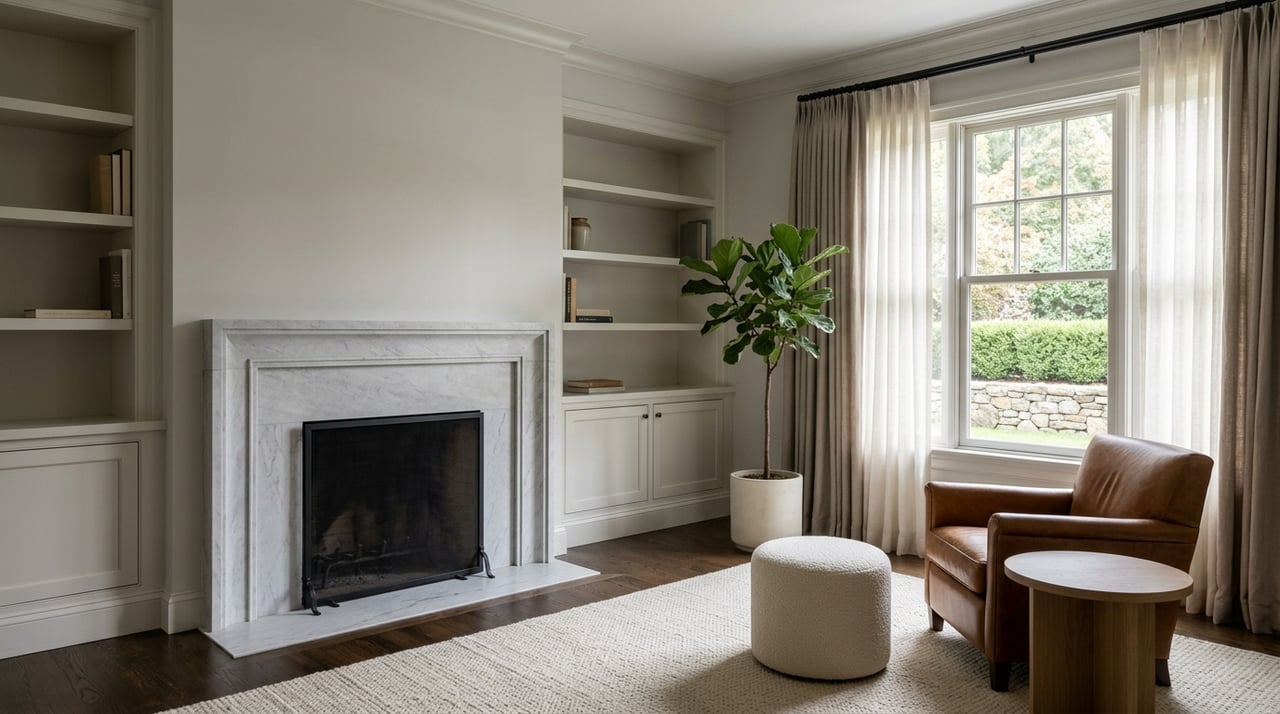
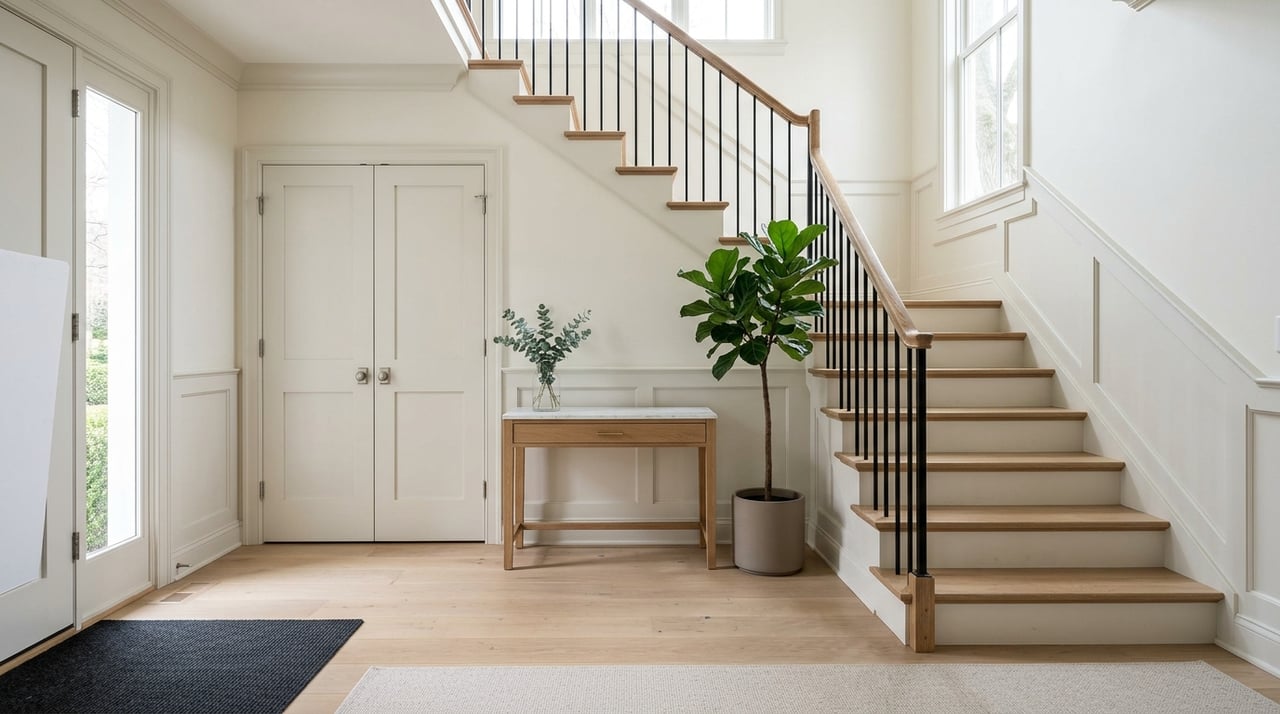
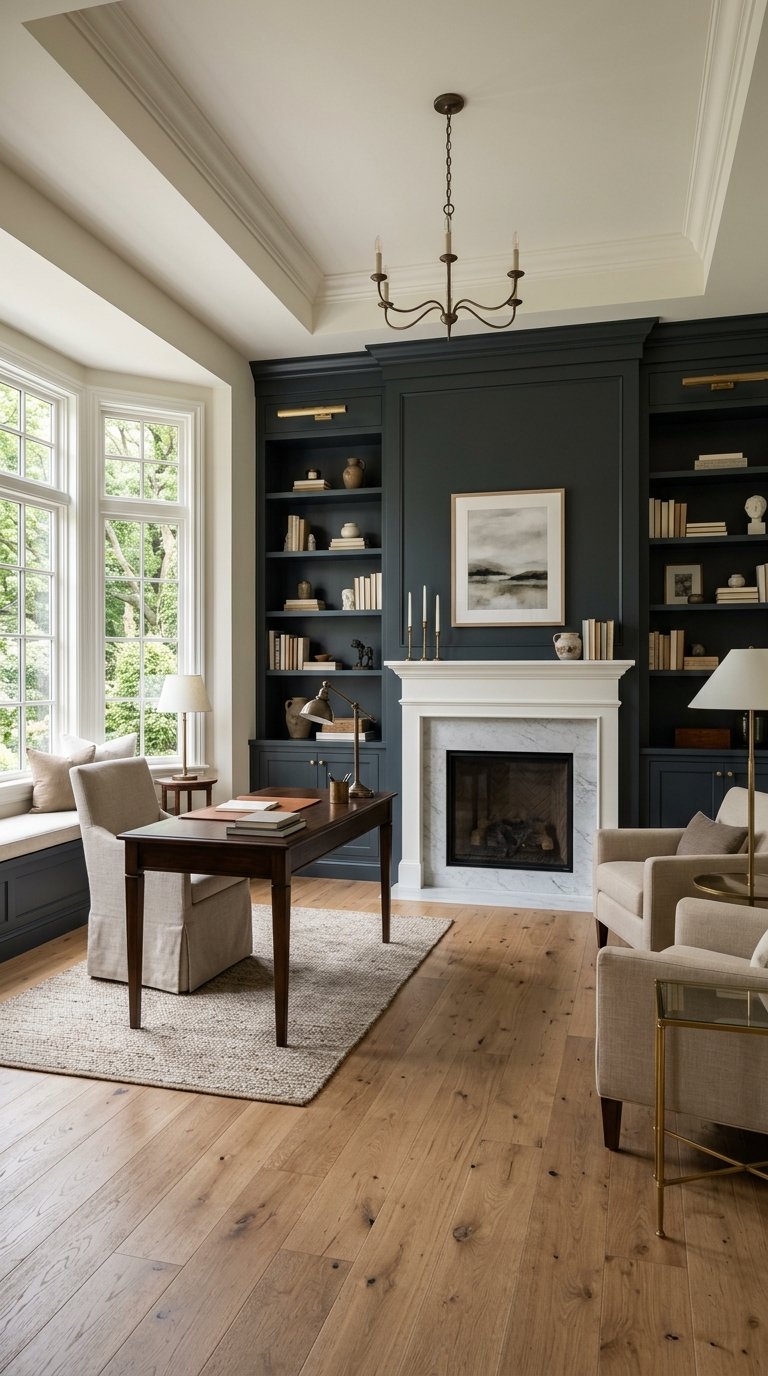
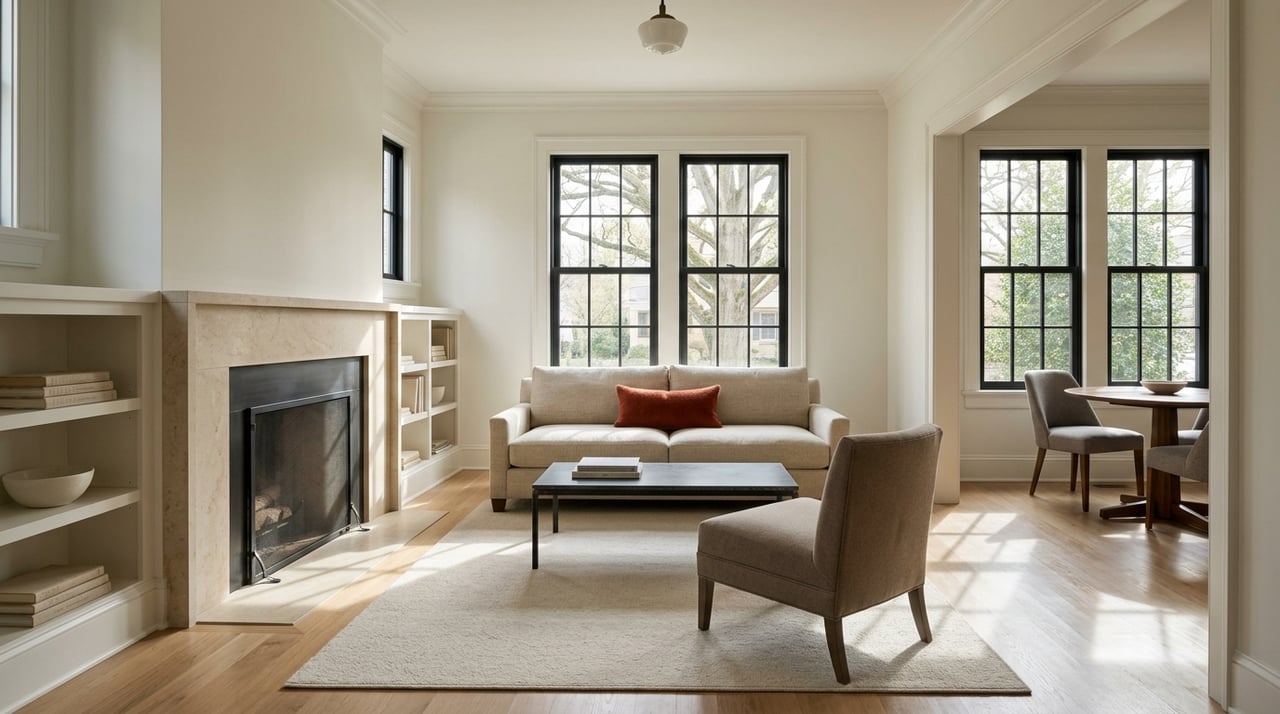
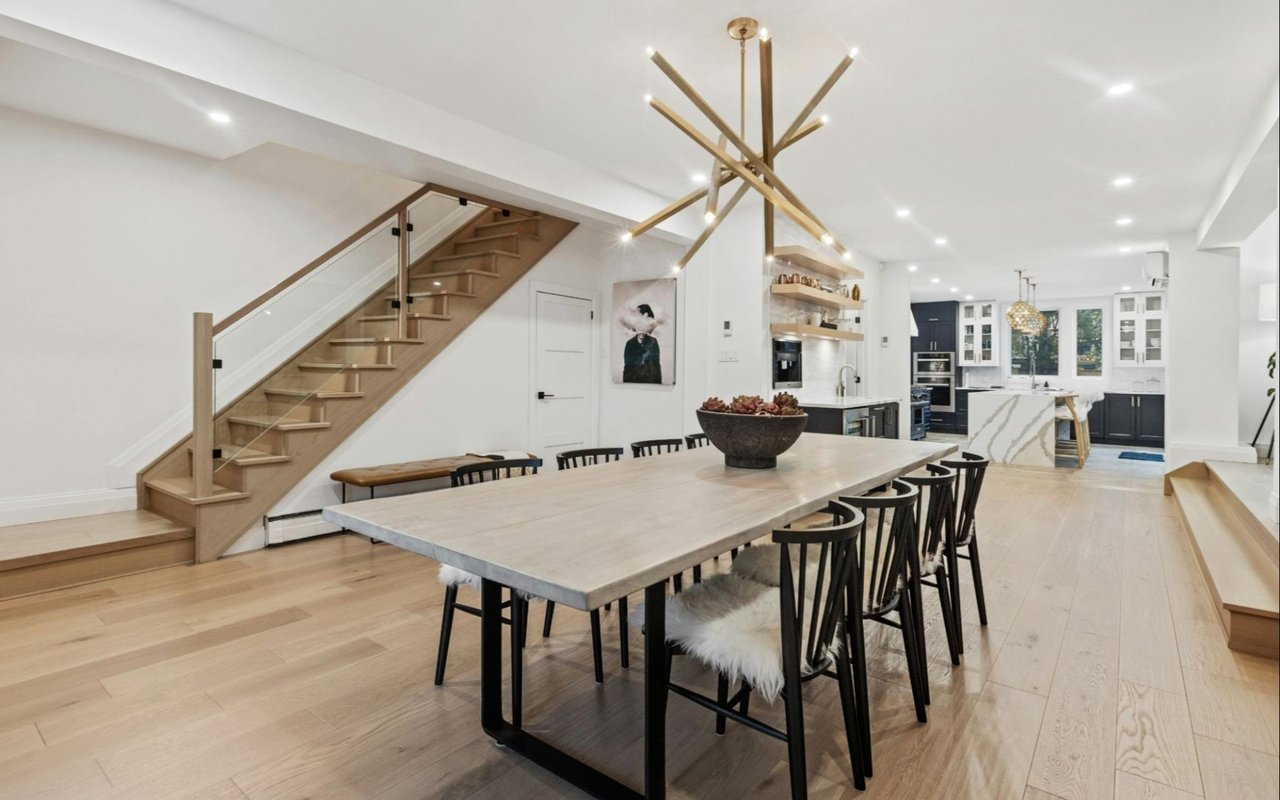
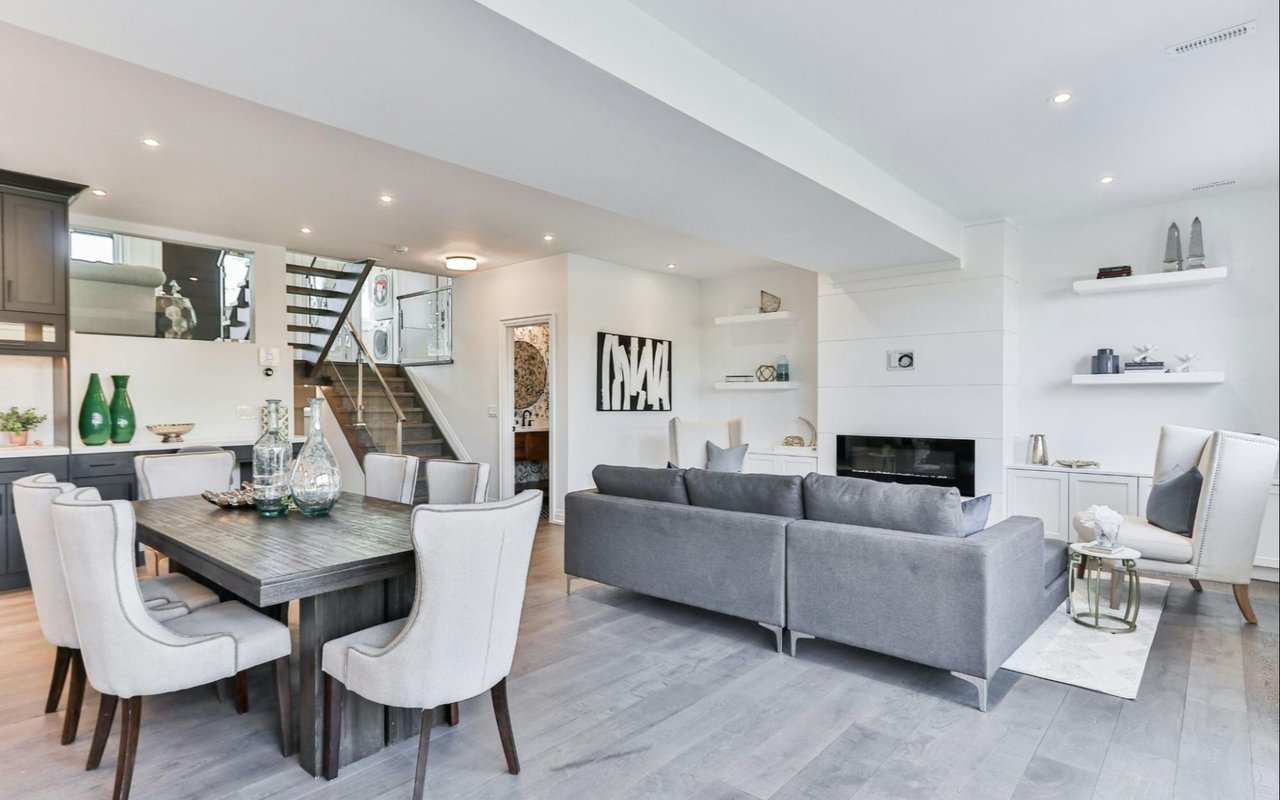
Once repairs are handled, shift your attention to presentation. According to NAR’s 2025 home staging profile, 83 percent of buyers’ agents said staging made it easier for buyers to picture a property as a future home. That is a strong case for preparing your home not just for showings, but for photos and online marketing too.
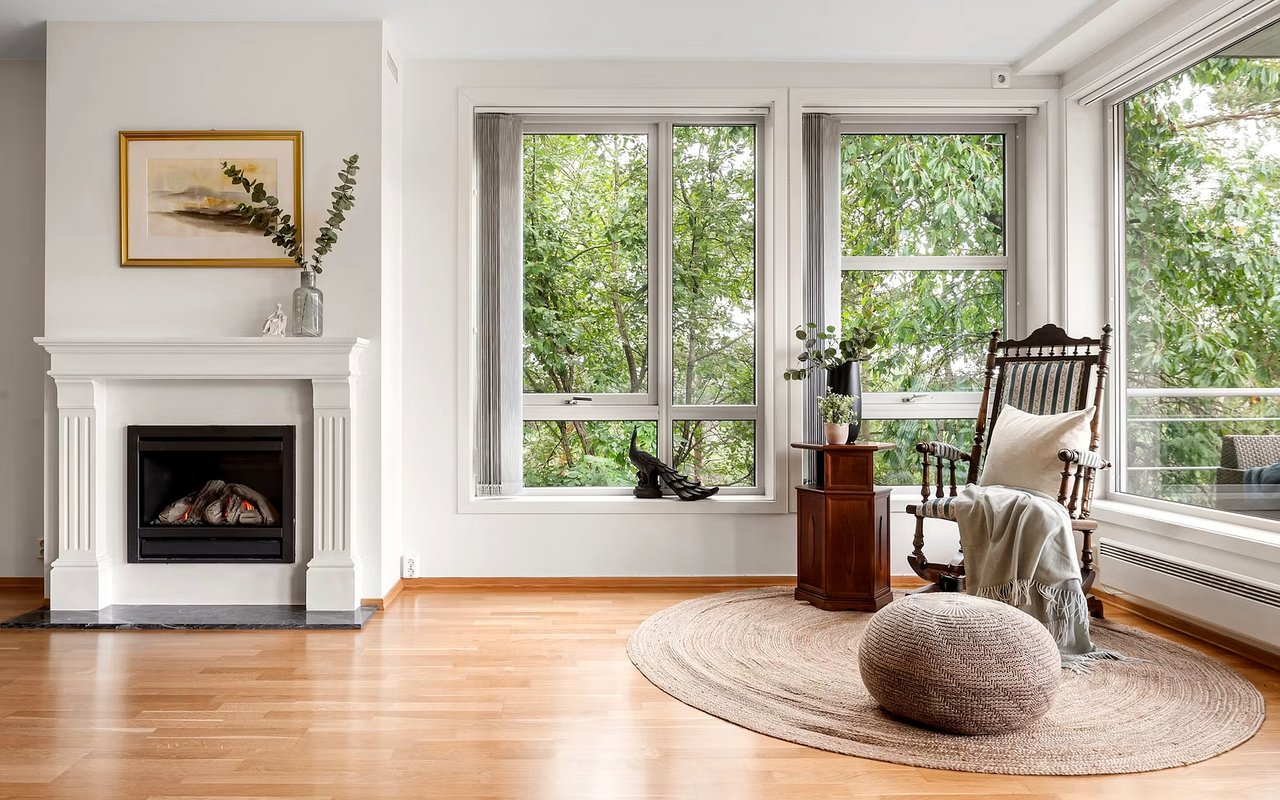
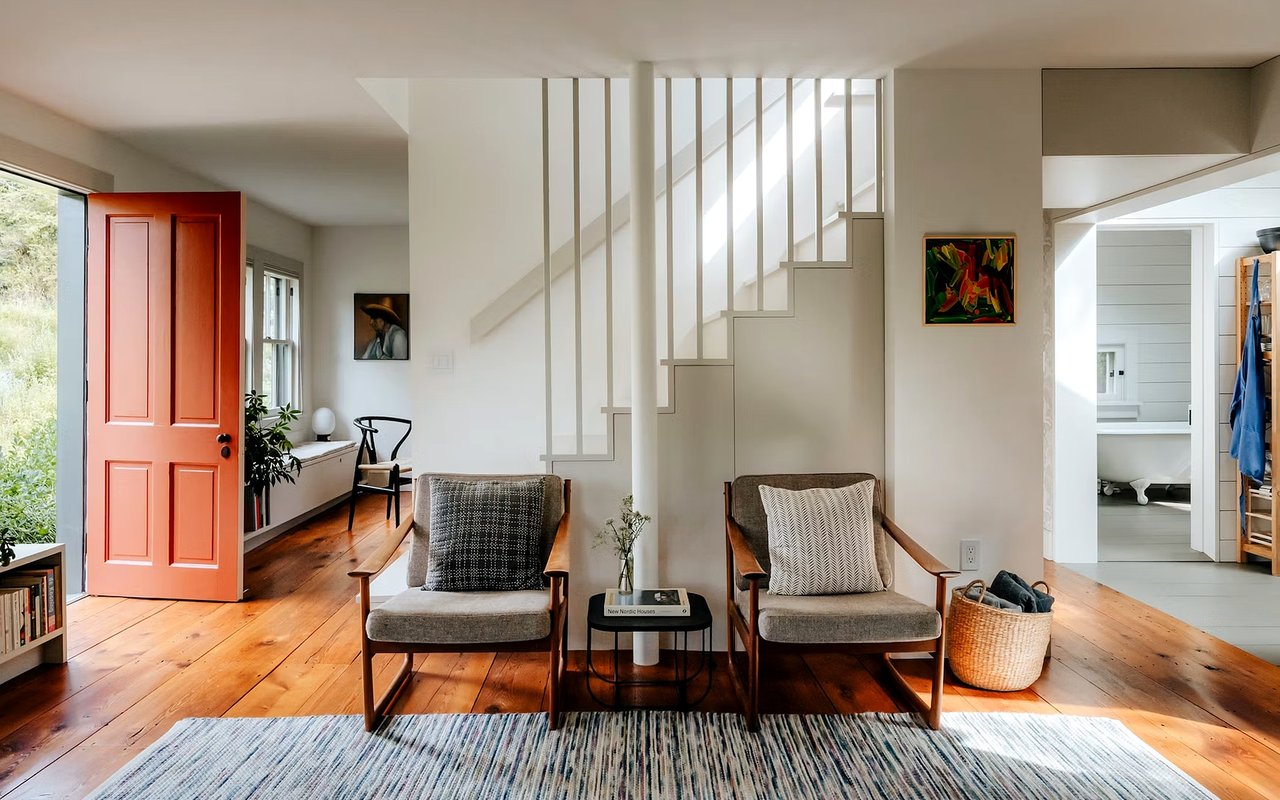
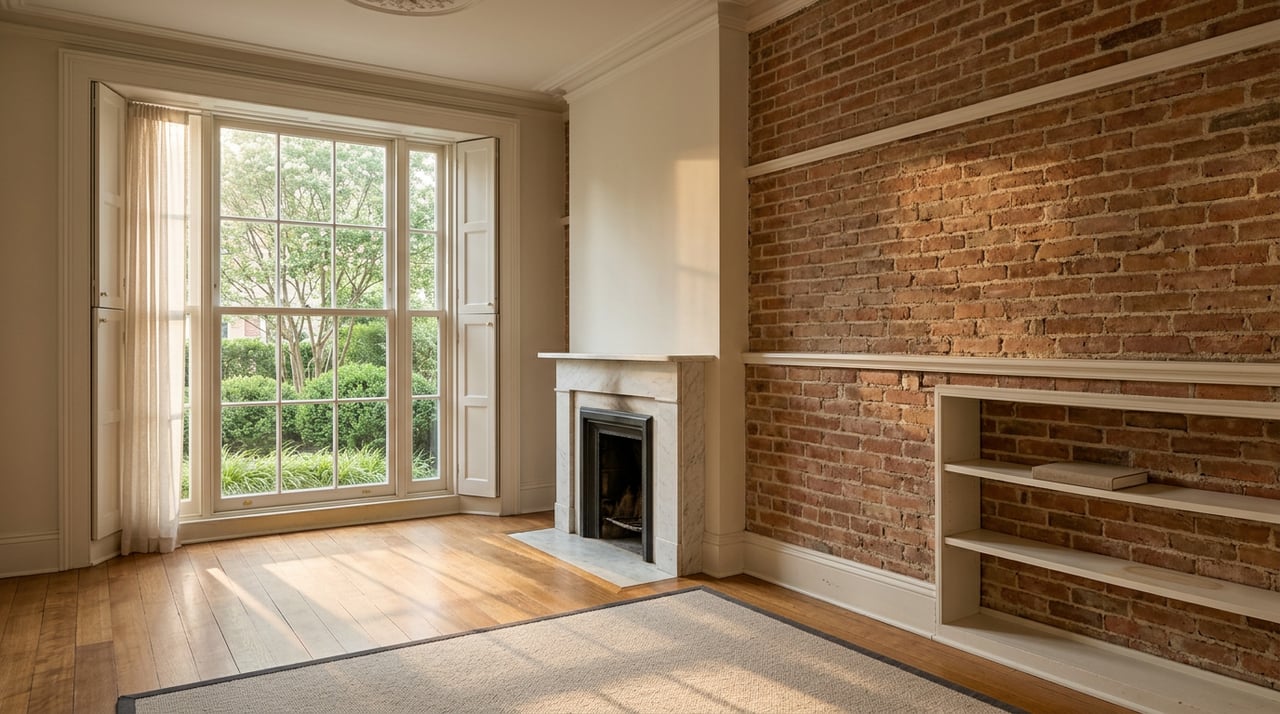
Your goal is not to erase personality completely. It is to create a calm, open look that helps buyers focus on the space itself. Clean surfaces, natural light, and simple styling often go further than elaborate decorating.
Stage the rooms that matter most
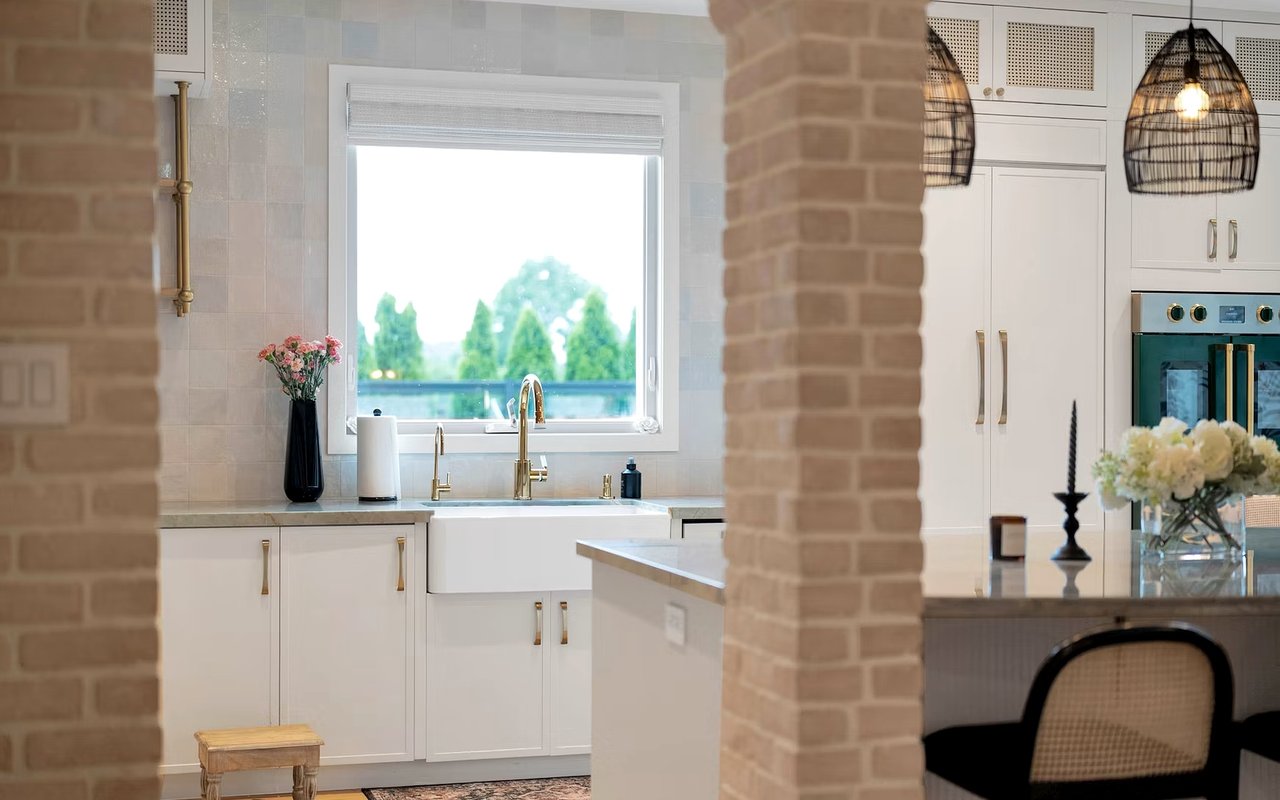
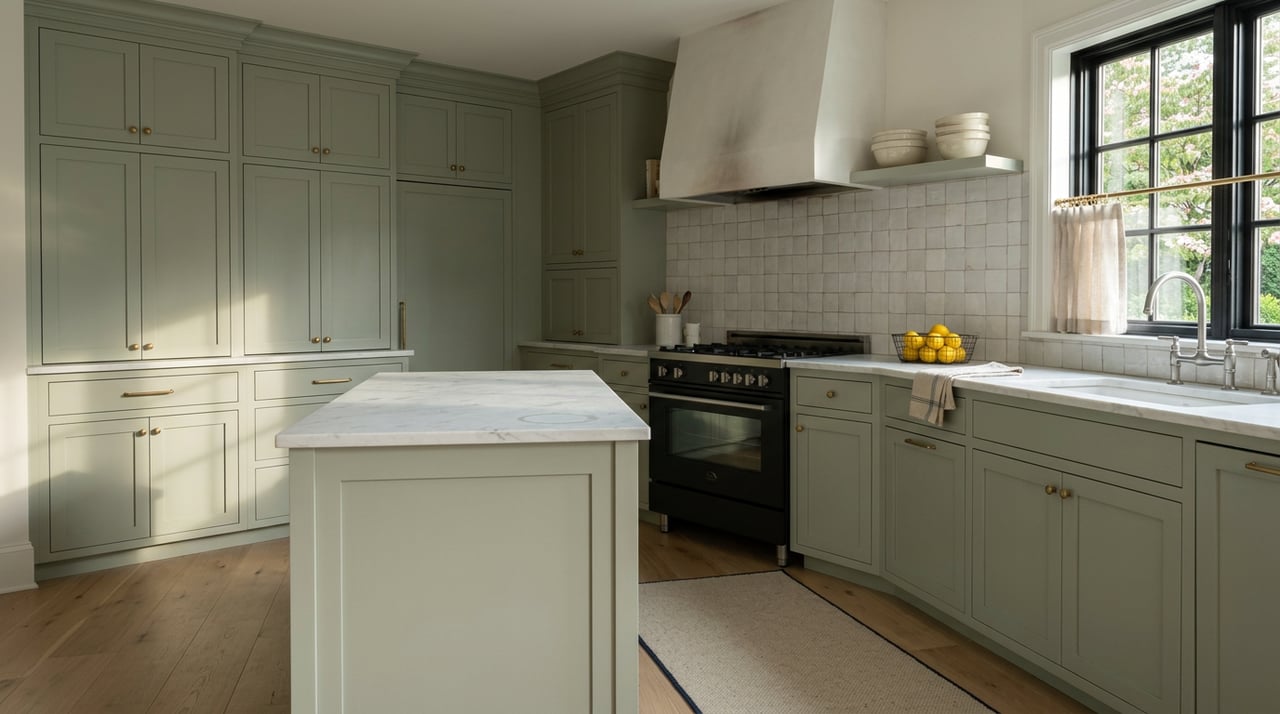
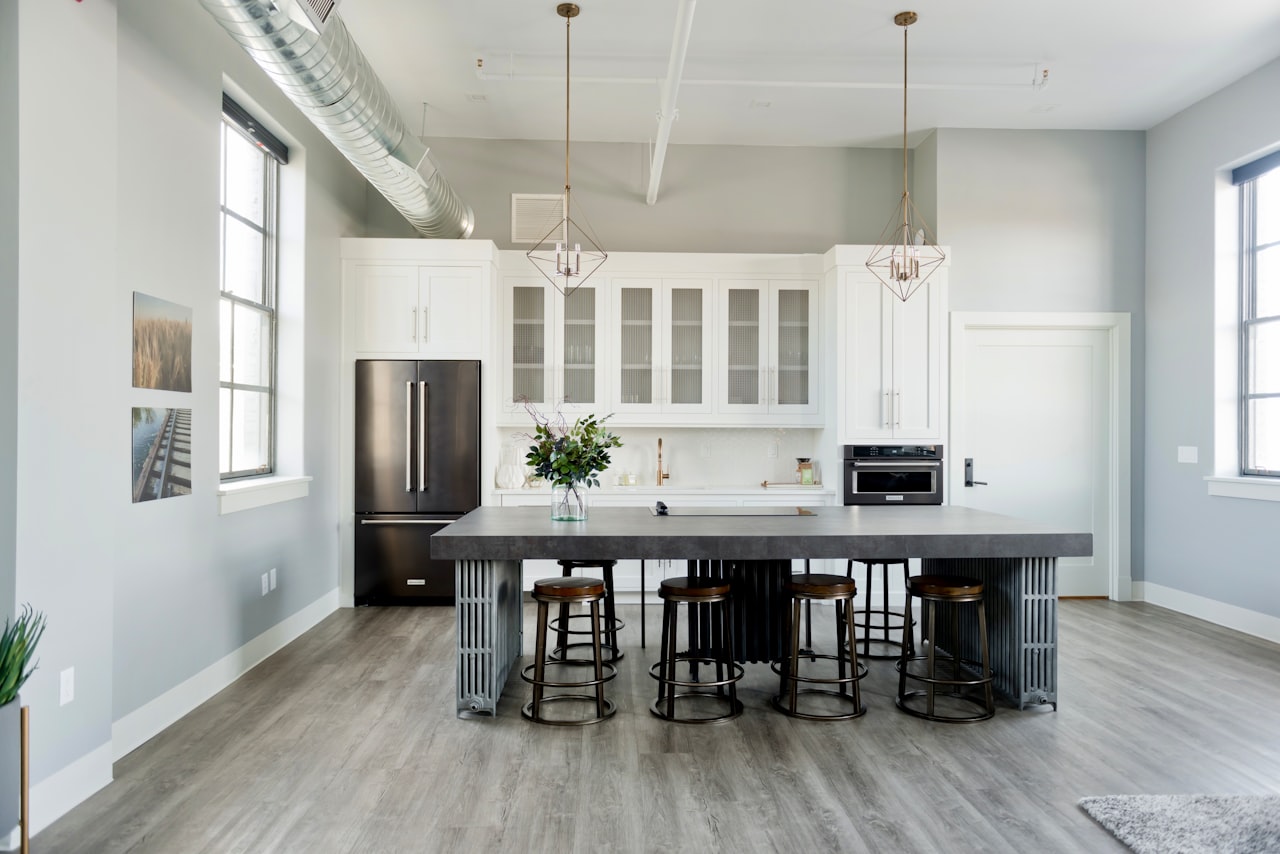
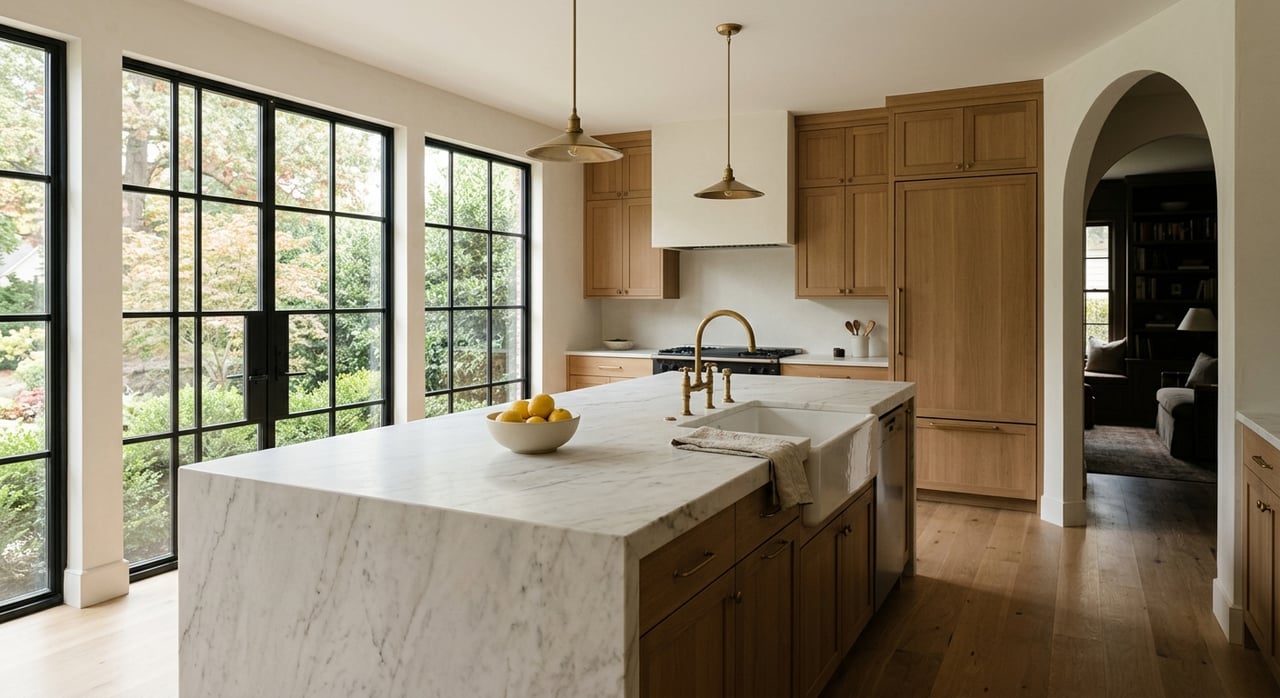
If you are not staging every room, focus on the spaces buyers tend to judge first. NAR found that the living room, primary bedroom, and kitchen were the most important rooms to stage.
For those spaces, concentrate on the basics:
- remove extra furniture to improve flow
- clear countertops and nightstands
- use neutral bedding and towels
- open window coverings to maximize light
- add simple, limited decor
- store personal photos and highly specific collections
This helps buyers picture how they would use each room. It also improves listing photos, which are often your first showing.
Use a finish-first approach
Research on staging and remodeling points to a simple strategy: finish the obvious work first. Clean thoroughly, declutter aggressively, paint where needed, repair noticeable wear, improve the entry, and then stage the rooms that will carry the listing.
That approach makes sense in Wayne because buyers are likely comparing homes closely. If your property feels polished from the first photo to the front door, you give yourself a better chance of strong early interest.
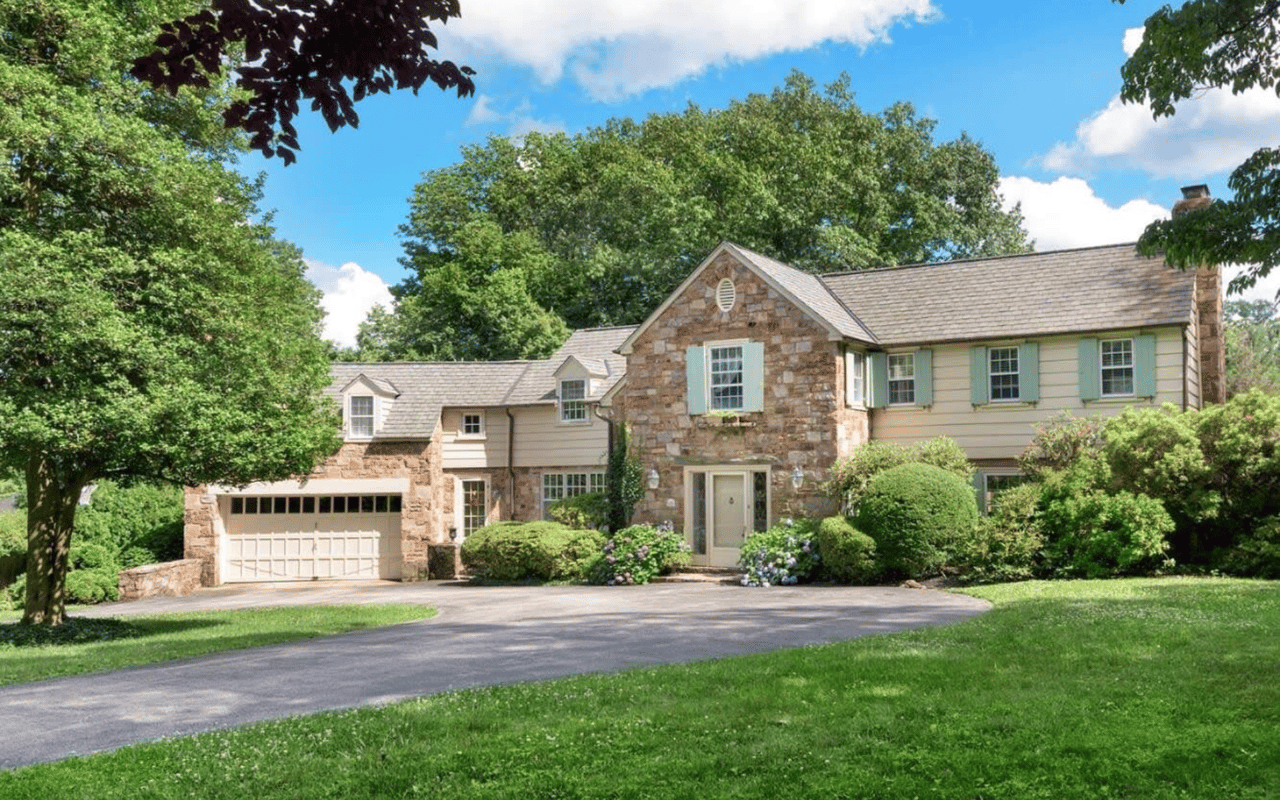
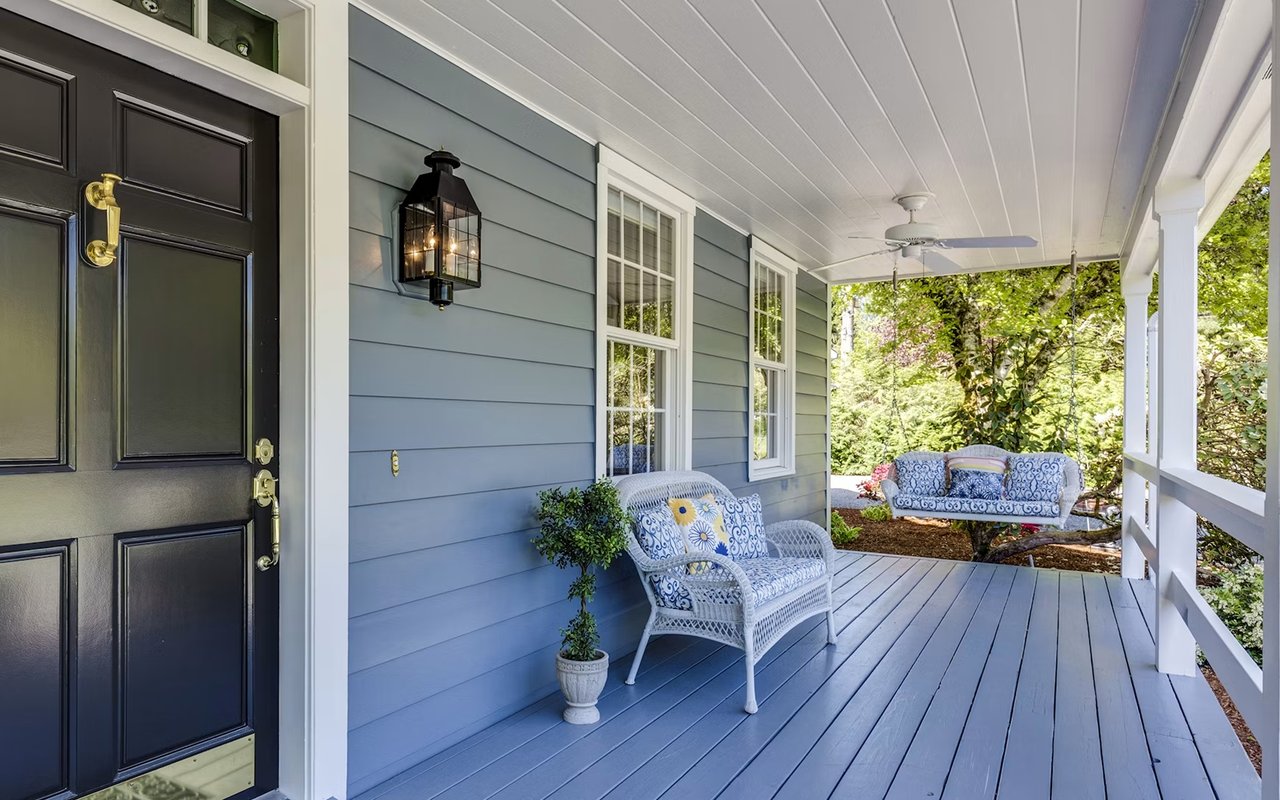
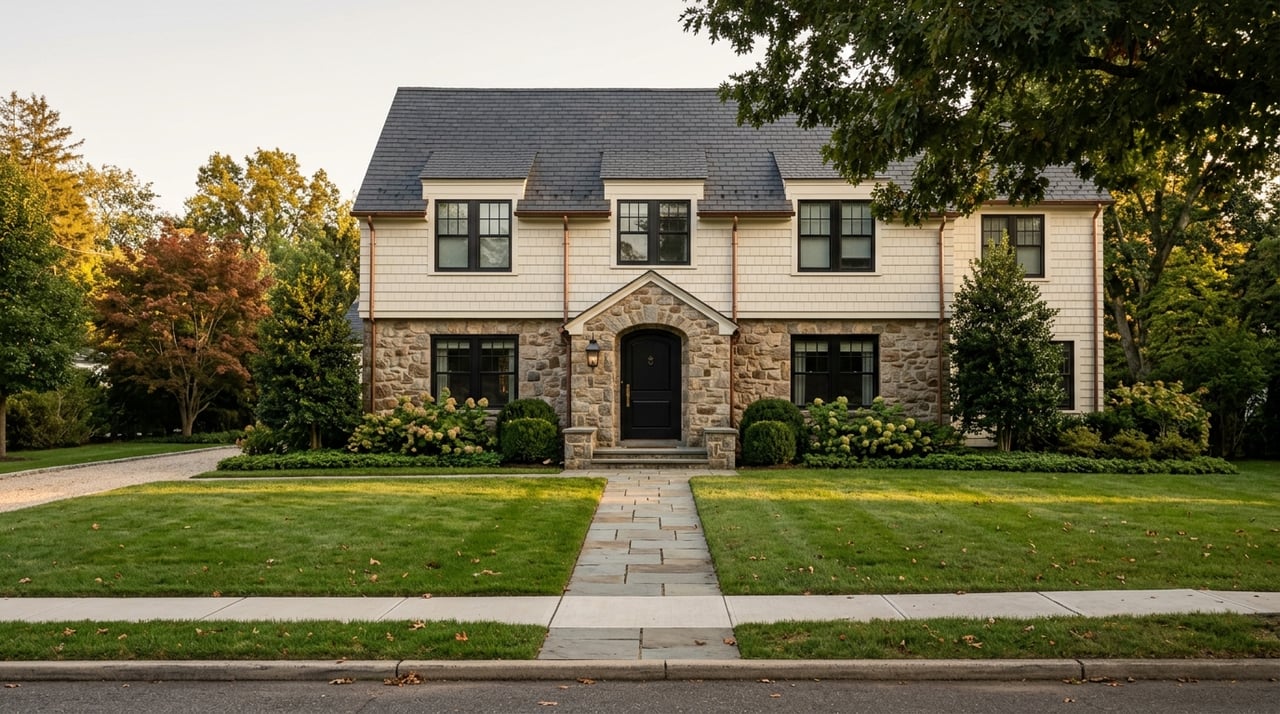
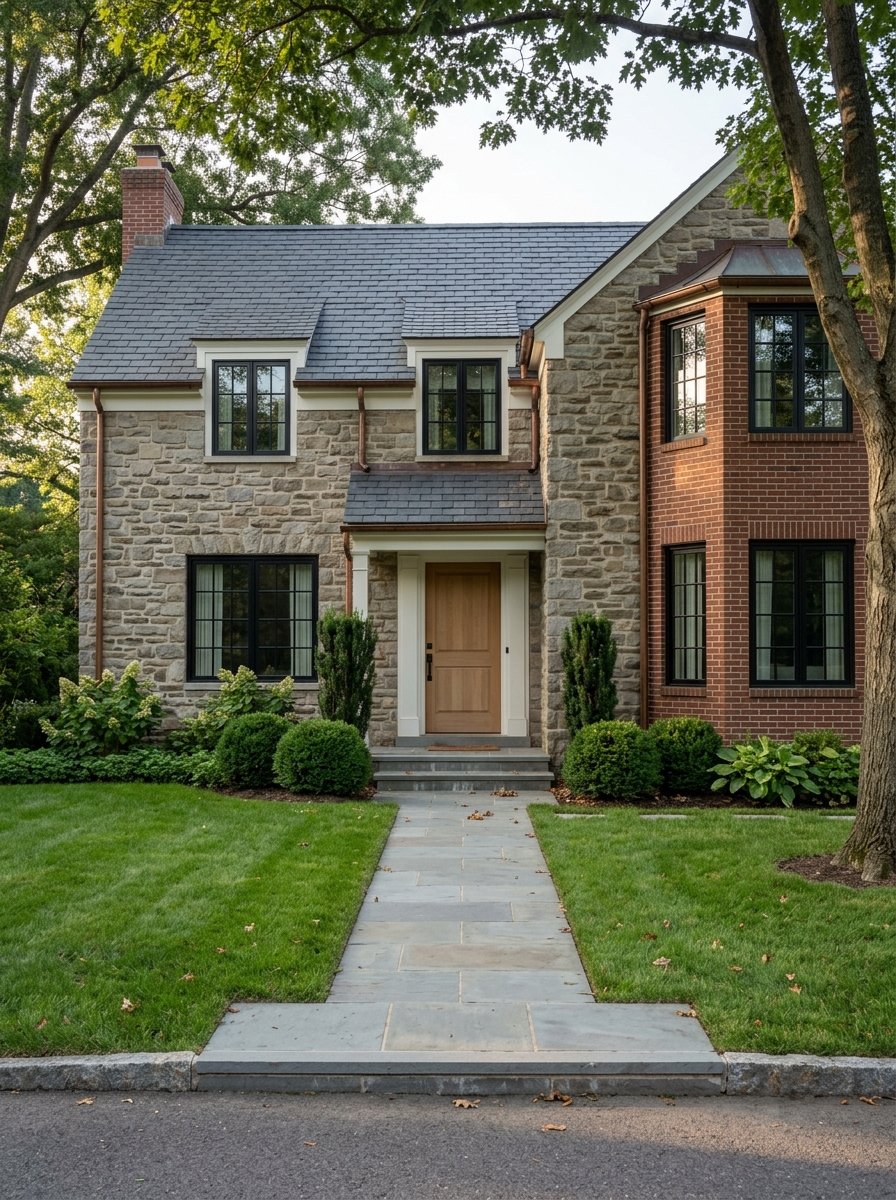
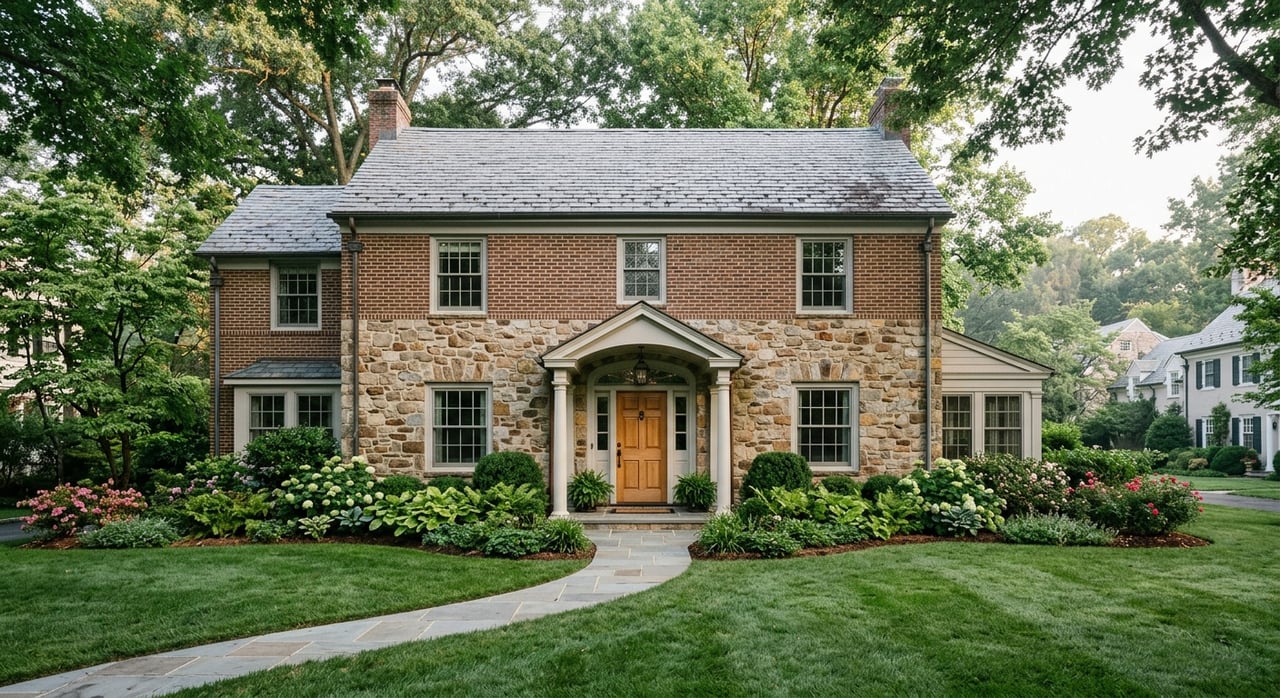
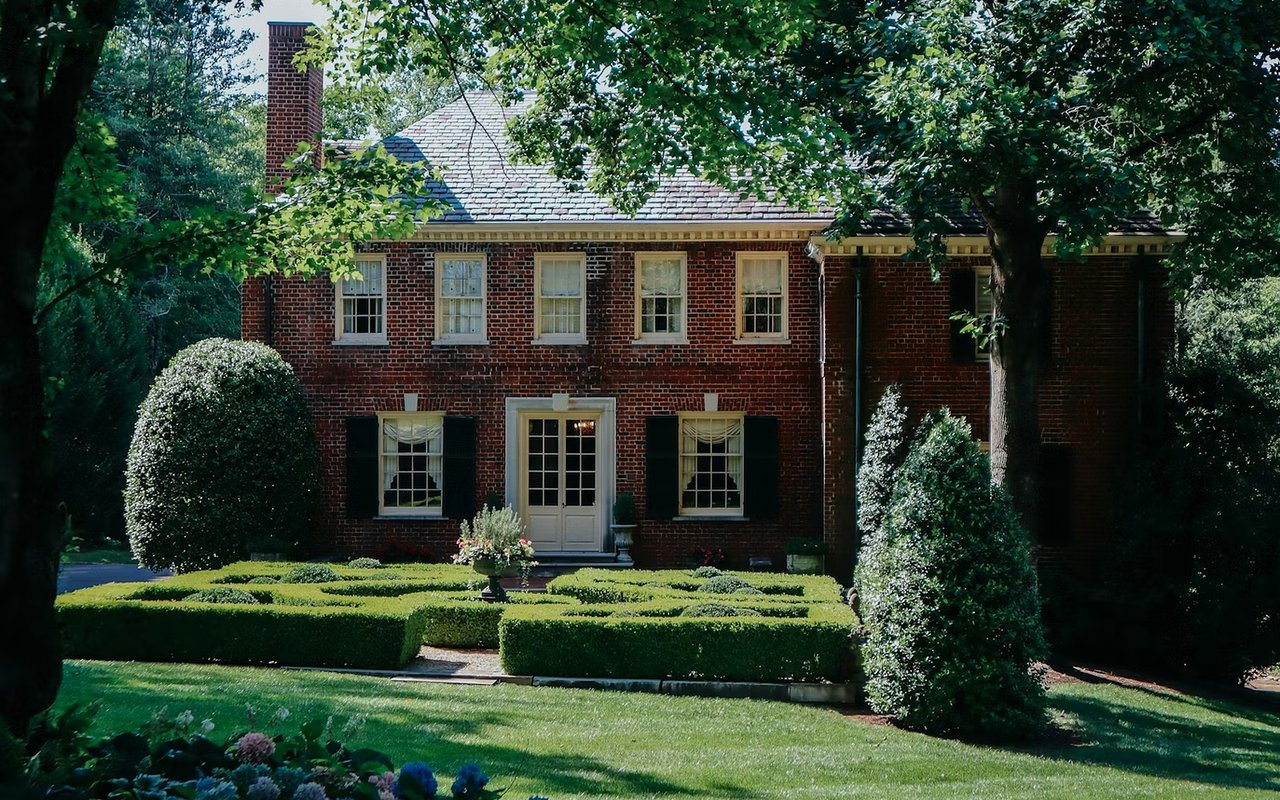
Don’t underestimate curb appeal
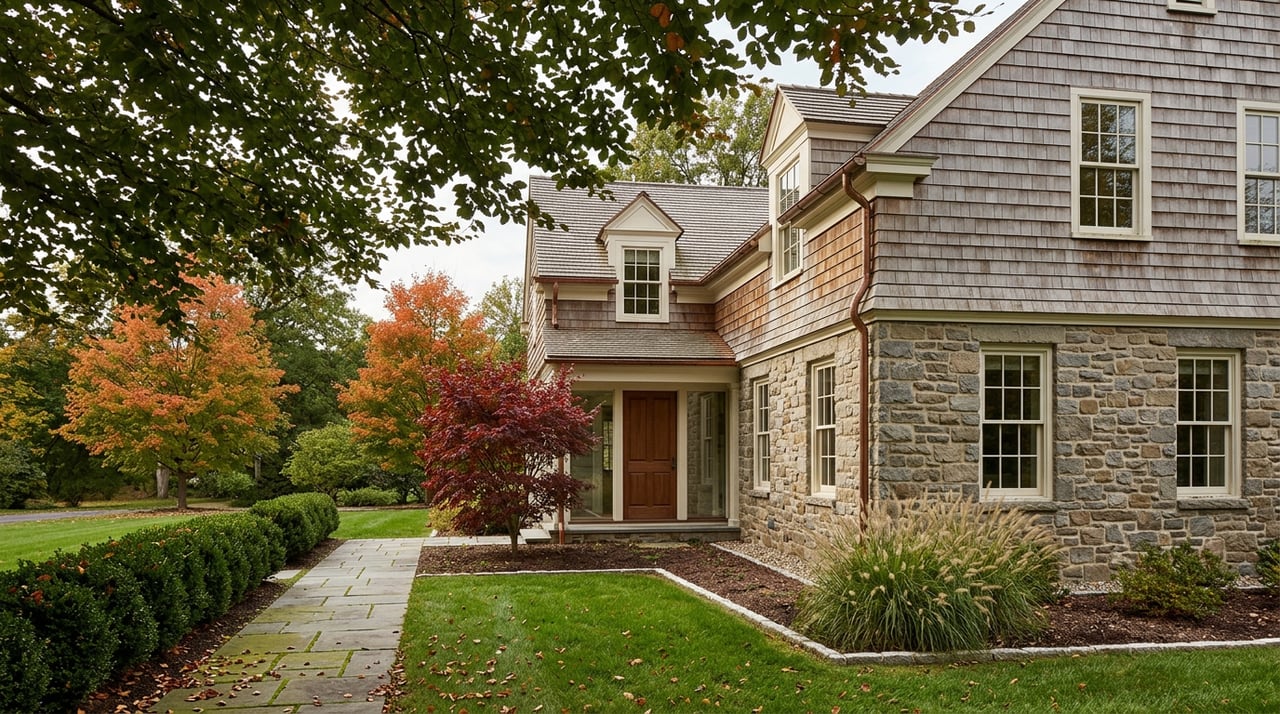
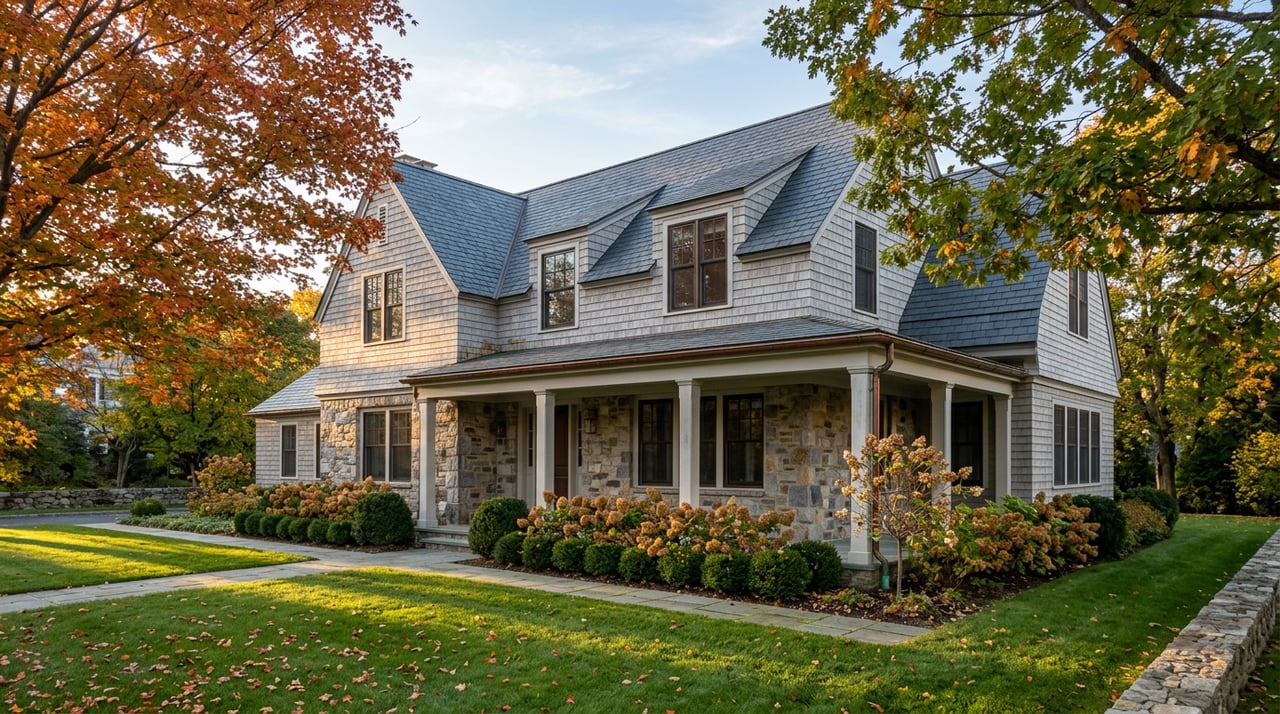
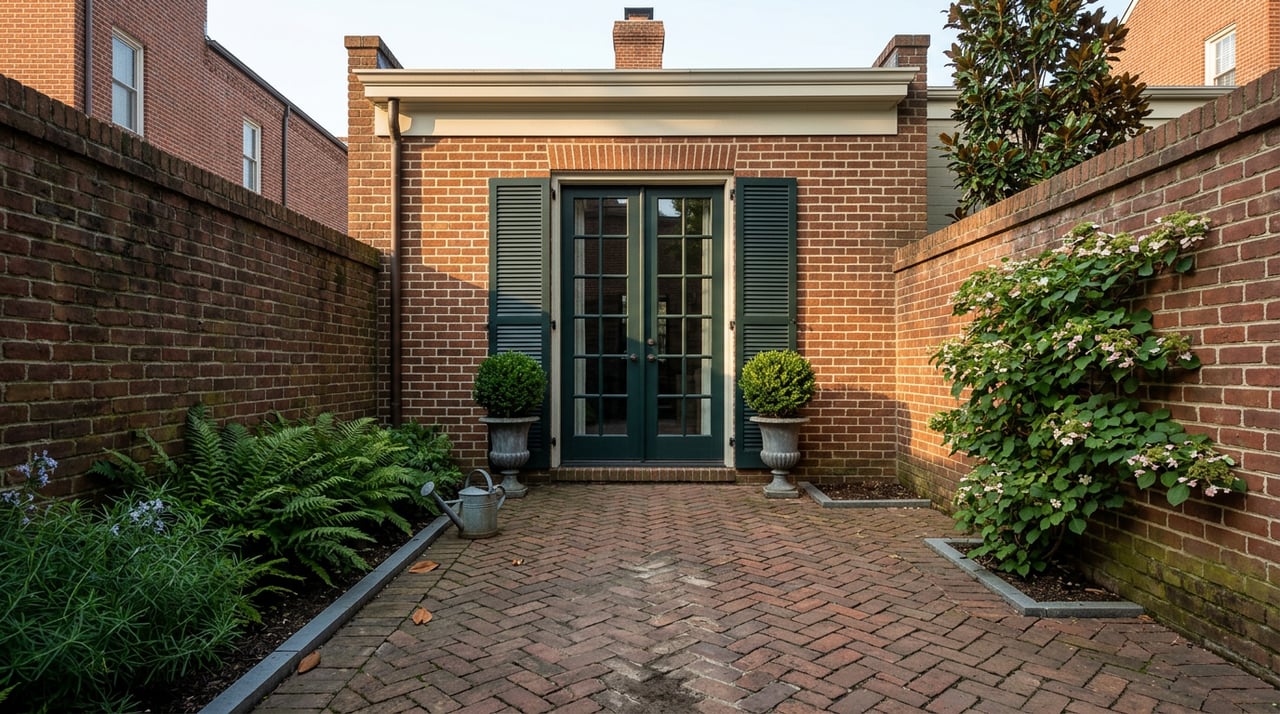
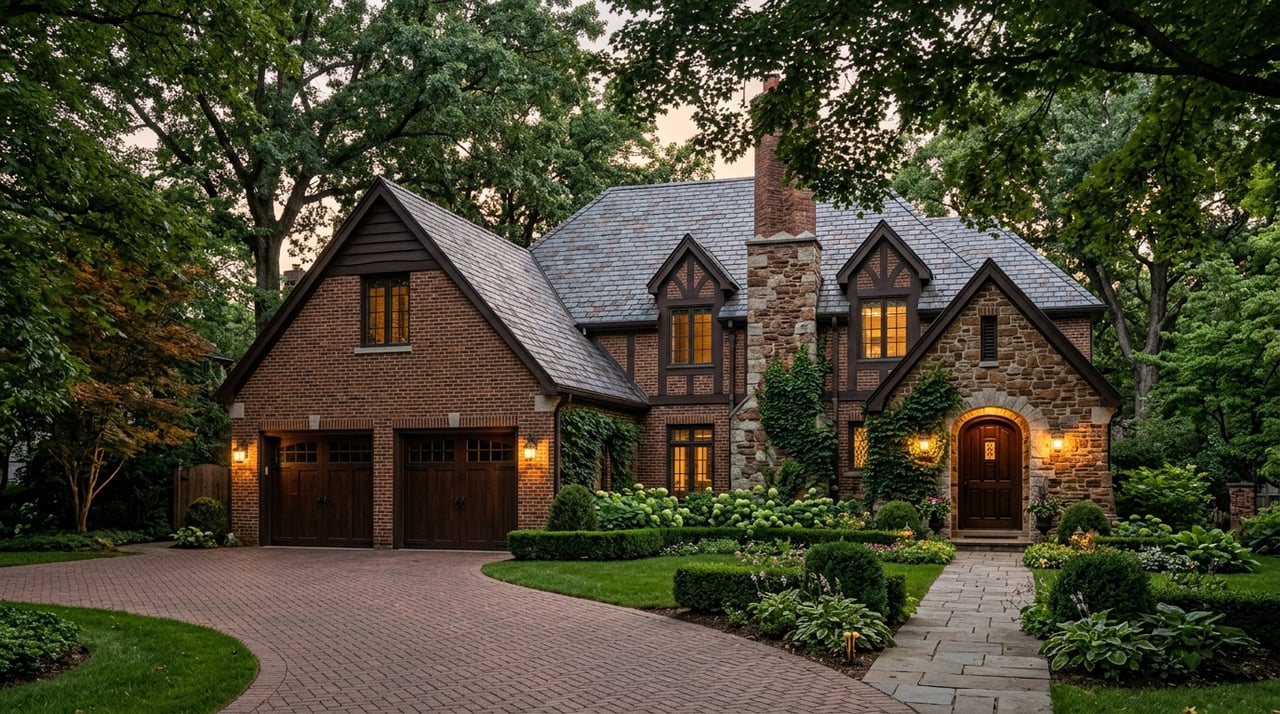
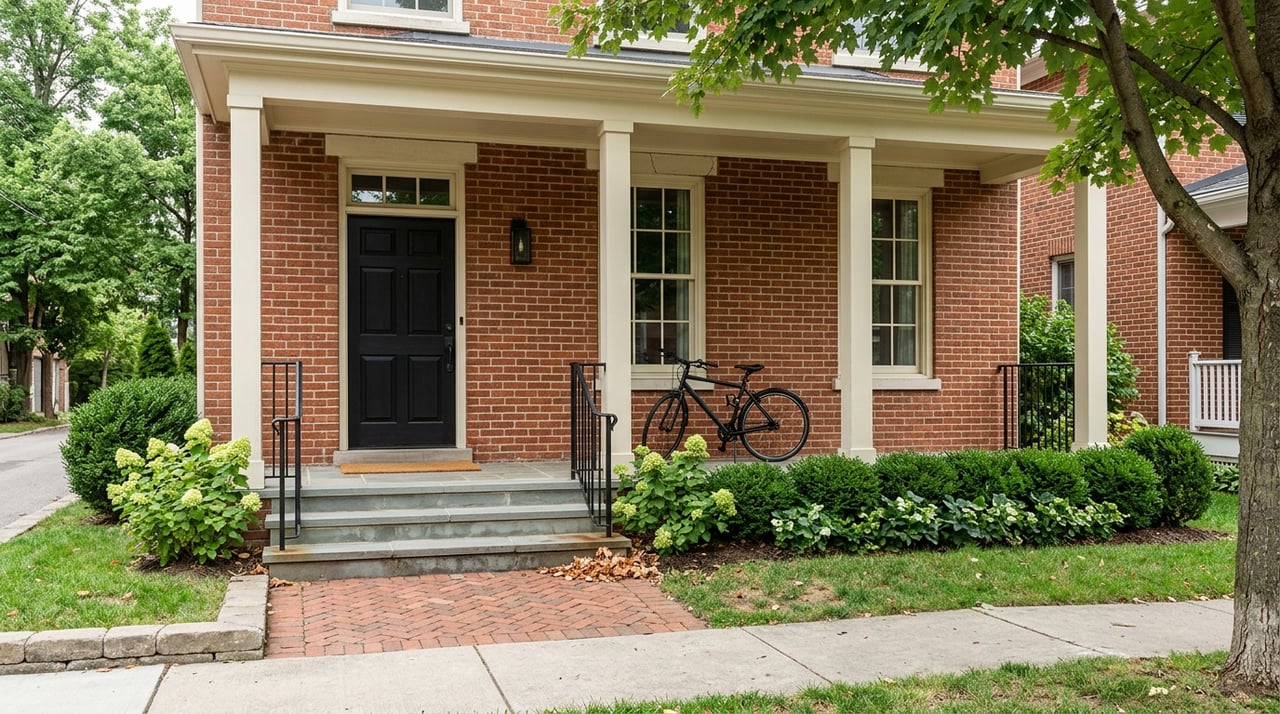
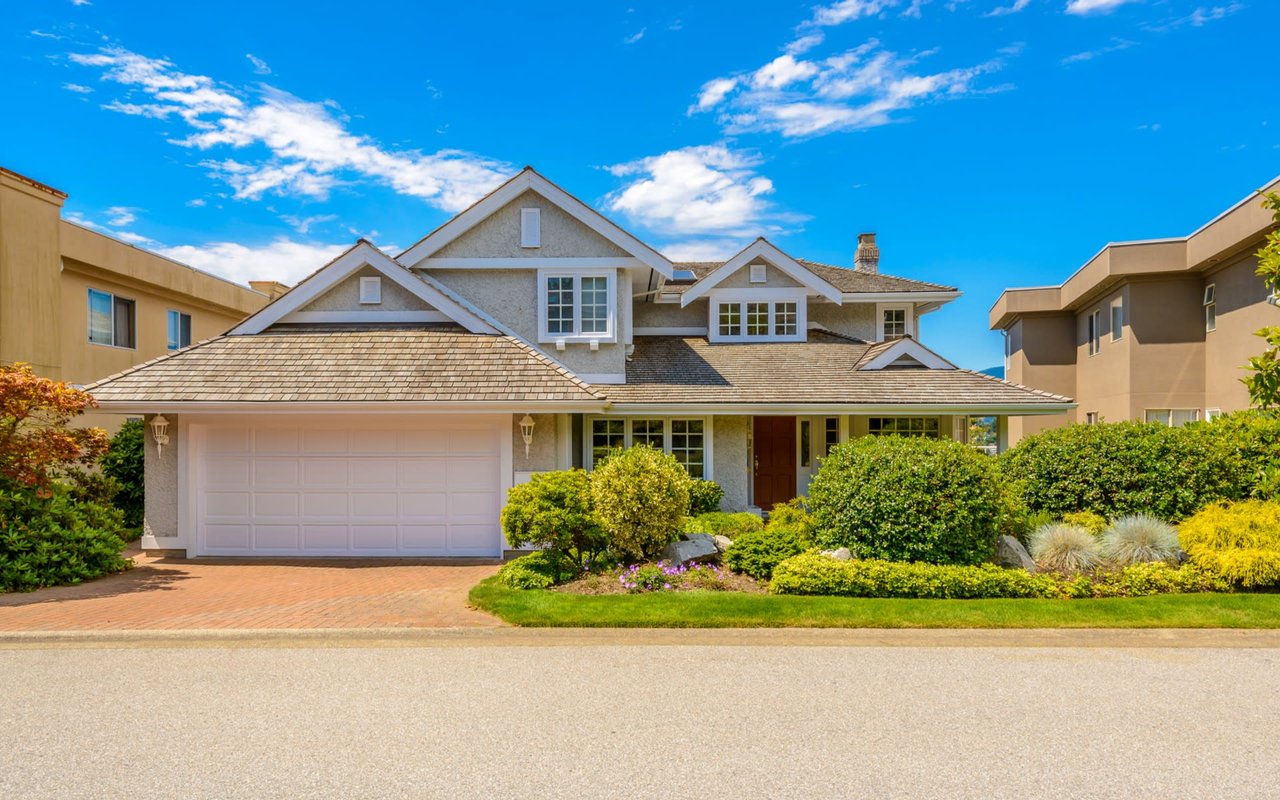
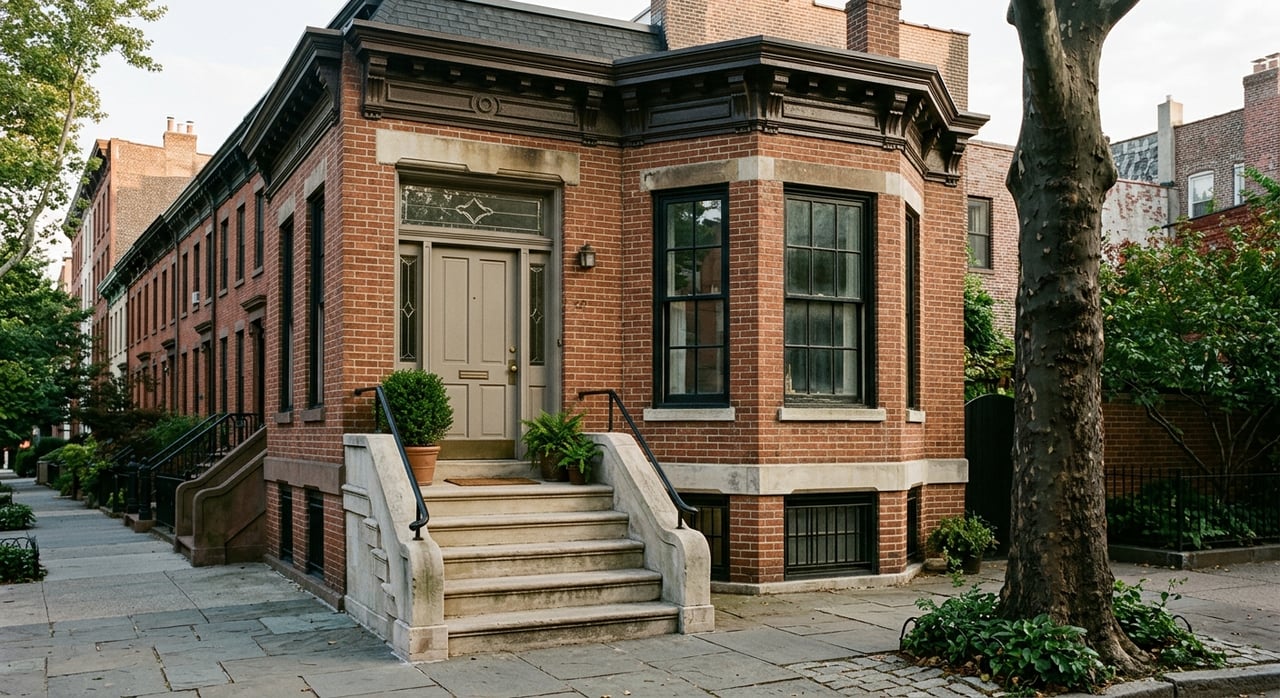
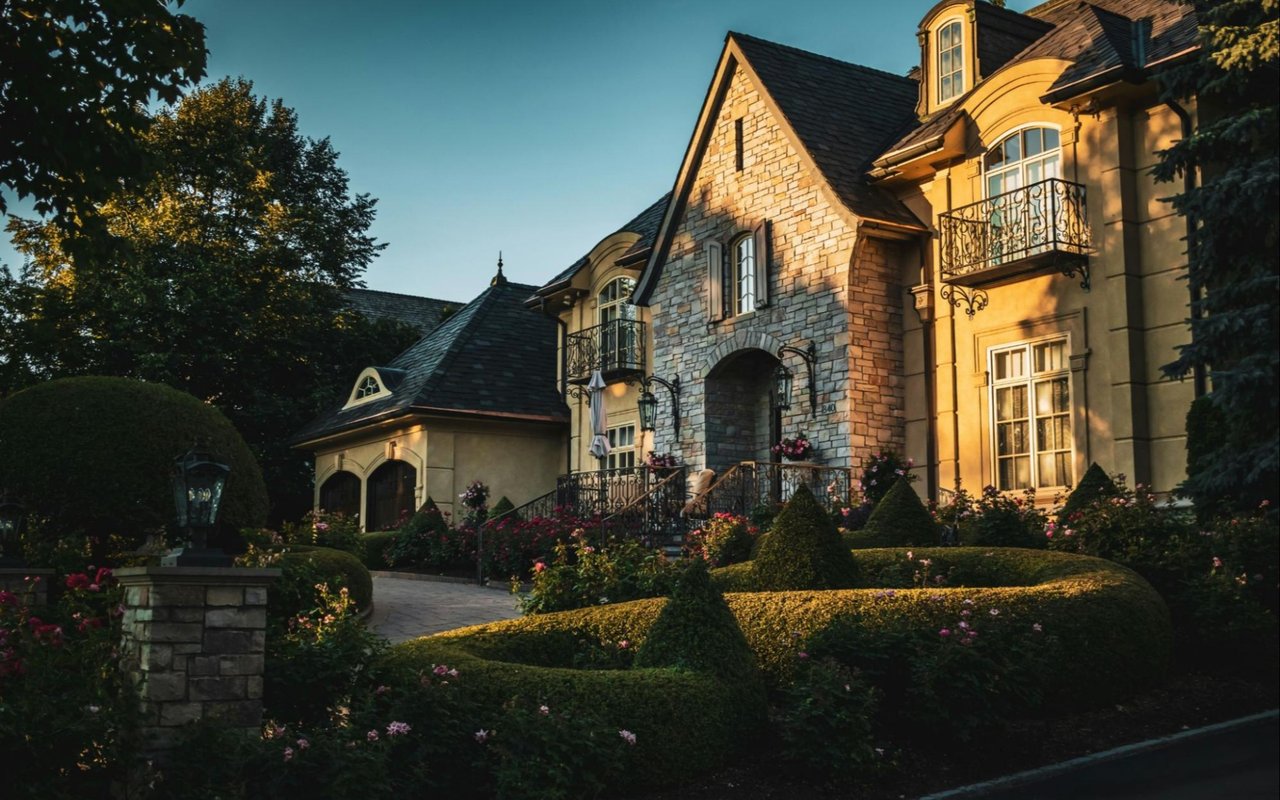
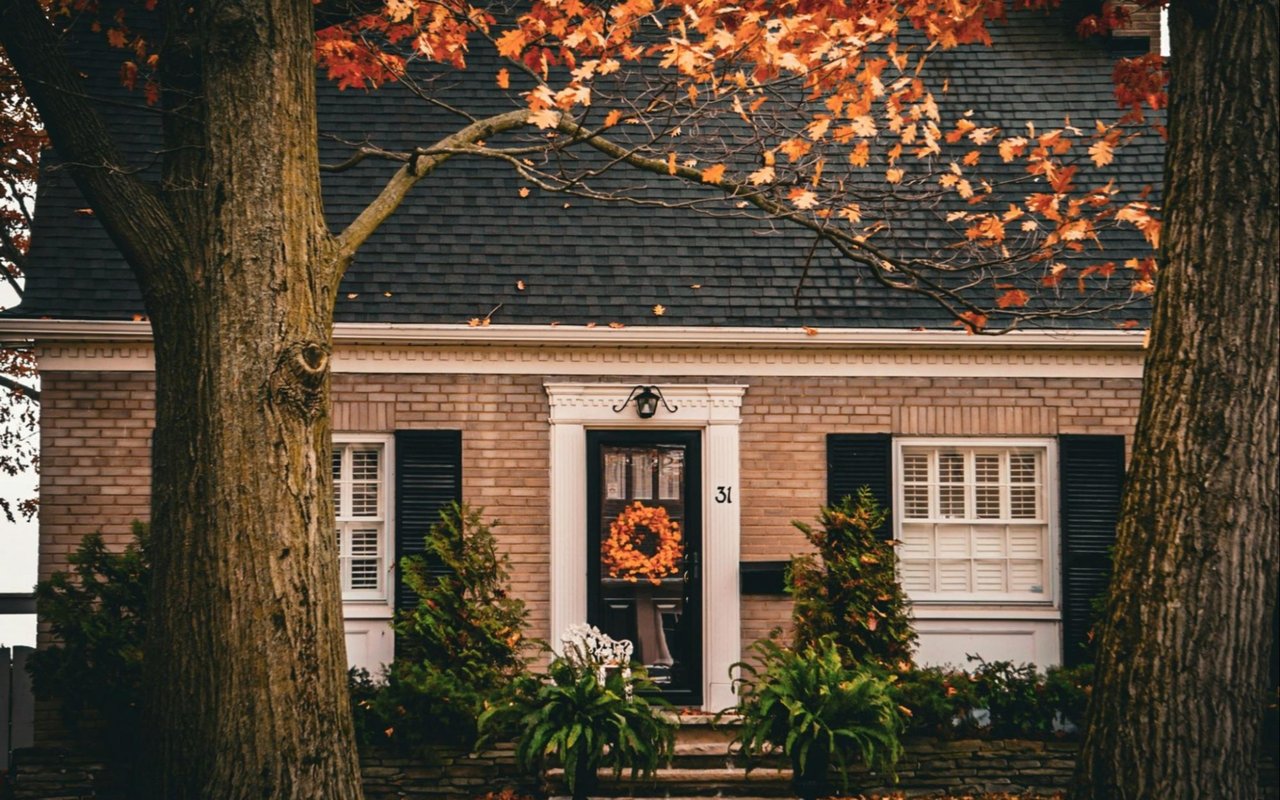
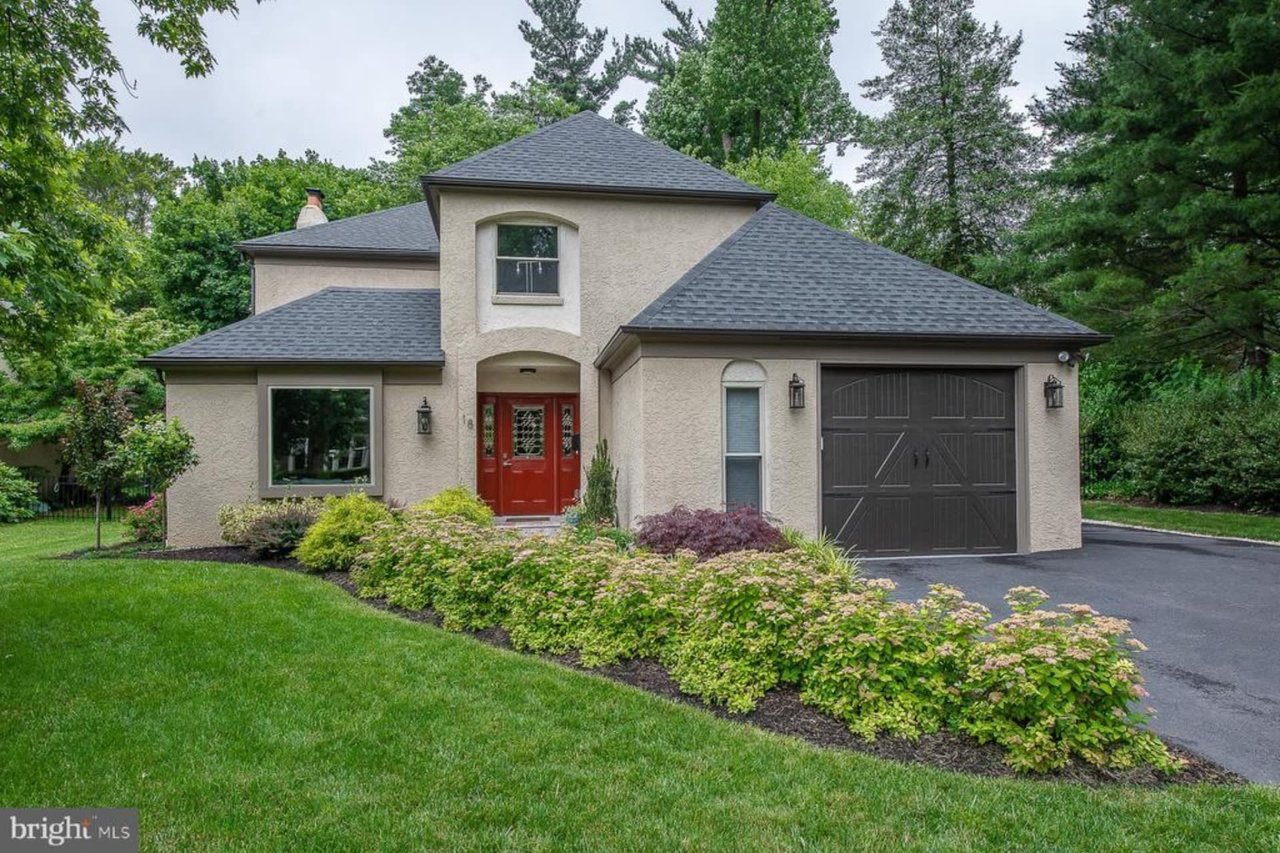
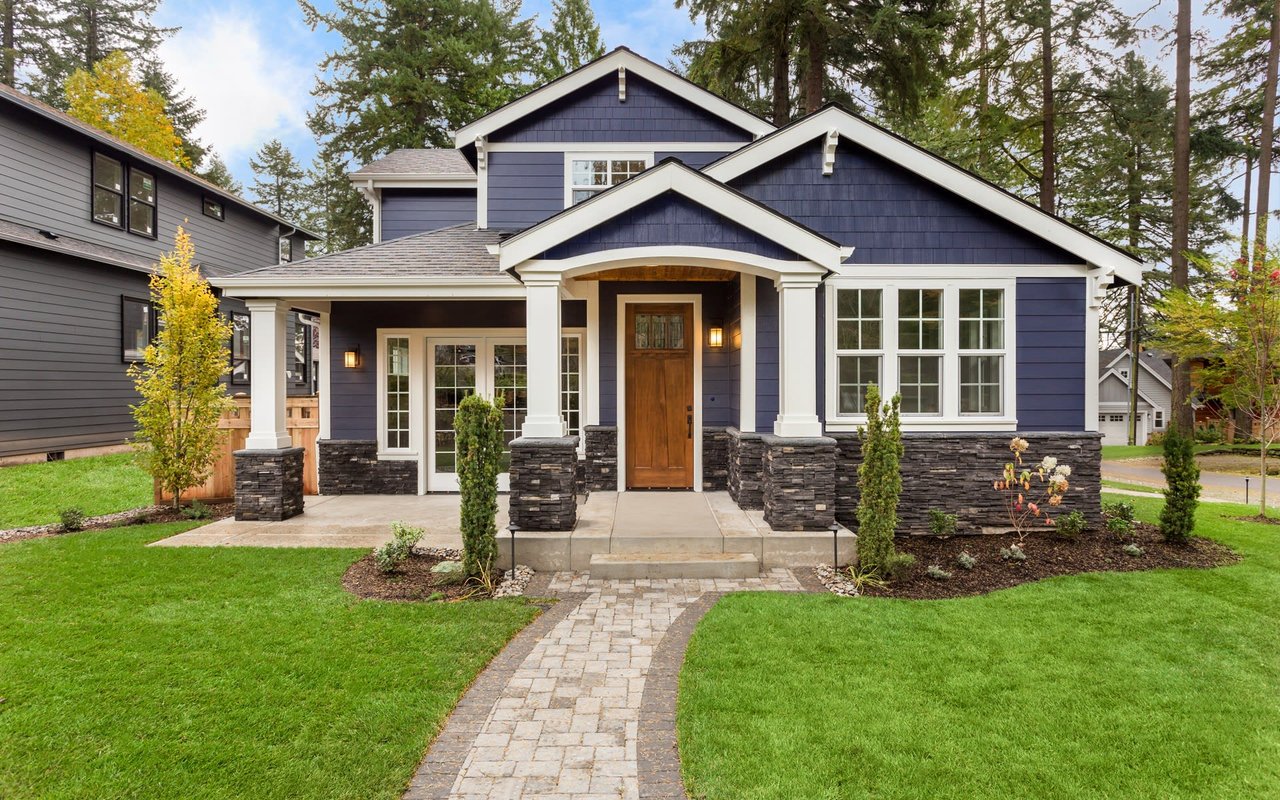
The outside of your home sets expectations before buyers ever step inside. NAR’s 2025 remodeling research found that curb appeal remains a major focus for sellers, and many real estate professionals recommend improving it before listing.
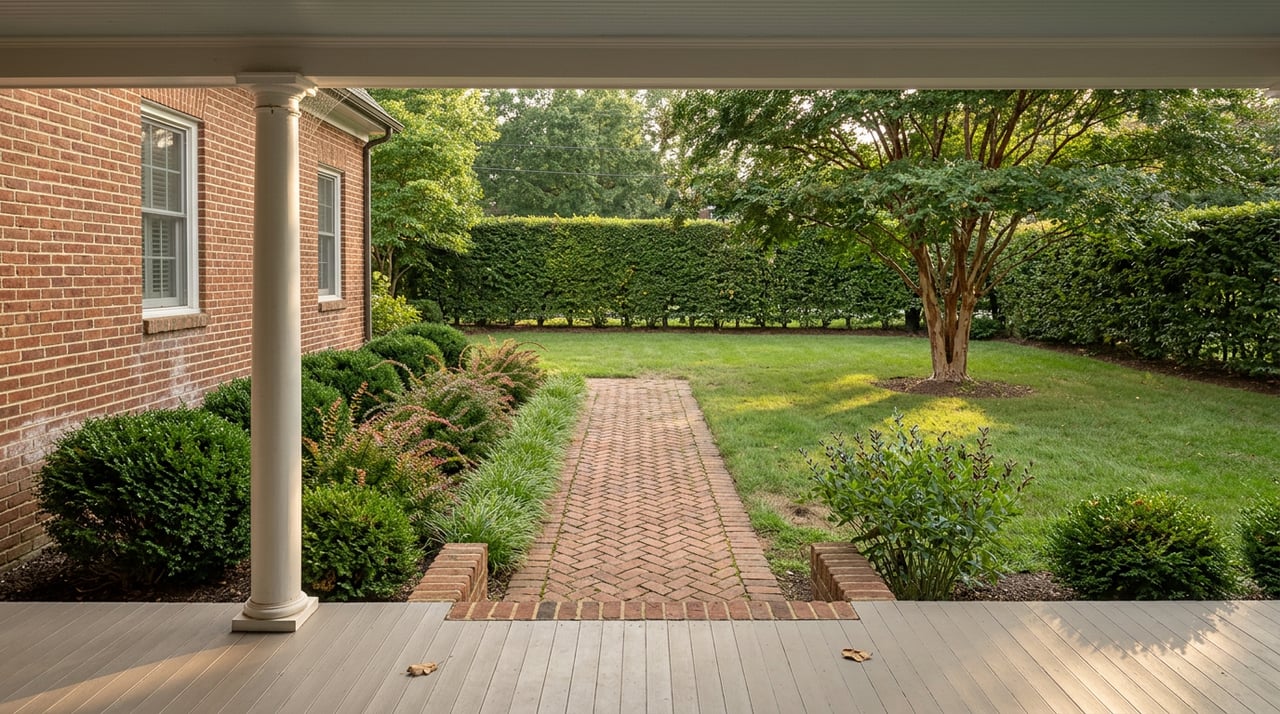
You do not need a full landscape redesign. Most of the time, basic maintenance and a tidy entry create the biggest impact.
Easy curb appeal wins
Consider simple upgrades such as:
- mow and edge the lawn
- trim overgrown shrubs and tree limbs
- refresh mulch
- remove dead plants and weeds
- pressure wash walkways or siding if needed
- repaint or clean the front door
- update worn house numbers, lighting, or mailbox
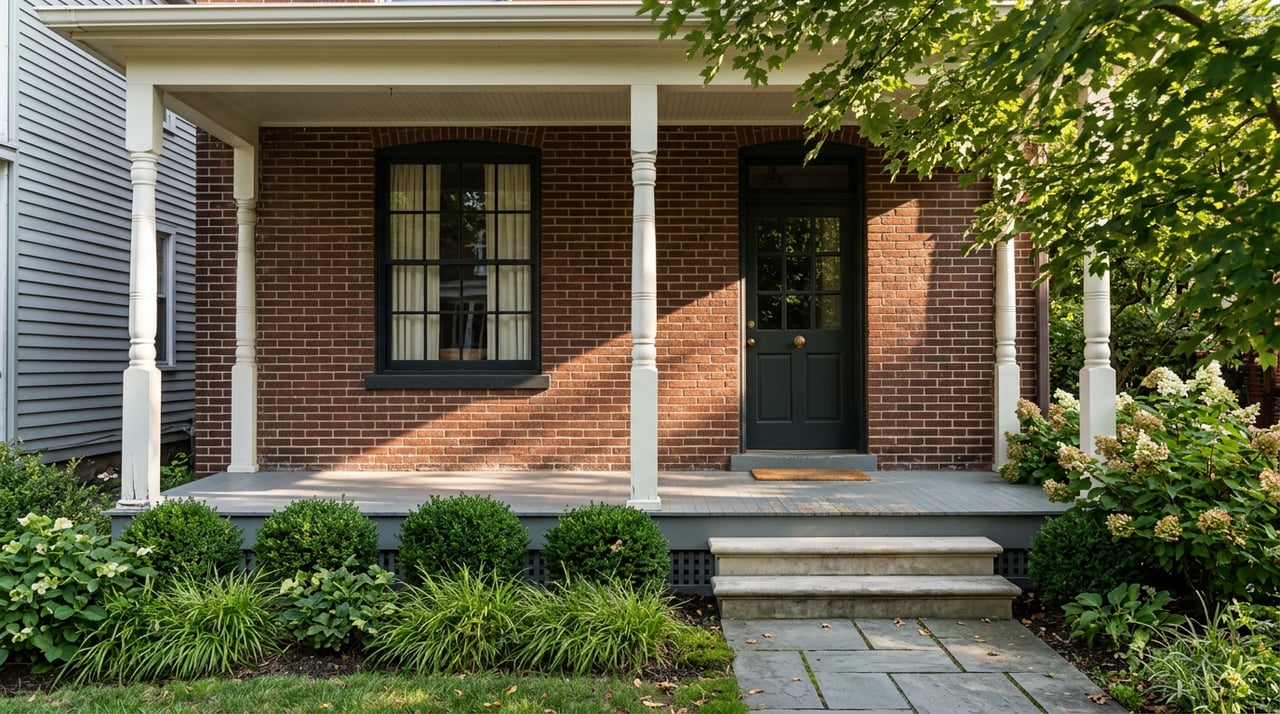
NAR also reported strong cost recovery for replacing a front door, especially with steel or fiberglass. If your entry looks tired, this can be one improvement worth considering.
Price for the market you have
Even a beautifully prepared home can lose momentum if the price is off. In Dauphin County, recent reports showed homes moving in as little as 15 median days on market in one dataset and around 37 average days in another. That range is a useful reminder that some homes move quickly, while others sit.
Condition and pricing often explain the difference. A home that launches well and is priced realistically has a better chance of attracting attention early, when your listing is freshest.
Avoid the overpricing trap
It can be tempting to test the market with a number above what buyers are likely to support. But seller guidance cited in the research notes that homes priced 3 to 5 percent above market can face longer time on market and deeper price cuts later.
That does not mean you should underprice your home. It means your pricing should match the home’s condition, presentation, and current buyer expectations. Strong preparation and pricing discipline work best together, not separately.
Time your launch around readiness
Spring often brings strong buyer attention, and national Realtor.com analysis for 2026 found that the week of April 12 through 18 was historically the best week to sell, with homes getting 16.7 percent more views and selling about nine days faster than usual. At the same time, GHAR noted that more sellers entered the spring market, increasing inventory in Dauphin County.
The takeaway is simple: timing helps, but readiness matters more. If your home needs repairs, paperwork, or better presentation, it is usually smarter to list a little later and launch well than to rush into the market half-prepared.
A practical checklist for Wayne sellers
If you want a simple plan, follow this order before listing your home:
- review known issues and complete required disclosures
- gather permit, repair, and improvement records
- handle key repairs and maintenance items
- paint and refresh worn surfaces
- declutter and deep clean
- improve curb appeal
- stage the living room, primary bedroom, and kitchen
- photograph the home only when it is fully ready
- price based on current market reality, not hope alone
This sequence can help you reduce surprises and present your home with more confidence.
A thoughtful sale is rarely about doing everything. It is about doing the right things in the right order. When your Wayne home is well documented, well presented, and priced with discipline, you give buyers fewer reasons to hesitate and more reasons to act.
If you are thinking about selling and want calm, strategic guidance on preparation, pricing, and negotiation, The MacDonald Team PA can help you build the right plan before your home goes live.
FAQs
What should sellers disclose when selling a home in Wayne Township, PA?
- Pennsylvania sellers must disclose known material defects before signing an agreement of transfer, including known issues related to the roof, structure, water, plumbing, HVAC, electrical systems, pests, and certain legal or title matters.
Should homeowners get a pre-listing inspection before selling in Wayne Township?
- A pre-listing inspection is not required, but it can help you identify issues early, complete repairs on your timeline, and reduce the chance of surprise negotiations after a buyer’s inspection.
Which rooms matter most when preparing a Wayne home for buyers?
- Research from NAR shows that the living room, primary bedroom, and kitchen are the most important rooms to stage because they strongly influence buyer perception in photos and in person.
How important is pricing when listing a home in Dauphin County?
- Pricing is critical because even in a seller-leaning market, buyers have more choices than in recent years, and homes priced too high may take longer to sell and require larger reductions later.
What records should homeowners collect before listing a home in Wayne Township?
- It is helpful to gather permit paperwork, final inspection records, occupancy approvals where applicable, contractor invoices, warranties, and any documentation tied to additions, decks, finished basements, HVAC updates, plumbing work, pools, or fences.