Main Line, PA Commercial Real Estate for Sale
Browse the available properties in the area below.
Browse commercial listings in Main Line Philadelphia.
Browse the available properties in the area below.
What is the housing market like in Main Line today? In October 2025, Main Line home prices were down 13.4% compared to last year, selling for a median price of $680K. On average, homes in Main Line sell after 33 days on the market compared to 28 days last year. There were 266 homes sold in October this year, up from 231 last year.
Median Sale Price
# of Homes Sold
Median Days on Market
If you’re exploring Main Line Philadelphia commercial real estate for sale, you’re likely weighing location, tenant demand, zoning, and long-term return—not just purchase price. These FAQs cover the questions buyers most often ask when evaluating retail, office, mixed-use, and small industrial opportunities across the Main Line.
The most common options are retail storefronts, professional office/medical office, mixed-use buildings (commercial + residential), and smaller flex/industrial properties in select corridors. Inventory varies town-to-town, with more street-level retail in walkable downtowns and more office inventory near major roadways. The right property type depends on your strategy: owner-user, value-add, or long-term leased investment.
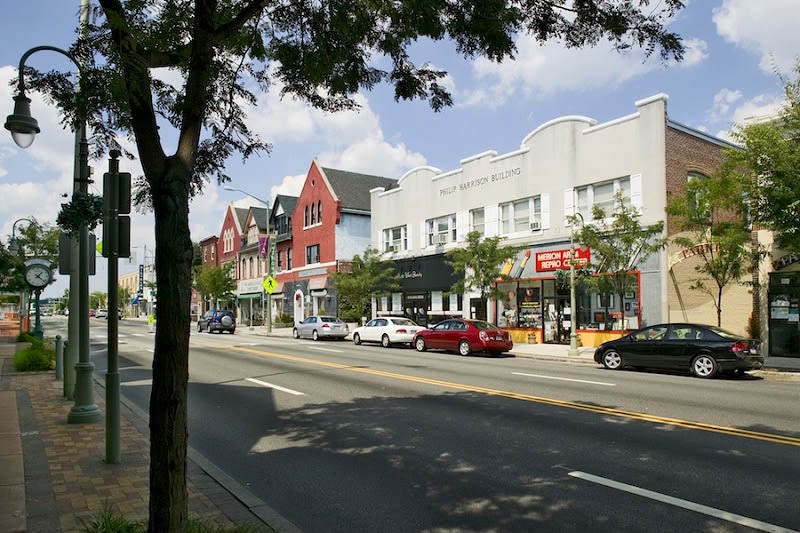
Buyers frequently look in commercial nodes like Ardmore, Bryn Mawr, Wayne, Berwyn, Paoli, Malvern, and parts of Villanova/Haverford, especially near train stations and established shopping corridors. Walkable “downtown” areas can be attractive for visibility and foot traffic, while highway-adjacent locations can work well for offices and service businesses. Your ideal location often depends on whether you need storefront exposure, parking, or commuter access.
Pricing ranges widely based on property type, condition, lease status, square footage, and location. A fully leased mixed-use building in a prime corridor is priced very differently than a vacant office suite that needs renovation. Beyond the asking price, investors should model taxes, insurance, maintenance, and tenant improvement costs to understand true returns.
A leased property may offer immediate income, but you’ll want to evaluate lease terms, tenant quality, rent escalations, and upcoming renewals. A vacant property can offer flexibility for an owner-user or value-add strategy, but carrying costs can add up while you reposition or lease it. The best fit depends on your risk tolerance and timeline.
Cap rates vary by asset type and risk profile—newer, well-leased properties in high-demand corridors often trade at lower cap rates than properties with vacancy or deferred maintenance. Mixed-use and small retail can also price differently depending on tenant strength and lease structure. Instead of focusing only on cap rate, compare it alongside location fundamentals, lease durability, and expense assumptions.
Zoning determines allowable uses (retail, office, restaurant, medical, residential units, etc.), signage, parking requirements, and renovation limitations. Some municipalities have strict rules for change-of-use, outdoor seating, or operating hours, and properties may carry nonconforming status. Confirming permitted use early can prevent expensive surprises after closing.
Yes—commercial deals often involve expense categories that aren’t common in residential purchases. Many leases are NNN (triple net) or modified gross, which affects who pays taxes, insurance, and maintenance, and whether you can recover CAM (common area maintenance). Reviewing historical operating statements and lease language is key to understanding what you’ll actually net.
Parking can strongly affect tenant demand, especially for retail, medical, and service businesses. Properties in walkable downtowns may trade on foot traffic and transit access, while suburban-style assets often need dedicated parking to lease well. Always evaluate visibility, ingress/egress, ADA considerations, and how easy the site is to access during peak hours.
Most buyers review title and surveys, zoning compliance, environmental risk (Phase I ESA when appropriate), building condition reports, and lease audits (if tenant-occupied). You’ll also want to analyze rent rolls, historical expenses, deferred maintenance, and any pending code issues. Commercial due diligence is all about validating income and uncovering hidden liabilities.
Financing depends on the property type and your plan (owner-occupied vs. investment). Many buyers explore conventional commercial loans, SBA financing for owner-users, or portfolio lenders for specialized assets. Lenders typically look at DSCR, property condition, lease stability, and your experience—so it helps to prepare a clean financial package early.