By The MacDonald Team
Move-in ready is one of the most commonly used terms in real estate listings and one of the least consistently defined. On the Main Line, where the housing stock includes everything from 19th-century stone colonials to newer suburban construction, understanding what it actually means matters before a buyer decides whether a property fits their life and before a seller decides how to position theirs.
Key Takeaways
-
Move-in ready does not have a universal definition — it describes a property's condition relative to buyer expectations, and those expectations vary by price point, property age, and individual tolerance for immediate projects
-
On the Main Line, where much of the housing stock predates 1970, move-in ready often means major systems have been updated and the home is clean and functional rather than fully renovated to current design standards
-
The distinction between move-in ready, updated, and as-is matters when evaluating a listing
-
A home that qualifies as move-in ready for one buyer profile may not qualify for another
What Move-In Ready Generally Means
At its most basic, move-in ready means a buyer can occupy the home immediately after closing without work that is necessary for the home to be livable. The roof does not leak. The HVAC heats and cools. The plumbing and electrical are functional and code-compliant. The home is clean, well-maintained, and does not require immediate repair to be safely occupied.
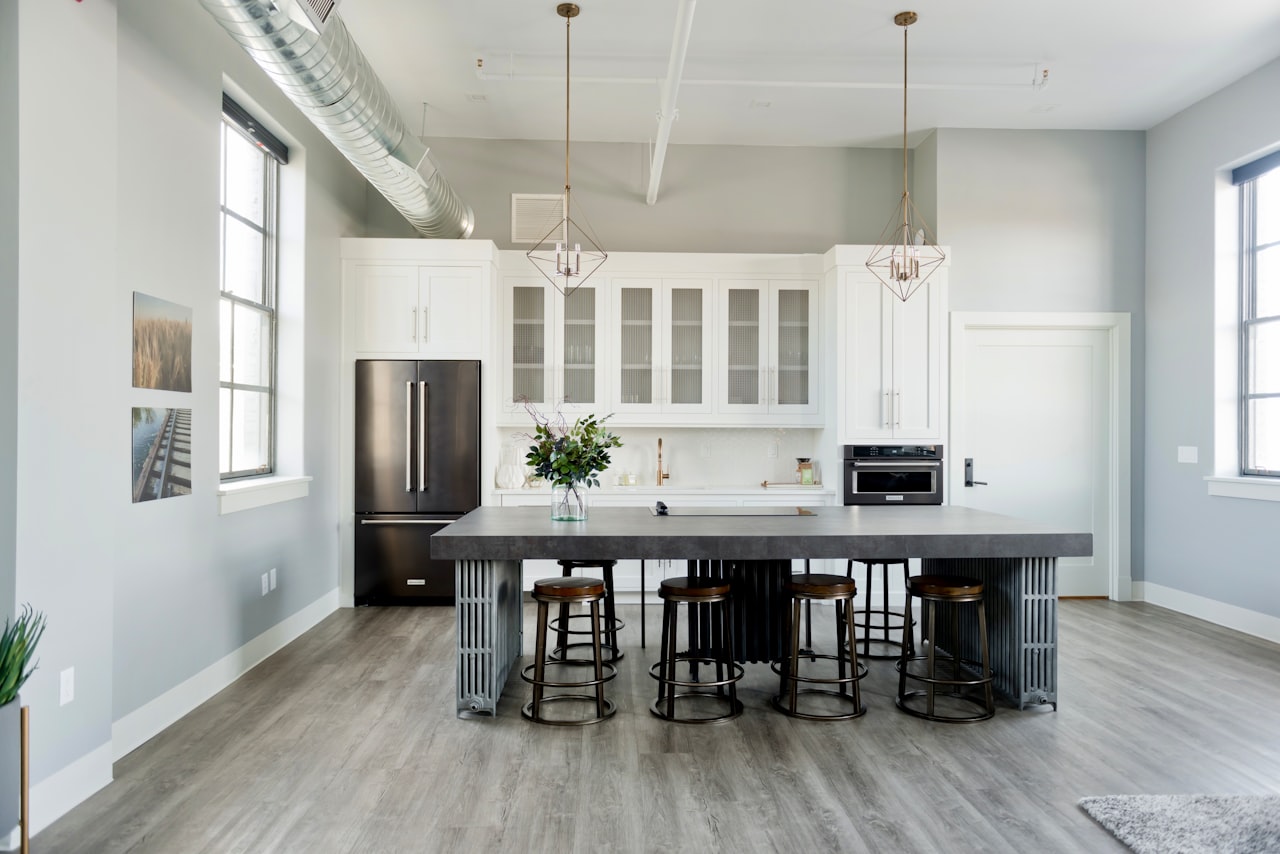
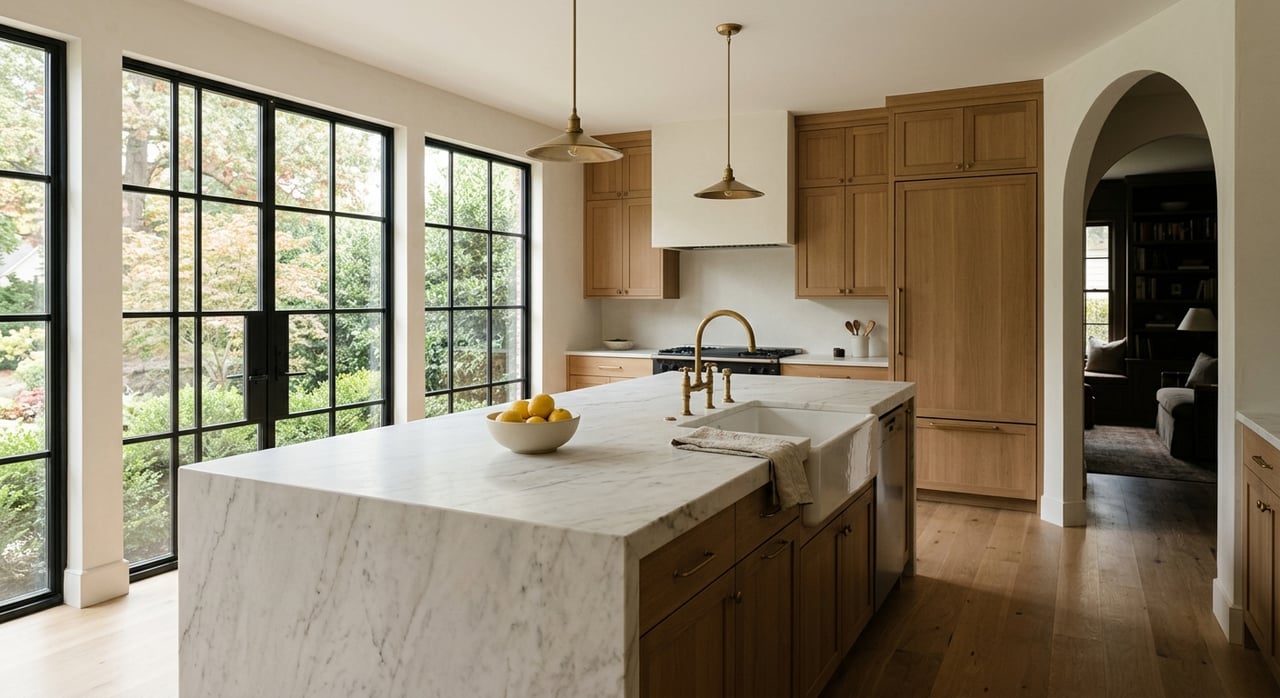
What move-in ready does not mean is that the home has been recently renovated or reflects current design preferences. The distinction is between condition, which move-in ready addresses, and aesthetics, which it does not. A kitchen with original 1980s cabinetry in good working condition qualifies as move-in ready. So does a bathroom with older tile and fixtures that function reliably. Buyers who understand this distinction are able to evaluate listings accurately rather than filtering out properties that could be an excellent fit.
What move-in ready does not mean is that the home has been recently renovated or reflects current design preferences. The distinction is between condition, which move-in ready addresses, and aesthetics, which it does not. A kitchen with original 1980s cabinetry in good working condition qualifies as move-in ready. So does a bathroom with older tile and fixtures that function reliably. Buyers who understand this distinction are able to evaluate listings accurately rather than filtering out properties that could be an excellent fit.
What Move-In Ready Typically Includes
-
Major systems in working order
-
No deferred maintenance that would produce significant inspection findings
-
Code-compliant safety features throughout
-
The ability to close and move in on the same day
Move-In Ready on the Main Line
The Main Line's housing stock shapes what move-in ready means in ways that buyers from newer construction markets do not always expect. Homes in Wayne, Bryn Mawr, Haverford, and the older sections of Ardmore frequently date from the early to mid-20th century, and some from the 19th century. These homes have architectural qualities that newer construction cannot replicate, and they also carry systems that require a different evaluative lens than a 2005 build.
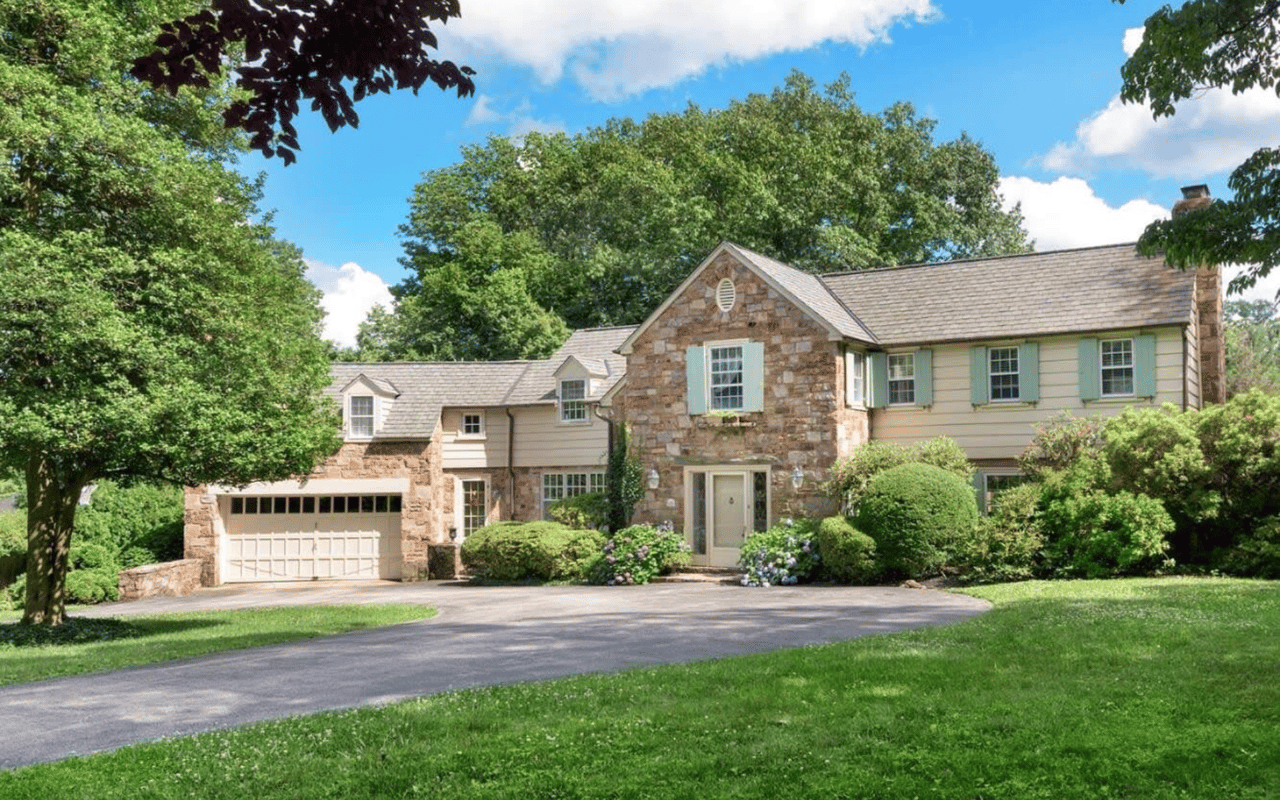
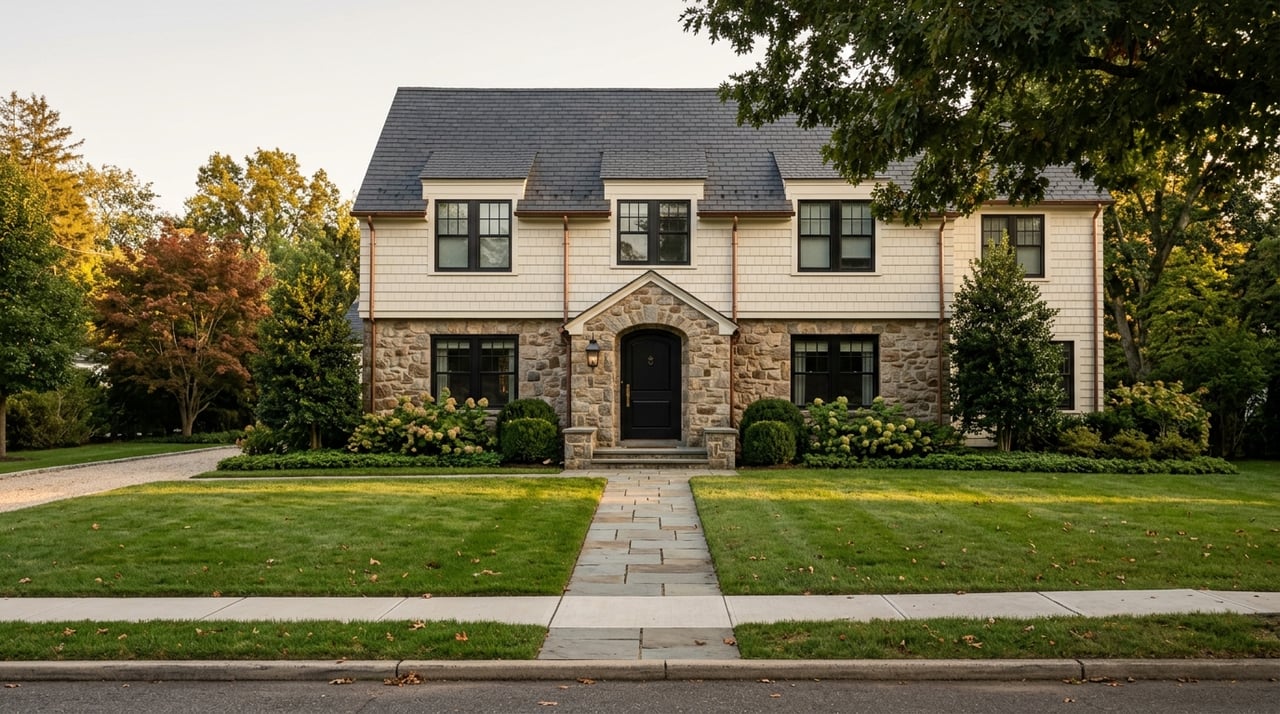
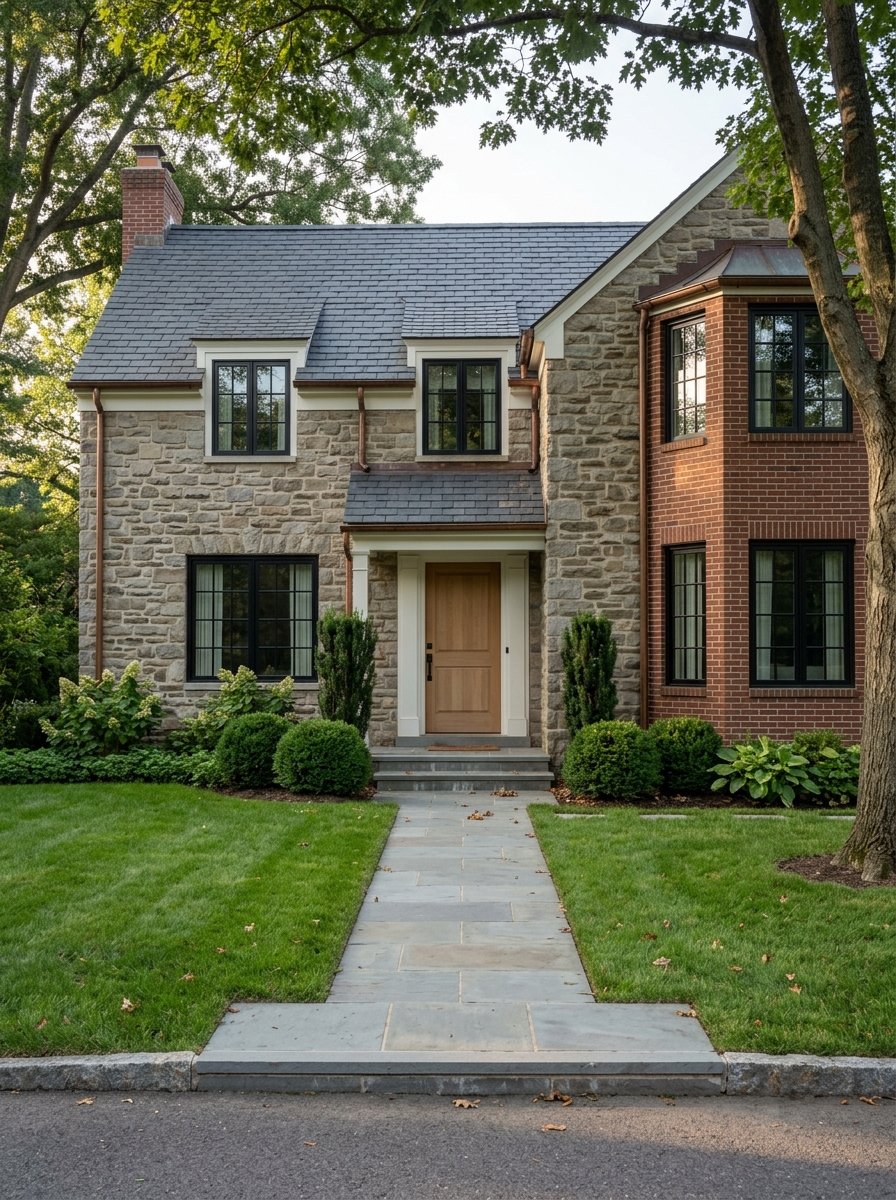
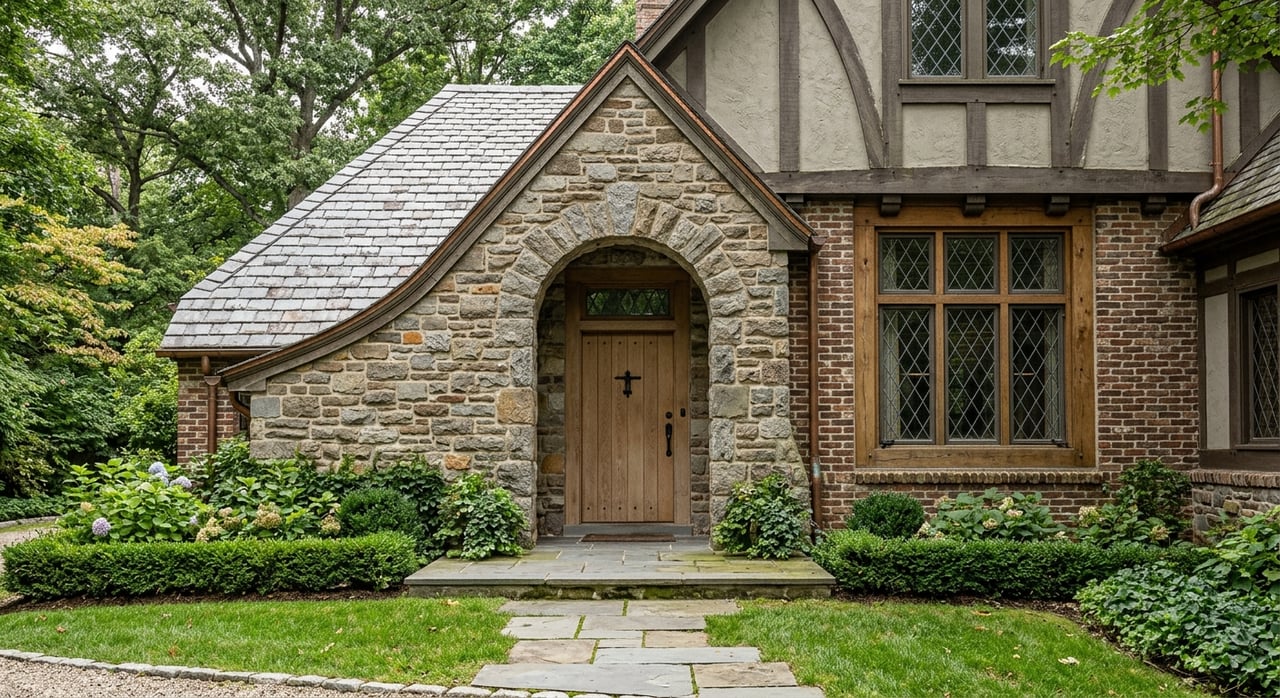
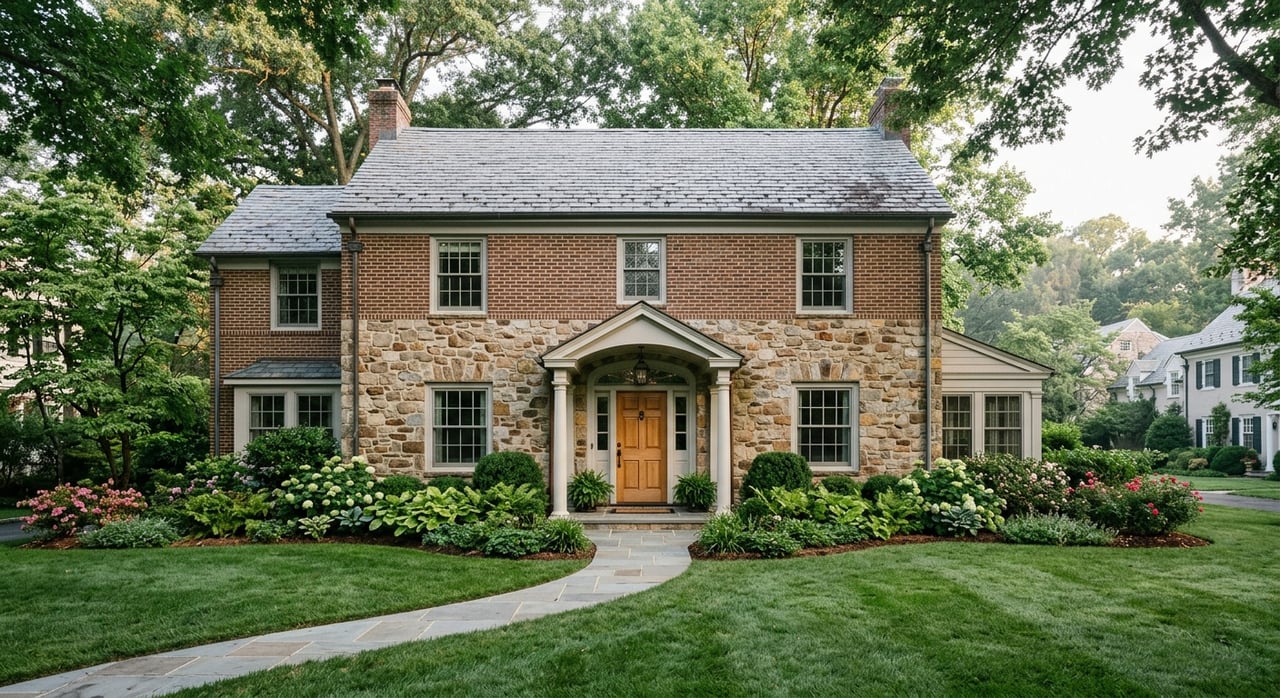
On a 1920s stone colonial, move-in ready means something more specific than the general definition. The electrical has been updated from knob-and-tube. The plumbing has been addressed at least partially. The heating system is functional. Buyers who arrive expecting a renovated kitchen and primary bath in a home of this age at a move-in ready price point will be consistently disappointed. Buyers who arrive expecting structural soundness and functional systems will find significantly more opportunity.
On a 1920s stone colonial, move-in ready means something more specific than the general definition. The electrical has been updated from knob-and-tube. The plumbing has been addressed at least partially. The heating system is functional. Buyers who arrive expecting a renovated kitchen and primary bath in a home of this age at a move-in ready price point will be consistently disappointed. Buyers who arrive expecting structural soundness and functional systems will find significantly more opportunity.
How Age and Character Affect Move-In Ready on the Main Line
-
Systems like boilers, radiators, plaster walls, and slate roofs require specialists to evaluate properly
-
Knob-and-tube wiring that has not been updated is a meaningful finding that affects insurability in addition to safety
-
A buyer who accepts an older but functional kitchen and bath in exchange for a lower price is often accessing architectural quality and lot size that renovated properties at the same price point cannot offer
-
Original hardwood floors, period millwork, built-in cabinetry, and plaster walls are preserved assets in a move-in ready historic property
Move-In Ready vs. Updated vs. As-Is
These three condition designations sit at different points on the same spectrum and each implies different buyer expectations, different pricing, and different due diligence priorities. Understanding where a specific listing falls, and whether the seller's characterization is accurate, is one of the most practical skills a buyer can develop before actively searching on the Main Line.
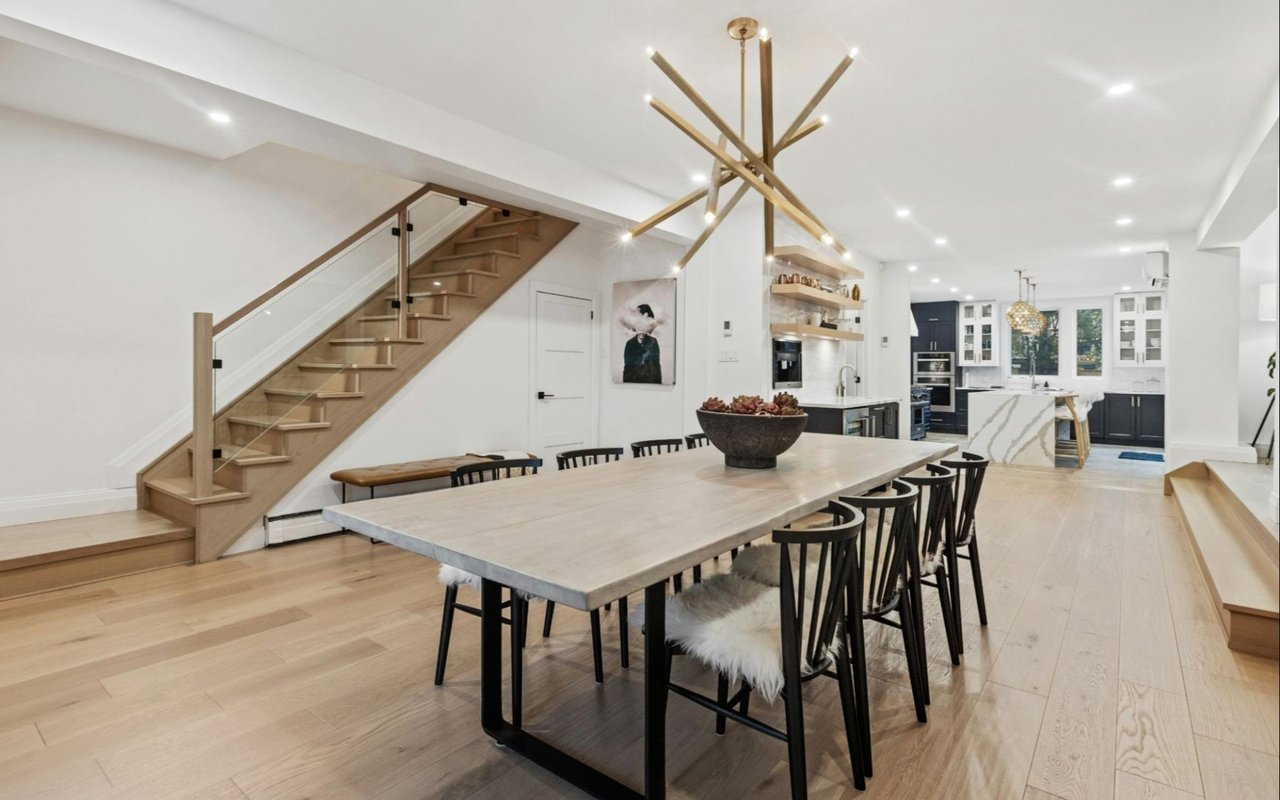
A move-in ready home is livable and functional without immediate required work but may carry older finishes in kitchens and bathrooms that a buyer will eventually want to update. An updated home has been renovated in the spaces buyers evaluate most closely and commands a premium that reflects the removal of that near-term project from the buyer's plate. An as-is designation signals that the seller will not negotiate repairs or credits after inspection, which requires buyers to price in inspection risk before making an offer rather than relying on post-inspection negotiation to address what they find.
A move-in ready home is livable and functional without immediate required work but may carry older finishes in kitchens and bathrooms that a buyer will eventually want to update. An updated home has been renovated in the spaces buyers evaluate most closely and commands a premium that reflects the removal of that near-term project from the buyer's plate. An as-is designation signals that the seller will not negotiate repairs or credits after inspection, which requires buyers to price in inspection risk before making an offer rather than relying on post-inspection negotiation to address what they find.
How to Evaluate Condition When Comparing Main Line Listings
-
Move-in ready properties offer the best entry point for buyers who want to occupy immediately and renovate selectively on their own timeline
-
Updated properties carry a premium for the convenience of not managing a renovation, but buyers should verify that the updates extend to systems as well as surfaces
-
As-is listings require buyers to approach due diligence with the assumption that inspection findings will not produce seller concessions
-
New construction on the Main Line is fully updated by definition but trades the architectural character and established landscaping of older stock for the predictability of new systems
FAQs
How do I know if a Main Line home is truly move-in ready before making an offer?
The listing description is a starting point but not a definitive answer. A walkthrough with an experienced Main Line agent who knows what to look for in older Pennsylvania homes surfaces the questions worth asking before a contract is signed. The inspection confirms or revises the picture after a contract is in place. Buyers who want to minimize surprises on an older property can also ask whether a pre-listing inspection disclosure is available.
Is it worth paying more for an updated home versus a move-in ready one on the Main Line?
It depends on the buyer's timeline and tolerance for managing a renovation. An updated home eliminates the disruption of a near-term kitchen or bathroom project. A move-in ready home at a lower price may offer better long-term value if the buyer is willing to renovate on their own timeline. The math is different for every property and worth running explicitly rather than assuming.
What should I prioritize when evaluating the condition of a Main Line home?
Prioritize systems over surfaces. A home with an older kitchen and a sound roof, updated electrical, solid plumbing, and a well-maintained heating system is in better shape than one with a renovated kitchen and deferred maintenance on the underlying infrastructure. Surfaces can be changed. Systems that need replacement are expensive and disruptive regardless of how good the finishes look.
Contact The MacDonald Team Today
Understanding what condition designations actually mean on the Main Line, and how to evaluate them accurately for a specific property, is one of the areas where local expertise produces the most concrete value. We have been working with buyers and sellers across Bryn Mawr, Wayne, Haverford, Ardmore, and the surrounding communities for nearly two decades, and we know what to look for and what to ask.
Reach out to us, The MacDonald Team, to discover your new Main Line home.
Reach out to us, The MacDonald Team, to discover your new Main Line home.