By The MacDonald Team
The Main Line is not a neighborhood, nor a township or a borough. It is a collection of seventeen communities strung along the former route of the Pennsylvania Railroad west of Philadelphia, each with its own character, commercial center, and architectural legacy. People who grow up here tend to come back. People who move here for work tend to stay. Here is what makes it what it is.
Key Takeaways
-
The Main Line's identity traces directly to the Pennsylvania Railroad, which in the 1850s transformed Chester and Montgomery County farmland into the country estate suburbs of Philadelphia's most prominent families
-
The communities of the Main Line are distinct from each other in meaningful ways
-
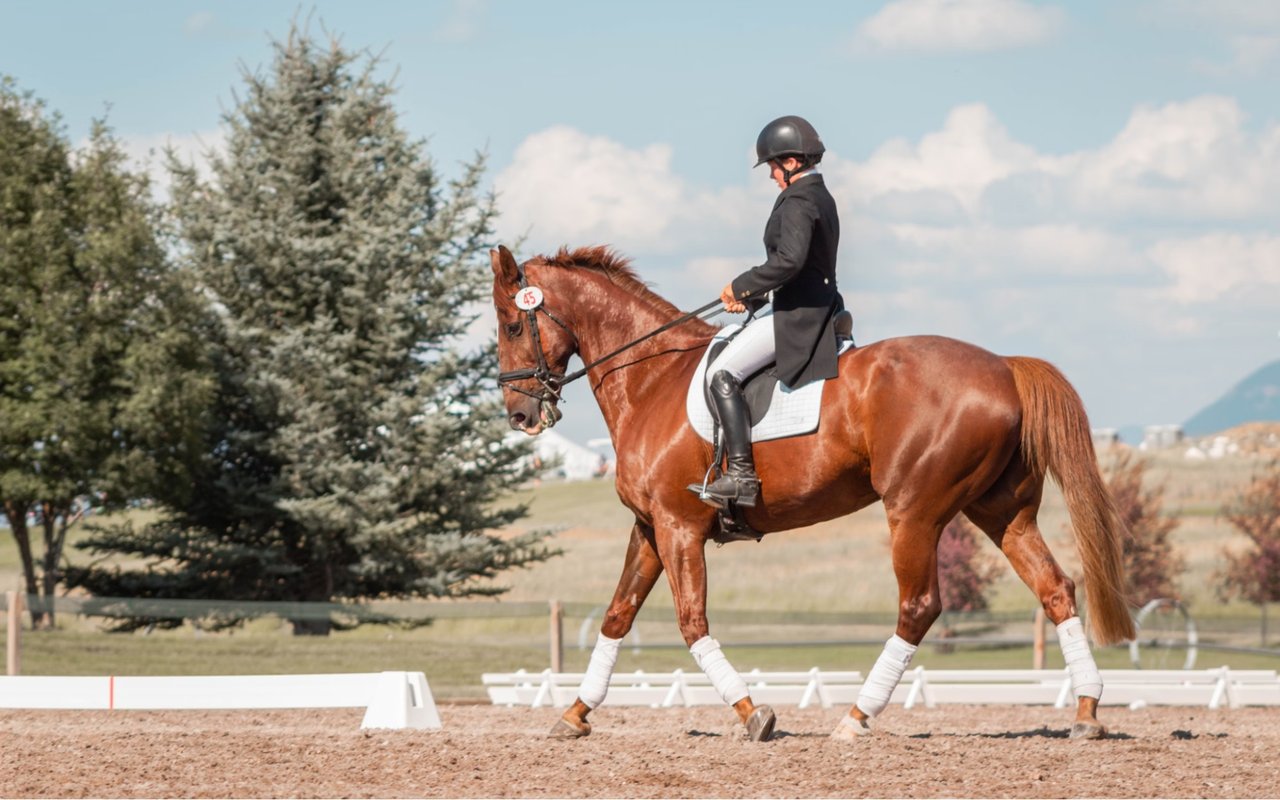
The Main Line's outdoor and equestrian culture is woven into the fabric of daily life here in a way that no other Philadelphia suburb can replicate
-
The proximity to Center City Philadelphia via the SEPTA Paoli-Thorndale line gives Main Line residents access to one of the country's great cities without giving up the space, the landscape, and the community character that make the Main Line worth living in
A History That Is Still Visible
The name Main Line comes from the Pennsylvania Railroad's main line of track that ran westward from Center City Philadelphia beginning in the 1850s. The Pennsylvania Railroad Company identified the communities that would develop around its stations and in some cases renamed them entirely.
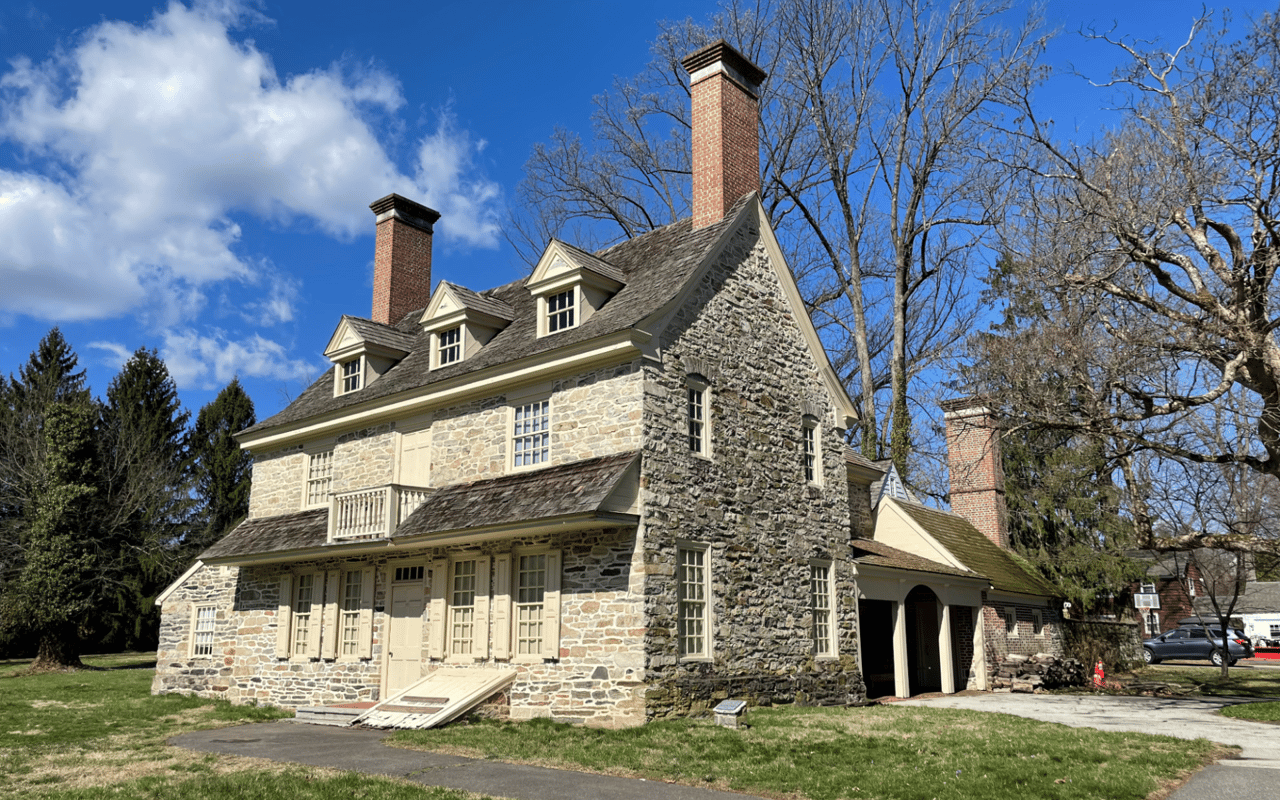
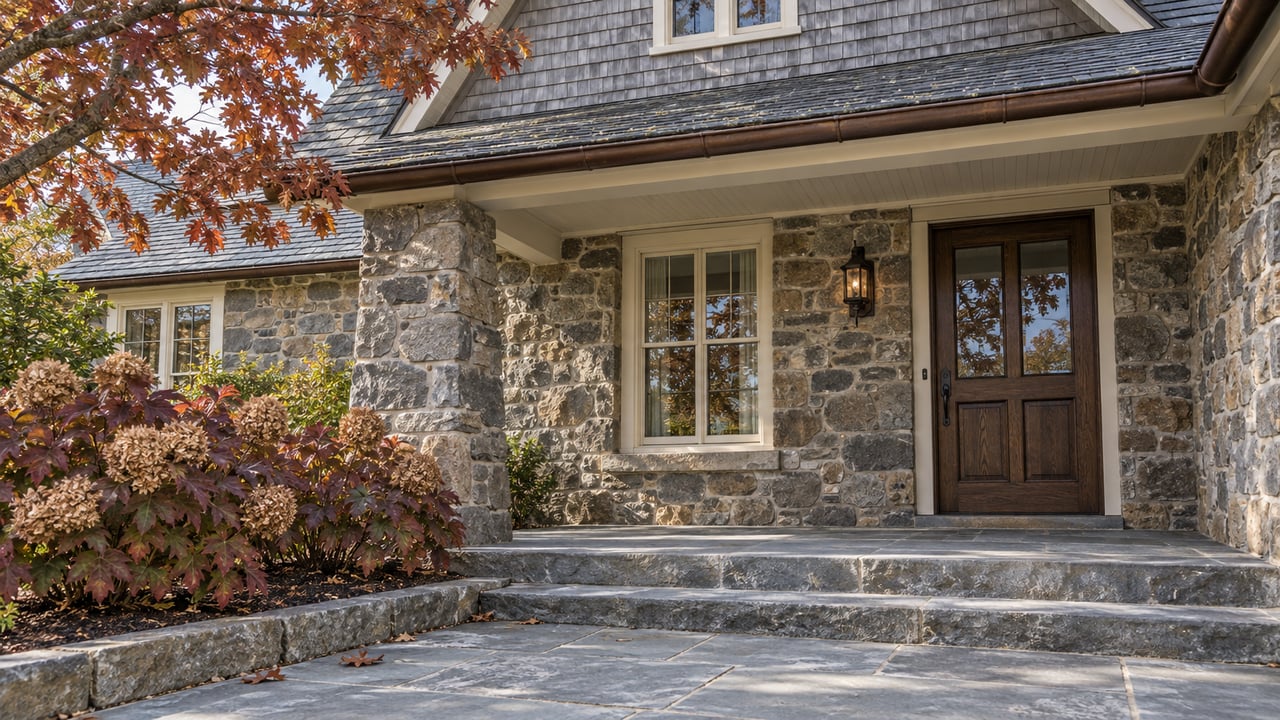
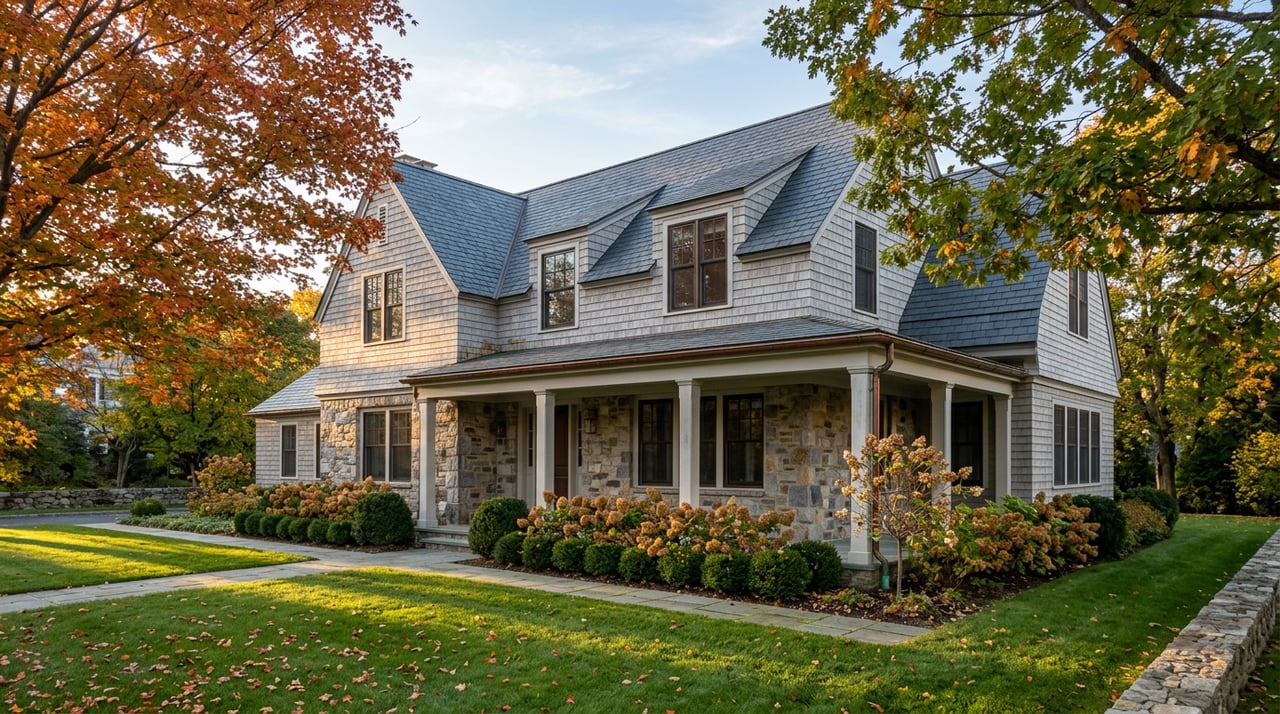
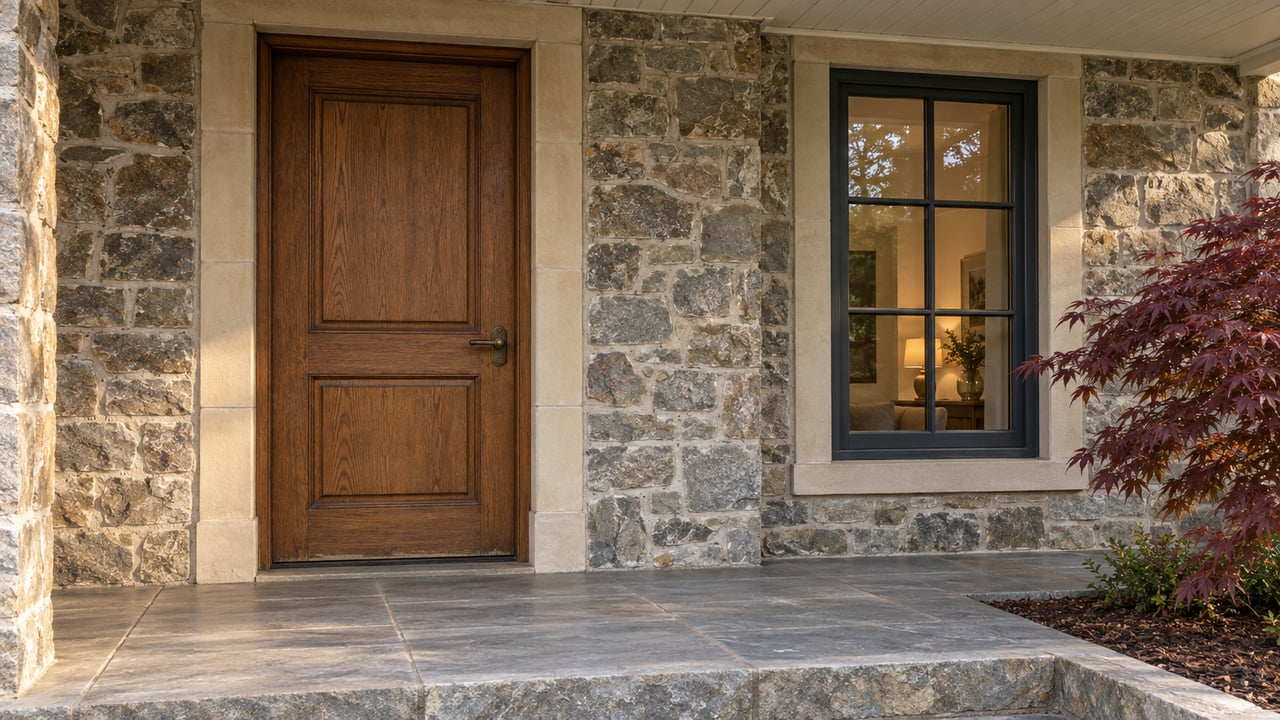
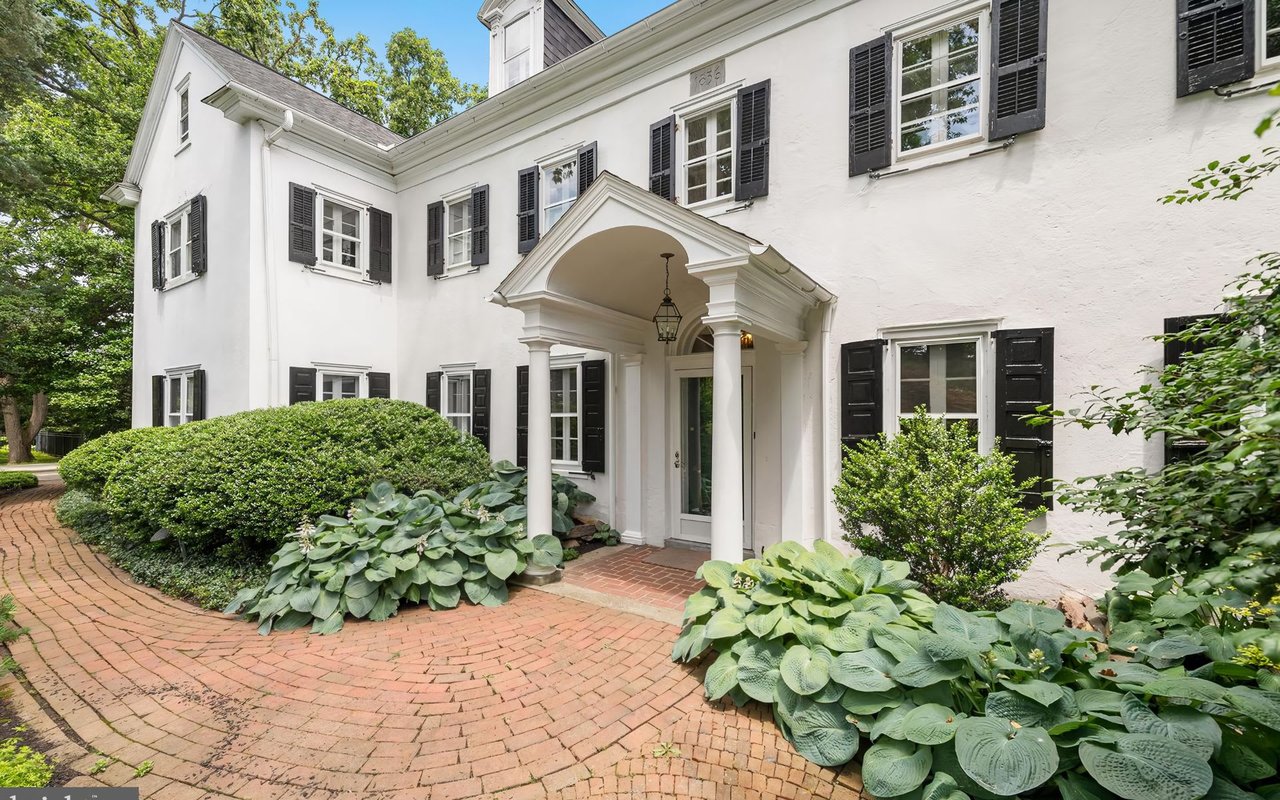
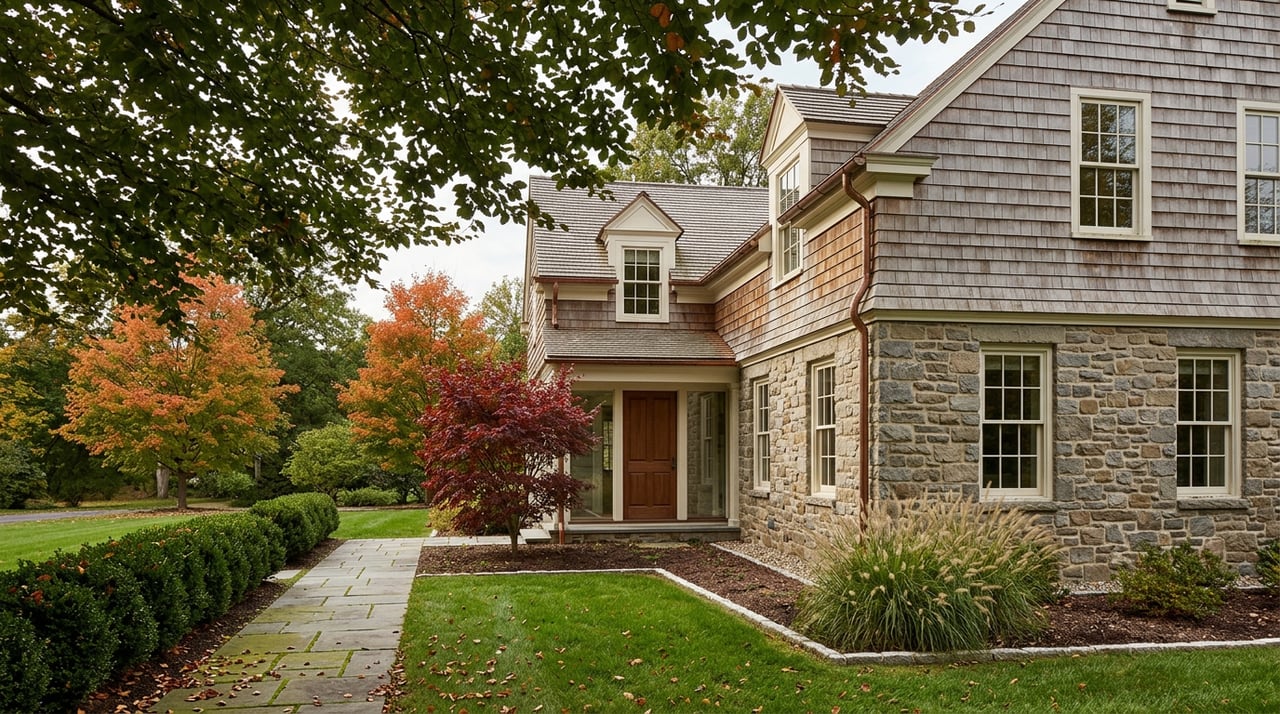
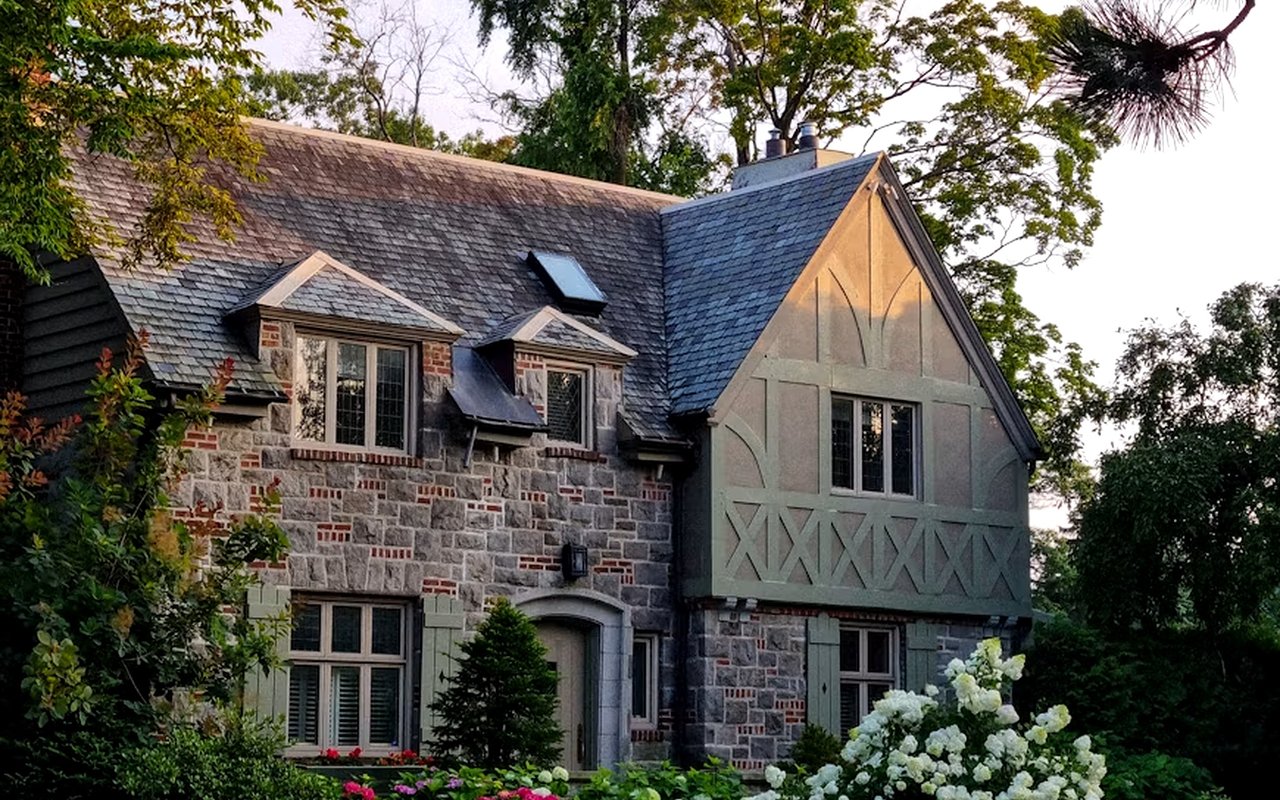
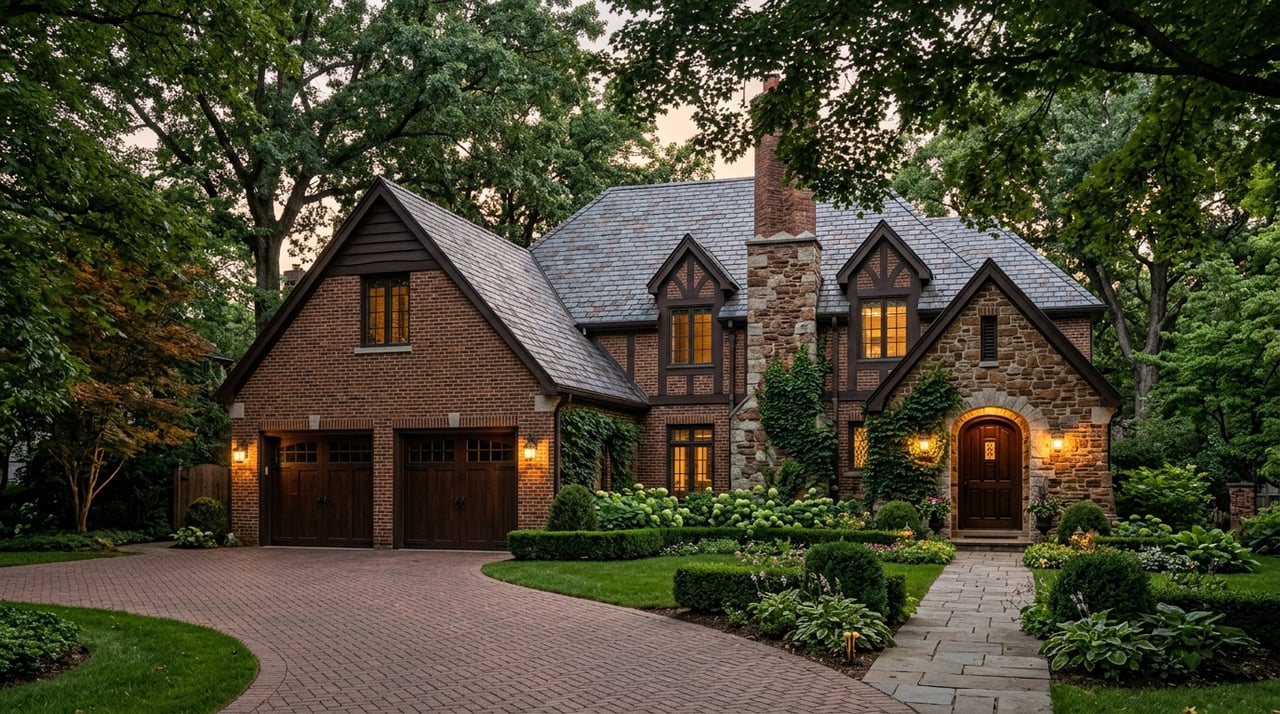
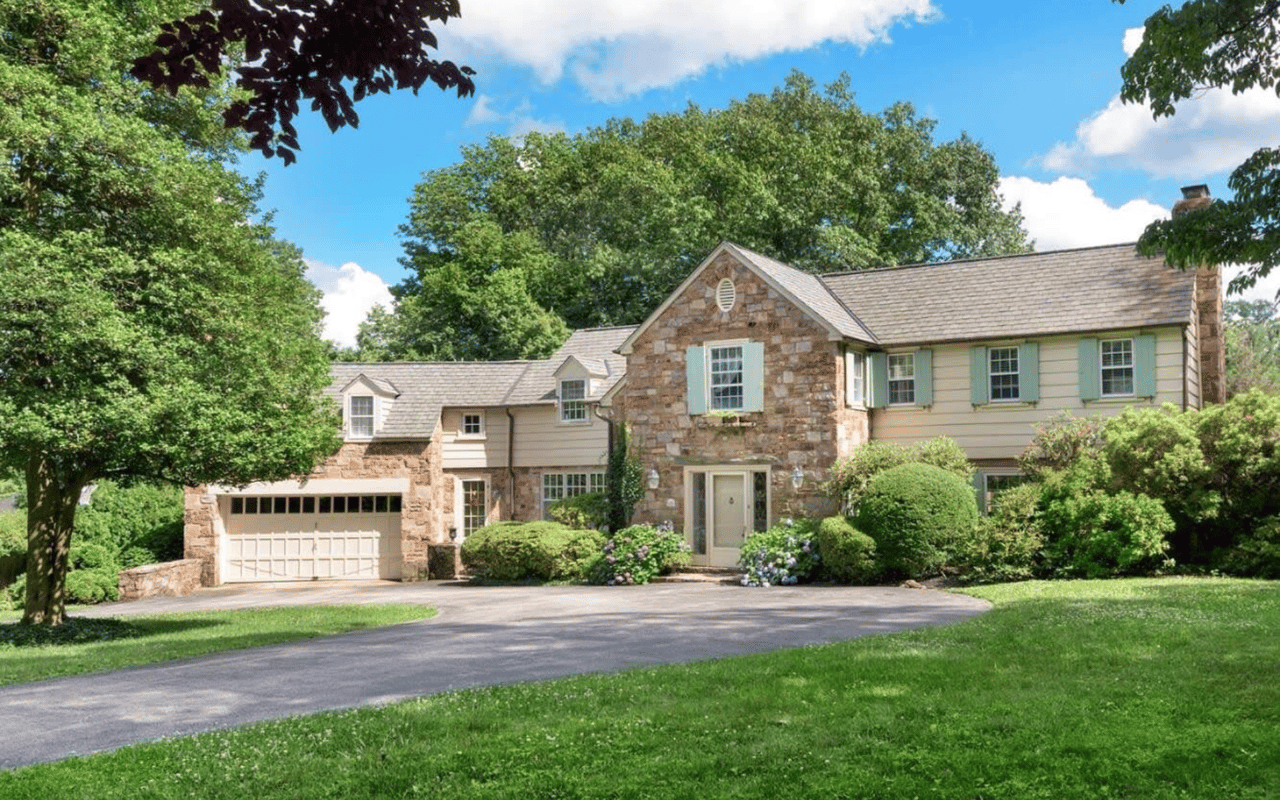
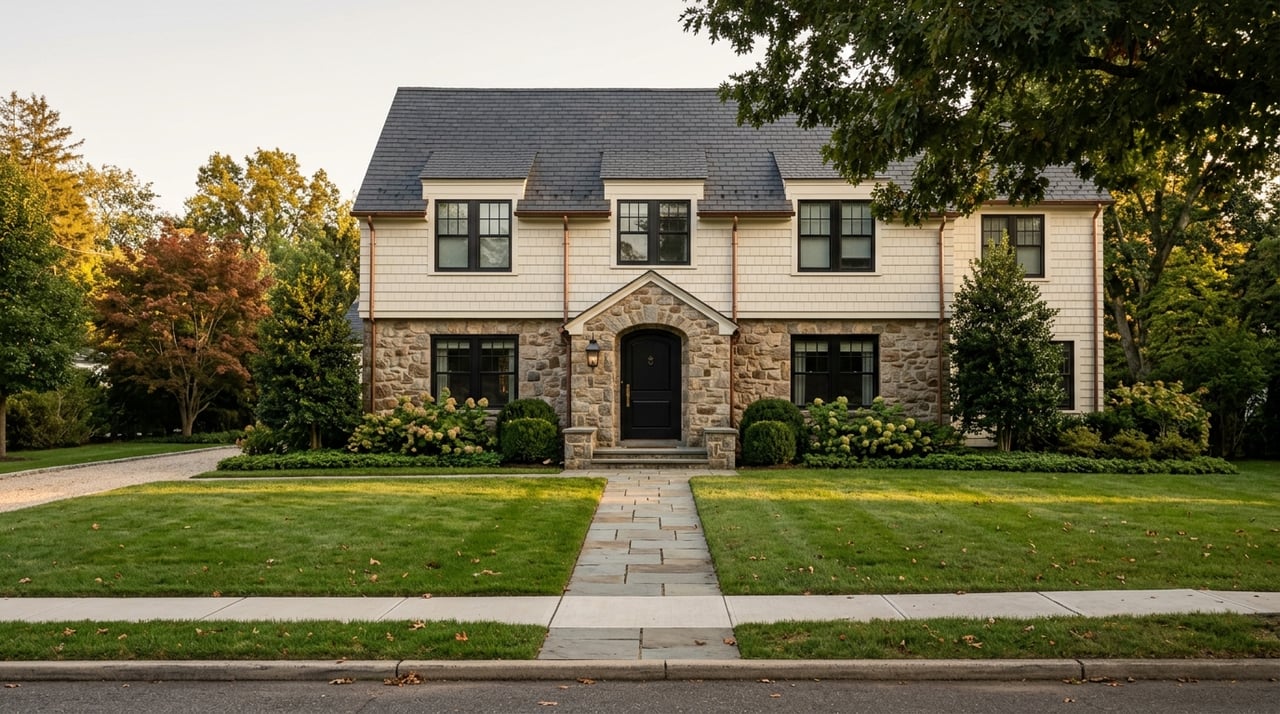
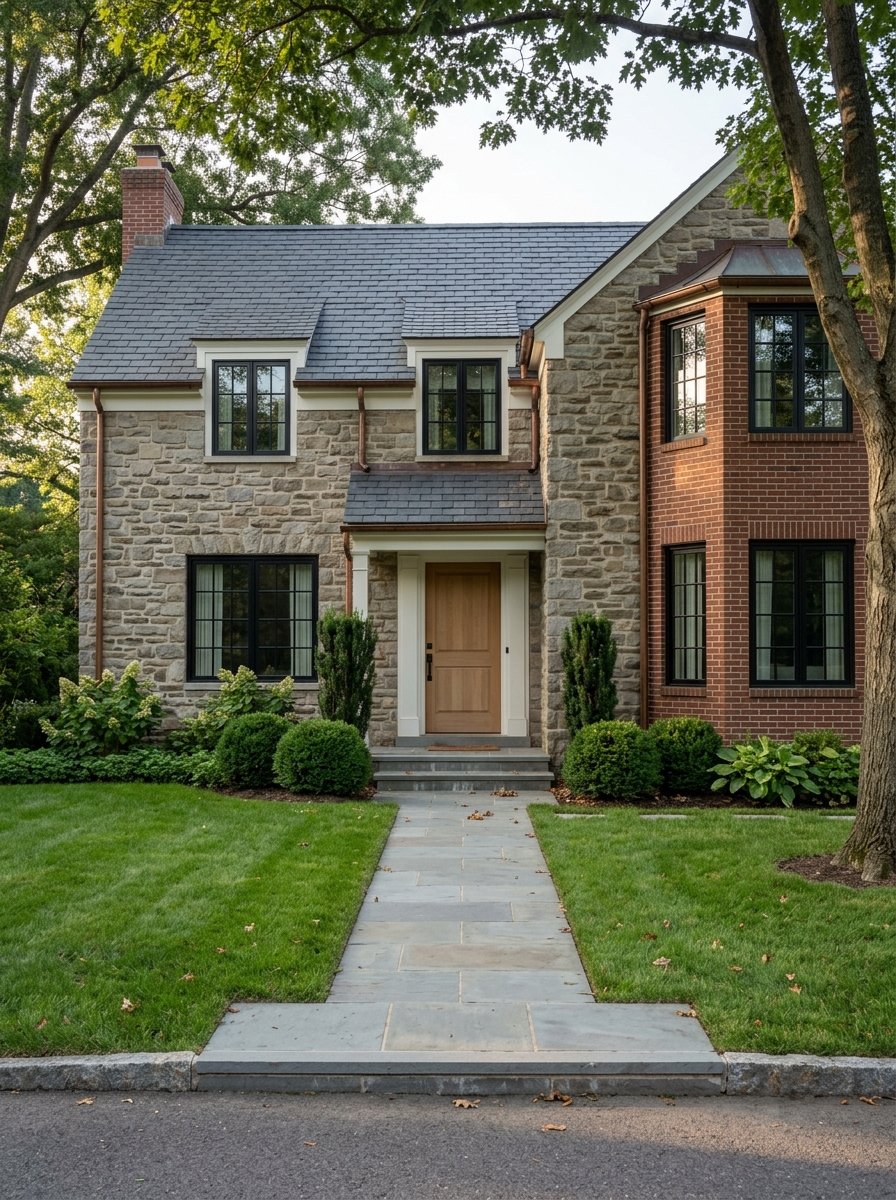
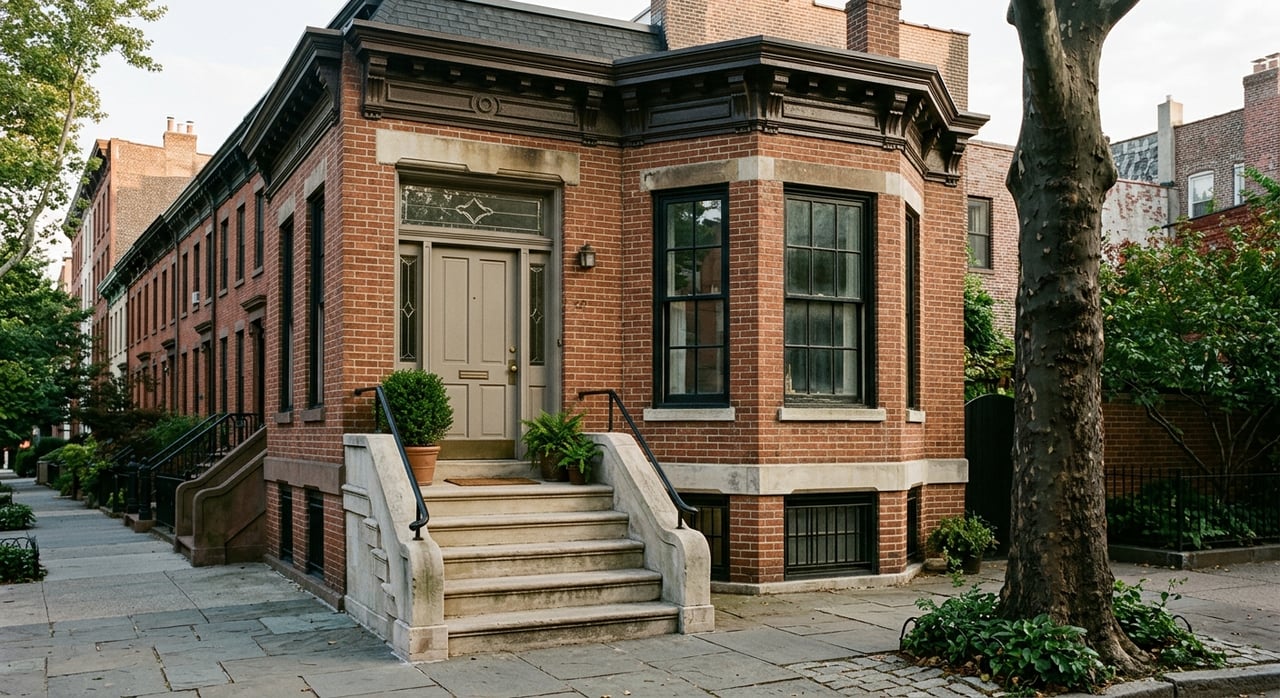
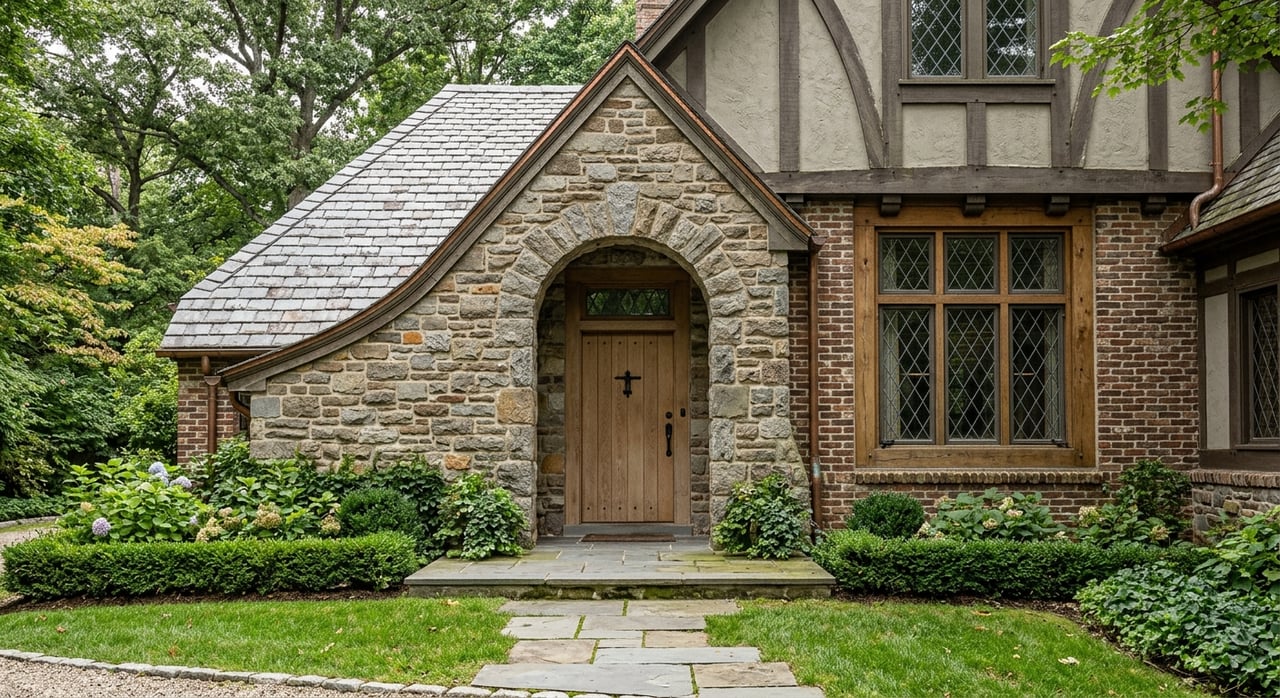
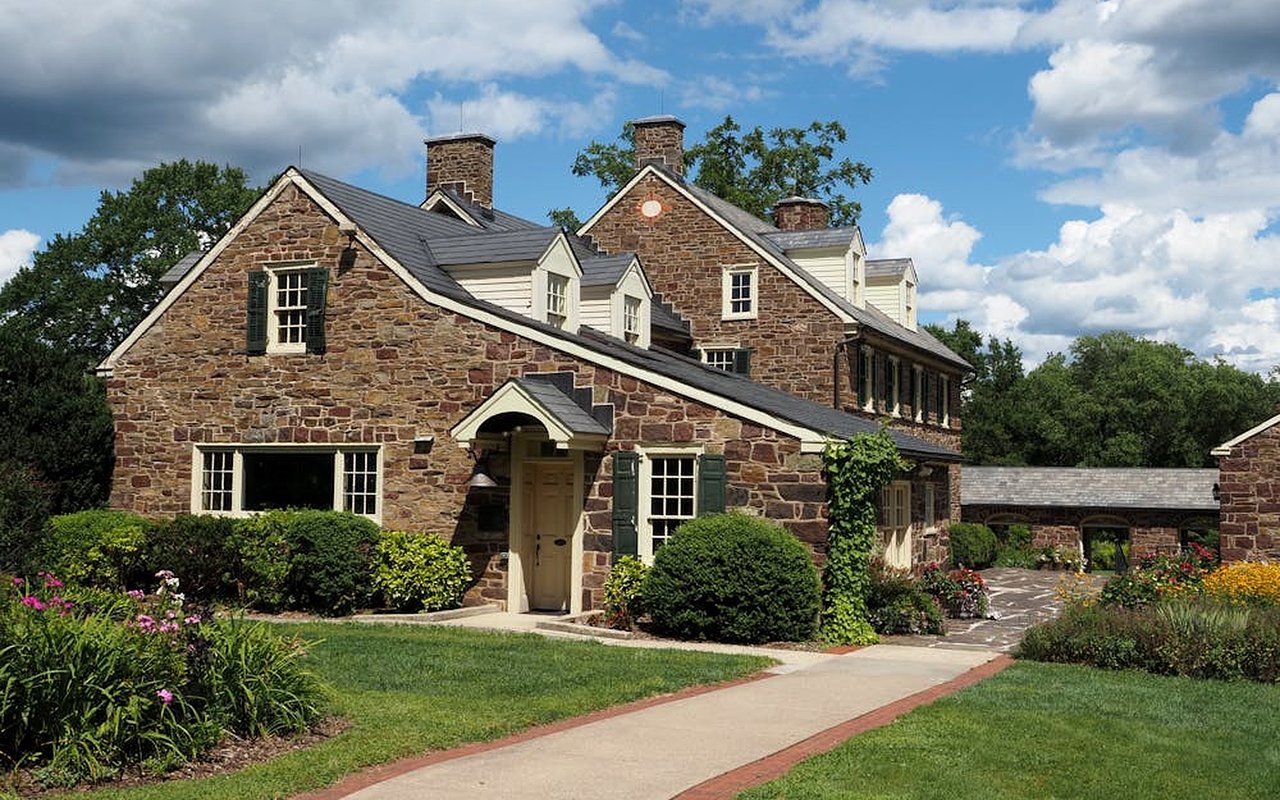
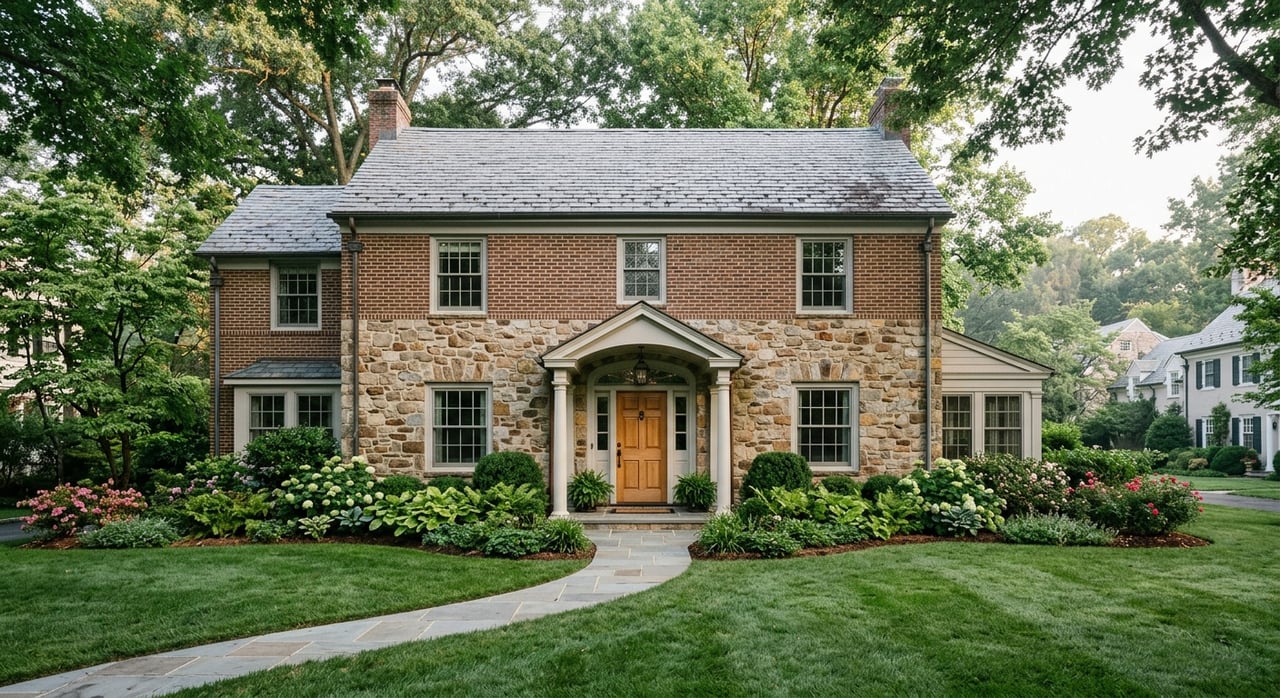
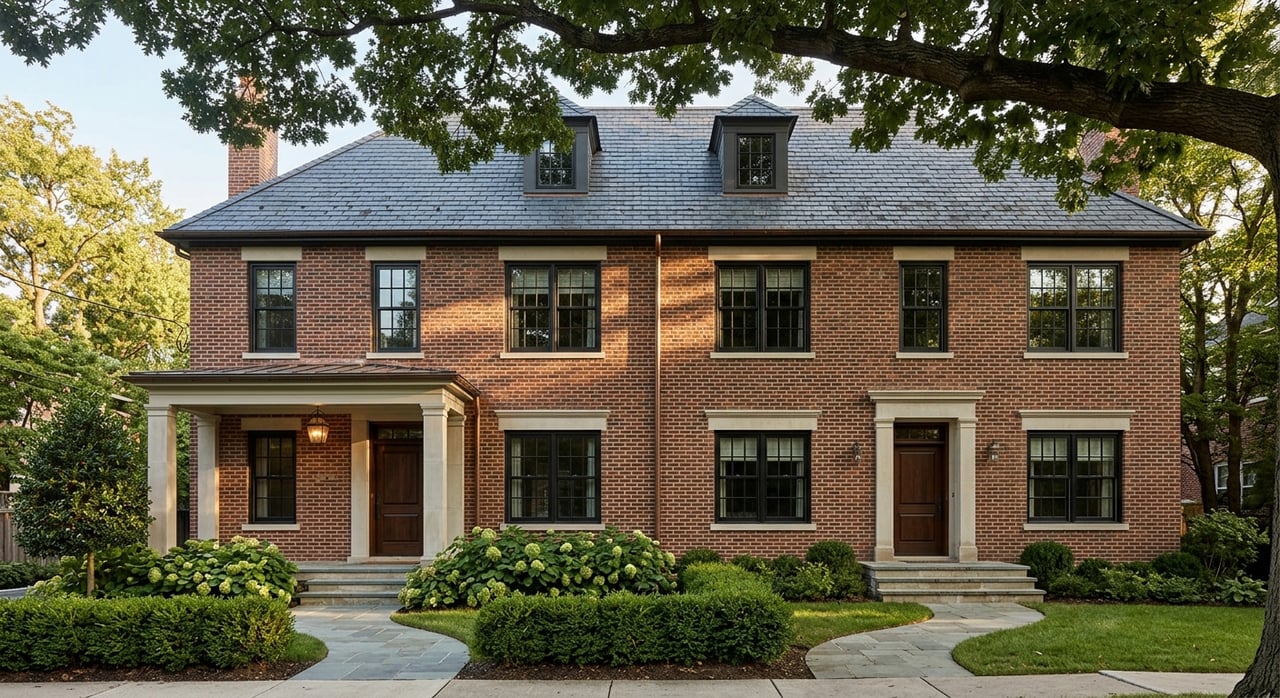
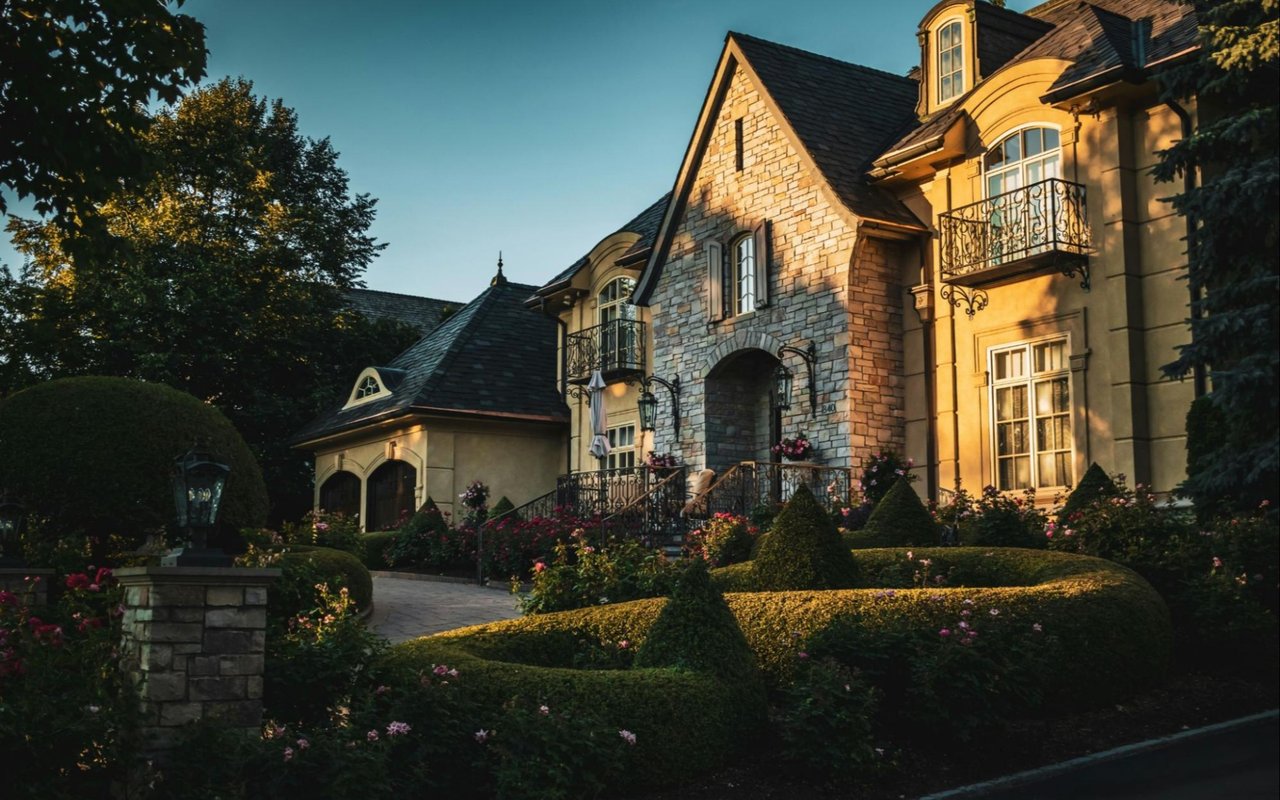
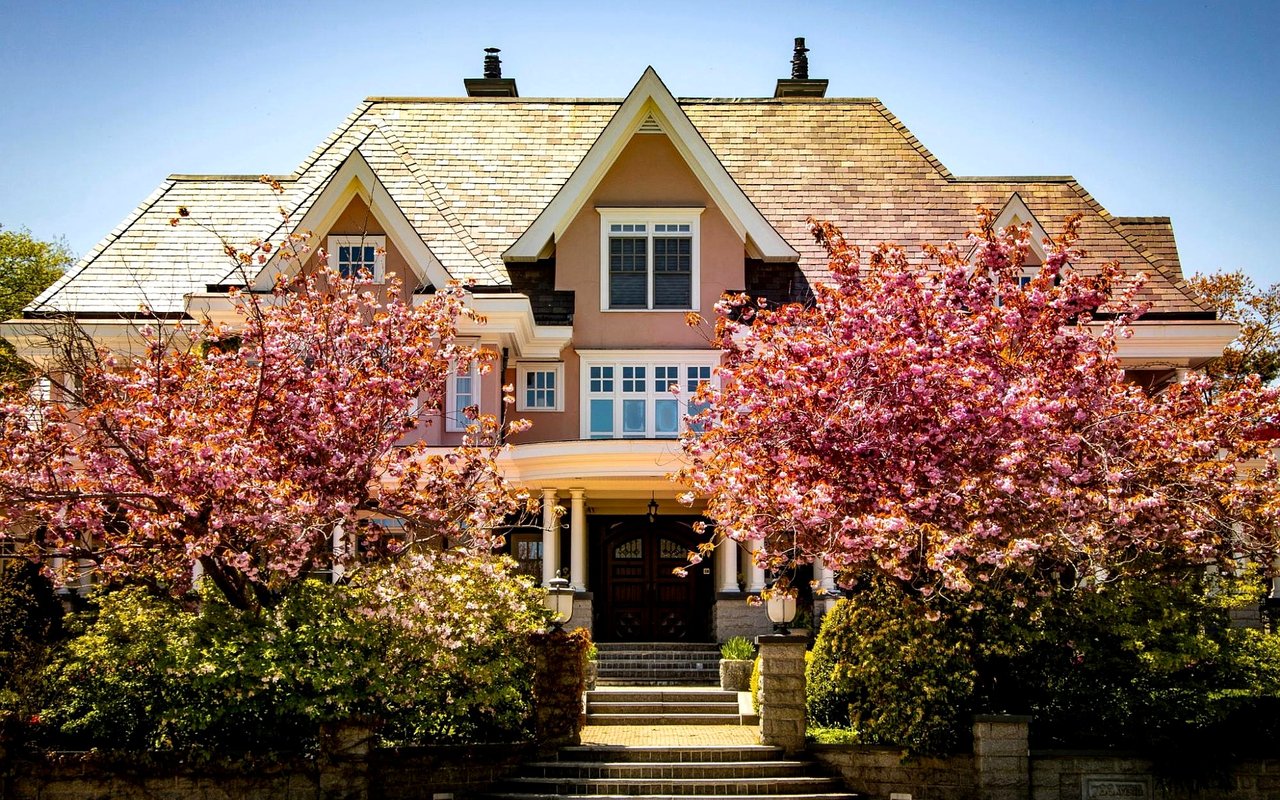
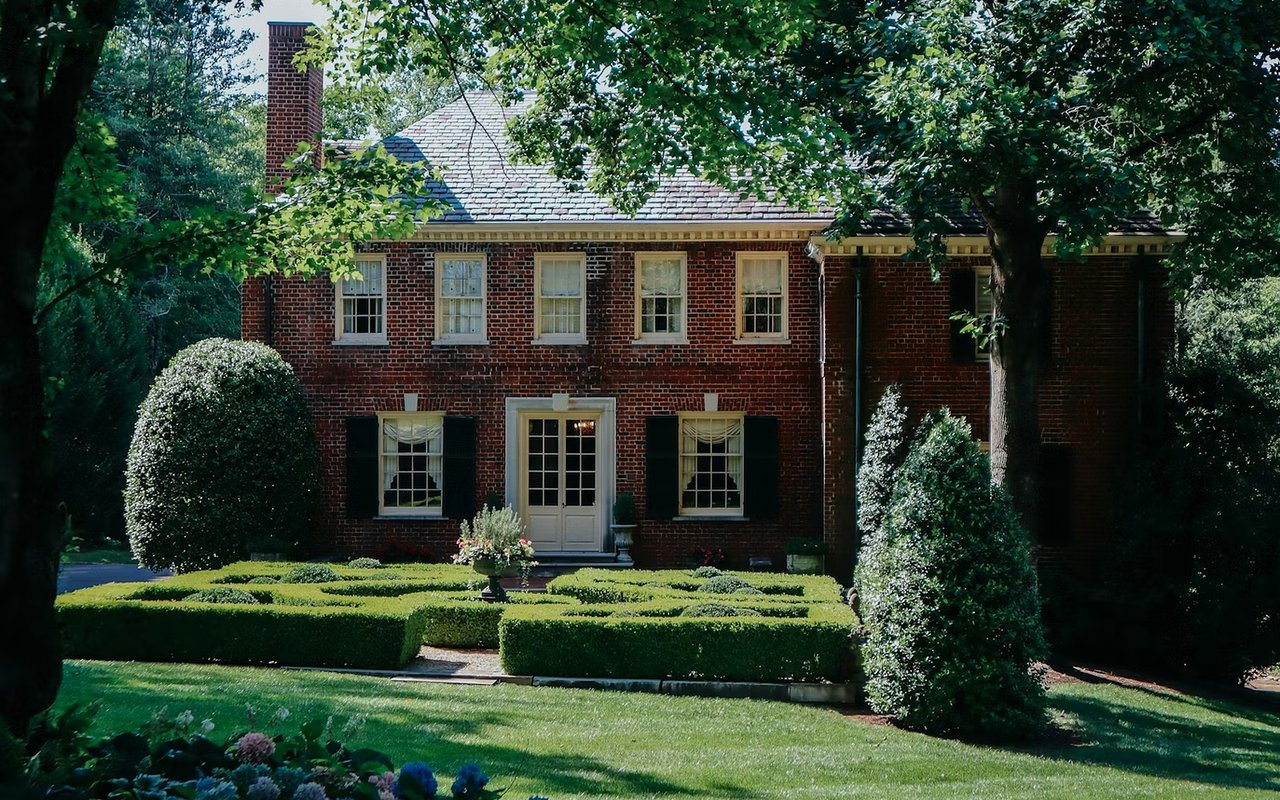
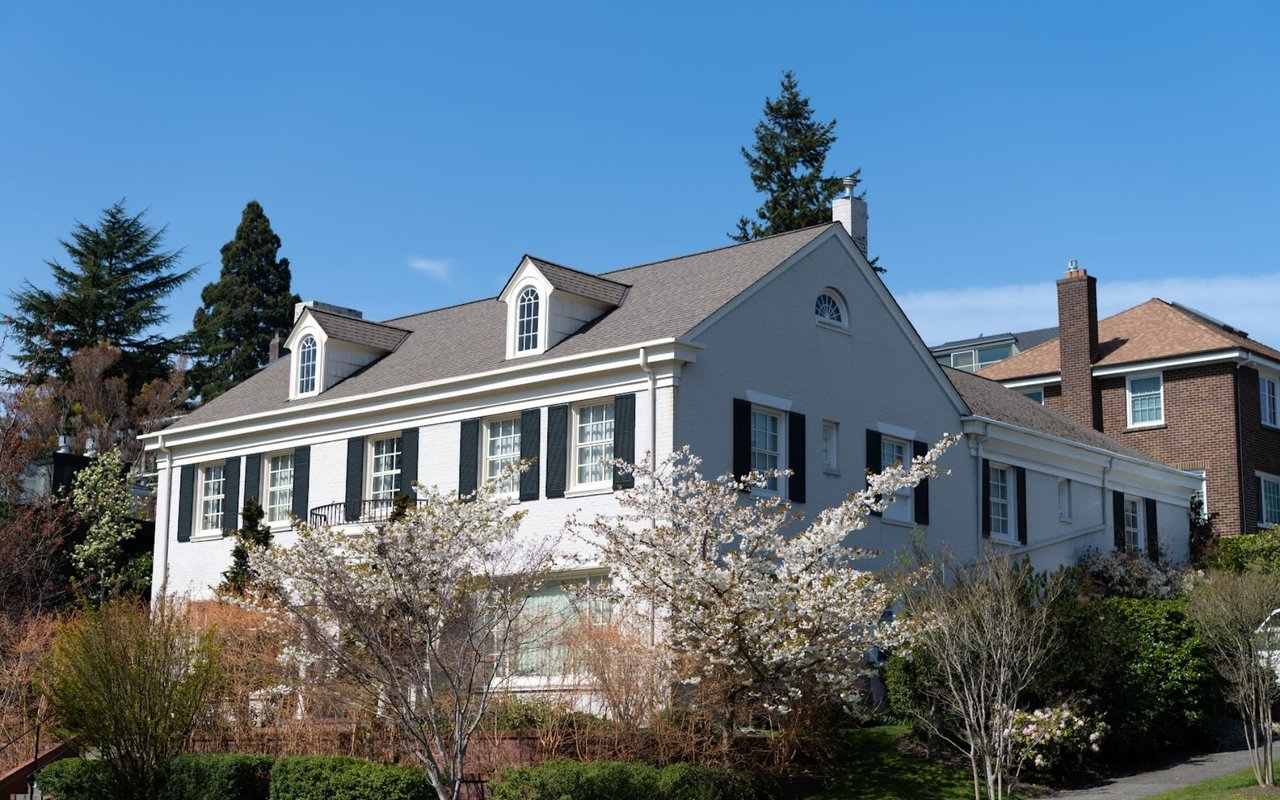
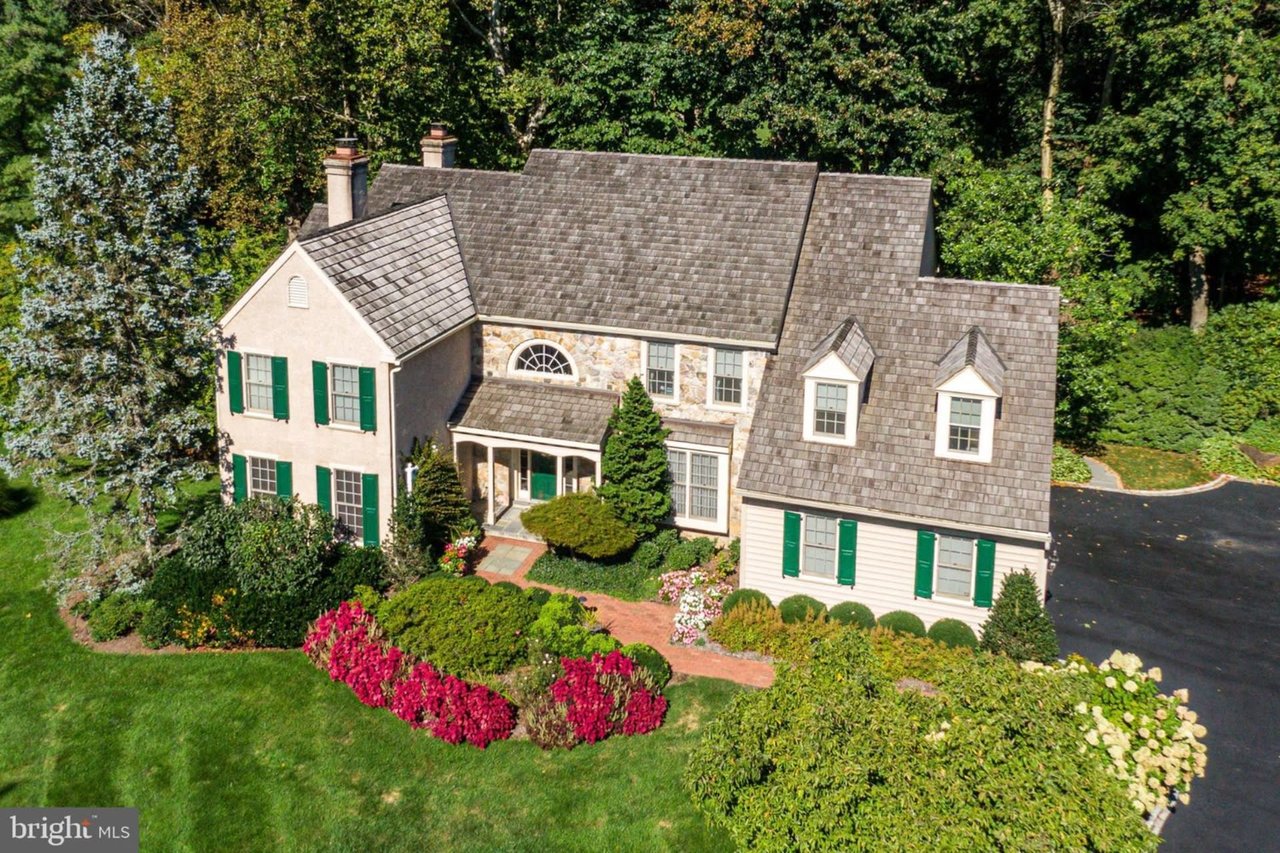
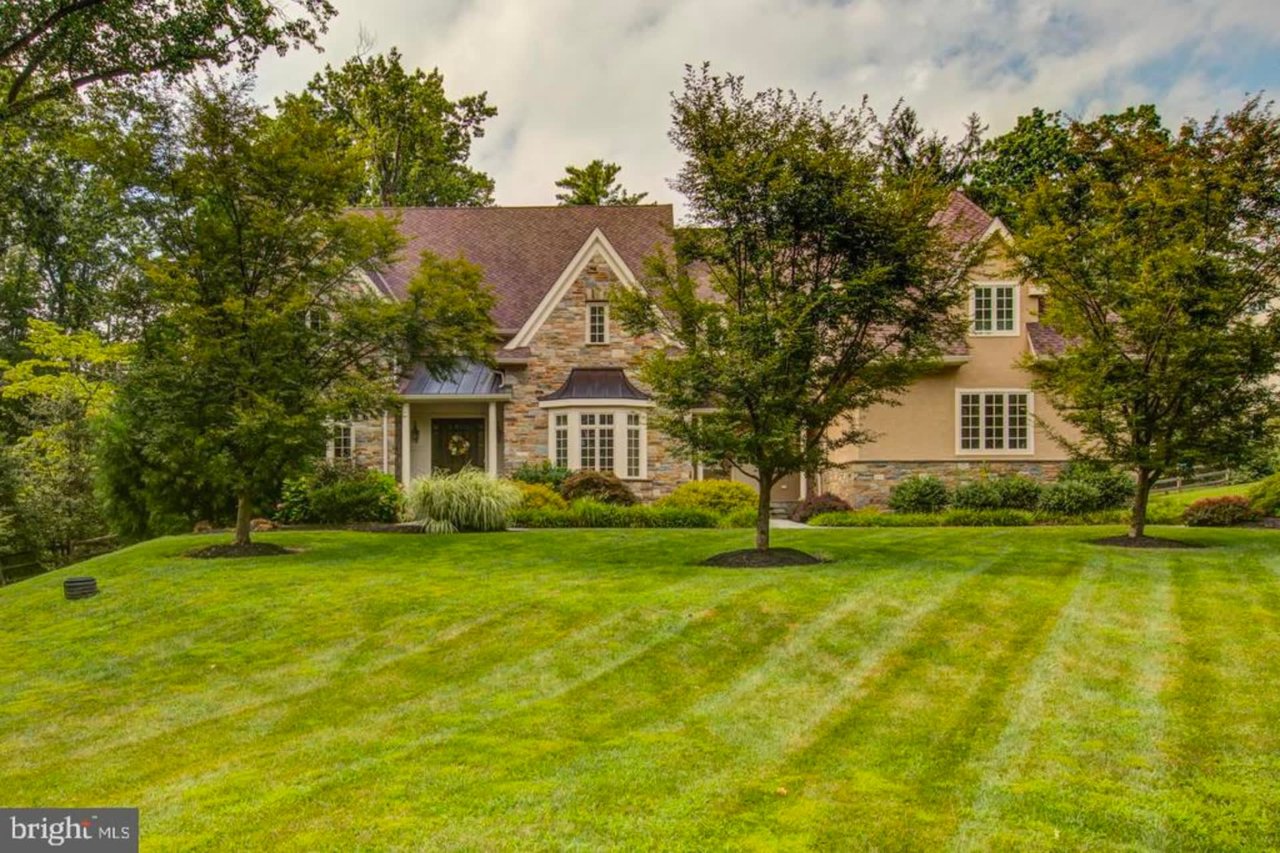
What the railroad produced in the decades that followed is still everywhere. Stone colonials, Tudors, and Georgian manor houses designed by the era's leading architects sit on wooded lots throughout Wayne, Bryn Mawr, and Villanova in a density that makes the Main Line's architectural legacy visible on nearly every residential street. The history extends further back than the railroad. Harriton House in Bryn Mawr was built in 1704, predating the community's renaming by over a century. Historic Waynesborough, where Revolutionary War general Anthony Wayne was born, is a registered National Historic Landmark. This is not history kept in archives but in the buildings that people live near and visit.
What the railroad produced in the decades that followed is still everywhere. Stone colonials, Tudors, and Georgian manor houses designed by the era's leading architects sit on wooded lots throughout Wayne, Bryn Mawr, and Villanova in a density that makes the Main Line's architectural legacy visible on nearly every residential street. The history extends further back than the railroad. Harriton House in Bryn Mawr was built in 1704, predating the community's renaming by over a century. Historic Waynesborough, where Revolutionary War general Anthony Wayne was born, is a registered National Historic Landmark. This is not history kept in archives but in the buildings that people live near and visit.
What Makes the Main Line's History Visible Today
-
The SEPTA Paoli-Thorndale line follows the original Pennsylvania Railroad route almost exactly
-
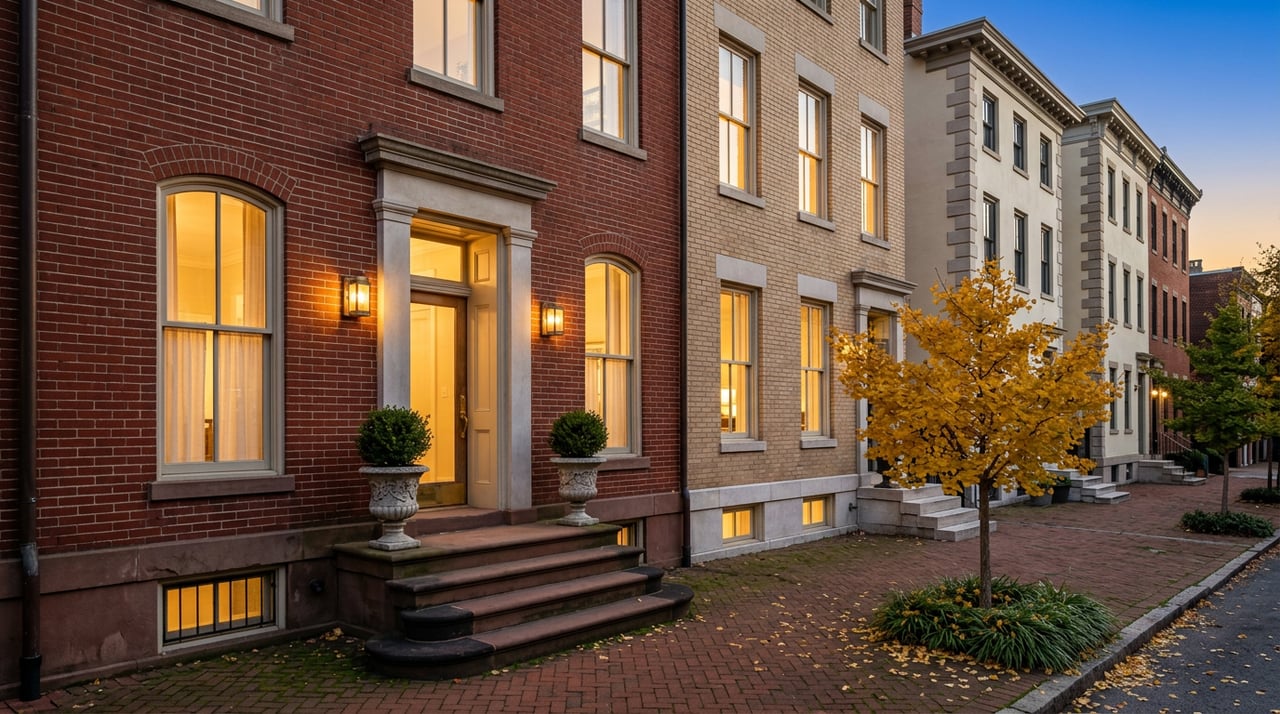
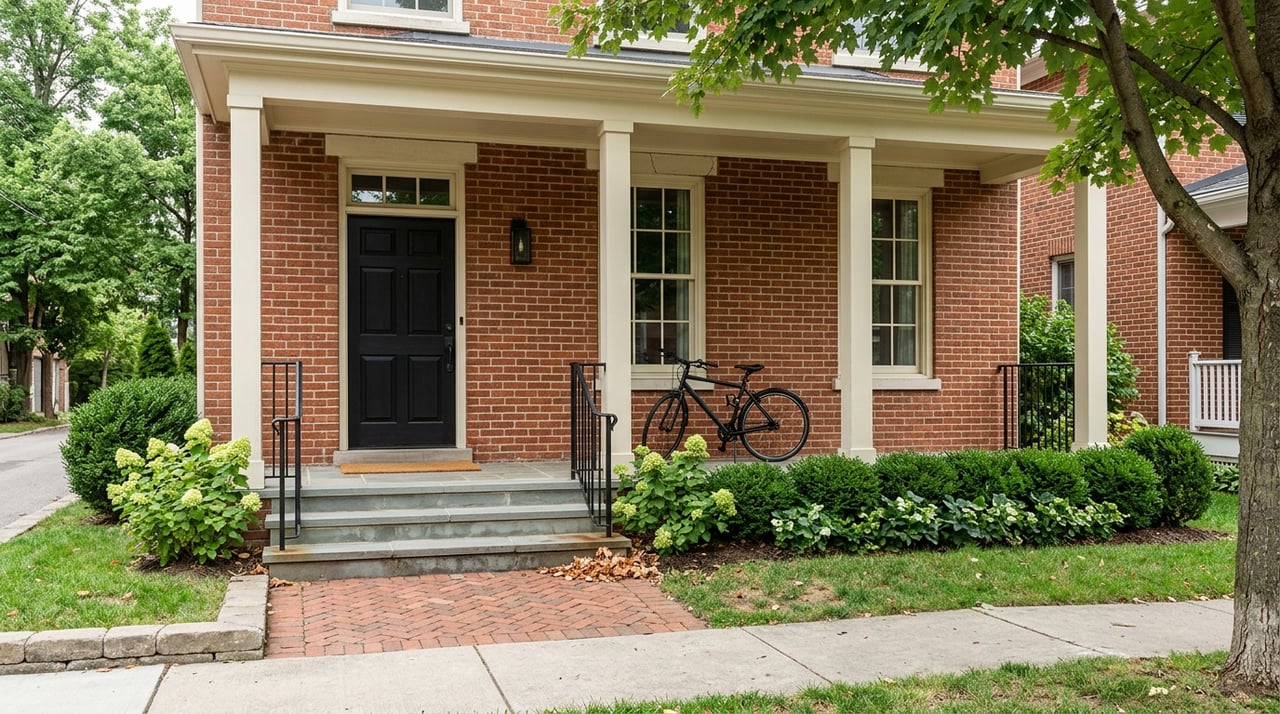
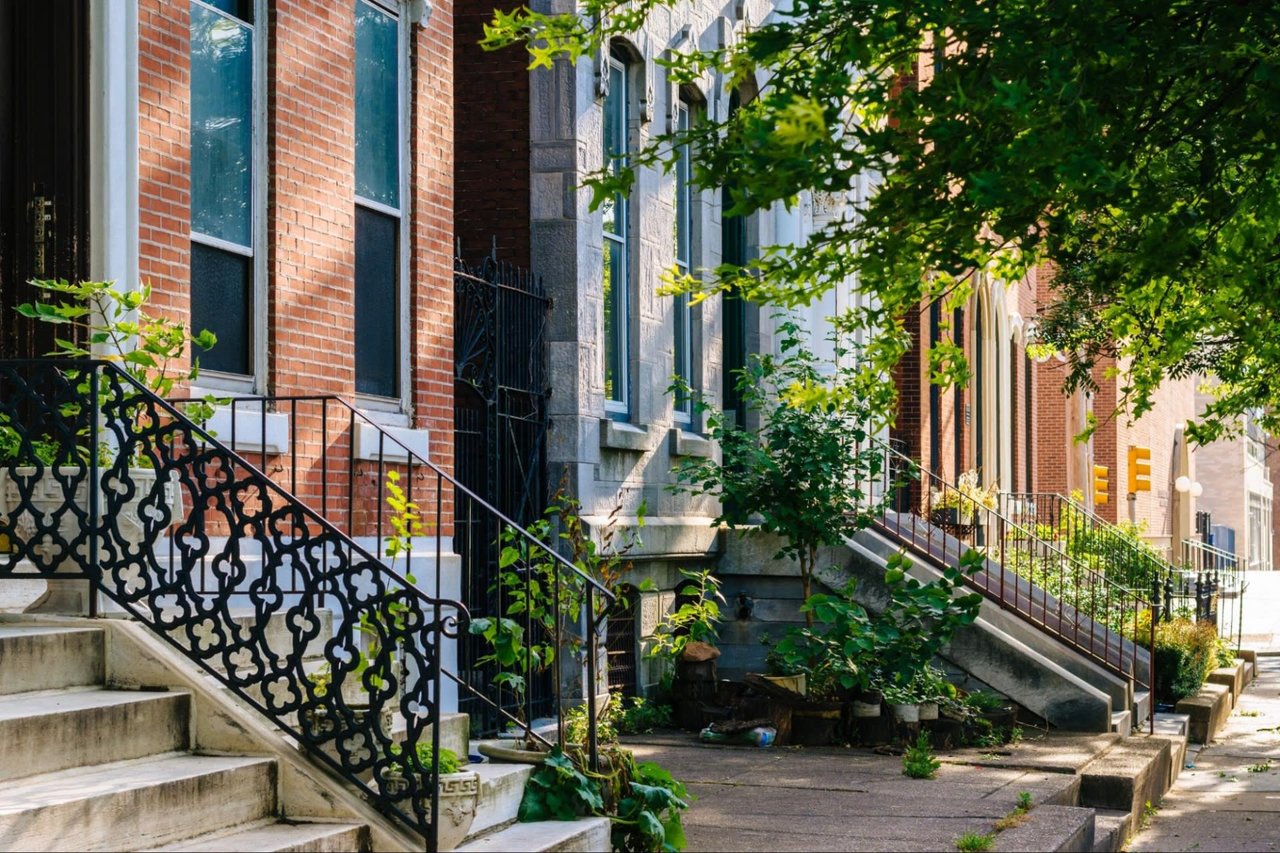
The residential architecture west of Philadelphia in these communities is unlike anything in the newer suburban corridors, with pre-1930 stone construction, period ironwork, mature plantings on large lots, and the kind of streetscape that takes a century to develop
-
Harriton House, built in 1704, is among the oldest surviving structures in the Philadelphia region
-
Historic Waynesborough outside Wayne is a National Historic Landmark that remains open to visitors
Seventeen Communities, Each with Its Own Character
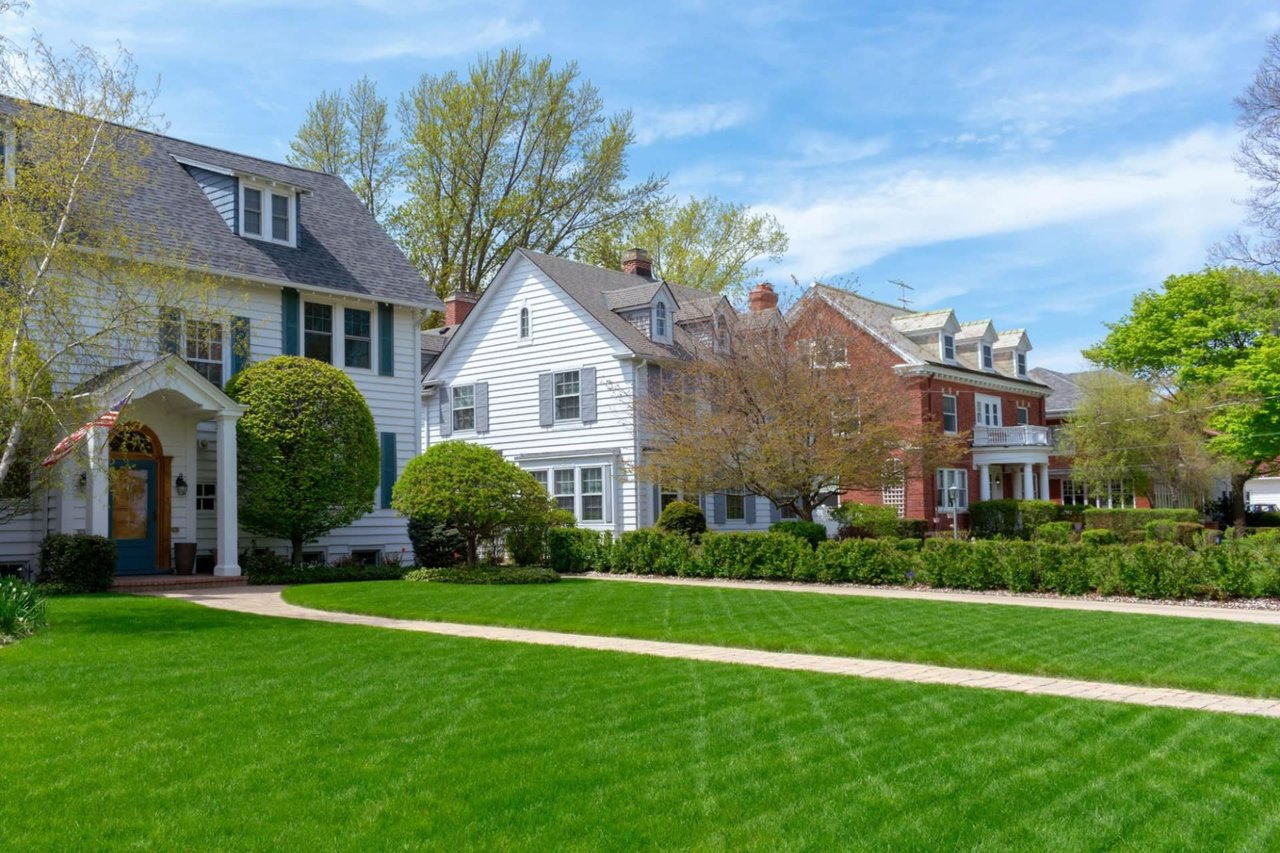
The Main Line is not homogeneous and that is one of the things that makes it such an interesting place to live. The seventeen communities along the former railroad route have developed distinct personalities over the course of 150 years and the differences between them are legible the moment you spend time in them.
Buyers who treat the Main Line as a single market and look only at price and square footage often end up somewhere that does not suit them. The better approach is to understand the communities first.
Buyers who treat the Main Line as a single market and look only at price and square footage often end up somewhere that does not suit them. The better approach is to understand the communities first.
What Makes Each Main Line Community Distinct
-
Ardmore anchors the eastern end of the corridor with Suburban Square and the Ardmore Music Hall, which draws acts from across the regional and national touring circuit to a venue that seats several hundred people in an intimate setting
-
Bryn Mawr's Bryn Mawr Film Institute operates out of a restored 1926 theater building and offers film screenings, education, and events throughout the year
-
Wayne's downtown is the most complete commercial center on the corridor
-
Gladwyne's informal designation as the Billion Dollar Mile reflects the concentration of historic estate properties along its main roads
Outdoor Life, Equestrian Culture, and the Landscape
The landscape itself is part of the Main Line's value and it is not something that can be replicated by a newer suburb regardless of how much is invested in parks and green space. The rolling hills of Chester and Montgomery County, the mature tree canopy that lines the streets across the corridor, and the preserved open space between communities give the Main Line a physical setting that took generations to develop and cannot be fast-tracked. This is one of the reasons why properties here retain their appeal across market cycles.
The equestrian culture that grew alongside this landscape is one of the Main Line's most distinctive qualities. The Devon Horse Show has been held annually in Devon since 1896 and is the oldest and largest multi-breed horse show in the United States. The Radnor Hunt carries on a tradition that has shaped the land use and social culture of the corridor's more rural communities for over a century. And Chanticleer Garden in Wayne — 35 acres of nationally recognized designed landscape listed on the National Register of Historic Places — represents what the Main Line's relationship with its natural setting has produced at its most intentional.
The equestrian culture that grew alongside this landscape is one of the Main Line's most distinctive qualities. The Devon Horse Show has been held annually in Devon since 1896 and is the oldest and largest multi-breed horse show in the United States. The Radnor Hunt carries on a tradition that has shaped the land use and social culture of the corridor's more rural communities for over a century. And Chanticleer Garden in Wayne — 35 acres of nationally recognized designed landscape listed on the National Register of Historic Places — represents what the Main Line's relationship with its natural setting has produced at its most intentional.
What the Outdoor and Equestrian Culture Looks Like on the Main Line
-
The Devon Horse Show draws competitors and spectators from across the country to Devon every spring
-
Chanticleer Garden's 35 acres are free to visit and open through the growing season
-
The Radnor Hunt's ongoing presence in the outer corridor has preserved a land use pattern in communities like Malvern and Devon that keeps the western end of the Main Line rural in character
-
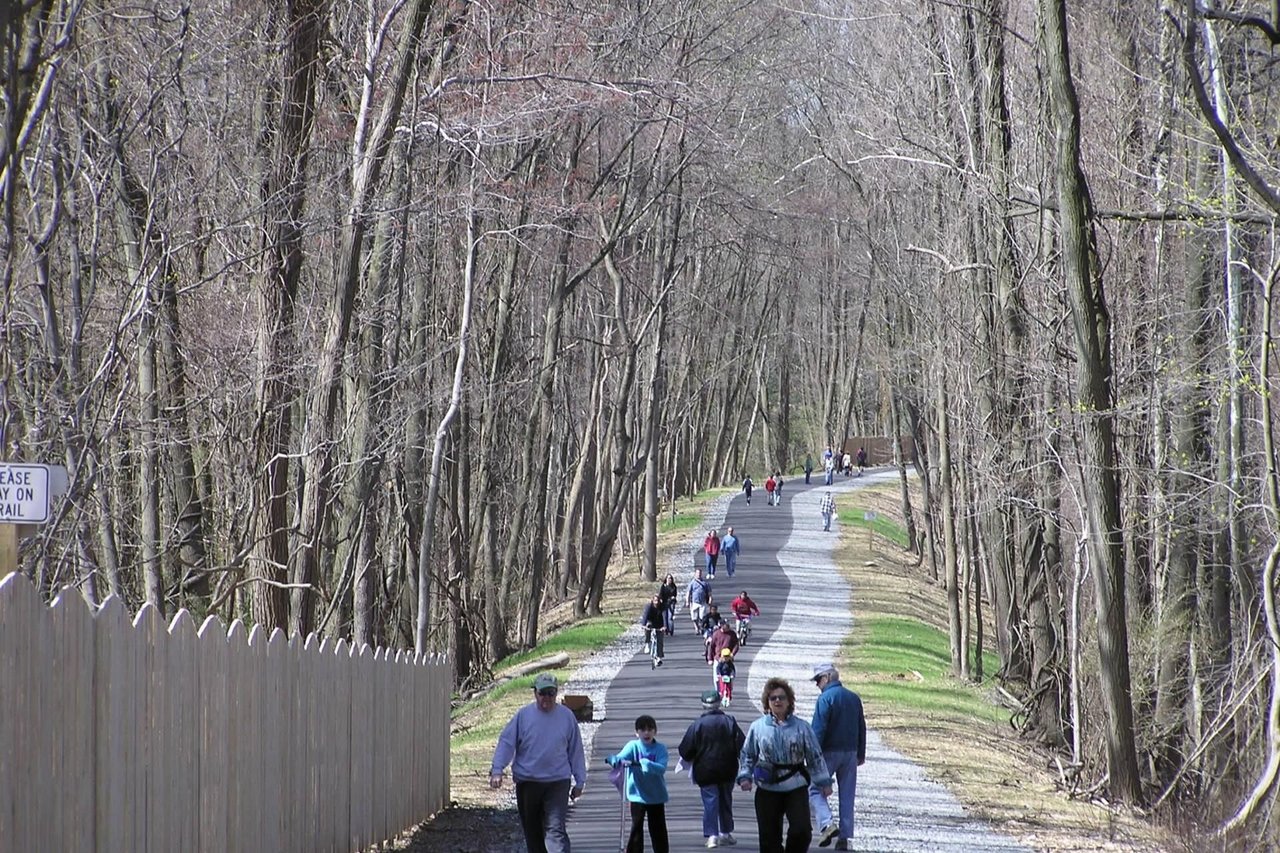
The Cynwyd Heritage Trail, a 1.8-mile rail-to-trail park connecting Bala Cynwyd to the Schuylkill River, and the rolling terrain of the communities west of Ardmore give everyday residents natural landscape as part of their daily routine
FAQs
What communities make up the Main Line?
The Main Line traditionally includes seventeen communities along the former Pennsylvania Railroad route west of Philadelphia: Overbrook, Merion, Narberth, Wynnewood, Ardmore, Haverford, Bryn Mawr, Rosemont, Villanova, Radnor, St. Davids, Wayne, Strafford, Devon, Berwyn, Daylesford, Paoli, and Malvern. Each has its own municipal identity, school district designation, and community character, and the differences between them matter meaningfully to buyers deciding where within the corridor to focus.
What is the Devon Horse Show?
The Devon Horse Show is the oldest and largest multi-breed horse show in the United States and has been held annually in Devon since 1896. It is one of the most visible expressions of the equestrian culture that has been central to the Main Line lifestyle since the region's earliest development and one of the community events that residents most consistently cite as a marker of what makes this region distinct.
Contact The MacDonald Team Today
We have spent nearly two decades working with buyers and sellers across the Main Line's seventeen communities, and we know what makes each one right for a different kind of buyer. If you are considering a move to Ardmore, Bryn Mawr, Wayne, Villanova, or anywhere else along the corridor, we would love to help you find your place in it.
Reach out through The MacDonald Team to connect and get started.
Reach out through The MacDonald Team to connect and get started.