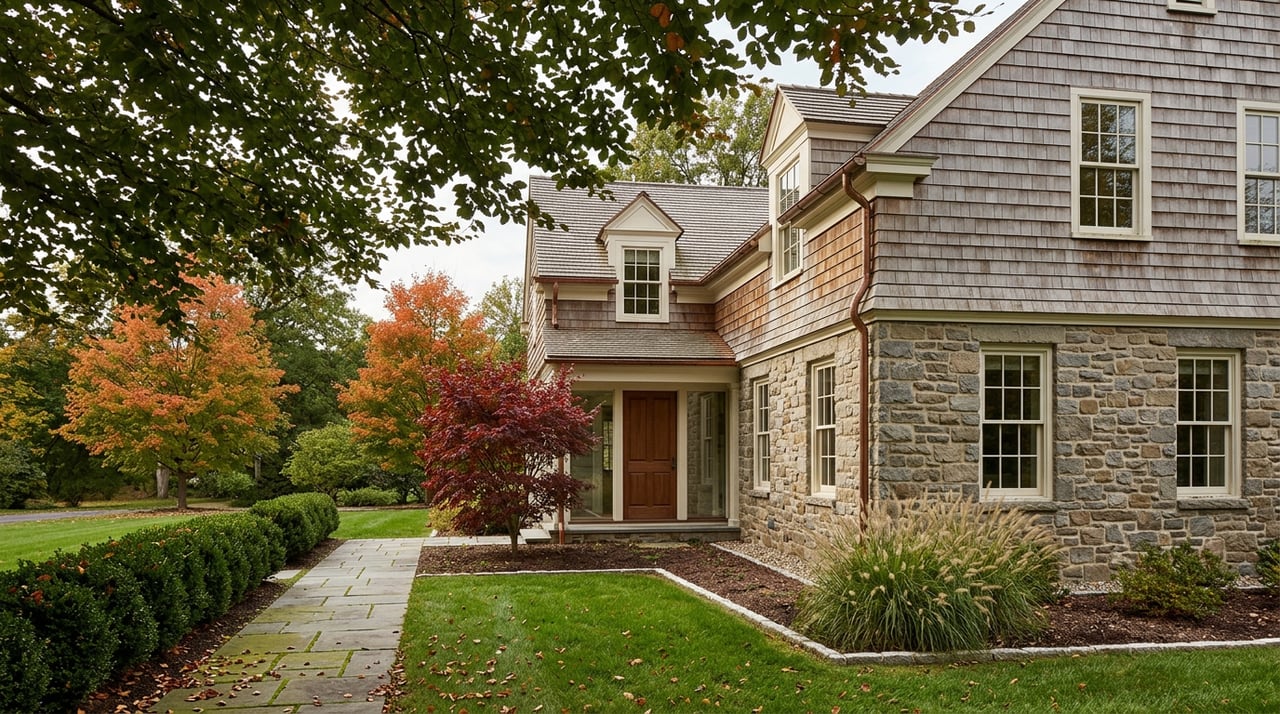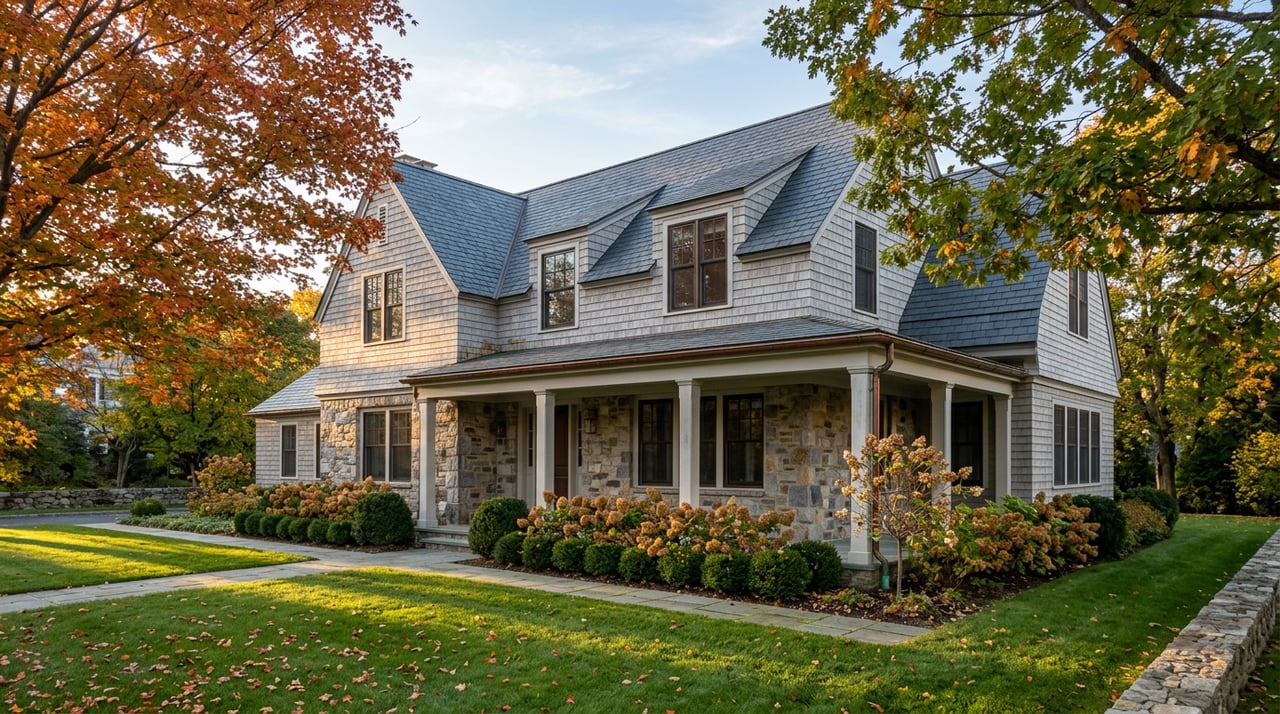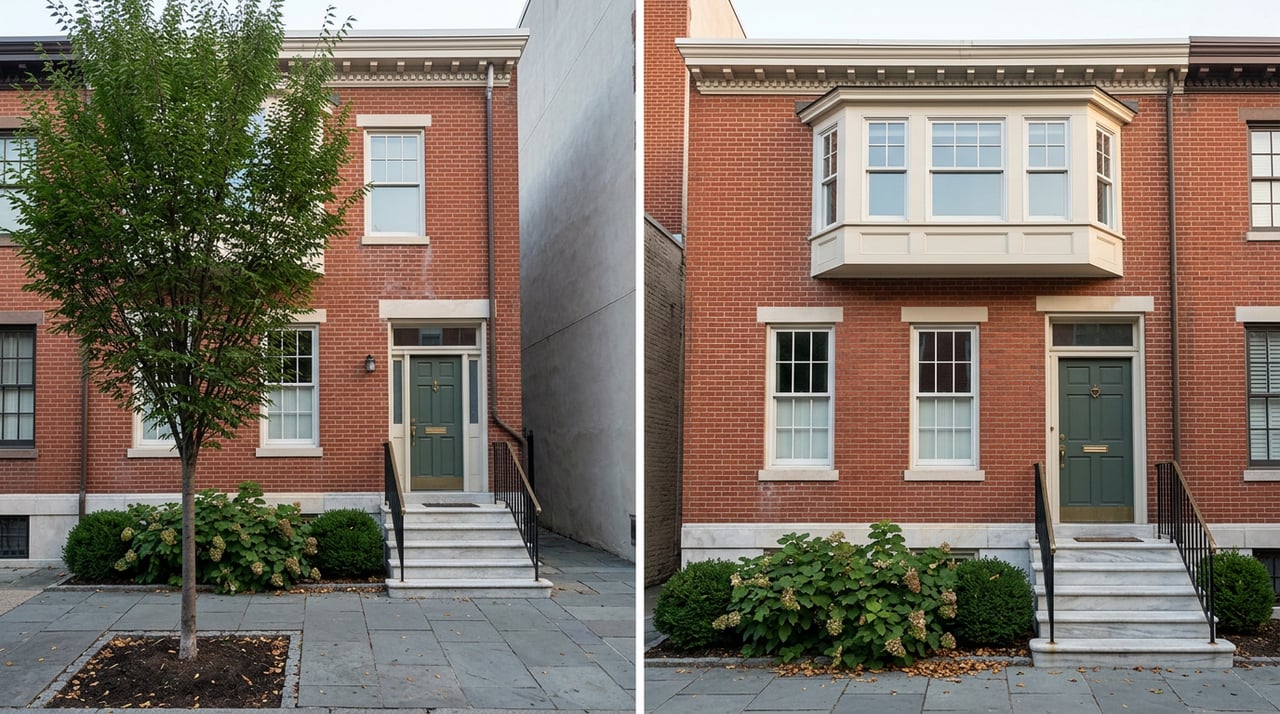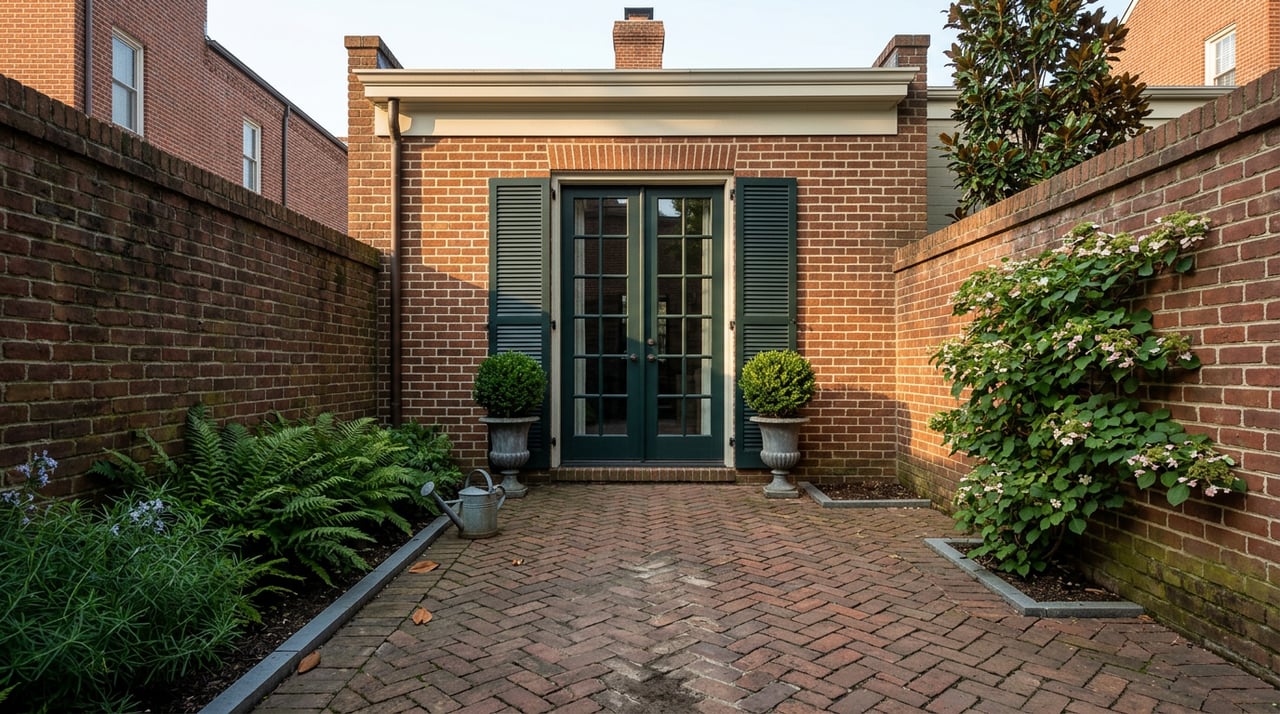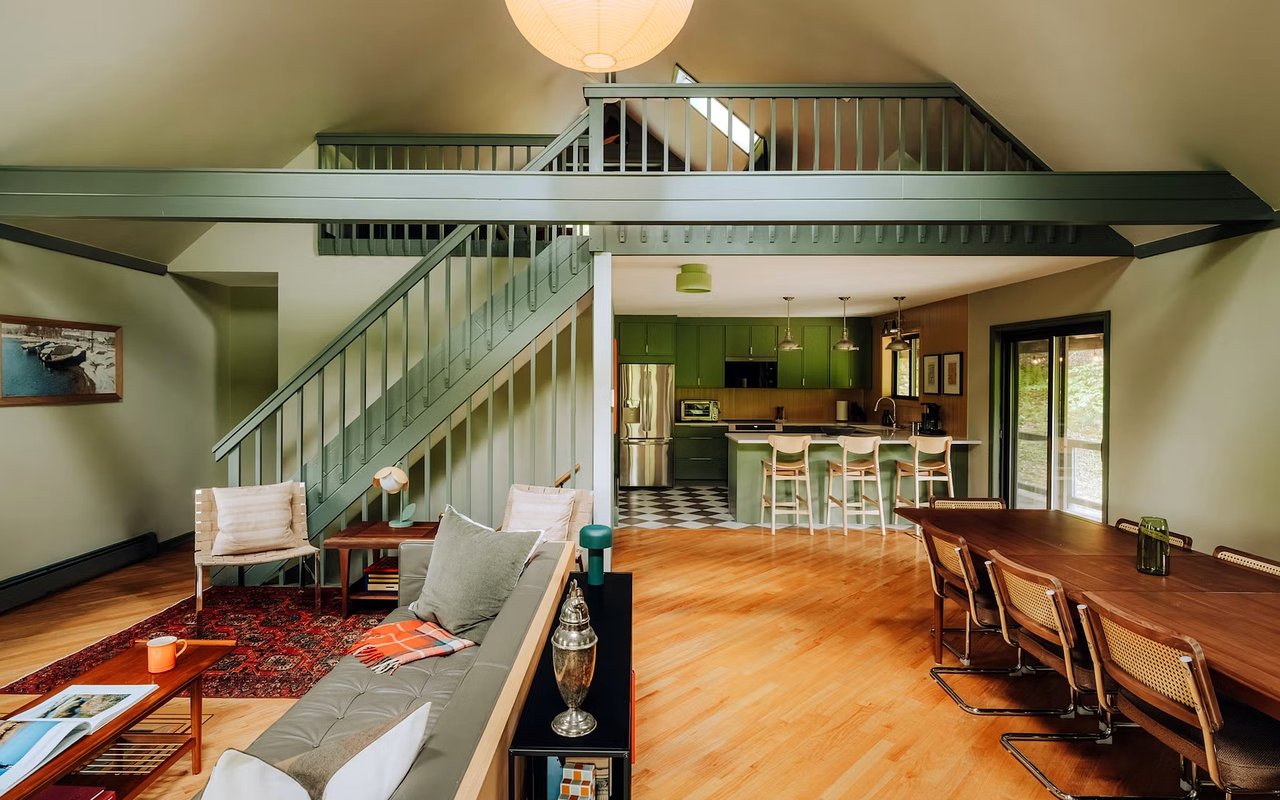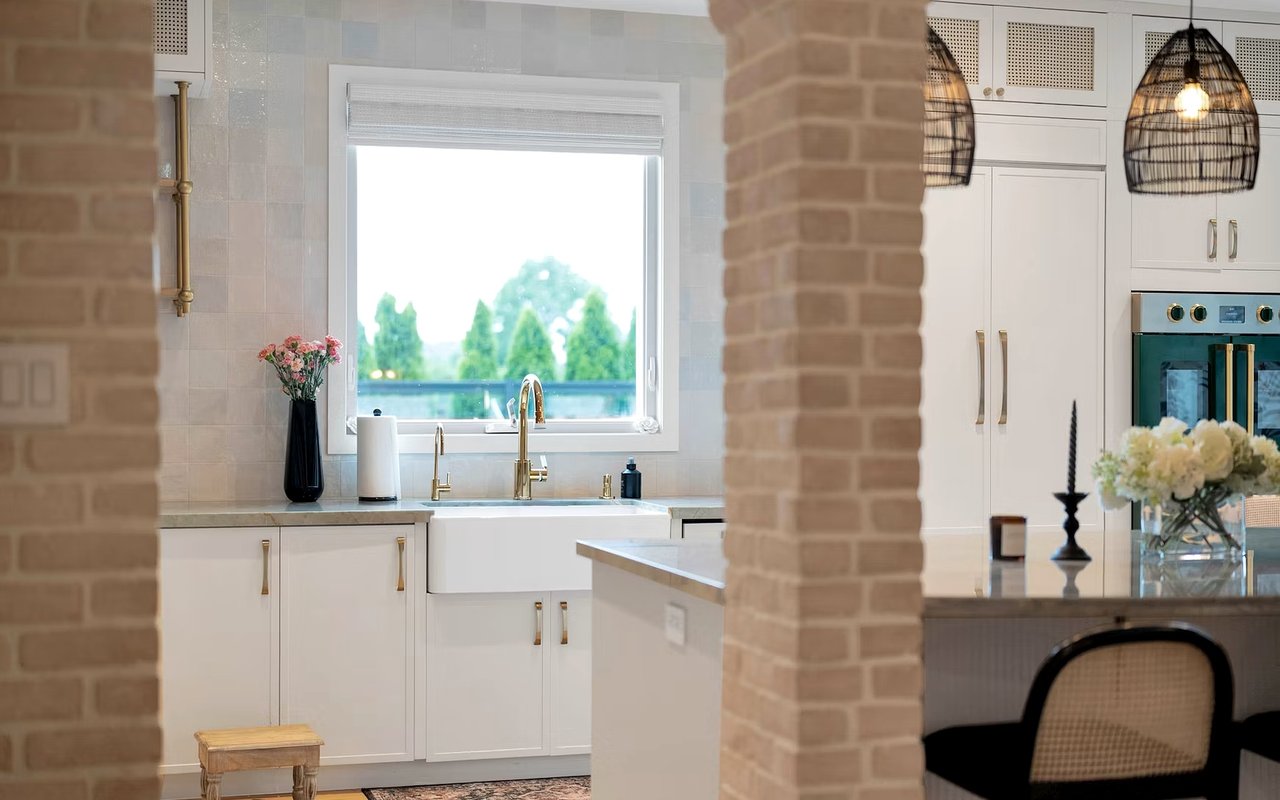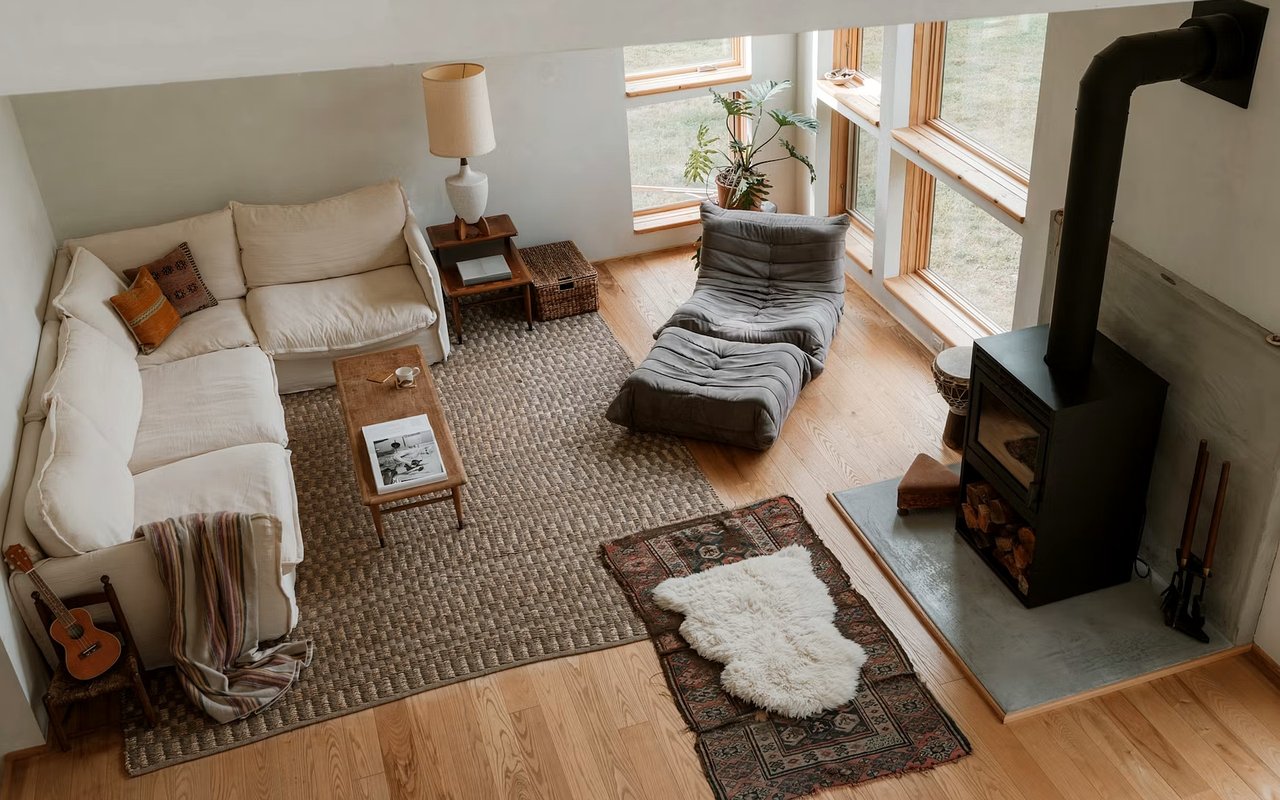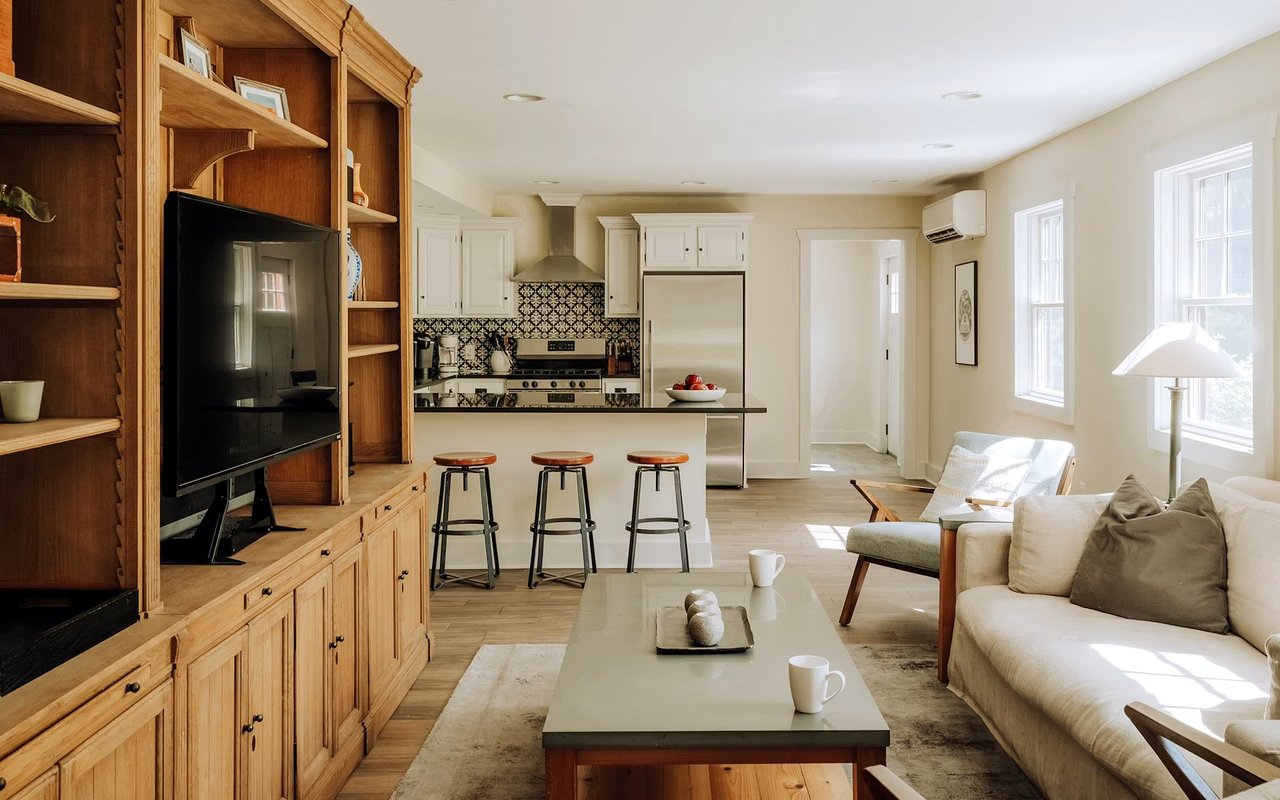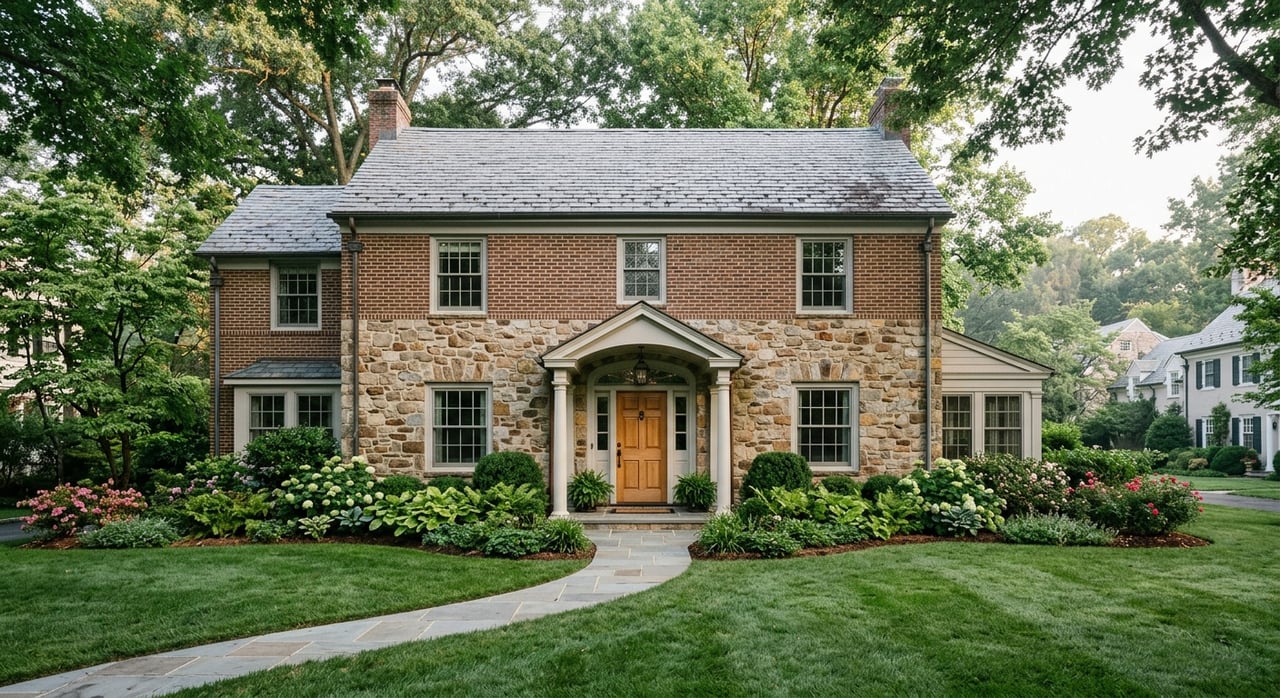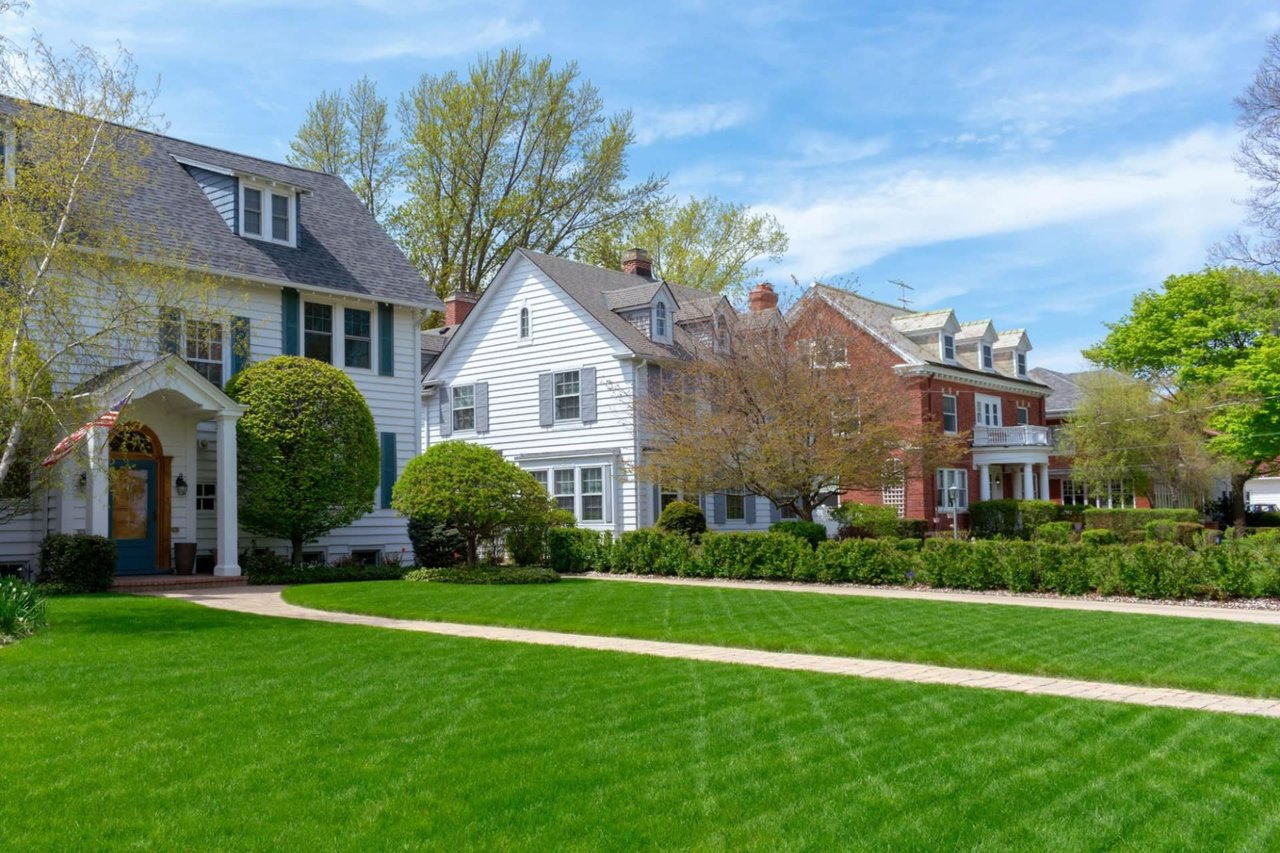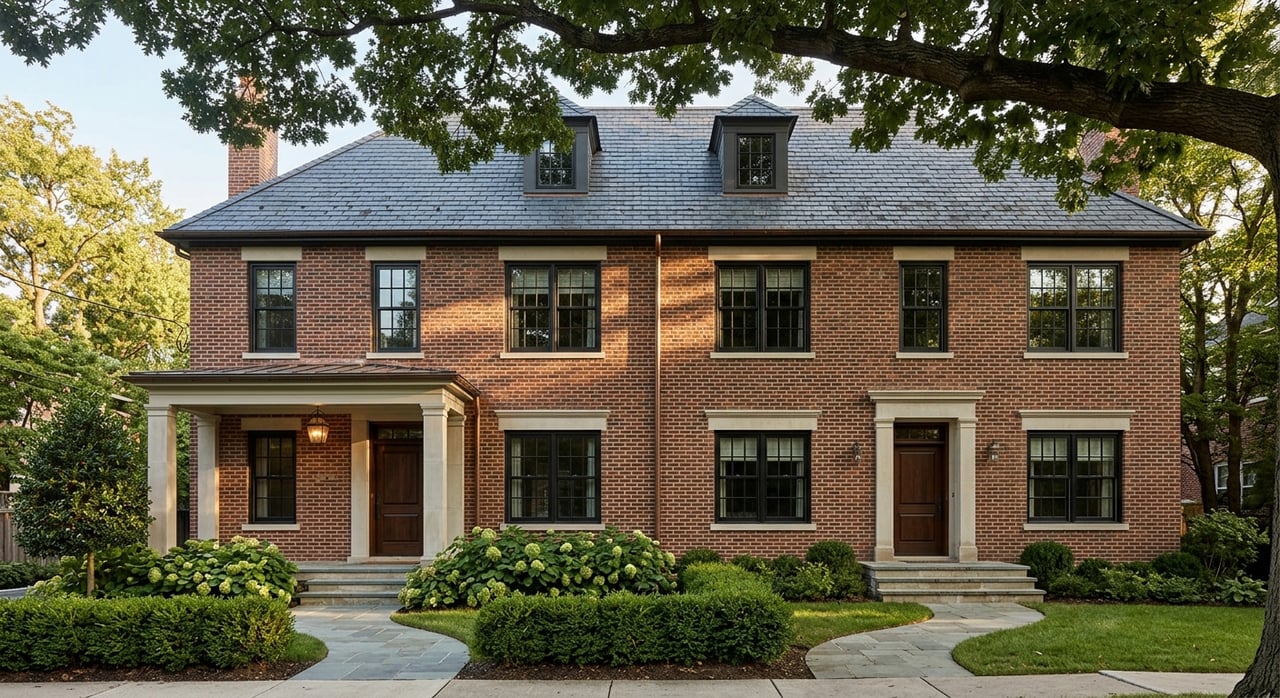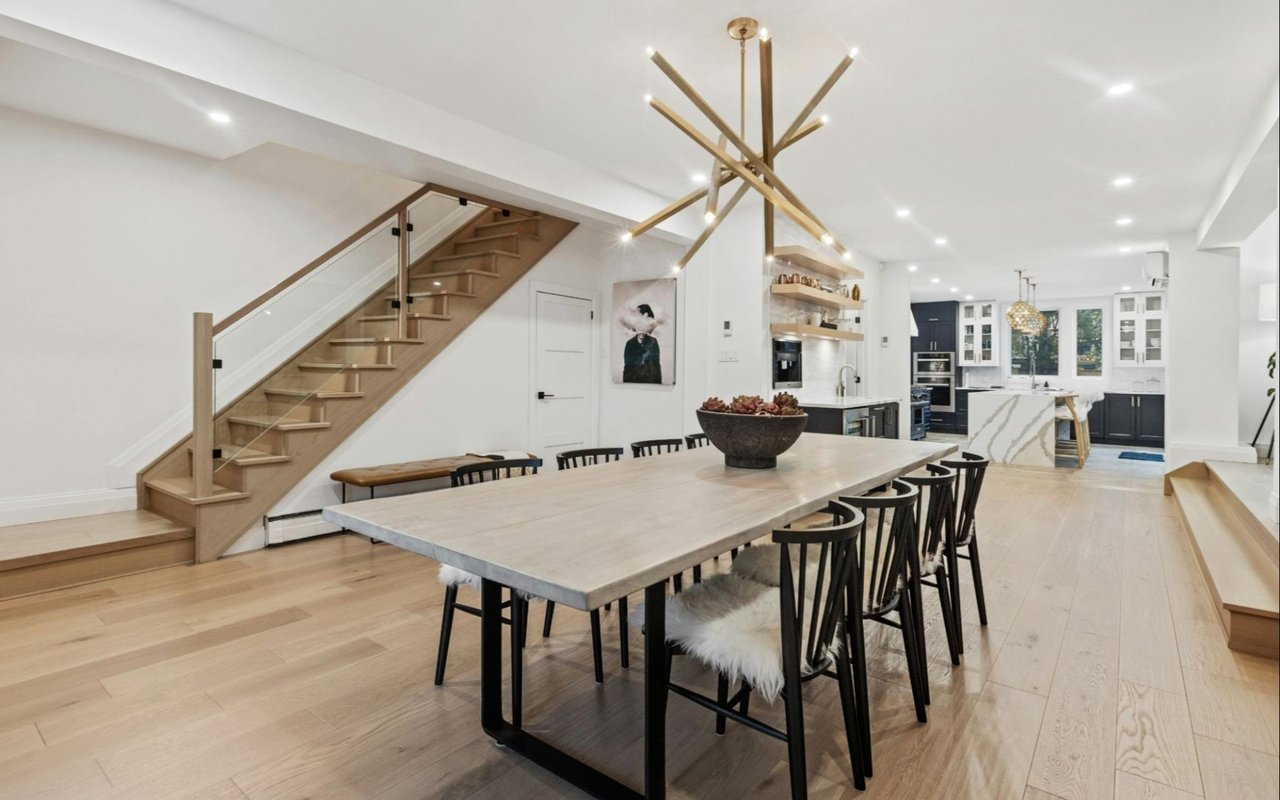
If your house feels bigger than your life now, you are not alone. Many longtime Bryn Mawr homeowners reach a point where less upkeep, fewer stairs, or a simpler layout sounds appealing, but they do not want to give up the walkable village feel, familiar routines, and convenience that made the area home in the first place. The good news is that downsizing in Bryn Mawr can often mean keeping the lifestyle you love while shedding space you no longer need. Let’s dive in.
Why Bryn Mawr Still Works for Downsizers
Bryn Mawr offers something many downsizers want but struggle to find elsewhere: a smaller-home move that does not require a major lifestyle reset. Lower Merion Township describes Bryn Mawr as one of its distinct neighborhood villages, not just part of a broad suburban blur. That matters if you want your next home to feel connected to a real place with its own rhythm and identity.
The area also brings together convenience in a way that supports day-to-day living. SEPTA notes that Bryn Mawr has a quaint downtown with shops, restaurants, galleries, parks, and historic homes, along with service on the Paoli/Thorndale Line and bus routes 105 and 106. Bryn Mawr Hospital and local colleges add medical and cultural access that many homeowners value even more as they simplify.
For many sellers, the biggest fear is this: If I sell, will I have to leave the neighborhood to find something smaller? In Bryn Mawr, the answer is often no. Lower Merion reports that 25.2% of housing units are in structures with five or more units, and it identifies station areas around Bryn Mawr as key growth areas.
That mix creates real options for buyers who want less square footage without losing location. If you are open to a condo, apartment-style home, or mixed-use setting near the village center, rightsizing can stay local.
What Downsizing Really Means
Downsizing is not just about buying a smaller property. For many homeowners, it is really about rightsizing your next chapter so your home matches how you live now.
That could mean:
- Less maintenance
- Fewer unused rooms
- Easier daily living
- Better walkability to the village center
- Closer access to transit, healthcare, or cultural amenities
- Lower physical demands from the home itself
The key is to focus on what you want to keep, not just what you want to cut. In Bryn Mawr, that often means preserving convenience, connection, and familiar surroundings while reducing the work that comes with a larger home.
Where Local Housing Options May Fit
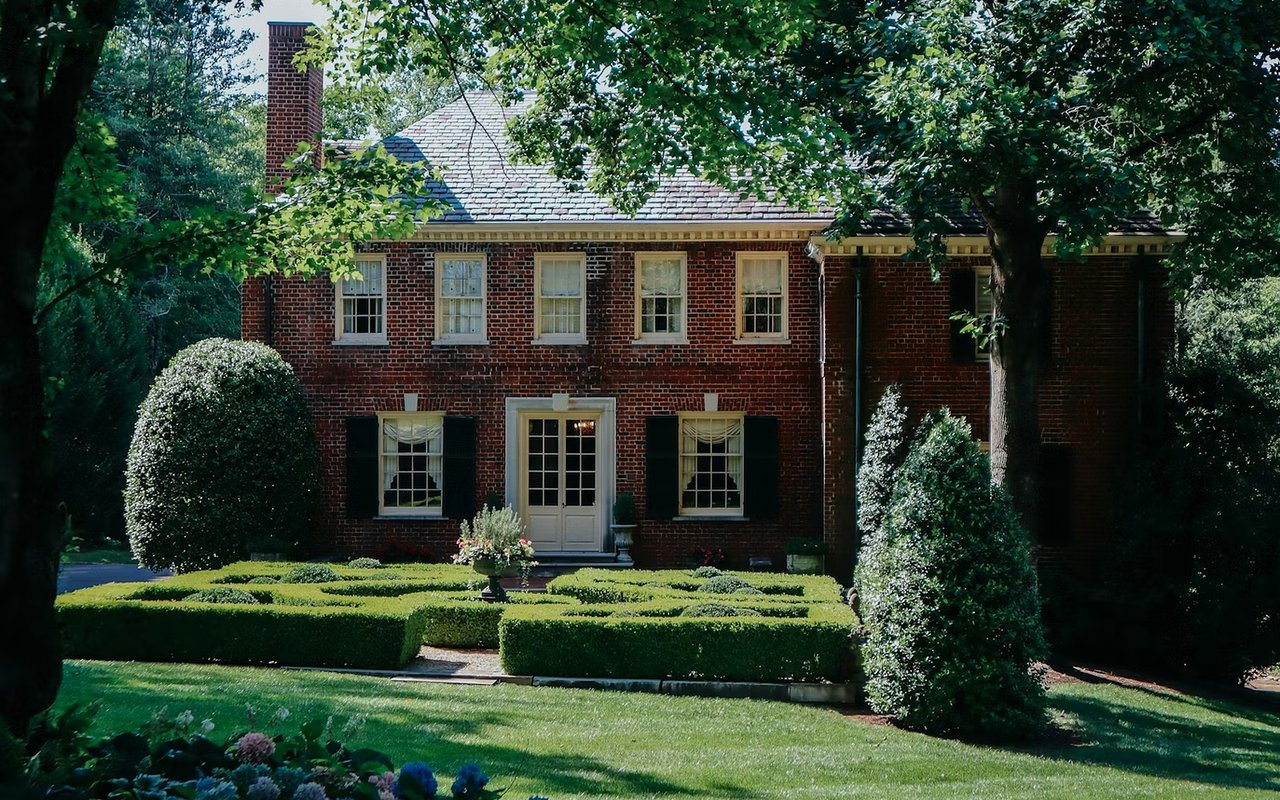
Lower Merion notes that 70% of homes in the township were built before 1960, with a median construction year of 1950. That older housing stock is part of the area's character, but it can also mean more maintenance, more systems to monitor, and layouts that no longer fit your needs.
At the same time, the township points to East Bryn Mawr as having a high concentration of multifamily housing. Combined with growth around station areas, that supports a practical point for downsizers: you may be able to find a smaller home type nearby rather than making a dramatic geographic move.
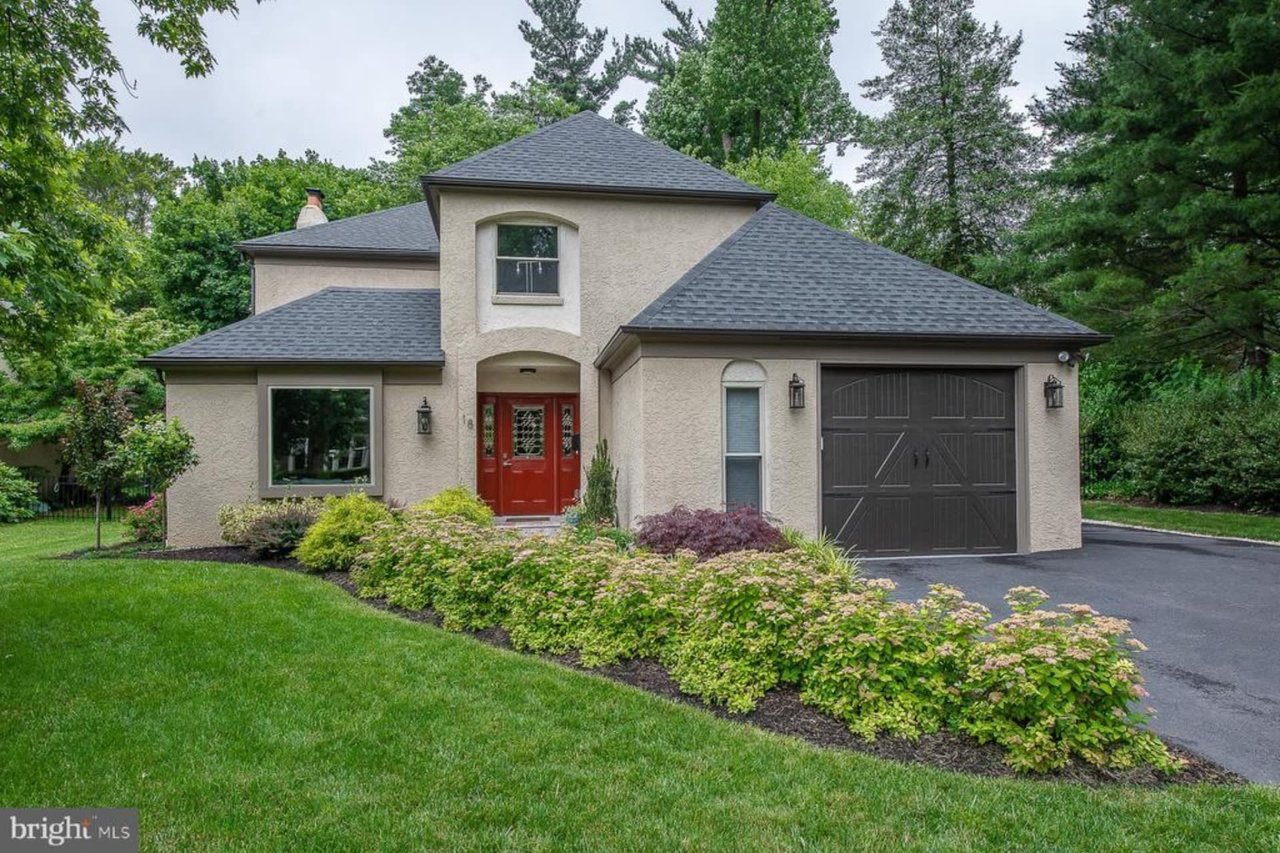
For some homeowners, the right fit may be a condo with less exterior maintenance. For others, it may be a townhome, apartment-style residence, or a smaller single-family home in a more connected setting. The best option depends on how you want to live, not just how many square feet you want to lose.
What the 2026 Market Means for Your Timing
If you are thinking about downsizing this year, market timing matters, but not in the way many people assume. Bryn Mawr remains a tight market, and spring 2026 data points to continued seller-friendly conditions.
Realtor.com reported that Bryn Mawr was a seller’s market in March 2026, with 21 homes for sale, a median listing price of $762,000, and a median of 26 days on market. Redfin reported a March 2026 median sale price of $759,000 and 41 days on market, while Zillow’s April 30, 2026 data showed 36 homes in inventory and a median list price of $719,150. The exact figures vary by platform, but the pattern is consistent: inventory is limited.
That can help your current home attract attention, especially if it is well prepared and well priced. But it can also make your next move more complex because your replacement home may be harder to secure. In other words, selling may be favorable, but buying still requires a plan.
Mortgage rates also shape the conversation. Freddie Mac reported that the 30-year fixed mortgage rate averaged 6.36% on May 14, 2026. Even if your next home is smaller, financing can still create meaningful monthly carrying costs.
That is why a good downsizing plan usually starts with timing, not listings. You want to understand how the sale of your current home and the purchase of your next one will work together before you are under pressure.
How to Prepare Your Home Without Over-Improving
One of the most common downsizing mistakes is assuming you need a major renovation before selling. In most cases, that is not the smartest use of time or money.
AARP recommends starting the process as much as a year ahead. That can include building a storage plan, decluttering room by room, and getting a pre-listing inspection months before you go live so issues do not surface during negotiations.
That kind of preparation is especially helpful for longtime homeowners. If you have lived in your home for many years, chances are good that your house holds both valuable updates and a lot of accumulated belongings. Buyers need to see the home clearly, and you need enough time to make thoughtful decisions about what moves with you.
Start With Decluttering
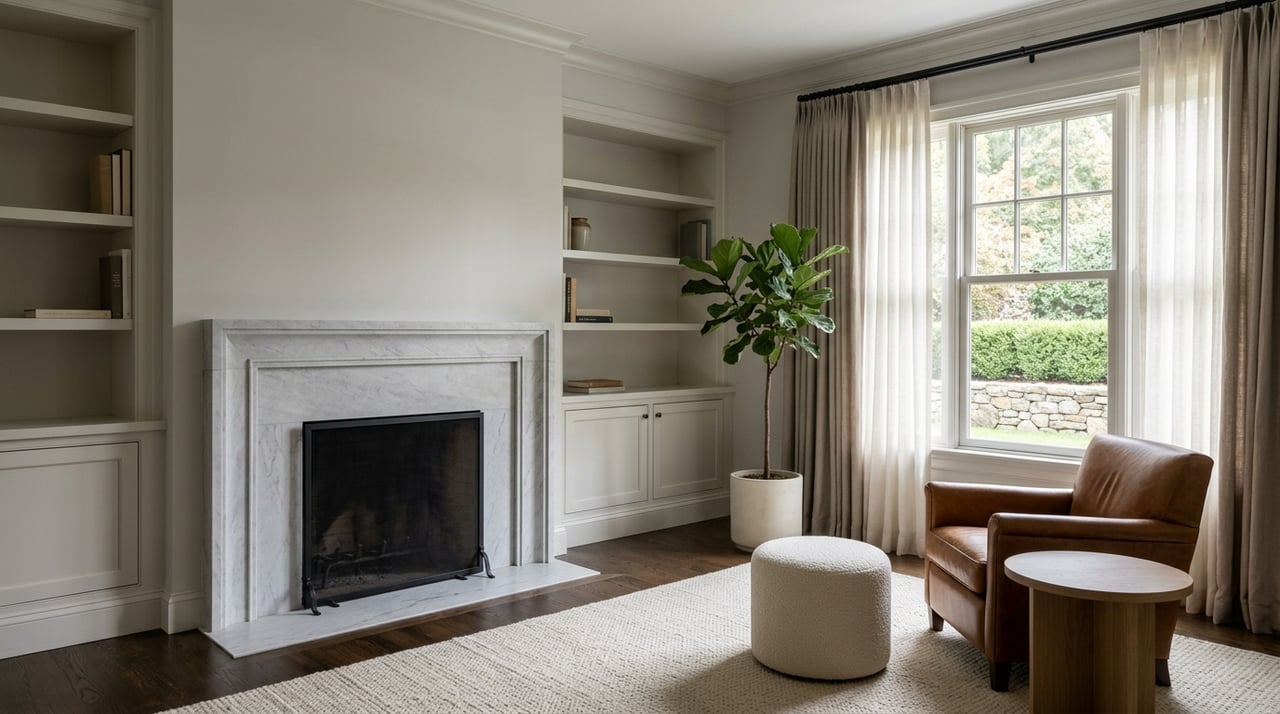
Decluttering is not about making your home feel empty. It is about helping buyers see space, light, and function while also making your own move easier.
AARP suggests intentional keep, donate, and toss decisions, with a simple question in mind: does this still fit your life now? That mindset can be more useful than trying to organize everything at once.
Focus on the Rooms That Matter Most
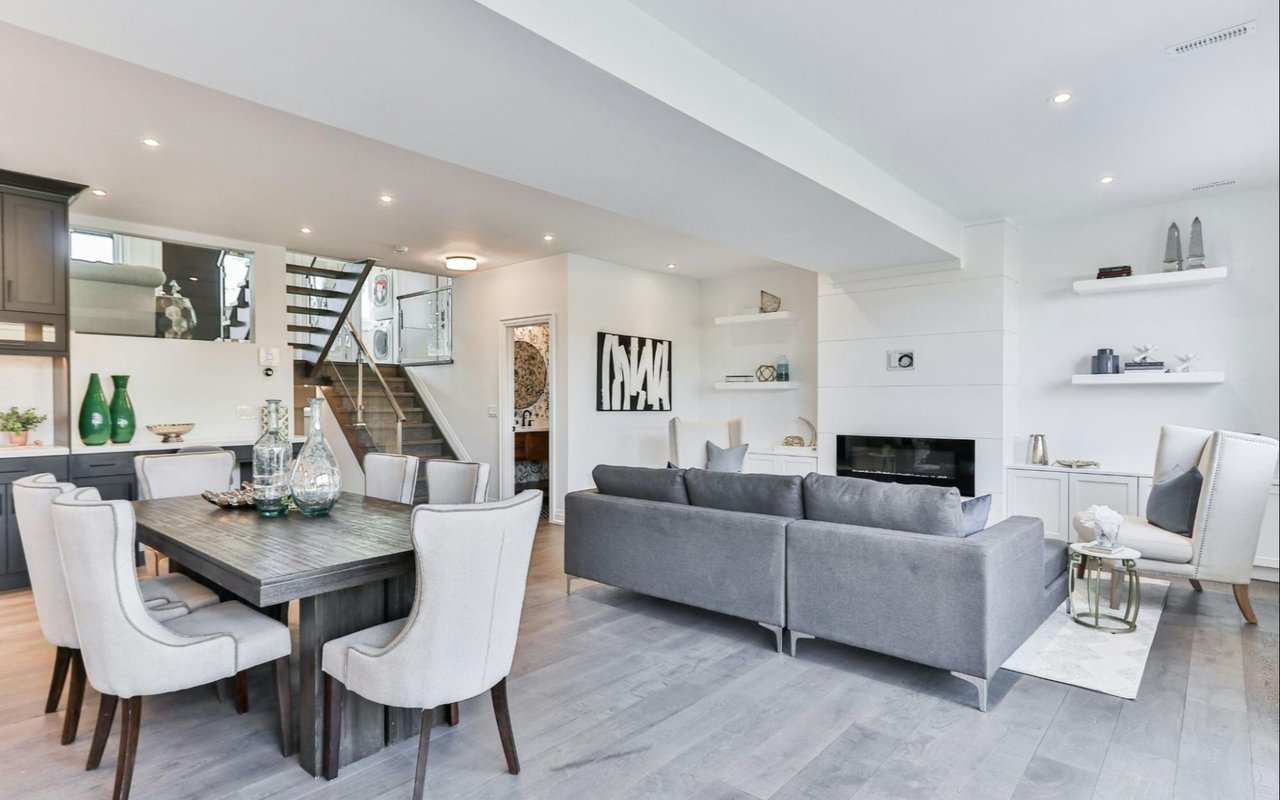
According to the National Association of Realtors' 2025 staging report, 83% of buyers’ agents said staging made it easier for buyers to visualize a property as their future home. The living room, primary bedroom, and kitchen were identified as the most important rooms to stage.
That means your effort should go where buyers tend to form their first impressions. Clear surfaces, neutral styling, and strong presentation in these spaces often matter more than elaborate updates throughout the house.
Choose Targeted Improvements
The 2025 Remodeling Impact Report points to a practical strategy: focus on limited, targeted work. Realtors most often recommended painting the entire home, painting a single interior room, and installing a new roof, while demand was strongest for kitchen upgrades, new roofing, and bathroom renovations.
For many Bryn Mawr sellers, the best pre-listing work is simpler than expected:
- Fresh neutral paint
- Deep cleaning
- Roof or mechanical maintenance
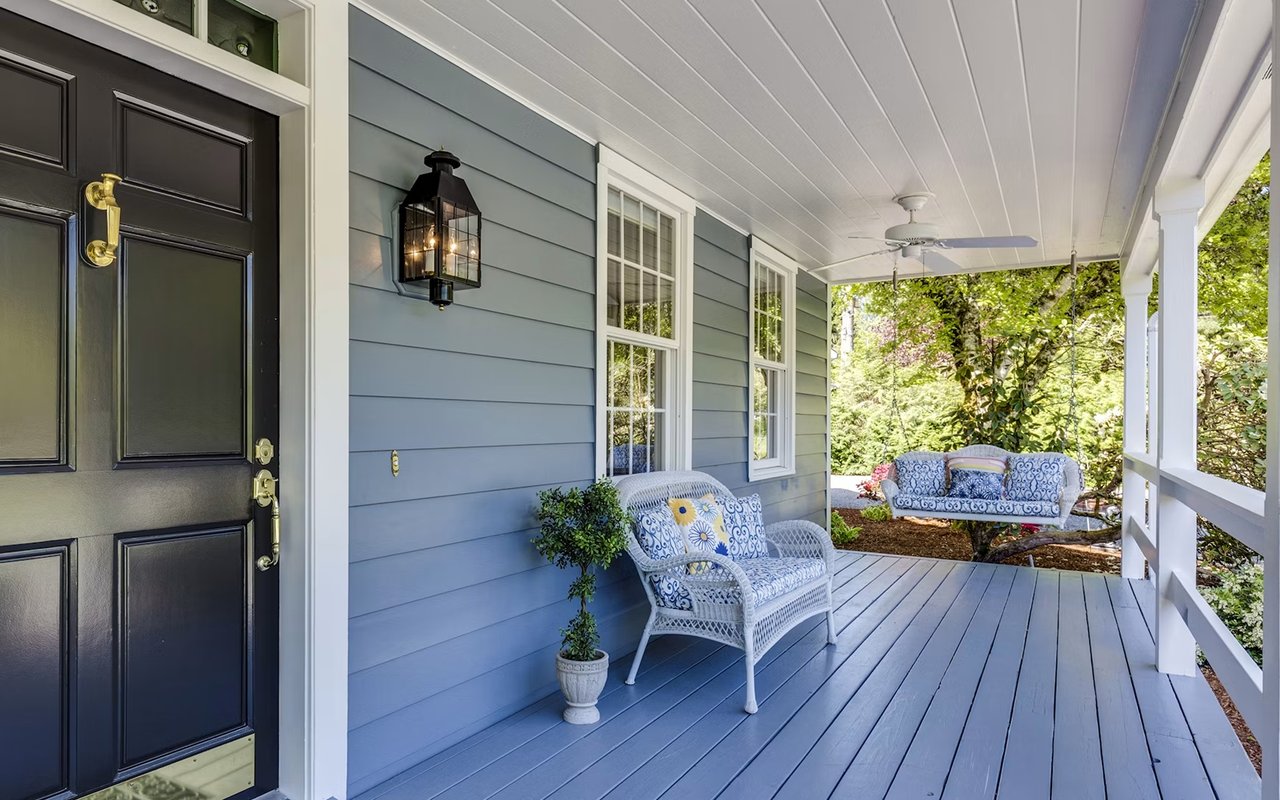
- Curb appeal touch-ups
- Minor repairs that buyers will notice quickly
- Closet and storage improvements where practical
The goal is not to create the most renovated house on the market. The goal is to remove distractions, show good care, and present the home with confidence.
Think in Terms of Net Proceeds
Downsizing decisions are often framed around one question: How much can I sell for? That matters, but it is only part of the picture.
A stronger way to evaluate your move is to think in terms of net proceeds and future carrying costs. A high sale price is helpful, but so are clean offer terms, strong financing, manageable inspection exposure, and a clear path to your next home.
This is especially important in a market with limited inventory and higher borrowing costs. The best offer is not always the one with the biggest headline number. It is the one that leaves you in the strongest overall position.
Key Money Issues to Review Early
Before you list, it helps to review a few financial details that can affect your comfort level and your next-step strategy.
Capital Gains May Matter
The IRS says many homeowners may exclude up to $250,000 of gain, or up to $500,000 for many married joint filers, on the sale of a principal residence if ownership and use tests are met. The IRS also notes that the sale may still need to be reported if Form 1099-S is issued.
That does not mean every seller will owe tax, but it does mean you should understand your position early. If you have owned your home for a long time and seen major appreciation, this is worth reviewing before you make decisions.
Property Taxes Still Matter After You Downsize
A smaller home does not always mean small carrying costs. Lower Merion’s 2026 budget materials show a total real estate tax example rate of 45.817 mills, with estimated annual real estate taxes of $13,171 on a $287,600 assessed home, $18,318 on a $400,000 assessed home, and $22,898 on a $500,000 assessed home.
That is an important reality check for anyone assuming a move will automatically bring dramatic monthly savings. Your next home may reduce maintenance and space, but taxes, association fees, and financing still need careful review.
State Relief Programs May Help Some Homeowners
Pennsylvania’s Property Tax/Rent Rebate Program may be relevant for some older homeowners. The Pennsylvania Department of Revenue says eligible seniors, widows and widowers, and residents with disabilities can receive rebates up to $1,000, and the 2025 application season is open through December 31, 2026.
If you may qualify, it is worth factoring that into your broader move planning. Programs like this will not drive the entire decision, but they can support your budgeting.
Why Planning Beats Waiting
Some homeowners delay downsizing because they are waiting for the perfect moment. In Bryn Mawr’s current market, a better approach is usually to prepare for a strong move rather than hold out for a flawless one.
With inventory still tight and mortgage rates elevated, realistic pricing, strong presentation, and a clear timing strategy may matter more than trying to guess the next market shift. The homeowners who tend to feel best about their move are often the ones who plan early, simplify in stages, and understand their numbers before they list.
That is where thoughtful guidance can make a real difference. When your move involves lifestyle changes, timing pressure, and financial tradeoffs, a steady plan is often what protects both your outcome and your peace of mind.
If you are thinking about downsizing in Bryn Mawr, the right strategy can help you stay local, simplify well, and move forward with clarity. To talk through timing, pricing, and what your next chapter could look like, connect with The MacDonald Team PA.
FAQs
Can you downsize in Bryn Mawr without leaving the area?
- Yes. Lower Merion’s housing mix, multifamily concentration in parts of Bryn Mawr, and growth around station areas suggest that some downsizers can stay local by considering condos, apartment-style homes, or other smaller housing options.
What should you update before listing a longtime Bryn Mawr home?
- The strongest pre-listing priorities are usually decluttering, staging key rooms, fresh paint, cleaning, and visible maintenance such as roof or mechanical issues rather than a full remodel.
Is Bryn Mawr a good market for downsizing sellers in 2026?
- Current spring 2026 data points to a tight market with limited inventory and seller-friendly conditions, which may benefit sellers, though buying your next home still requires planning.
What financial issues should Bryn Mawr downsizers review first?
- Focus on likely net proceeds, possible capital gains treatment, local property taxes, financing costs if needed, and whether you may qualify for Pennsylvania’s Property Tax/Rent Rebate Program.
Why is timing important when downsizing in Bryn Mawr?
- Timing matters because selling and buying need to work together in a low-inventory market, and today’s mortgage rates can affect affordability even when you move to a smaller home.