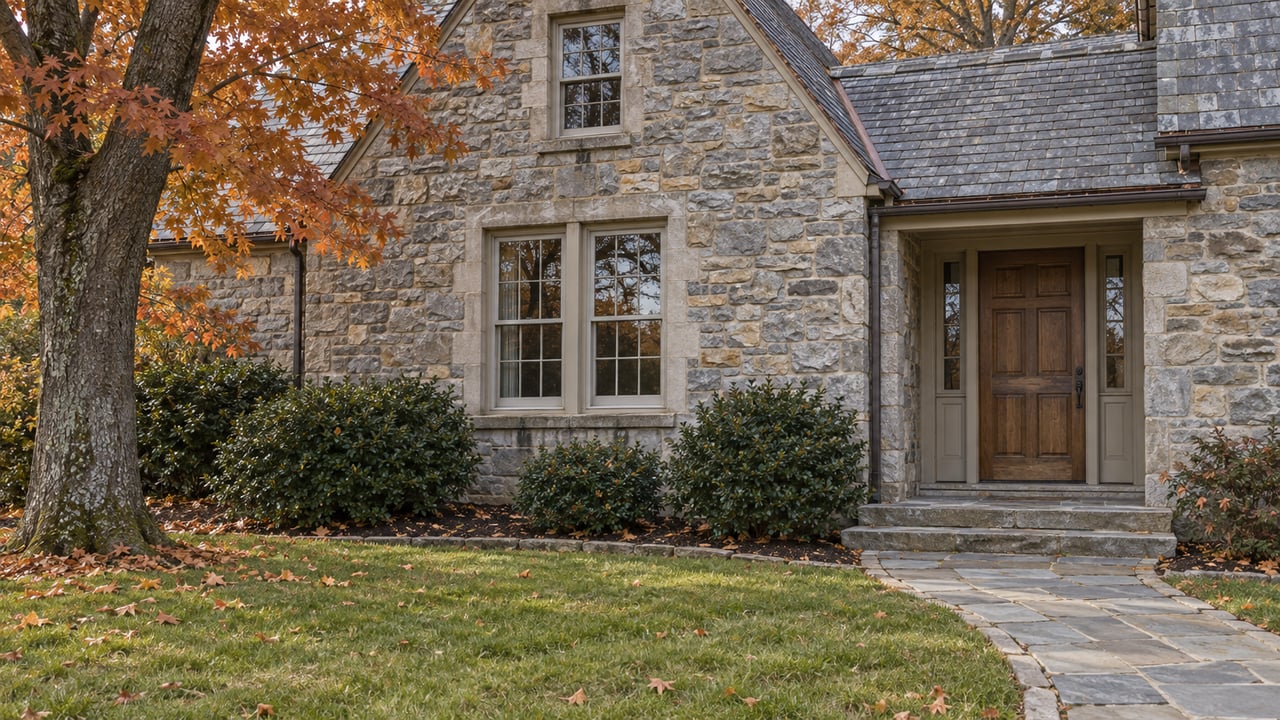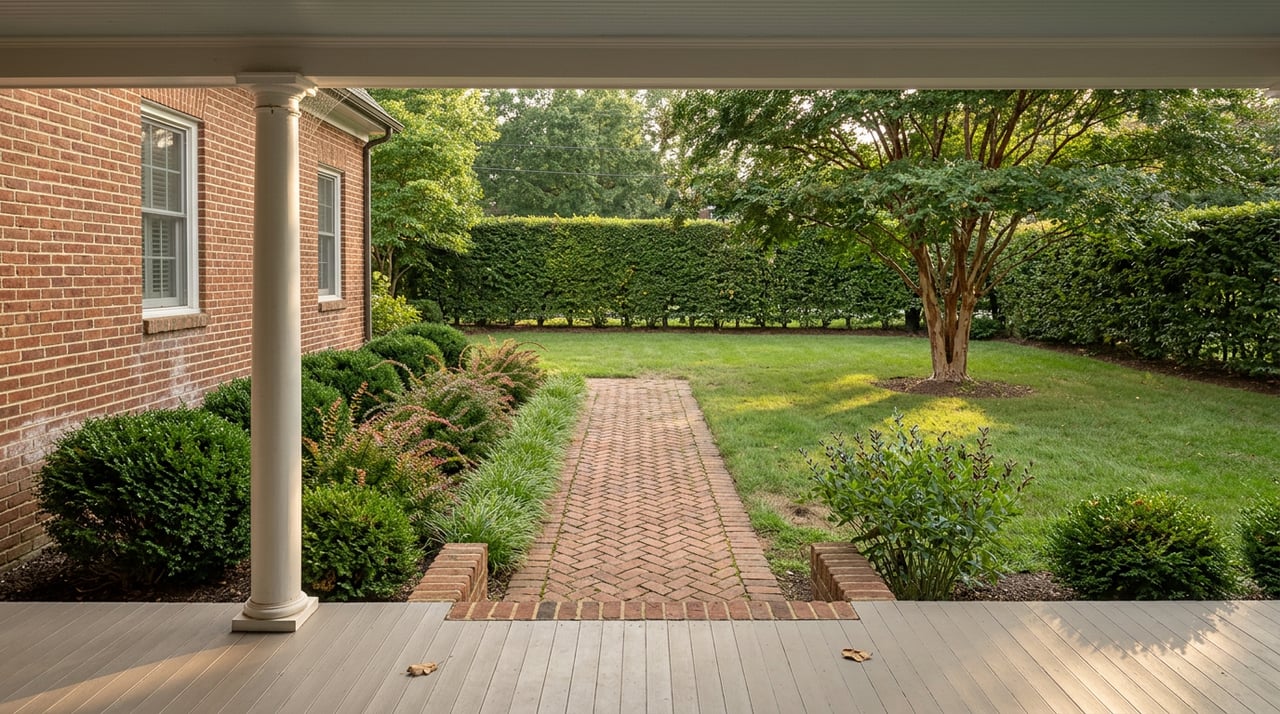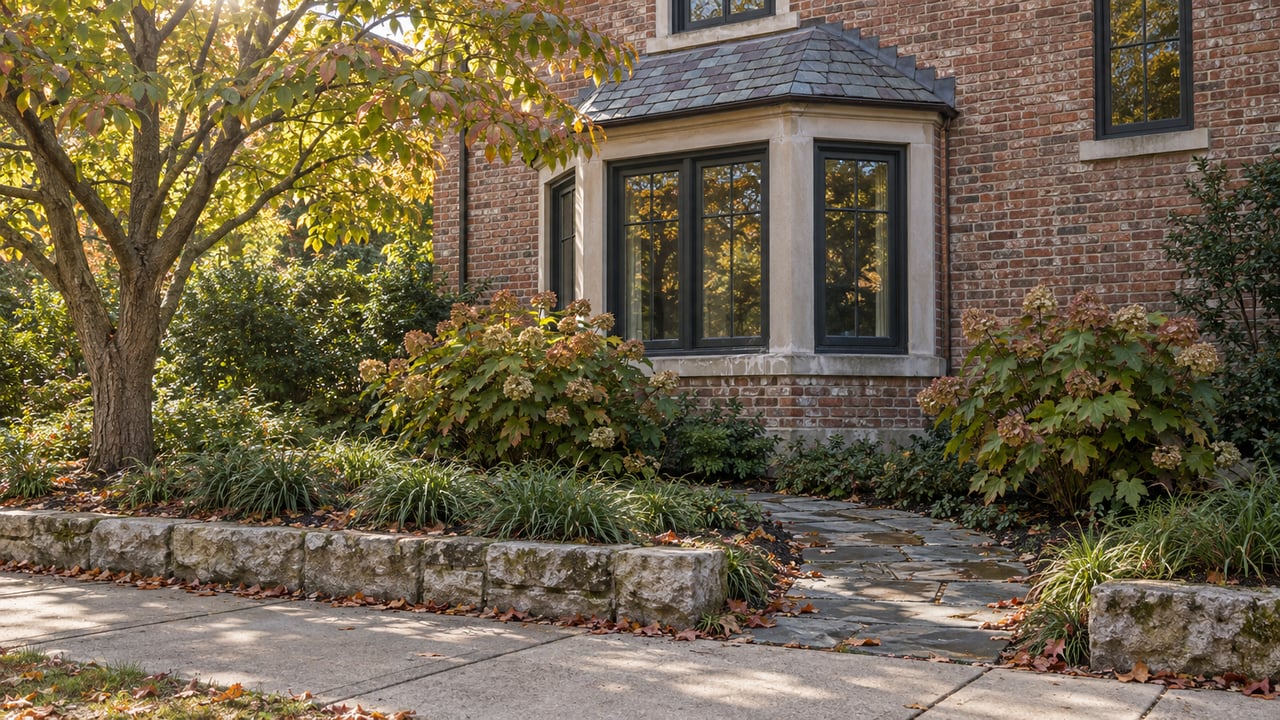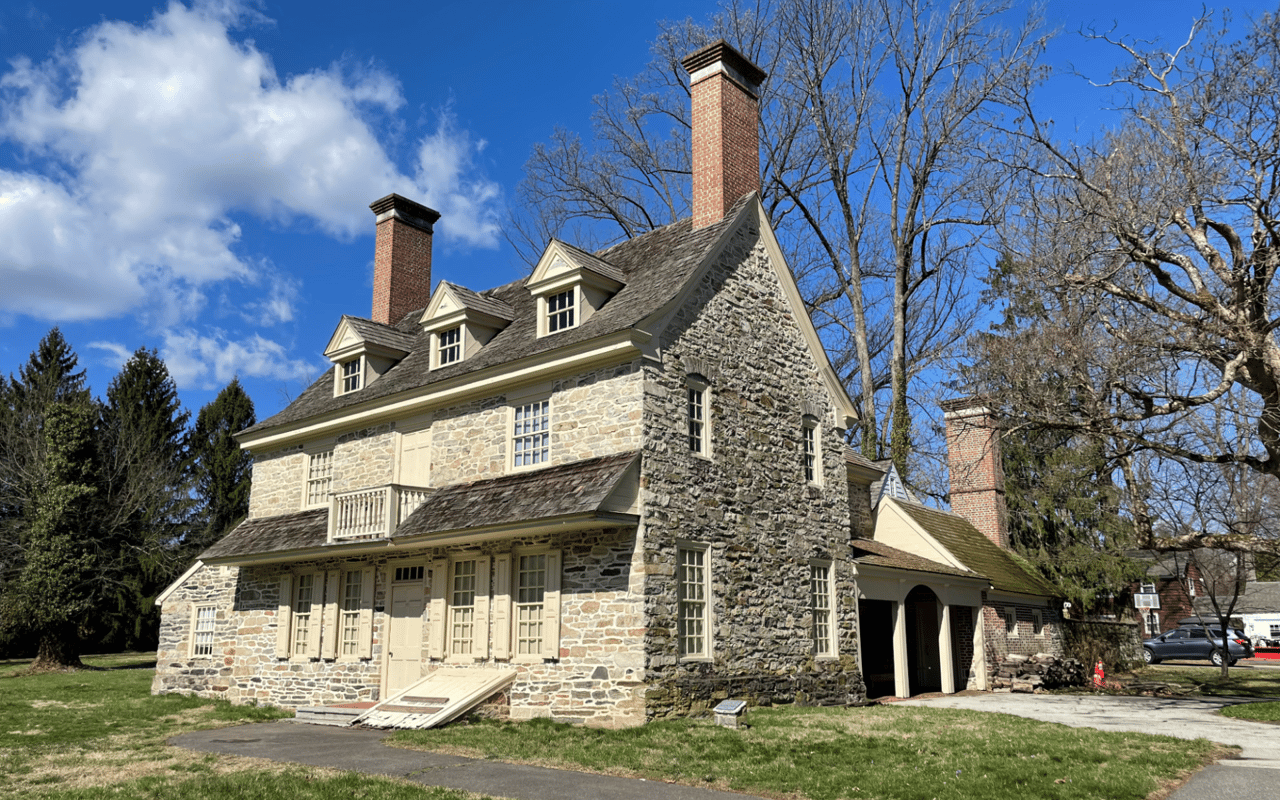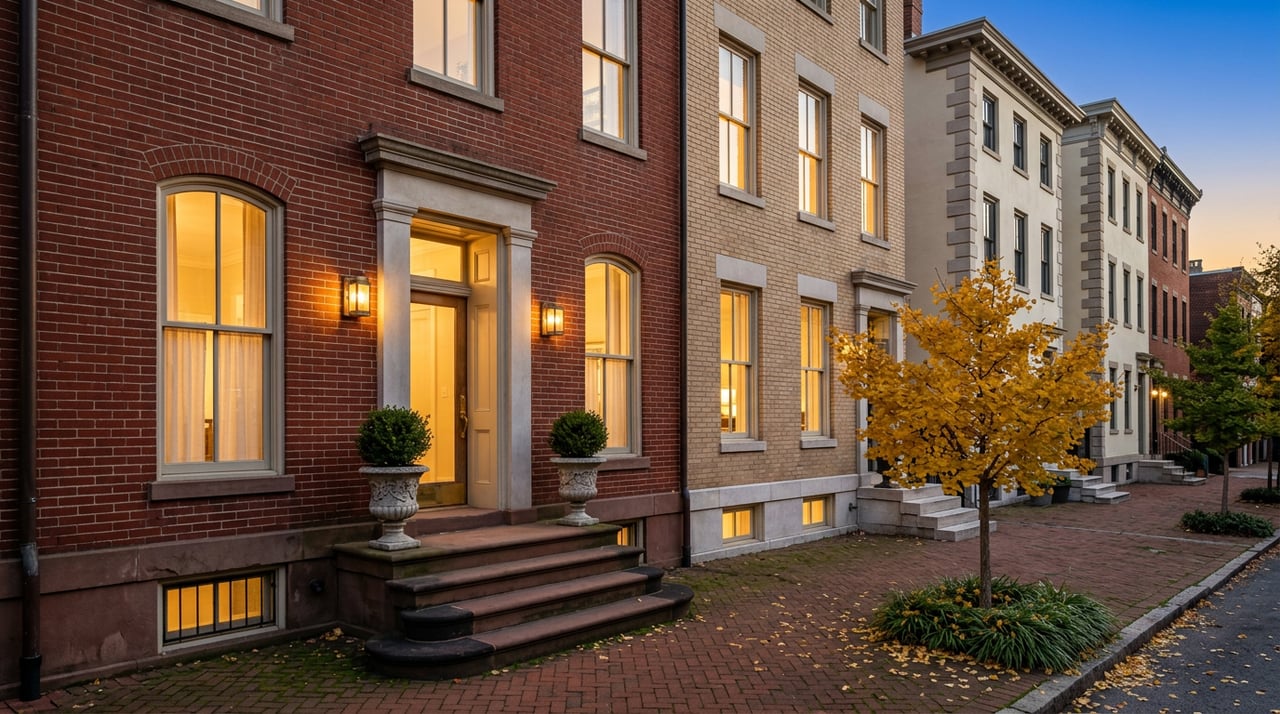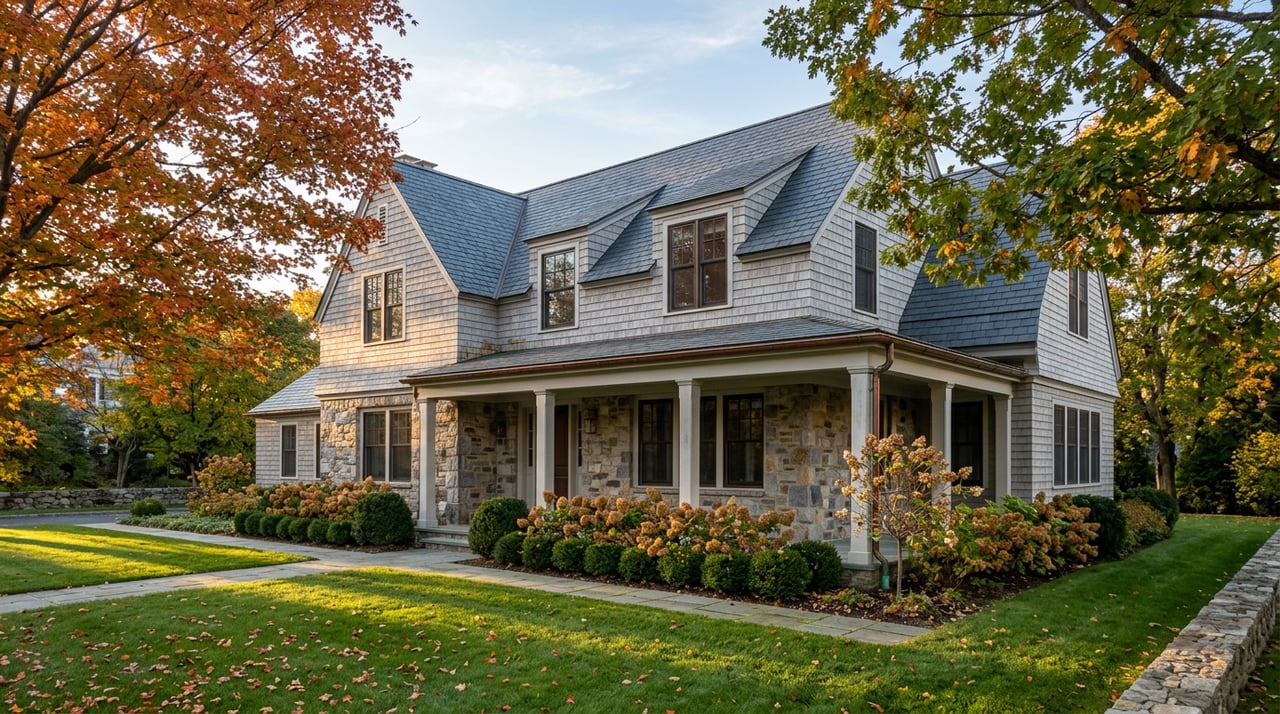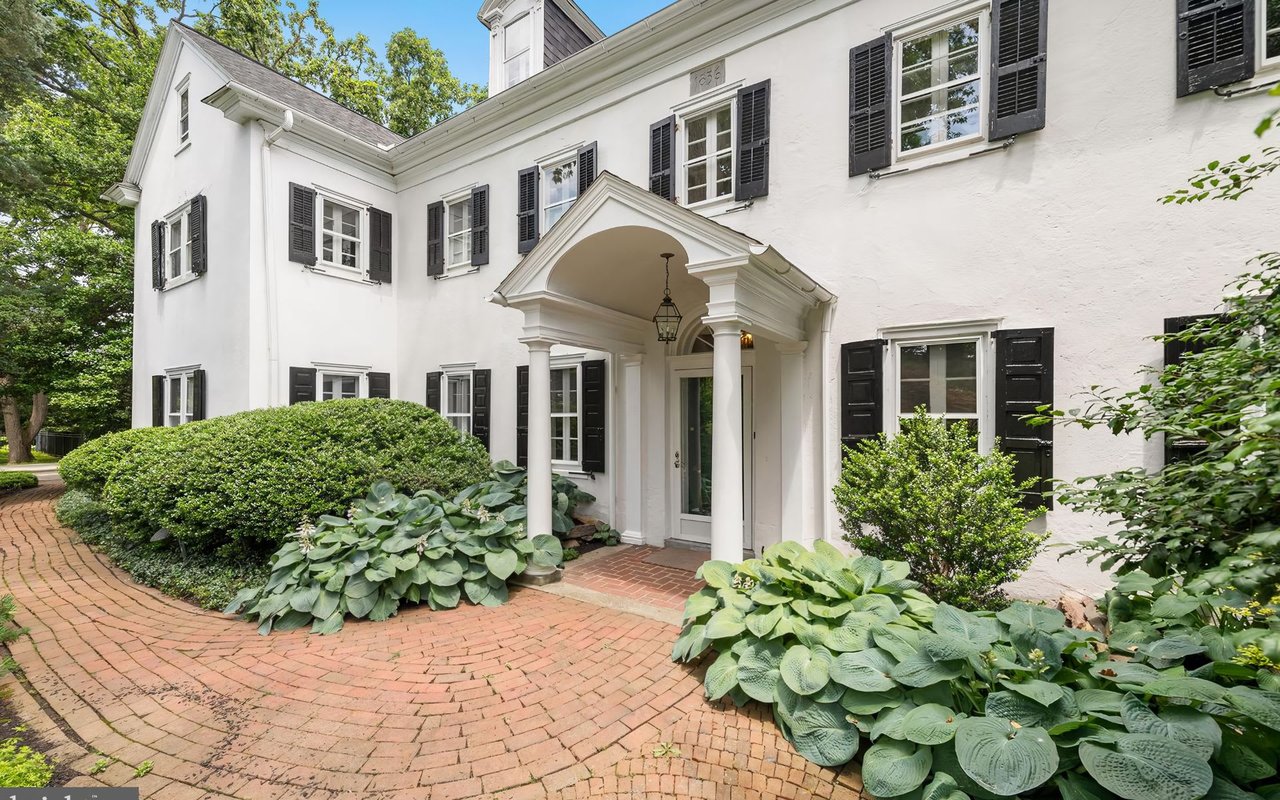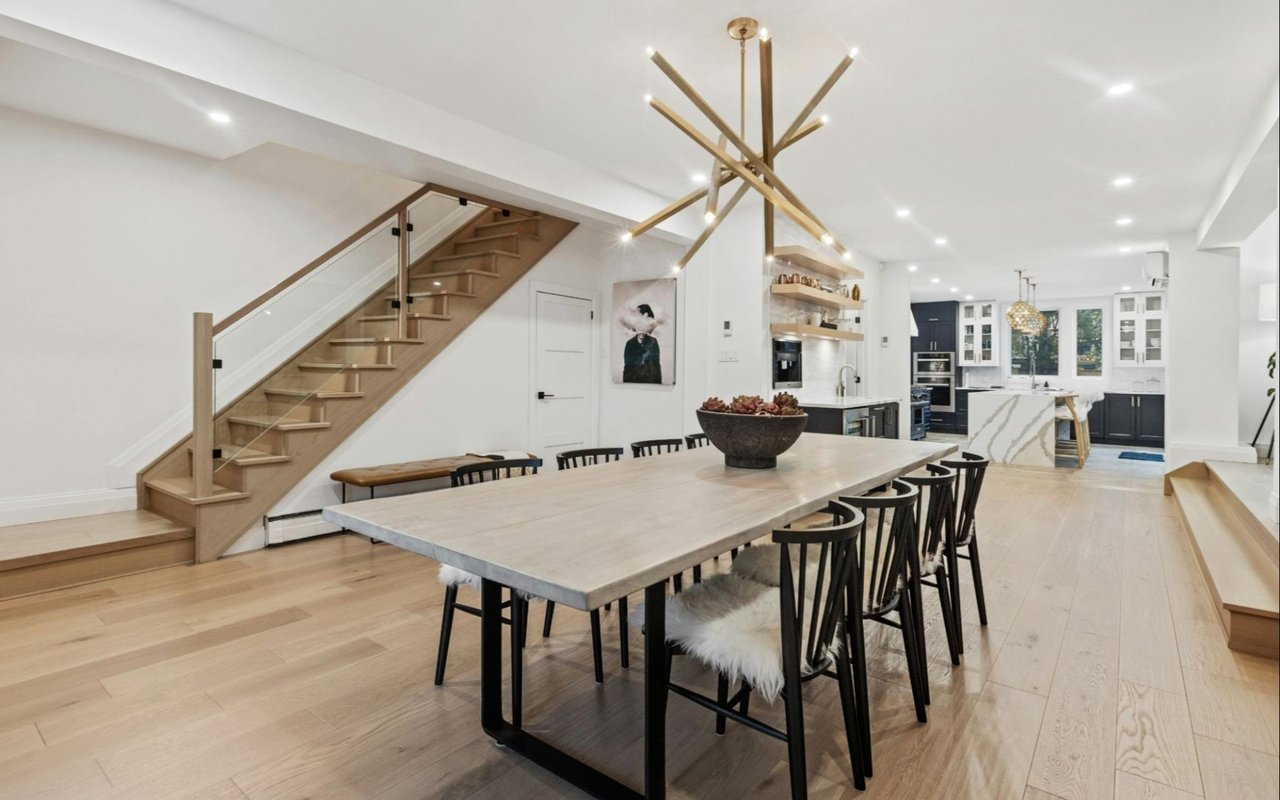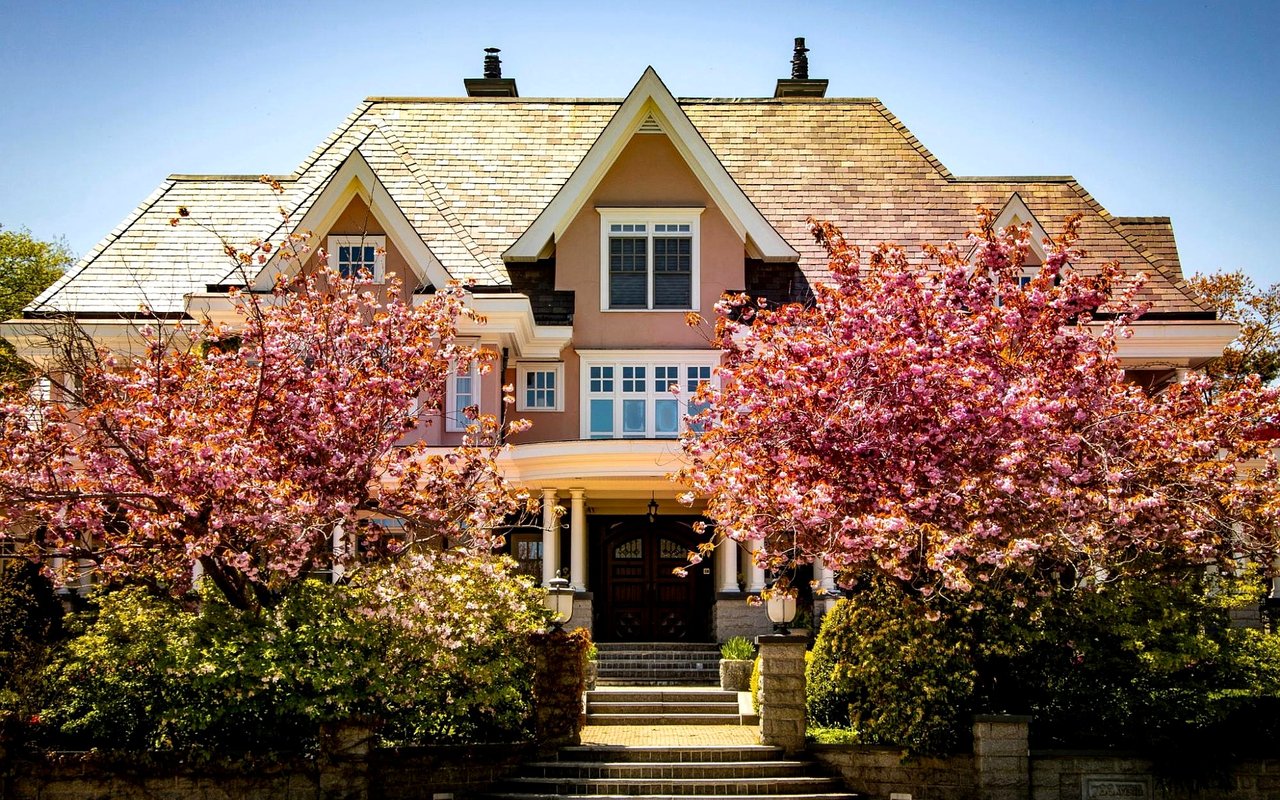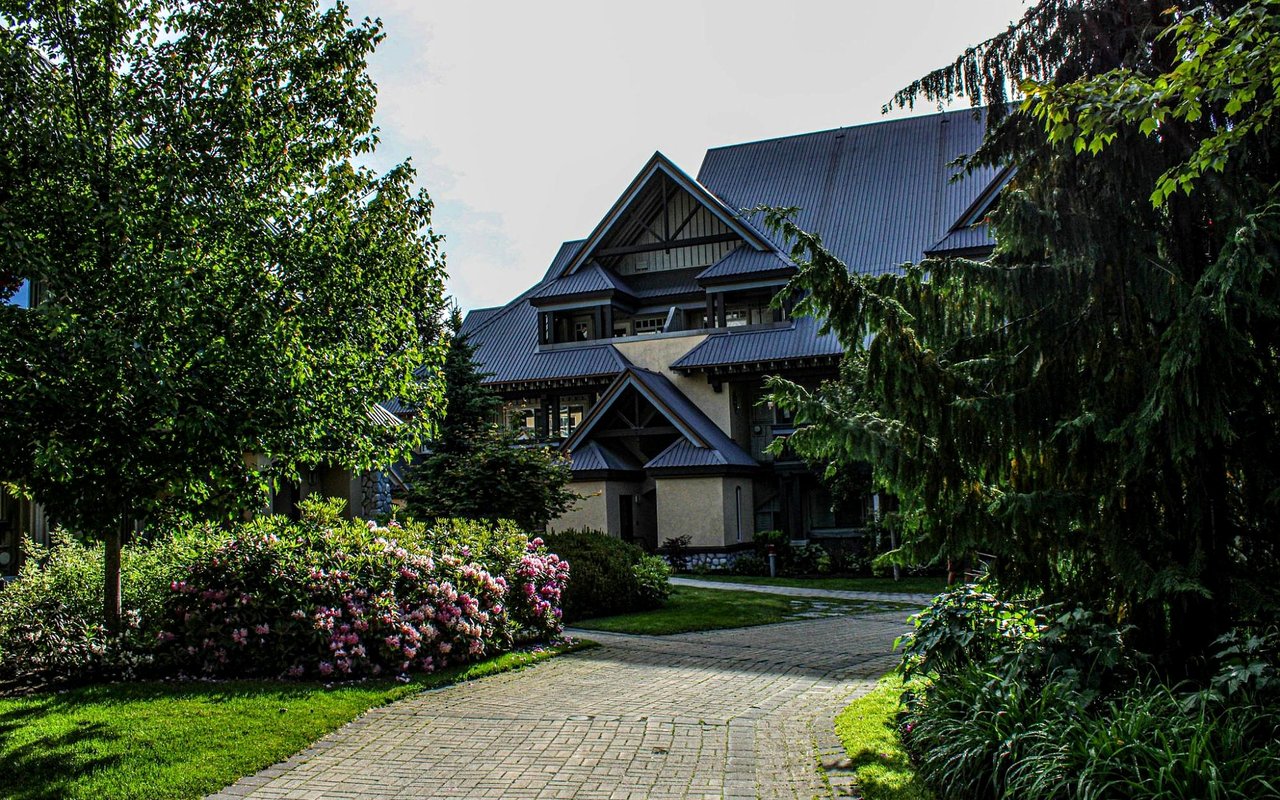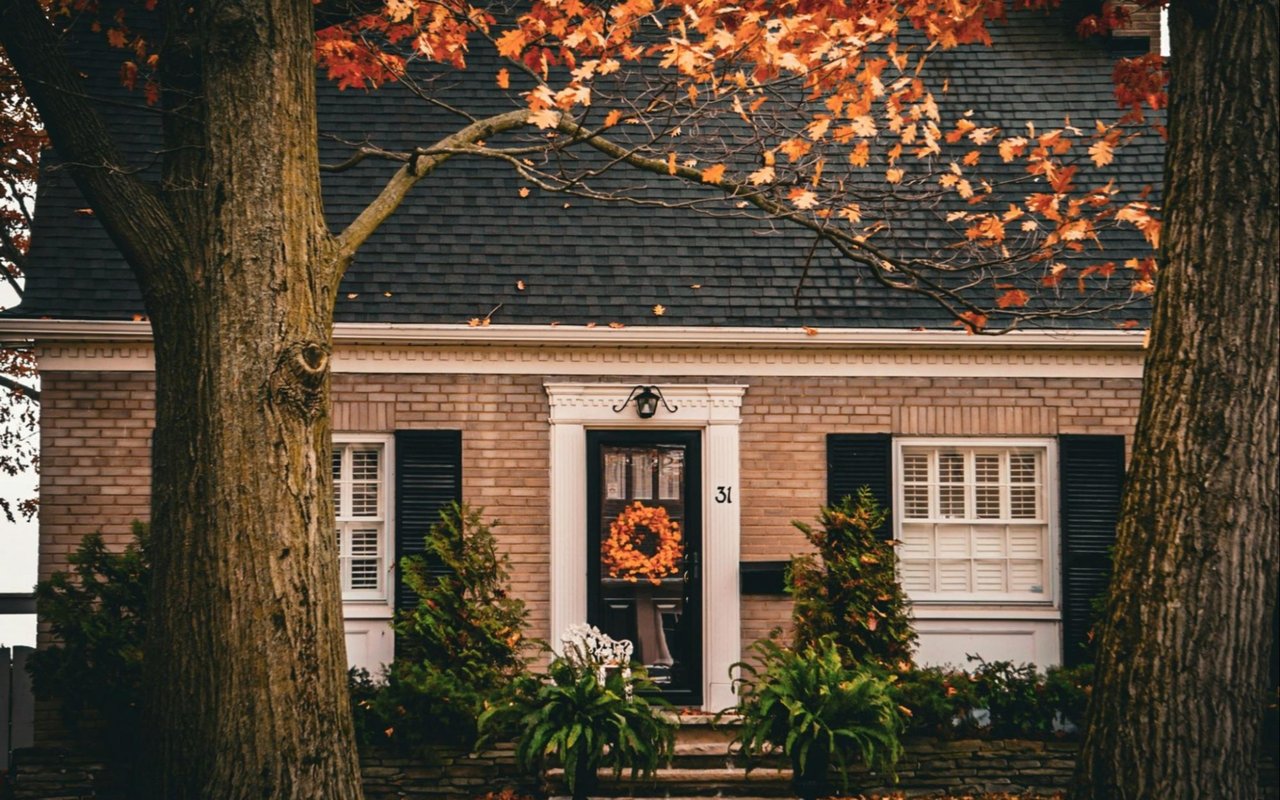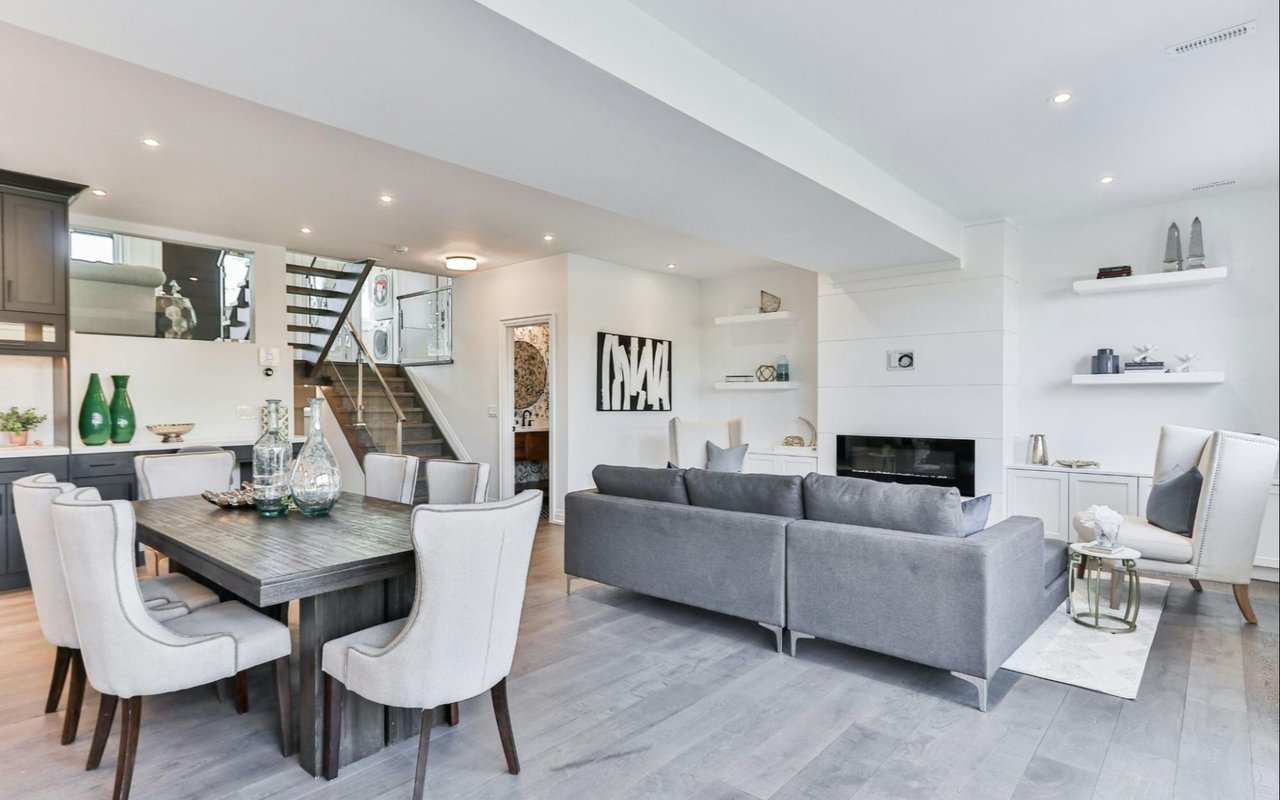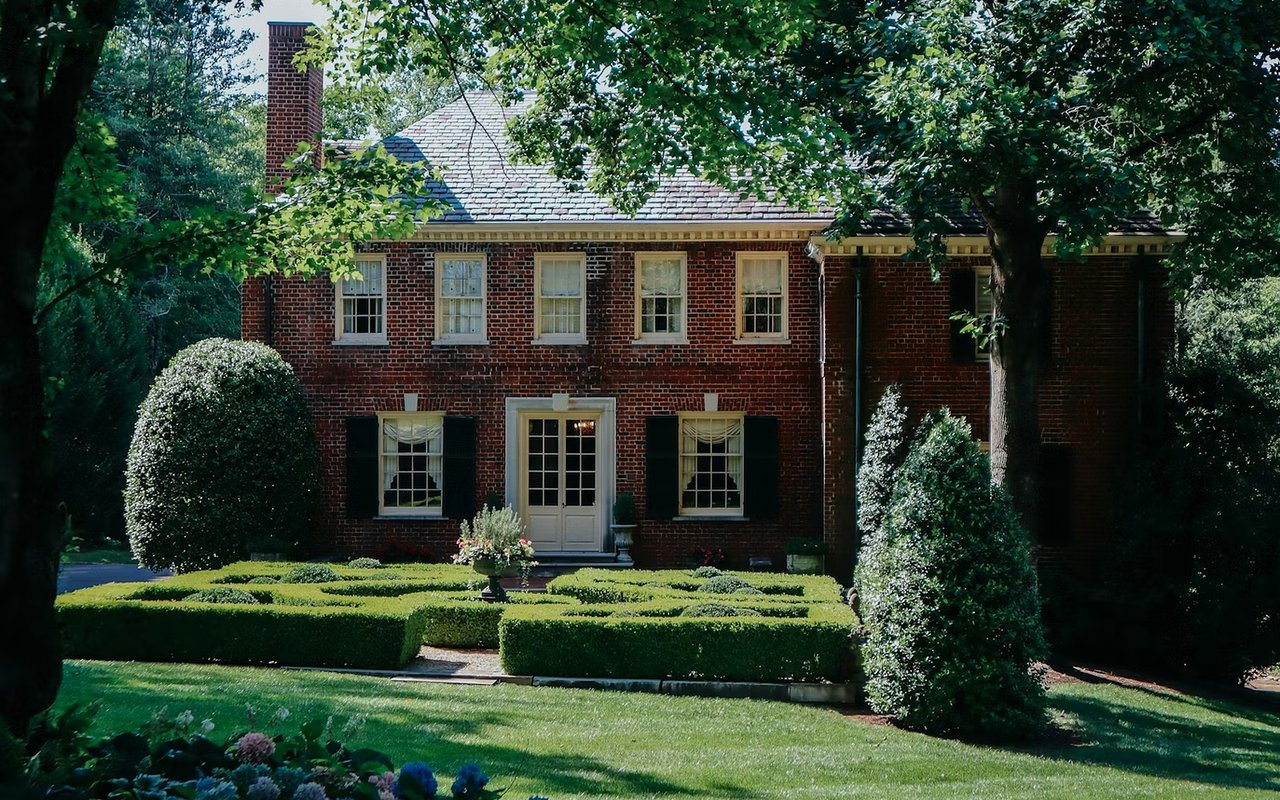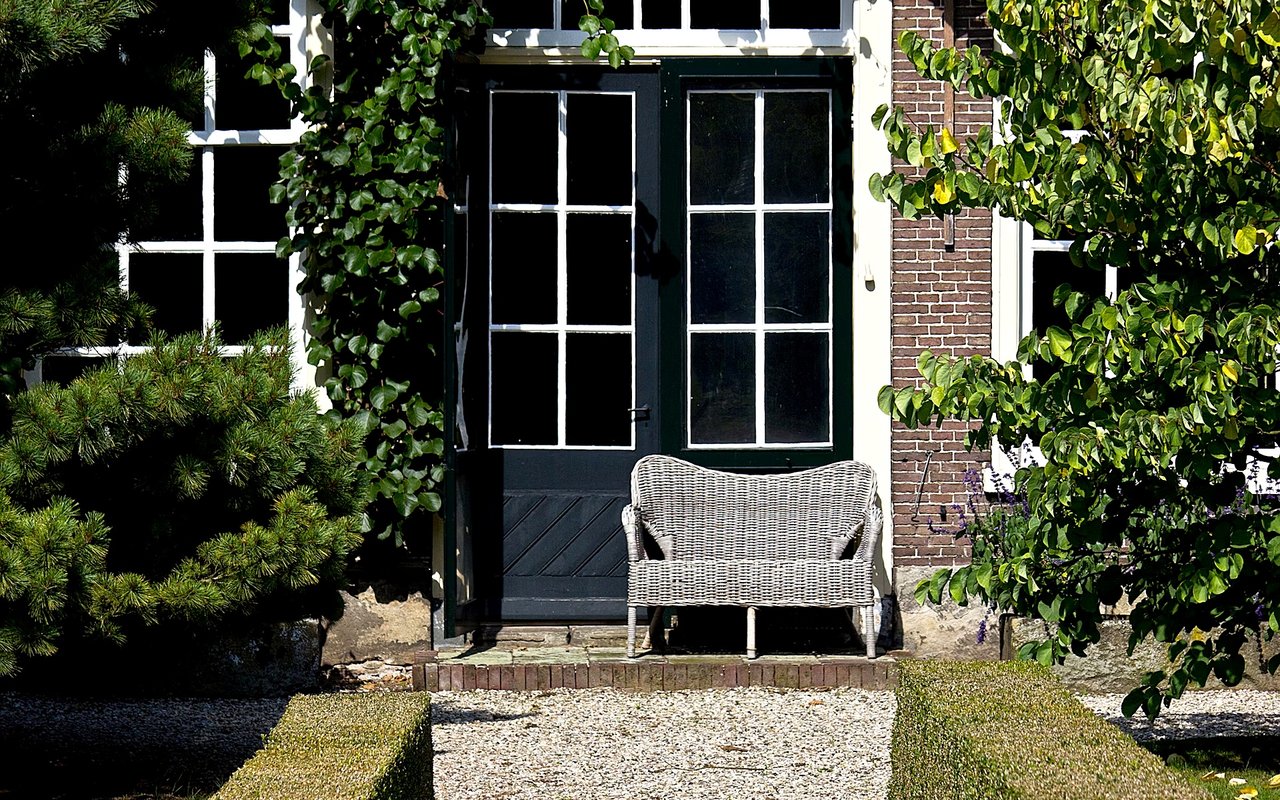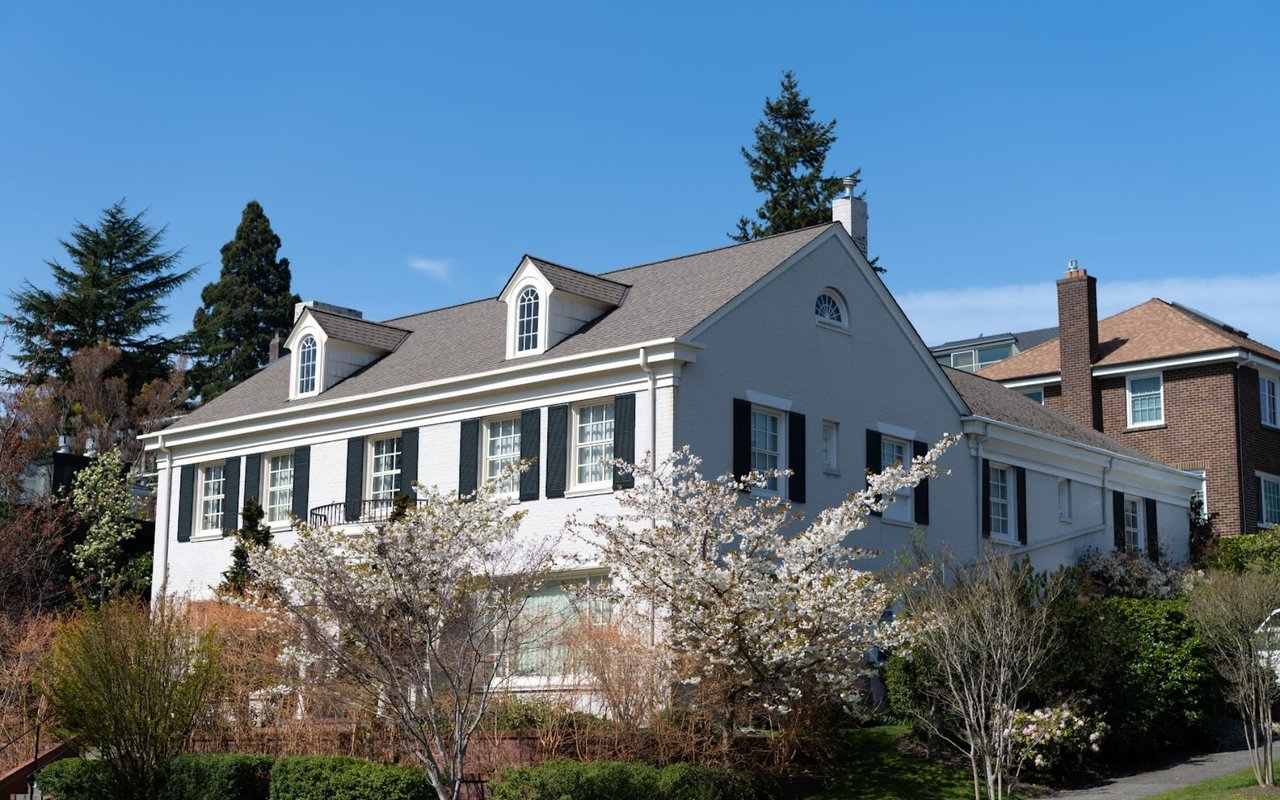
Wondering which type of home makes the most sense in Ardmore? That is a smart question, because in a compact, established community like Ardmore, your decision is not just about square footage. It is also about upkeep, privacy, walkability, commute patterns, and how much work you want to take on in an older housing market. This guide will help you compare detached homes, twins, townhomes, and condos so you can choose with more clarity and confidence. Let’s dive in.
Why home type matters in Ardmore
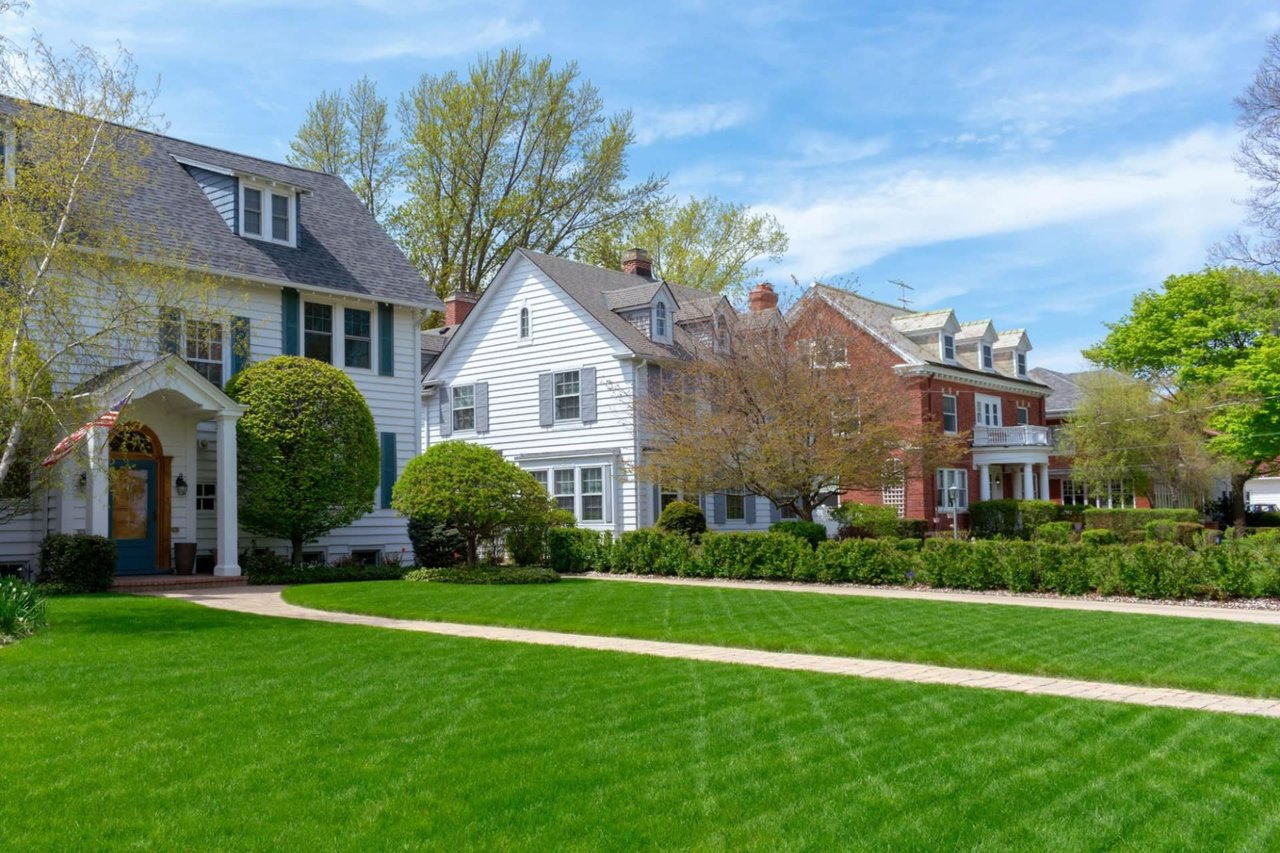
Ardmore gives you more variety than many buyers expect. Recent housing data shows a mixed housing stock, with about 21.5% detached single-family homes and 40.4% attached homes, plus a range of smaller and larger multifamily buildings. In other words, there is no one "standard" Ardmore home.
That matters because Ardmore is also a built-out community with very little vacant land for new development, according to Lower Merion Township. You are usually choosing among established housing forms in an older neighborhood fabric, not selecting from a large batch of brand-new homes. Your best fit often comes down to lifestyle more than label.
Ardmore is also dense for a Main Line community, with about 13,909 residents, roughly 6,443 housing units, and about 2 square miles of land area. SEPTA describes downtown Ardmore as the Main Street of the Main Line, with rail, bus, and Amtrak access at Ardmore Station. That mix of housing and transit means your daily routine should play a big role in what you buy.
Start with your day-to-day priorities
Before you compare property types, think about how you actually want to live. In Ardmore, the right home is often the one that best supports your routine, not the one that sounds best on paper.
Ask yourself a few practical questions:
- How much privacy do you want?
- How much exterior maintenance are you comfortable handling?
- Do you want yard space?
- How important is walkability to shops, dining, and transit?
- How often will you commute by train, bus, or car?
- Are you open to renovation work in an older home?
- Are monthly HOA dues acceptable if they reduce upkeep?
These trade-offs matter in Ardmore because transit access, parking tolerance, and walkability can shape your experience as much as the home itself. Lower Merion notes that public transportation was instrumental in the township’s development, and SEPTA says Ardmore Station is one of the busiest stops on the Paoli/Thorndale Line, with full ADA access and improved connections.
Detached homes in Ardmore
Best for privacy and control
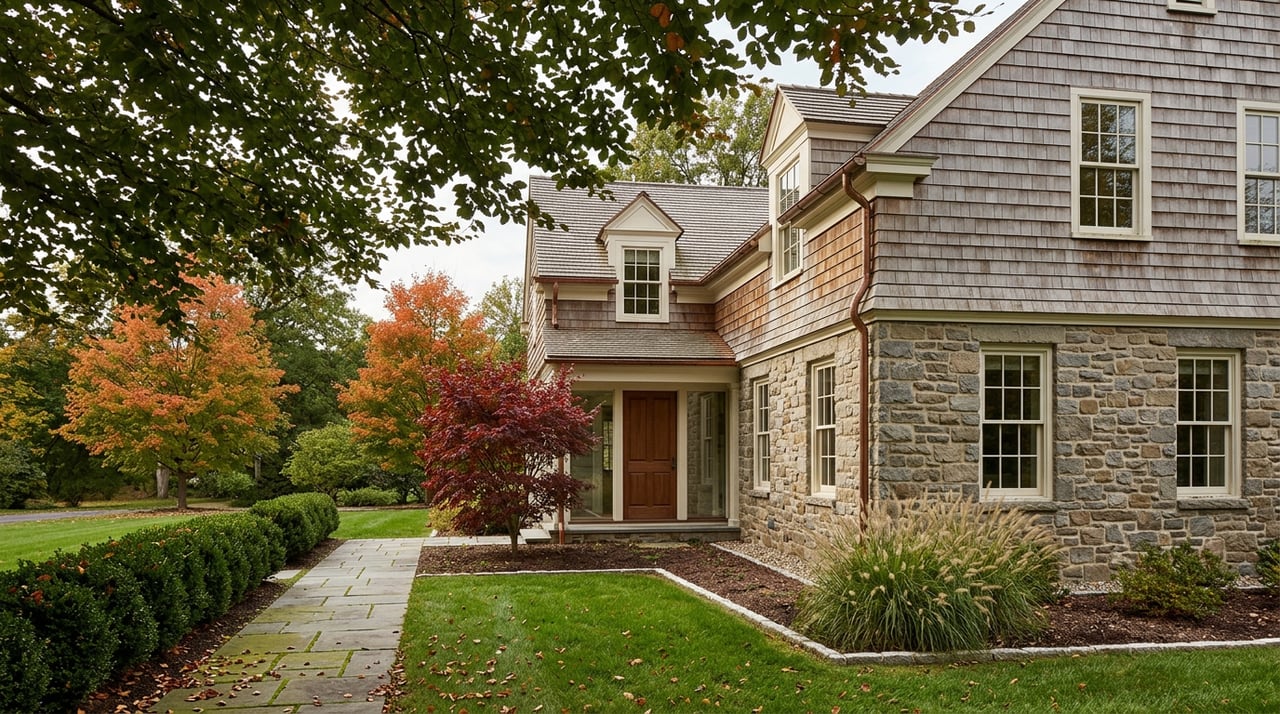
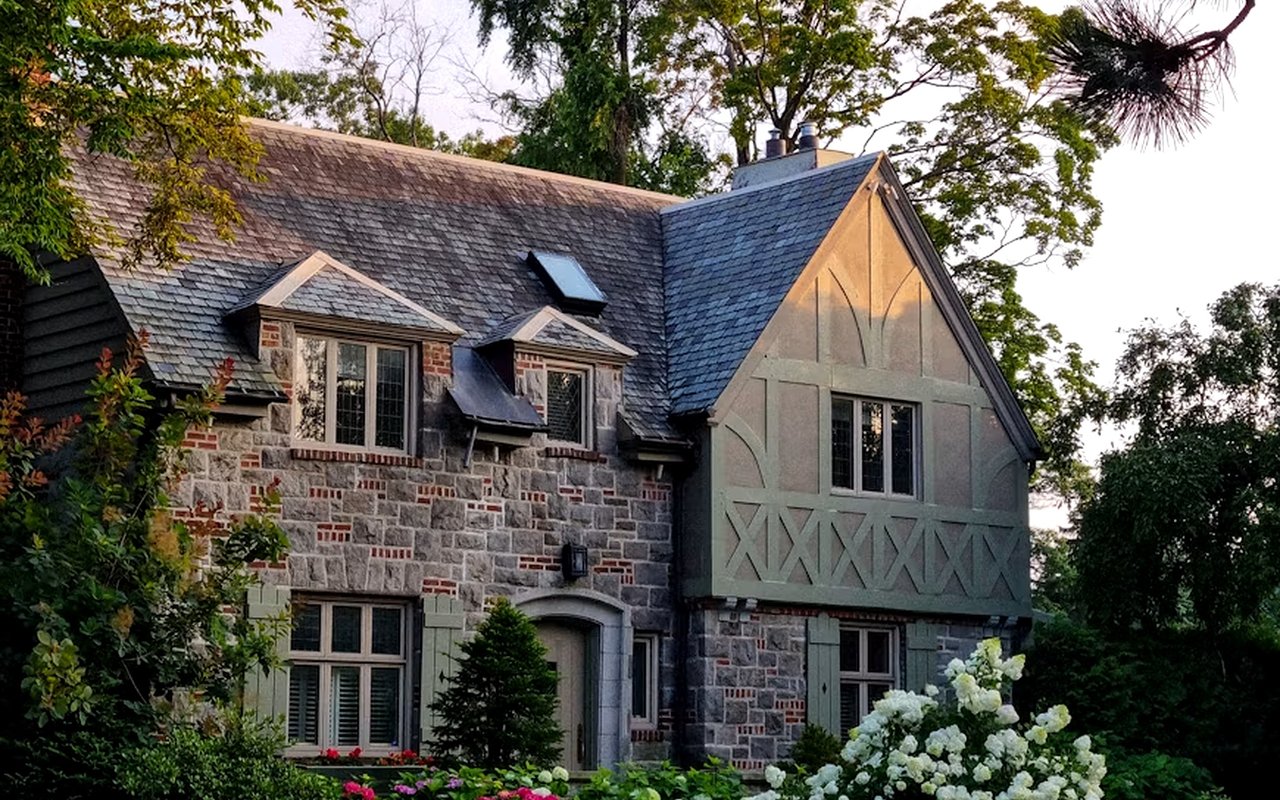
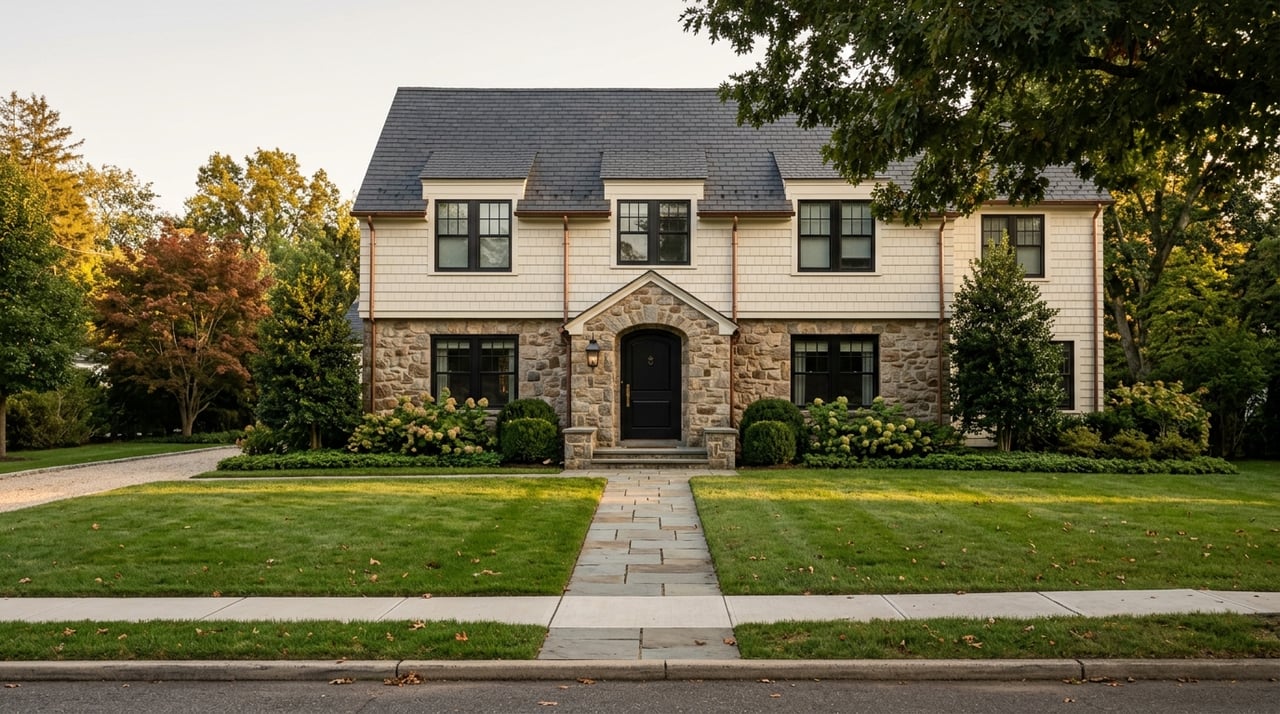
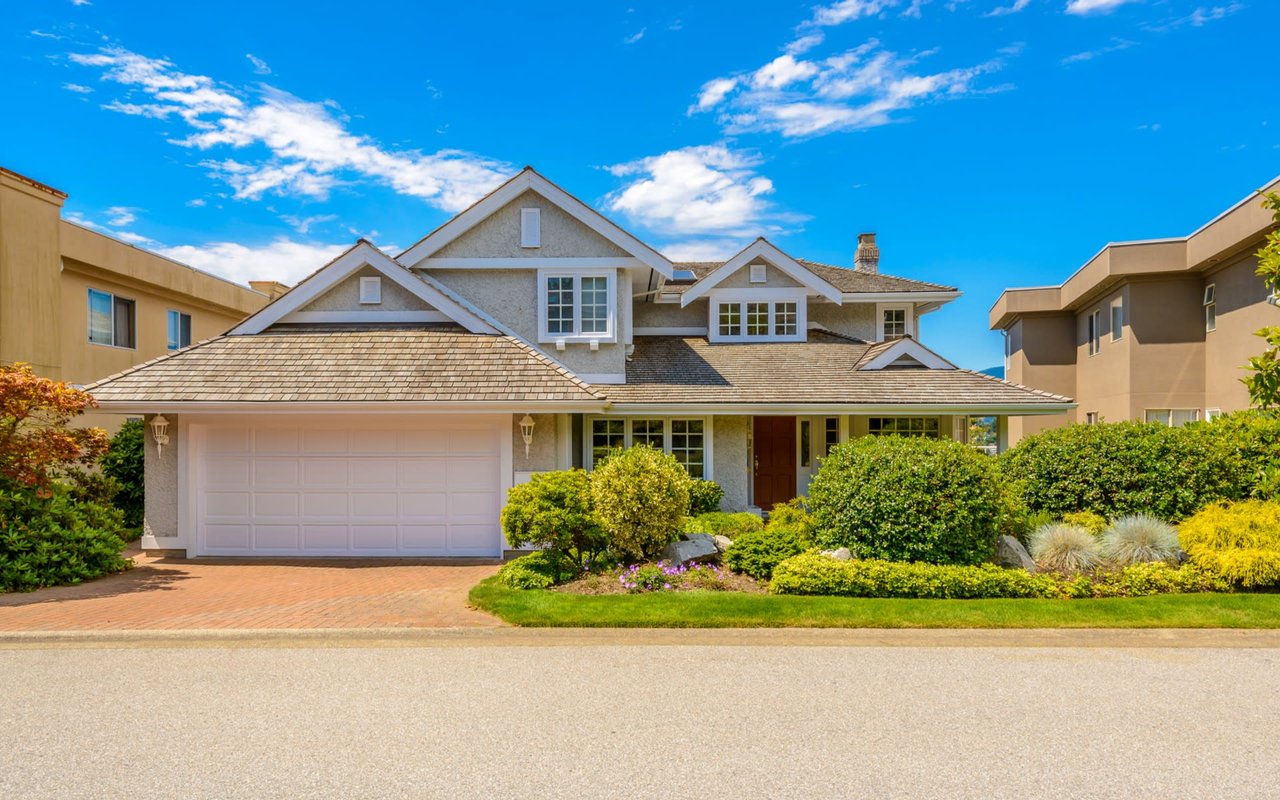
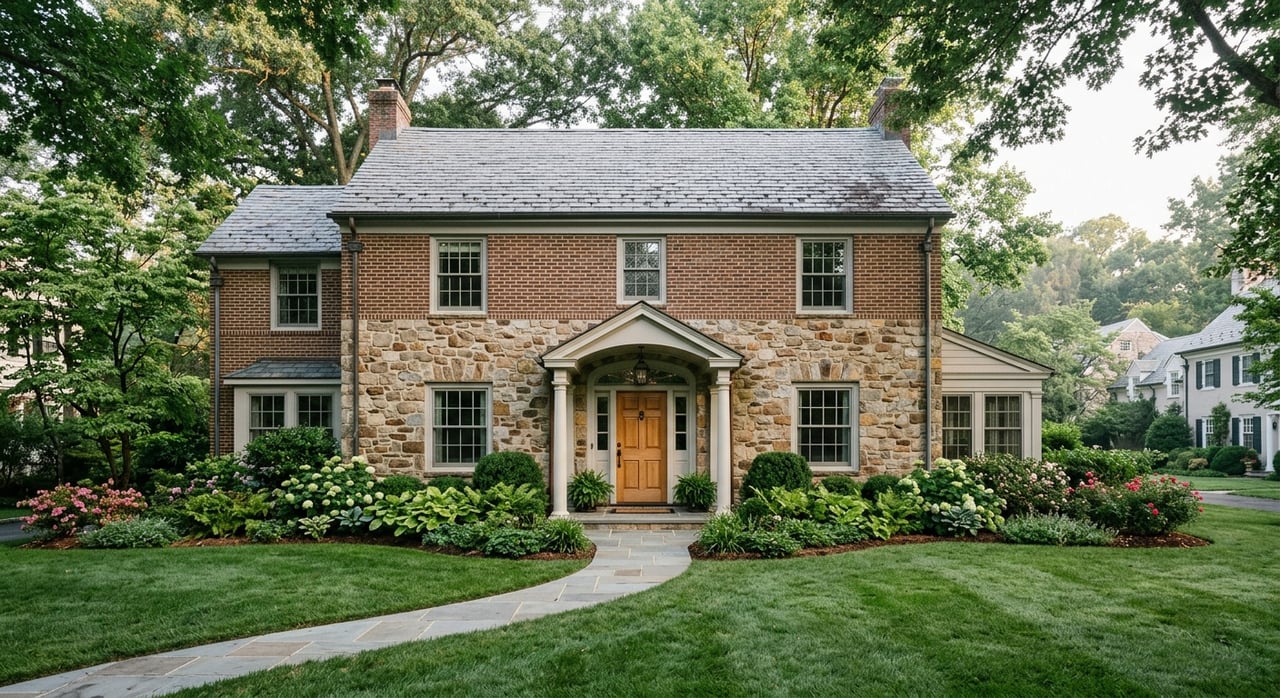
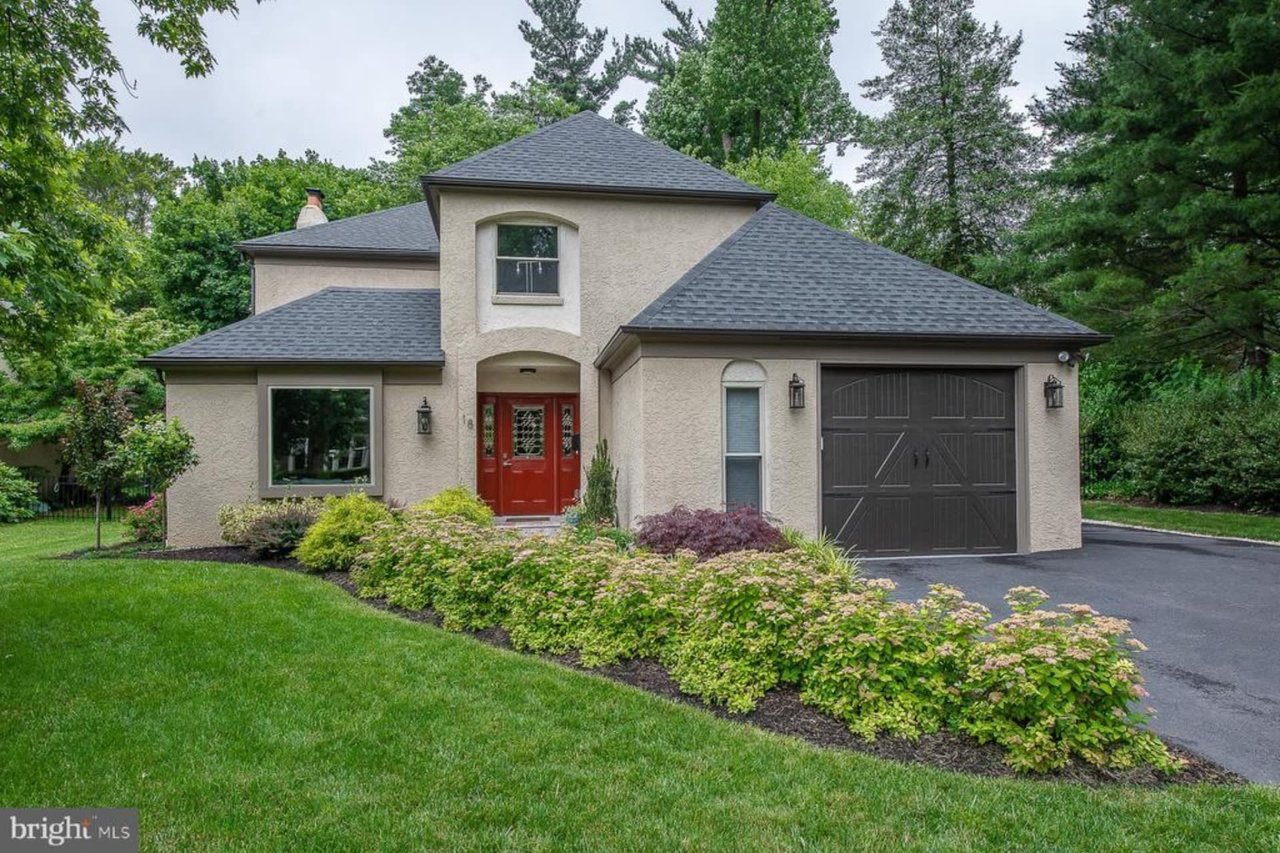
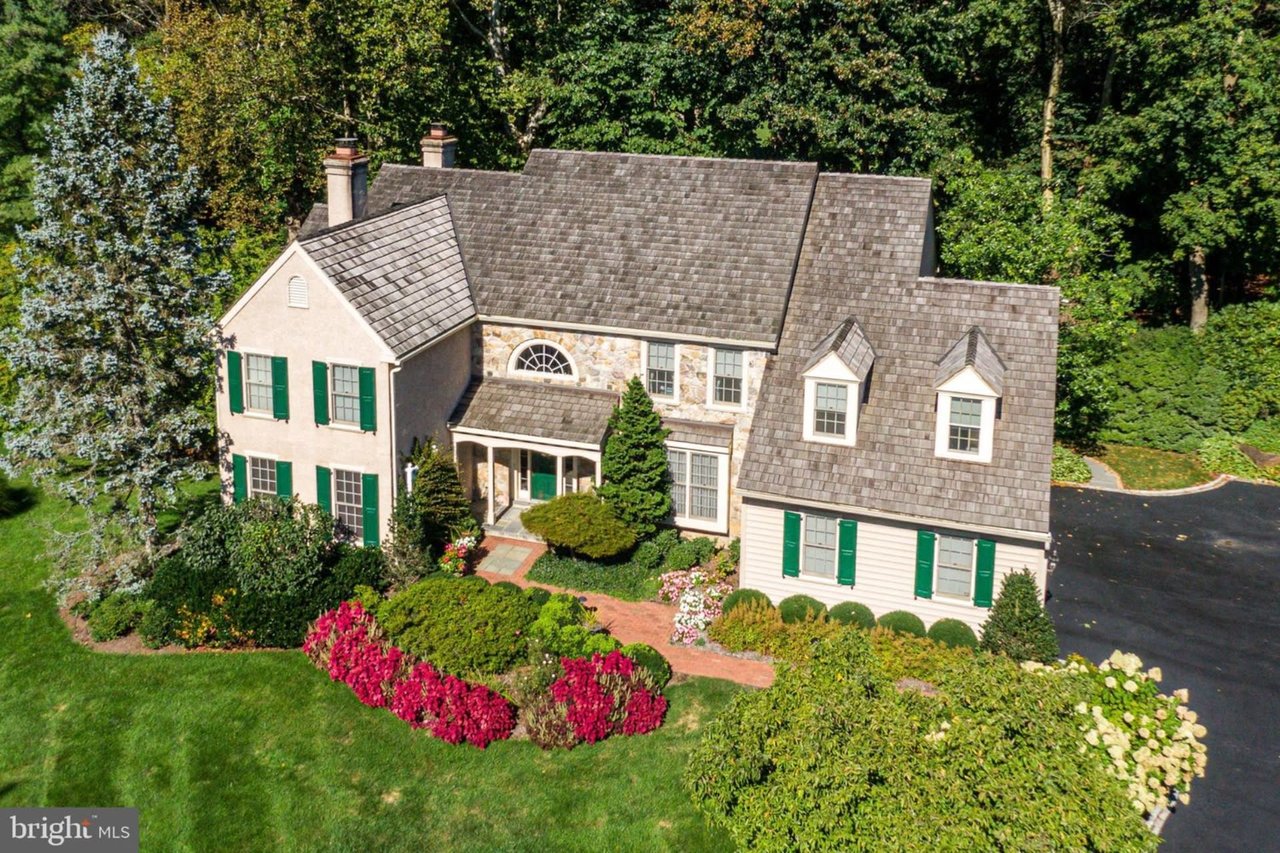
Detached homes are the classic standalone house most buyers picture first. In general, they offer the most privacy, the most yard space, and the most freedom to make changes over time. If you want separation from neighbors and full control over exterior decisions, this option may feel most natural.
In Ardmore, detached homes can be especially appealing if you value space and do not mind the added responsibility. The trade-off is that you are usually taking on the greatest maintenance burden, since the owner is typically responsible for both interior and exterior upkeep. That can include everything from roofing and siding to landscaping and drainage.
What to keep in mind
Detached homes are only a minority of Ardmore’s housing stock, so they may feel less available than attached options. That relative scarcity can matter if you are set on a standalone property in a specific part of town.
Home age matters too. About 48% of Ardmore homes were built before 1940, which makes inspection planning especially important. If you are considering an older detached home, it helps to think beyond layout and finishes and evaluate how much repair or updating you are willing to absorb.
Twins in Ardmore
Best for a house feel with a middle-ground trade-off
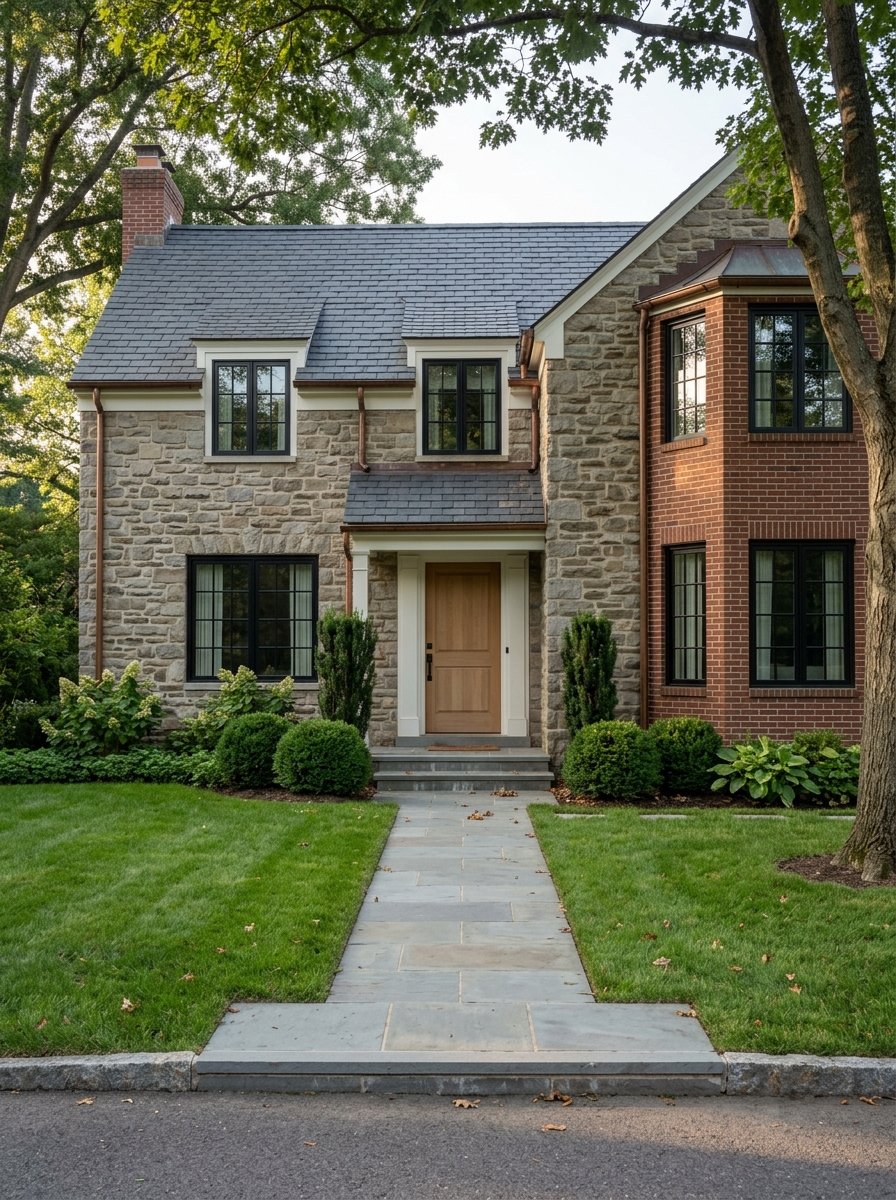
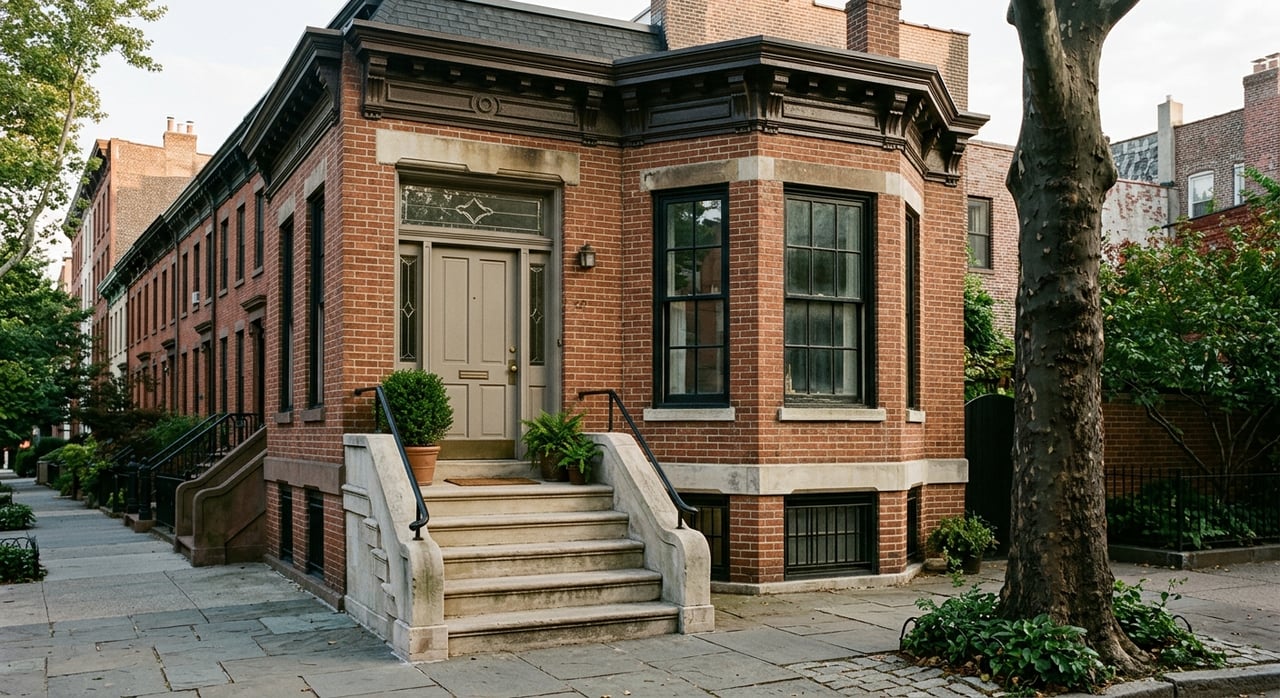
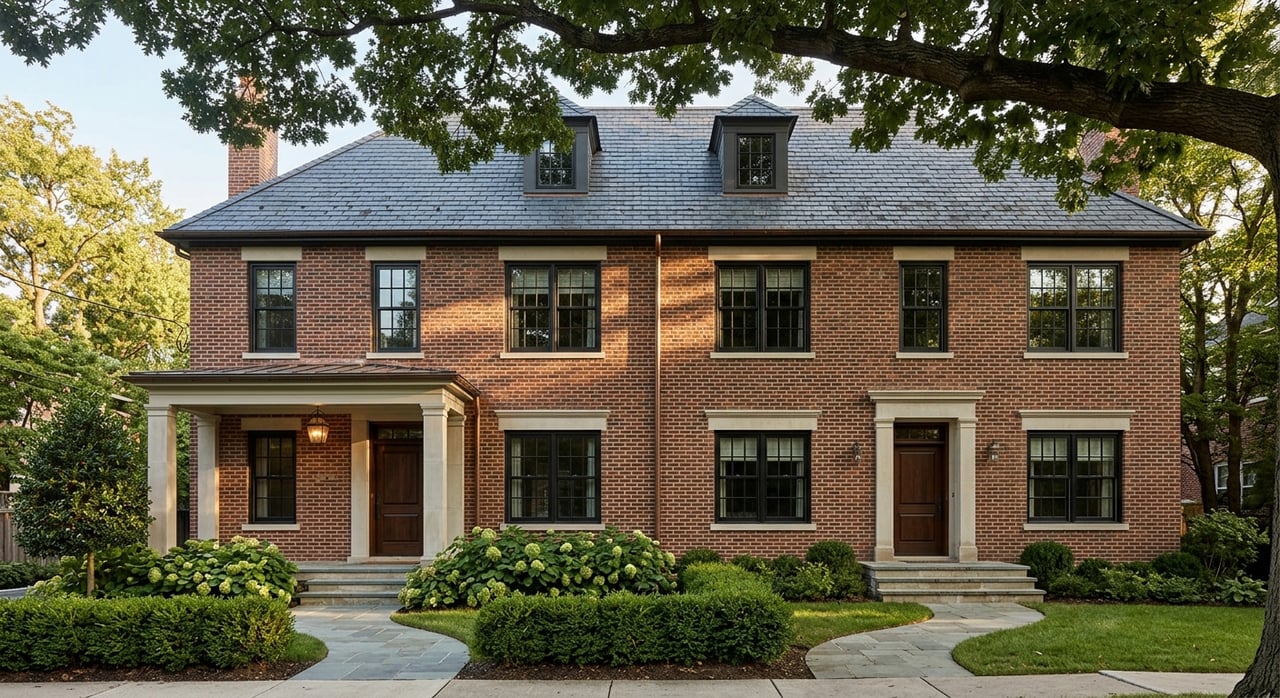
Twins, also called semi-detached homes, can be an excellent middle-ground choice in Ardmore. They function much like a single-family house but share one wall with the neighboring home. For many buyers, that creates a balance between privacy and practicality.
If you want a more traditional house feel than a condo but do not need the full footprint of a detached home, a twin may be a strong fit. In a built-out market like Ardmore, this housing type often gives you a solid blend of livability, character, and manageable upkeep.
What to keep in mind
Twins usually sit between detached homes and townhomes on the privacy and maintenance spectrum. You may have less outdoor space and less separation than a detached home, but often more independence than a condo.
Because many homes in Ardmore are older, the same renovation questions still apply here. Shared-wall construction does not automatically mean lower overall ownership responsibility, so it is wise to look carefully at condition, systems, and any recent capital improvements.
Townhomes in Ardmore
Best for space with less upkeep
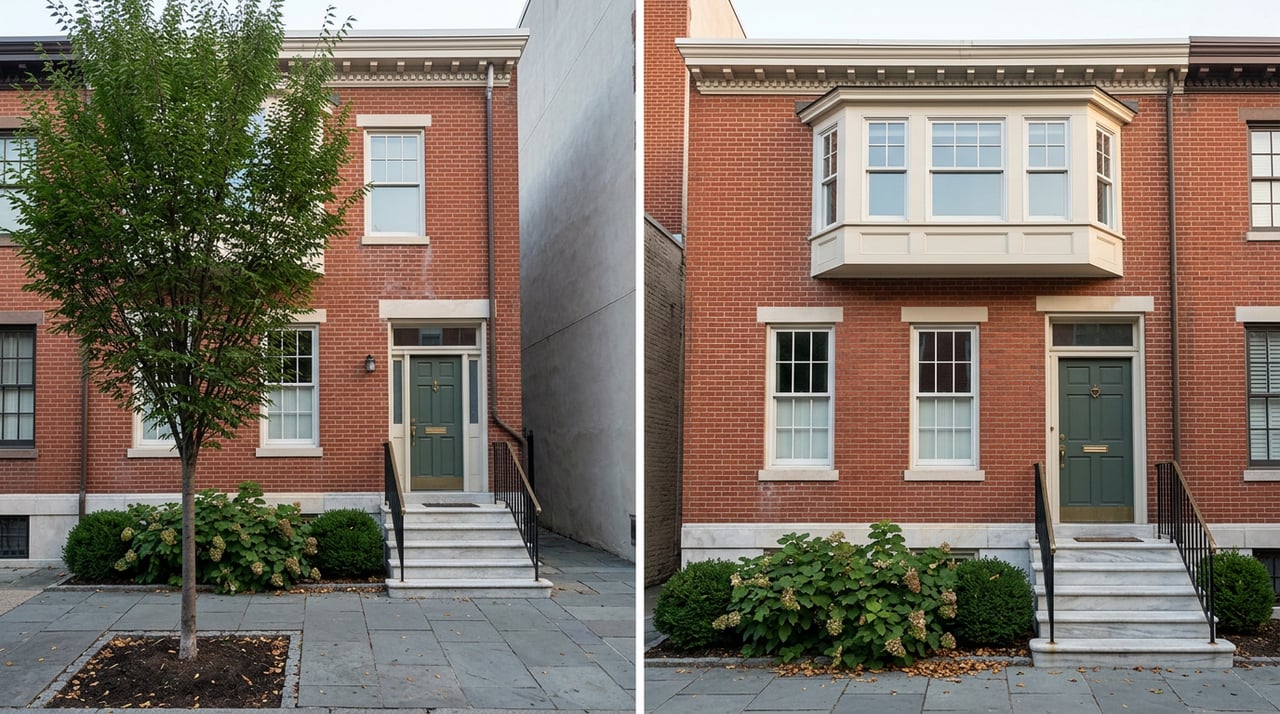
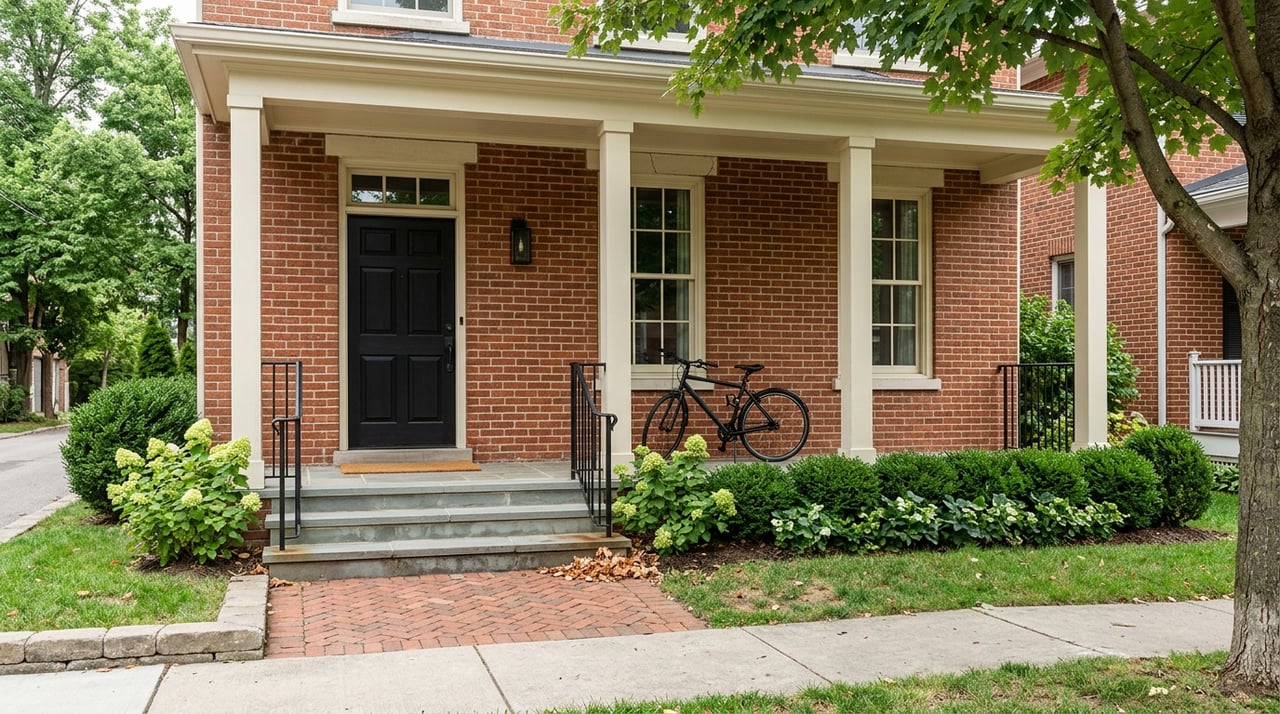
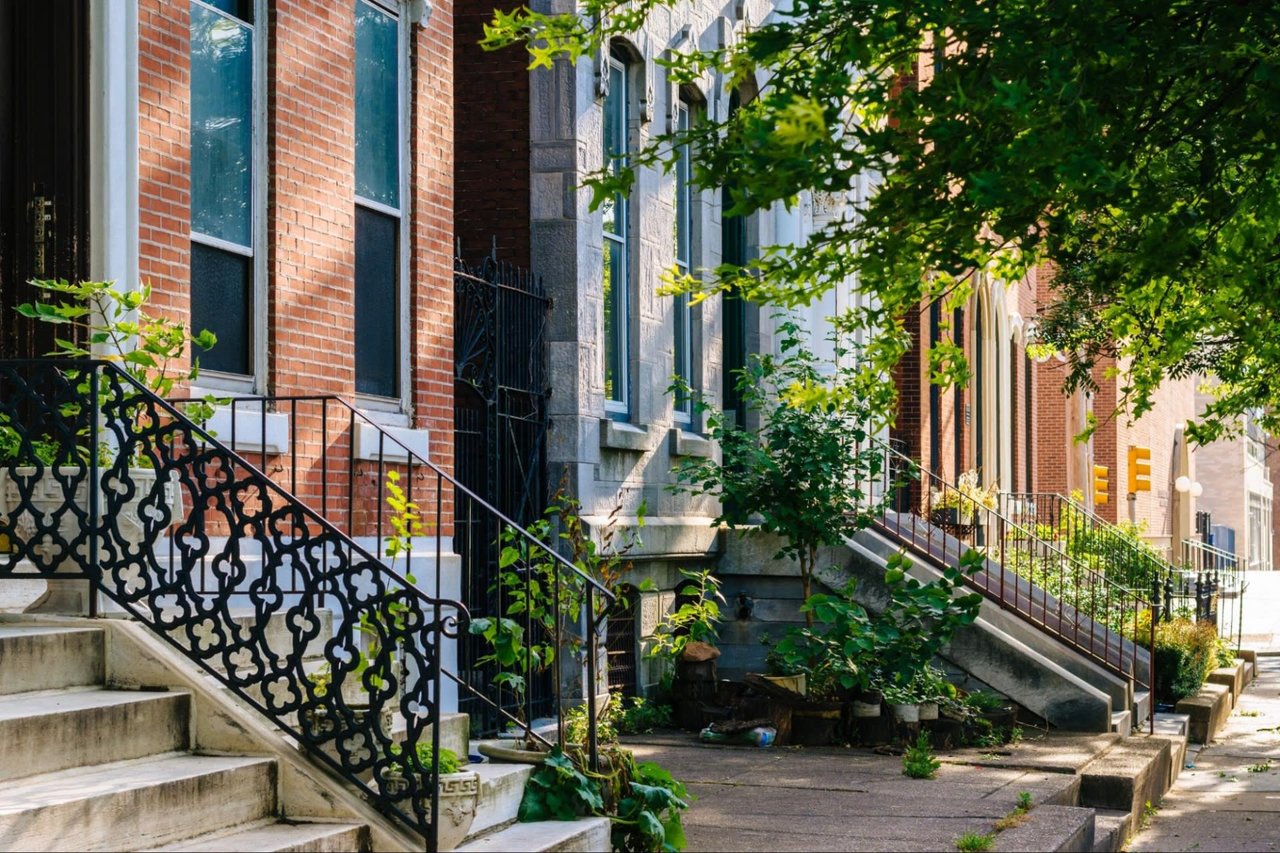
Townhomes are a strong option if you want more room than a condo but less maintenance than a detached house. Fannie Mae describes a townhouse as a multistory unit with a private entrance, one or two shared walls, and usually some private outdoor space. That format works well for buyers who want a more house-like layout without taking on every exterior task alone.
In Ardmore, townhomes often make sense for commuters and rightsizers. If you want to stay close to transit and downtown amenities while simplifying your routine, this type of home can offer a practical balance.
What to keep in mind
Townhomes are often less expensive than a single-family home of similar size, but many come with HOA fees. Those fees may cover shared exterior spaces, common elements, or amenities, depending on the property.
That is why it is important to compare not only the price, but also the monthly cost structure and rules. A lower-maintenance lifestyle can be very appealing, but you should feel comfortable with the dues and any ownership restrictions that come with the community.
Condos in Ardmore
Best for convenience and low maintenance
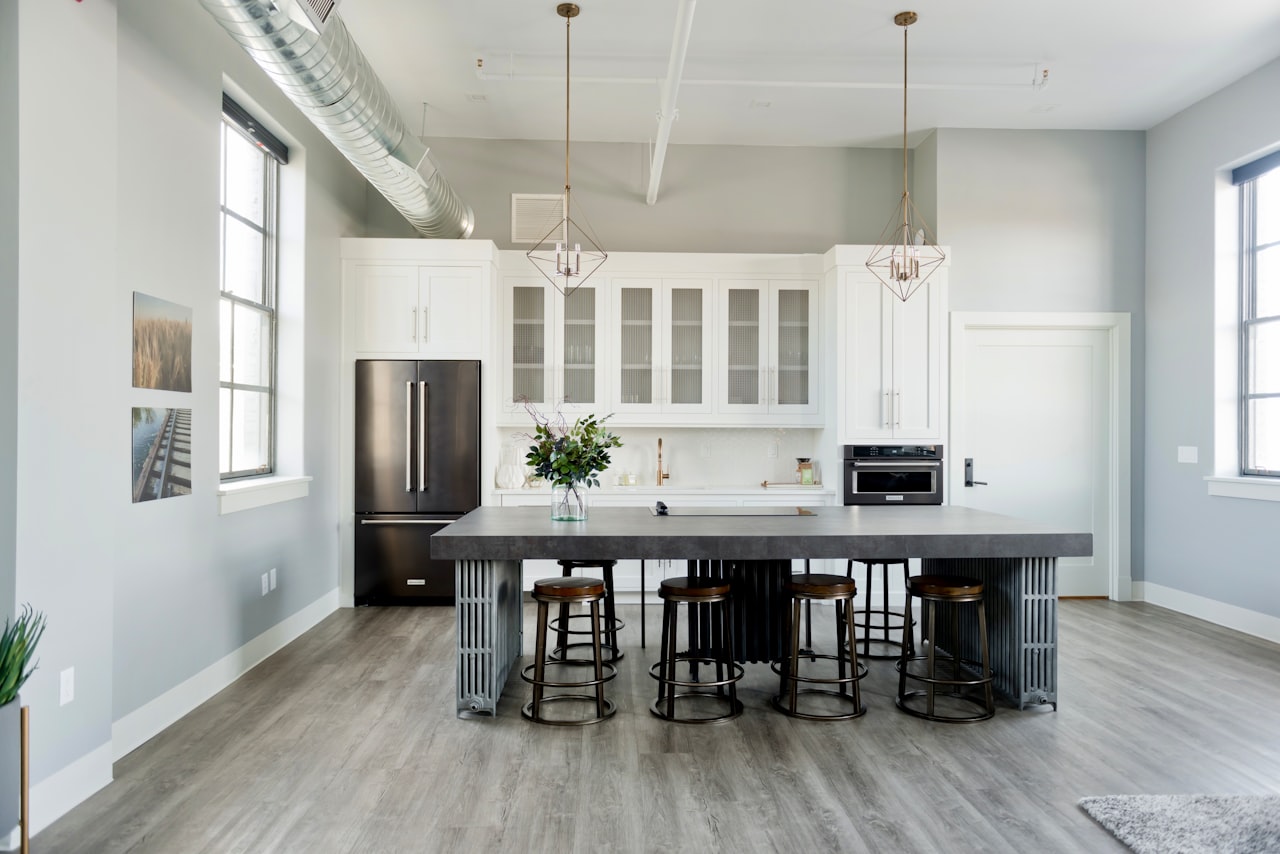
If your top priorities are simplicity and location, a condo may be the best fit. Condos often involve the least day-to-day maintenance for the owner, which can be especially attractive if you travel often, want to keep costs predictable, or simply do not want yard work.
In Ardmore, condos are a logical choice for buyers who value walkability near rail service, bus routes, and downtown conveniences. When the appeal of the area is tied to easy access and a compact lifestyle, a condo can align well with that goal.
What to keep in mind
Condo ownership usually includes shared costs and common areas. HOA dues are typically separate from your mortgage, and those costs can range widely depending on the building and services provided.
You will also want to be realistic about trade-offs. Condos often offer little or no yard space, and shared-space rules can affect how you use the property. For some buyers, that is a welcome simplification. For others, it can feel limiting.
Older housing stock changes the equation
In Ardmore, the age of the home matters almost as much as the type of home. Nearly half of the housing stock was built before 1940, which means inspection findings and renovation potential should be part of your decision from the start.
Older homes can offer character and sometimes a lower entry price, especially if updates are needed. Move-in-ready homes often cost more upfront but may reduce the amount of work you face right after closing. The key is to match the property’s condition with your budget, timeline, and appetite for projects.
This is one area where clear guidance really matters. A home that looks perfect in photos may need more near-term investment than you expect, while a less polished home may offer strong long-term value if you are comfortable making improvements.
Compare Ardmore home types at a glance
| Home type | Best fit for | Main advantage | Main trade-off |
|---|---|---|---|
| Detached home | Buyers who want privacy, yard space, and control | Most independence and outdoor space | Highest maintenance burden |
| Twin | Buyers who want a house feel with a middle-ground footprint | More traditional home feel with less upkeep than some detached homes | Shared wall and typically less privacy than detached |
| Townhome | Commuters and rightsizers who want space with lower upkeep | More room than a condo with manageable maintenance | HOA fees and shared-wall living |
| Condo | Buyers who prioritize convenience and low maintenance | Simplest ownership style and strong walkability potential | HOA dues, less private outdoor space, shared rules |
Do not overlook location within Ardmore
In Ardmore, location is not just about the map. It is about how close you want to be to the station, the business district, Suburban Square, and the parts of town you expect to use every week.
Lower Merion describes the traditional Ardmore business district as one of the township’s larger districts, adjacent to Suburban Square. SEPTA also points to the area’s strong transit connections. That means the same home type can feel very different depending on whether you want a more walkable setup or a quieter residential rhythm.
Parking tolerance matters too. If you plan to rely on transit often, you may care more about station access than driveway size. If you drive every day, the parking setup may carry more weight than being a few blocks closer to downtown.
Verify school assignment by address
If school assignment is part of your decision, do not rely on neighborhood name alone. Lower Merion School District says its boundary maps are for reference only and that the Transportation Department determines the correct attendance area for addresses near boundary lines. Haverford Township School District uses an address-level interactive boundary map.
The practical takeaway is simple: verify the exact address before making assumptions. In an area like Ardmore, school-related details can depend on the property itself, not just the broader community name.
How to choose with confidence
If you feel torn between home types, that is normal. In Ardmore, the better question is usually not "Which type is best?" but "Which type best fits how I want to live here?"
A detached home may be the right answer if privacy and control are non-negotiable. A twin may offer the right balance if you want a house feel without the full detached-house burden. A townhome may fit if you want space and easier upkeep, while a condo may be ideal if convenience and walkability are your top priorities.
The most successful buyers usually decide based on lifestyle, maintenance tolerance, and long-term comfort with the property, not just the headline category. In a market as established and nuanced as Ardmore, that kind of clarity can save you time and help you make a smarter move.
When you are weighing options in Ardmore, local context matters. The right guidance can help you compare not just the homes themselves, but also how each one fits your commute, budget, renovation appetite, and day-to-day life. If you want thoughtful, strategic help narrowing your choices, connect with The MacDonald Team PA.
FAQs
What type of home is most common in Ardmore?
- Recent ACS-derived data shows Ardmore has a mixed housing stock, with about 21.5% detached single-family homes and 40.4% attached homes, plus additional multifamily options.
Are detached homes hard to find in Ardmore?
- Detached homes are a minority of Ardmore’s housing stock, so they may feel more limited compared with attached homes like twins and townhomes.
Are condos in Ardmore lower maintenance than houses?
- Yes, condos are typically the lowest-maintenance option, but you should also budget for HOA dues and be comfortable with shared-space rules.
Why does home age matter when buying in Ardmore?
- About 48% of homes in Ardmore were built before 1940, so inspections, repairs, and renovation planning can be especially important.
How should buyers compare townhomes and twins in Ardmore?
- A twin often feels more like a traditional house, while a townhome may offer a lower-maintenance setup and can be a strong fit for commuters or rightsizers.
Should buyers verify school assignment for an Ardmore address?
- Yes, school assignment should be confirmed by exact address because district boundaries and attendance areas should not be assumed from the neighborhood name alone.