When buyers and sellers in Main Line Philadelphia neighborhoods like Bryn Mawr, Haverford, Ardmore, and Villanova discuss real estate value, one of the most common questions is how a home’s age impacts its market value. Some people assume that newer homes always command higher prices while older homes lag behind.
In reality, the relationship between a home’s age and its value is much more nuanced. On the Main Line, where historic estates stand beside recently built residences, understanding the full picture can help you make smarter buying or selling decisions.
Homes in the Main Line offer a unique blend of architectural history and contemporary living. From stone farmhouses and Colonial Revivals to modern constructions with open floor plans, each age of home brings its own appeal.
In this article, we decode how home age affects value and what buyers and sellers should consider when navigating this dynamic market.
The Appeal of Older Homes in the Main Line
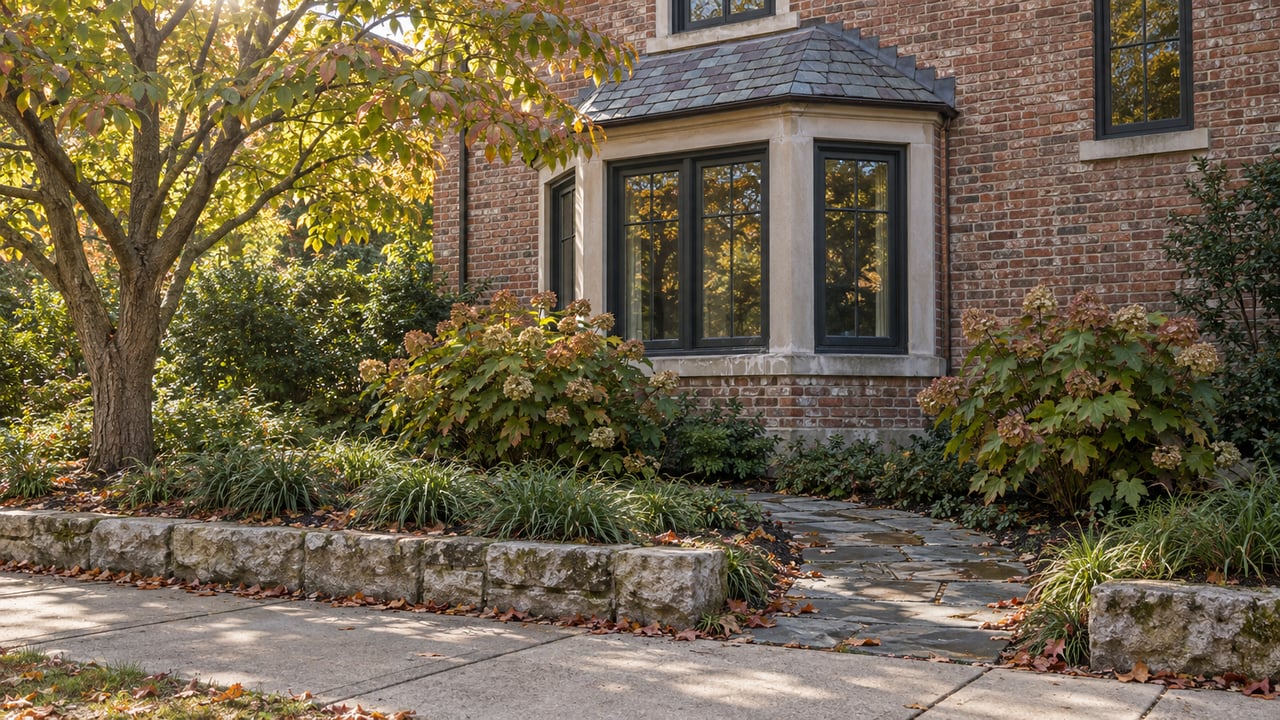
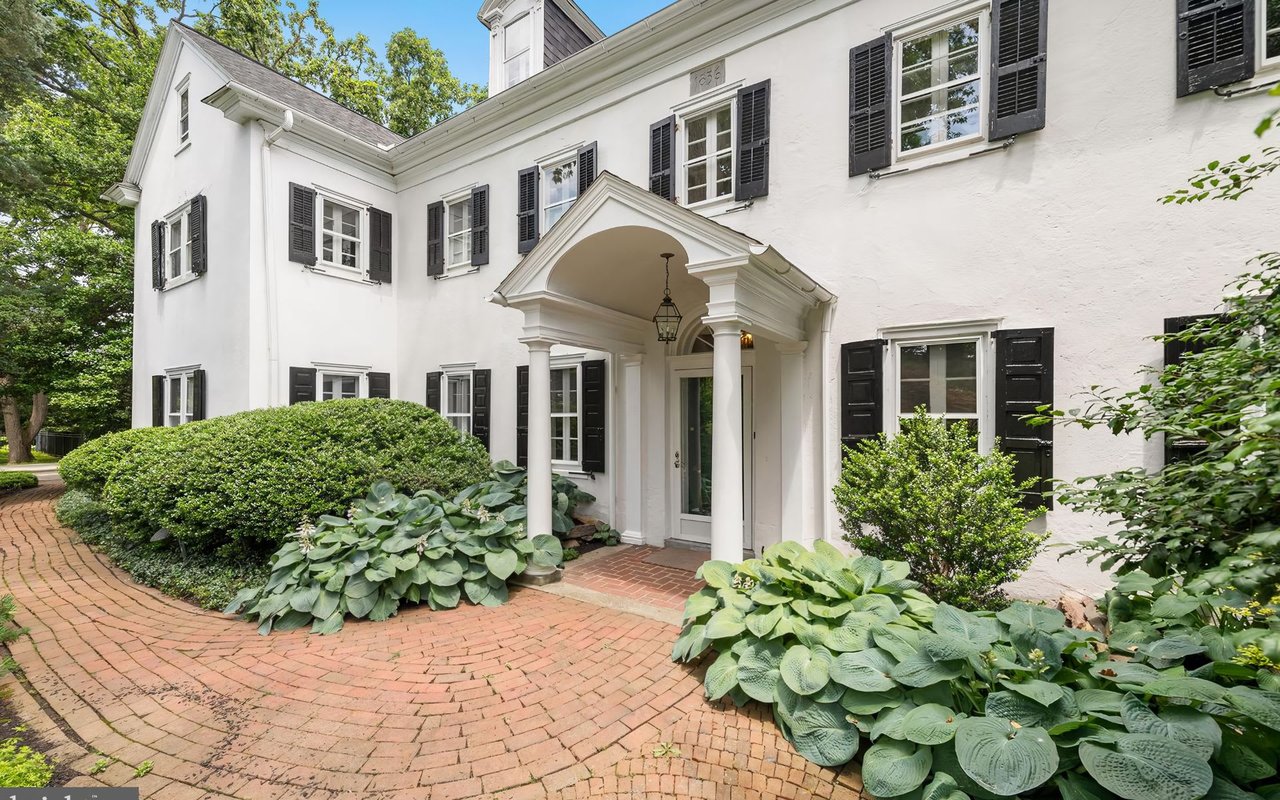
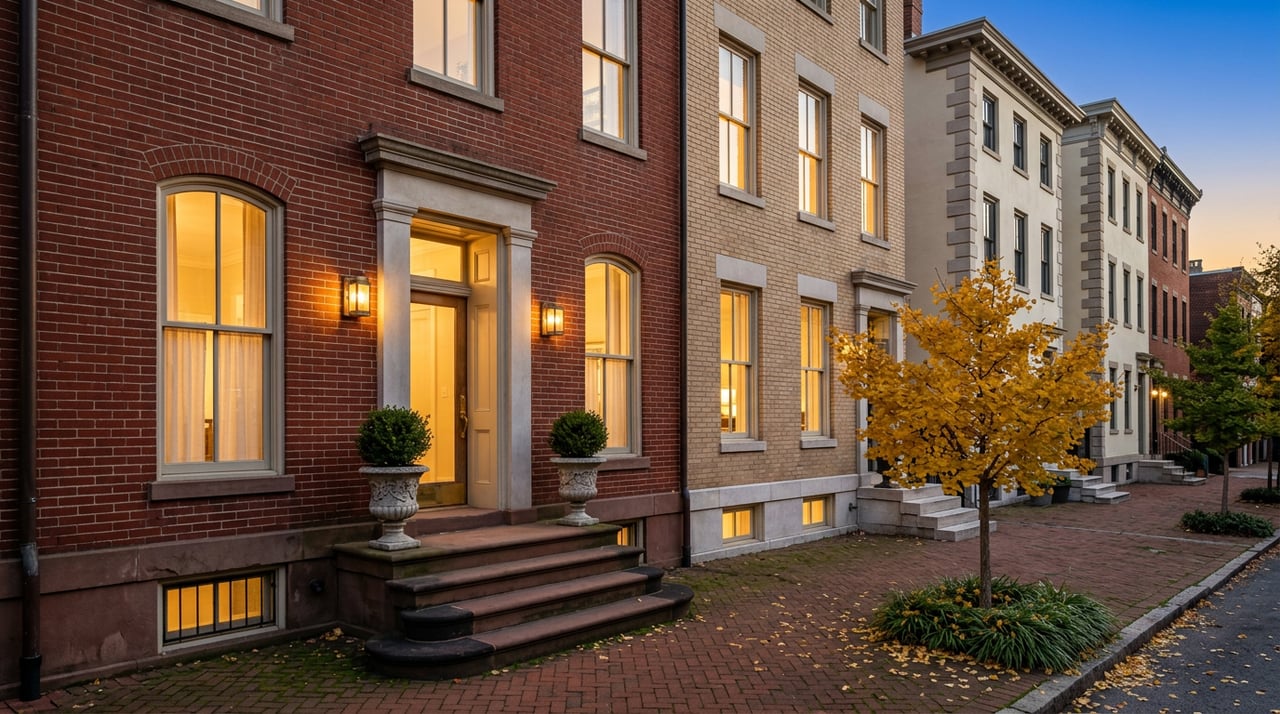
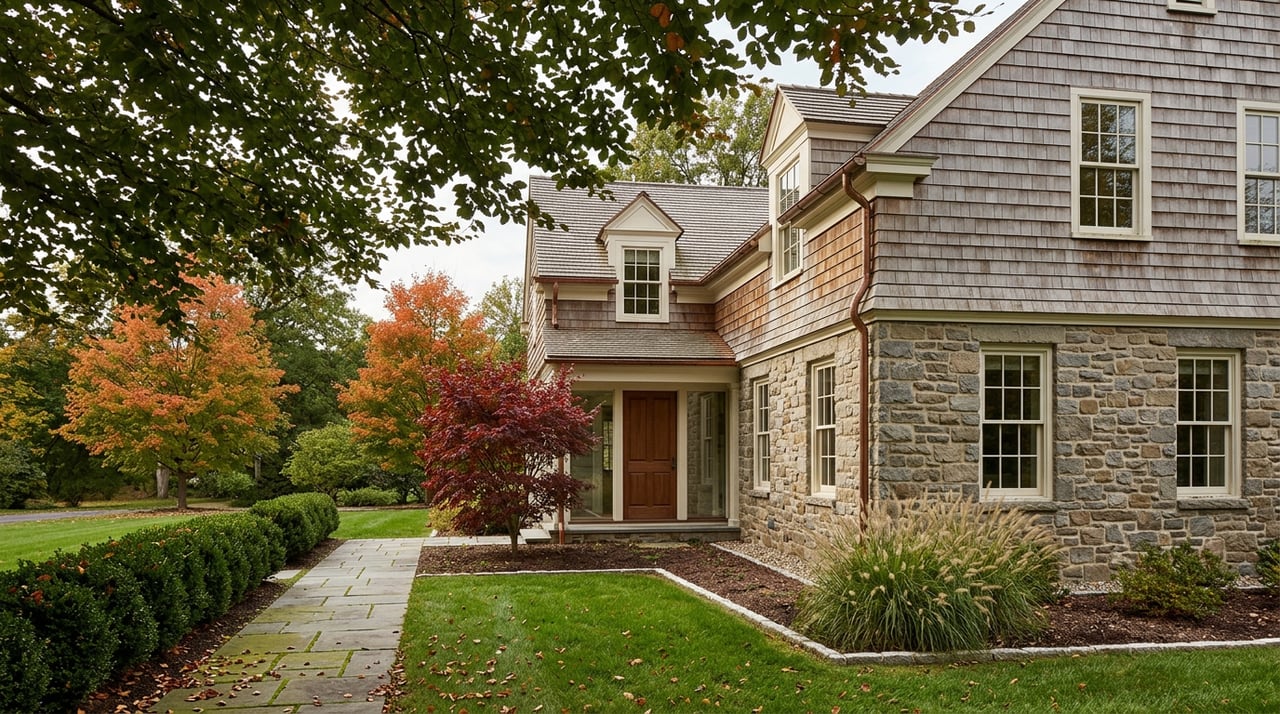
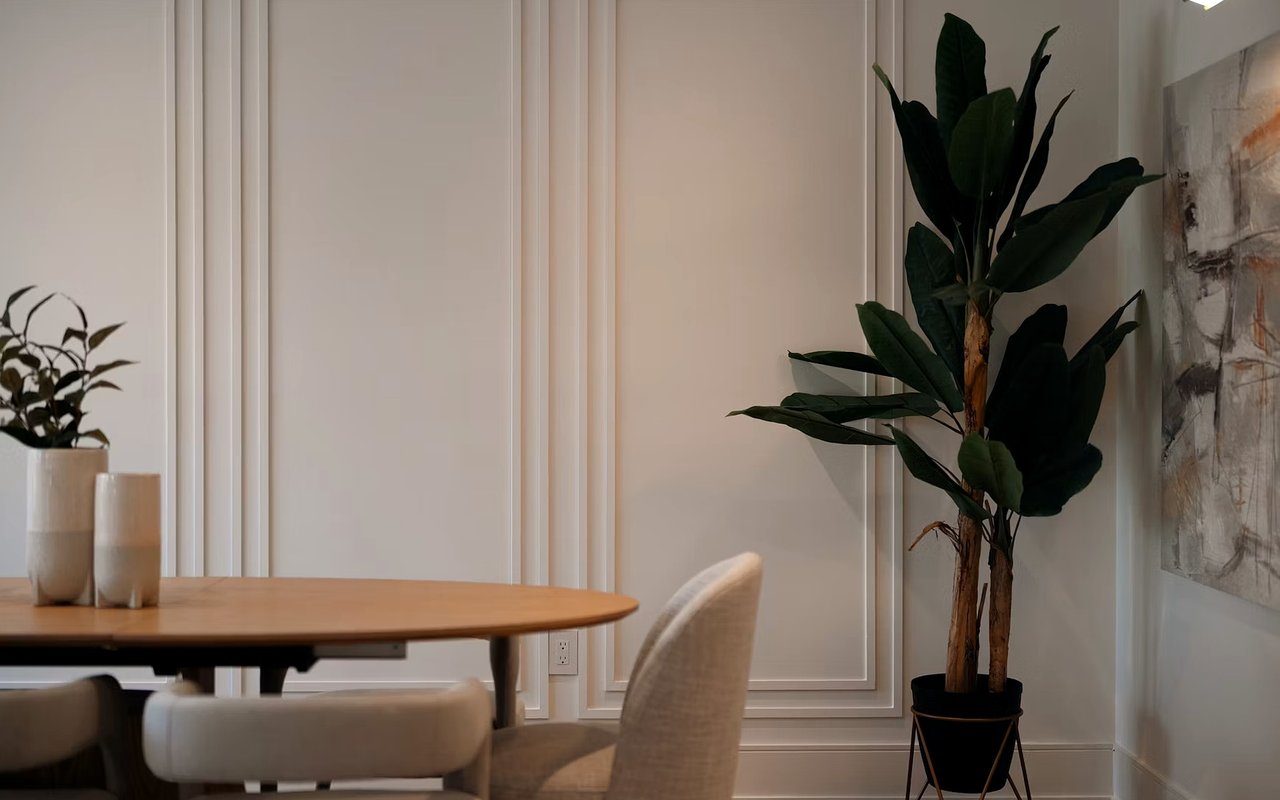
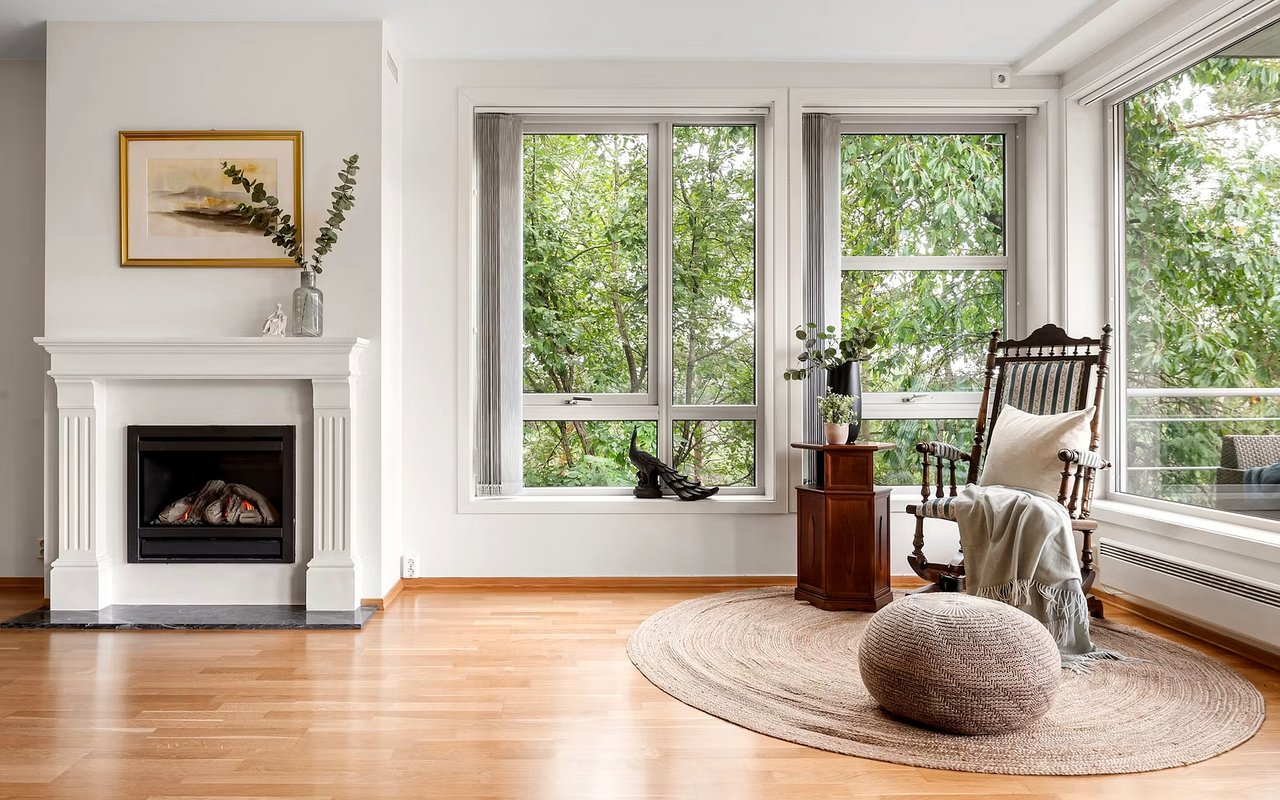
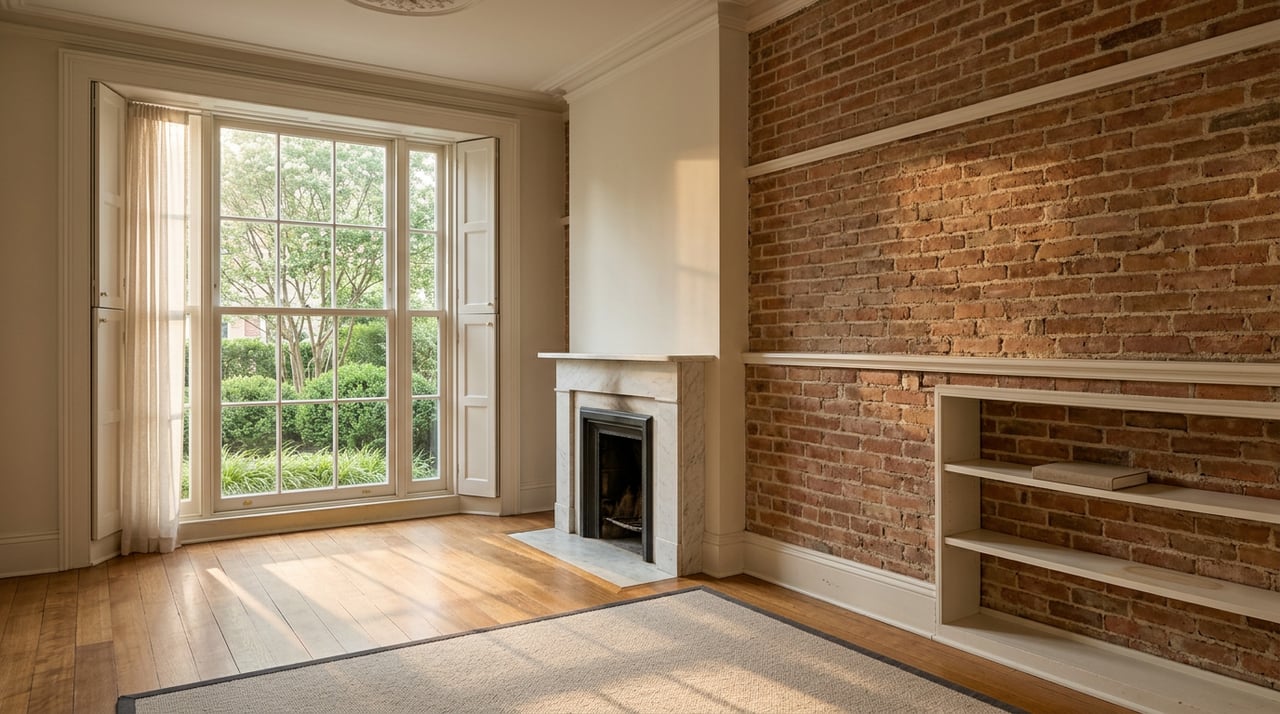
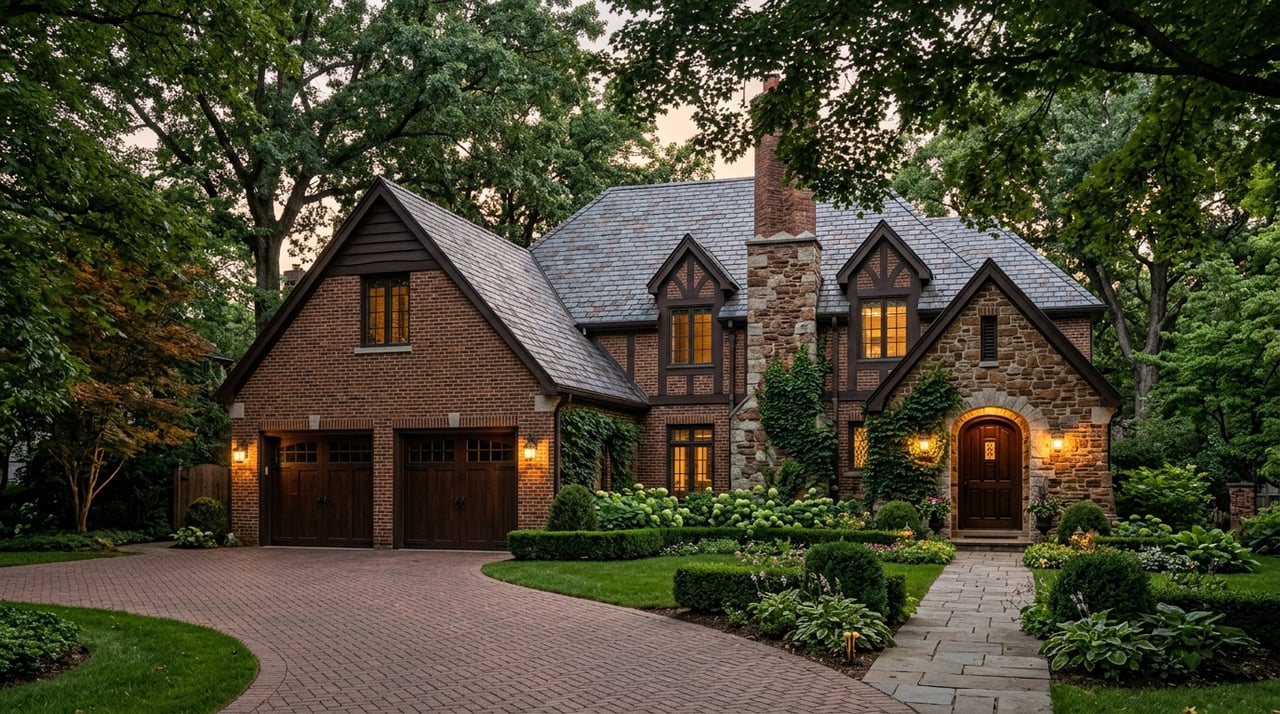
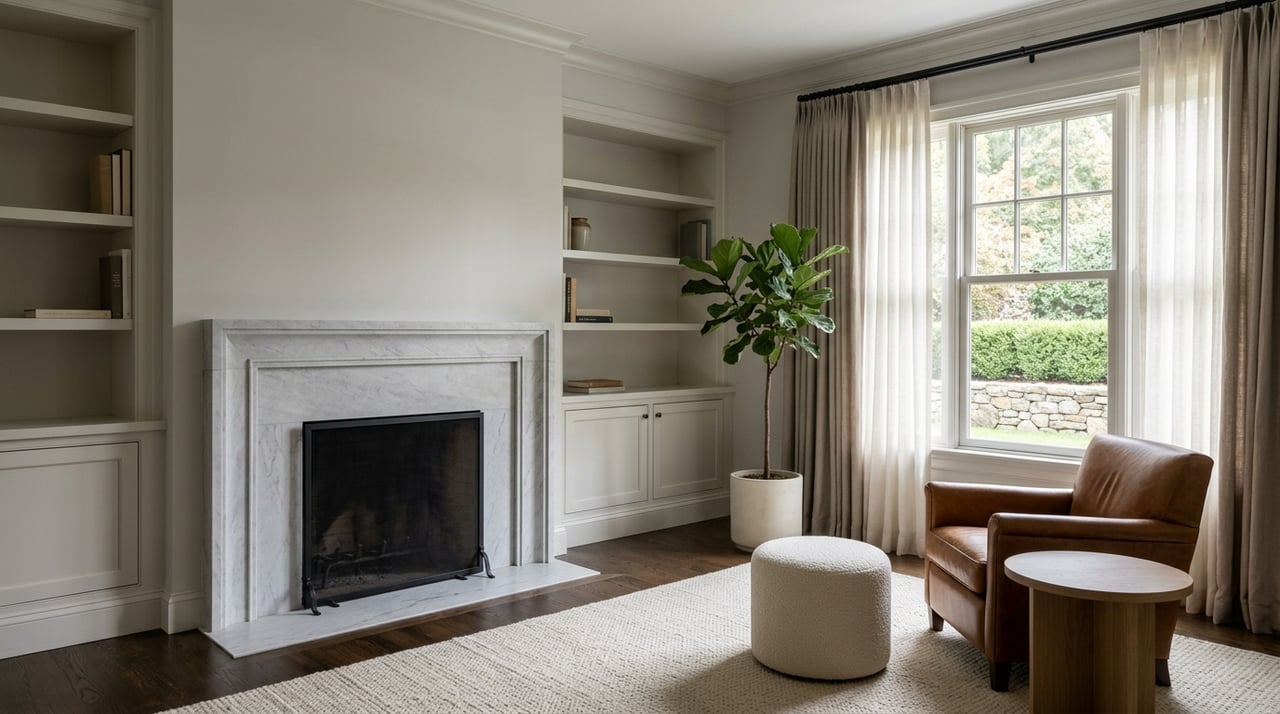
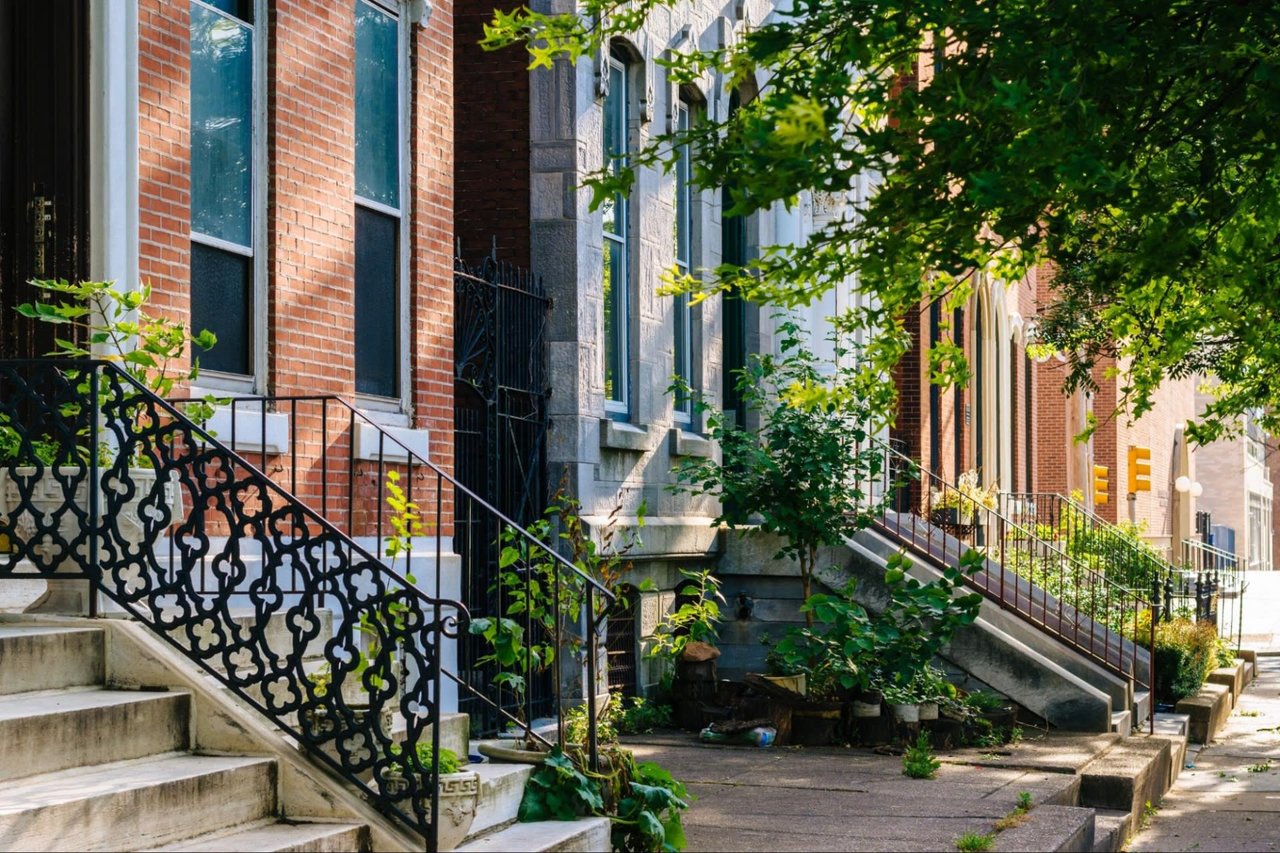
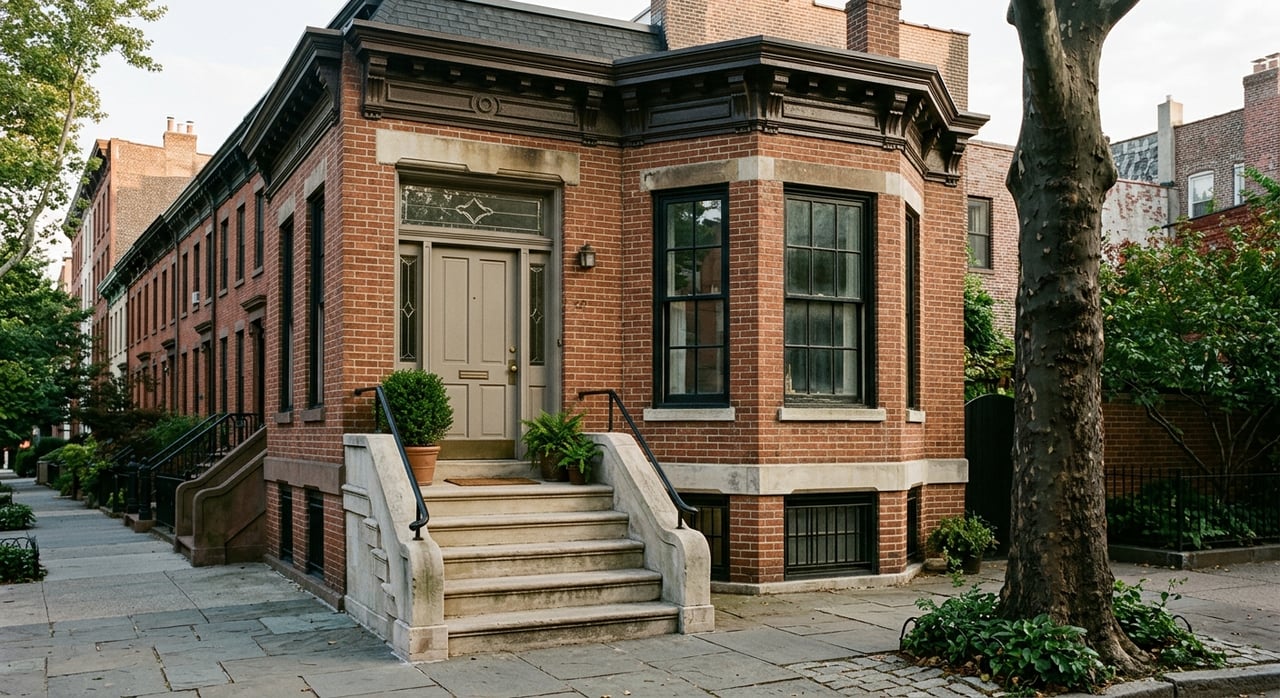
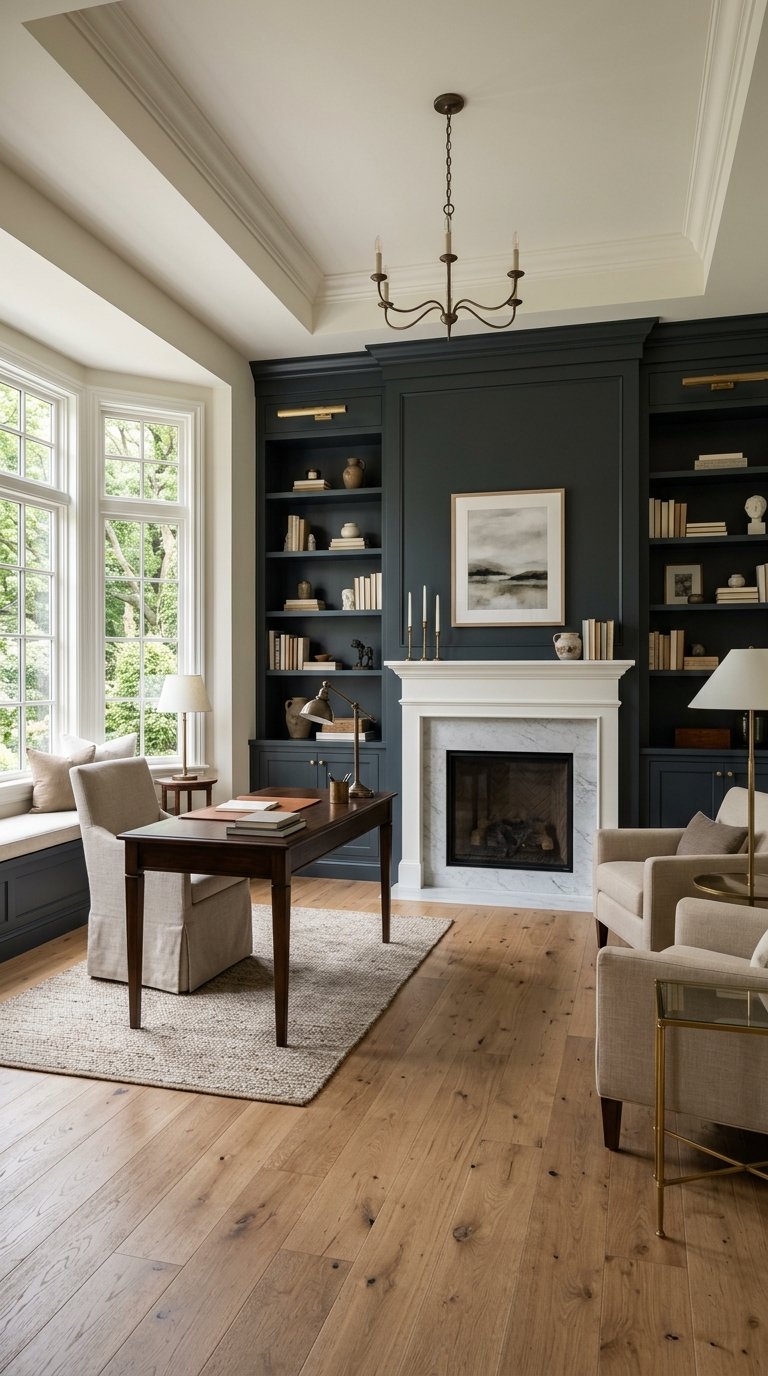
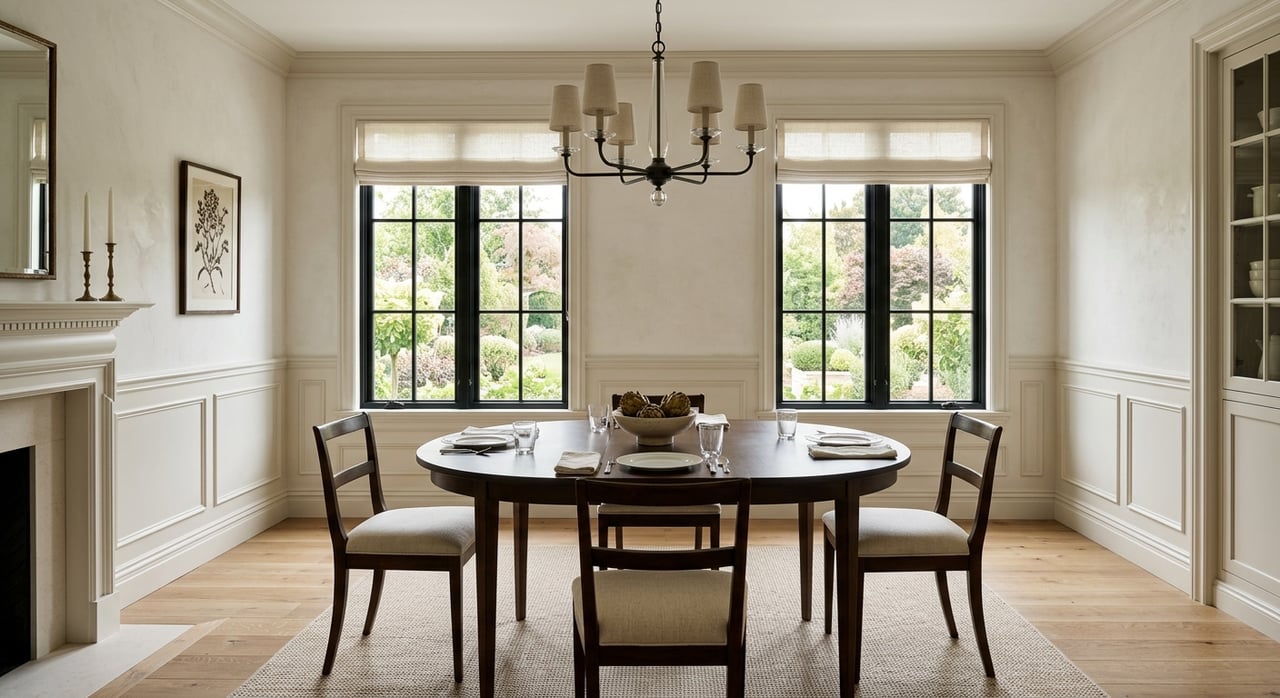
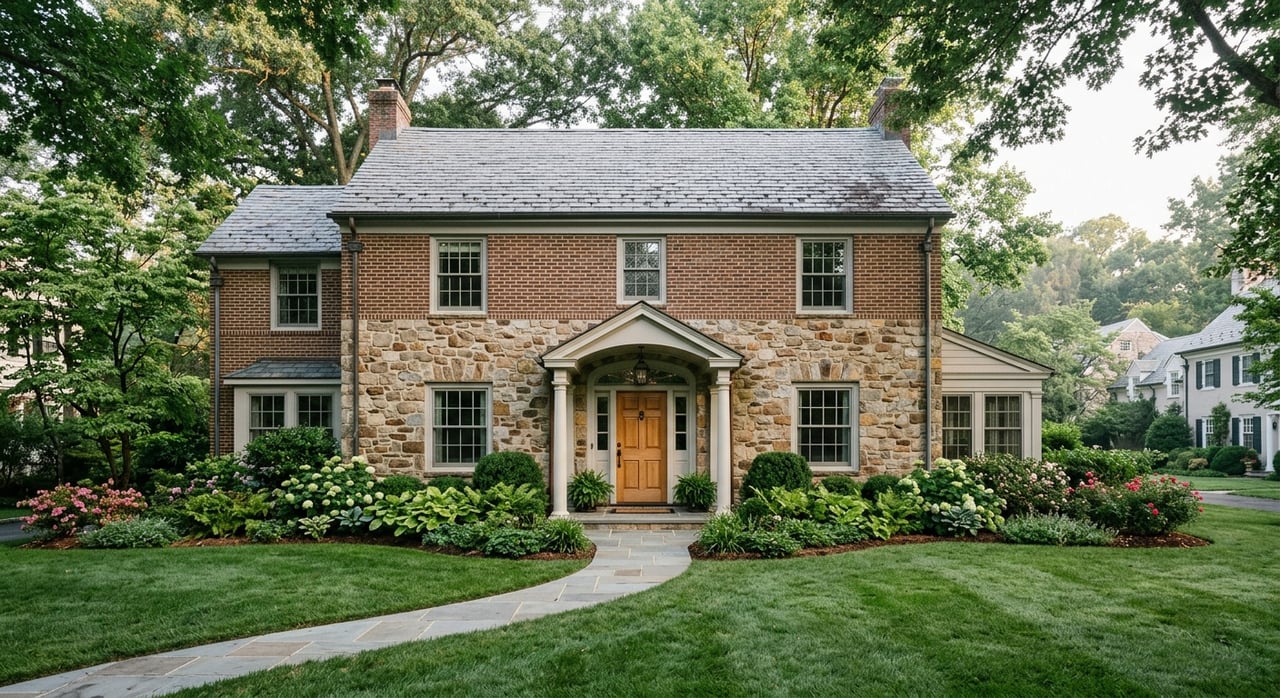
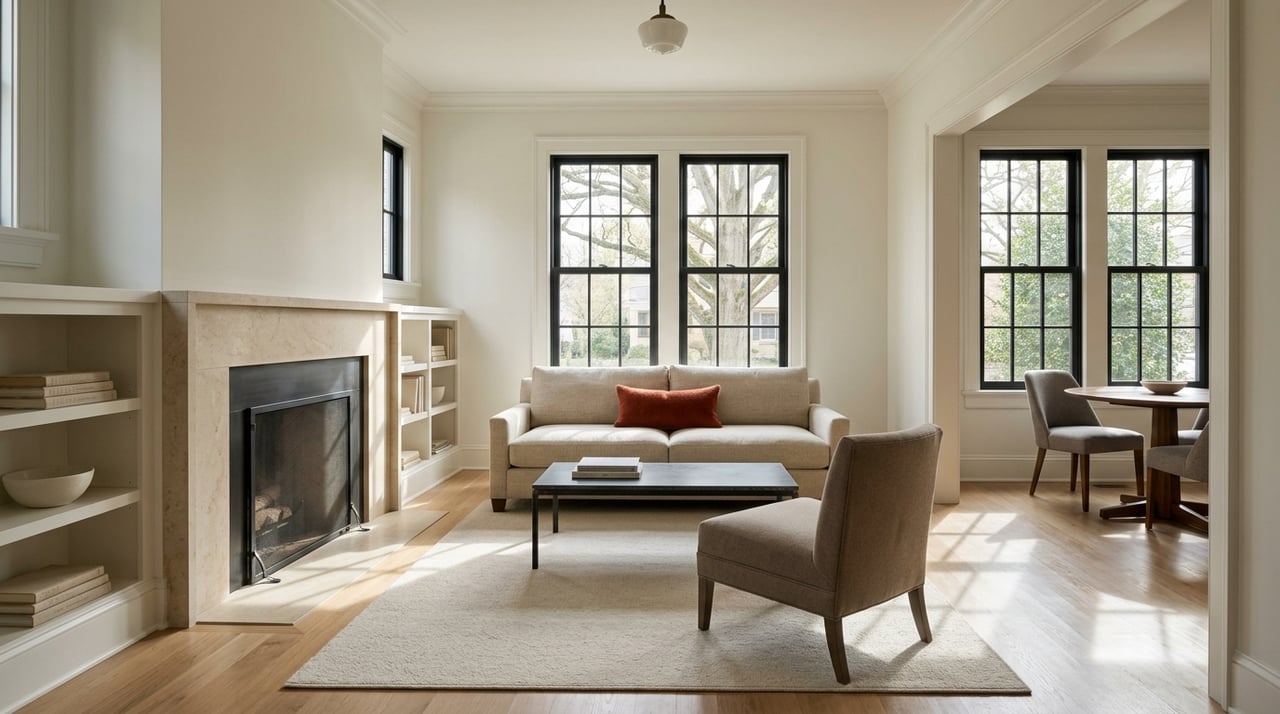
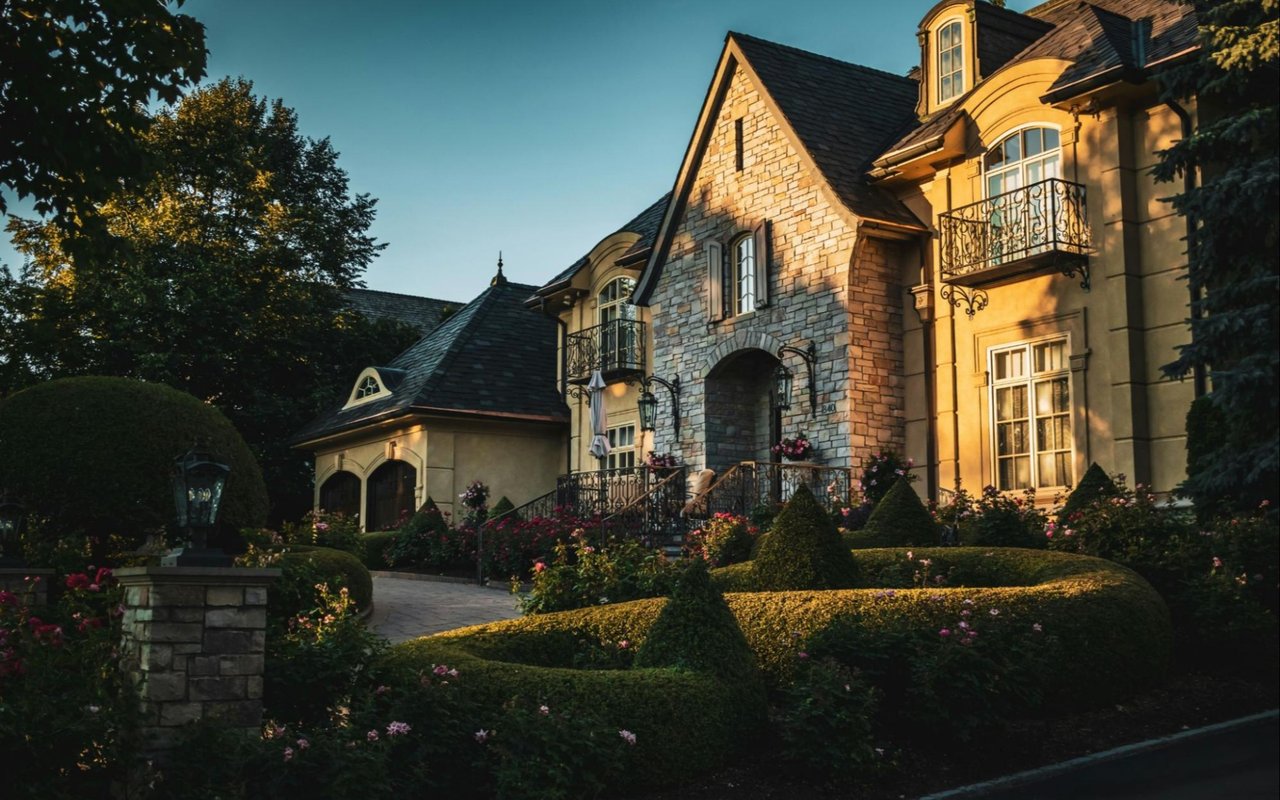
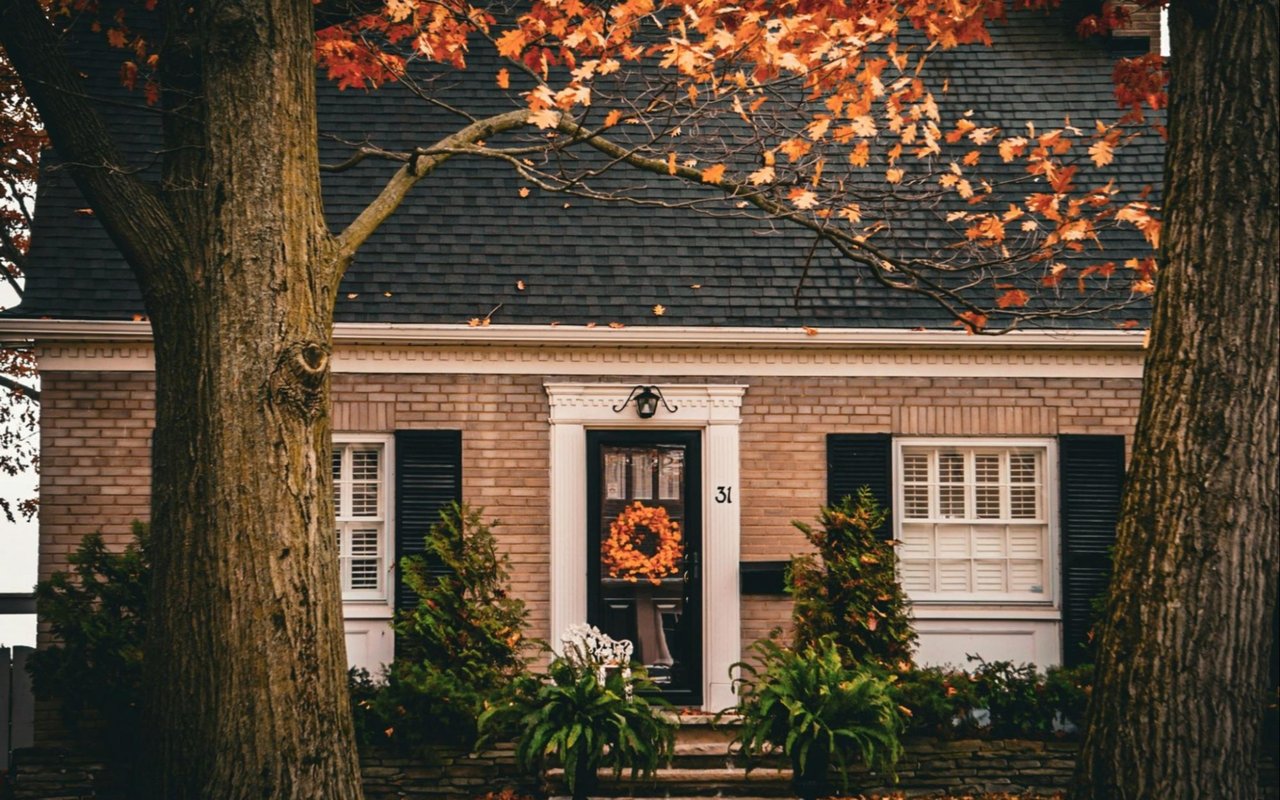
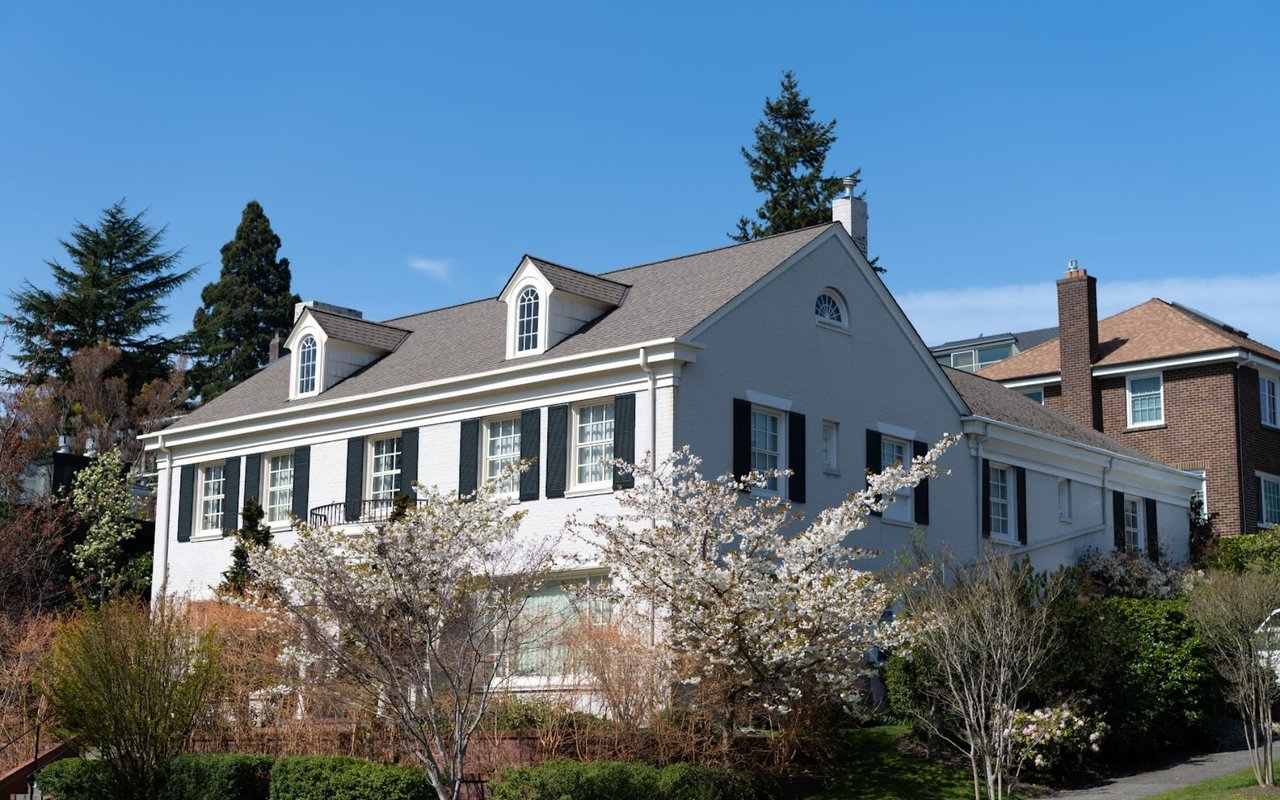
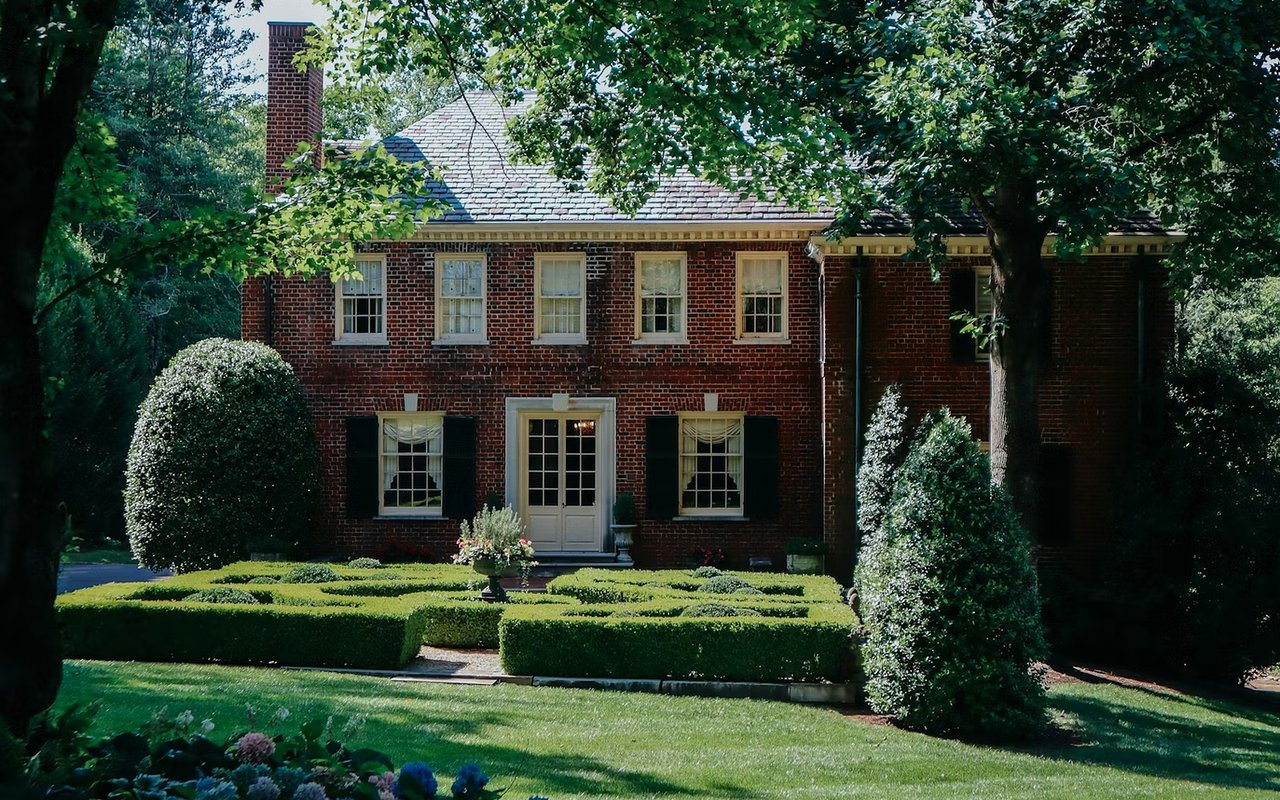
Homes built before World War II are abundant throughout the Main Line and often embody craftsmanship and architectural details that are hard to replicate today. These include features like solid hardwood flooring, plaster walls, fireplaces, built-in cabinetry, and classic moldings.
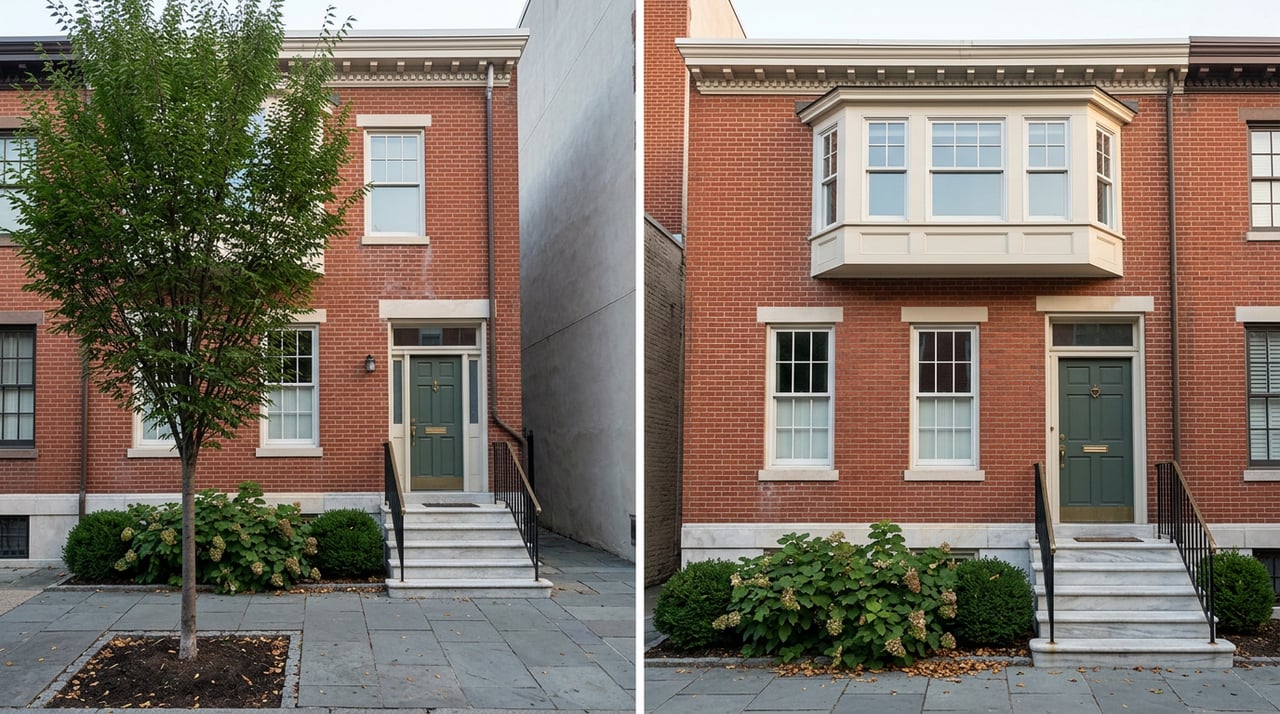
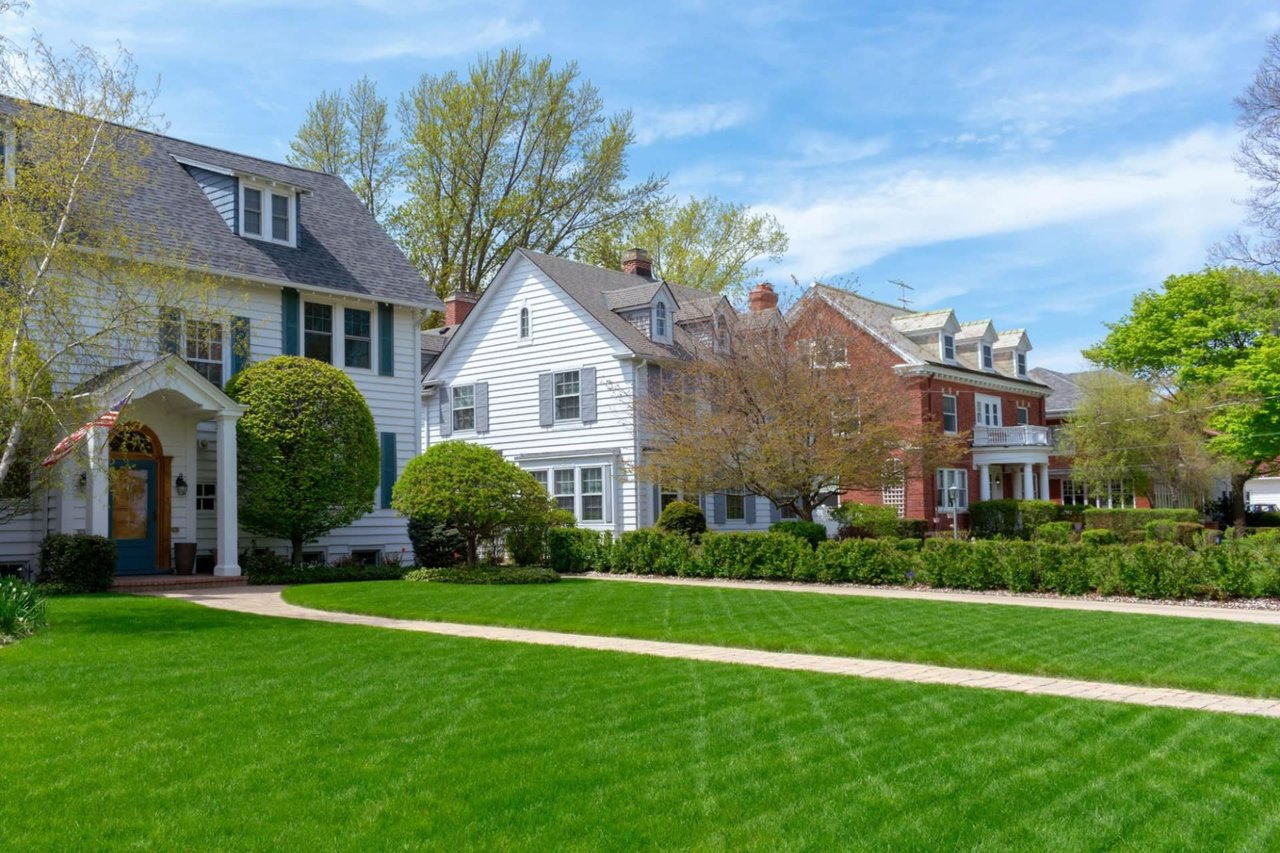
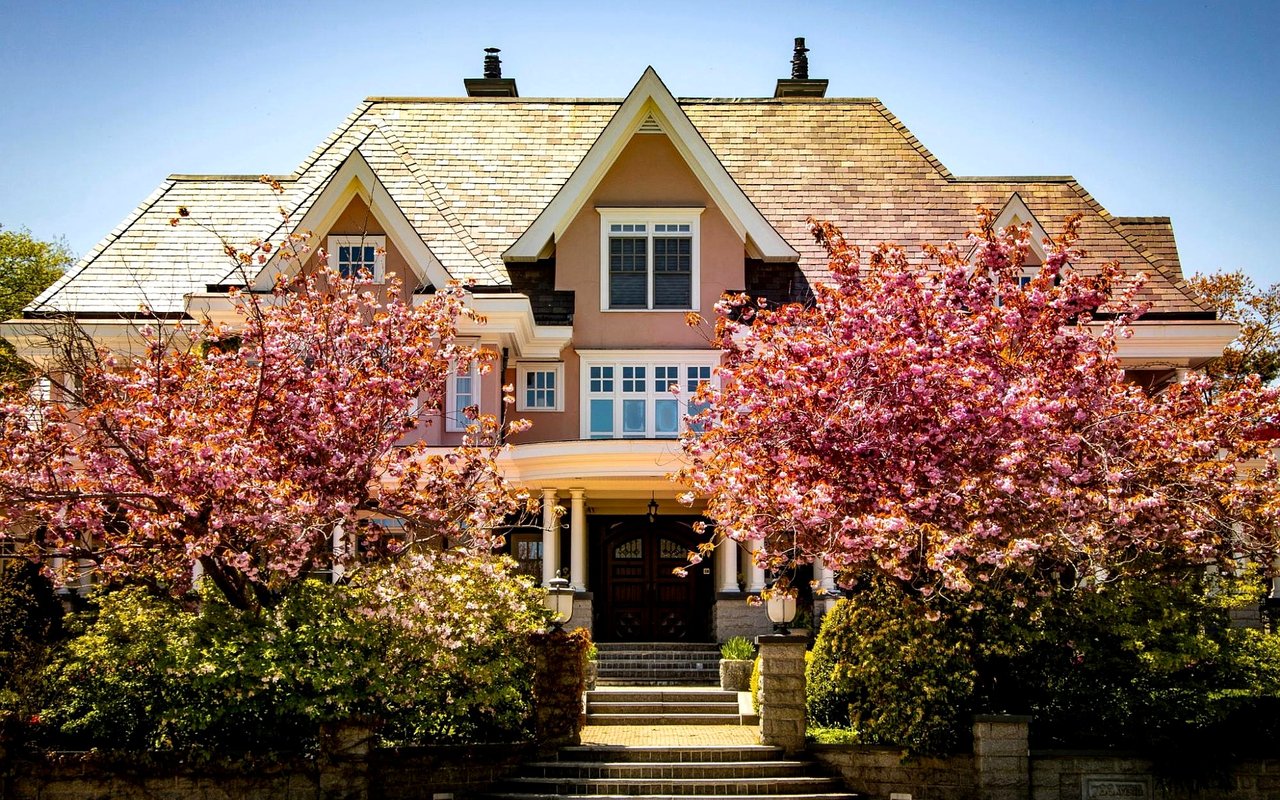
Historic neighborhoods in areas like Bryn Mawr and Haverford showcase homes with distinctive character that draw buyers seeking charm and a sense of place.
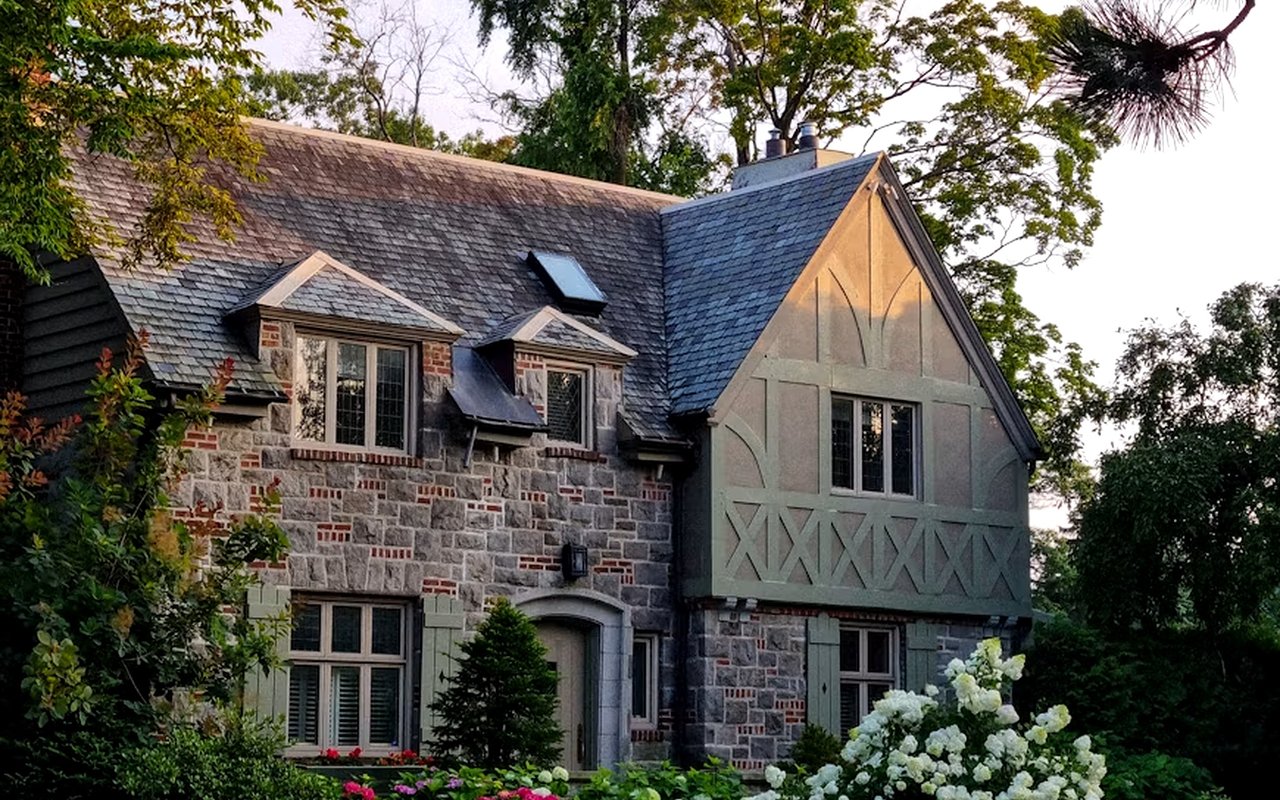
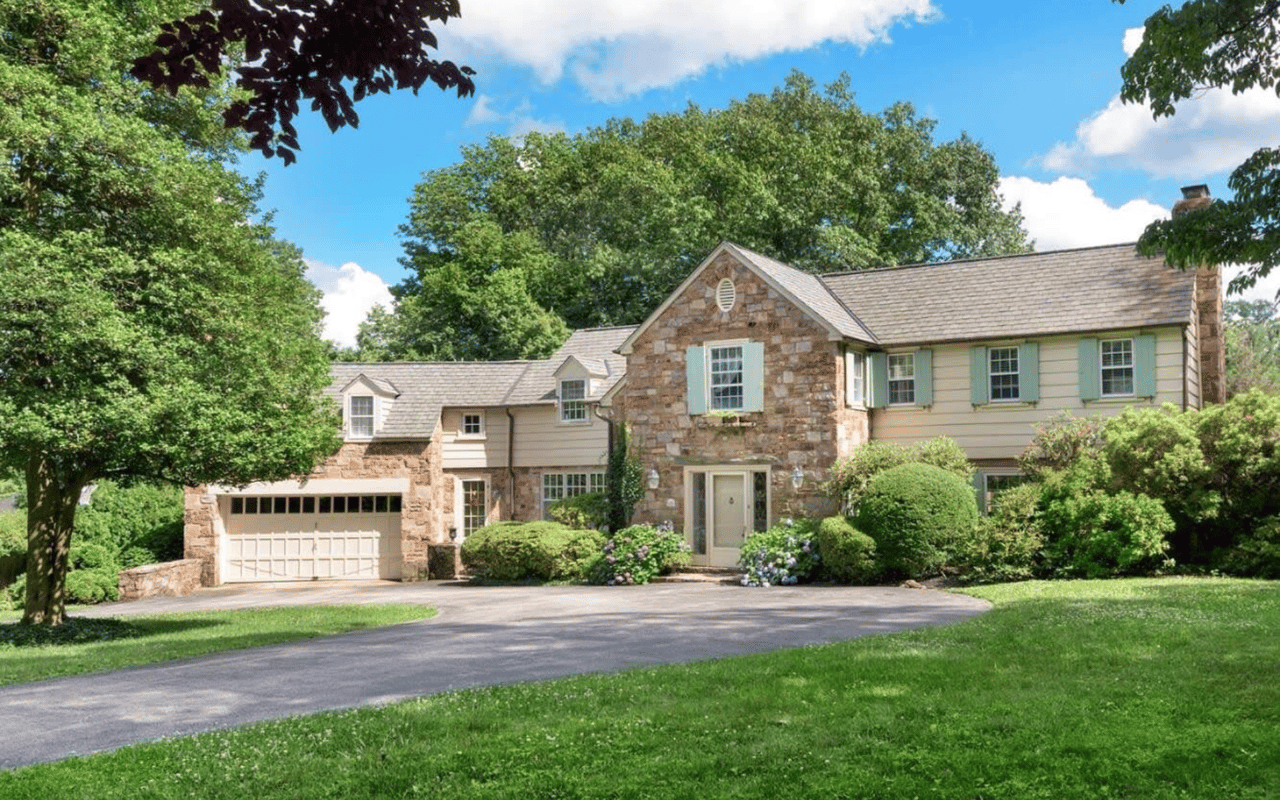
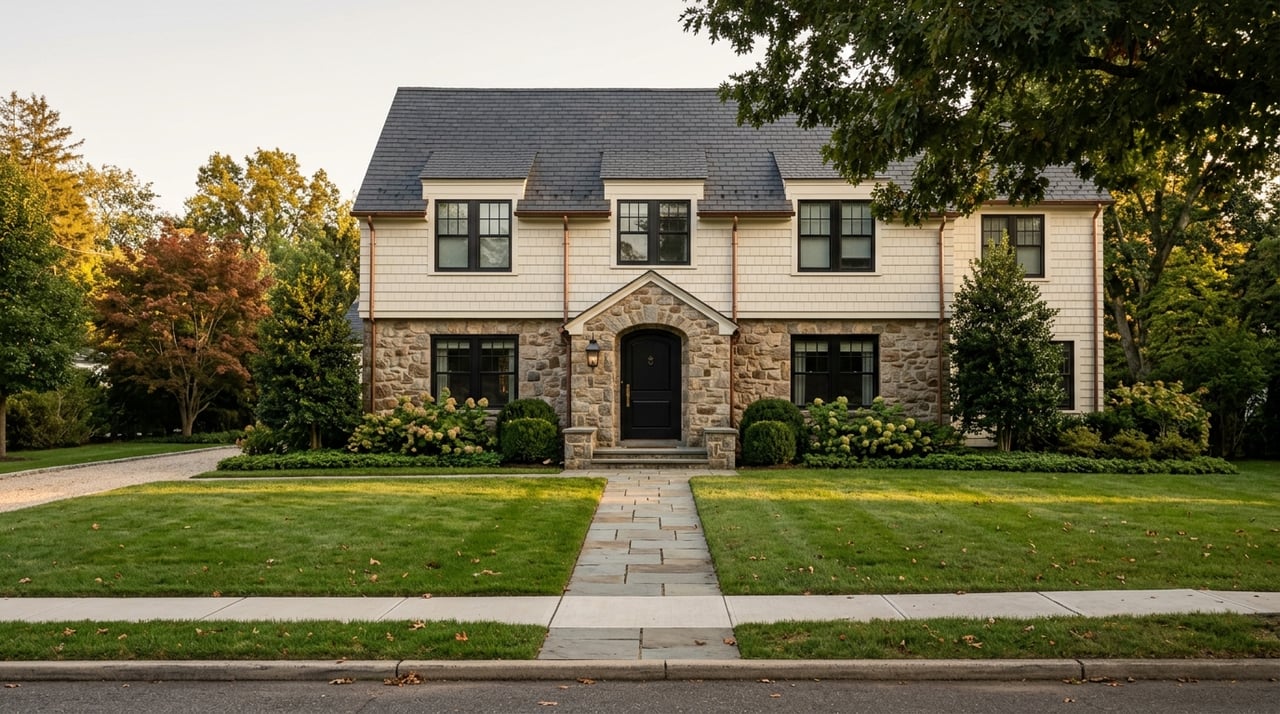
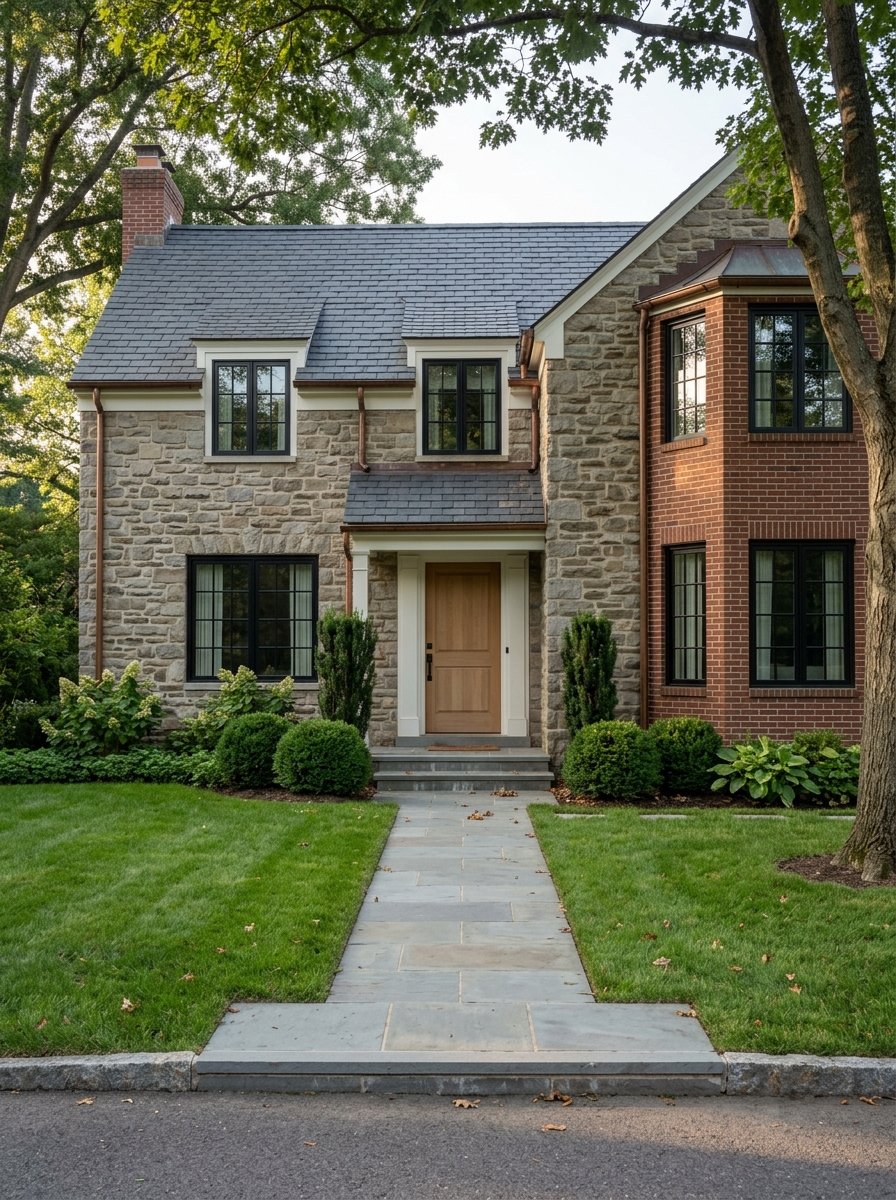
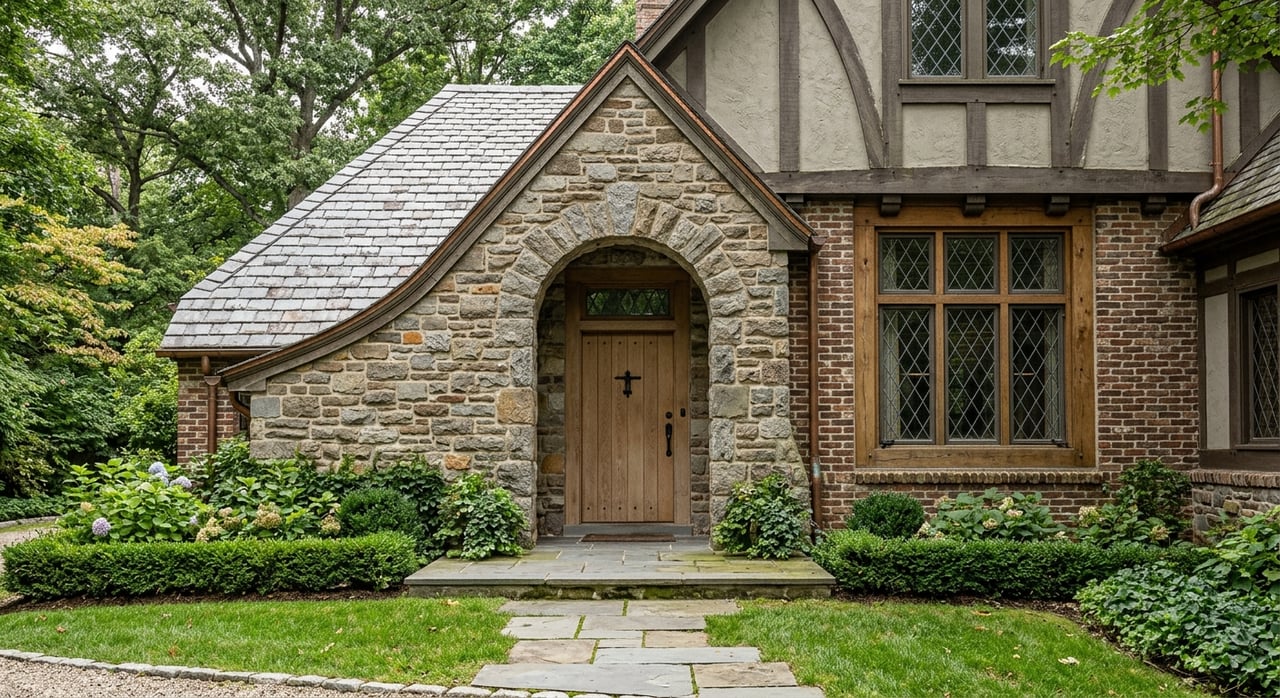
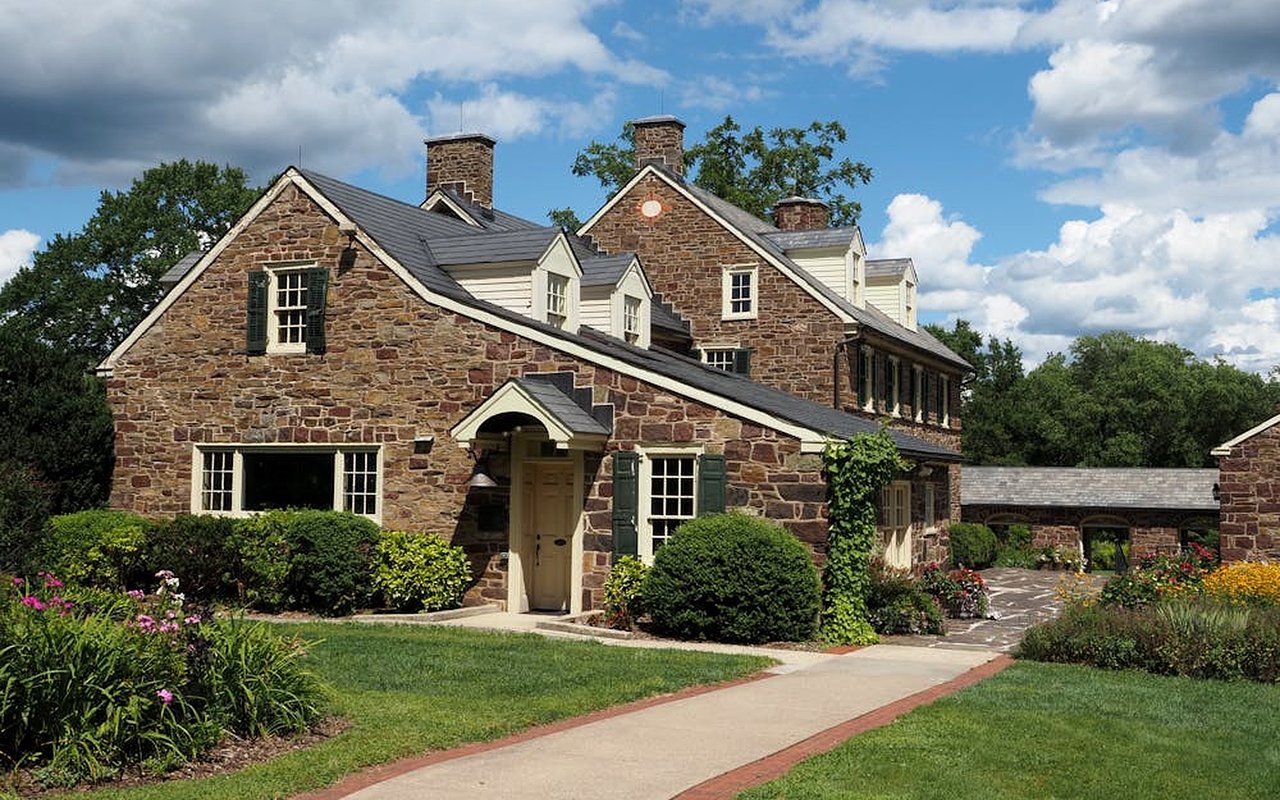
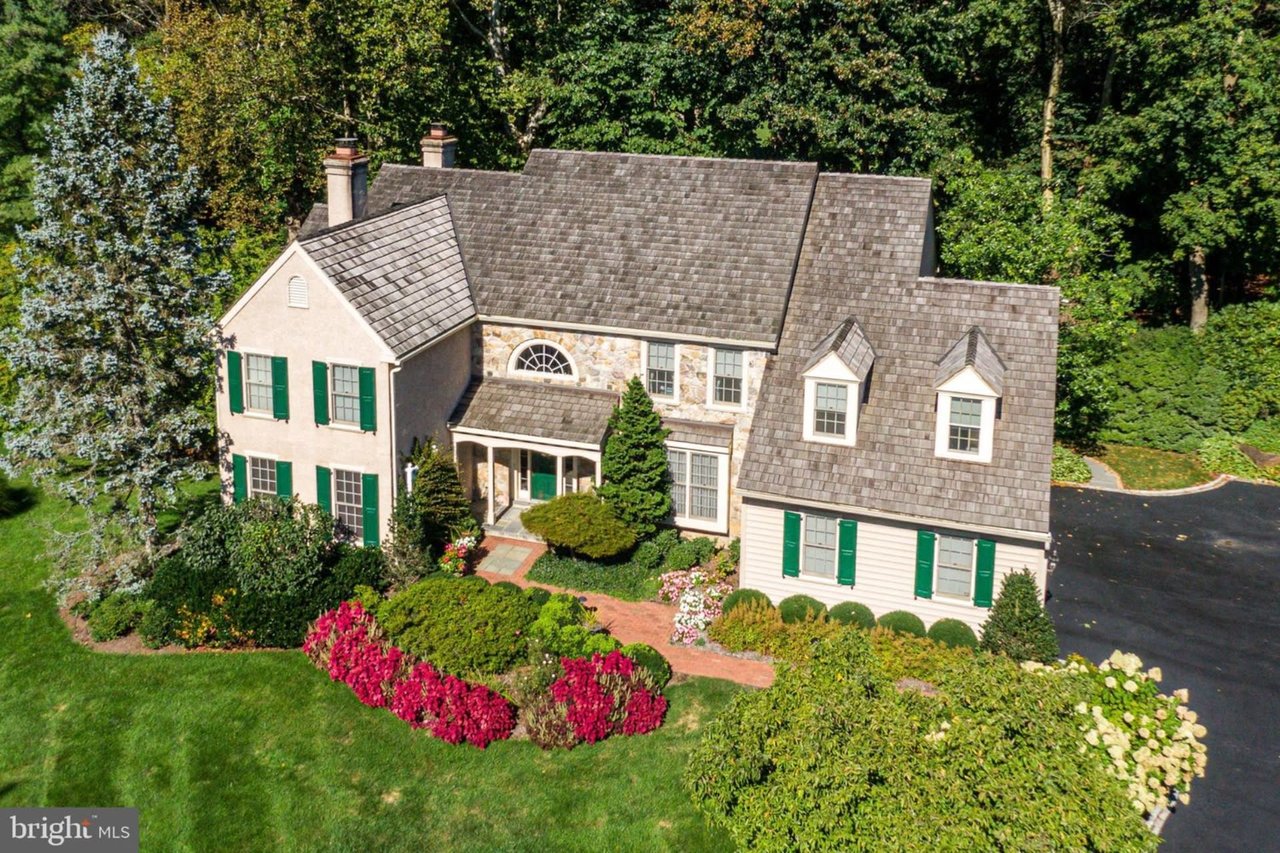
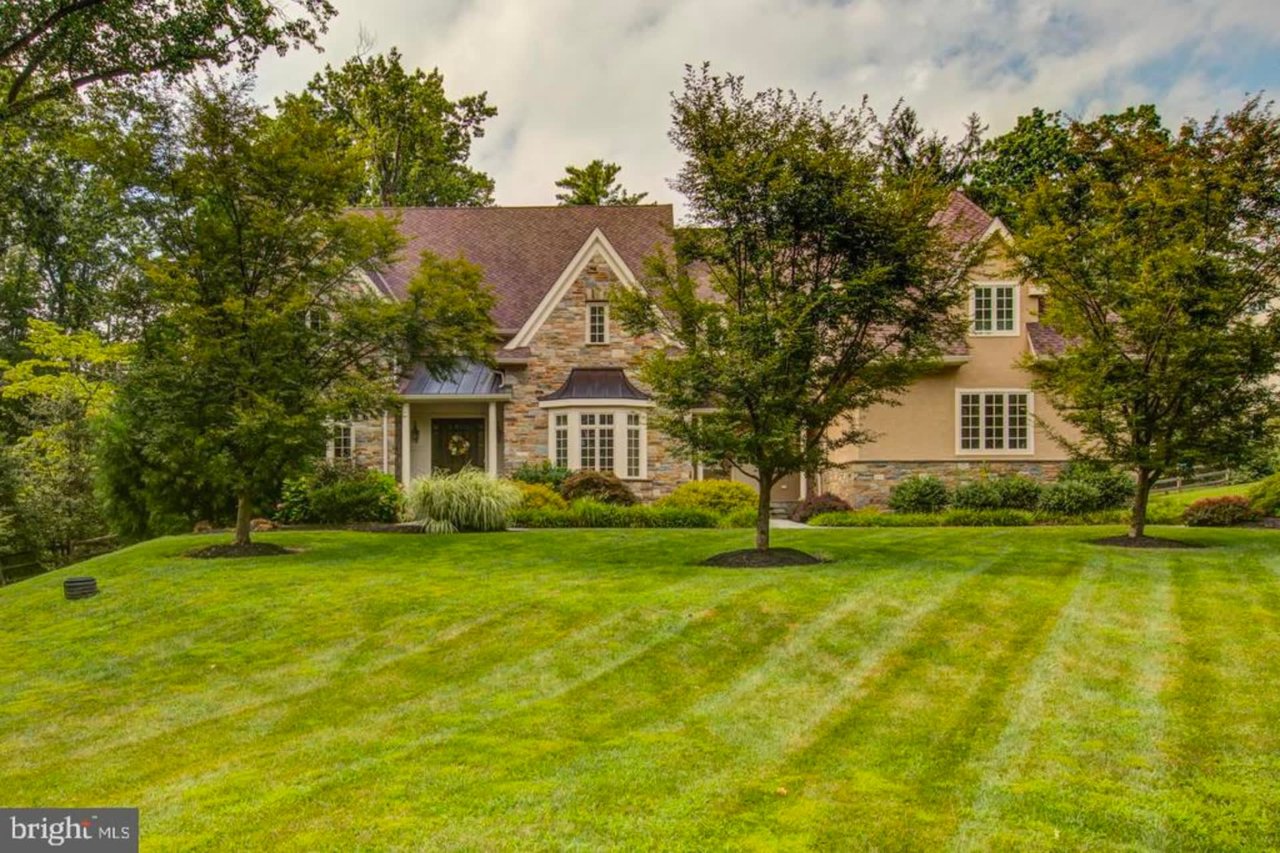
Older homes can command premium prices when they have been well-maintained or thoughtfully updated. Many buyers pay a premium for historic authenticity because these homes tell a story and contribute to the rich cultural tapestry of the Main Line. Stone farmhouses and Tudor Revivals often perform well in the market because they are unique standouts compared to more common contemporary homes.
However, age can also present challenges. Original systems for plumbing, electrical, and HVAC may require upgrades. Insulation and energy efficiency often lag behind newer homes. Foundations and roofing may need more frequent attention, and maintenance costs can be higher. Buyers of older homes budget for renovation and upkeep, while sellers can increase their homes’ appeal and value by investing in key updates.
Historic neighborhoods in areas like Bryn Mawr and Haverford showcase homes with distinctive character that draw buyers seeking charm and a sense of place.
Older homes can command premium prices when they have been well-maintained or thoughtfully updated. Many buyers pay a premium for historic authenticity because these homes tell a story and contribute to the rich cultural tapestry of the Main Line. Stone farmhouses and Tudor Revivals often perform well in the market because they are unique standouts compared to more common contemporary homes.
However, age can also present challenges. Original systems for plumbing, electrical, and HVAC may require upgrades. Insulation and energy efficiency often lag behind newer homes. Foundations and roofing may need more frequent attention, and maintenance costs can be higher. Buyers of older homes budget for renovation and upkeep, while sellers can increase their homes’ appeal and value by investing in key updates.
Why Newer Homes Have Value
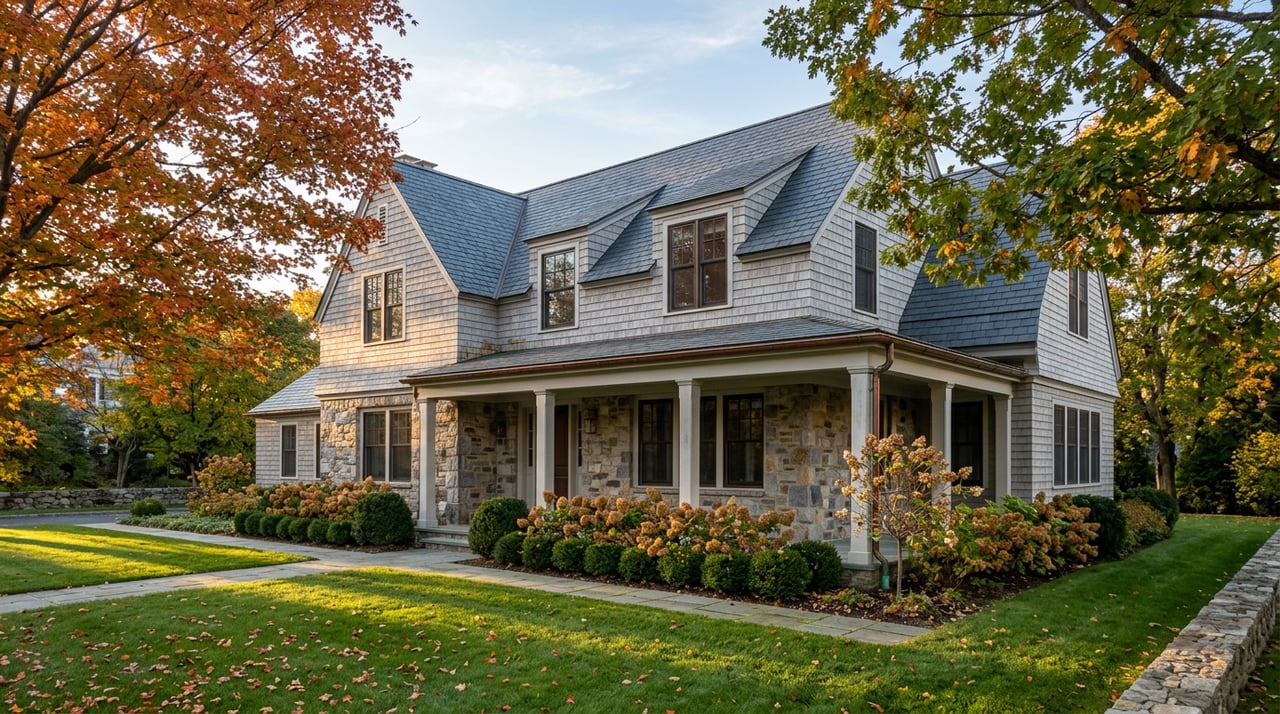
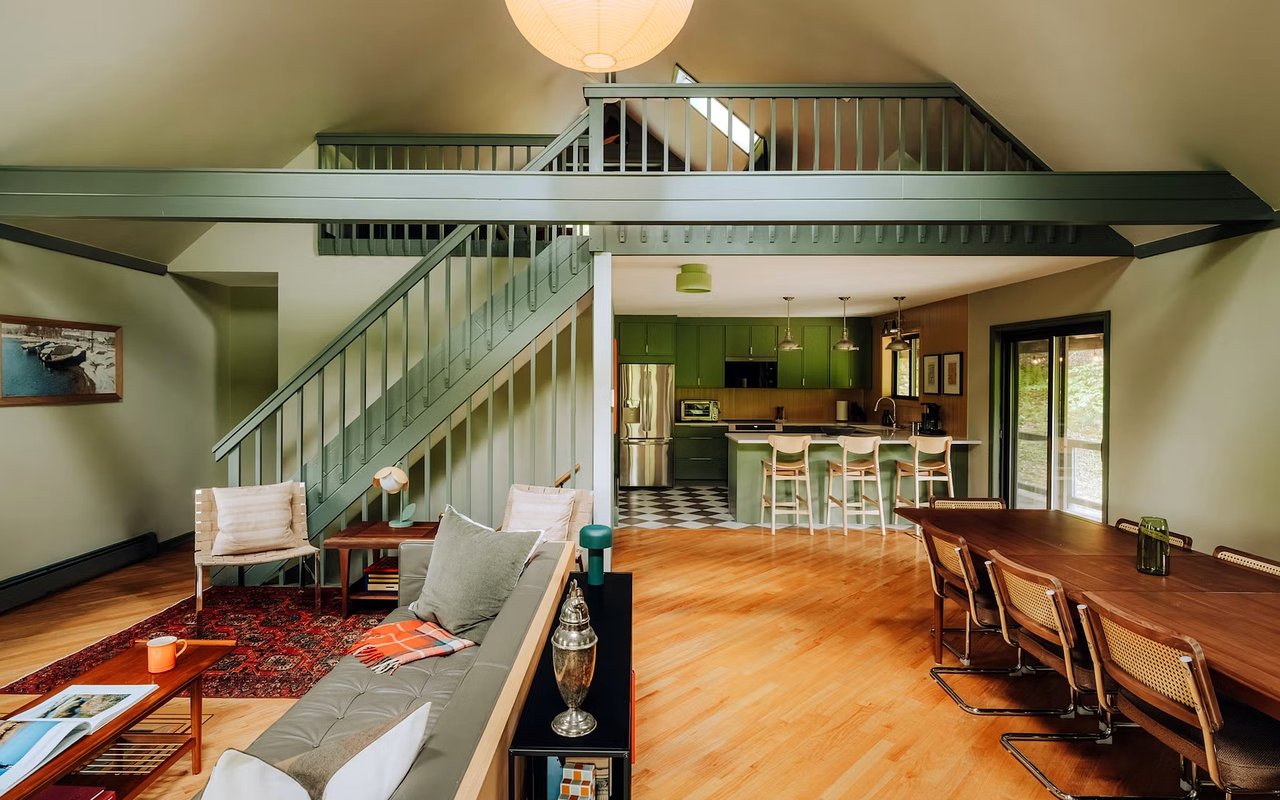
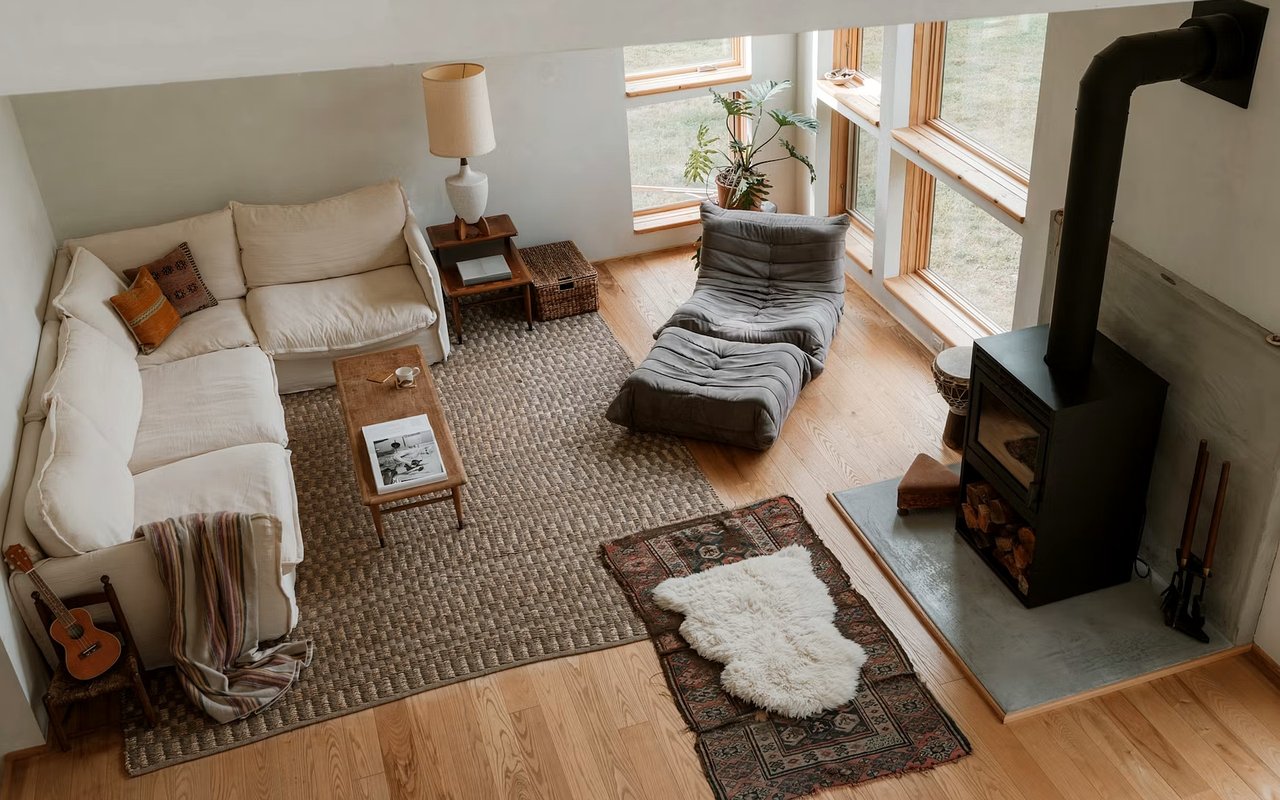
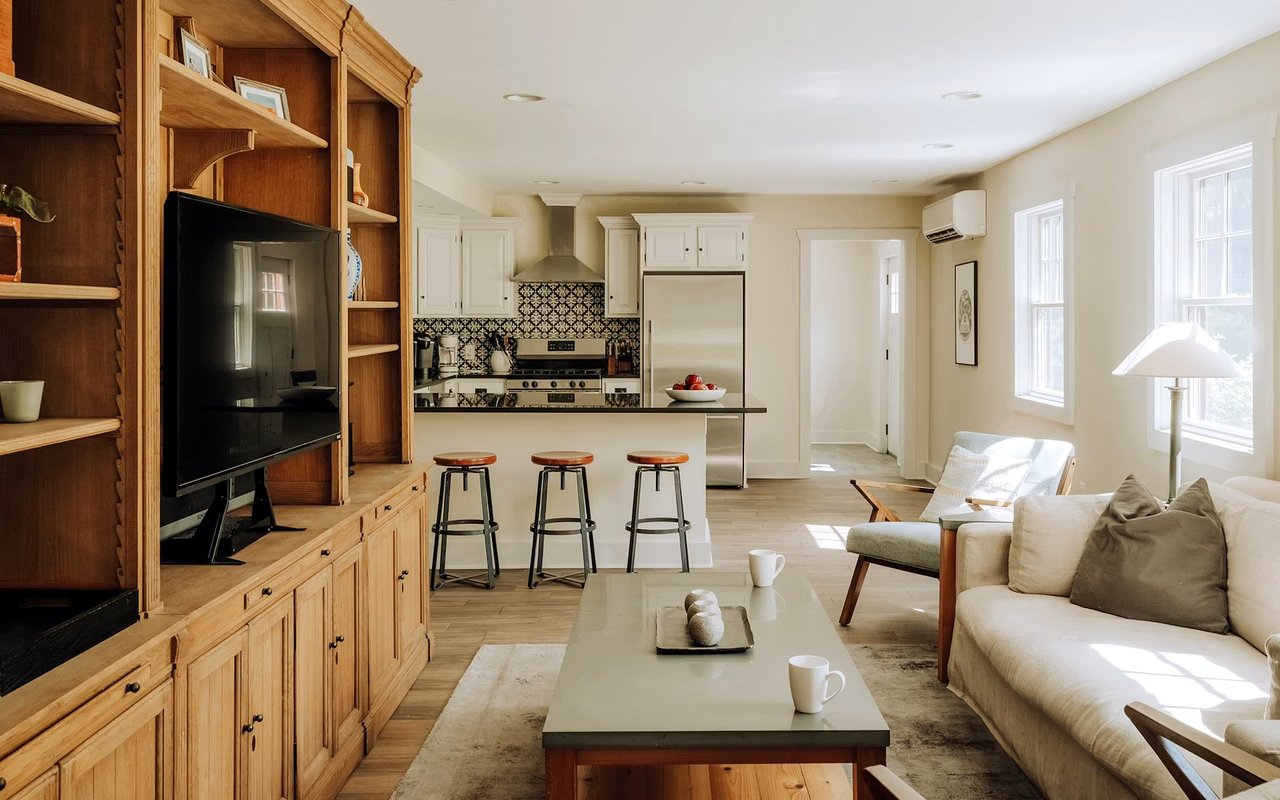
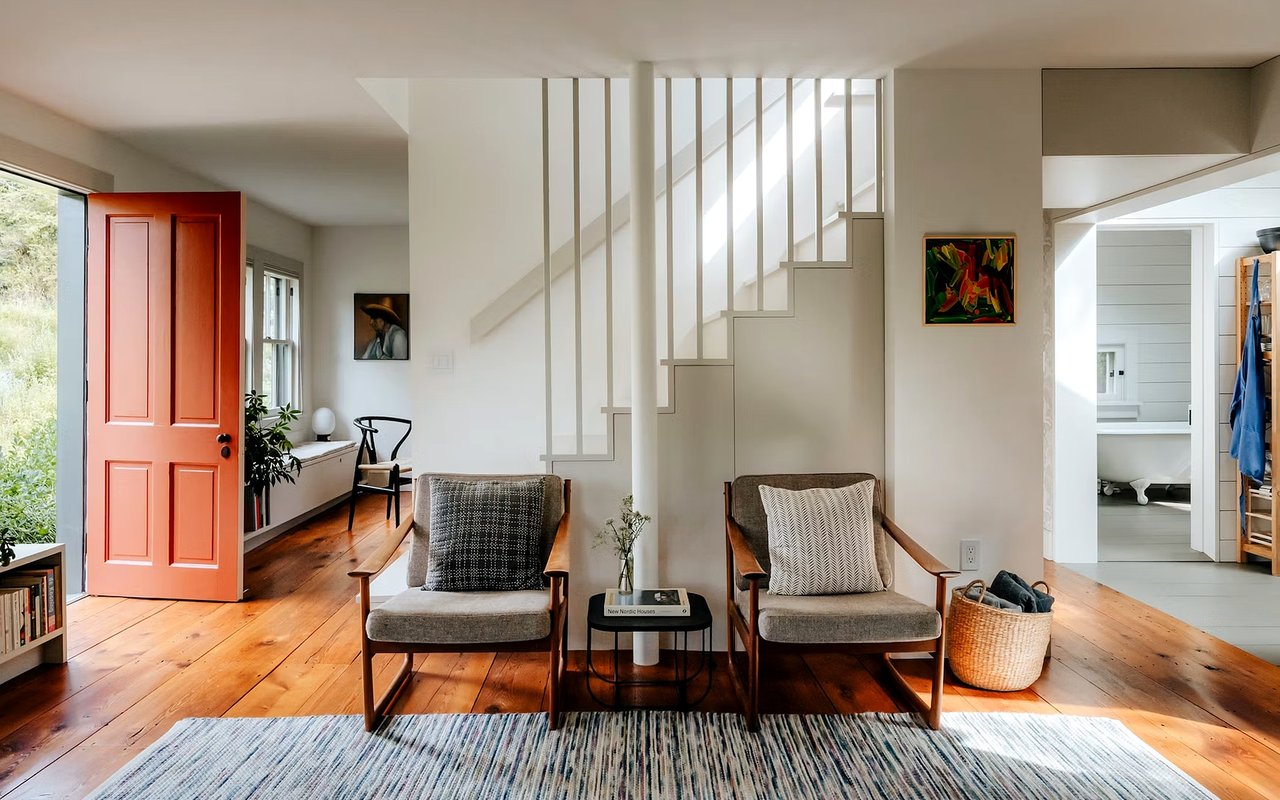
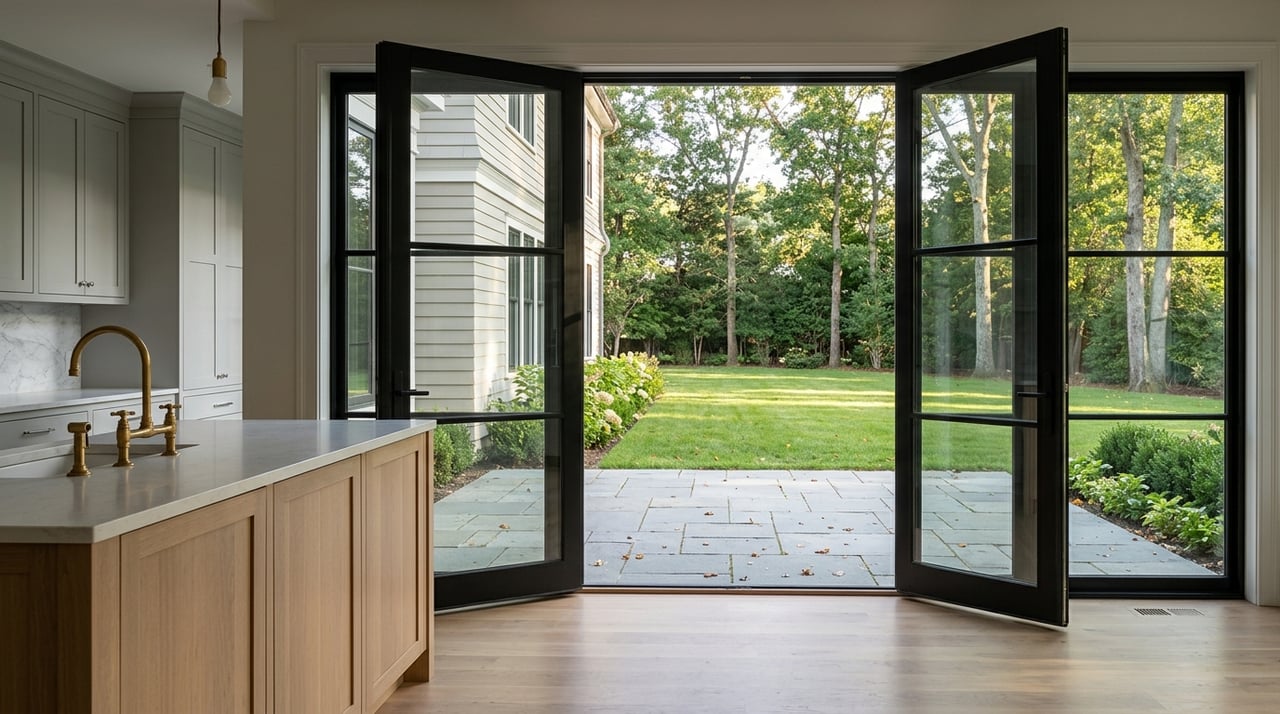
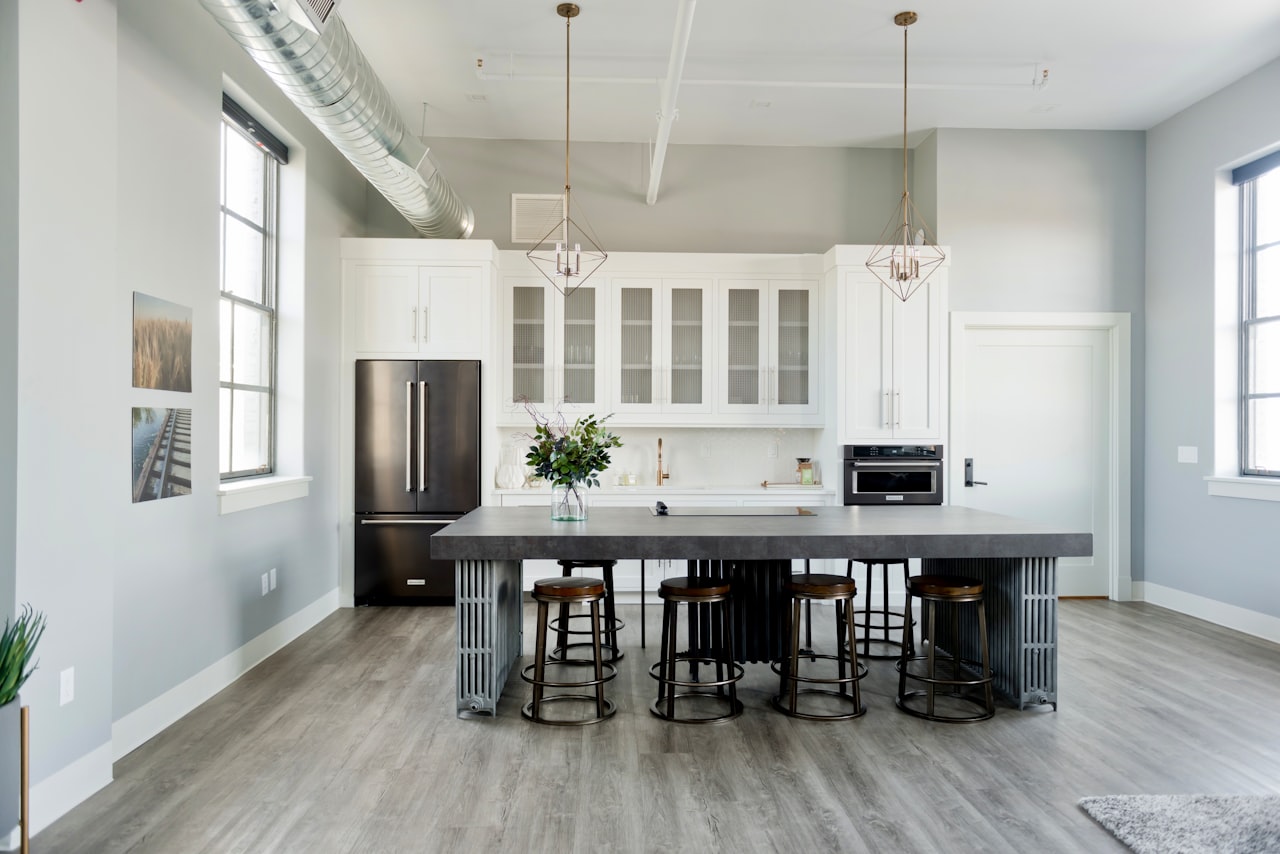
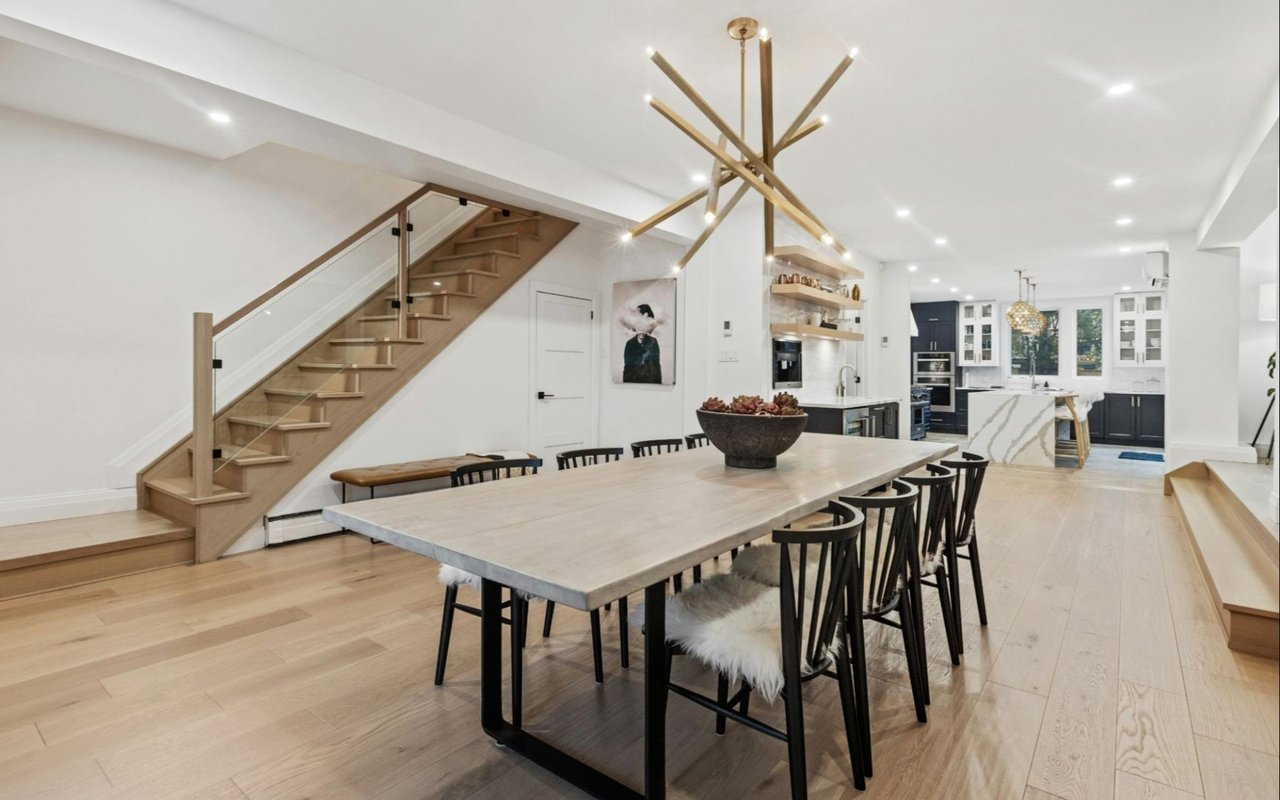
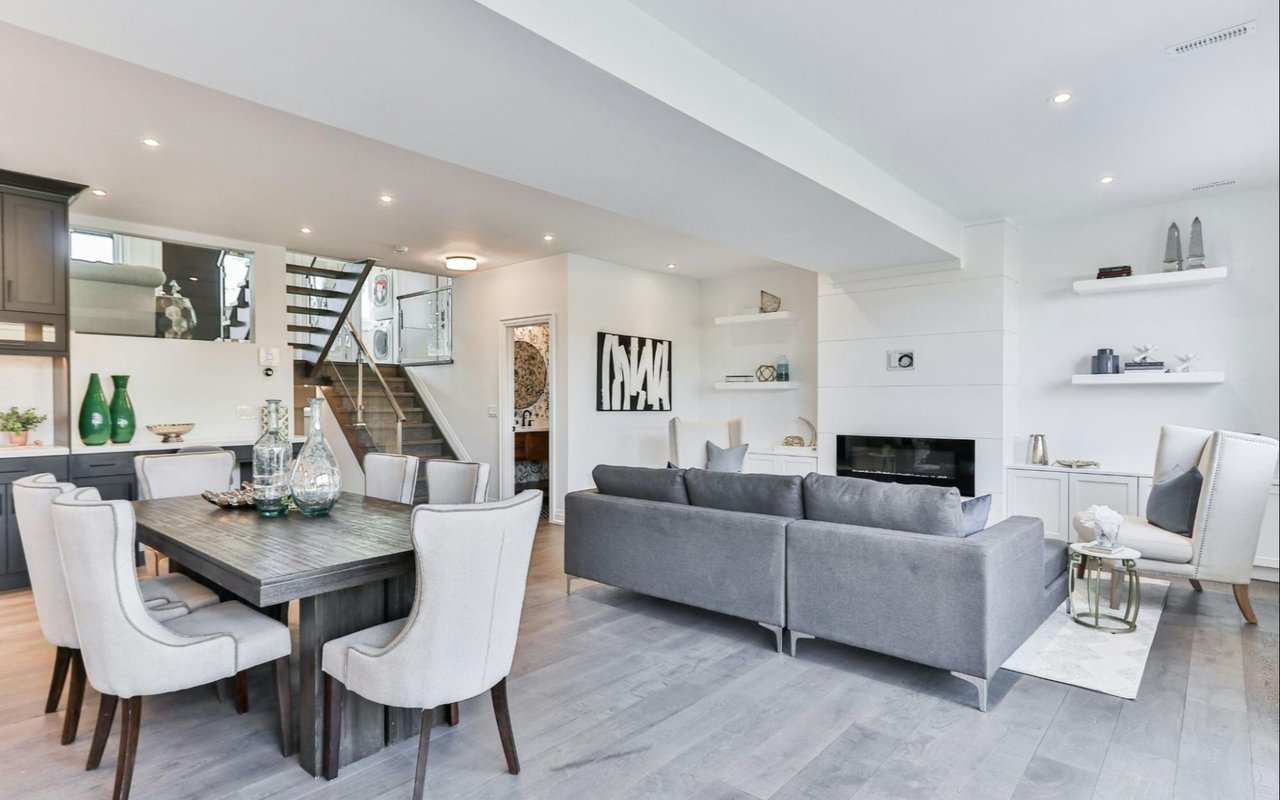
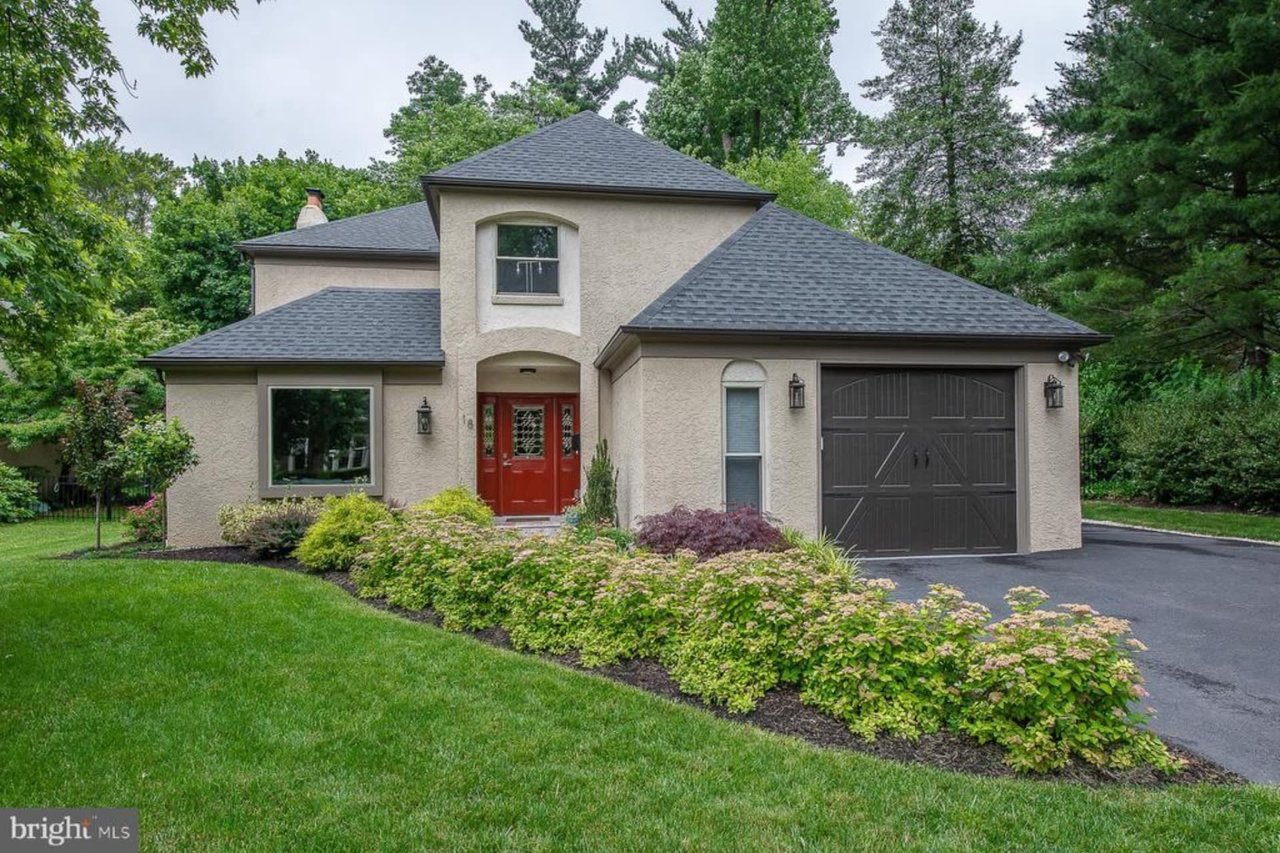
Newer homes often have advantages that appeal to today’s buyers, including open floor plans, abundant natural light, modern kitchens and bathrooms, and energy-efficient construction. In many cases, these homes include features that buyers expect, such as central air, contemporary appliances, and smart home technology.
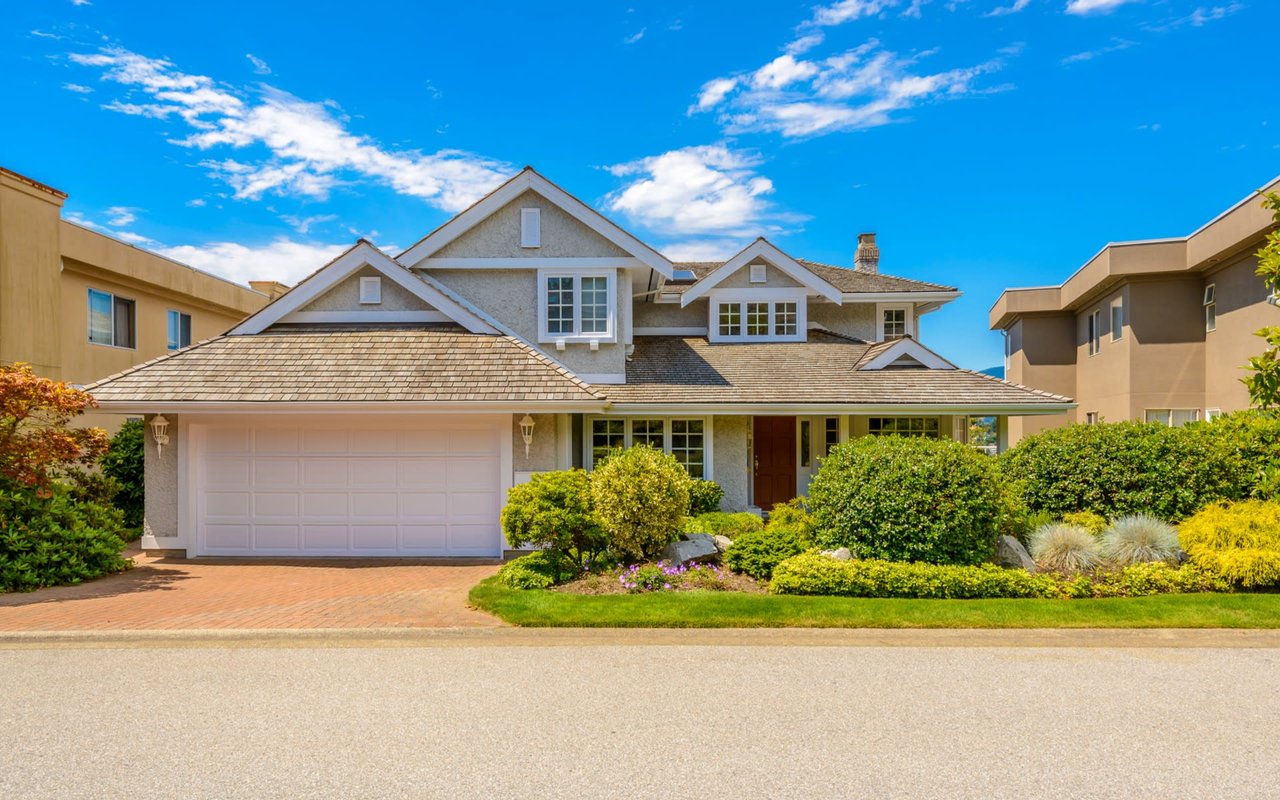
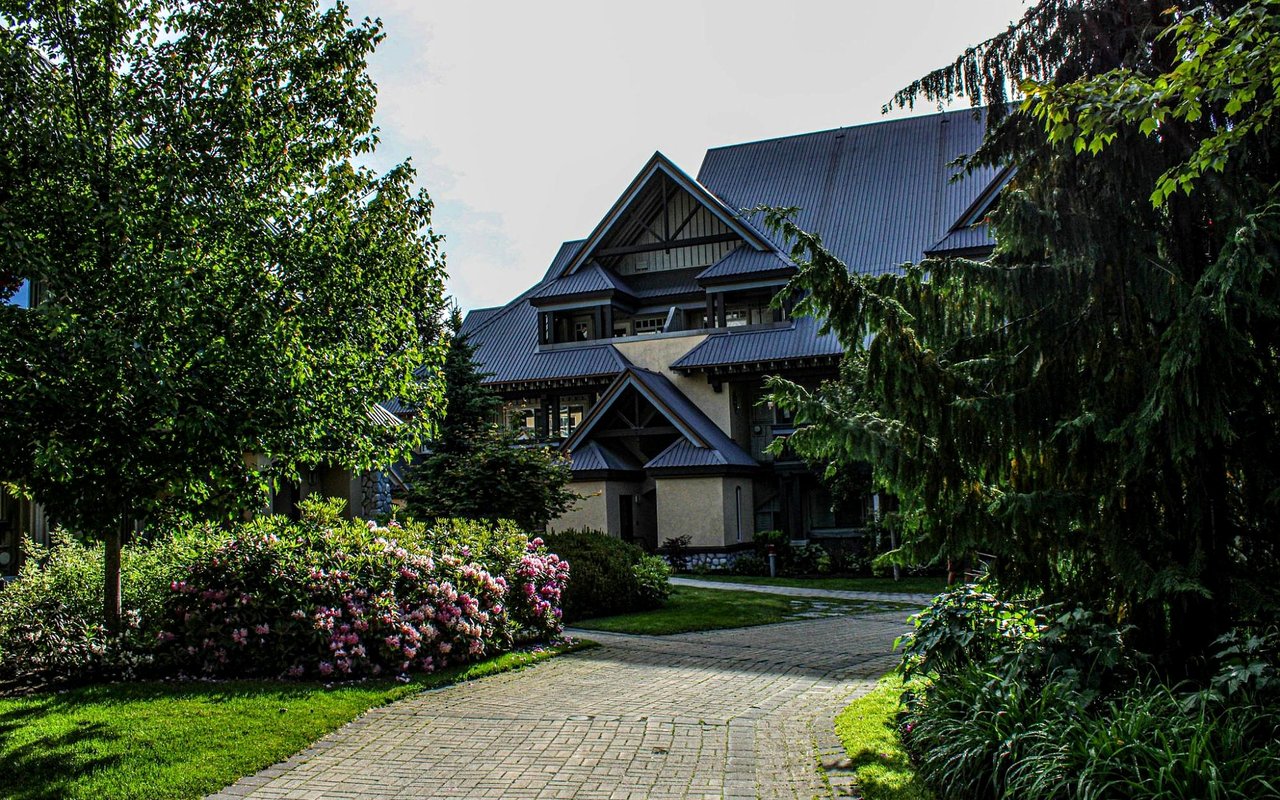
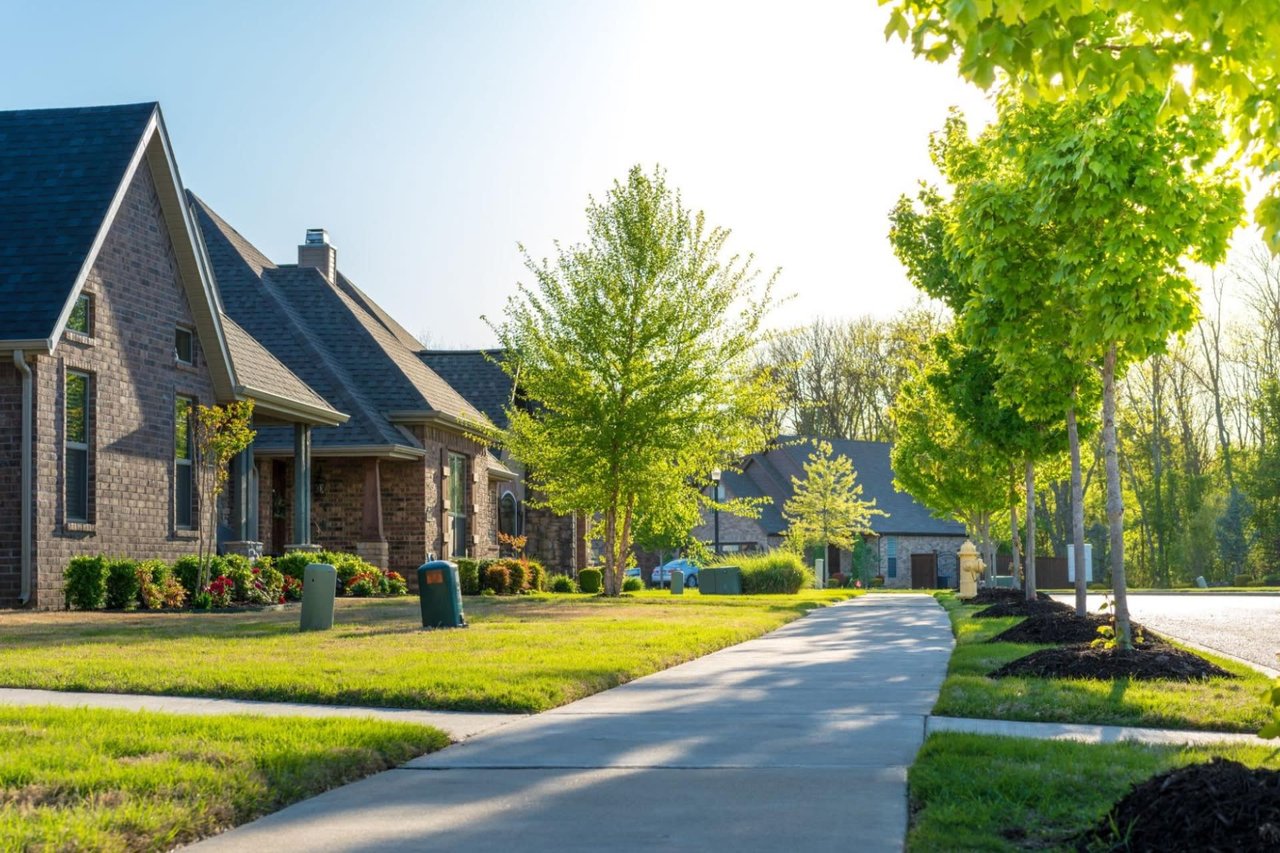
In areas of the Main Line where development has occurred more recently or where historic homes have been replaced or expanded, newer homes can attract buyers who prioritize move-in readiness and low maintenance. These properties often appeal to young professional families and downsizing buyers who want convenience without the cost and disruption of significant renovations.
Buyer demand for newer homes is robust when interest rates are favorable, and buyers are looking to avoid upgrades and repairs. These homes often command competitive prices in the market because they meet the needs of buyers who prioritize lifestyle and convenience.
In areas of the Main Line where development has occurred more recently or where historic homes have been replaced or expanded, newer homes can attract buyers who prioritize move-in readiness and low maintenance. These properties often appeal to young professional families and downsizing buyers who want convenience without the cost and disruption of significant renovations.
Buyer demand for newer homes is robust when interest rates are favorable, and buyers are looking to avoid upgrades and repairs. These homes often command competitive prices in the market because they meet the needs of buyers who prioritize lifestyle and convenience.
The Role of Location
One of the most significant factors influencing how home age impacts value is location. On the Main Line, equally, if a home is historic or newly built, where it sits matters just as much as when it was built.
Historic homes in prestigious sections of Bryn Mawr or near top-rated schools and walkable downtown districts often command strong prices regardless of age. Proximity to train stations with service into Center City Philadelphia adds significant appeal to homes, old and new alike, because it supports commuter lifestyles.
Similarly, newer homes located in close-in neighborhoods with easy access to restaurants, cultural attractions, parks, and services maintain high value. Buyers are willing to pay a premium for convenience, so a new construction in a walkable part of Ardmore or near community amenities in Haverford can achieve strong market performance.
Historic homes in prestigious sections of Bryn Mawr or near top-rated schools and walkable downtown districts often command strong prices regardless of age. Proximity to train stations with service into Center City Philadelphia adds significant appeal to homes, old and new alike, because it supports commuter lifestyles.
Similarly, newer homes located in close-in neighborhoods with easy access to restaurants, cultural attractions, parks, and services maintain high value. Buyers are willing to pay a premium for convenience, so a new construction in a walkable part of Ardmore or near community amenities in Haverford can achieve strong market performance.
Updating Older Homes to Maximize Value
Older homes with timeless character often see the greatest value gains when they marry historic charm with modern convenience. Sensitively executed renovations that preserve architectural details while updating key systems and spaces can transform the appeal of an older home.
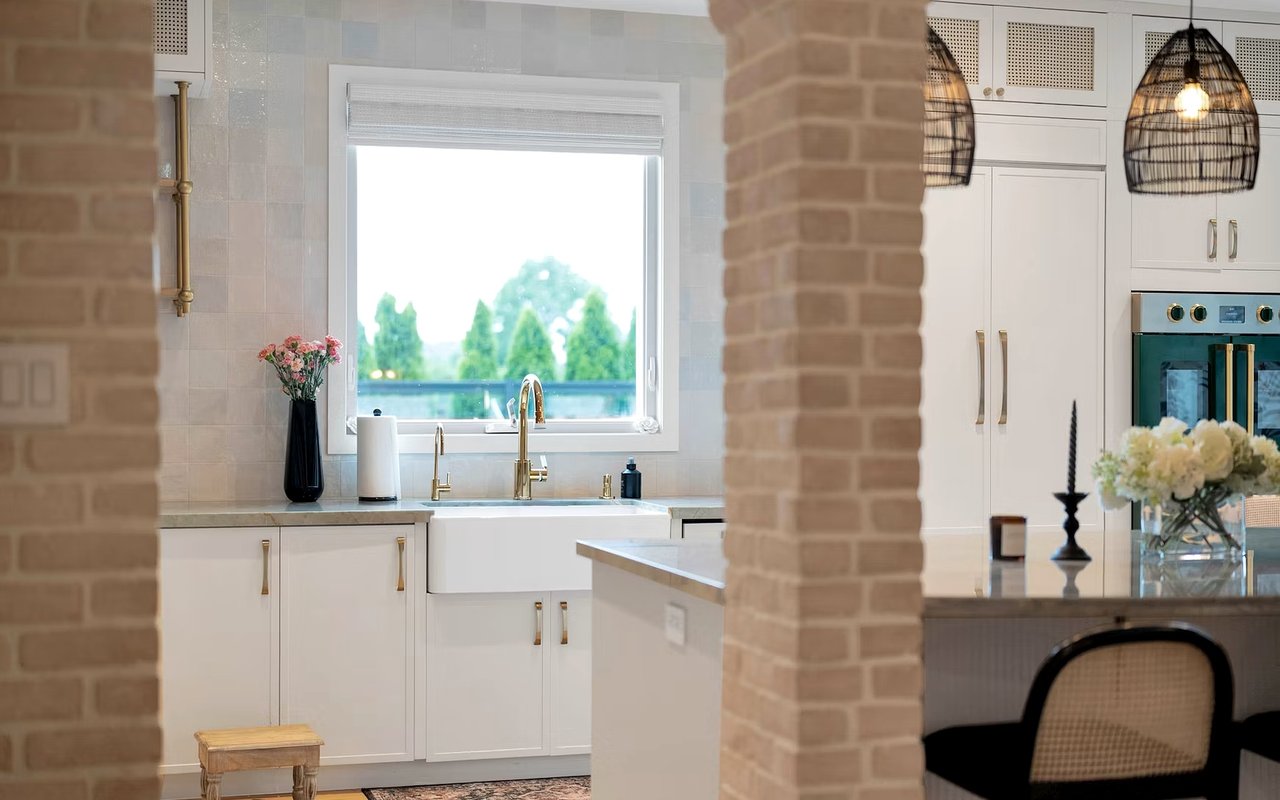
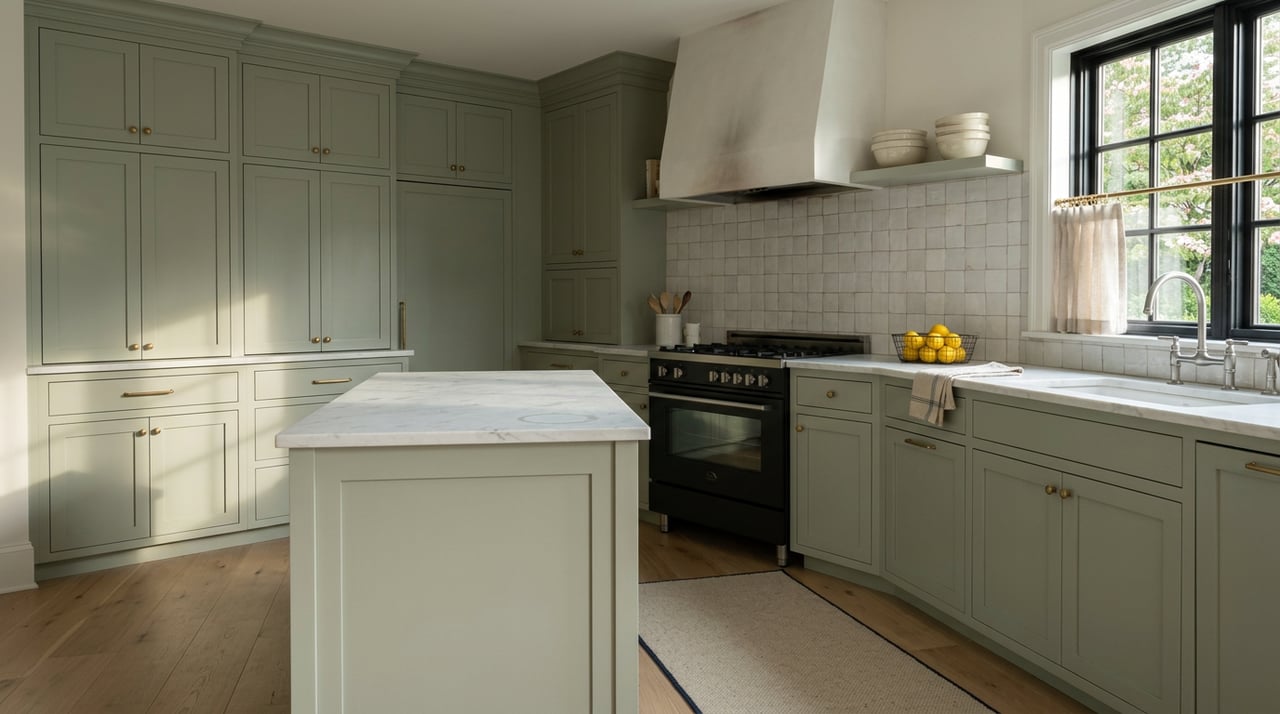
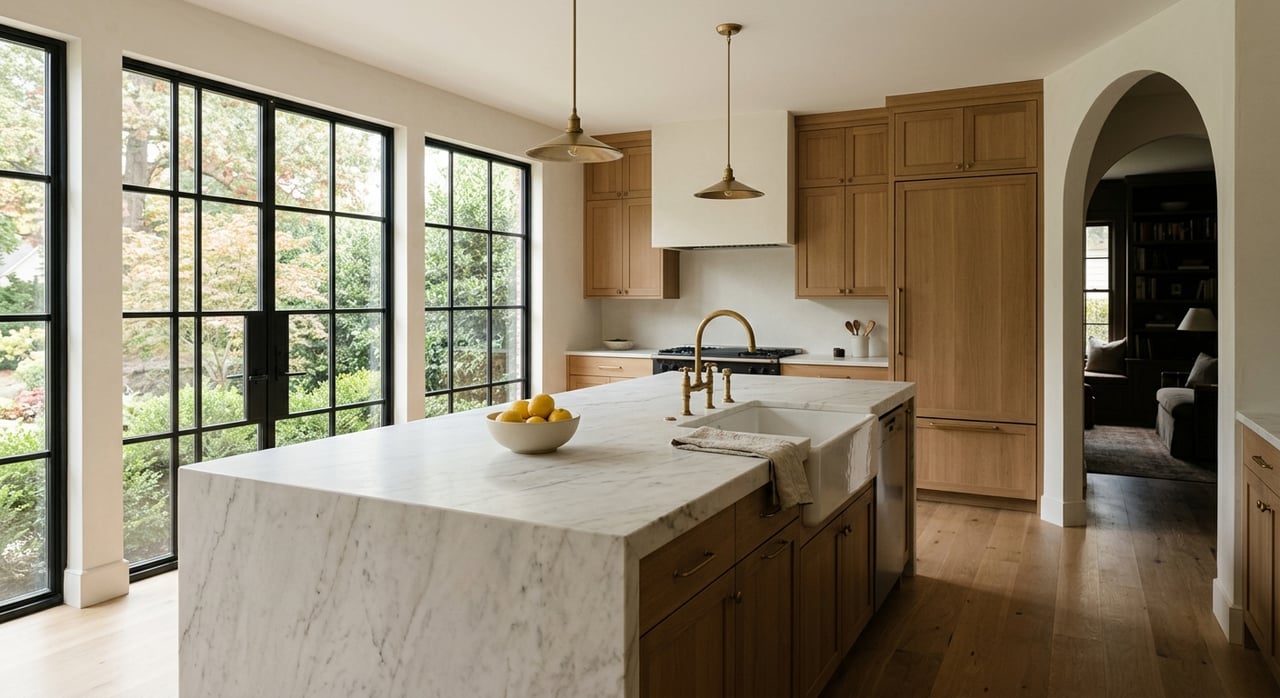
Kitchen and bathroom updates are among the most impactful improvements. A well-designed kitchen with updated appliances and quality finishes can significantly boost value. Similarly, modern bathrooms with desirable features attract buyers looking for comfort and style.
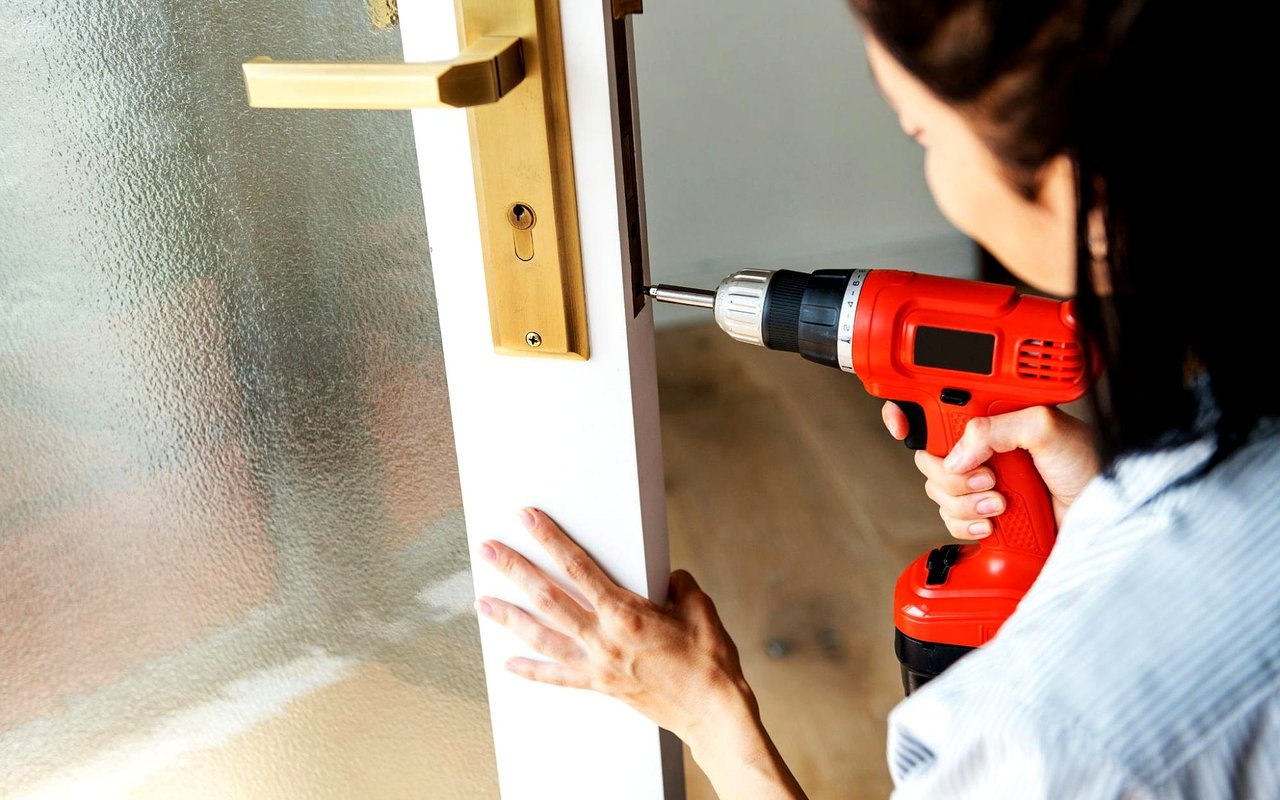
Upgrading systems such as electrical wiring, plumbing, and HVAC not only improves daily living but also increases buyer confidence. Installing energy-efficient windows and improving insulation can reduce utility costs and make older homes more competitive with newer construction.
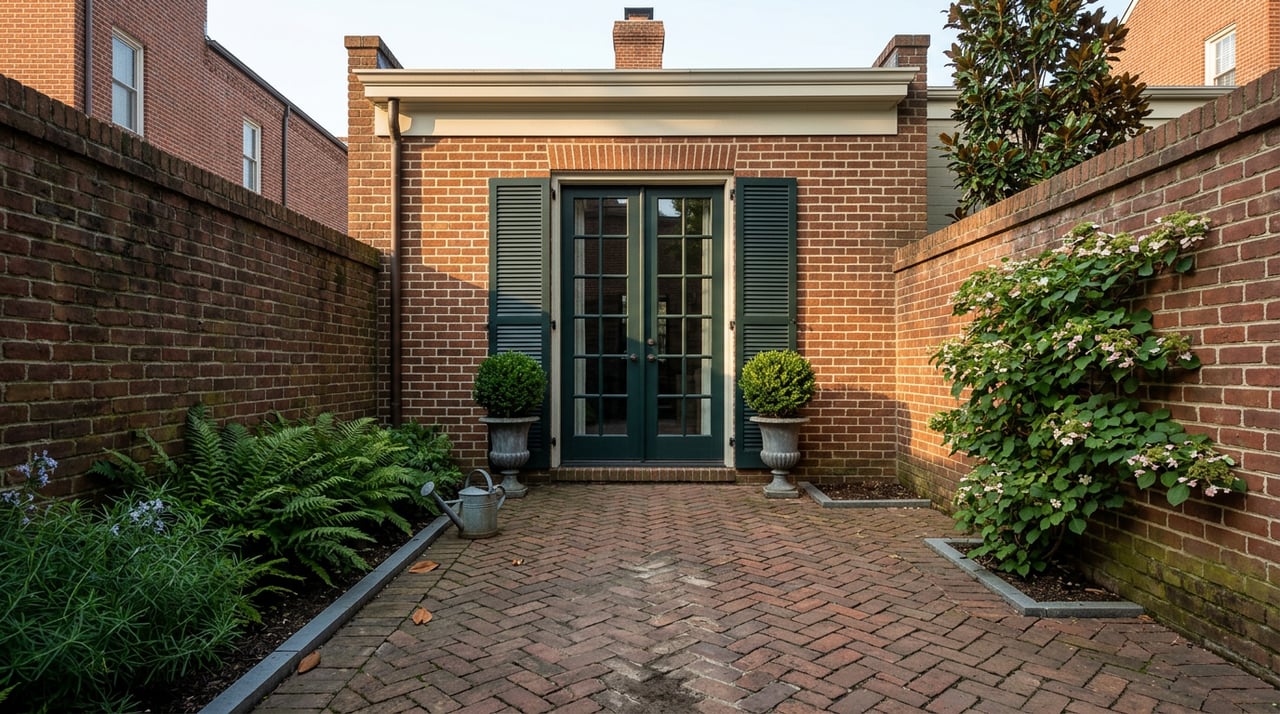
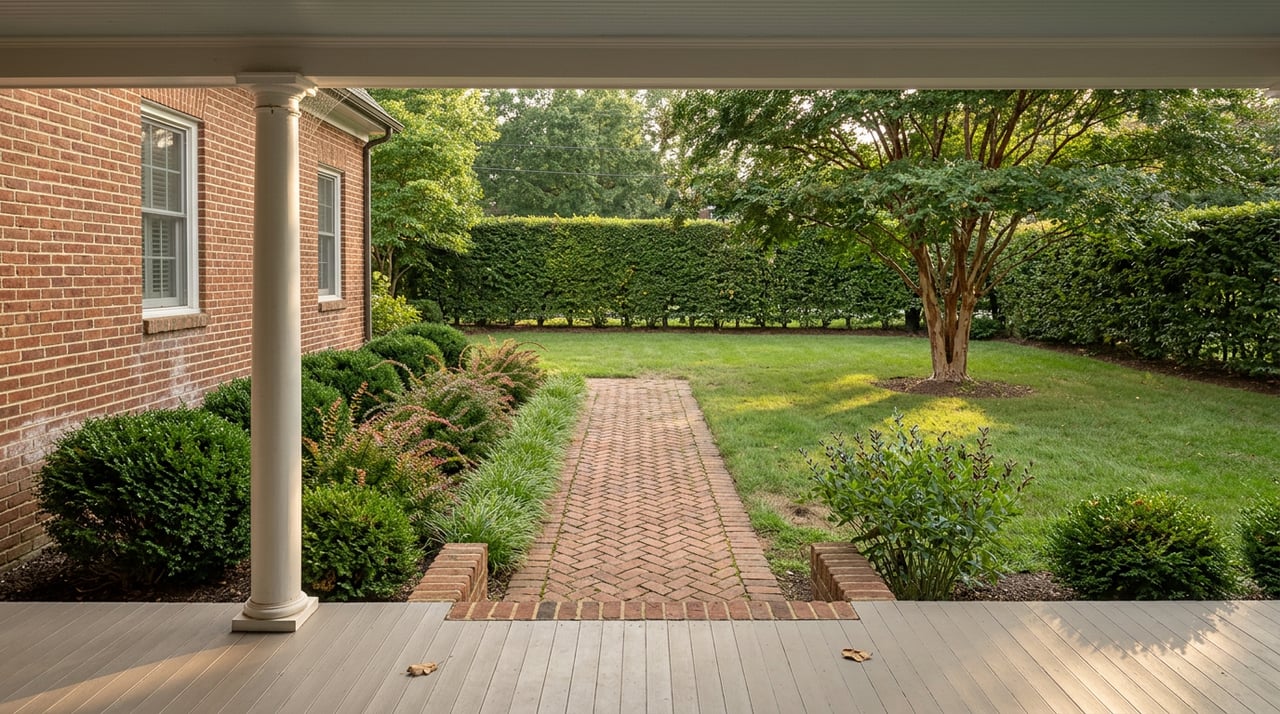
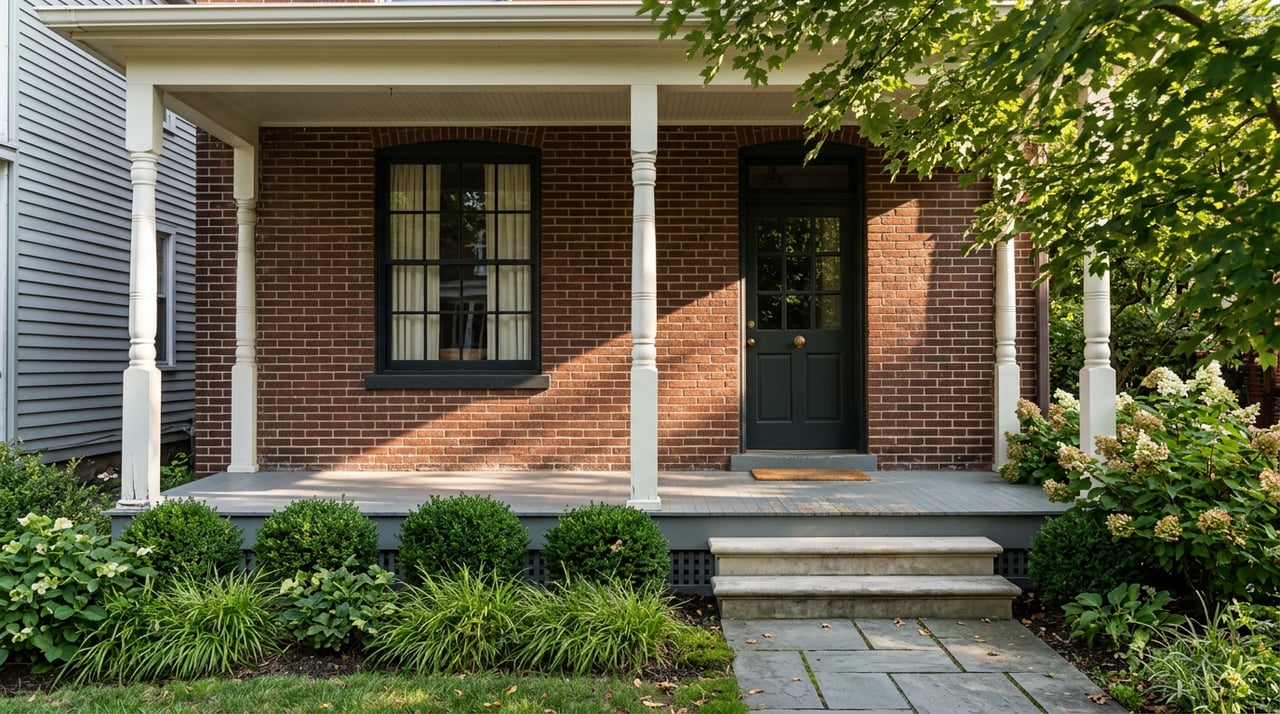
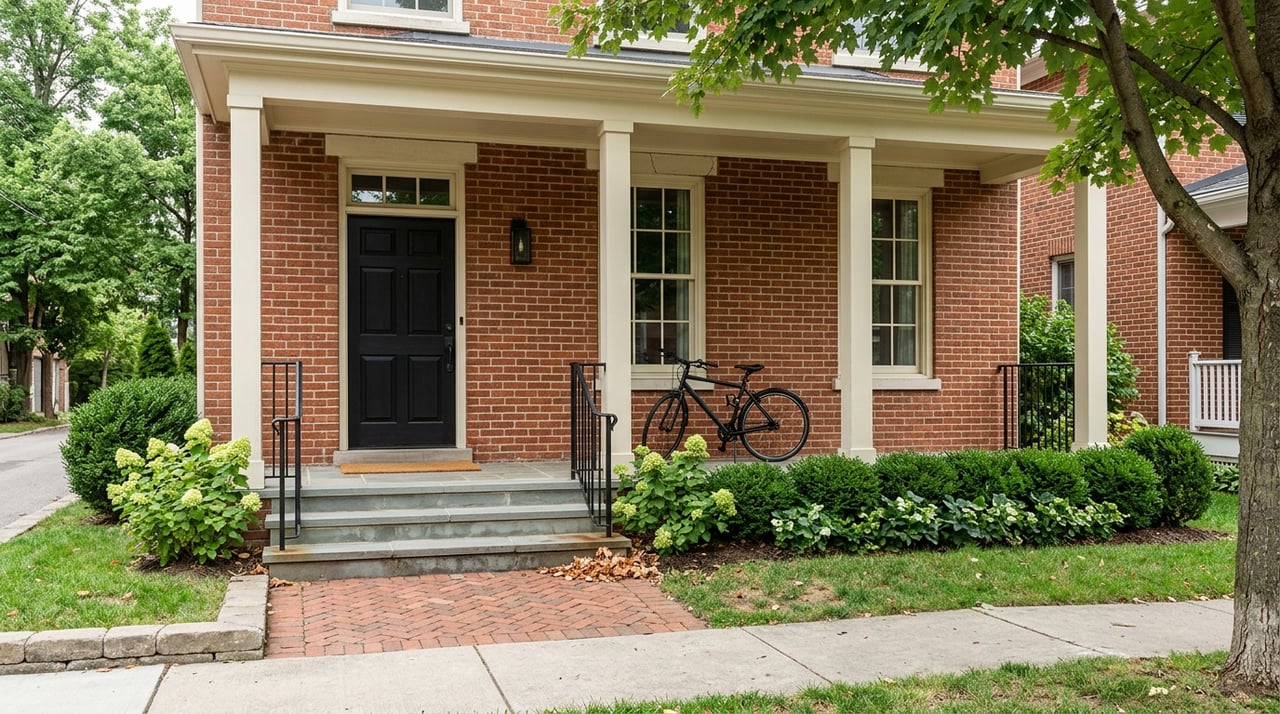
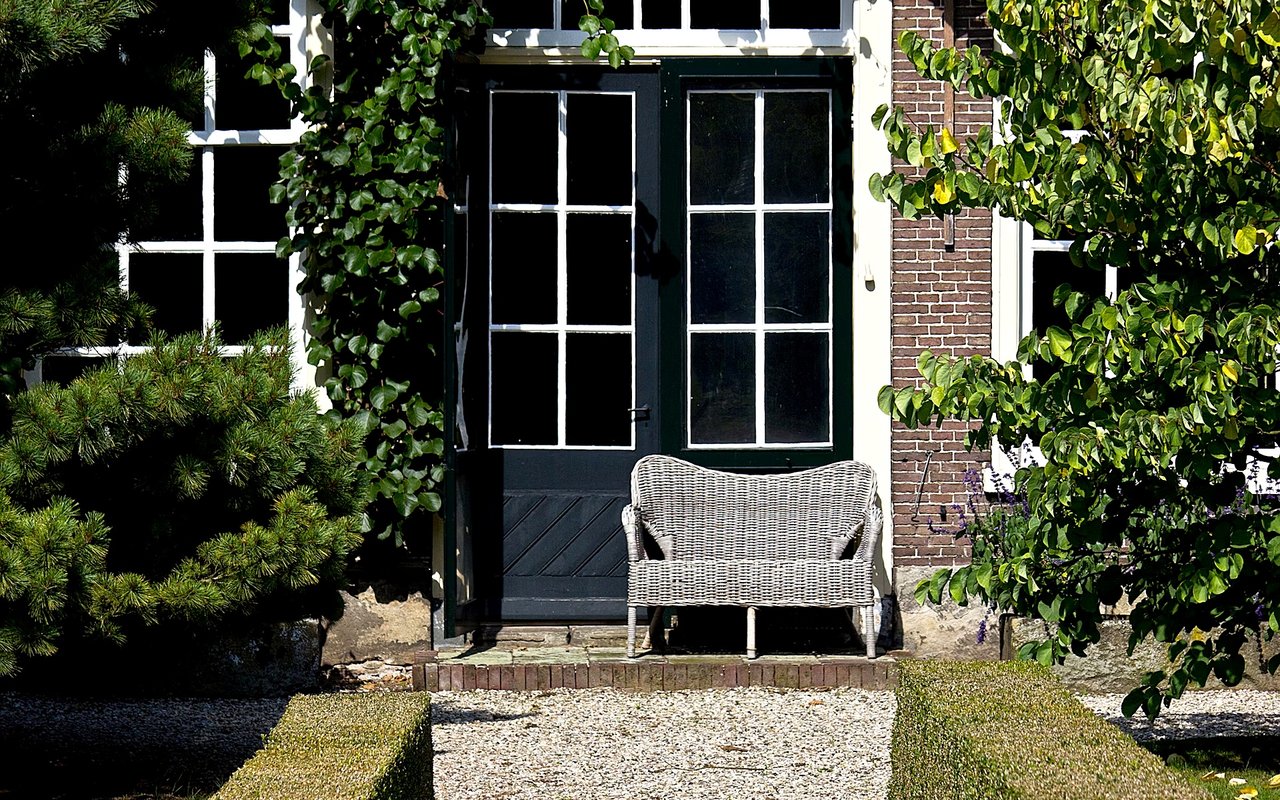
Curb appeal upgrades like fresh paint, restored woodwork, and professionally landscaped grounds help older homes compete by presenting them at their best. Buyers often form impressions before they step inside, so first impressions matter. When older homes are proactively maintained and thoughtfully updated, they usually outpace market expectations.
Kitchen and bathroom updates are among the most impactful improvements. A well-designed kitchen with updated appliances and quality finishes can significantly boost value. Similarly, modern bathrooms with desirable features attract buyers looking for comfort and style.
Upgrading systems such as electrical wiring, plumbing, and HVAC not only improves daily living but also increases buyer confidence. Installing energy-efficient windows and improving insulation can reduce utility costs and make older homes more competitive with newer construction.
Curb appeal upgrades like fresh paint, restored woodwork, and professionally landscaped grounds help older homes compete by presenting them at their best. Buyers often form impressions before they step inside, so first impressions matter. When older homes are proactively maintained and thoughtfully updated, they usually outpace market expectations.
The Upside of New Construction
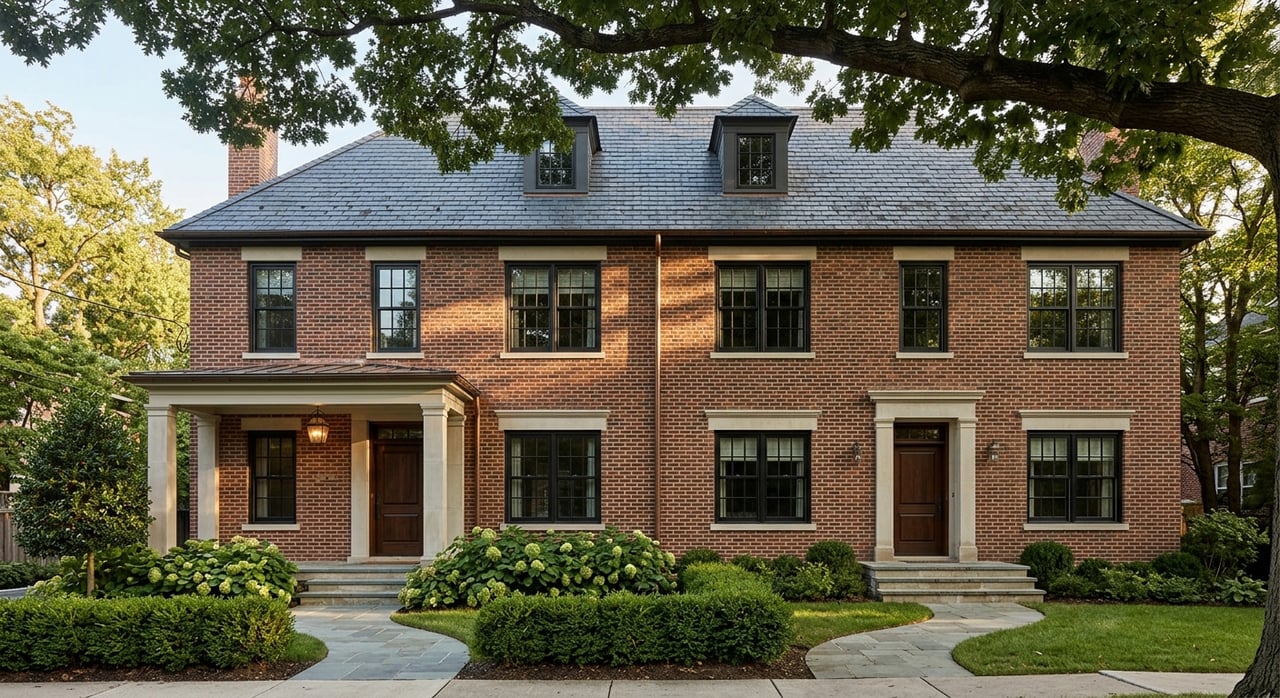
New construction homes along the Main Line offer buyers the opportunity to shape their living environment from the start. Whether buyers choose a recently built home in Ardmore or a custom build on a larger lot in Bryn Mawr, these properties offer predictability and modern standards.
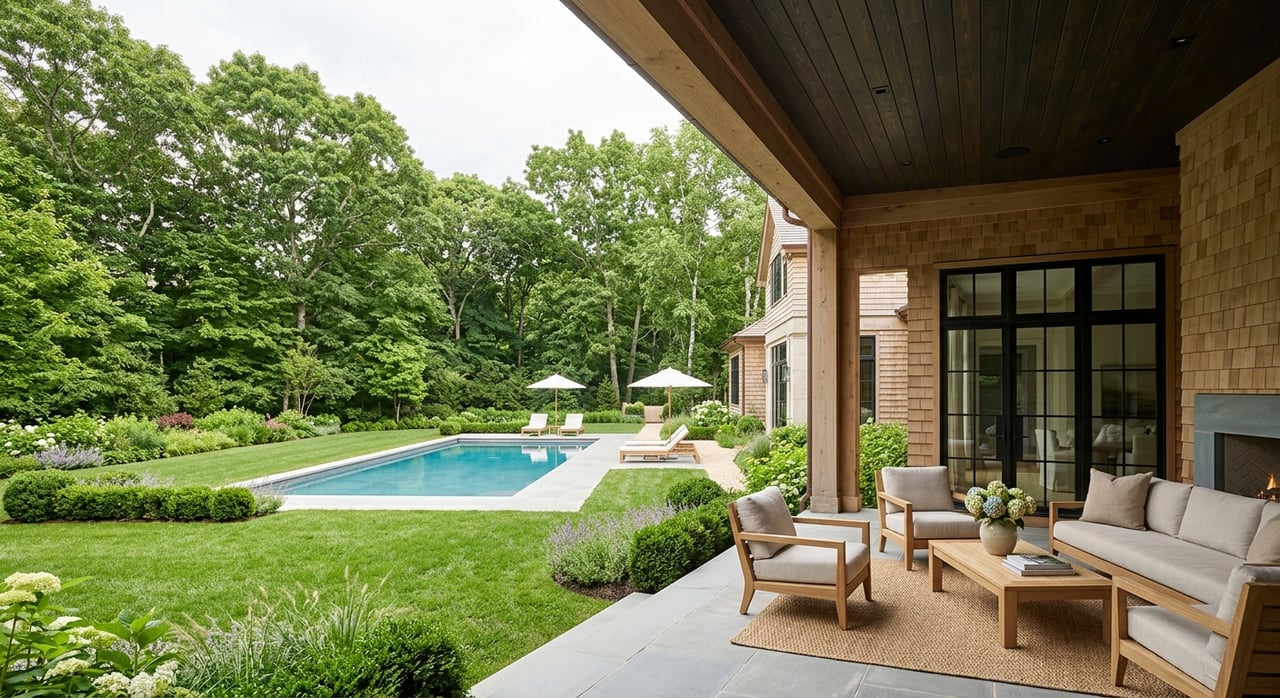
Energy efficiency is a significant benefit of new homes. Modern building practices often result in tighter envelopes, updated insulation, and high-performance windows, all of which reduce utility expenses and enhance comfort. Contemporary designs also tend to prioritize natural light and flexible living spaces, aligning with the way many buyers live today.
Smart home features like programmable thermostats, built-in security systems, and integrated appliances are often standard or easily added into new builds, making them especially attractive to tech-focused buyers. Low-maintenance exteriors and landscaping also free up homeowner time.
From a resale perspective, newer homes often require less immediate investment, which is attractive to buyers who want to avoid early renovation costs. This factor can help newer homes maintain competitive market value over time.
Energy efficiency is a significant benefit of new homes. Modern building practices often result in tighter envelopes, updated insulation, and high-performance windows, all of which reduce utility expenses and enhance comfort. Contemporary designs also tend to prioritize natural light and flexible living spaces, aligning with the way many buyers live today.
Smart home features like programmable thermostats, built-in security systems, and integrated appliances are often standard or easily added into new builds, making them especially attractive to tech-focused buyers. Low-maintenance exteriors and landscaping also free up homeowner time.
From a resale perspective, newer homes often require less immediate investment, which is attractive to buyers who want to avoid early renovation costs. This factor can help newer homes maintain competitive market value over time.
How Age Interacts With Market Trends
Market trends also shape how home age influences value. When interest rates rise, buyers often become more price sensitive, and older homes with room for improvement can attract a wider pool of offers. During periods of strong economic growth, buyers may prioritize standout features, such as historic character or architectural uniqueness, even in older homes.
Seasoned investors often recognize that older homes in prime locations have long-term value potential, as land and location tend to remain in high demand. In contrast, when buyers prioritize turnkey convenience and immediate move-in readiness, newer homes experience heightened competition and stronger pricing.
Understanding local market conditions helps both buyers and sellers position homes effectively. A Main Line property that reflects current buyer preferences with the right balance of age charm and modern amenities can outperform expectations even if it is older or newer than competing homes.
Seasoned investors often recognize that older homes in prime locations have long-term value potential, as land and location tend to remain in high demand. In contrast, when buyers prioritize turnkey convenience and immediate move-in readiness, newer homes experience heightened competition and stronger pricing.
Understanding local market conditions helps both buyers and sellers position homes effectively. A Main Line property that reflects current buyer preferences with the right balance of age charm and modern amenities can outperform expectations even if it is older or newer than competing homes.
Making Age Work for You
For buyers, age should be part of the conversation but not the only consideration. A well-built older home with thoughtful updates may offer value that rivals new construction. Likewise, a newer home with contemporary features might provide immediate enjoyment and lower maintenance. Personal preferences, lifestyle expectations, and long-term financial goals all play into how age should influence decision-making.
Working with an experienced local real estate agent helps buyers understand how age affects value. Agents who know the Main Line understand neighborhood nuances, school districts, lot sizes, and architectural trends and can guide buyers toward homes that align with their priorities.
Sellers benefit from understanding how to present their homes regardless of age. Highlighting recent improvements in inspection reports, staging photography, and listing descriptions helps buyers see the value beyond the year on the property deed.
Working with an experienced local real estate agent helps buyers understand how age affects value. Agents who know the Main Line understand neighborhood nuances, school districts, lot sizes, and architectural trends and can guide buyers toward homes that align with their priorities.
Sellers benefit from understanding how to present their homes regardless of age. Highlighting recent improvements in inspection reports, staging photography, and listing descriptions helps buyers see the value beyond the year on the property deed.
Work With a Main Line Expert
Whether you’re buying or selling a home in Bryn Mawr, Haverford, Ardmore, or any of the surrounding Main Line neighborhoods, understanding the connection between home age and value gives you a significant advantage. Homes of all ages can be valuable when their feature, maintenance, and location align with current buyer preferences.
Stephanie MacDonald of The MacDonald Team has deep expertise in the Main Line real estate market. Her knowledge of how home age impacts value, combined with local insight, helps buyers make confident choices and helps sellers position their properties for success.
Connect with Stephanie and learn how to make the most of your home-buying or selling journey in Main Line Philadelphia.
Stephanie MacDonald of The MacDonald Team has deep expertise in the Main Line real estate market. Her knowledge of how home age impacts value, combined with local insight, helps buyers make confident choices and helps sellers position their properties for success.
Connect with Stephanie and learn how to make the most of your home-buying or selling journey in Main Line Philadelphia.