By The MacDonald Team
Most buyers come to us with a familiar list of questions — how much can I afford, what neighborhoods should I consider, how long does this take? Those are the right questions to start with. But in our experience helping buyers across Main Line Philadelphia, it's the questions people didn't know to ask that tend to matter most. Here are the ones we find ourselves answering again and again.
Key Takeaways
- Pre-approval and pre-qualification are not the same — one carries real weight, the other doesn't
- The purchase price is far from your only cost; closing costs, taxes, and carrying costs add up
- Contingencies are protections, not obstacles — understand each one before waiving any
- Local nuances, from township taxes to older-home considerations, matter significantly on the Main Line
Is Pre-Qualification the Same as Pre-Approval?
No, and the difference matters more than most buyers realize. A pre-qualification is a rough estimate based on self-reported financial information. A pre-approval is a verified assessment — the lender has actually reviewed your income, assets, credit, and debt and issued a conditional commitment to lend.
In Main Line Philadelphia's competitive market, sellers take pre-approvals seriously and treat pre-qualifications with skepticism. If you're serious about buying, get fully pre-approved before you start touring homes.
In Main Line Philadelphia's competitive market, sellers take pre-approvals seriously and treat pre-qualifications with skepticism. If you're serious about buying, get fully pre-approved before you start touring homes.
What Costs Should I Budget for Beyond the Purchase Price?
This is the question buyers most often wish they'd asked earlier. The purchase price is just the beginning, and the additional costs can be substantial in this market.
Costs to Account for Before You Buy
What to budget beyond the price of the home:
- Closing costs — typically 2 to 5 percent of the purchase price, including loan fees, appraisal, title insurance, and prepaid items
- Property taxes — vary meaningfully by township and school district across the Main Line; two similar homes in different municipalities can carry very different tax bills
- Homeowner's insurance — a required carrying cost; get a quote before you make an offer
- Maintenance reserves — the Main Line's beautiful older homes often carry higher upkeep costs; budgeting around 1 percent of the home's value annually is a sound guideline
What Contingencies Should Be in My Offer?
Contingencies protect you as a buyer, giving you defined exit paths if something changes between offer and closing. The three most important are the inspection contingency, the financing contingency, and the appraisal contingency.
Understanding Your Key Protections
What each contingency does:
- Inspection contingency — lets you negotiate repairs or exit based on what the inspection reveals
- Financing contingency — protects you if your loan doesn't come through
- Appraisal contingency — protects you if the home appraises below your offer price
In competitive situations, buyers sometimes waive contingencies to strengthen an offer. Understand exactly what you're giving up before you do — waiving protections carries real risk.
What Should I Know About Buying an Older Home on the Main Line?
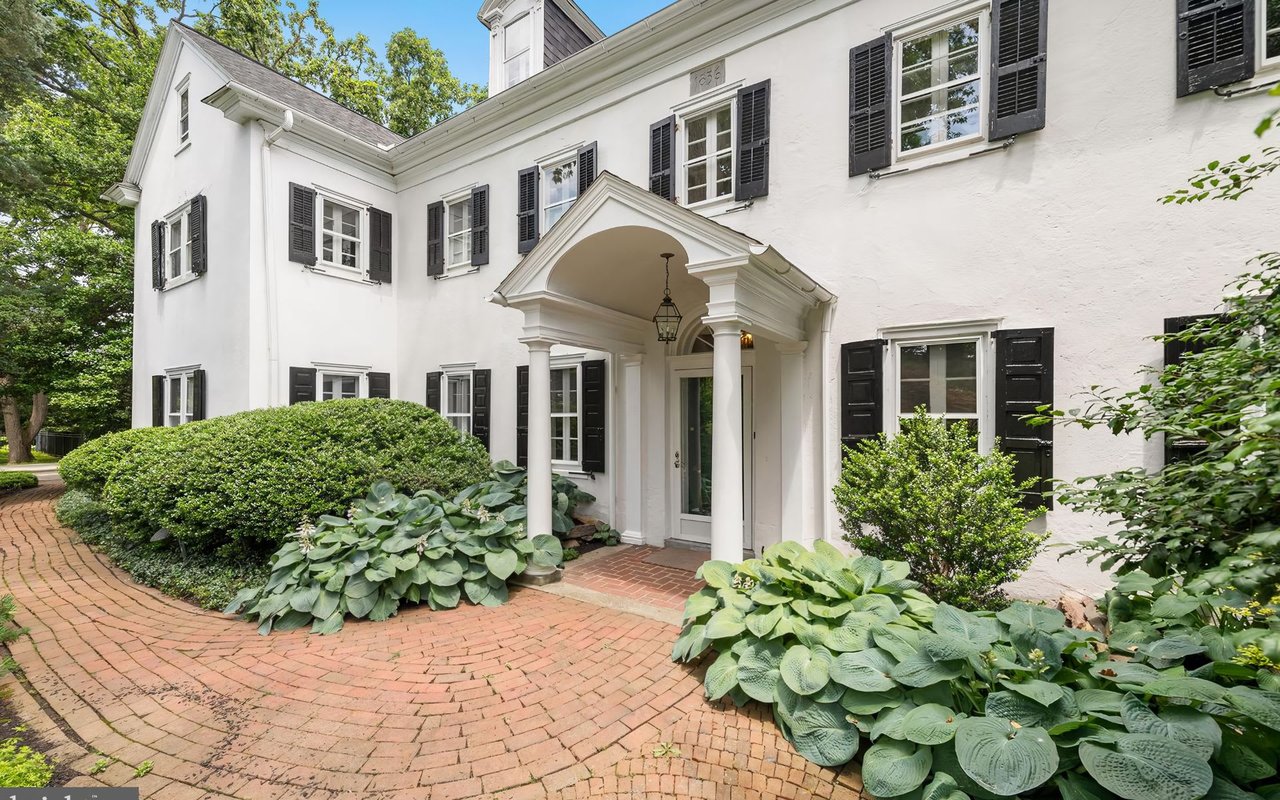
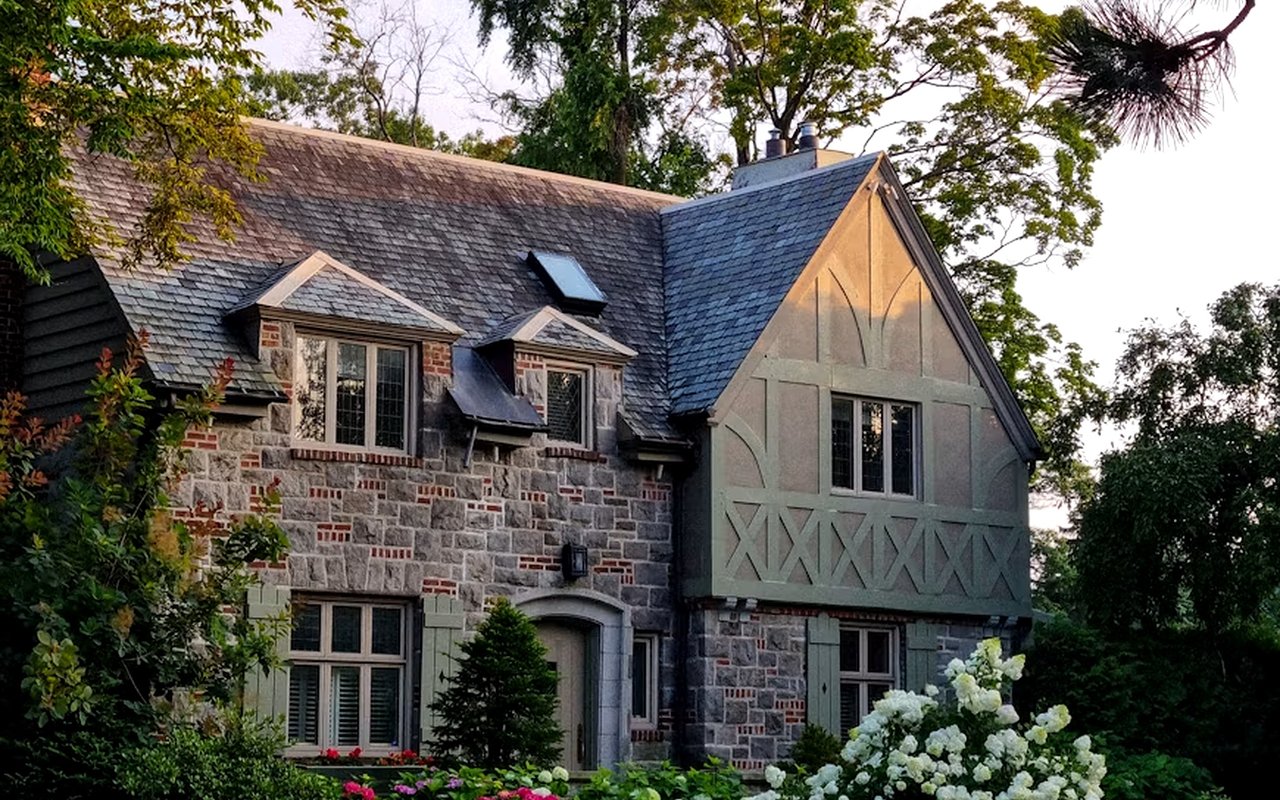
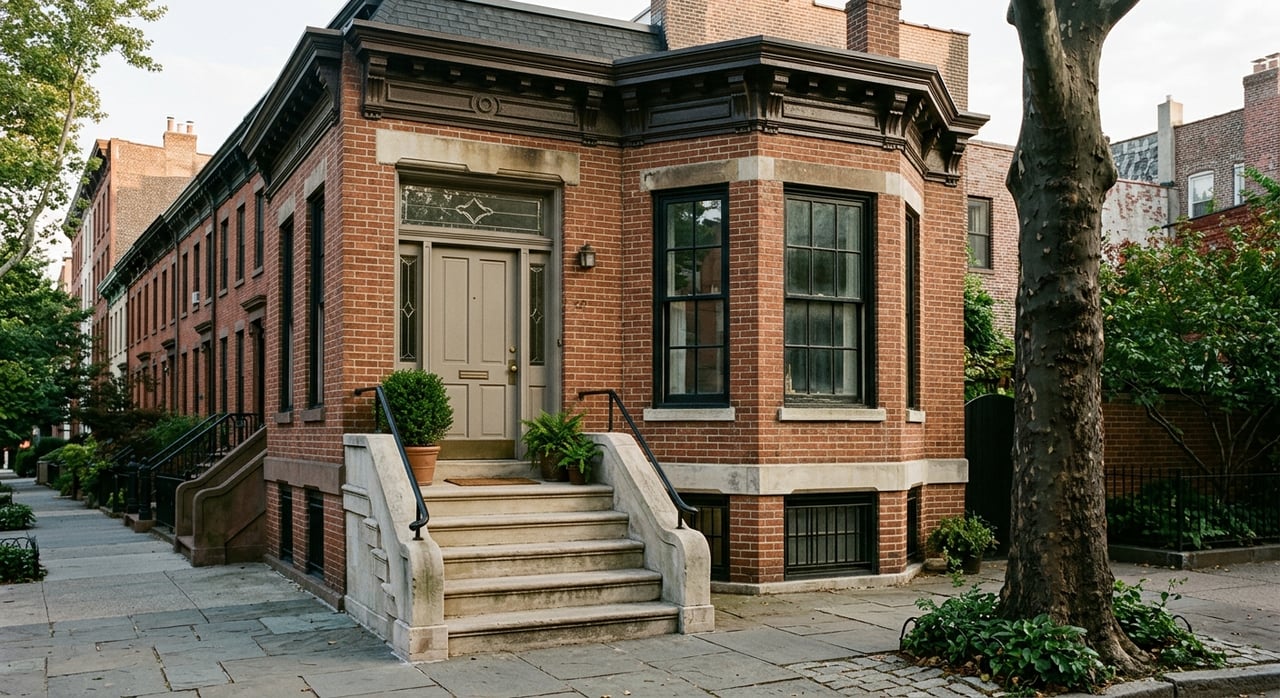
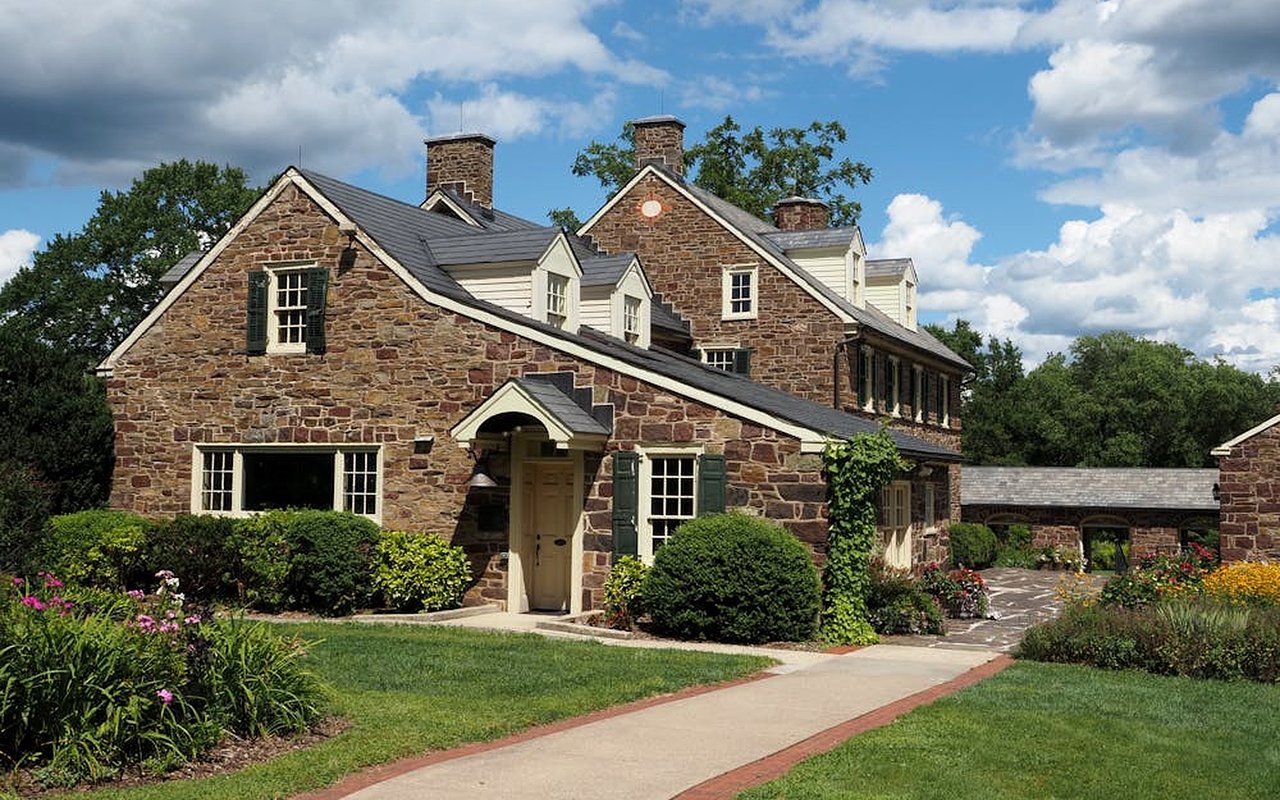
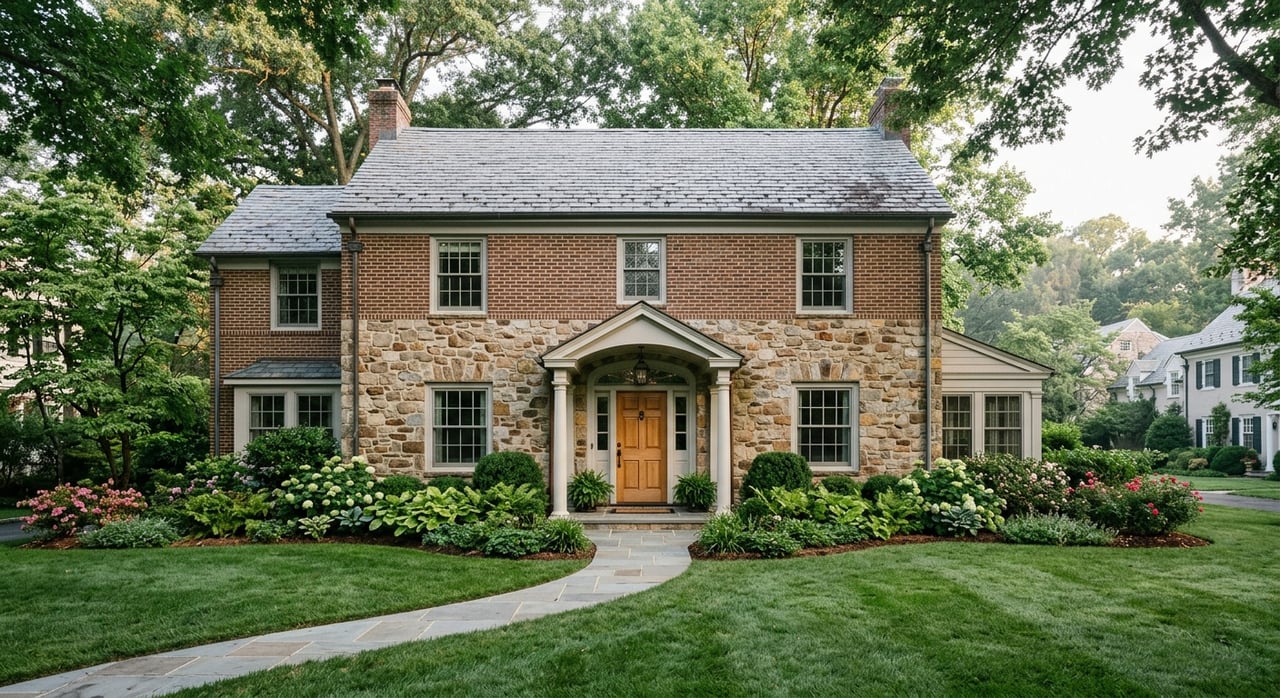
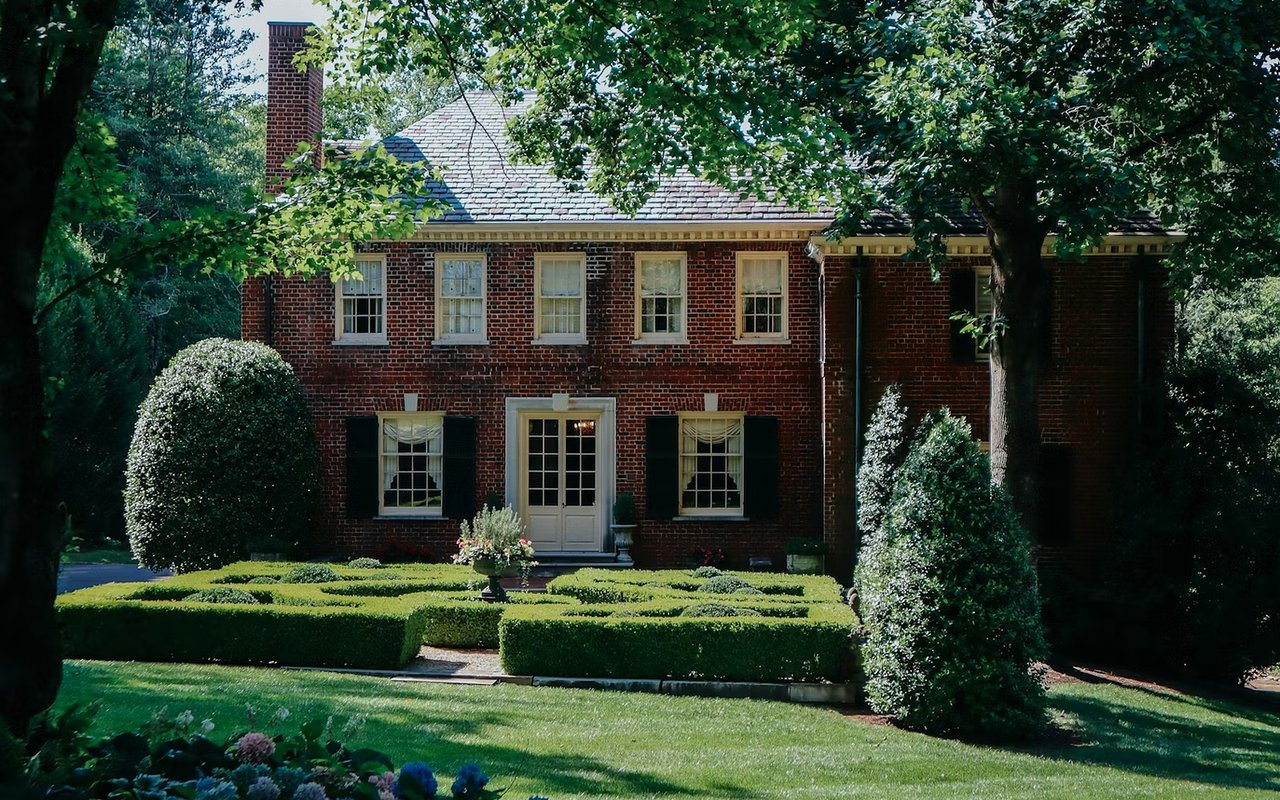
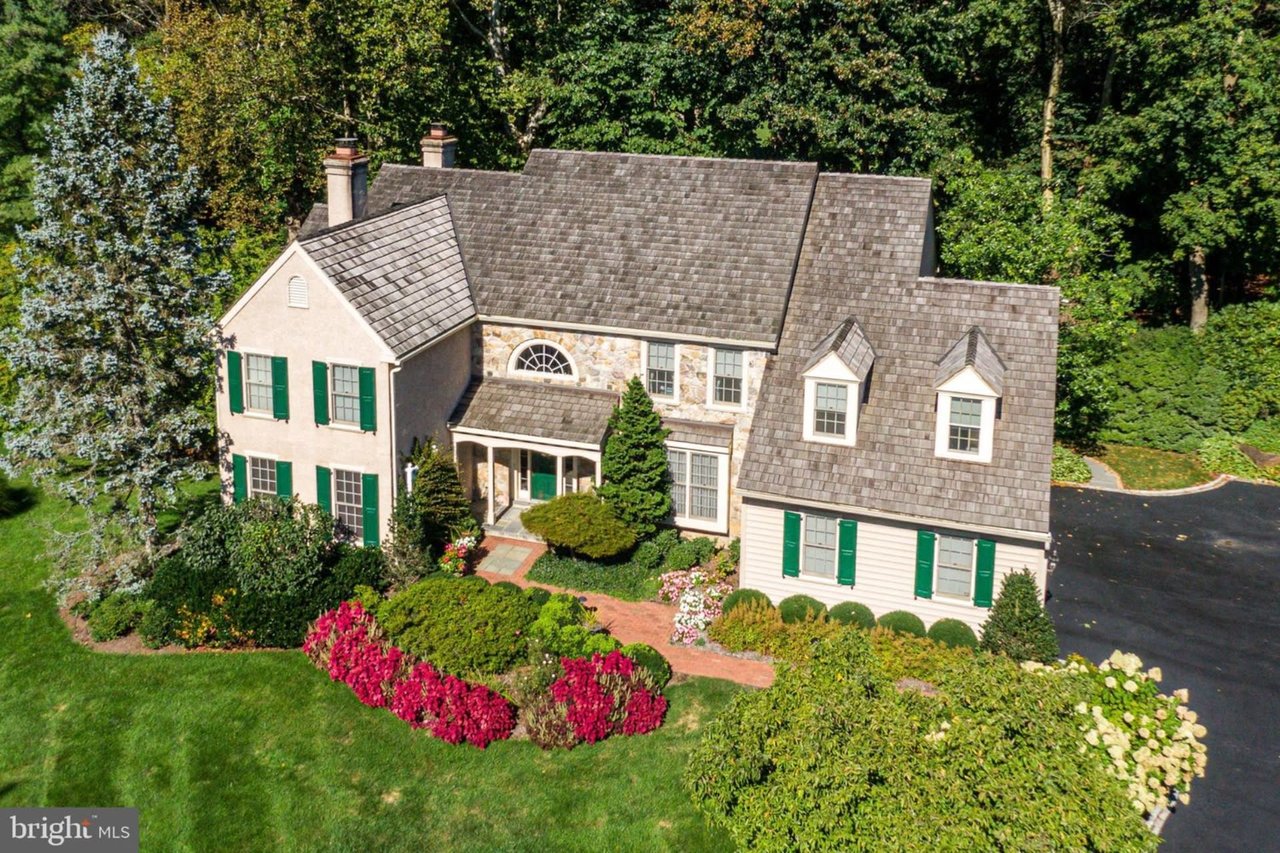
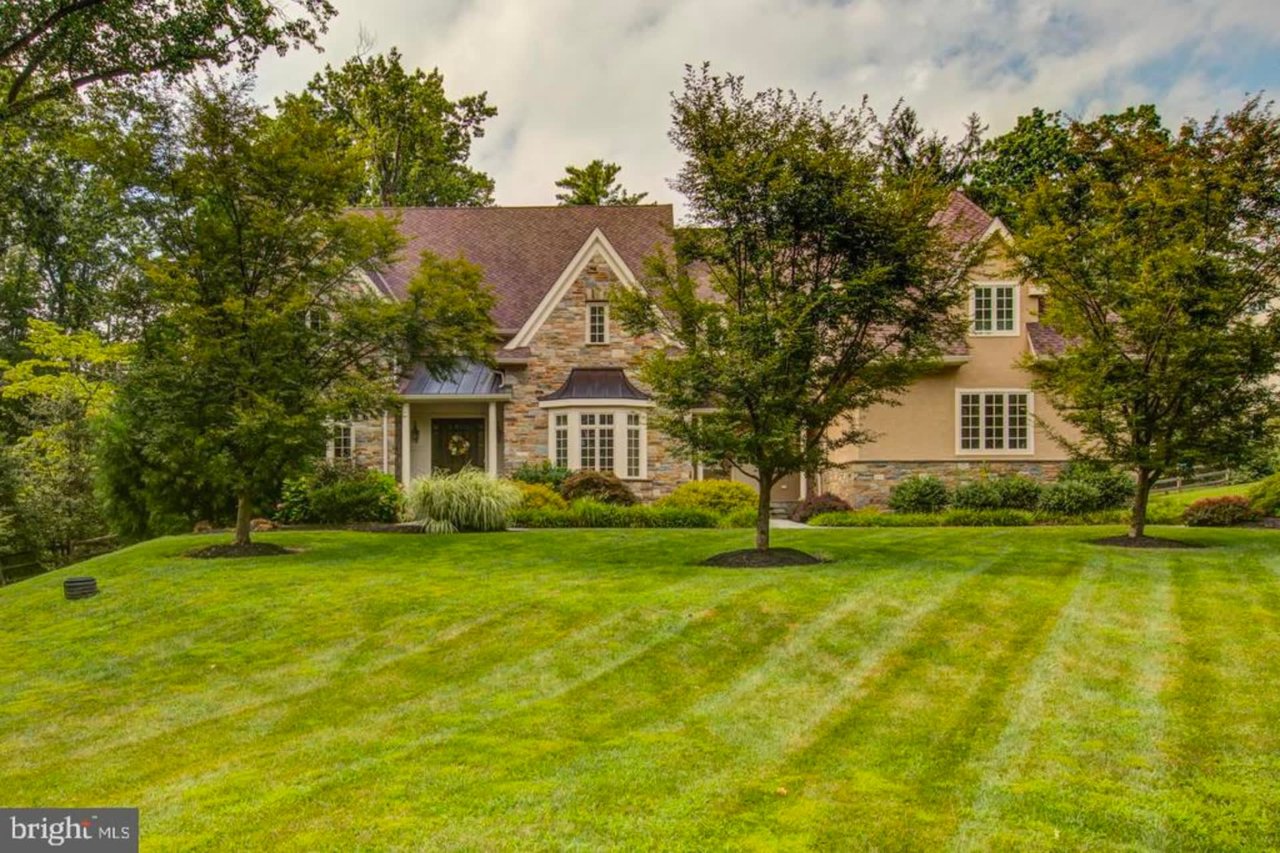
Main Line Philadelphia is known for its beautiful historic homes — and buying one comes with specific considerations that newer construction doesn't. Older homes have tremendous character, but they also warrant careful due diligence.
Older-Home Considerations Worth Knowing
What to pay attention to in a historic Main Line home:
- Aging systems — older electrical, plumbing, and heating systems may need updating; factor this into your inspection and budget
- Roof and structural age — know the age and condition of the roof and foundation
- Renovation history and permits — confirm that past renovations were properly permitted
- Insurance considerations — some older homes with older systems can carry higher insurance costs; get a quote early
FAQs
Do I need 20 percent down to buy on the Main Line?
No. While a larger down payment has advantages, many buyers use conventional loans with as little as 3 percent down, FHA loans with 3.5 percent, or VA loans with zero down for eligible buyers. Pennsylvania also offers assistance programs through PHFA for qualifying buyers.
How long does the buying process take?
From starting your serious search to holding the keys, most buyers should plan for 60 to 90 days, though it varies by loan type and how quickly you find the right home. The escrow period from accepted offer to closing is typically around 30 to 45 days.
Should I sell my current home before buying?
It depends on your finances and risk tolerance. Selling first clarifies your budget and simplifies the transaction, but may leave you without a place to live between closings. Buying first offers continuity but may require carrying two properties temporarily. There are strategies for both — it's worth a direct conversation about your situation.
Have More Questions About Buying on the Main Line?
The questions you ask before you start matter as much as the ones you ask during the process. At The MacDonald Team, we work with buyers across Main Line Philadelphia and take the time to answer every question — including the ones you didn't know to ask. We'd be glad to walk through your specific situation before you take a single step.
Reach out to us at The MacDonald Team and let's talk through your questions.
Reach out to us at The MacDonald Team and let's talk through your questions.