Trying to choose between a condo and a townhome near Rittenhouse Square? It is a smart question, because in this part of Center City, your decision often comes down to lifestyle just as much as square footage. If you want the right mix of convenience, privacy, upkeep, and long-term cost, understanding how these properties really work can help you buy with more confidence. Let’s dive in.
Why this choice matters in Rittenhouse Square
Rittenhouse Square is one of Philadelphia’s most walkable and well-known neighborhoods, centered around a one-square-block park and surrounded by shopping, dining, and cultural destinations. The area is pedestrian-friendly, with access to several bus lines and SEPTA’s B Line subway.
That convenience shapes what many buyers want from a home here. You may care less about yard space and more about how much maintenance you will handle, whether parking is available, and how much privacy you will have day to day.
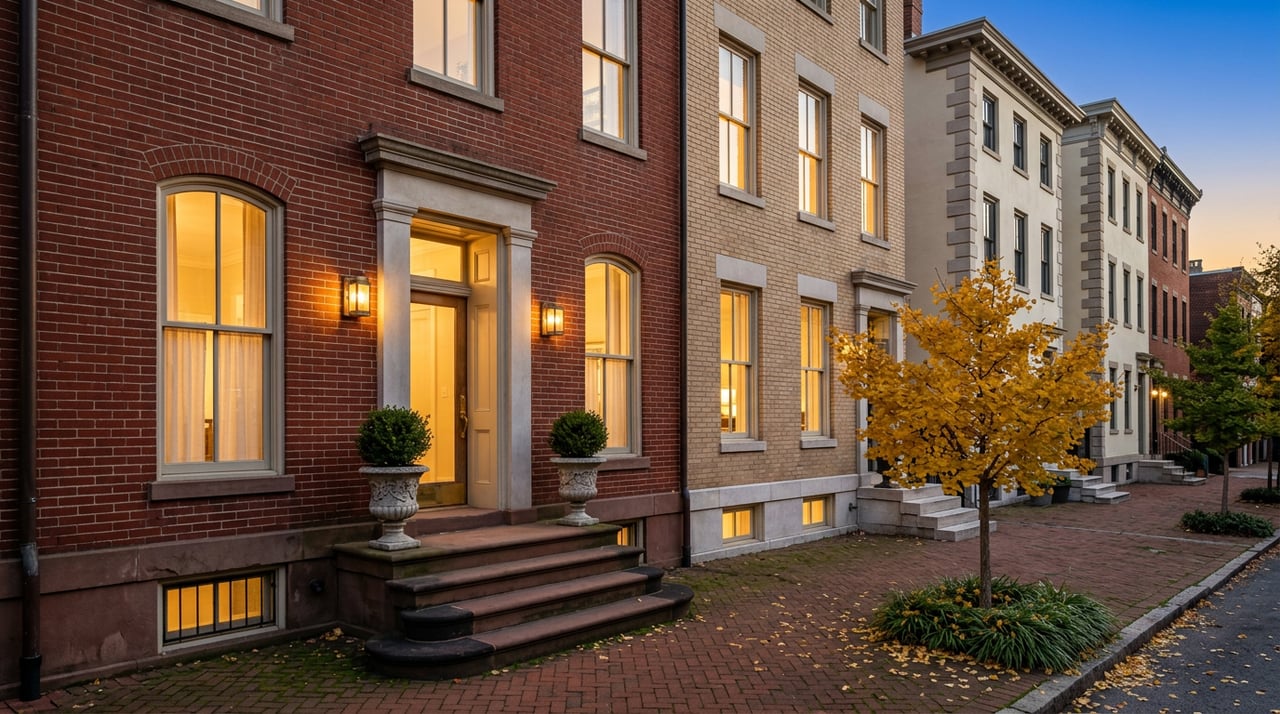
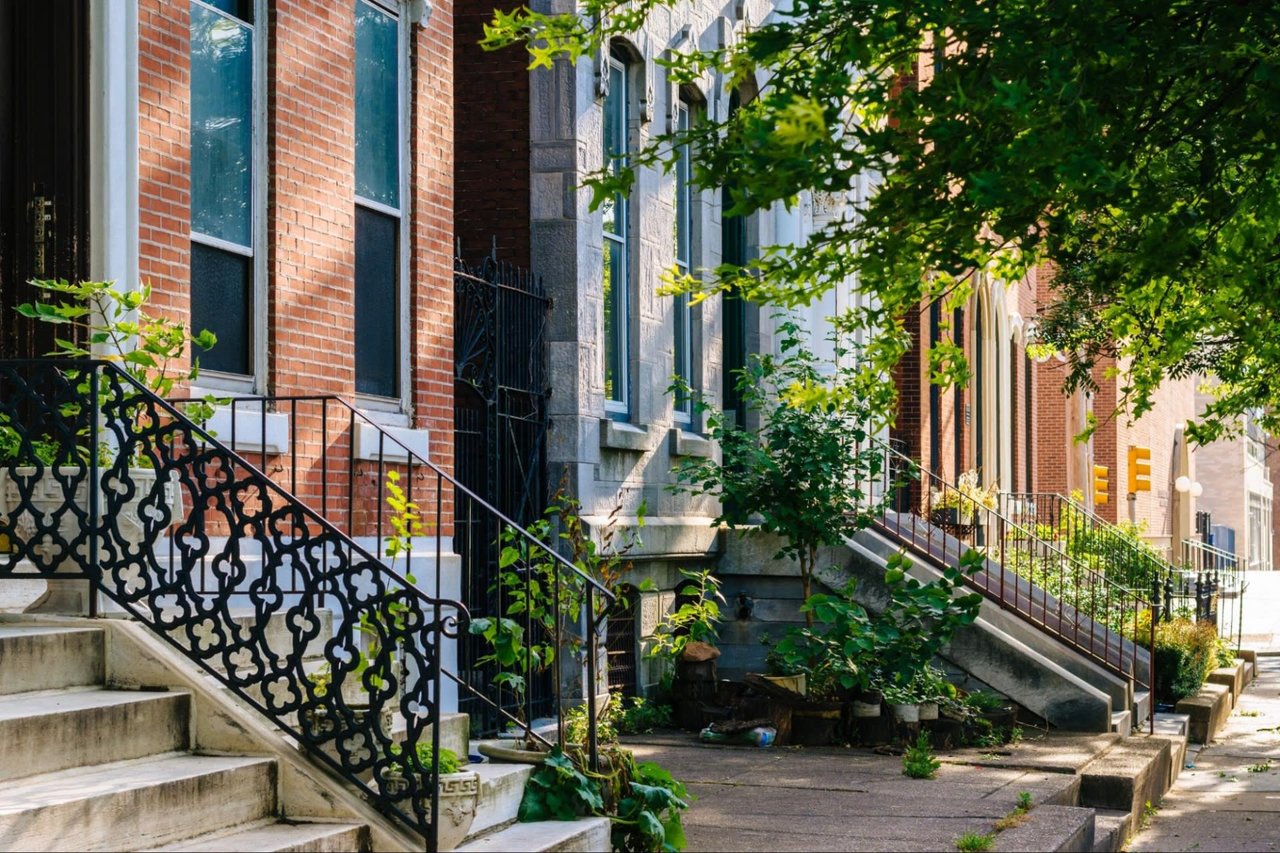
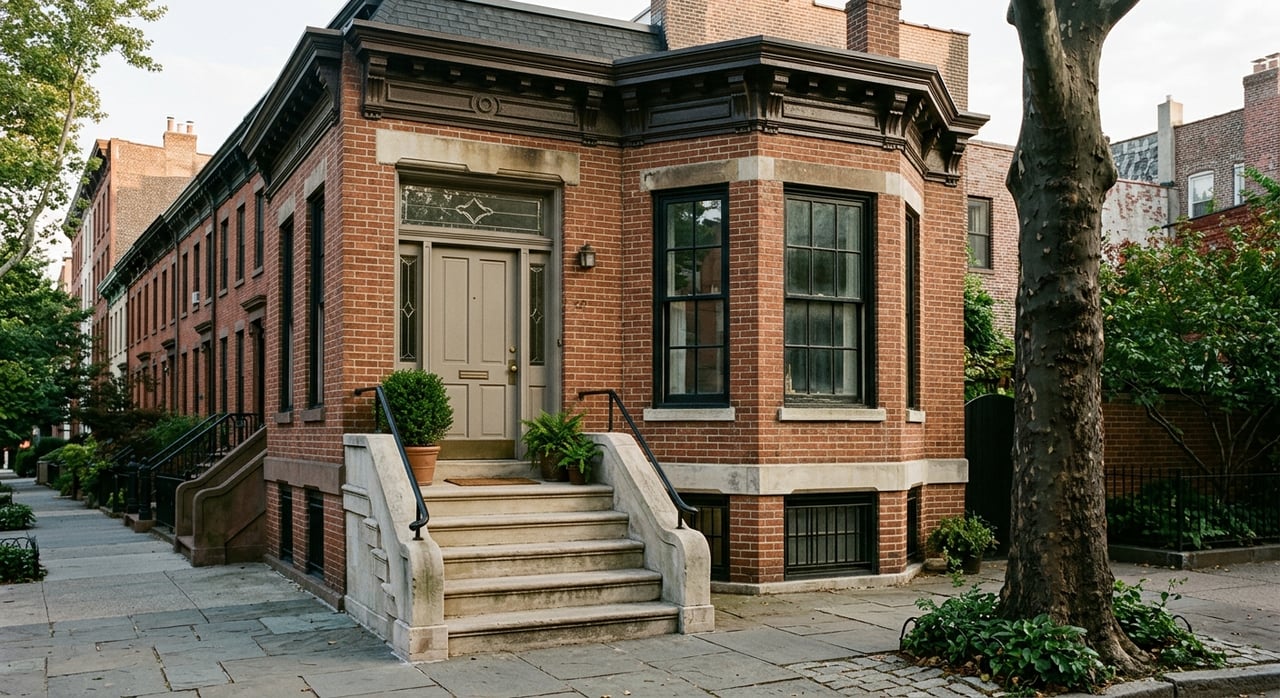
The housing stock also adds to the decision. Rittenhouse Square includes both condominium buildings and historic side streets with townhouses and row homes, so buyers often find themselves comparing two very different ownership experiences in the same neighborhood.
Condo vs. townhome ownership basics
A condo is a type of ownership, not just a style of home. In Pennsylvania, condo owners own their individual unit and also share an undivided interest in the building’s common areas and facilities.
That shared structure matters. Condo associations can adopt budgets, collect assessments, and enforce rules under Pennsylvania condominium law. In practical terms, you may have freedom to update the interior of your unit, but exterior or common-element changes usually require approval.
A townhome, by contrast, is mainly a building style. It may be owned fee simple, which generally means you own the home directly without another attached ownership interest, but some townhome properties can also be organized under a condo structure.
That is why the marketing label is not enough. If you are comparing options near Rittenhouse Square, you will want to review the deed and governing documents so you know exactly what you own, what you are responsible for, and what rules apply.
What condo living usually offers
For many buyers, condo living is about ease. Shared upkeep can be a major advantage if you want a more lock-and-leave lifestyle or prefer not to manage as many exterior maintenance tasks yourself.
That convenience usually comes with more visible monthly dues. In Pennsylvania, condo associations are allowed to budget for revenues, expenditures, reserves, and common expenses, and those shared costs support the building and any common amenities.
In a Rittenhouse setting, that tradeoff can make sense. If walkability, lower day-to-day maintenance, and shared building management matter more to you than direct control over every part of the property, a condo may feel like the better fit.
Condo buyers should look beyond the unit
When you buy a condo, you are not only buying the interior space. You are also buying into the financial health and operational stability of the building or project.
That means your due diligence should go deeper than finishes and floor plans. Reserve strength, special-assessment history, insurance, litigation status, and rental rules can all affect both your ownership experience and future resale.
Fannie Mae notes that condo projects have added eligibility standards because owners share project-level risks. Problems such as critical repairs, inadequate insurance, significant litigation, or hotel-like and short-term-rental characteristics can affect financing eligibility.
What townhome living usually offers
Townhome living often feels more like traditional homeownership. If you value privacy, direct control, and a more independent ownership experience, a fee-simple townhome may be appealing.
That said, the tradeoff is usually more responsibility. In many cases, routine maintenance that might be handled by a condo association falls to you as the owner instead.
Some townhome communities still have mandatory associations that maintain common areas and enforce private deed restrictions. So even with a townhome, it is important to confirm whether there is an association, what it covers, and what your monthly obligations will be.
Privacy and control can be major advantages
If you are drawn to historic side streets and classic Philadelphia architecture, a townhome may offer the character and independence you want. In practical terms, buyers often appreciate having more say over the property and fewer shared decision-making layers.
Near Rittenhouse Square, resale appeal for townhomes often comes down to everyday usability. Features like parking, storage, outdoor space, elevator access, and the overall level of maintenance can have a big impact on marketability.
Because street parking can be limited in the neighborhood, deeded parking or a setup that reduces daily hassle can be especially valuable. For some buyers, that single feature can meaningfully shift the condo-versus-townhome decision.
Comparing monthly costs in Philadelphia
The monthly cost conversation is not always as simple as “condos cost more.” Instead, the difference is often how costs are structured and when you pay them.
With a condo, more of the property’s ongoing upkeep is usually built into monthly dues. With a fee-simple townhome, you may have lower recurring shared fees, but you should be prepared for more direct maintenance costs over time.
Philadelphia also adds important local carrying costs. The city’s Real Estate Tax rate is 1.3998 percent of assessed value, and the current Realty Transfer Tax rate is 4.578 percent of the sale price or assessed value plus assumed debt.
The city offers homeowner relief programs such as Homestead and tax-freeze programs. It also offers abatements for new residential construction and certain residential improvements, but properties with a 10-year residential tax abatement are not eligible for Homestead until the abatement ends.
Why tax abatements matter to buyers
A tax abatement can improve affordability in the short term, but it should never be viewed in isolation. If you are comparing a condo and a townhome, it is important to understand whether either property has an abatement and when that benefit expires.
Once an abatement ends, your carrying costs can rise. That change may affect your monthly budget now, and it can also affect resale later if the next buyer is evaluating post-abatement ownership costs.
Financing and resale differences to watch
Resale value near Rittenhouse Square is about more than location alone. Buyers today often focus on practical features, predictable costs, and how easy a property will be to finance when it is time to sell.
For condos, project health plays a major role. Even a well-finished unit can become harder to finance or sell if the building has weak reserves, unresolved repairs, insurance issues, or a history of special assessments.
For townhomes, the conversation may feel more straightforward, but buyers still weigh maintenance demands carefully. A beautiful property with limited storage, no parking, or a heavy upkeep burden may attract a narrower buyer pool than a home with more day-to-day ease.
Think about your future buyer now
One of the most useful ways to compare options is to ask who will want this property after you. In Rittenhouse Square, many future buyers will care about convenience, privacy, parking, and monthly predictability just as much as you do.
A condo may stand out if the building is well-run and the lifestyle is easy. A townhome may stand out if it offers privacy, direct ownership control, and practical features that reduce friction in city living.
How to decide what fits your lifestyle
If you are still weighing both options, start with how you want to live rather than with the label alone. In a neighborhood like Rittenhouse Square, that usually leads to a clearer answer.
A condo may be the better fit if you want:
- More shared upkeep
- A more turnkey lifestyle
- Fewer exterior maintenance responsibilities
- Building-managed common areas and systems
A townhome may be the better fit if you want:
- More privacy
- More direct control over the property
- A more house-like ownership experience
- Greater independence in day-to-day decisions
The key is to confirm the legal structure before you commit. A townhouse can be fee simple or part of a condo arrangement, so your ownership rights and responsibilities may not be obvious from the listing alone.
The Rittenhouse Square takeaway
Near Rittenhouse Square, condo living usually wins on convenience and shared upkeep, while fee-simple townhome living usually wins on privacy and direct control over the home. That is not a hard rule, but it is a helpful framework when you begin comparing options.
The right choice depends on how you want to spend your time, how much maintenance you are comfortable taking on, and which costs you want to handle monthly versus individually. In a neighborhood where walkability is high and parking can be limited, those practical details matter.
If you want clear guidance on how a specific condo or townhome will function in real life, working through the documents and tradeoffs early can save you time, money, and stress. If you are considering a move in Center City, The MacDonald Team PA can help you evaluate the details and choose a property that fits both your lifestyle and your long-term goals.
FAQs
What is the difference between a condo and a townhome in Rittenhouse Square?
- A condo is a form of ownership where you own your unit and share ownership of common areas, while a townhome is mainly a building style and may be owned fee simple or under a condo structure.
Are condo fees always higher than townhome costs in Philadelphia?
- Not always. Condos often have more visible monthly dues, while fee-simple townhomes may shift more maintenance and repair costs directly to the owner over time.
What should condo buyers review before buying near Rittenhouse Square?
- You should review the association budget, reserves, special-assessment history, insurance, litigation status, and any rental rules because these can affect financing, ownership costs, and resale.
Do townhomes near Rittenhouse Square always come without an HOA or association?
- No. Some townhome properties have mandatory associations that maintain common areas and enforce private deed restrictions, so you need to confirm the actual ownership and governance structure.
Why does parking matter when choosing between a condo and townhome in Rittenhouse Square?
- Rittenhouse Square is very walkable, but street parking can be limited, so deeded parking or a lower-maintenance setup can meaningfully affect convenience and resale appeal.
How do Philadelphia property taxes affect condo and townhome buyers?
- Philadelphia ownership costs may include Real Estate Tax, Realty Transfer Tax, and in some cases changing tax-abatement benefits, so buyers should evaluate both current costs and future increases when comparing properties.