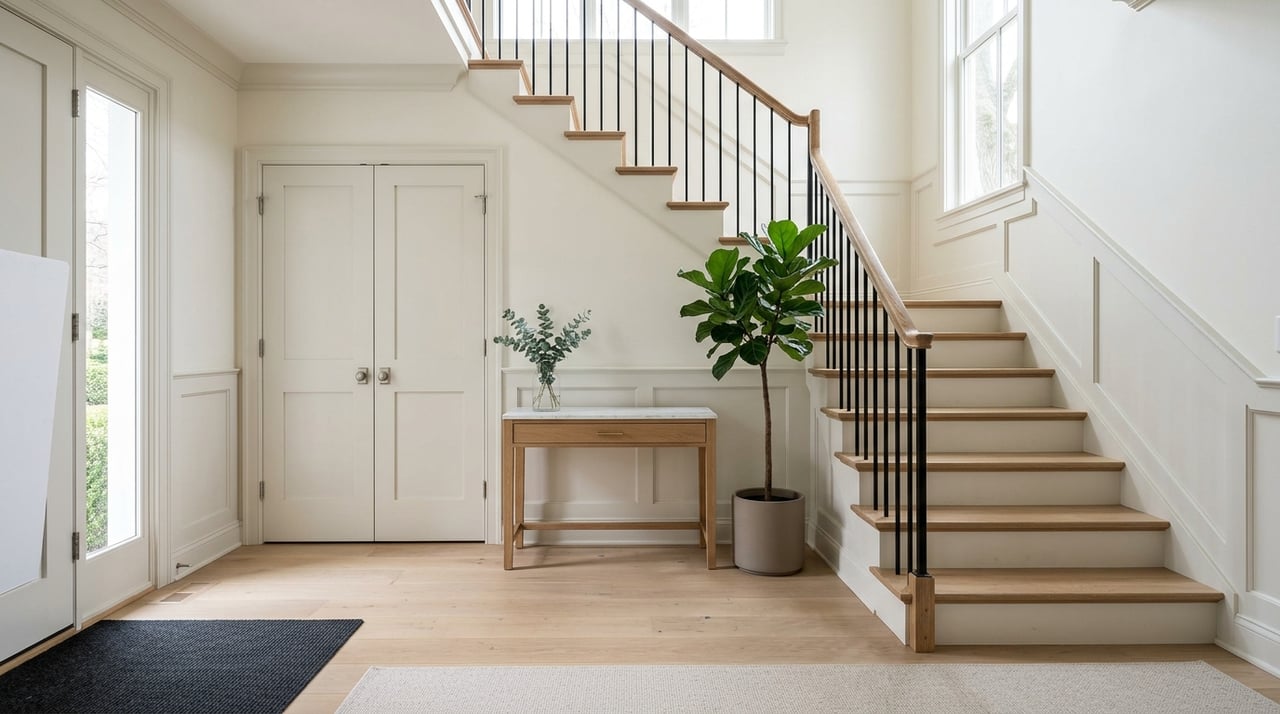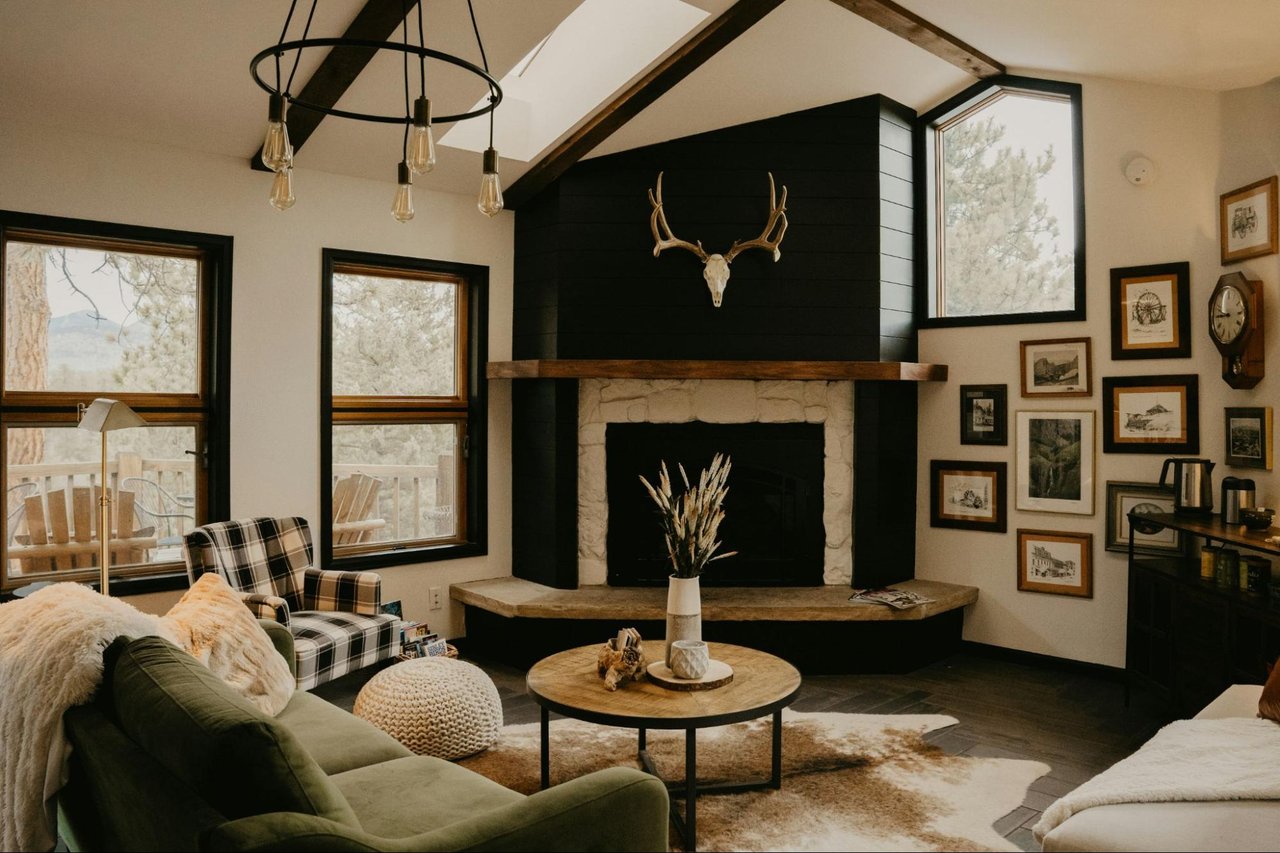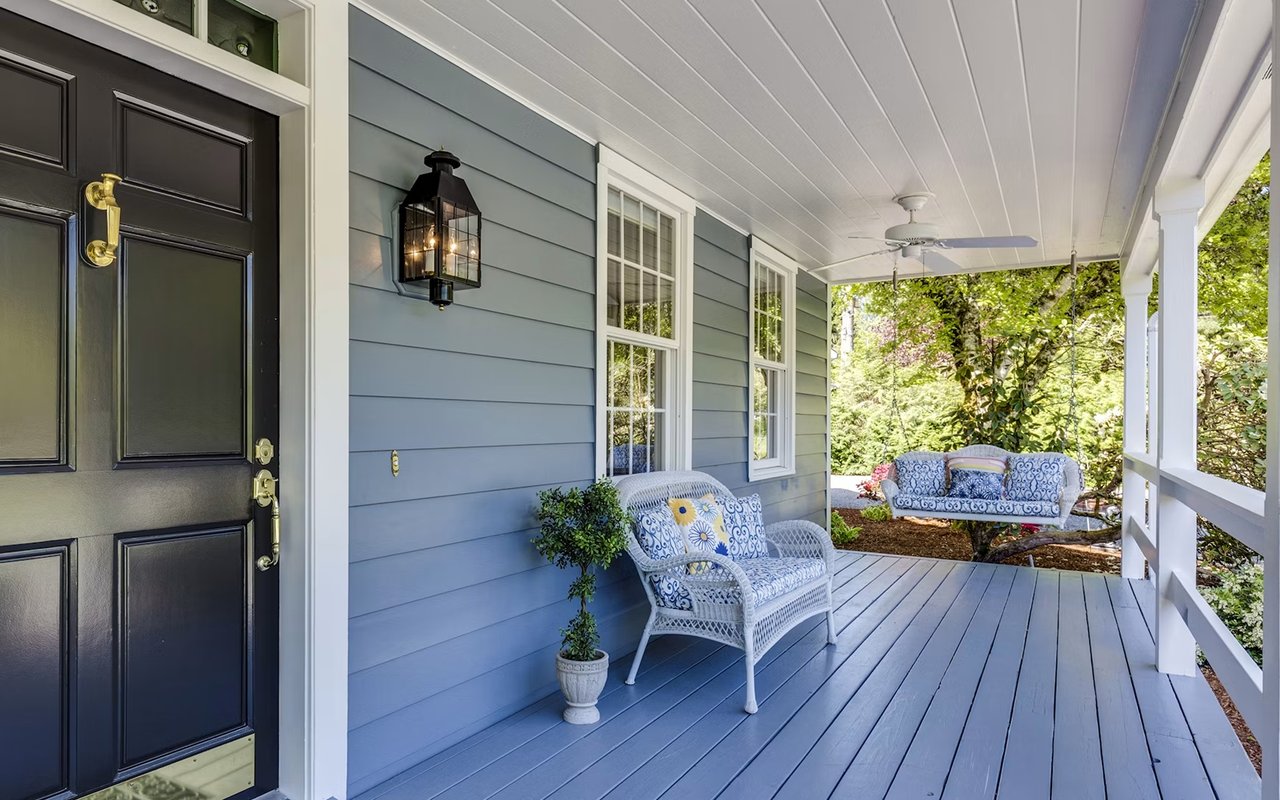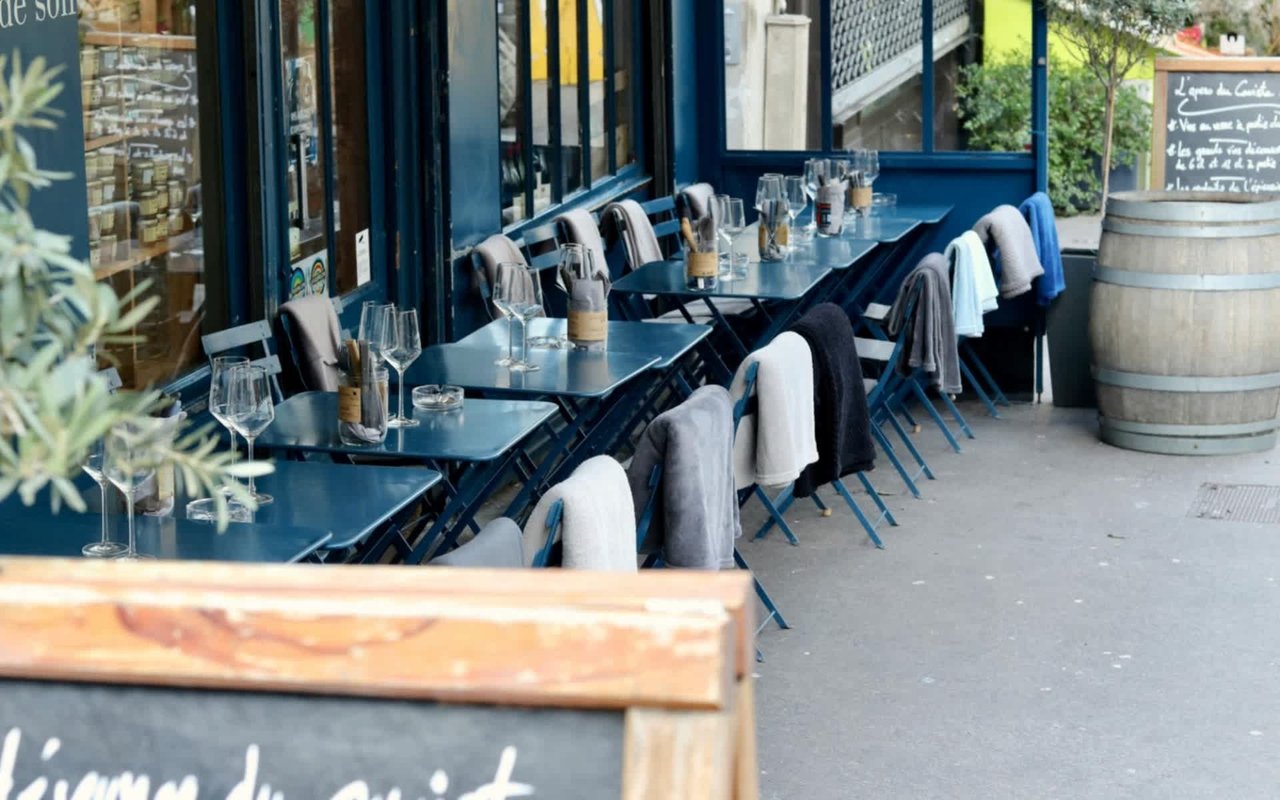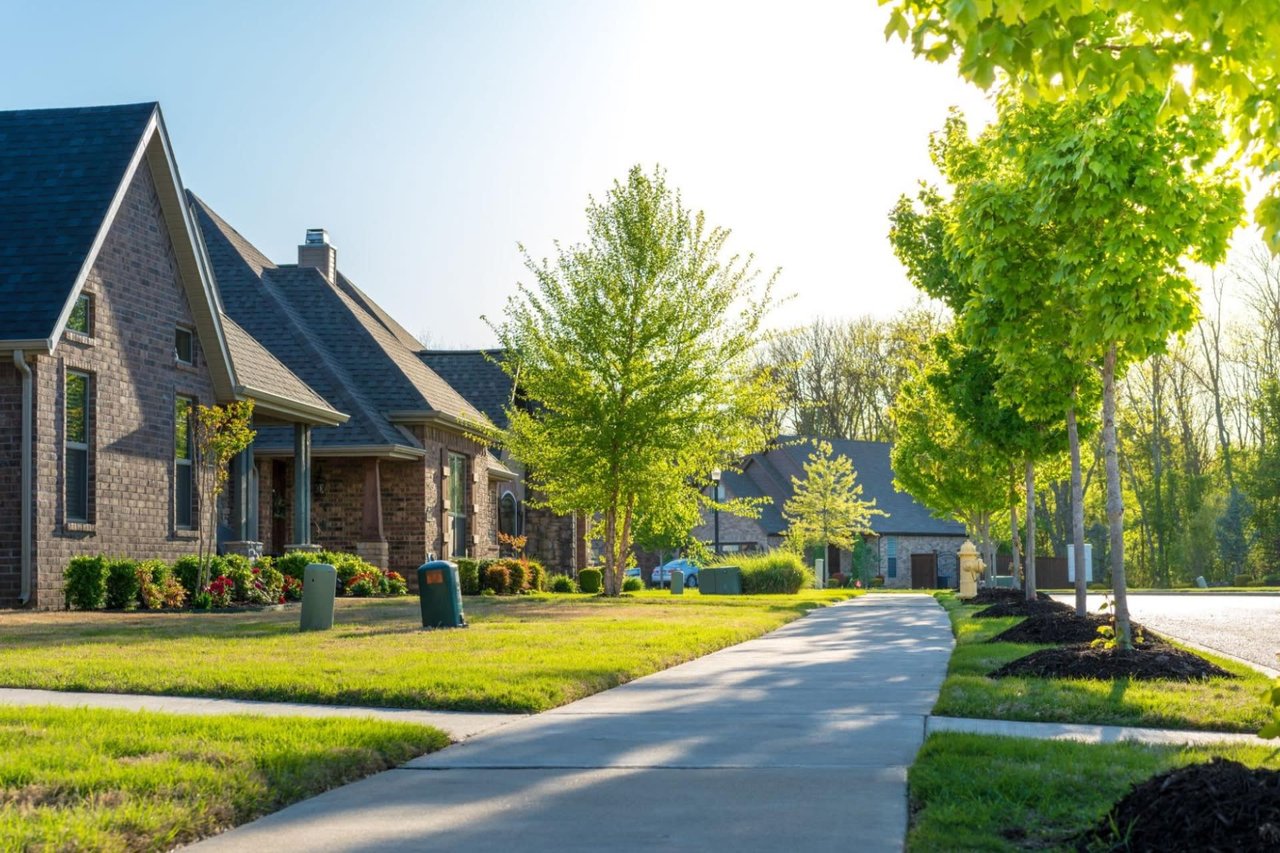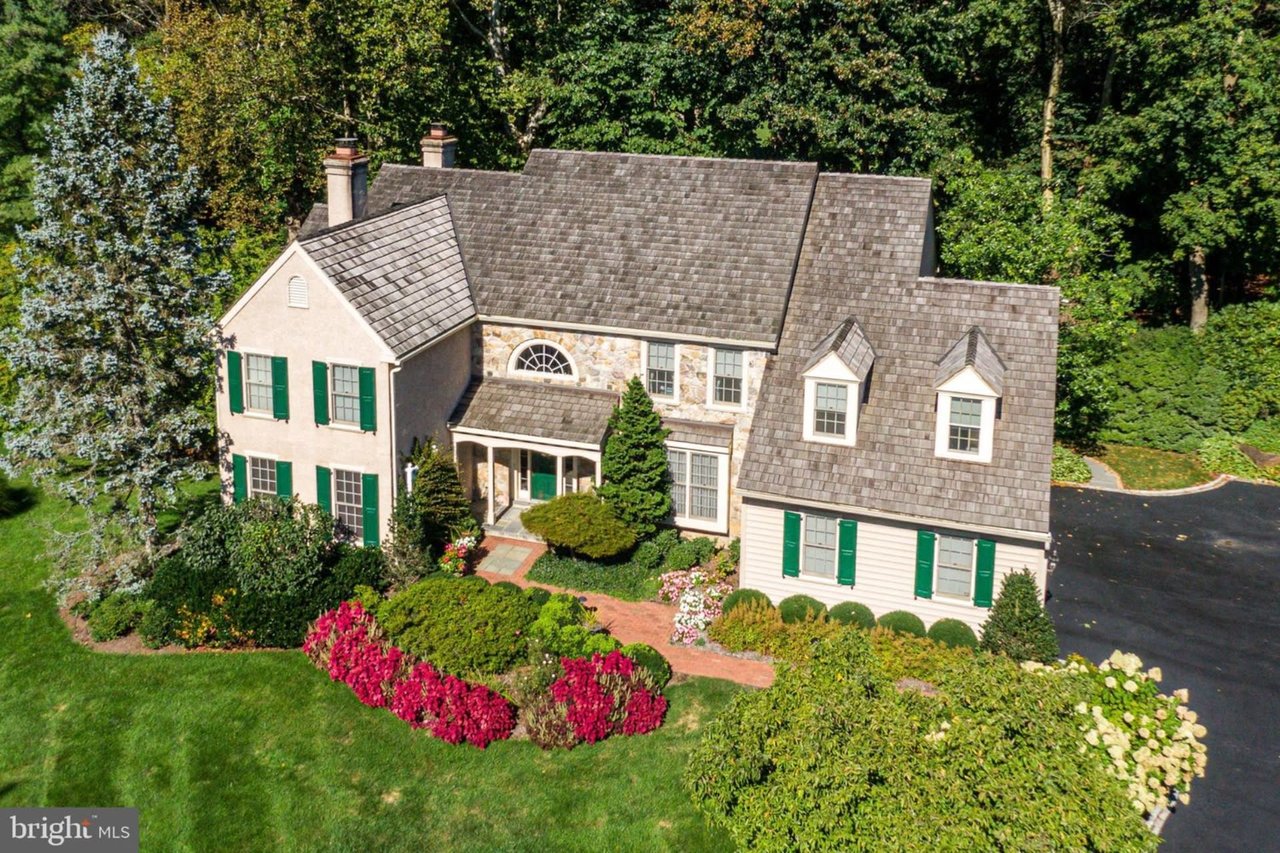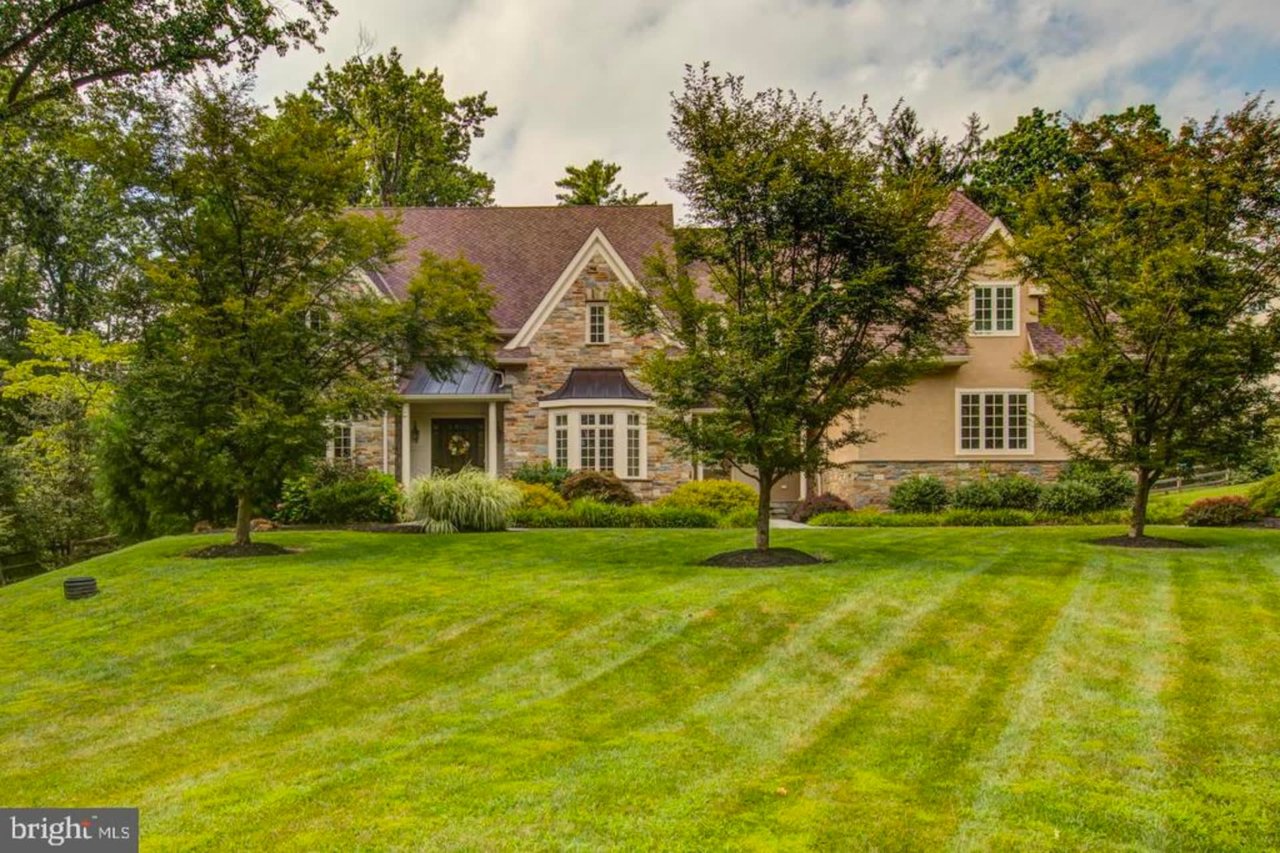
Choosing between the Main Line and Center City is not just about where you want to sleep at night. It is about how you want your days to feel. If you are weighing a move in greater Philadelphia, this guide will help you compare space, commute, walkability, housing options, and daily rhythm so you can make a smart decision with more confidence. Let’s dive in.
Start With the Core Difference
At the highest level, this decision comes down to suburban space versus urban density. Center City is Philadelphia’s walkable, mixed-use downtown and a major job center. The Main Line offers rail-connected suburban towns with a broader mix of detached homes, townhomes, and condos.
Neither option is universally better. The right fit depends on whether you want your home base organized around a fully walkable routine, a train commute, or more day-to-day reliance on a car.
Compare Housing Options
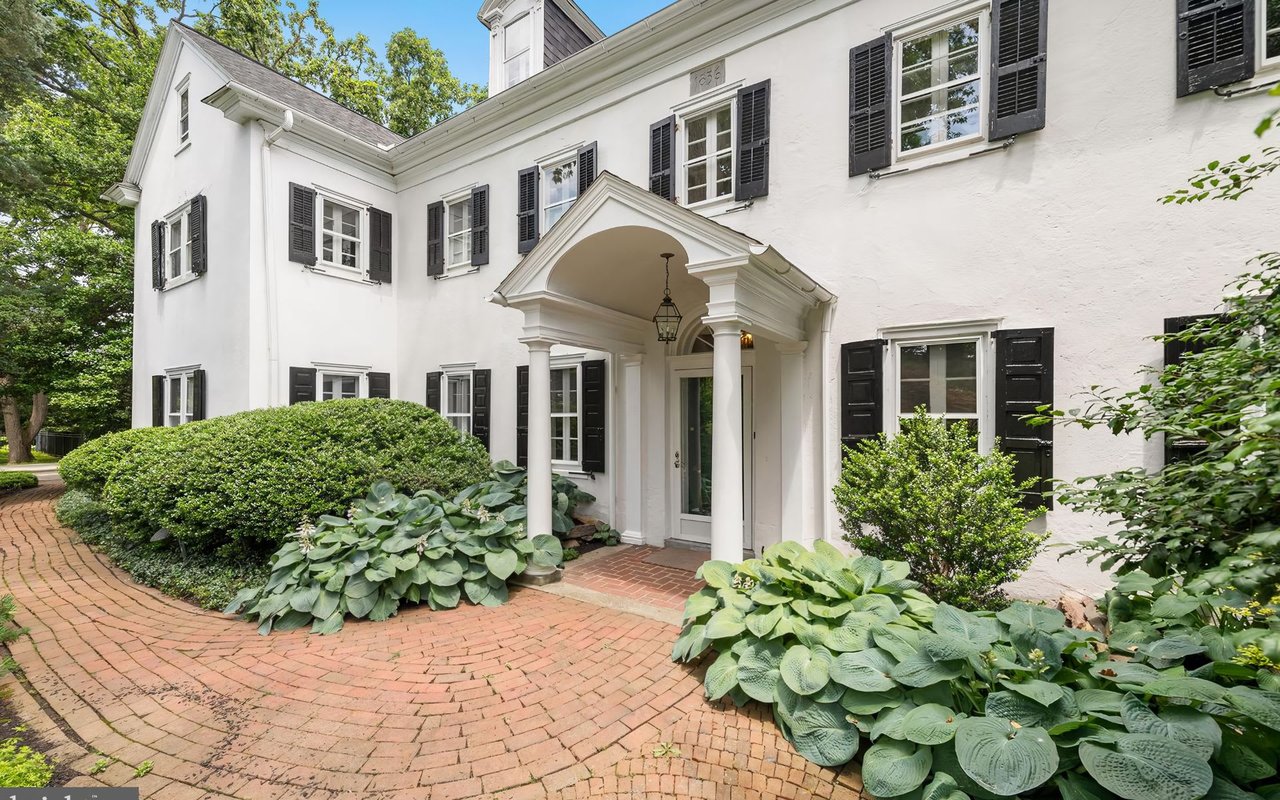
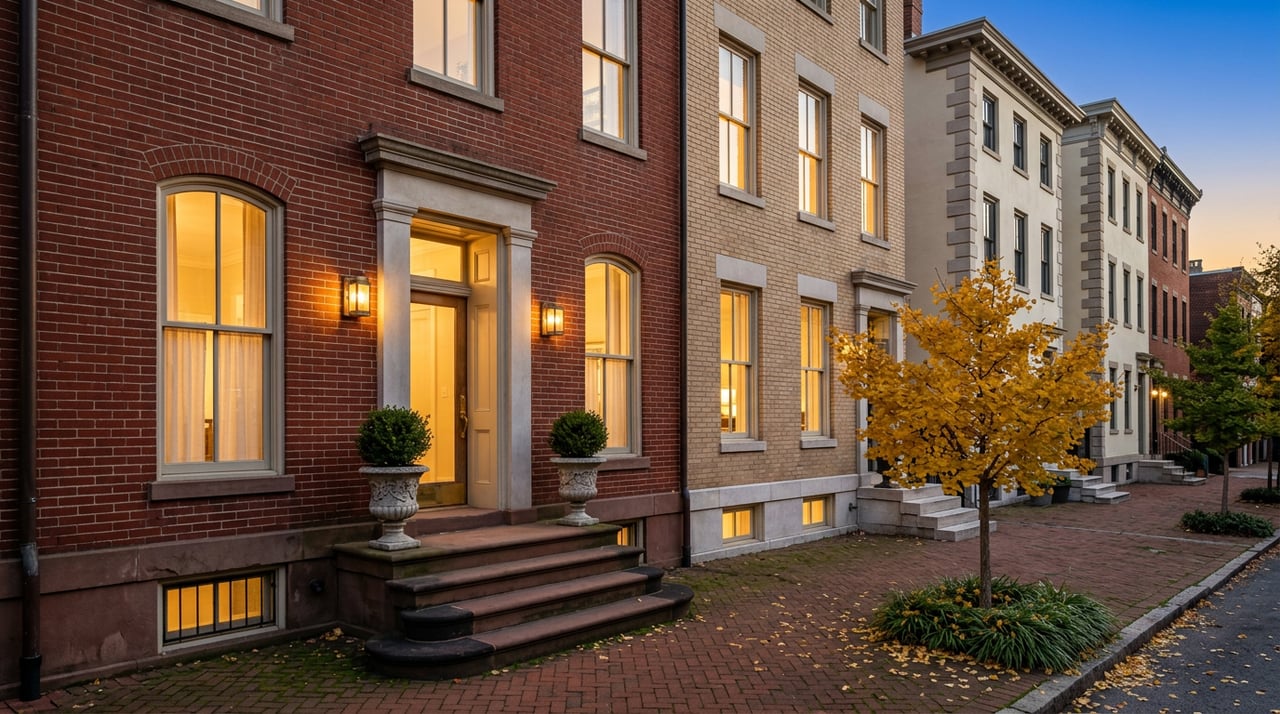
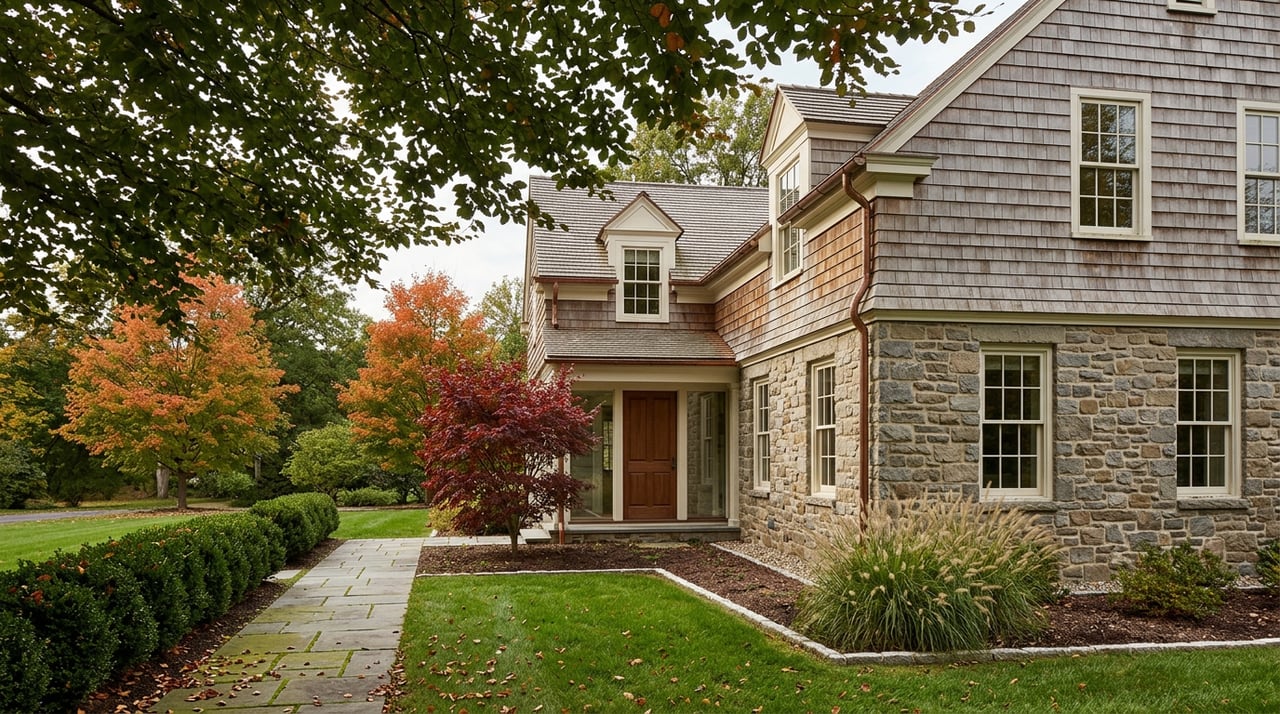
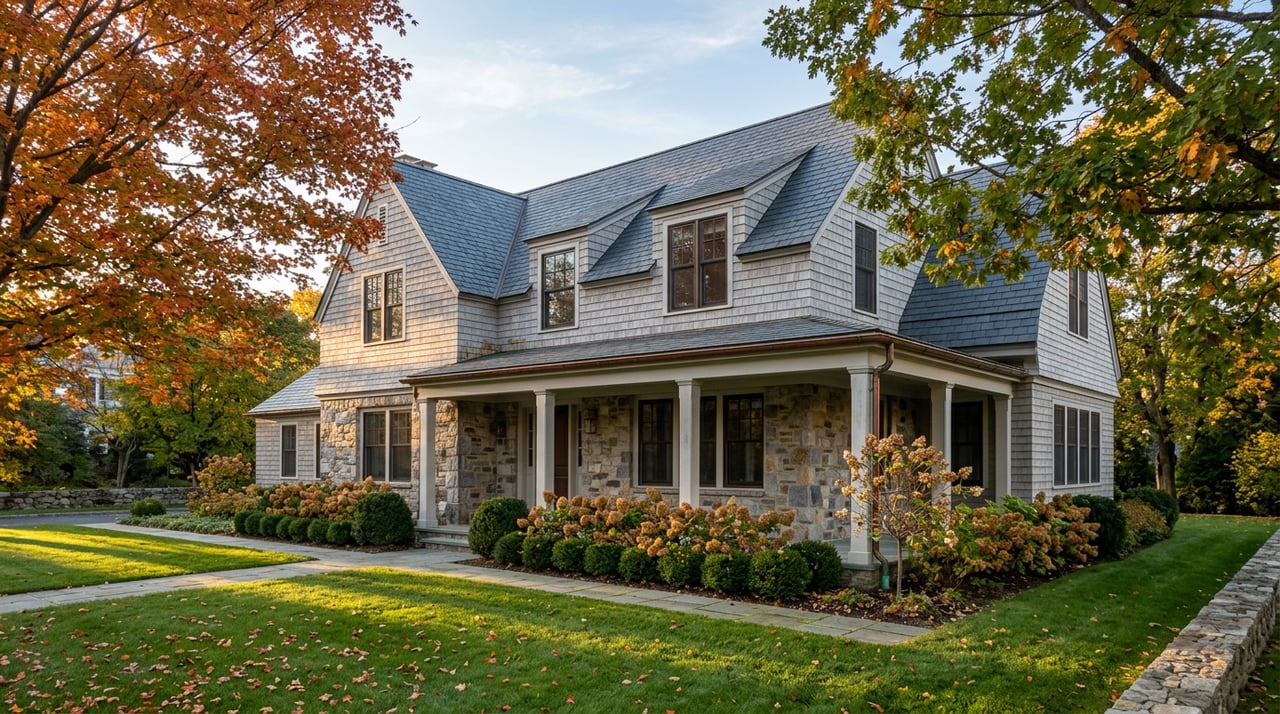
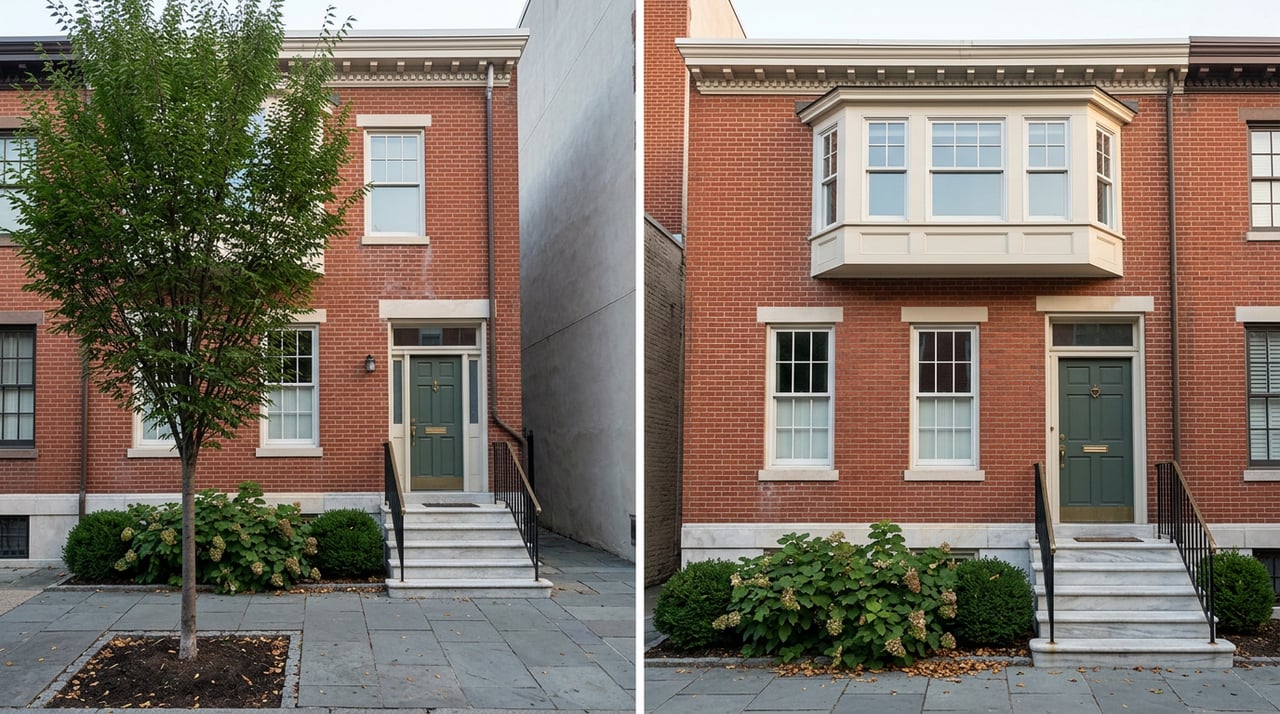
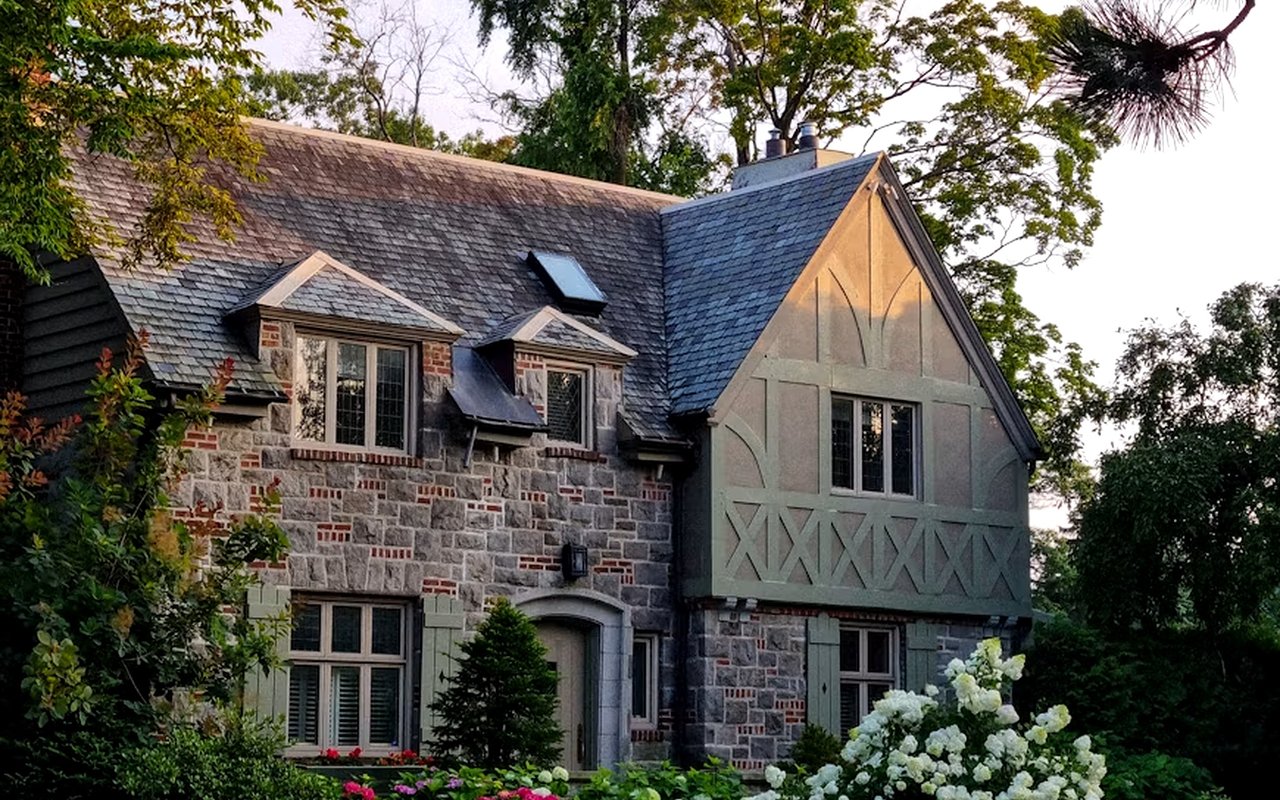
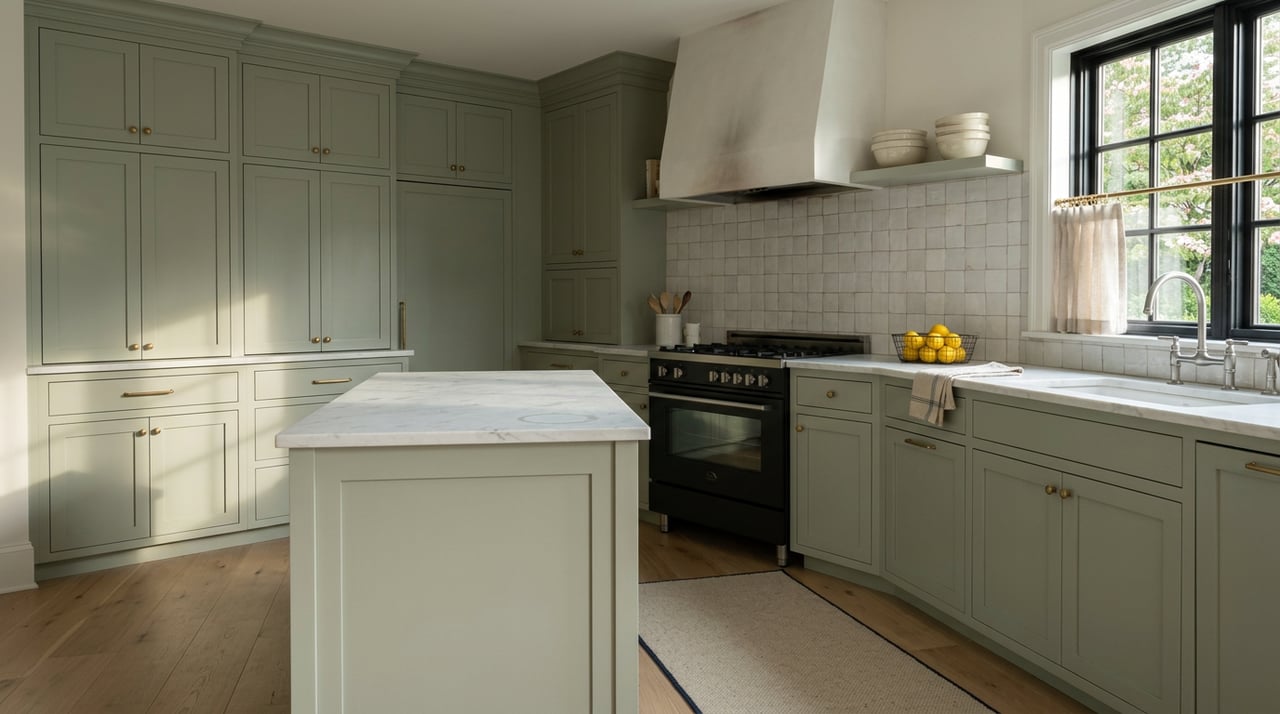
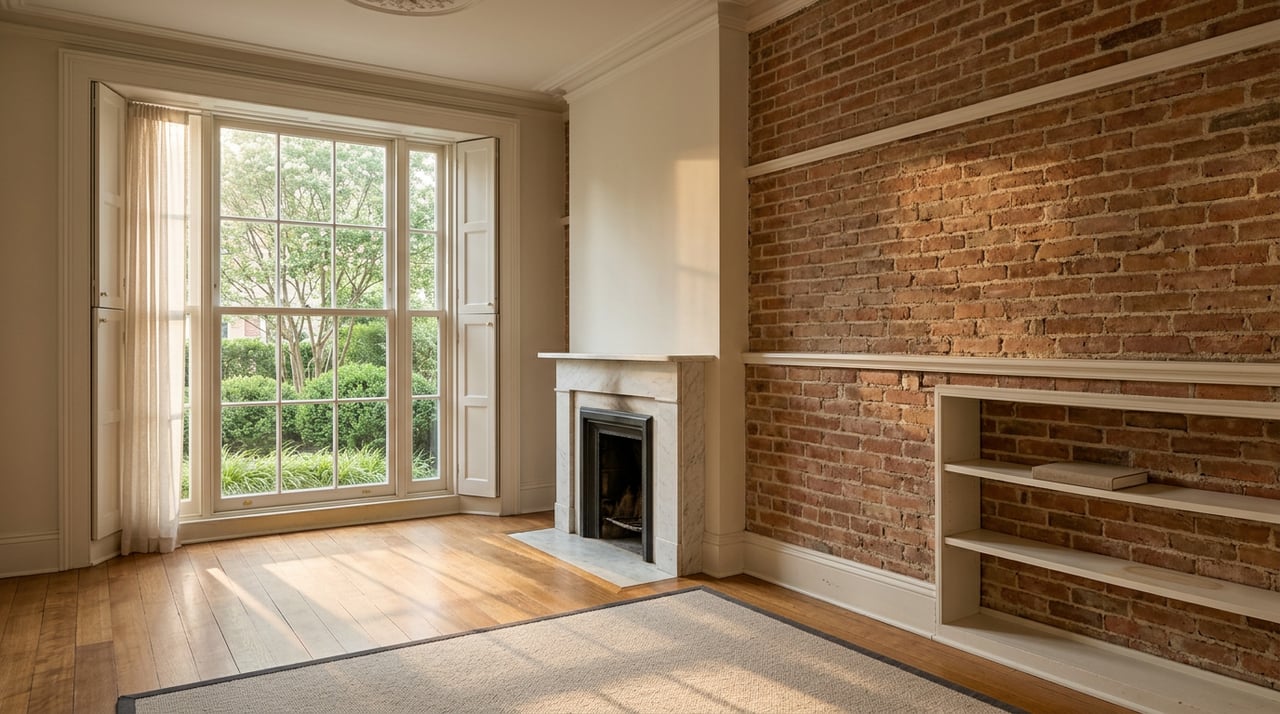
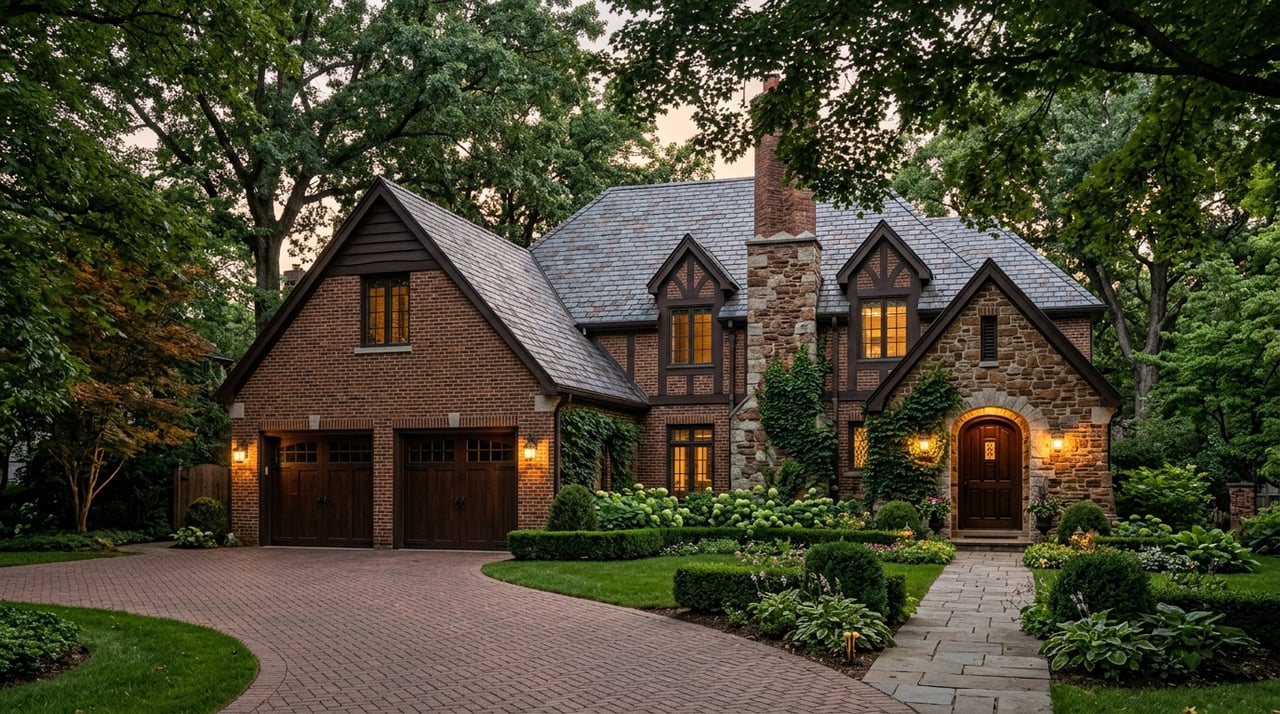
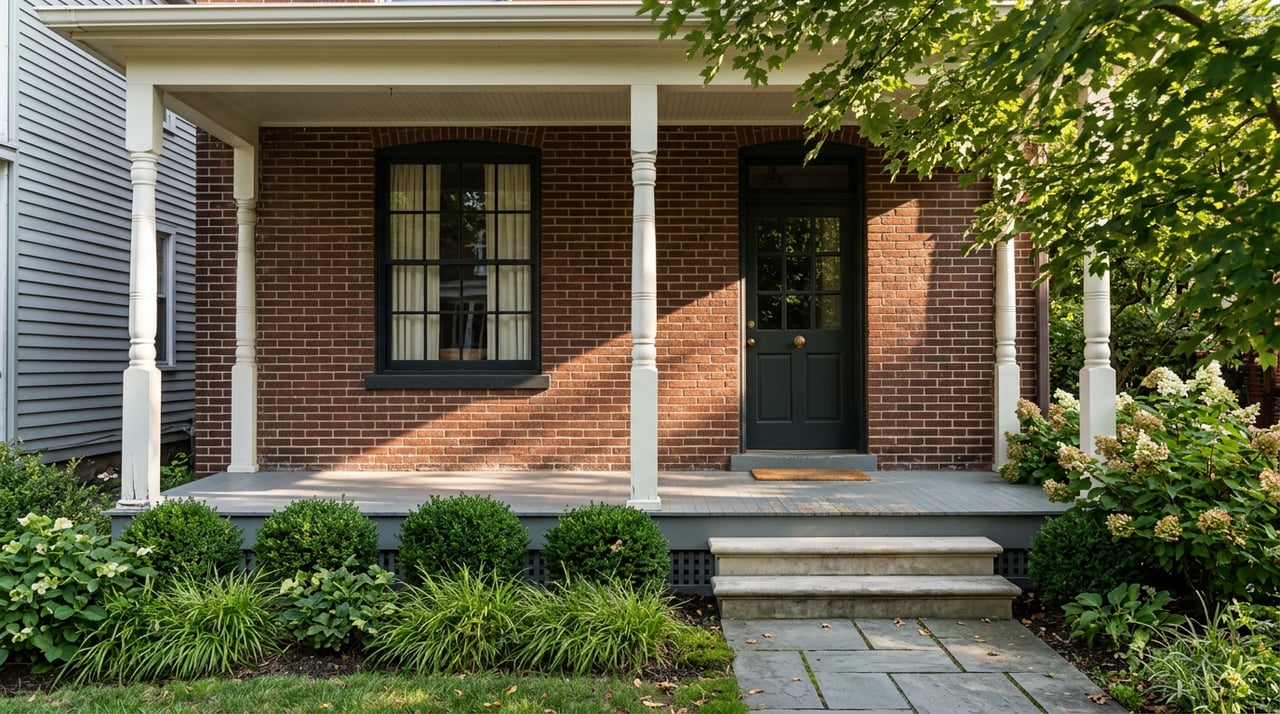
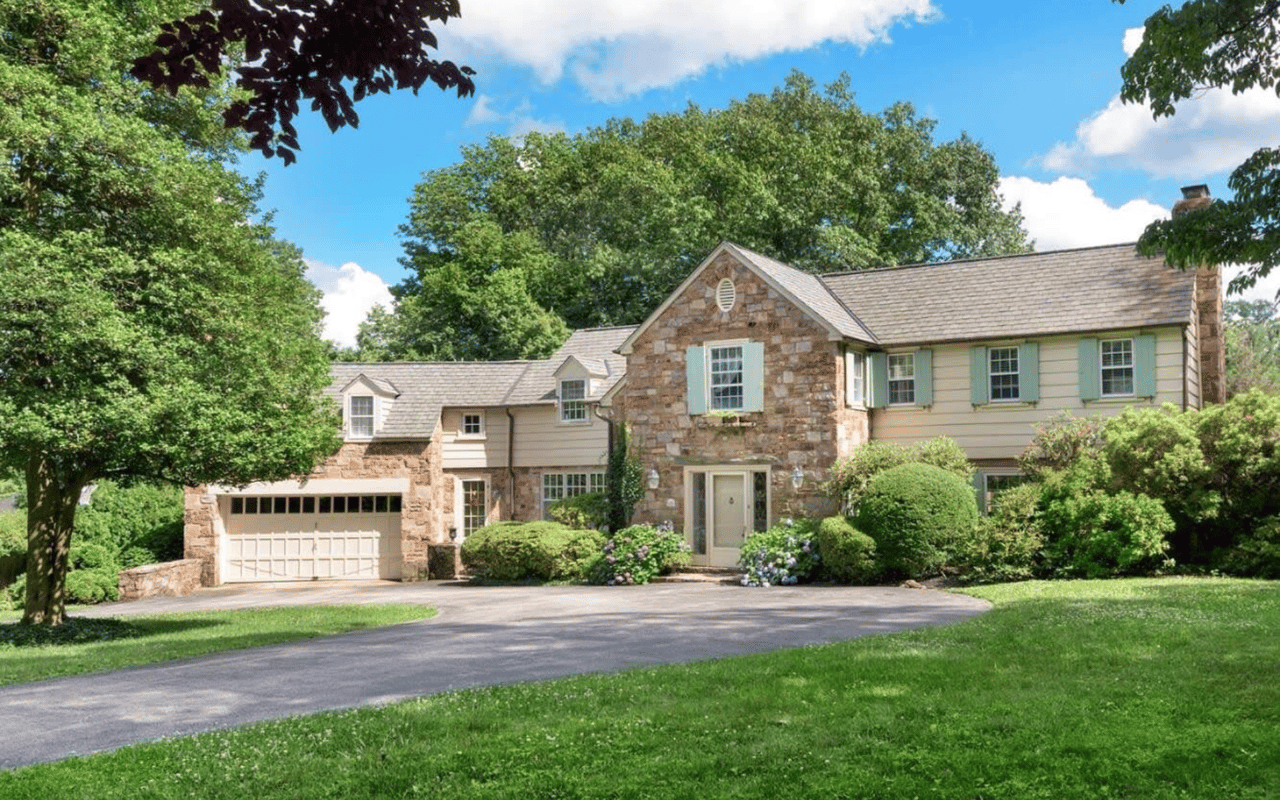
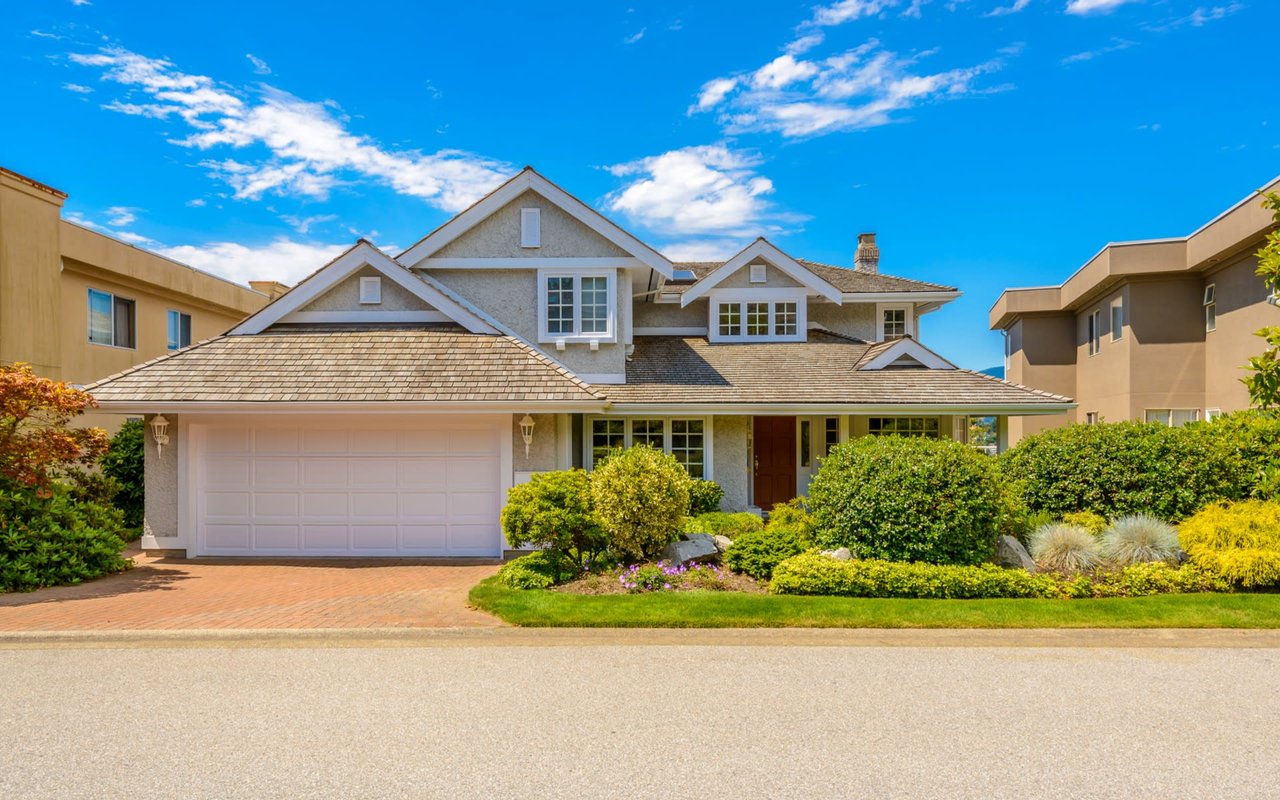
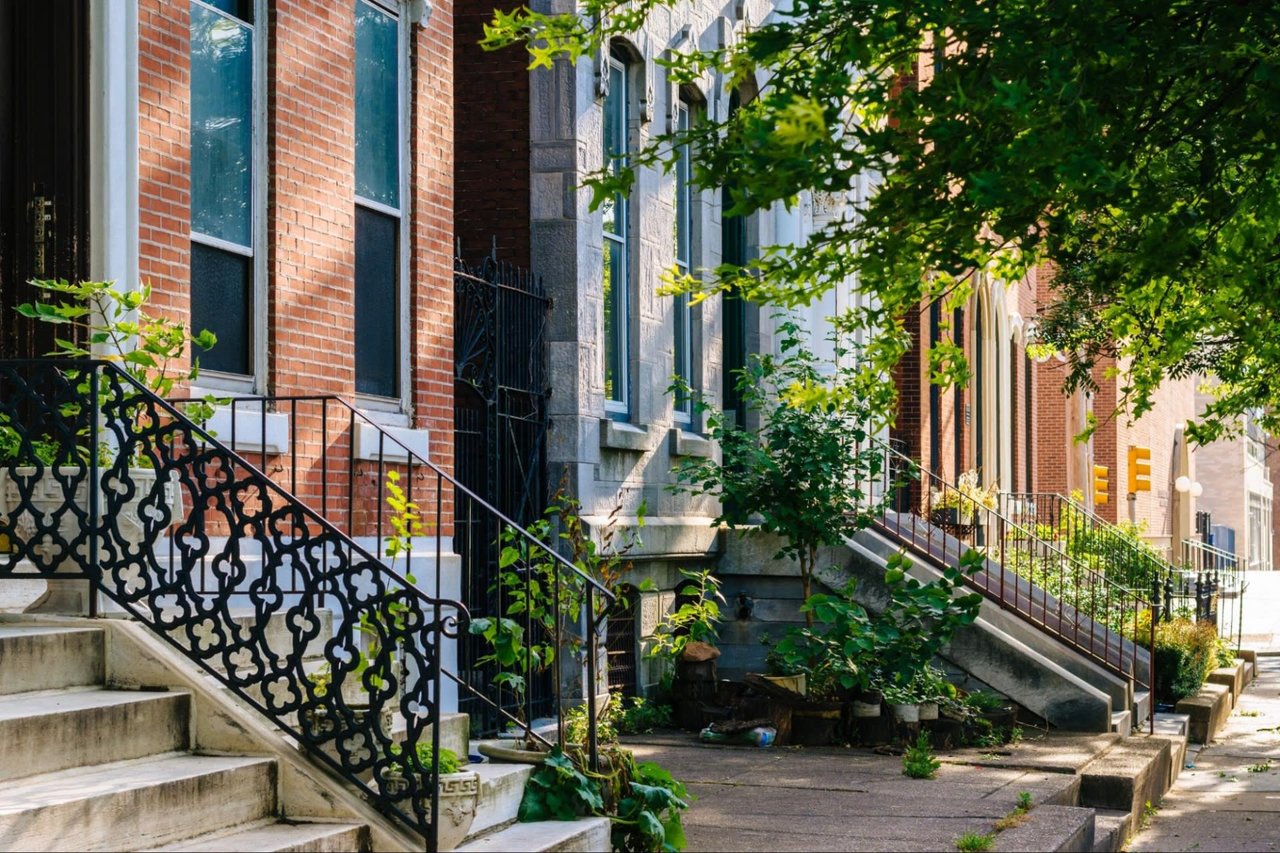
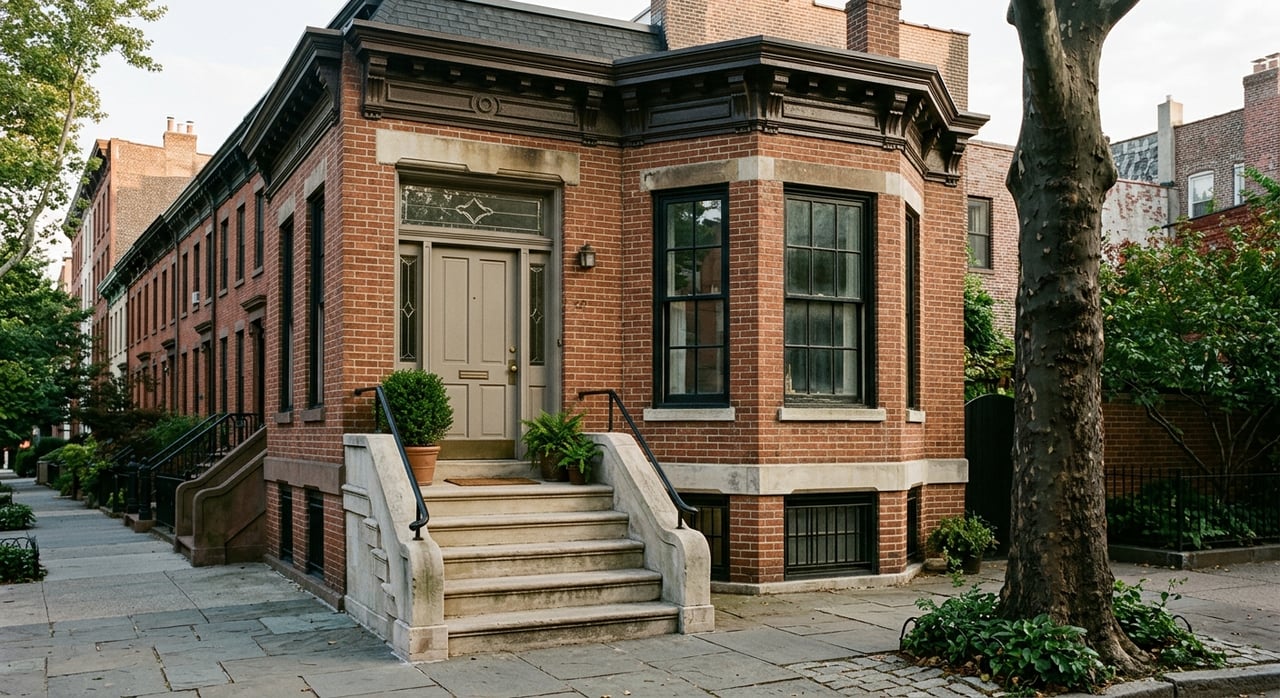
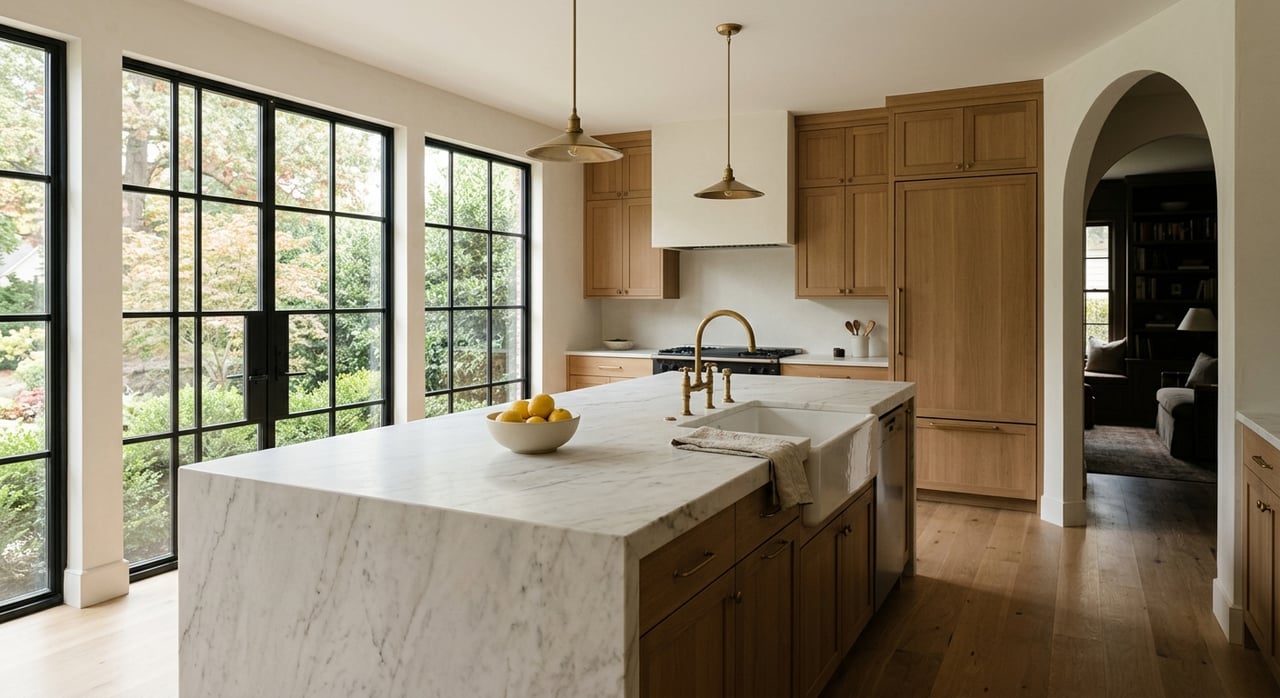
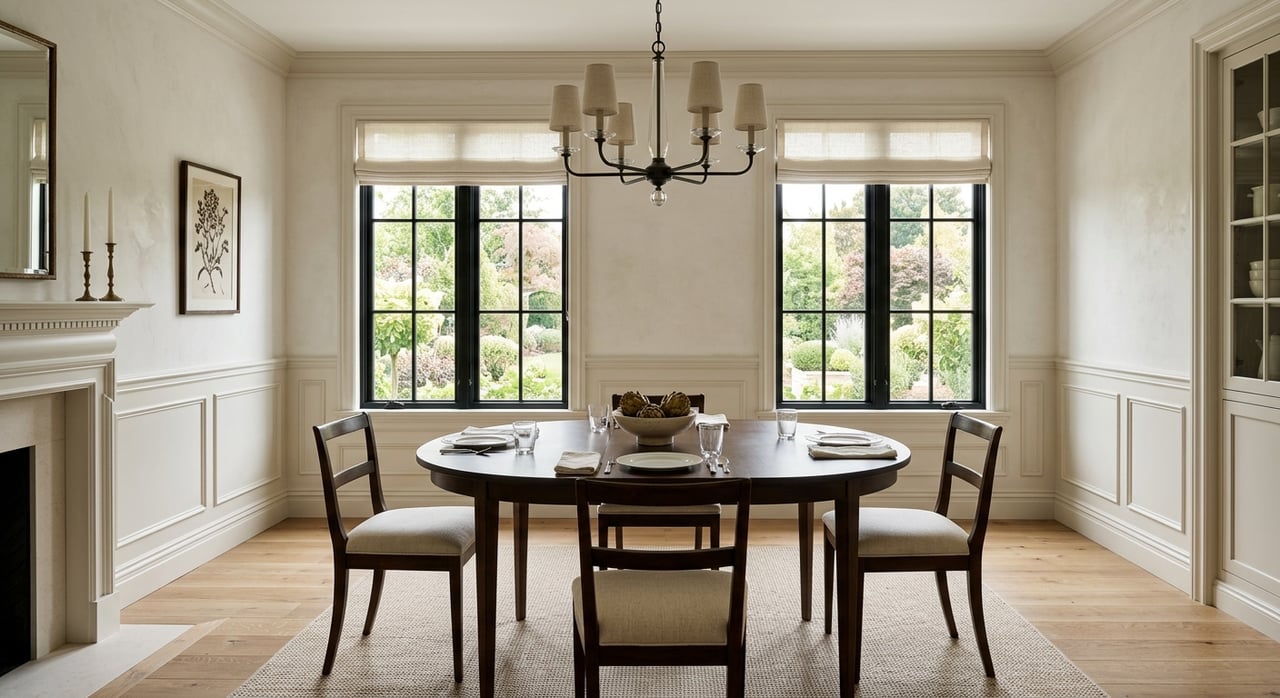
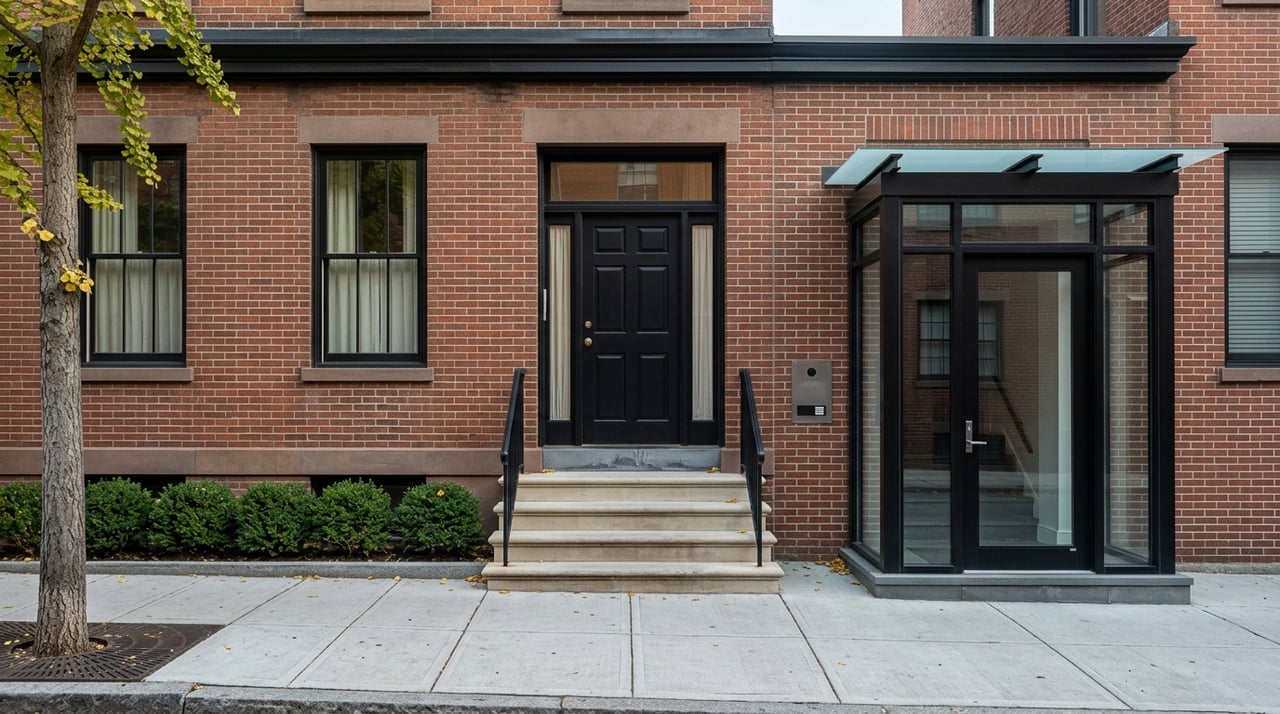
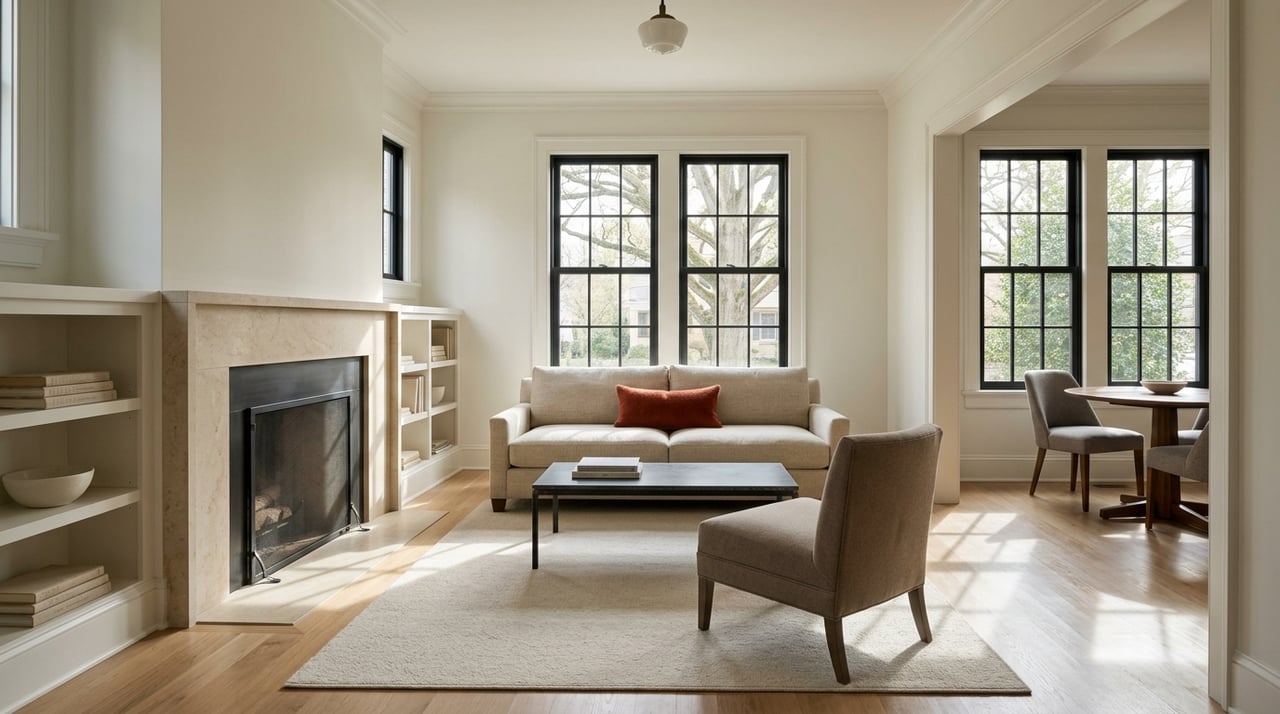
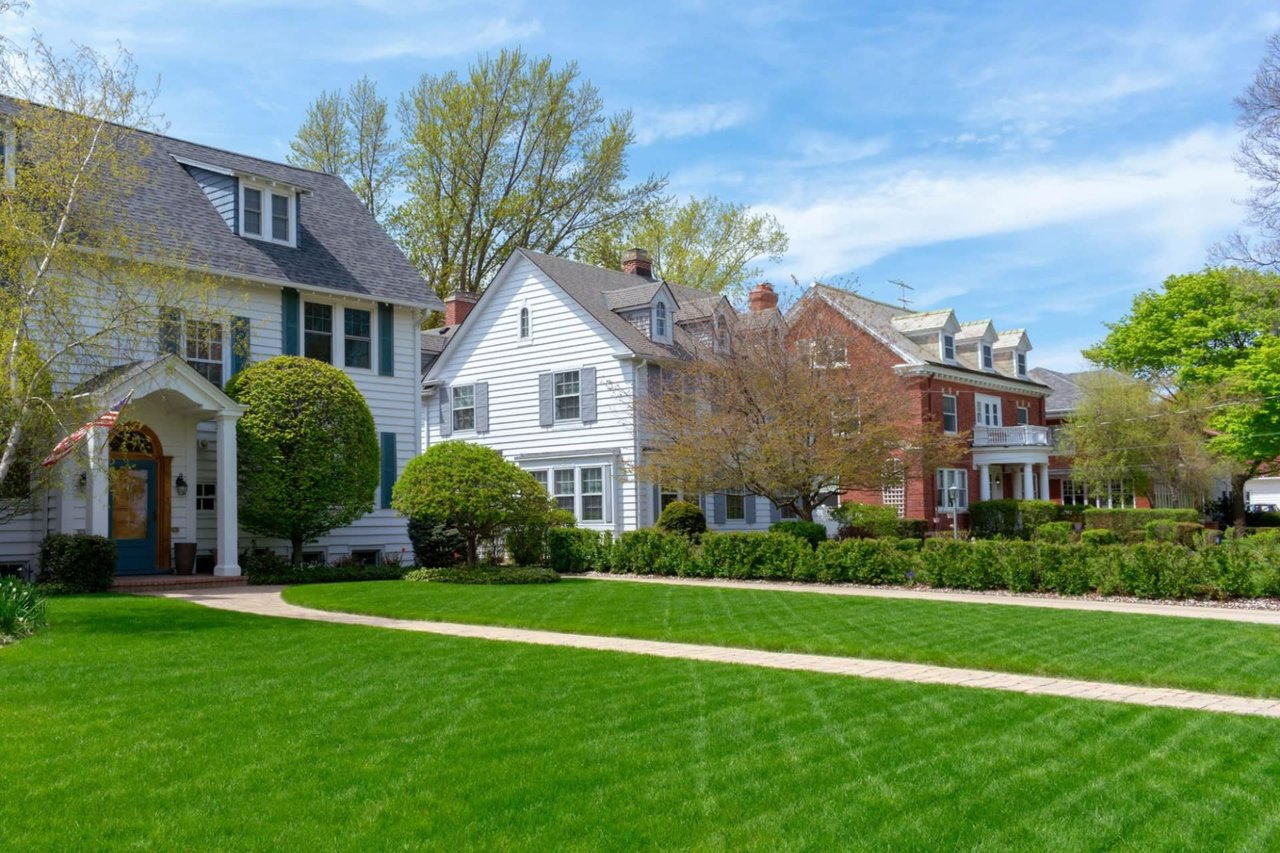
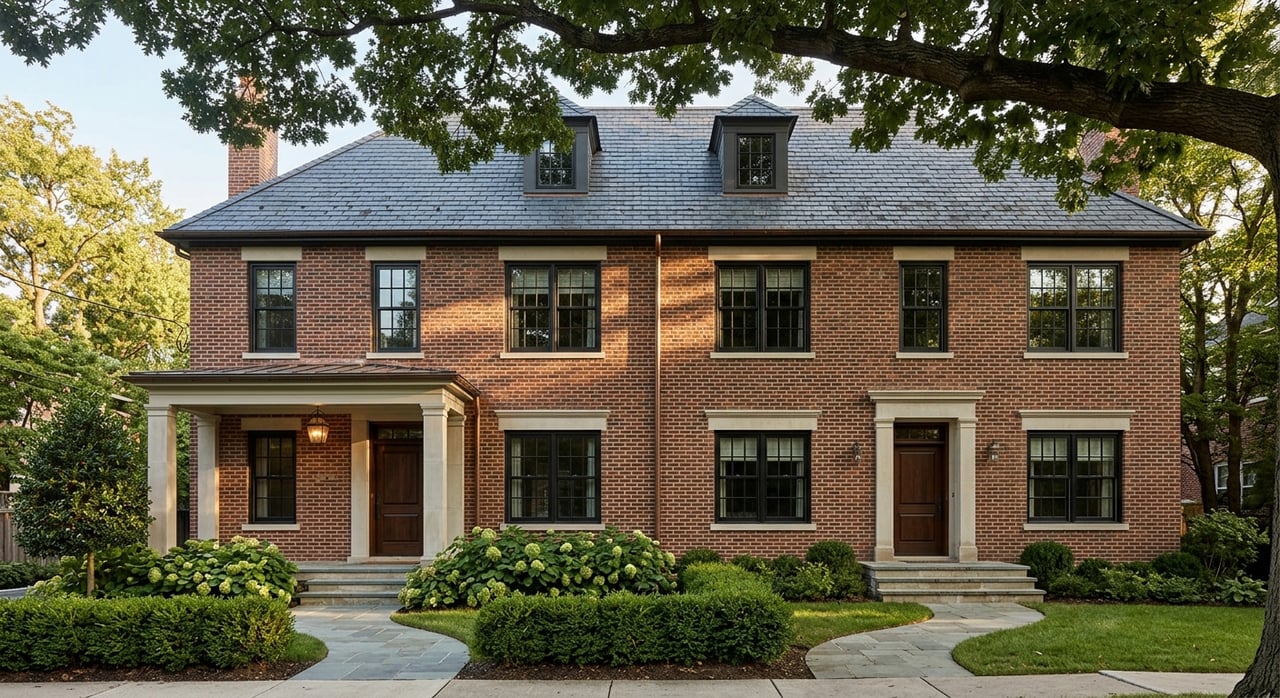
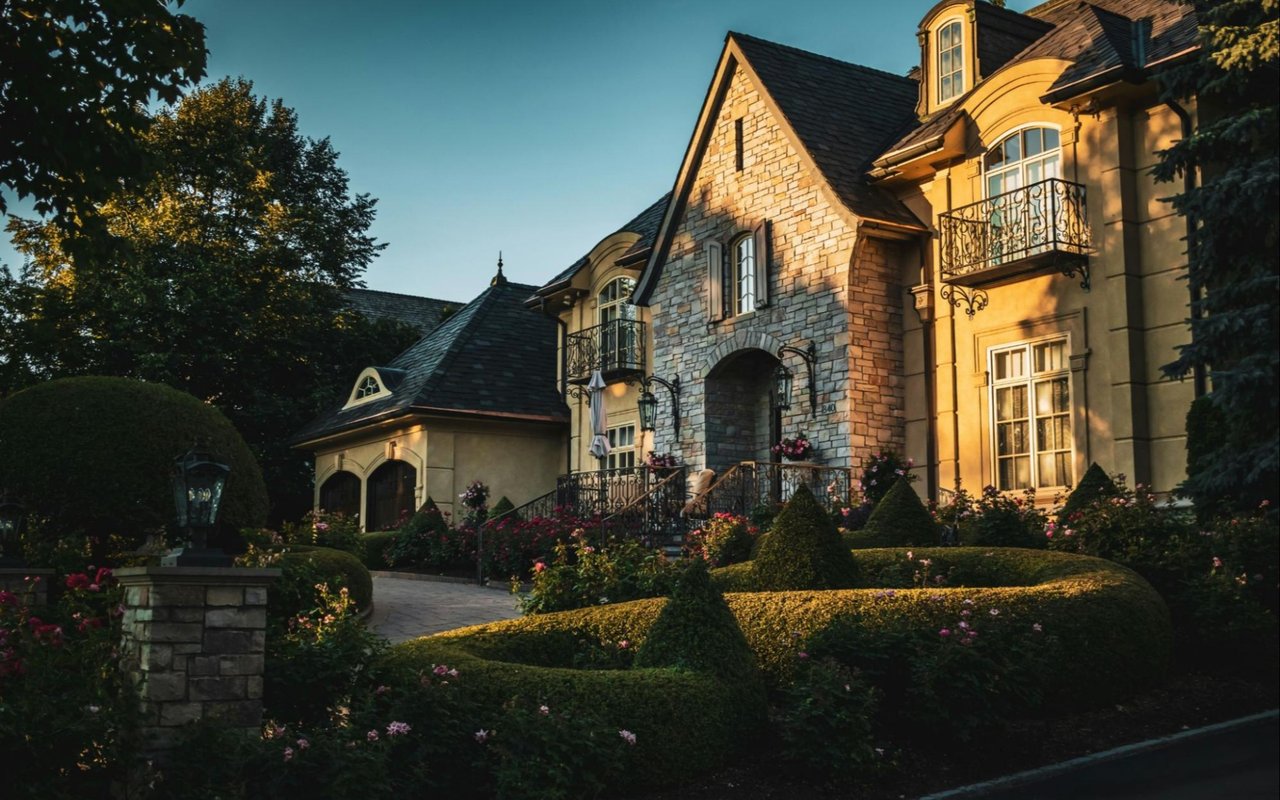
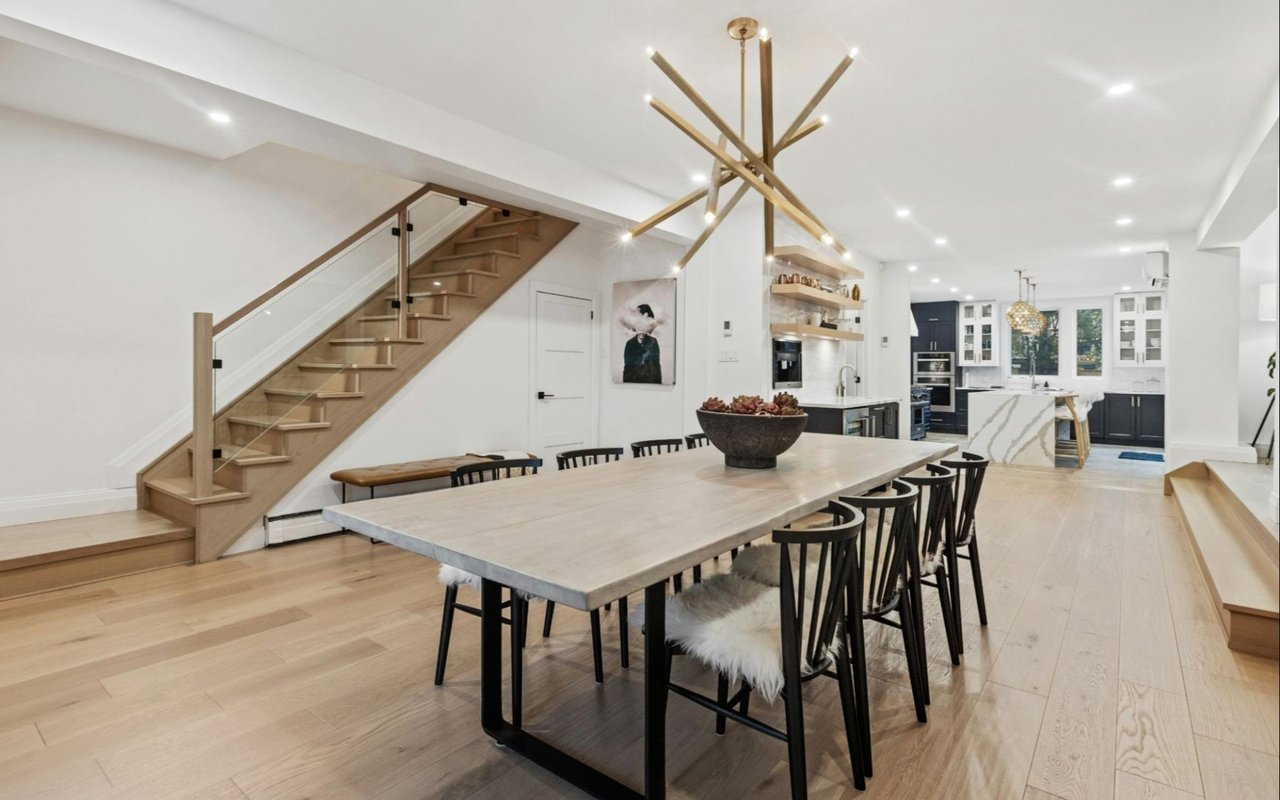
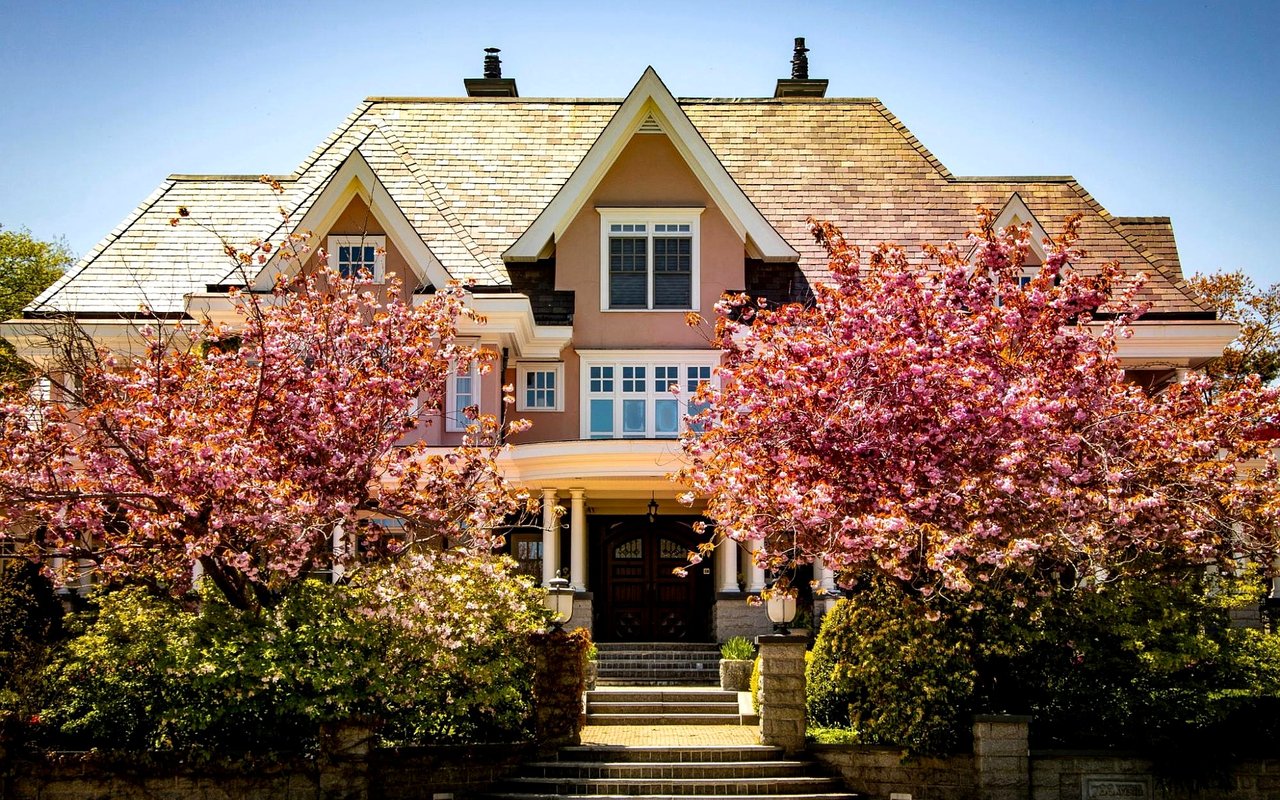
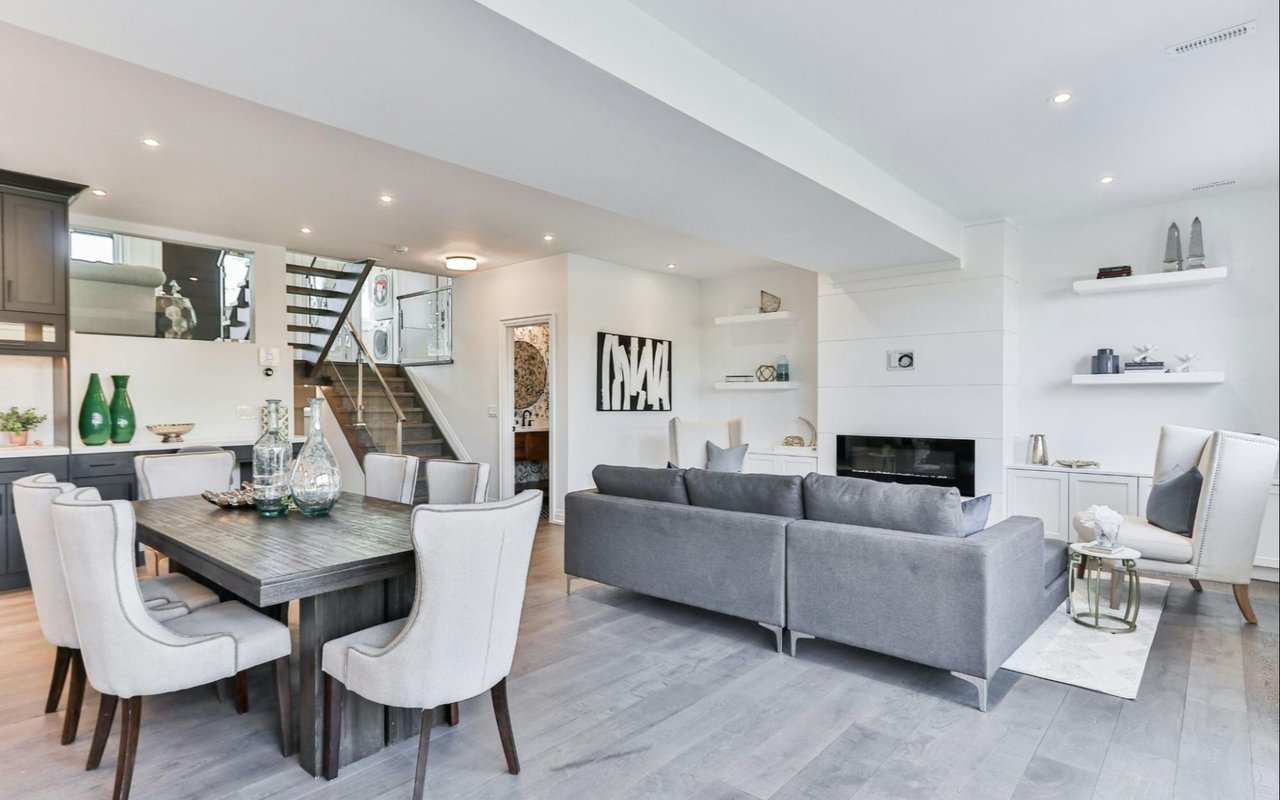
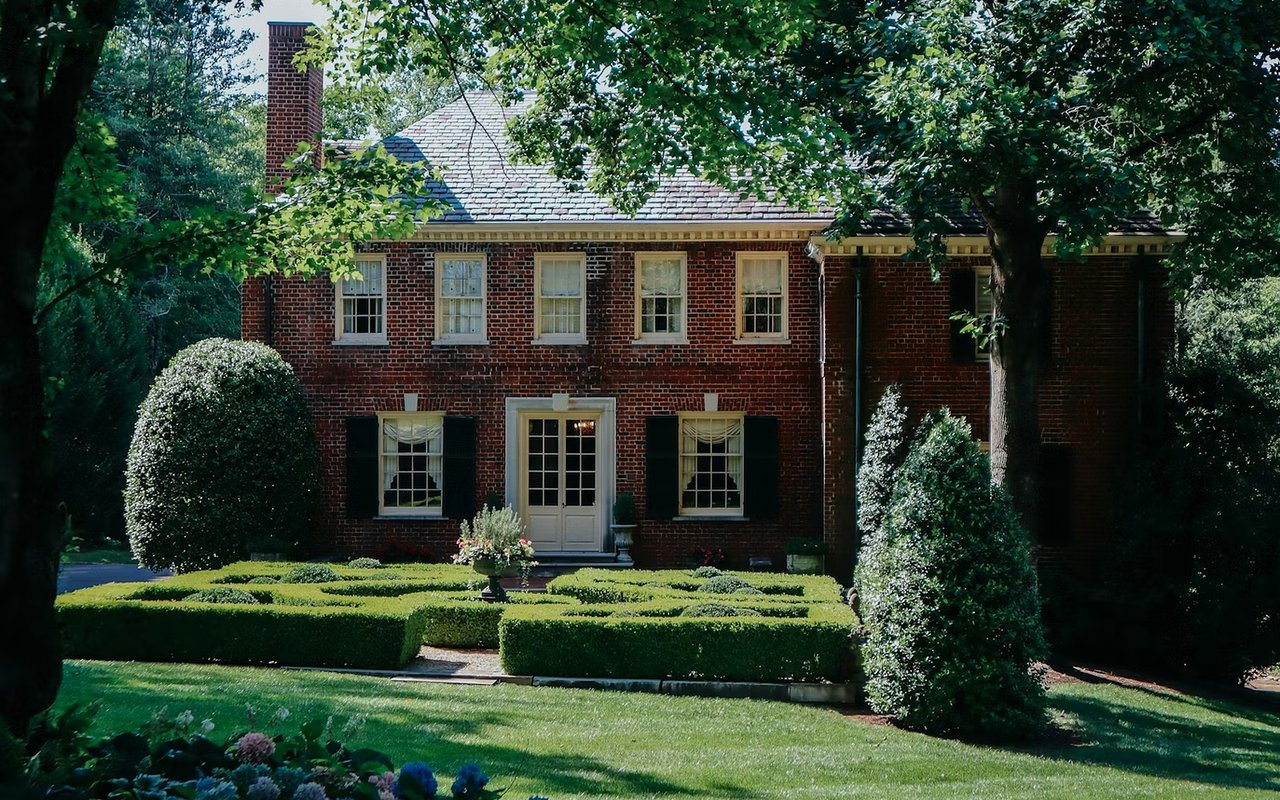
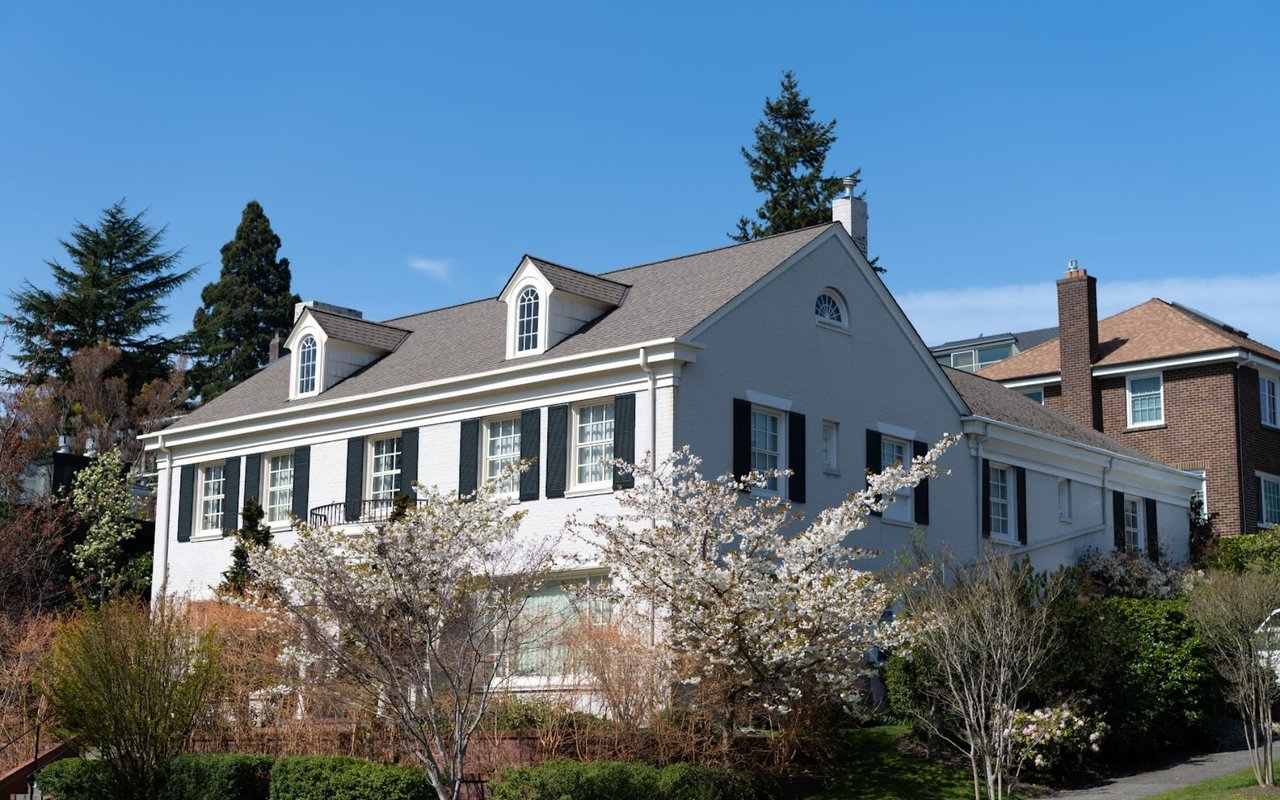
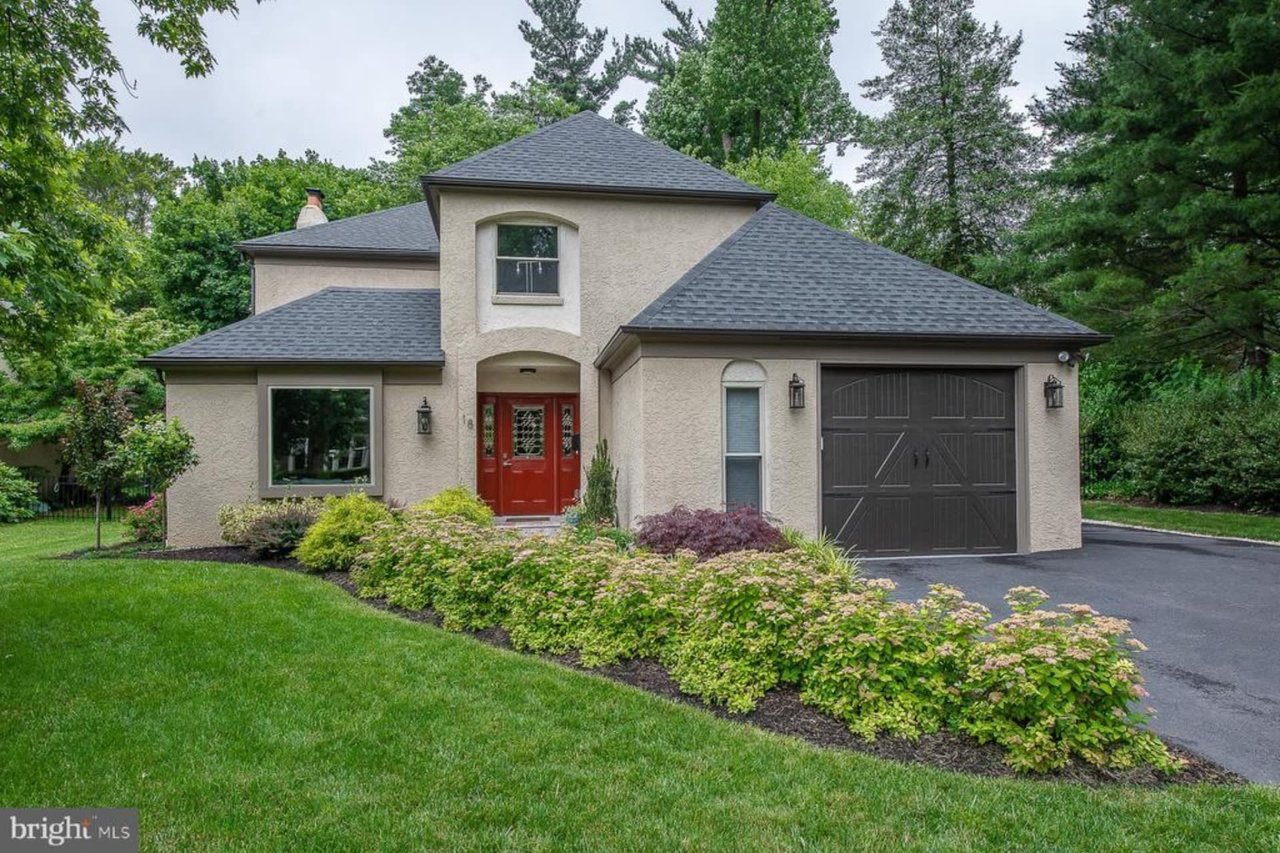
The housing stock in these two areas feels very different. In Center City, the market is more vertical, with apartments, condos, historic townhouses, and rowhomes shaping much of the housing mix. In the Main Line, you will generally see more detached homes, along with townhomes and condos in select town centers.
That difference affects more than style. It also affects privacy, outdoor space, storage, parking, and how much separation you have from neighbors.
Main Line Housing Variety
One of the most important things to understand is that the Main Line is not one single market. Pricing and home types vary quite a bit by town and property type.
Research snapshots show a broad Main Line median sale price of $879,454 as of May 2026, but the active inventory range is wide. Current examples stretch from a one-bedroom condo in Penn Valley listed at $209,900 to a five-bedroom Penn Valley home with 5,142 square feet on a 1.05-acre lot listed at $1.455 million.
Nearby town-level snapshots also show meaningful variation. Ardmore was reported around $605,250, Wayne around $849,492, and Radnor Township around $1.25 million. These figures come from different reporting periods and geography definitions, so they are best used as directional guidance rather than exact side-by-side comparisons.
Center City Housing Mix
Center City offers a different kind of inventory. Redfin reported a median sale price of $530,000 in March 2026, and Greater Center City had 113,500 housing units in 2022, with 36% owner-occupied.
New supply also continues to shape the market. The 2025 Center City housing report says Greater Center City accounted for 44% of Philadelphia housing completions in 2024, which helps explain why buyers continue to see new residential options downtown.
Think About Your Commute
Your commute may be the single biggest quality-of-life factor in this decision. If you work in or near downtown Philadelphia, Center City offers the shortest path to many offices and institutions. Center City District says downtown is home to 43% of Philadelphia jobs.
That job concentration is one reason many buyers choose to live close in. Even in hybrid work patterns, proximity to employment continues to attract residents who want to reduce commute friction.
Why the Main Line Works for Commuters
The Main Line’s structural advantage is the Paoli/Thorndale Line. SEPTA serves stations including Ardmore, Haverford, Bryn Mawr, Wayne, Radnor, St. Davids, Paoli, Malvern, Exton, Downingtown, and Thorndale, with direct connections to 30th Street Station, Suburban Station, Jefferson Station, and Temple University.
That makes the Main Line especially appealing if you want suburban living without giving up rail access to the city. Fare zones also matter for regular riders, since stations along the line fall into different SEPTA zones.
Why Center City Feels Easier Day to Day
If your goal is to simplify everyday movement, Center City has the edge. It remains the region’s most transit-rich environment, and many daily needs can be handled on foot.
Rittenhouse Square scores a 97 Walk Score and 100 Transit Score, while Center City West is listed at a 99 Walk Score and 100 Transit Score. Center City District also reports that more than 3.3 million people live within one mile of a one-seat ride into Center City.
Walkability Is Not All or Nothing
A common mistake is assuming the Main Line is entirely car-dependent and Center City is the only walkable choice. In reality, some Main Line town centers are highly walkable, especially near the rail line.
Walk Score rates Ardmore at 90 in sampled locations, and Wayne falls around 81 to 83 in sampled areas. If you want a neighborhood where you can walk to shops, restaurants, and the train but still live in a suburban setting, certain Main Line towns can offer that balance.
Center City, however, still delivers the most consistent car-light lifestyle. Research shows that 50% of core households do not own a car, which says a lot about how people live there in practice.
Compare Space and Daily Rhythm
This is where the choice often becomes clearer. The Main Line usually offers more private space, while Center City leans more heavily on public space and shared amenities.
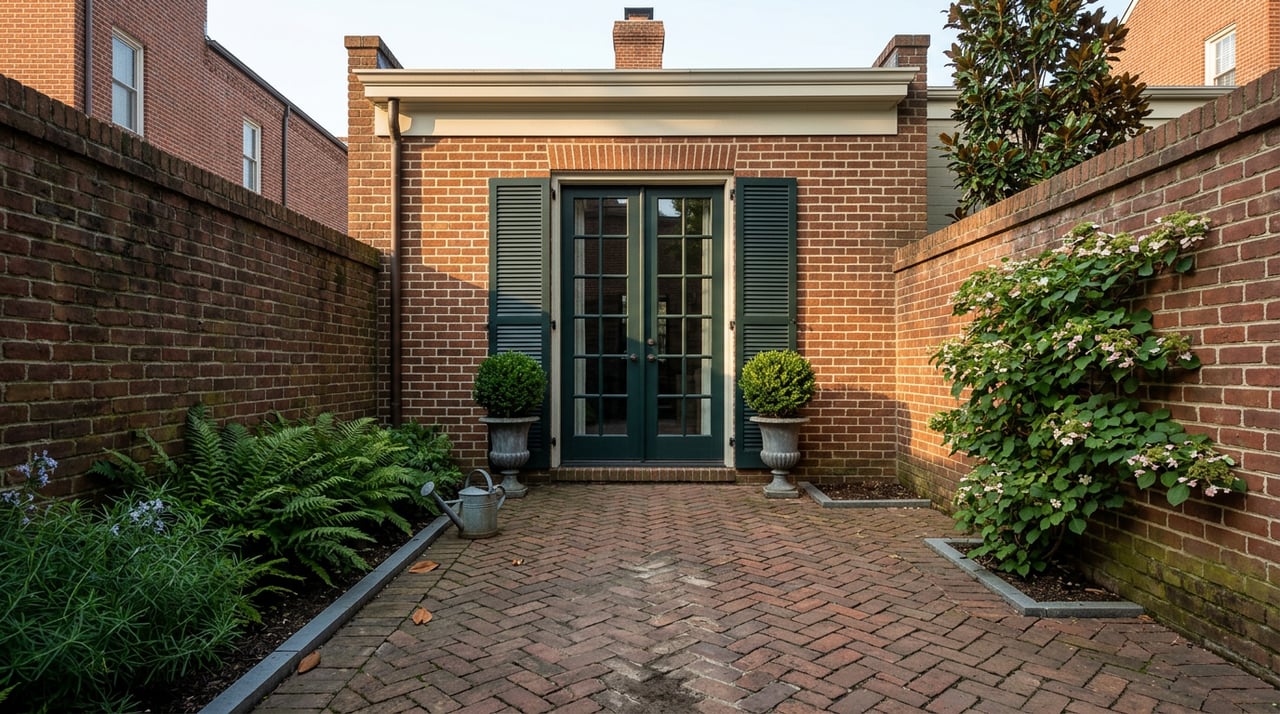
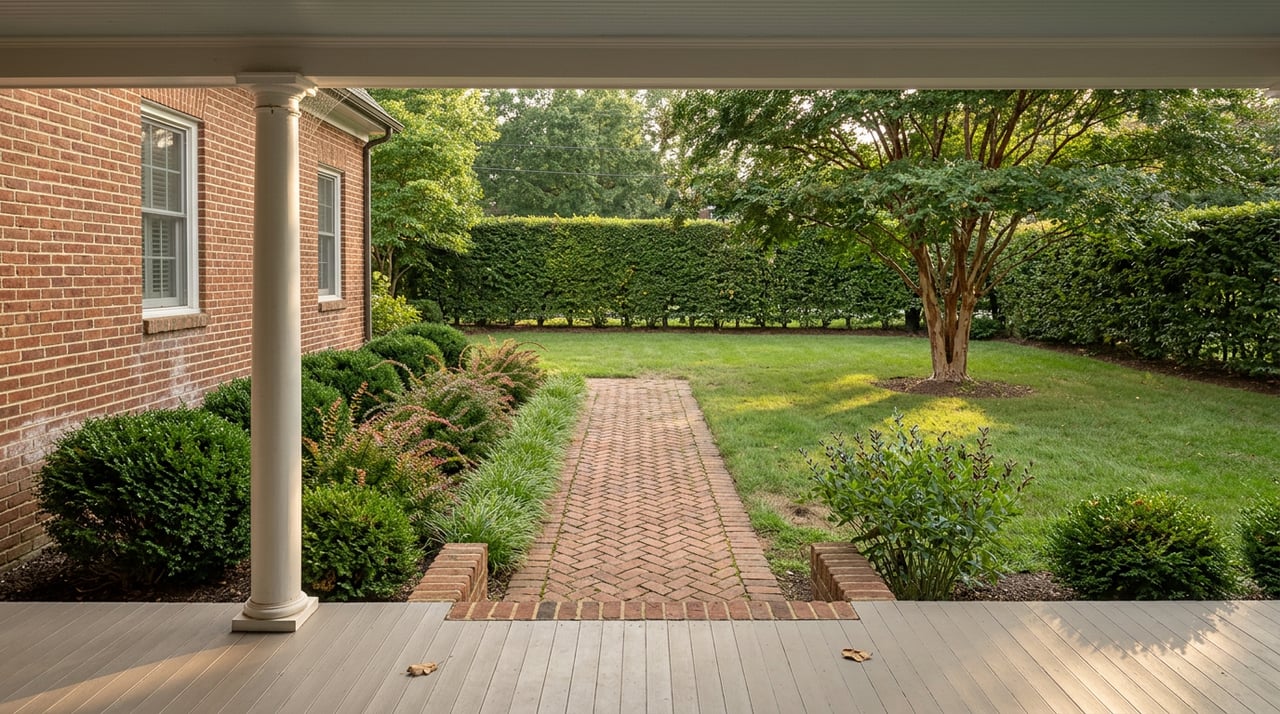
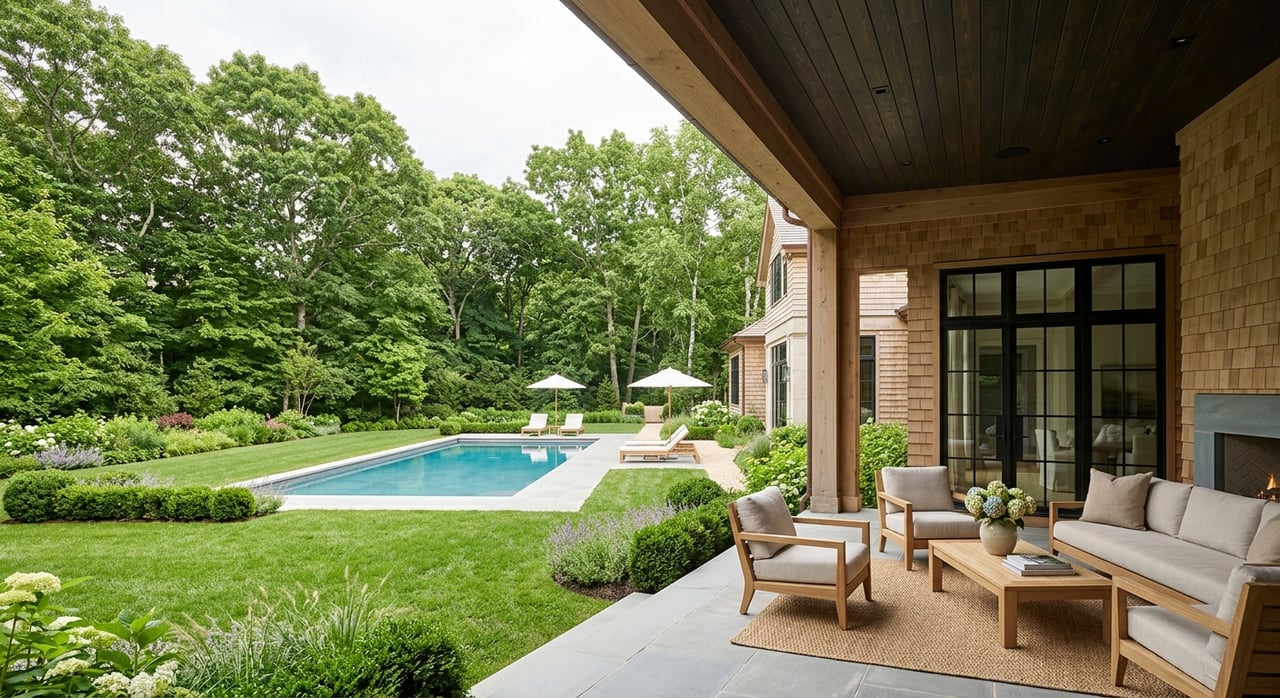
If you picture a home with a yard, easier parking, more separation from neighbors, and a quieter residential rhythm, the Main Line may feel more natural. Current listings reflect that pattern, including homes on lots of 0.60 acres and 1.05 acres.
Main Line Lifestyle Feel
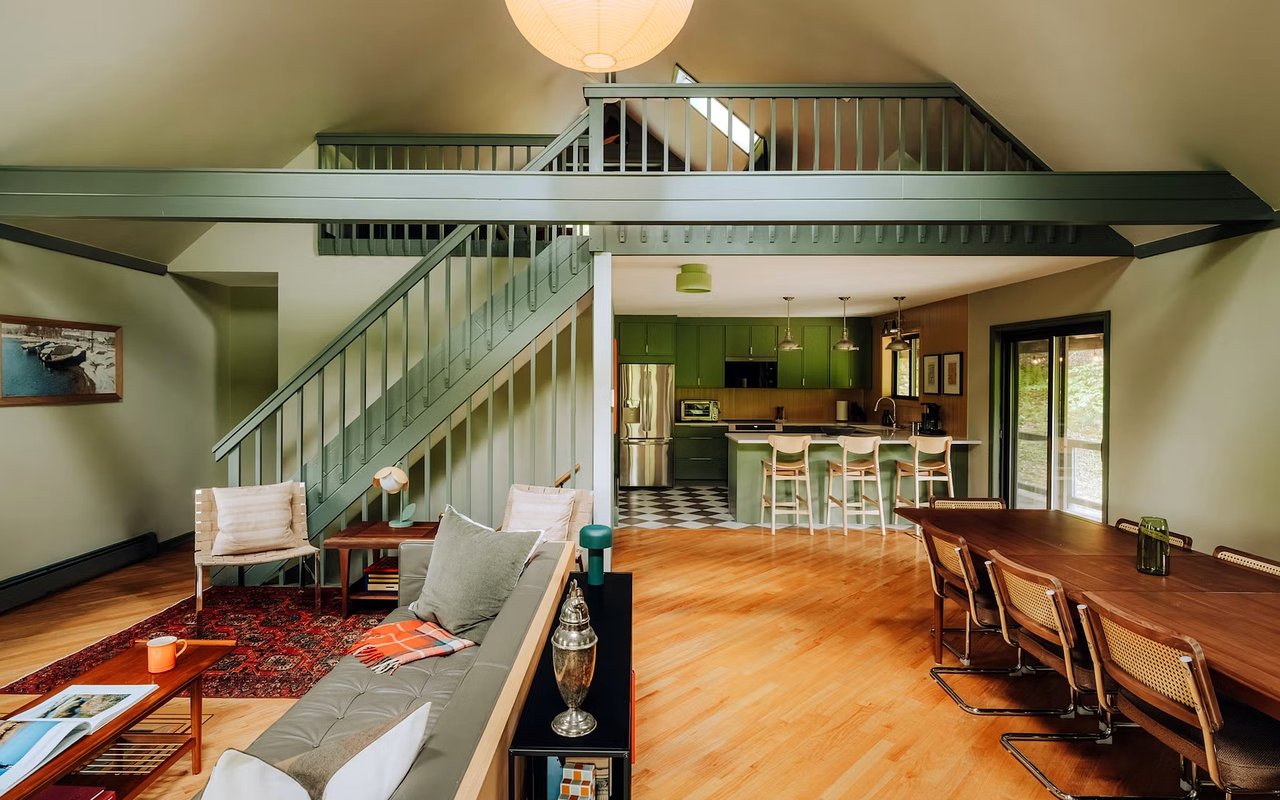
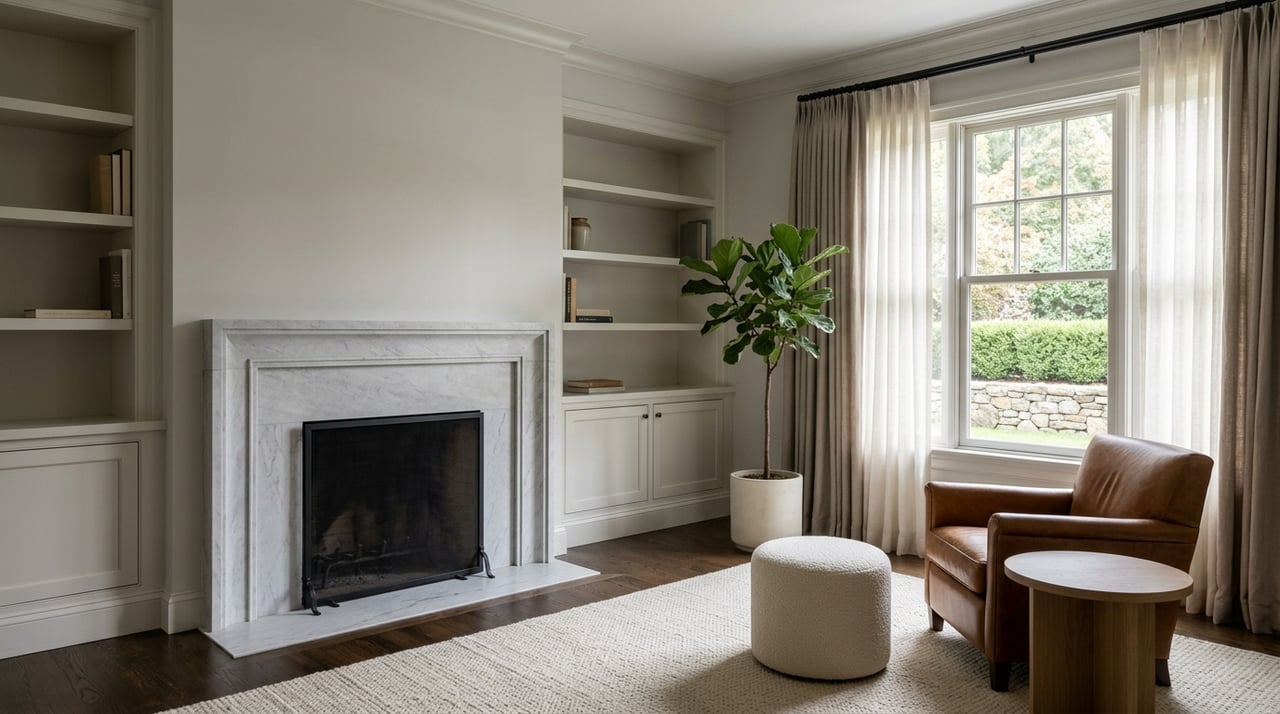
Many buyers are drawn to the Main Line because their homes can do more of the work for their lifestyle. More square footage, more outdoor space, and a broader range of detached housing can support hobbies, entertaining, storage, and a less compressed routine.
That does not mean every Main Line property is large or every town feels the same. It simply means the corridor tends to offer more opportunities for private space than you typically find in the urban core.
Center City Lifestyle Feel
Center City creates a different kind of convenience. Instead of relying on private yards and larger lots, many residents rely on public parks, walkable streets, restaurants, and mixed-use blocks to shape daily life.
Center City District manages parks including Dilworth, Sister Cities, Cret, and John F. Collins Parks, while Philadelphia Parks & Recreation oversees more than 10,200 acres of public land and waterways citywide. For many buyers, that tradeoff works well because they value immediacy and access over private outdoor space.
Is One Area More Affordable?
Not in a simple, across-the-board way. Broadly speaking, the Main Line median reported in the research is higher than the Center City median, but that does not mean every Main Line option costs more.
The Main Line includes condo-friendly pockets, townhome options, and higher-end township markets all in the same corridor. Your price point may go further in one town than another, and your result will depend heavily on whether you are comparing condos, rowhomes, townhomes, or detached houses.
Which Buyers Usually Prefer Each Option?
You can often narrow the decision by thinking honestly about what matters most in your weekly routine.
Buyers Who Often Lean Main Line
You may prefer the Main Line if you want:
- More private space
- Easier parking
- A yard or larger lot potential
- A quieter residential setting
- Train access to Center City without living downtown
- A town-by-town suburban lifestyle with distinct local centers
Buyers Who Often Lean Center City
You may prefer Center City if you want:
- A shorter commute to downtown jobs
- Car-light or car-free living
- High walkability for daily errands
- Immediate access to restaurants, parks, and cultural amenities
- Condo, townhouse, or rowhome living in a dense urban setting
- A faster-paced daily rhythm with more activity close by
A Simple Way to Decide
If you are still torn, try filtering the choice through one practical question: What kind of friction do you want to remove from your life?
If you want less commute stress, fewer car trips, and more walkable convenience, Center City may be the better match. If you want more room to spread out, easier parking, and a home environment that feels more private, the Main Line may make more sense.
The good news is that both options can work well, especially if you choose the specific town, neighborhood, and property type carefully. That is where local, hyper-specific guidance matters.
If you are weighing the Main Line against Center City and want clear advice tailored to your commute, budget, and lifestyle goals, The MacDonald Team PA can help you narrow the options and choose a home base with confidence.
FAQs
Is the Main Line or Center City better for commuting to downtown Philadelphia?
- Center City is typically better for the shortest downtown commute, while the Main Line offers strong rail access through the Paoli/Thorndale Line for buyers who want a suburban home base.
Is the Main Line more expensive than Center City Philadelphia?
- Not always. Research shows a higher broad median on the Main Line, but pricing varies widely by town and property type, and some Main Line condos are priced below many Center City homes.
Can you live in Center City Philadelphia without a car?
- Yes. Research from Center City District says 50% of core households do not own a car, and top Center City neighborhoods score very highly for walkability and transit access.
Are any Main Line towns walkable for daily errands?
- Yes. Sampled Walk Score data shows places like Ardmore and Wayne can be very walkable, especially near their rail-served town centers.
What kind of homes are more common on the Main Line versus Center City?
- The Main Line generally offers more detached homes along with townhomes and condos, while Center City is more associated with condos, apartments, rowhomes, and historic townhouses.
How should you choose between Main Line and Center City if you are relocating?
- Start with your daily priorities. If you value space, parking, and a quieter residential pace, the Main Line may fit better. If you value walkability, transit, and being close to downtown jobs and amenities, Center City may be the stronger match.