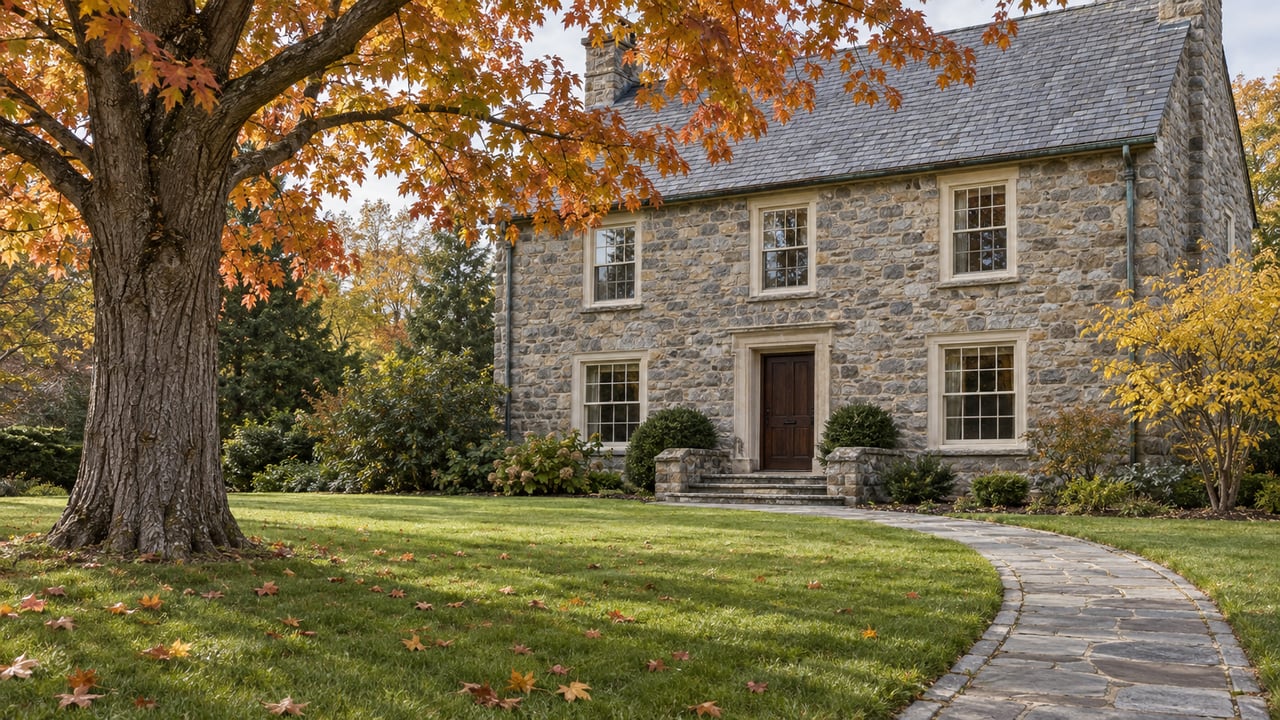
Who looks after the trees in Merion Station? Two of the neighborhood's best green spaces have never been run as ordinary public parks. Each has passed through a short line of caretakers who planned decades ahead. In 2026 both of those lines reached a milestone you can see on a November walk.
The Barnes Arboretum at Saint Joseph's University was recognized this summer as one of the country's top collections of woody plants. A few streets away, the Botanical Society of Lower Merion reported a new stepping-stone bridge in Merion Botanical Park this autumn. Neither change came out of nowhere. Both grew from plans and plantings that started long before most current residents arrived.
A Collection Started in 1880 Joins a List of 48
On July 8, 2026, Saint Joseph's University announced that the Barnes Arboretum had earned Level III accreditation from ArbNet, the arboretum accreditation program run by the Morton Arboretum. The university says that puts the Barnes among just 48 Level III arboreta in the United States. It is also the only one at any of the country's 27 Jesuit colleges and universities. According to the announcement, the level is awarded for professional standards in collections management, strategic planning, public engagement and organizational capacity.
The stewardship goes back a long way. Joseph Lapsley Wilson began collecting specimen trees on the 12-acre estate in 1880. Albert C. Barnes and Laura L. Barnes kept and expanded that collection after founding the Barnes Foundation in 1922. Saint Joseph's took over the property in 2018. That makes three caretakers in roughly 146 years, and the trees outlasted each handoff. The university now counts 1,721 documented woody plant accessions and about 25 Pennsylvania state champion trees on the grounds.
The same announcement shows how much the place has changed recently. SJU reports that annual visits have grown more than six-fold in recent years, alongside new gardens and natural areas and a big rise in volunteers. Arboretum director Clint Springer gave the credit to the staff who do the daily work:
"I am especially grateful to Katie Jacoby, our head gardener, and William Rein, assistant director of living collections and horticultural education, whose expertise and dedication were instrumental in achieving this milestone."
That quote comes from Saint Joseph's own news release. The release also names the volunteers, students, faculty, staff, alumni and supporters who helped. For a collection that has always depended on a few committed people, the list of who keeps it running has simply grown longer.
What the Barnes Looks Like When the Leaves Come Down
The accreditation is about plants that matter in every season, which makes November a good time to go. The Barnes Foundation's own research notes on Laura Barnes record that she chose plants for interest across several seasons, fall color included. The arboretum's entry on the ArbNet Morton Register lists the named areas worth looking for once the canopy thins:
- The Laura L. Barnes Wildflower and Fern Dell
- The National Hosta Display Garden
- The lilac and peony groves
- The wildlife meadow and the woodland pond
- Mature conifer groves, along with concentrations of Aesculus, Magnolia and Stewartia
- The greenhouse collection
The conifer groves keep their structure all winter. Bare deciduous trees show their form in a way they don't in full leaf. In a collection whose oldest plantings date to the Wilson estate, that structure is a big part of the view.
Visiting the Barnes in November
The arboretum is free, with no ticket or reservation needed. Maps are available at the Welcome Center.
| Barnes Arboretum | Merion Botanical Park | |
|---|---|---|
| Address | 50 Lapsley Lane, Merion | 100 Merion Road, Merion |
| Steward | Saint Joseph's University, since 2018 | Lower Merion Township, with the Botanical Society of Lower Merion |
| Hours | Weekdays 8:30 a.m. to 5:30 p.m., weekends 11 a.m. to 5:30 p.m. | Township park |
| Admission | Free, no reservation | Township park |
| Dogs | Not permitted, except service animals | Check township rules |
The university's visitor guidelines also rule out climbing trees, walking into planting beds, collecting plants and playing sports. Personal photos are welcome. Professional shoots need permission.
Plan around the Thanksgiving week. SJU says the posted hours apply except when the university is closed. The university's residence halls close at 7 p.m. on Tuesday, November 24, and reopen at 10 a.m. on Sunday, November 29. If you want to walk the grounds over the holiday, check the arboretum's page before you go.
The Other Collection, Given Away in the 1940s
Merion Botanical Park has a different history but a similar pattern. The 13.5-acre park at 100 Merion Road belongs to Lower Merion Township. It came to the township in the mid-1940s as a gift from the Botanical Society of Lower Merion. According to the township's master plan page, the two have worked closely ever since to care for the grounds.
That same page explains how the park's current work began. The park had no earlier master plan. The Society had asked for improvements including specimen plants, better circulation, pedestrian bridges and stream bank restoration. Township staff and the Society wrote the plan together, with public input.
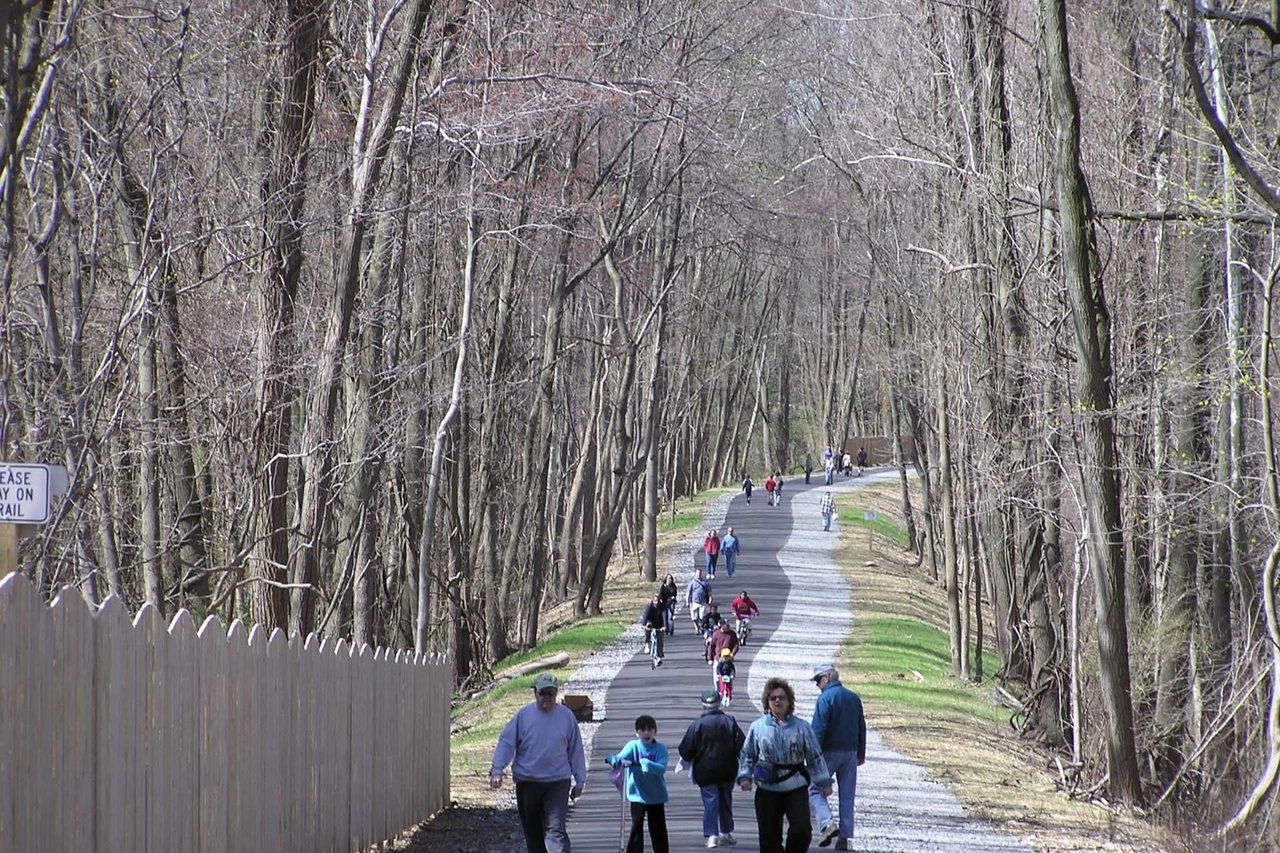
This year, parts of that list are on the ground. The Botanical Society's Autumn 2026 update reports a new stepping-stone bridge. Earlier, the township finished a trial stretch of the park path in porous paving, meant to test how it holds up in heavy rain and running water. The Society said it expected more paving along the path in 2026. A bridge over the water and a path built for storm runoff are exactly the circulation and stream-edge fixes the Society had asked for.
The volunteer side runs on its own calendar. The Society held its last park workday of 2026 on Saturday, October 17, meeting at the Latches Lane entrance. That leaves November as a month to look at the work rather than do it.
What to Find in the Botanical Park After the Leaves Drop
The Society once published a November field sheet for the park. It is written for this time of year, when identification shifts from leaves to seeds, pods and fruit. Its descriptions of each species are a useful guide for a late-autumn walk:
- Chinese scholar tree, Sophora japonica. Yellow-green pods six to eight inches long that stay on the tree well into winter.
- Amur corktree, Phellodendron amurense. On female trees, clusters of pea-sized fruit that turn black and hang on through winter.
- Beech, Fagus. Nuts held in burrs that fall in autumn, so look down as well as up.
- Franklin tree, Franklinia alatamaha. Seed pods that take 12 to 14 months to develop before they split open and release flat seeds.
The Franklinia fits the larger story well. A pod that takes more than a year to ripen belongs in a park whose caretakers have been working on it since the 1940s.
The park also has a well-known meeting point. A September 26 Yoga in the Park session told participants to gather by the Sawtooth Oak. The listing pointed visitors to parking on Merion Road and to the train station as the nearest restroom. Both details are handy for any weekend visit.
Where the Neighborhood Talks About Its Ground
Long-term care for trees and paths also depends on the neighborhood's civic calendar. The Merion Civic Association has a board meeting on Tuesday, November 24, from 7:30 to 9:30 p.m. at Merion Tribute House, 625 Hazelhurst Avenue.
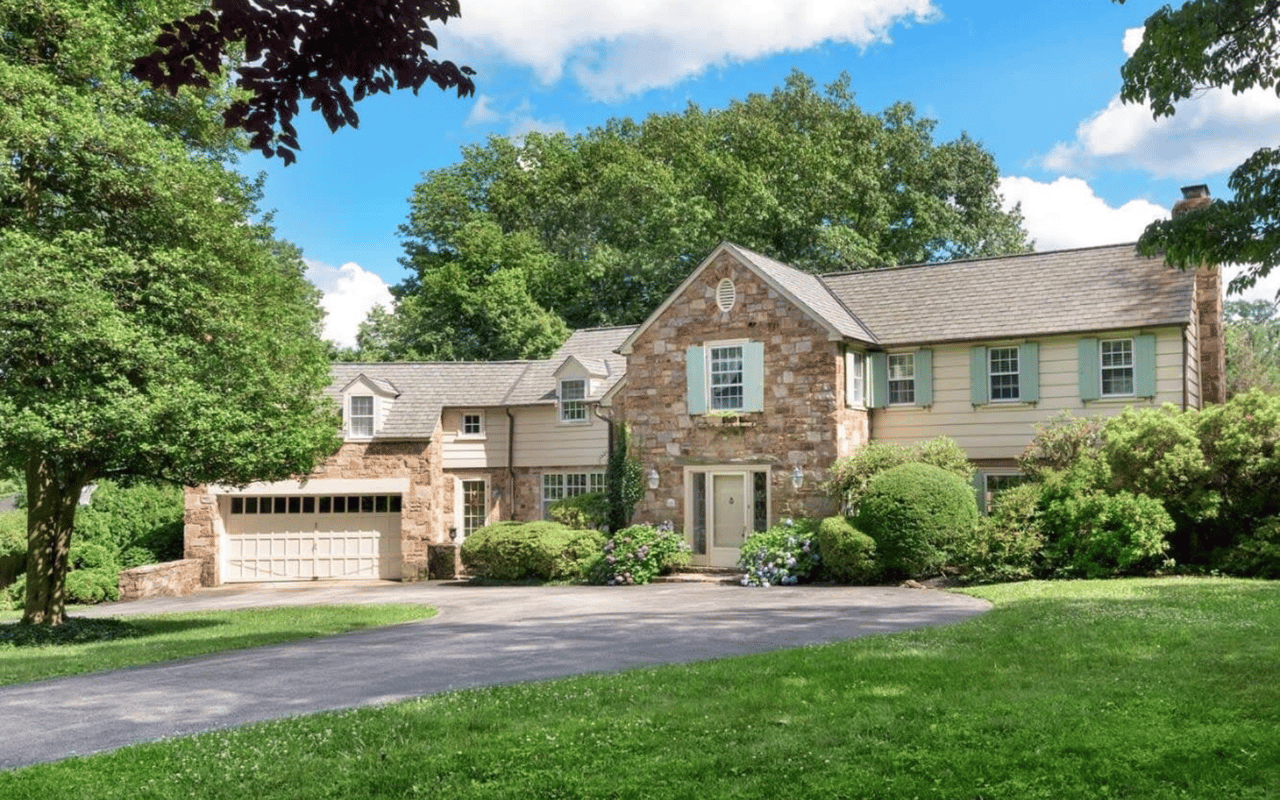
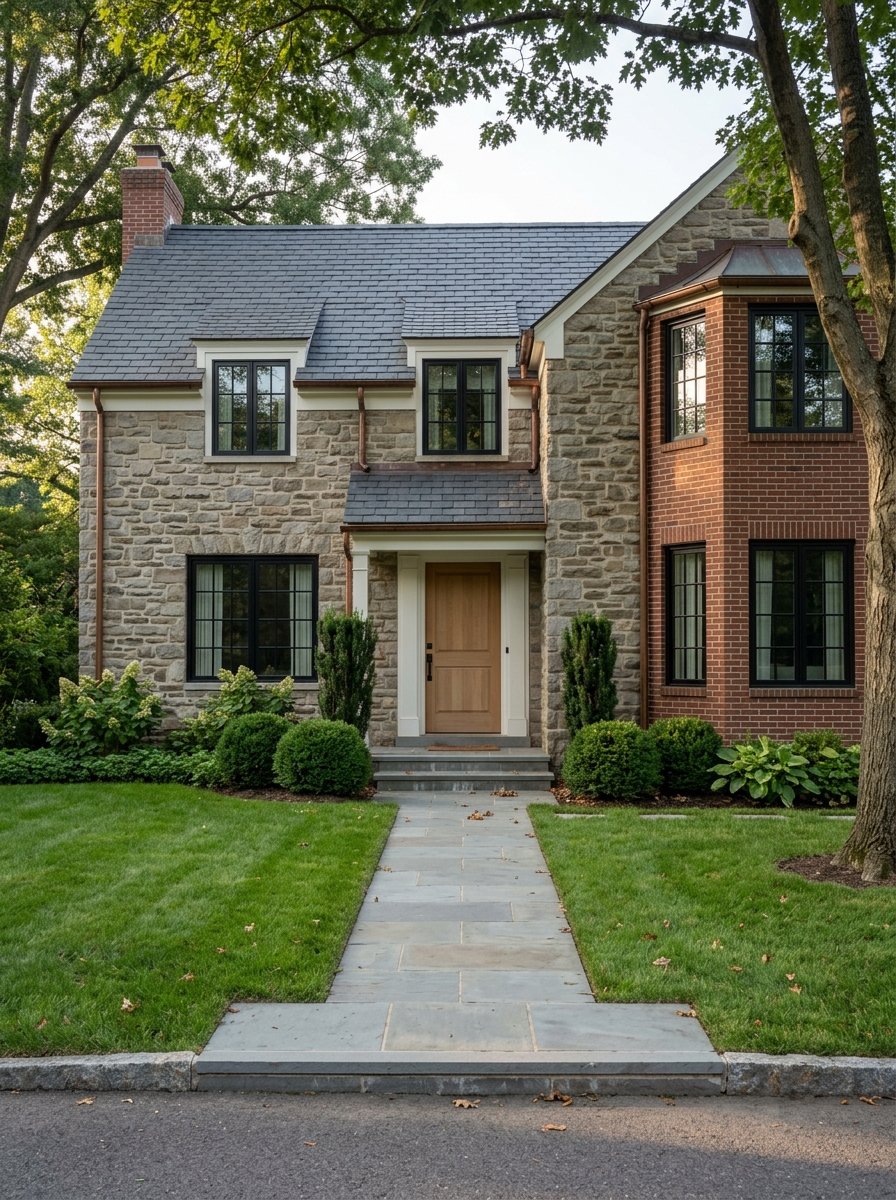
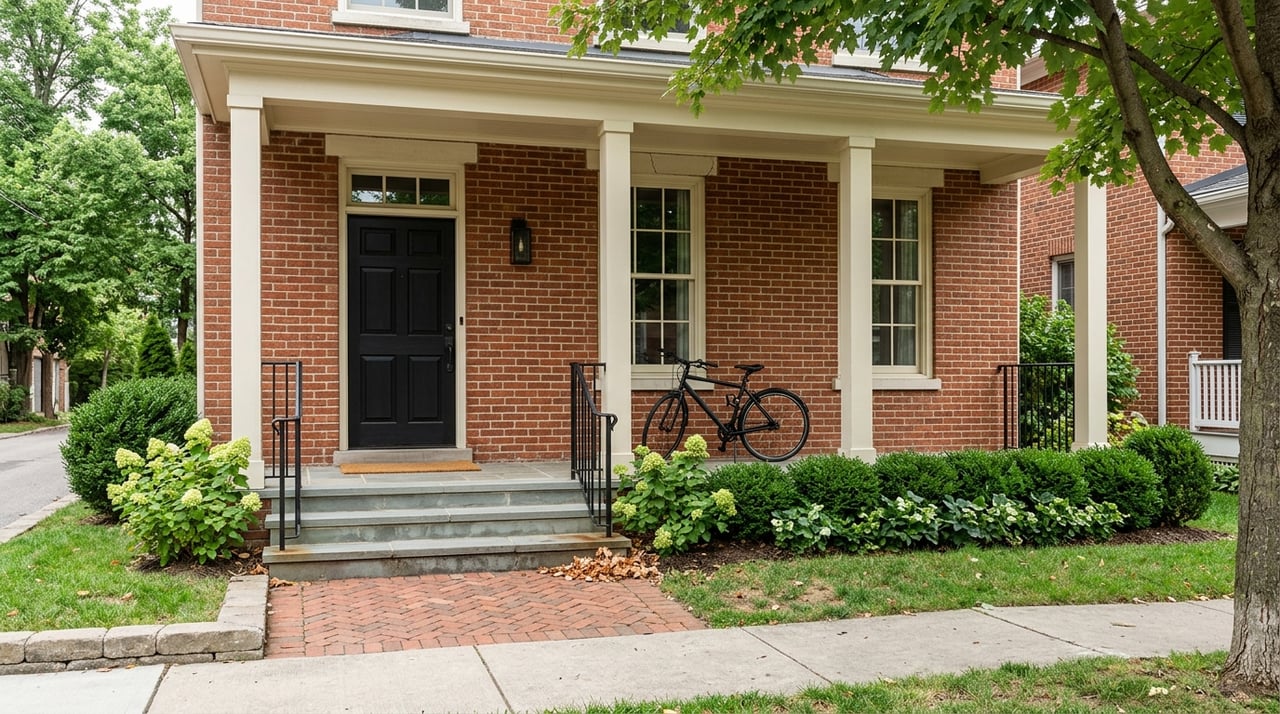
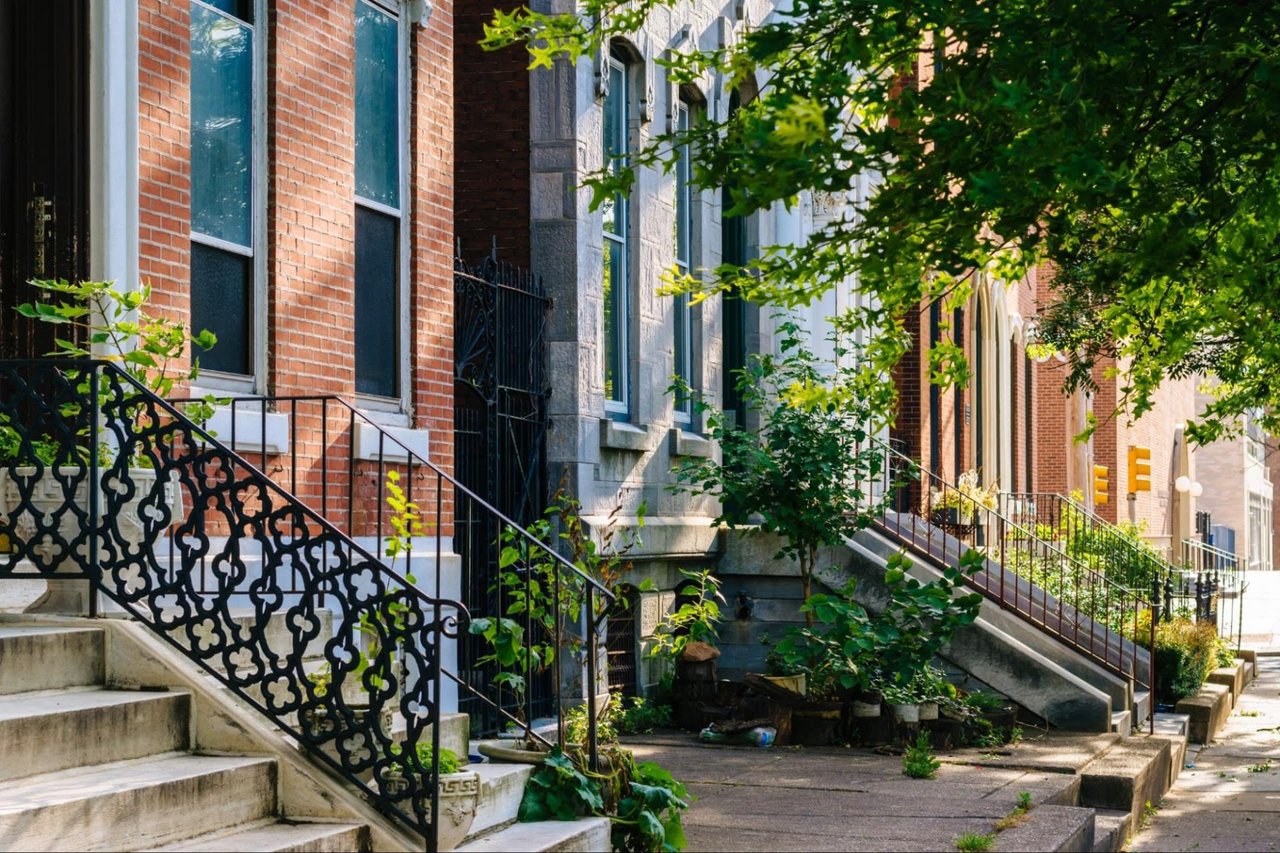
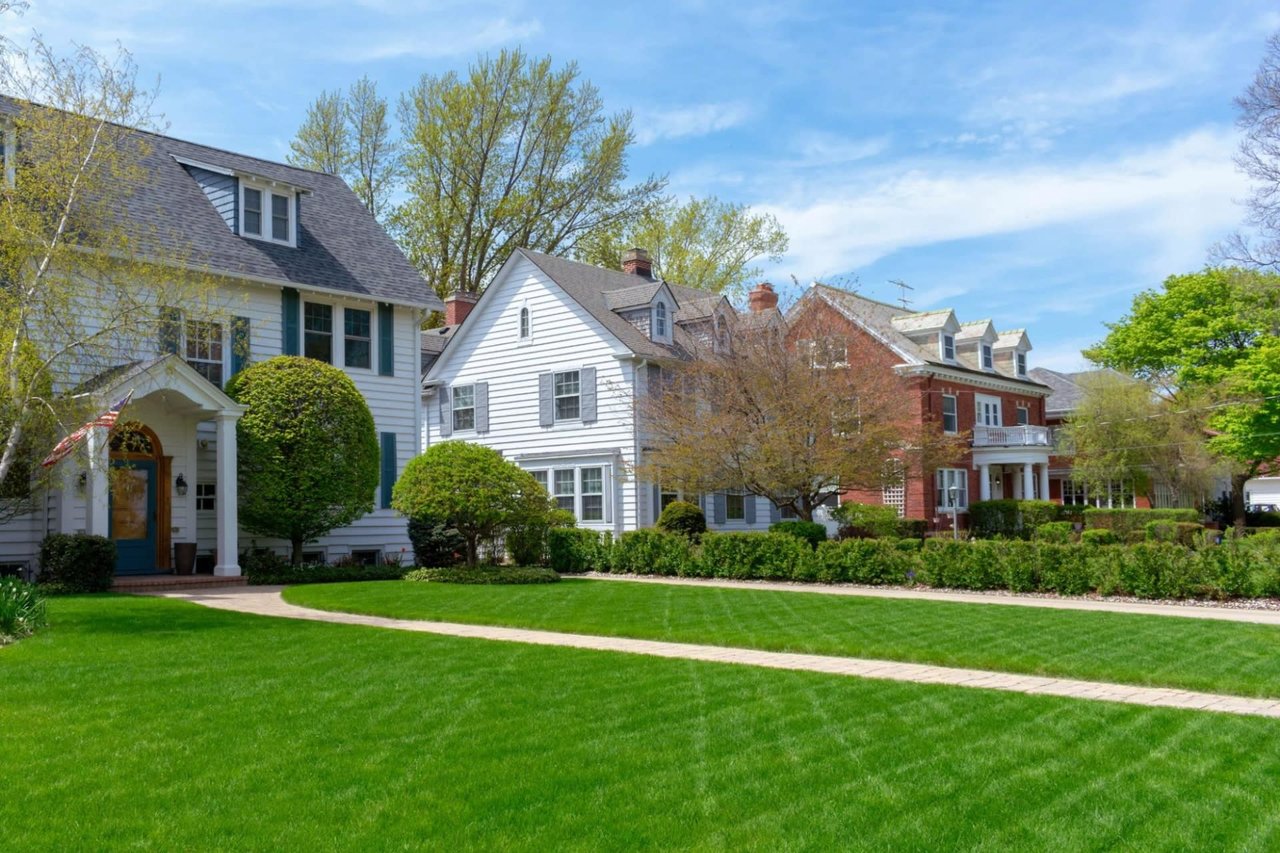
A mature tree canopy and walkable access to places like the Barnes Arboretum and Merion Botanical Park are part of what gives a Merion Station street its character. They can also affect how a home there is valued. If you're curious how your own property compares, The MacDonald Team PA can prepare a careful, honest home value estimate grounded in the blocks around you.