By The MacDonald Team
We work with a lot of buyers and owners of historic homes here, and what “historic” actually means in practice varies more than people expect going in. Between distinct architectural styles, stone construction, and real regulatory requirements depending on where a property sits, there’s more to maintaining one of these homes than general upkeep alone. Here’s what we think is worth understanding about maintaining historic homes in Main Line Philadelphia.
Key Takeaways
- Architectural style varies meaningfully by township, from Tudor Revival to stone colonial
- Stone construction, common throughout the region, requires its own specific kind of care
- Properties in a local historic district face real review requirements for exterior changes
- A historic plaque and a formal historic district designation are two very different things
Understanding What Makes These Homes “Historic” in the First Place
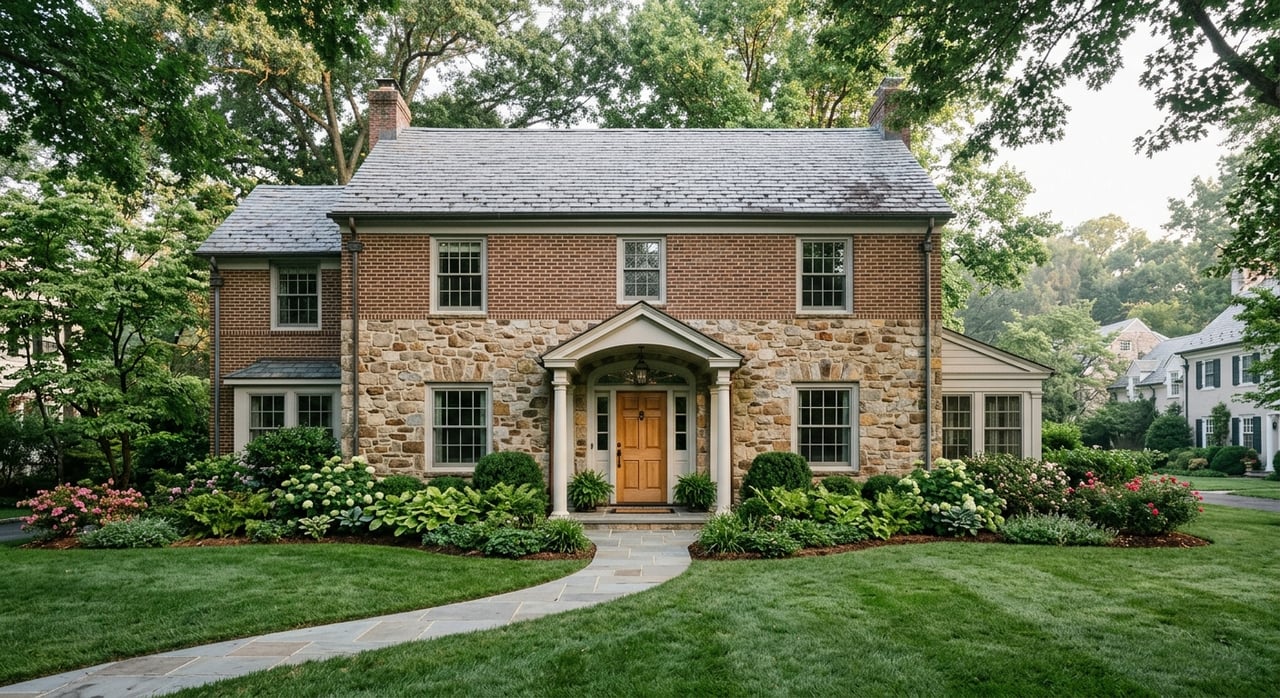
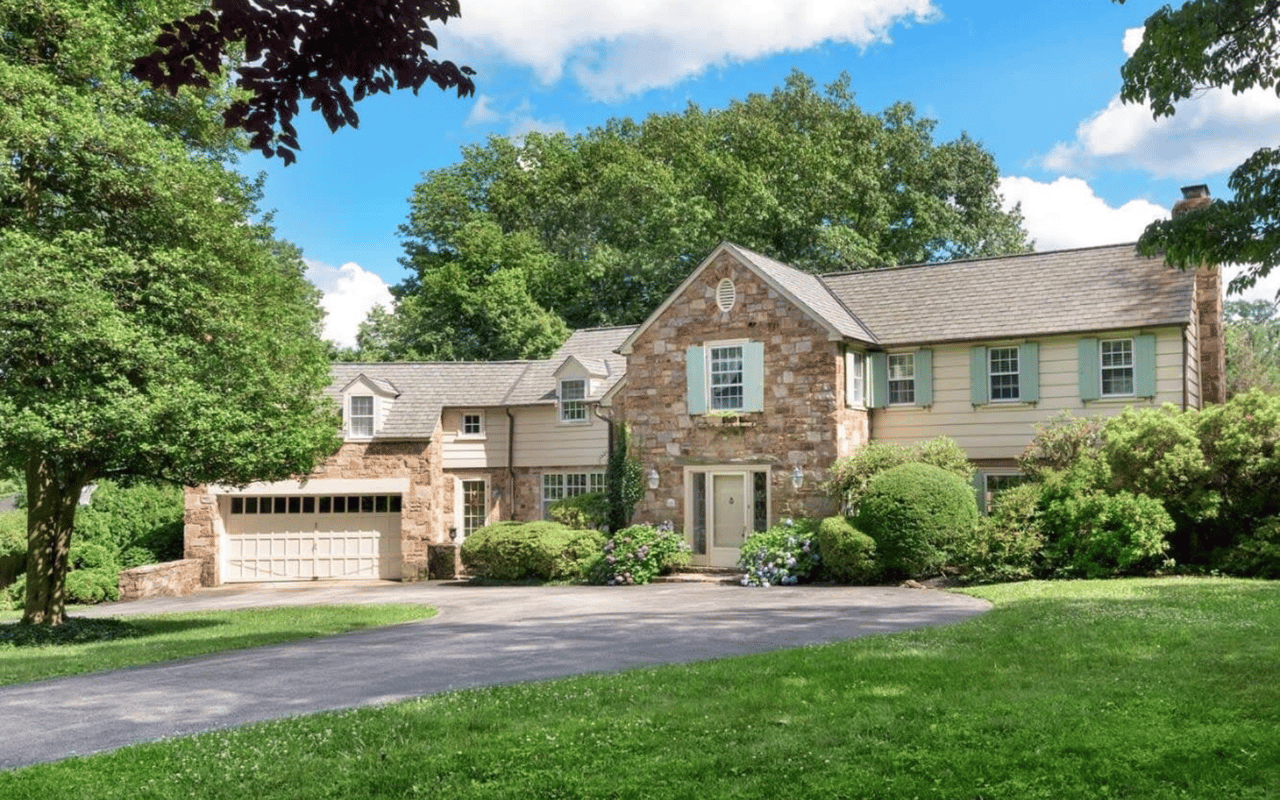
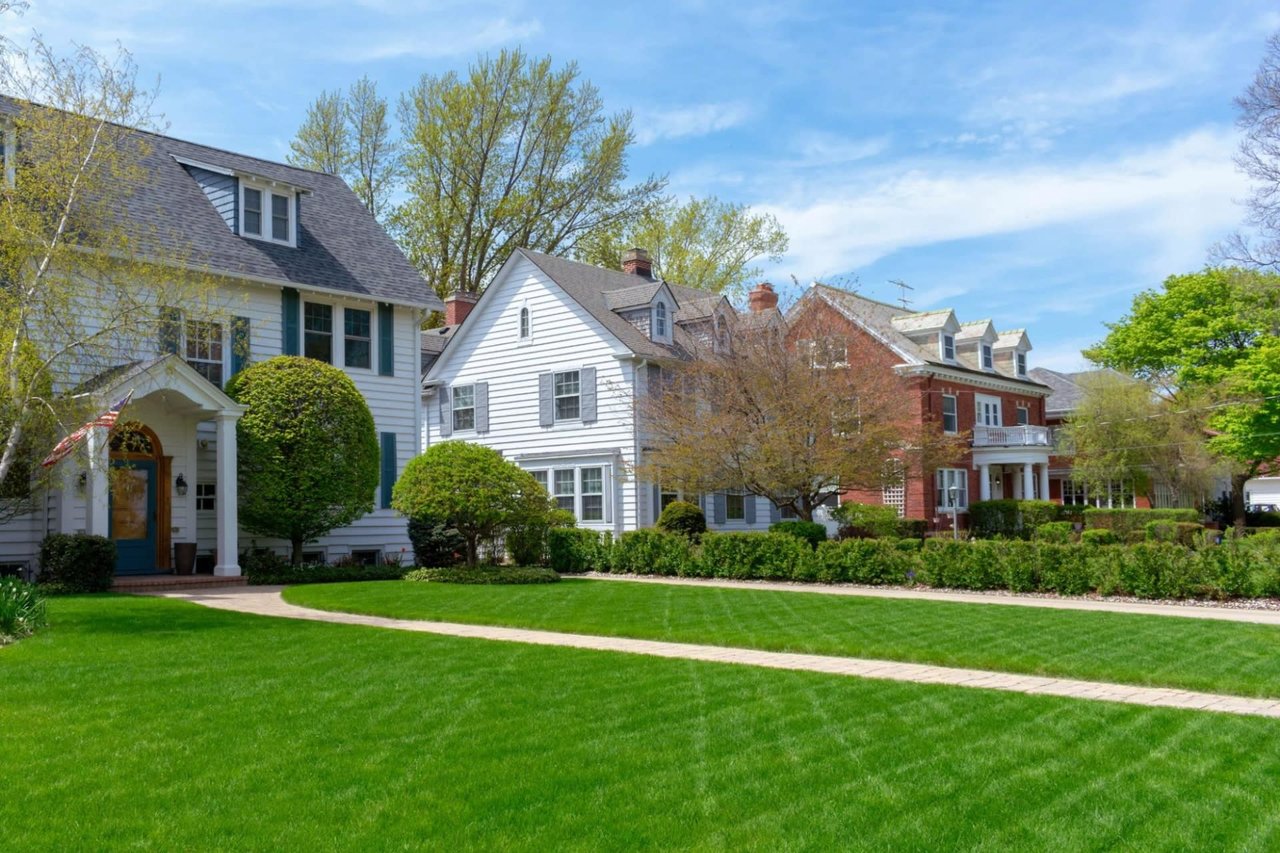
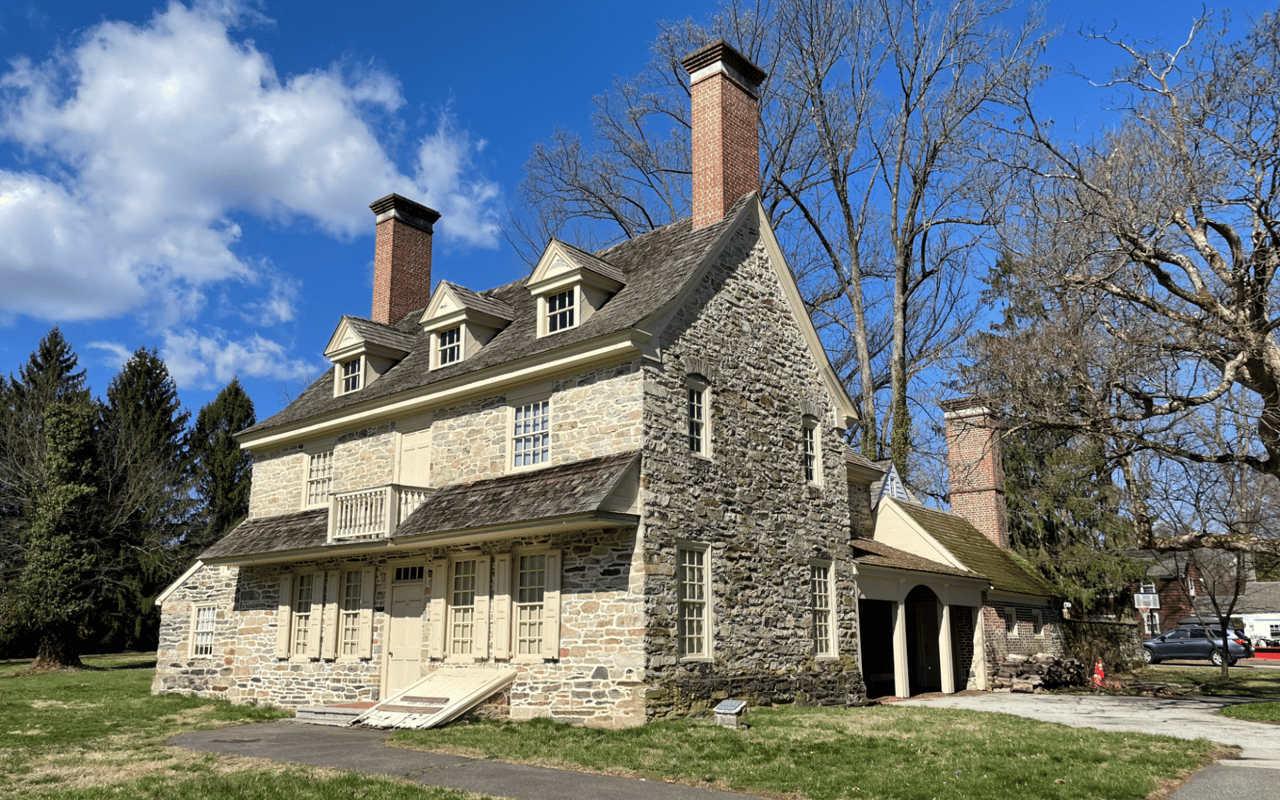
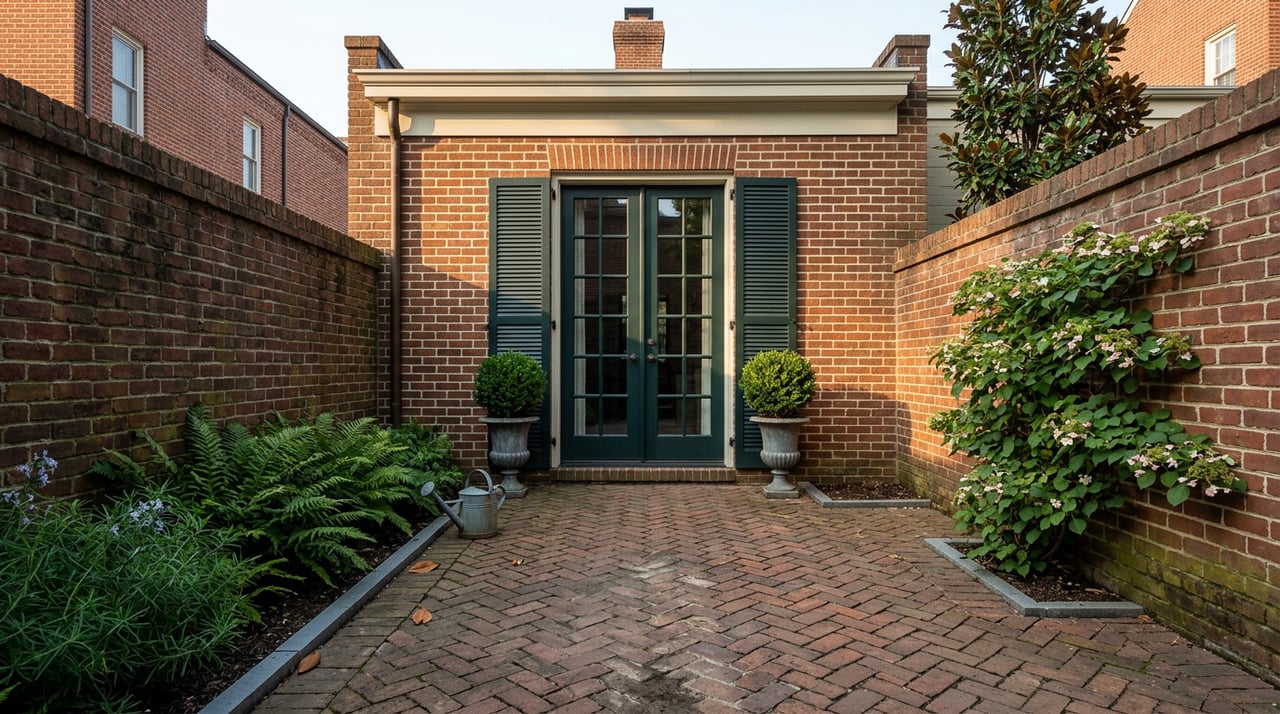
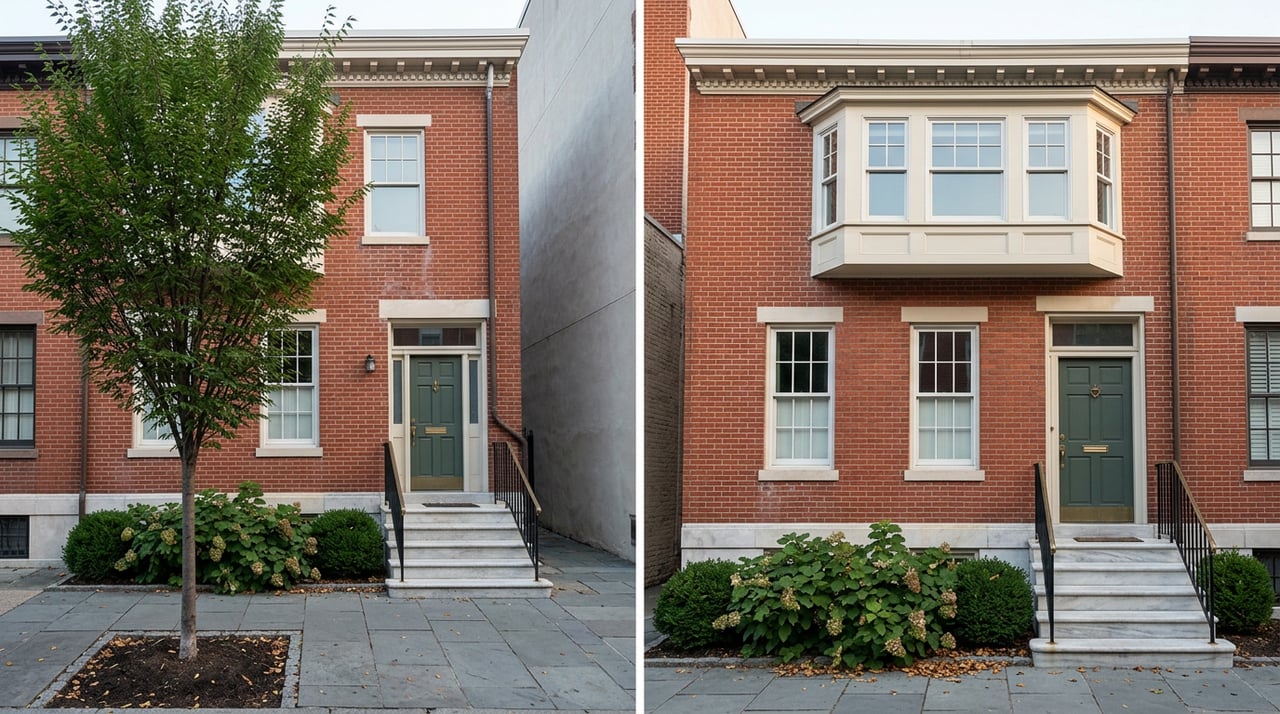
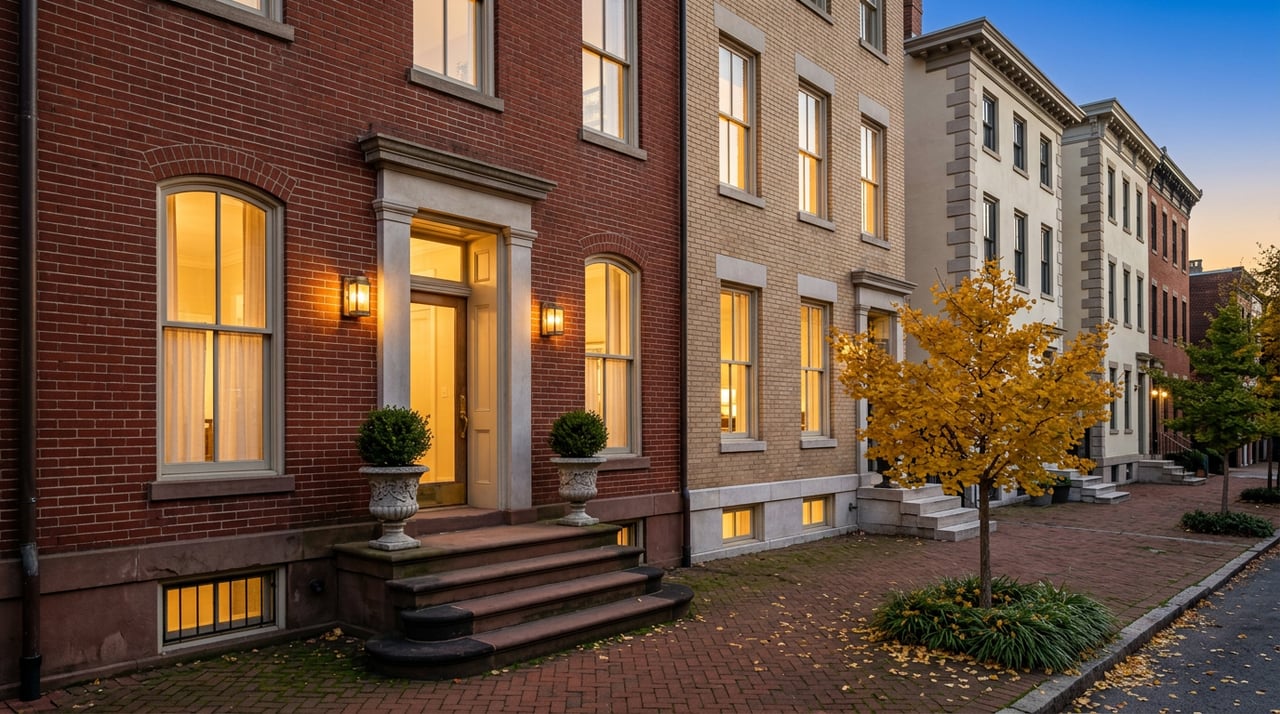
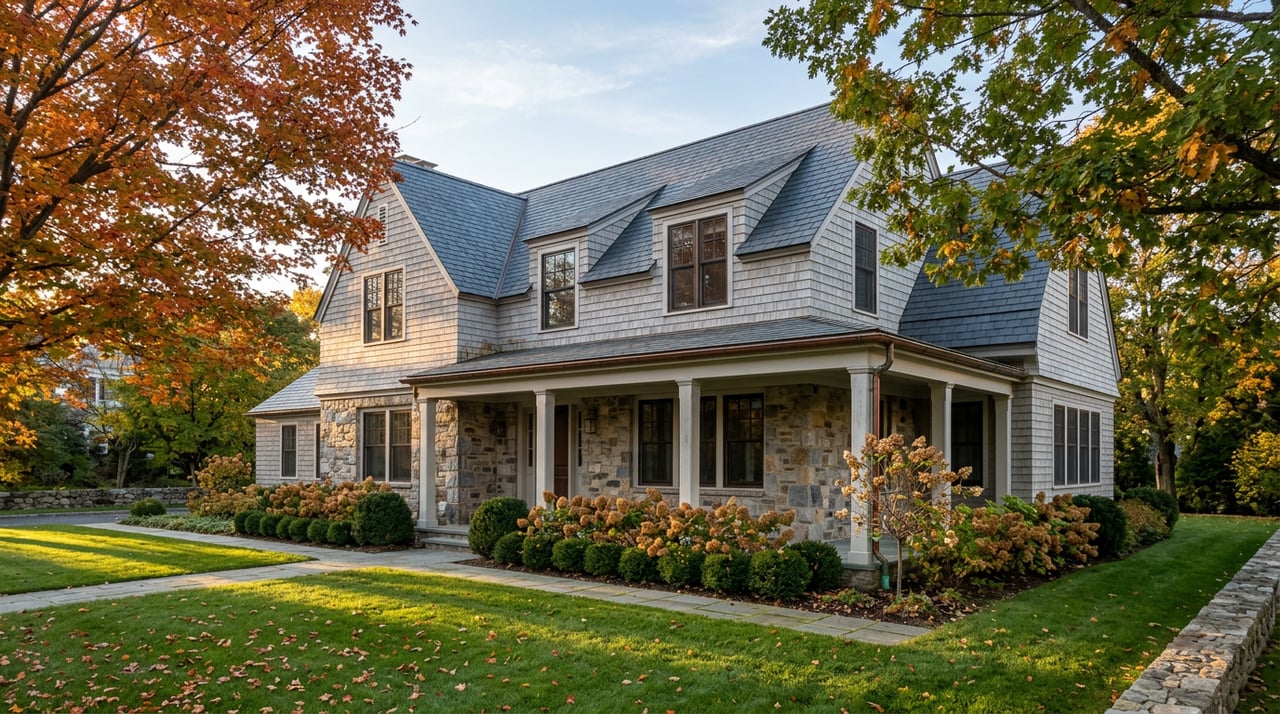
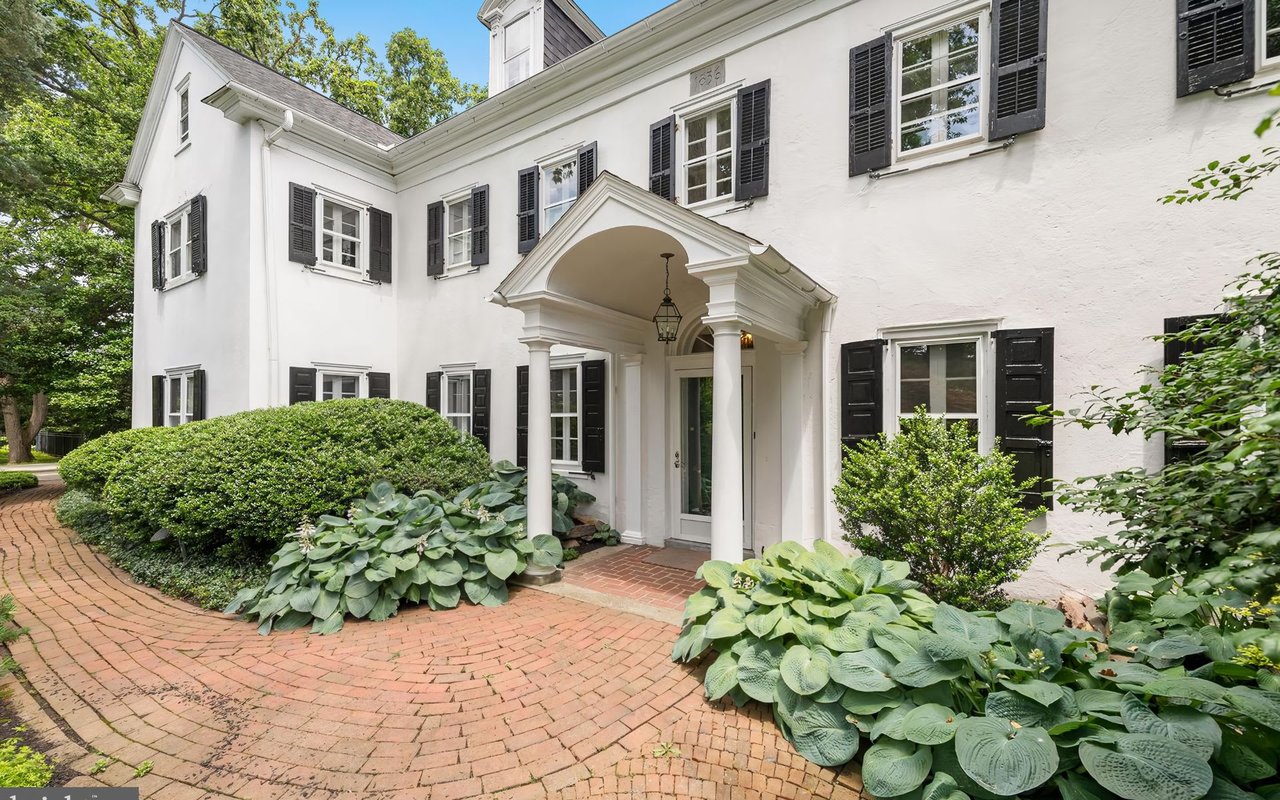
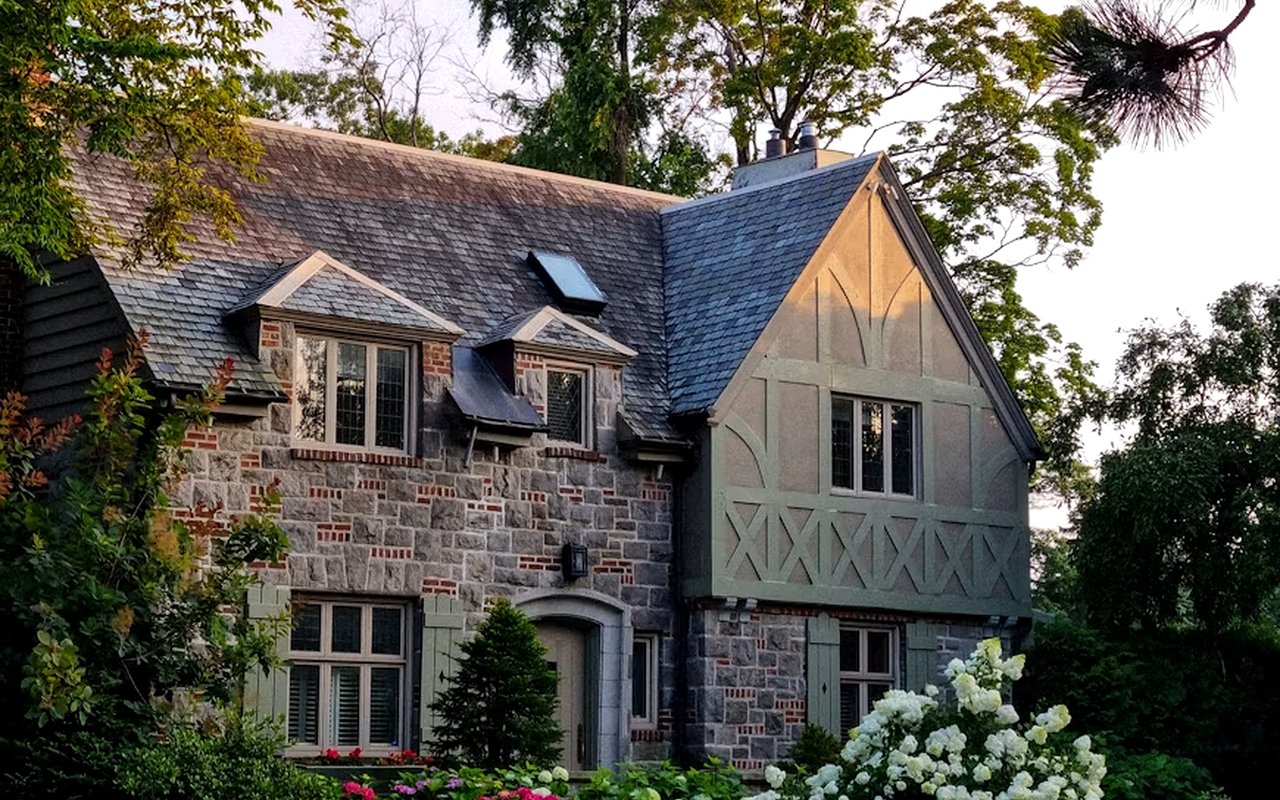
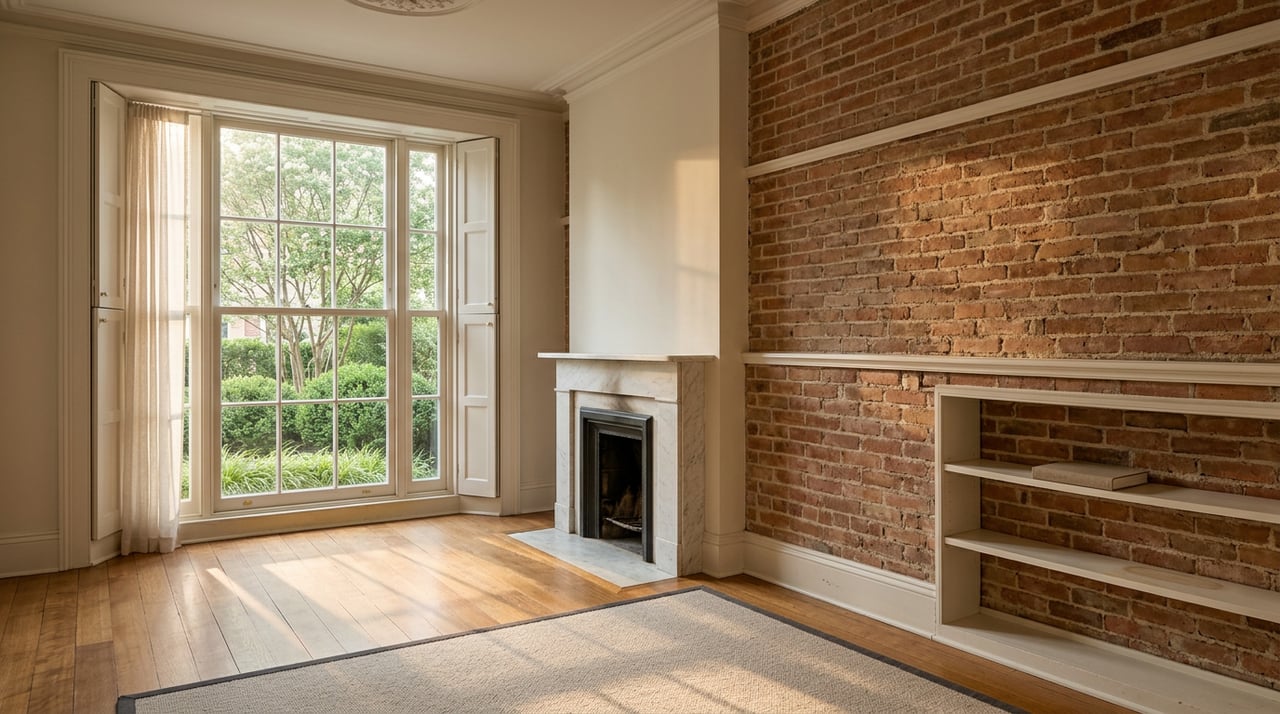
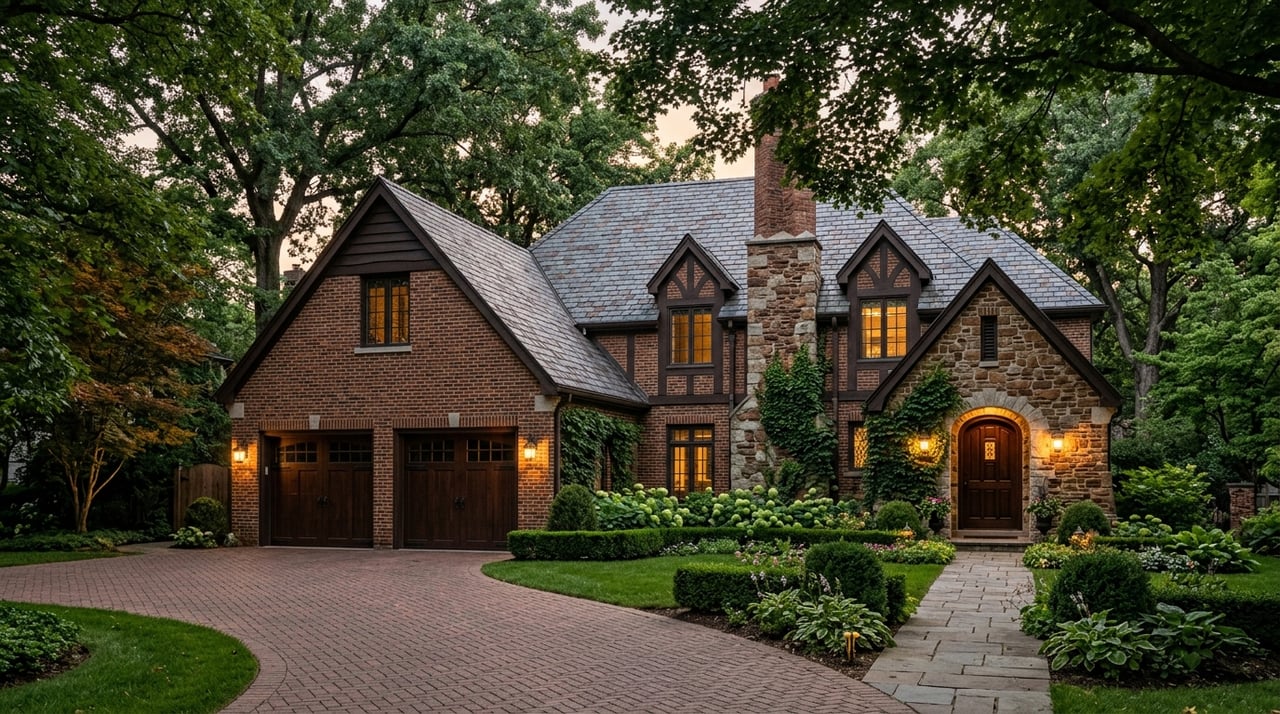
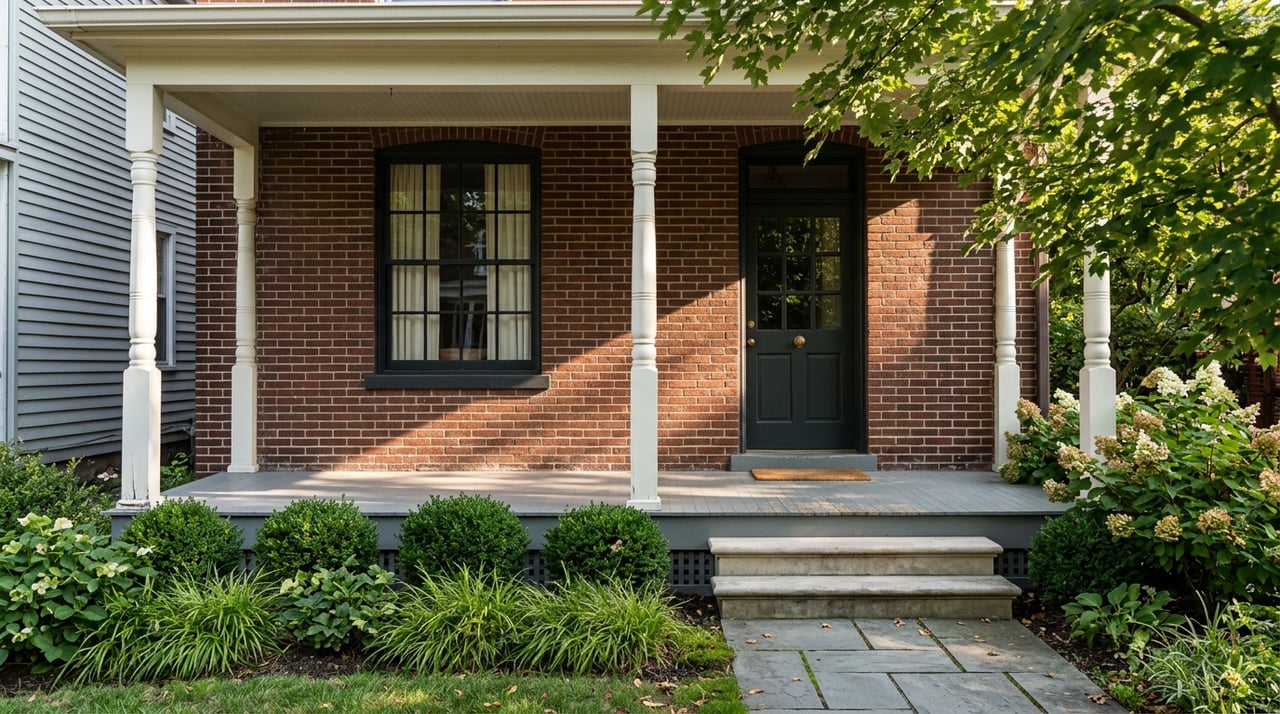
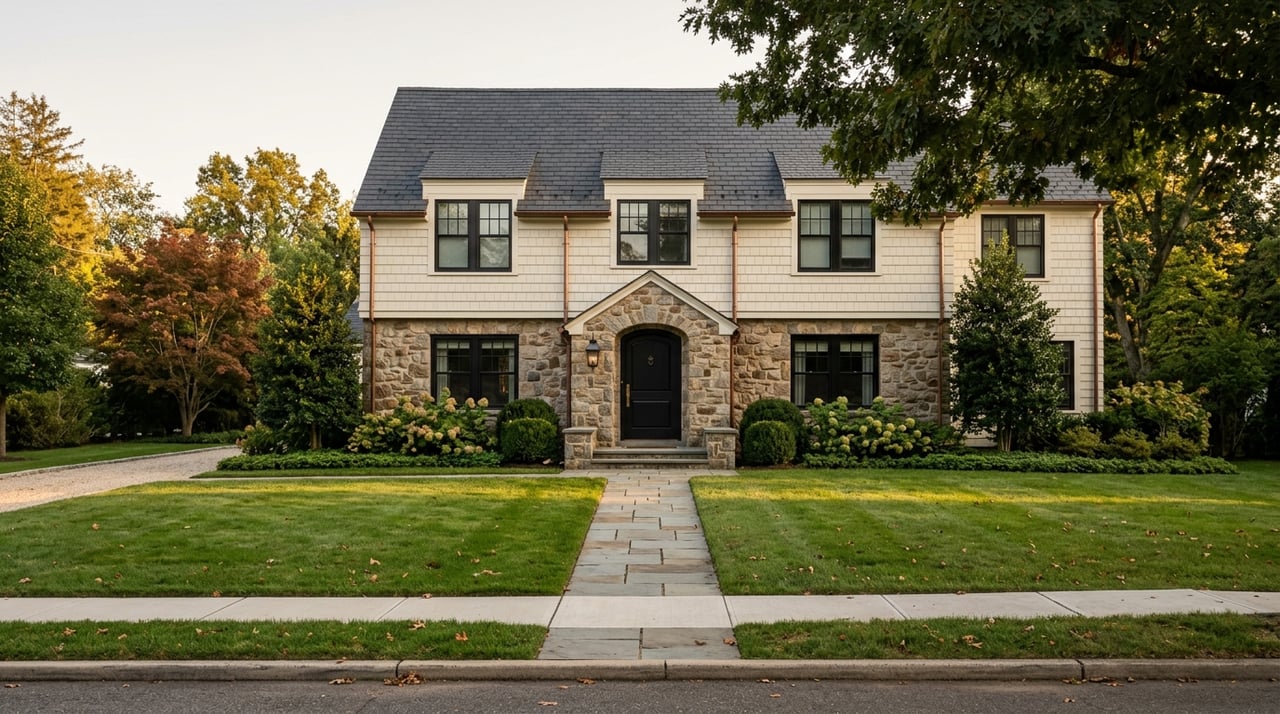
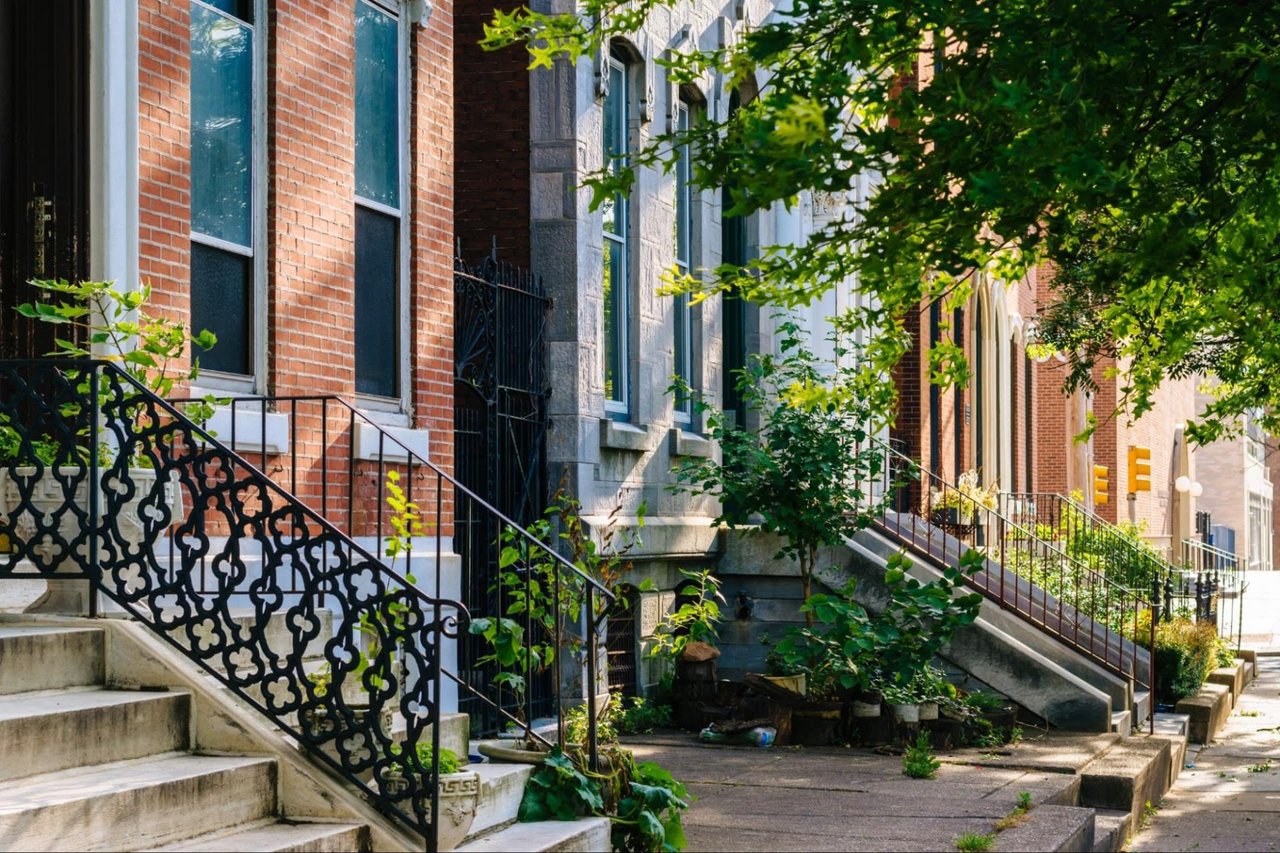
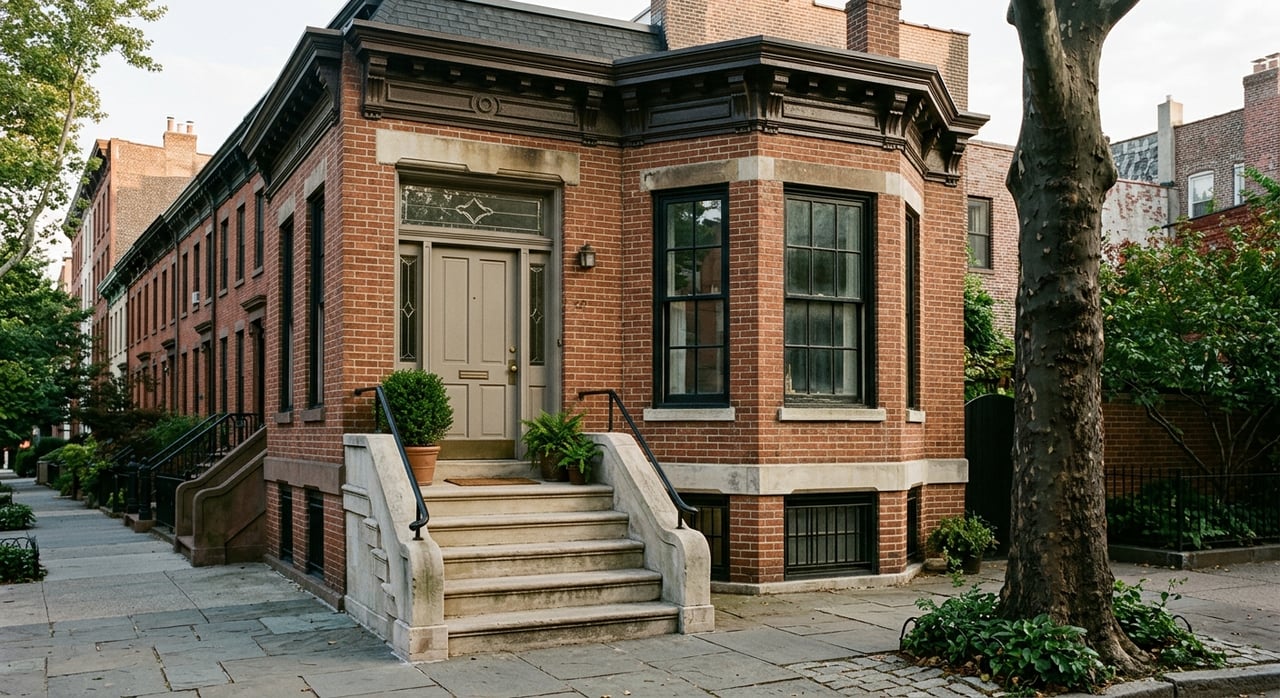
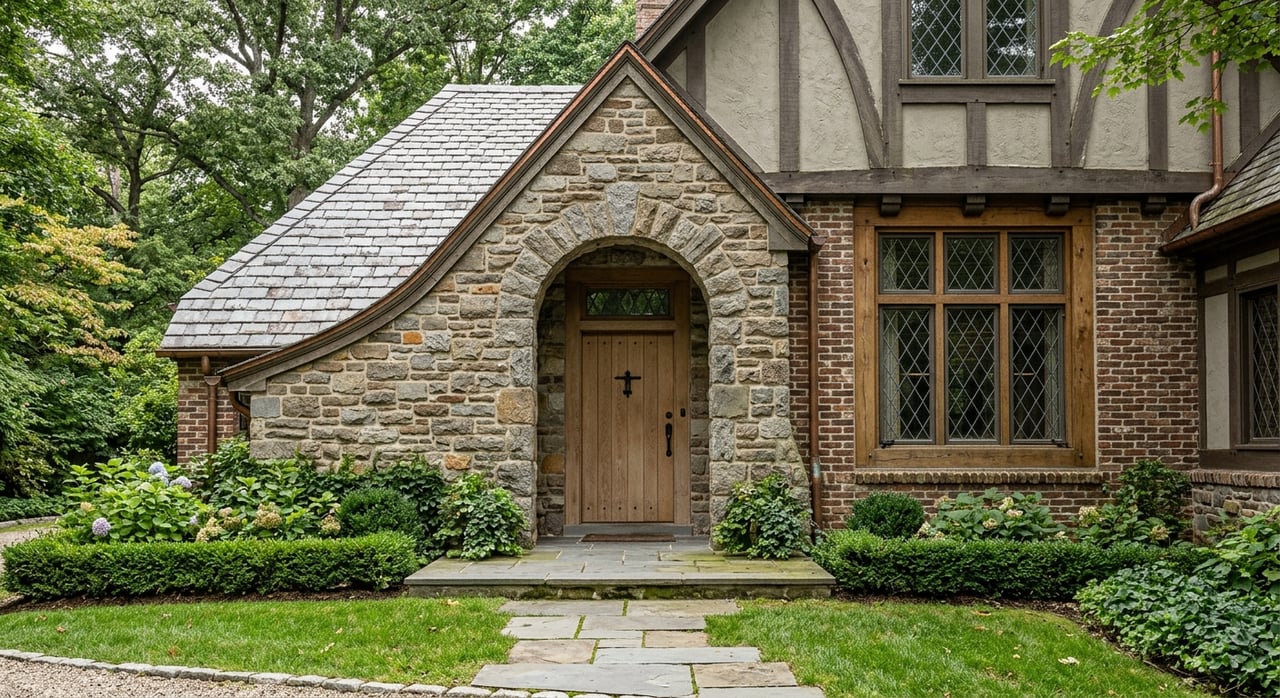
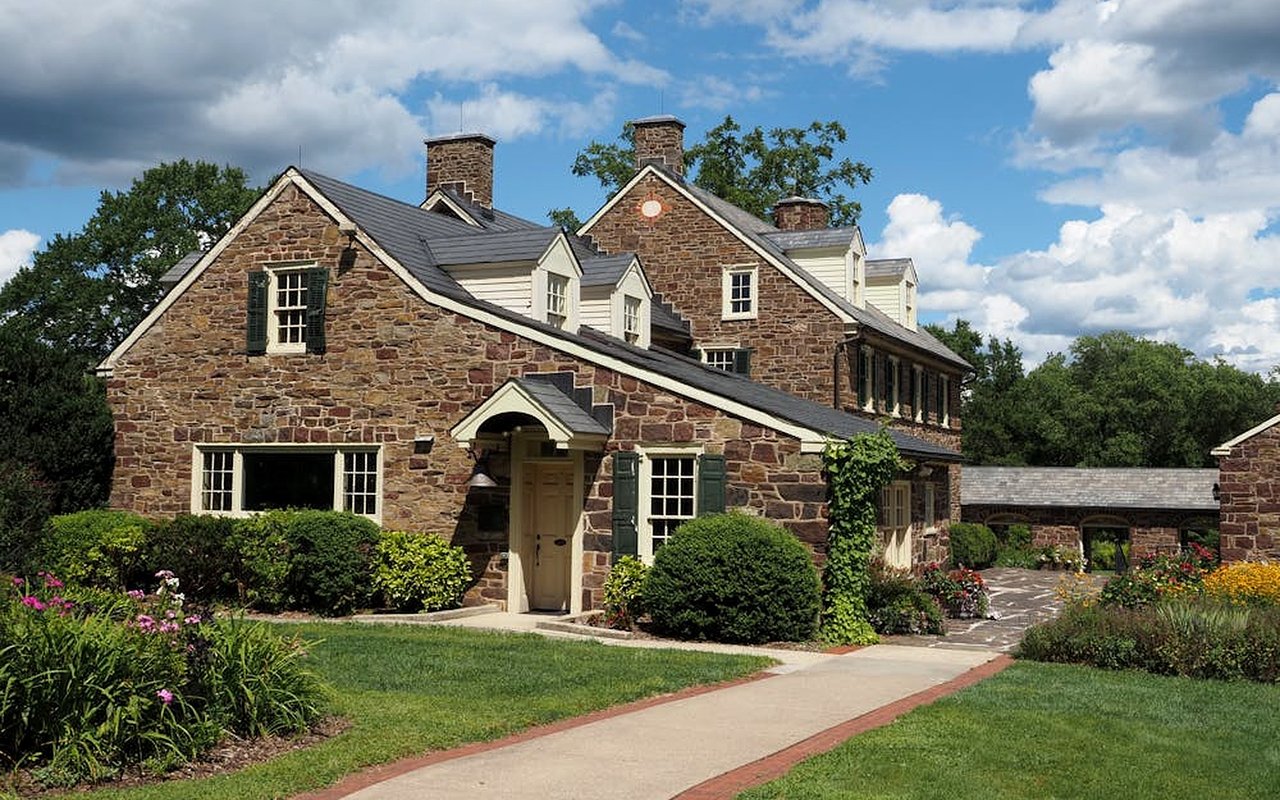
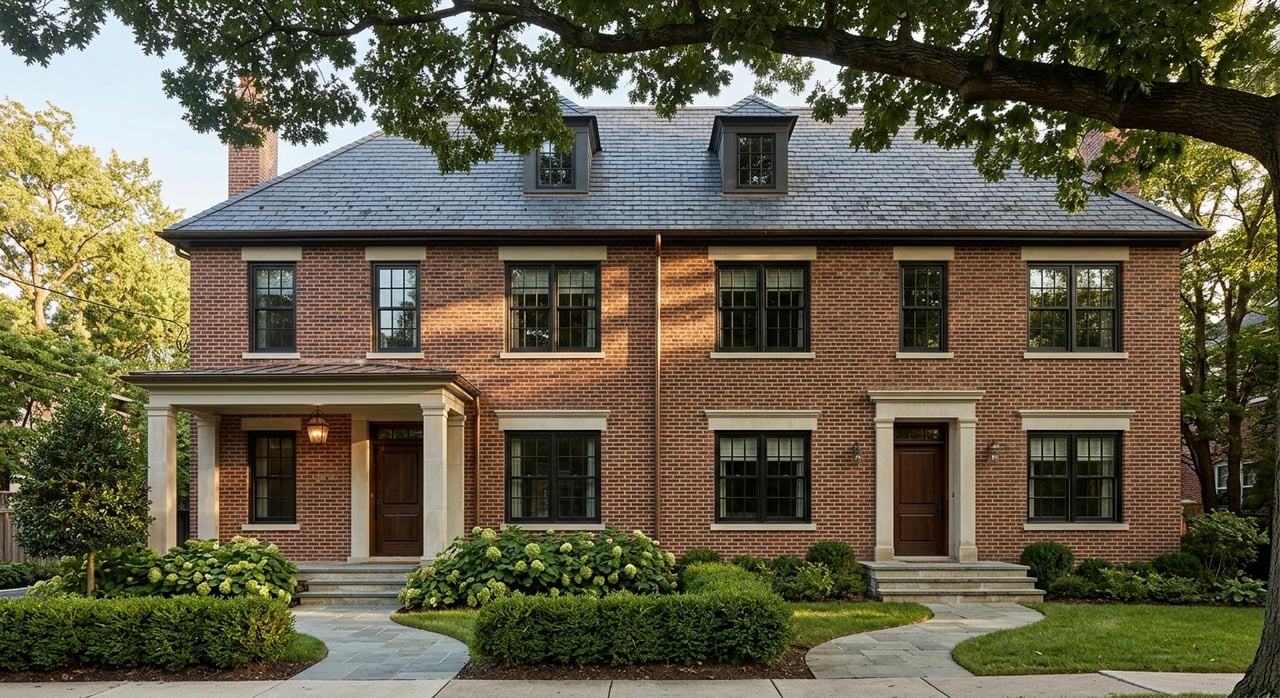
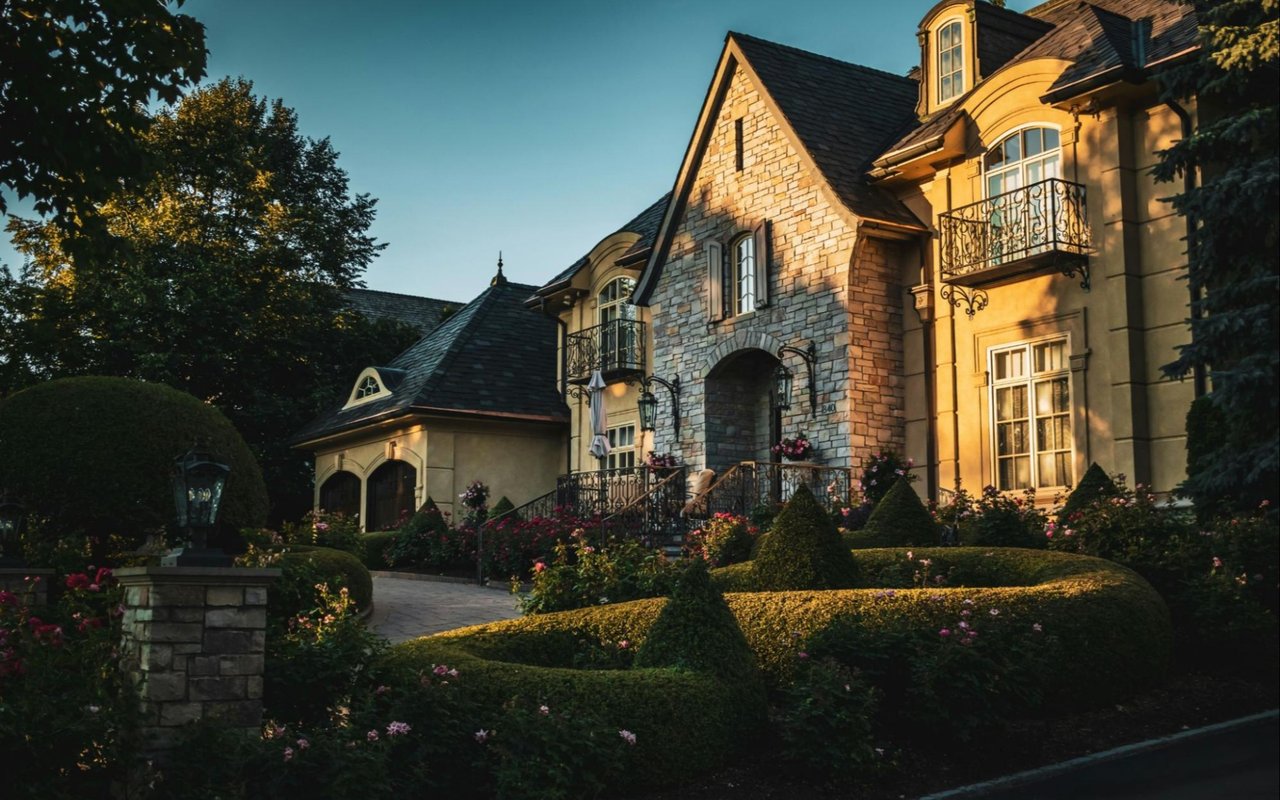
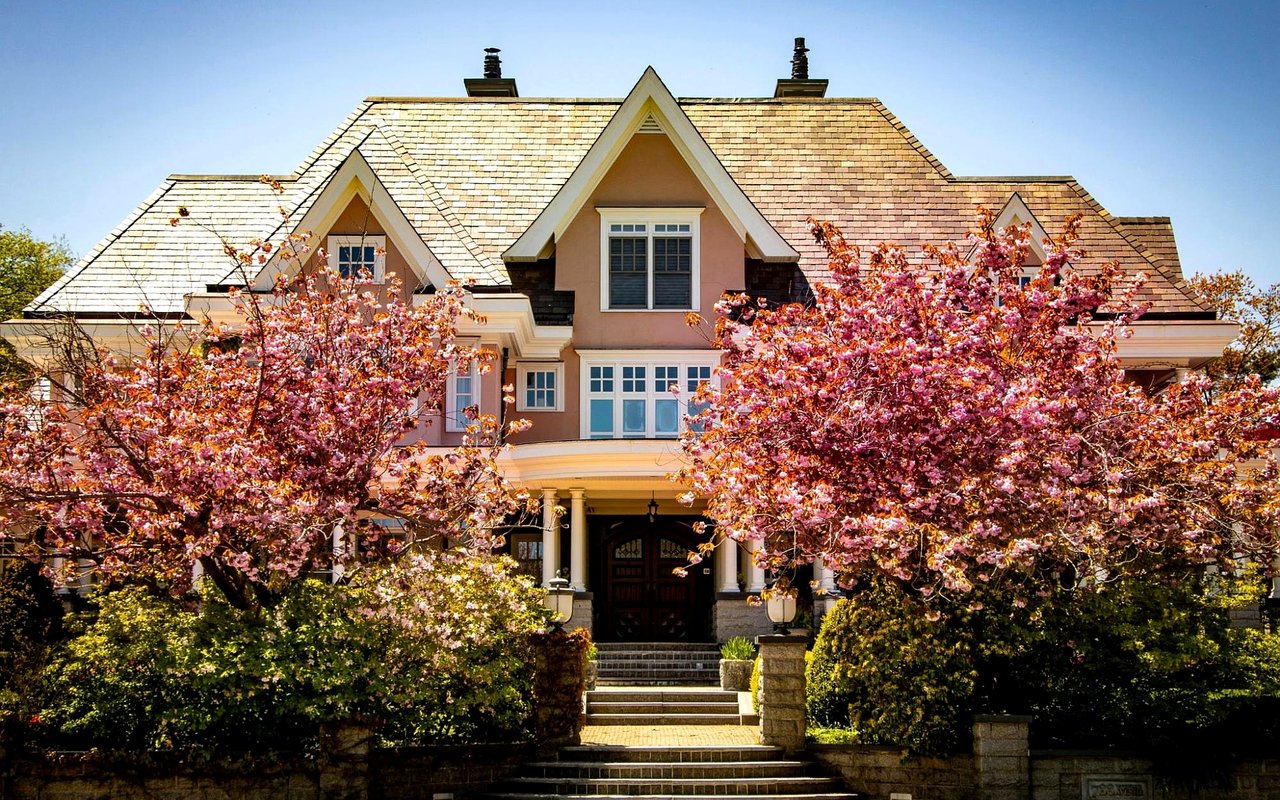
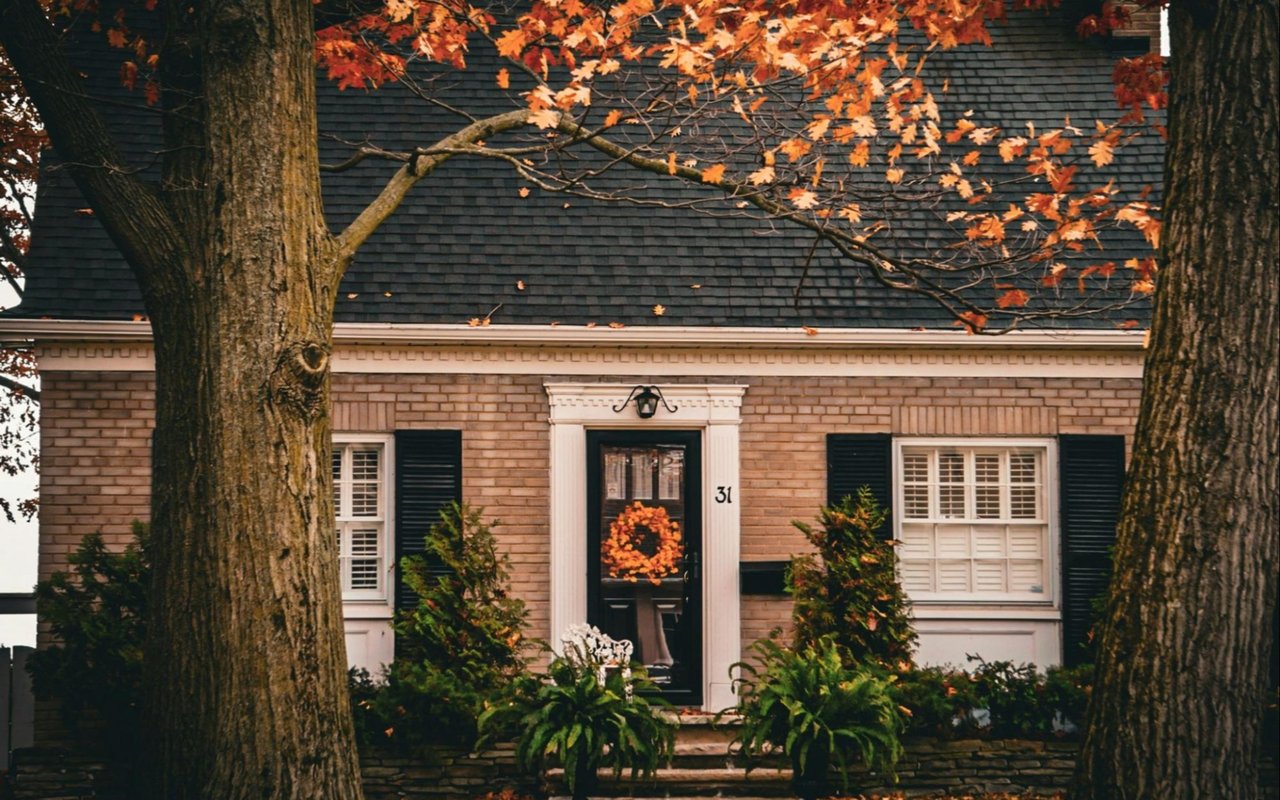
Architectural style on the Main Line varies meaningfully by township, which shapes what “historic” actually looks like depending on where a property sits. Lower Merion’s established neighborhoods, including Ardmore, Bryn Mawr, and Wynnewood, are dominated by Tudor Revival construction from the 1920s and 1930s, alongside Colonial Revival and Arts and Crafts homes. Radnor’s older sections lean toward stone colonial, Federal, and Victorian properties that predate much of the area’s later suburban development, while Tredyffrin-Easttown’s communities of Berwyn, Devon, and Paoli reflect a similar mix of late 19th and early 20th century styles. Knowing which style and era you’re dealing with is often the first step toward understanding what kind of maintenance a specific home will actually need.
Why Style Varies So Much by Township
- Lower Merion is dominated by Tudor Revival construction from the 1920s and 1930s
- Radnor’s older sections lean toward stone colonial, Federal, and Victorian styles
- Tredyffrin-Easttown’s communities reflect a similar late 19th and early 20th century mix
- Style here is closely tied to which specific township a property sits in
Stone Construction Requires Its Own Kind of Care
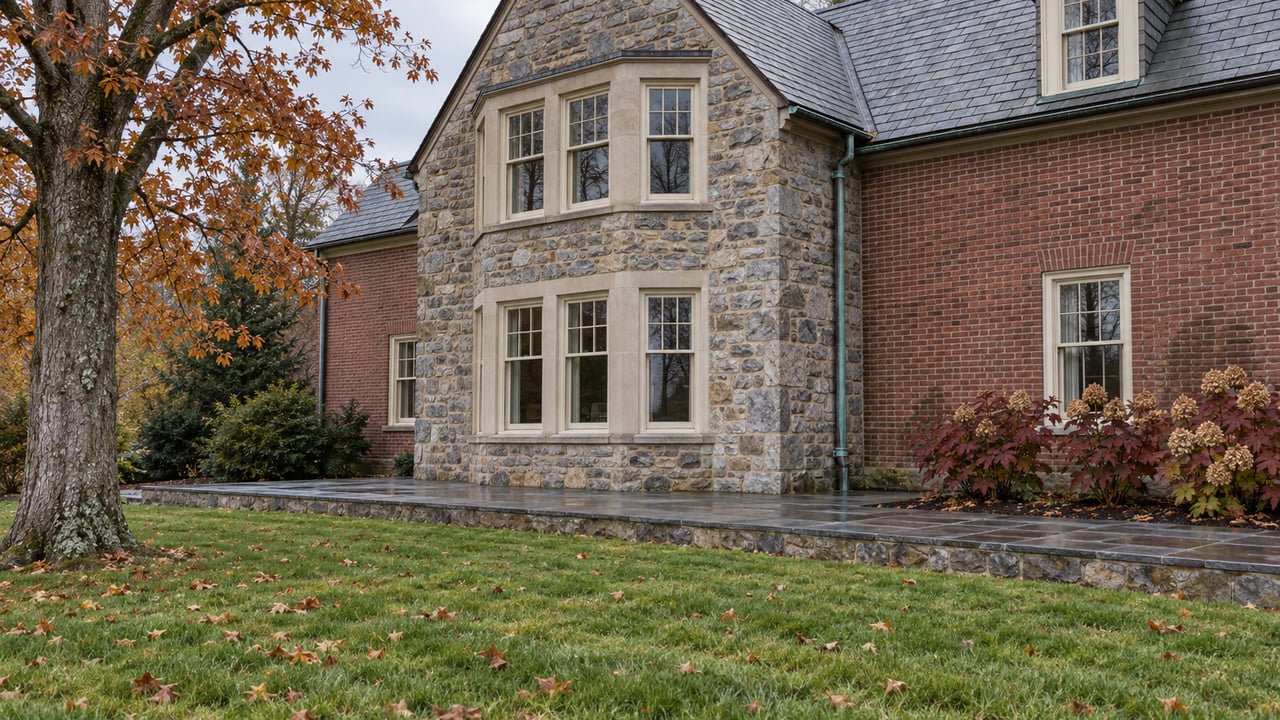
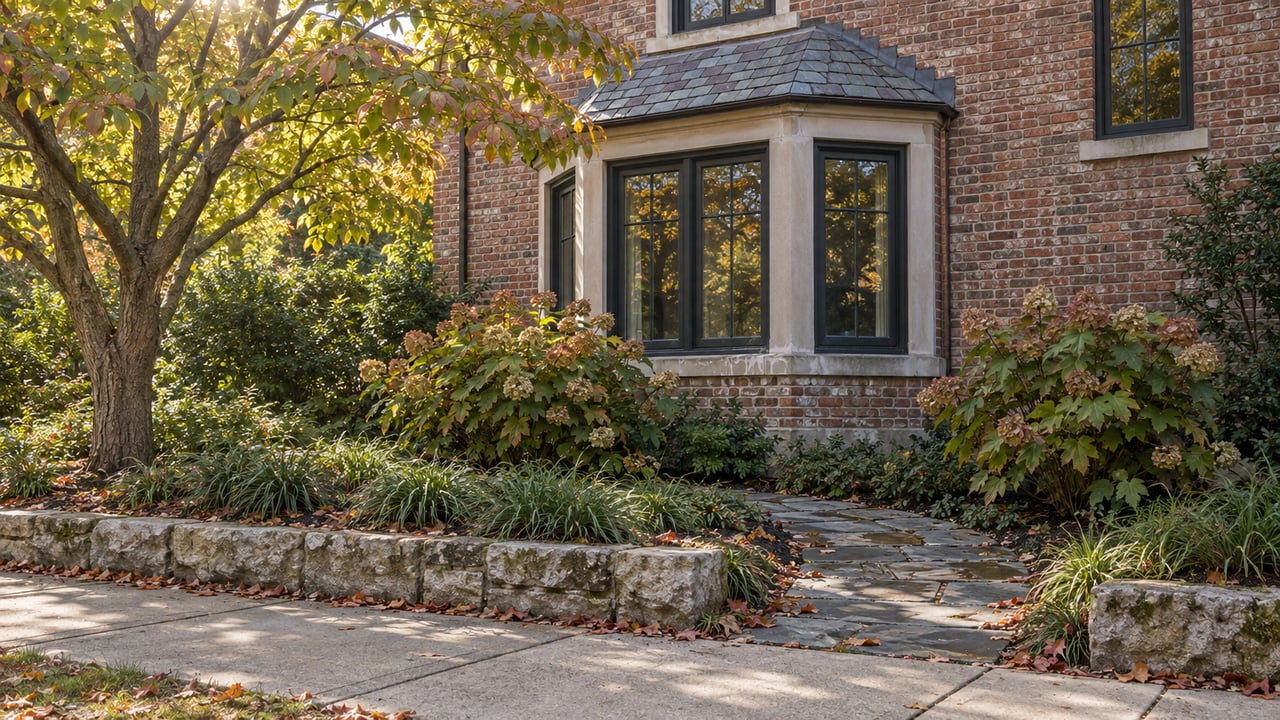
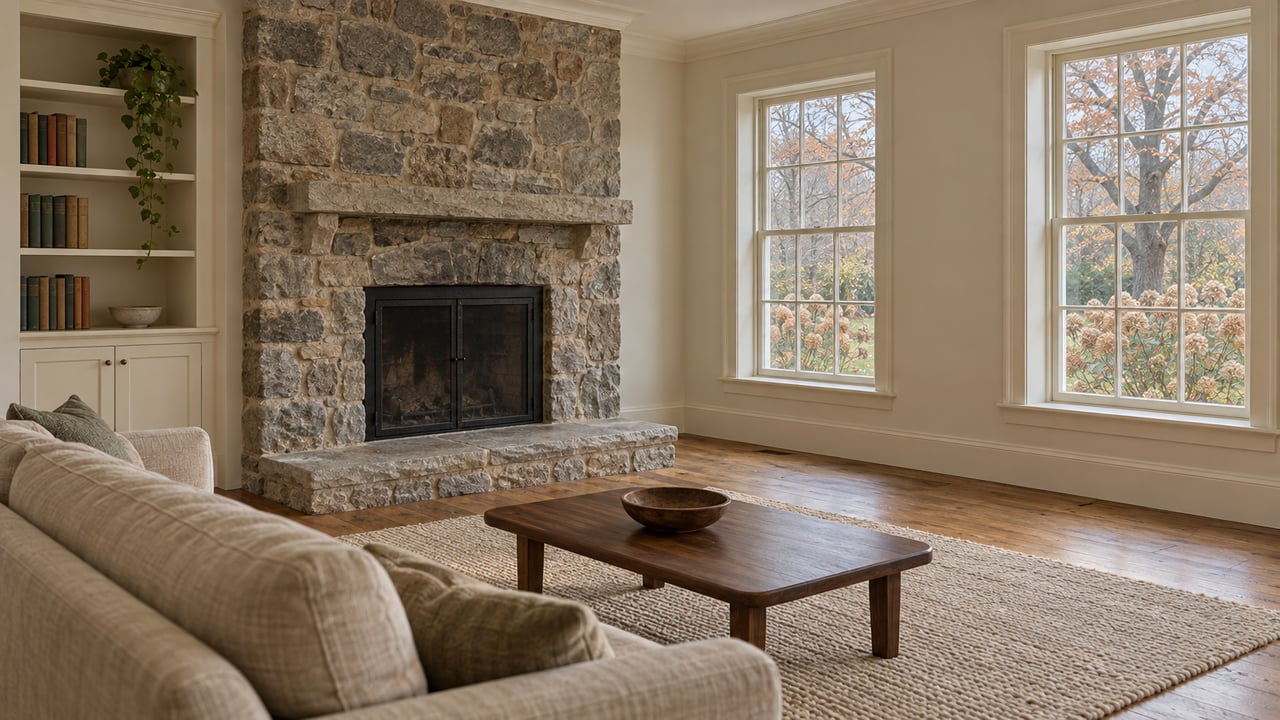
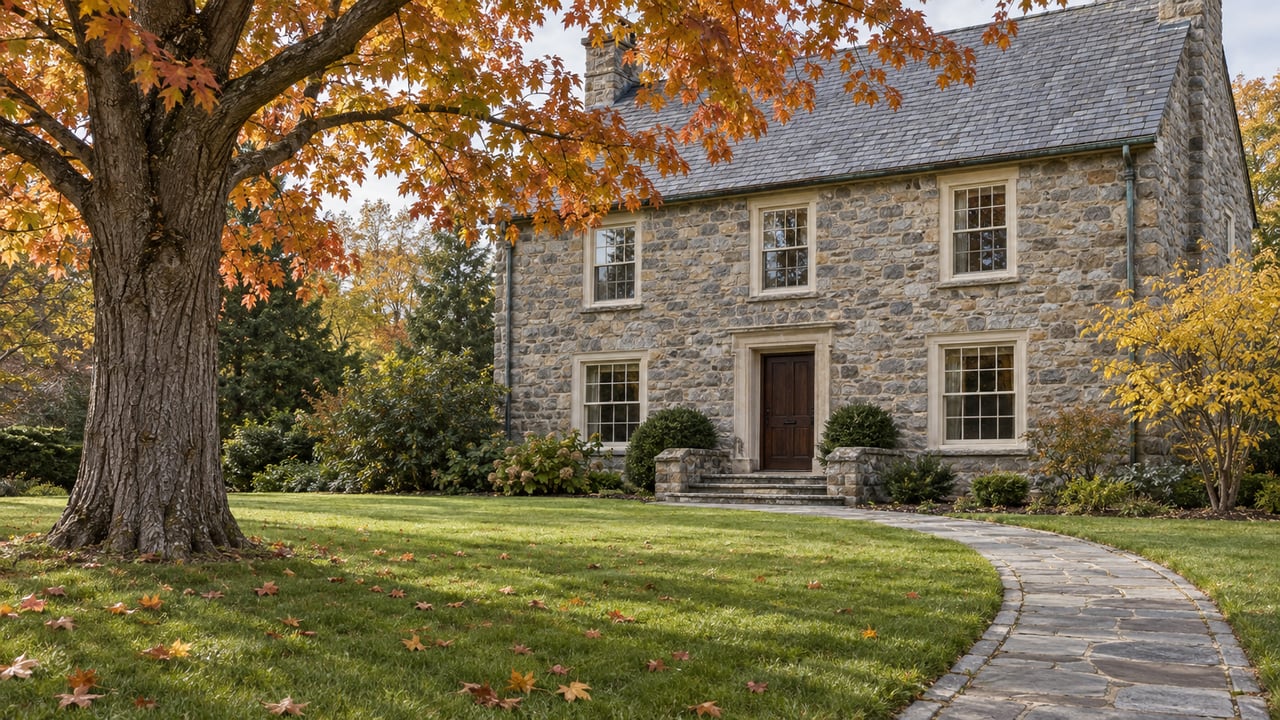
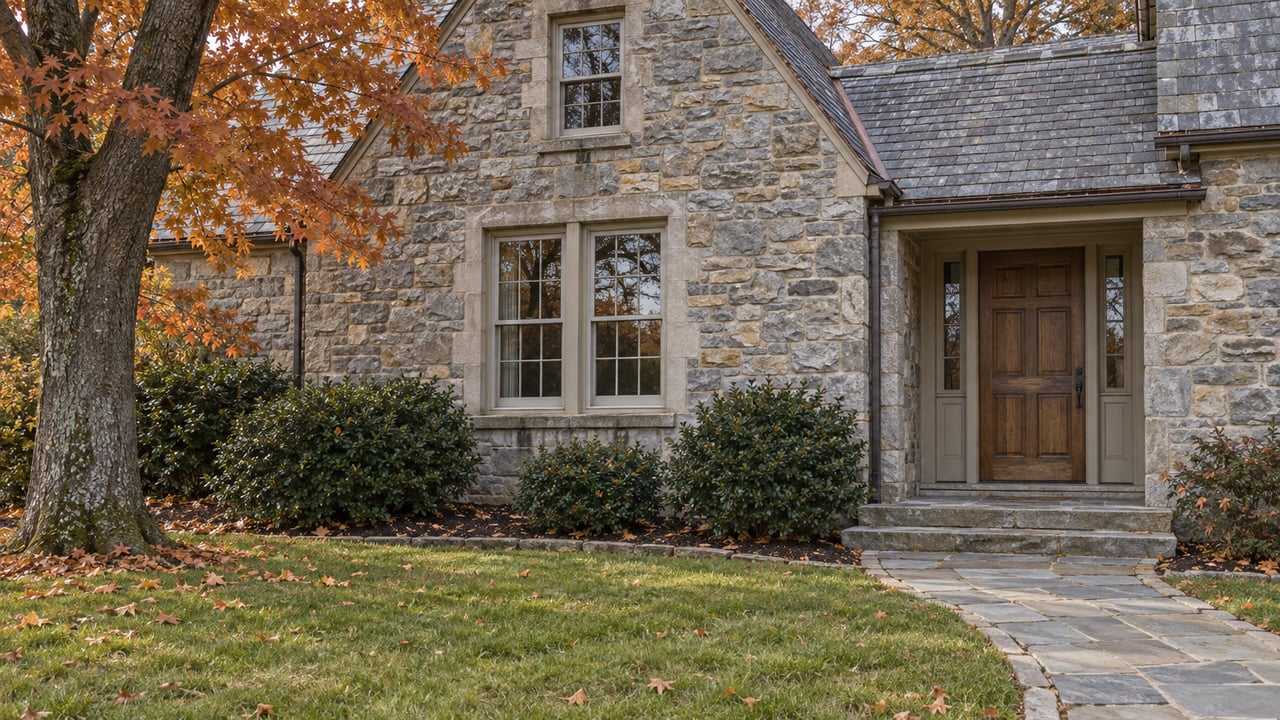
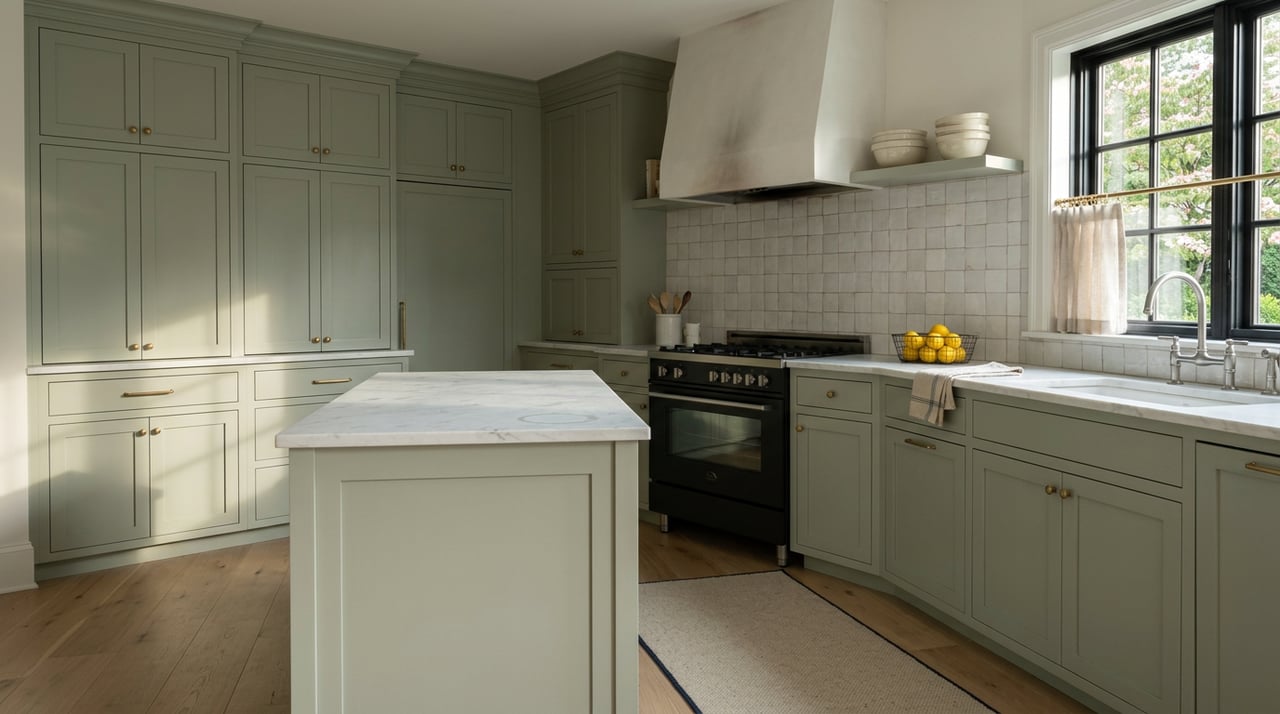
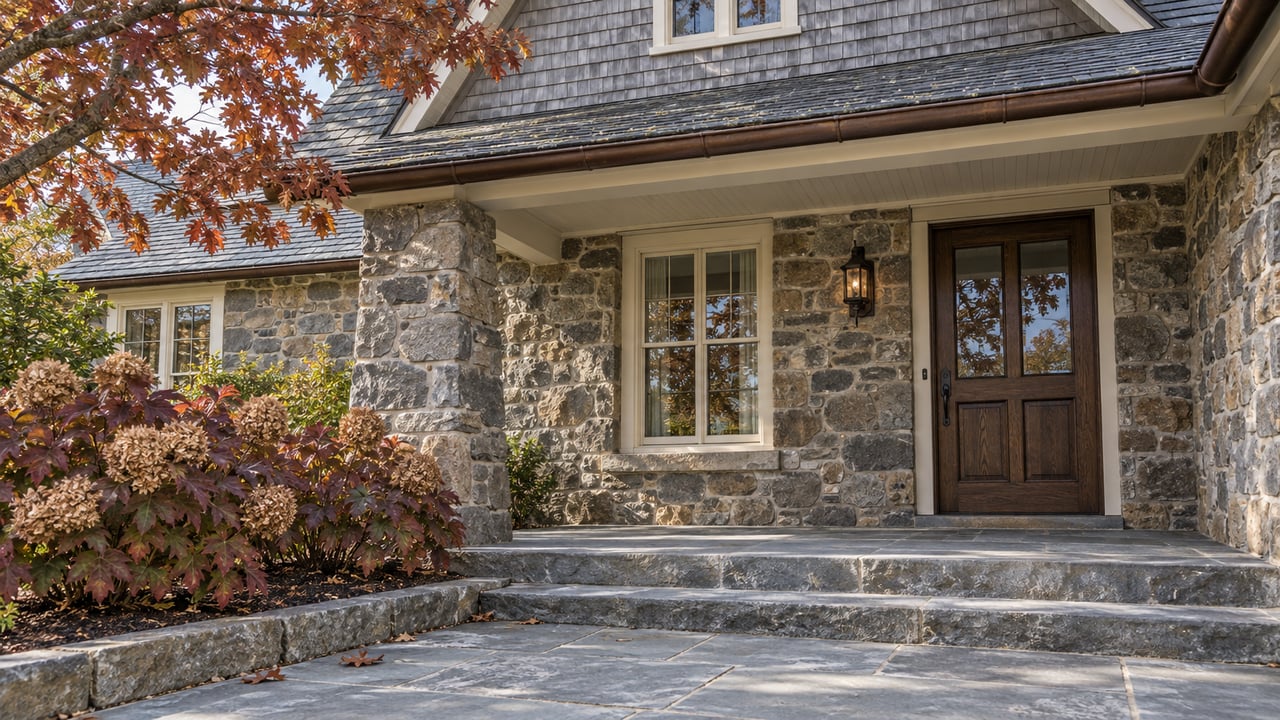
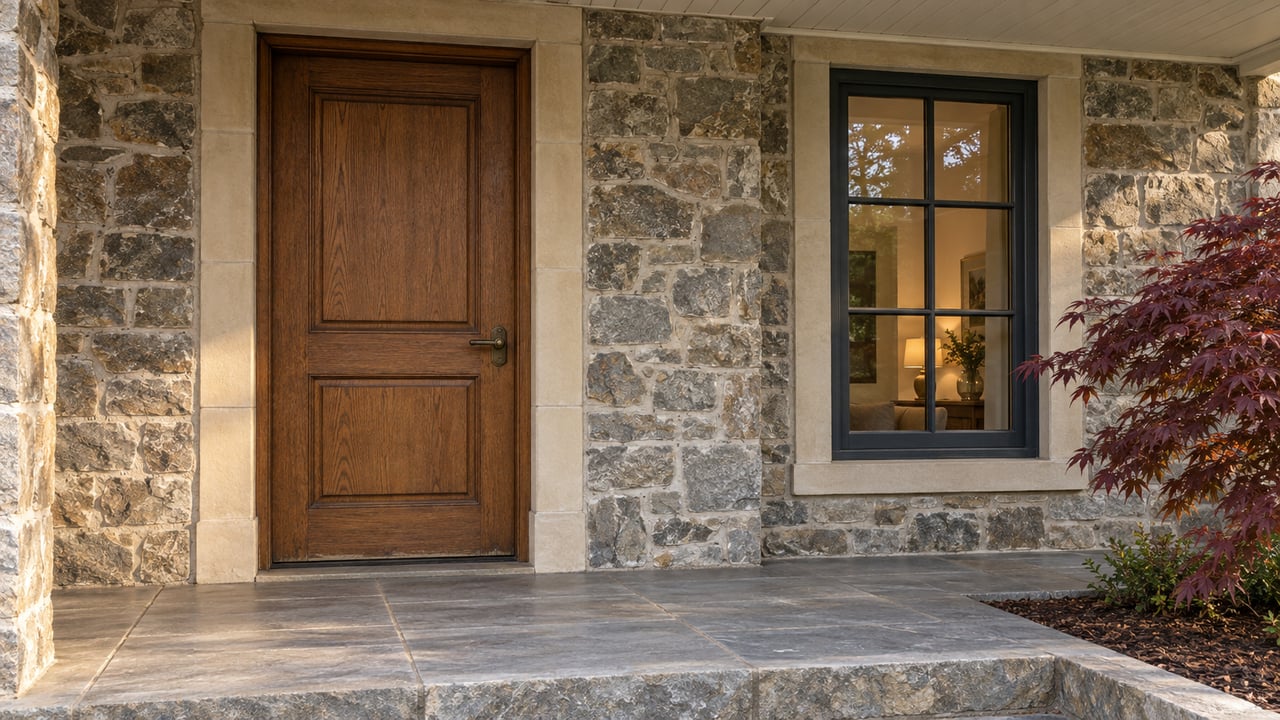
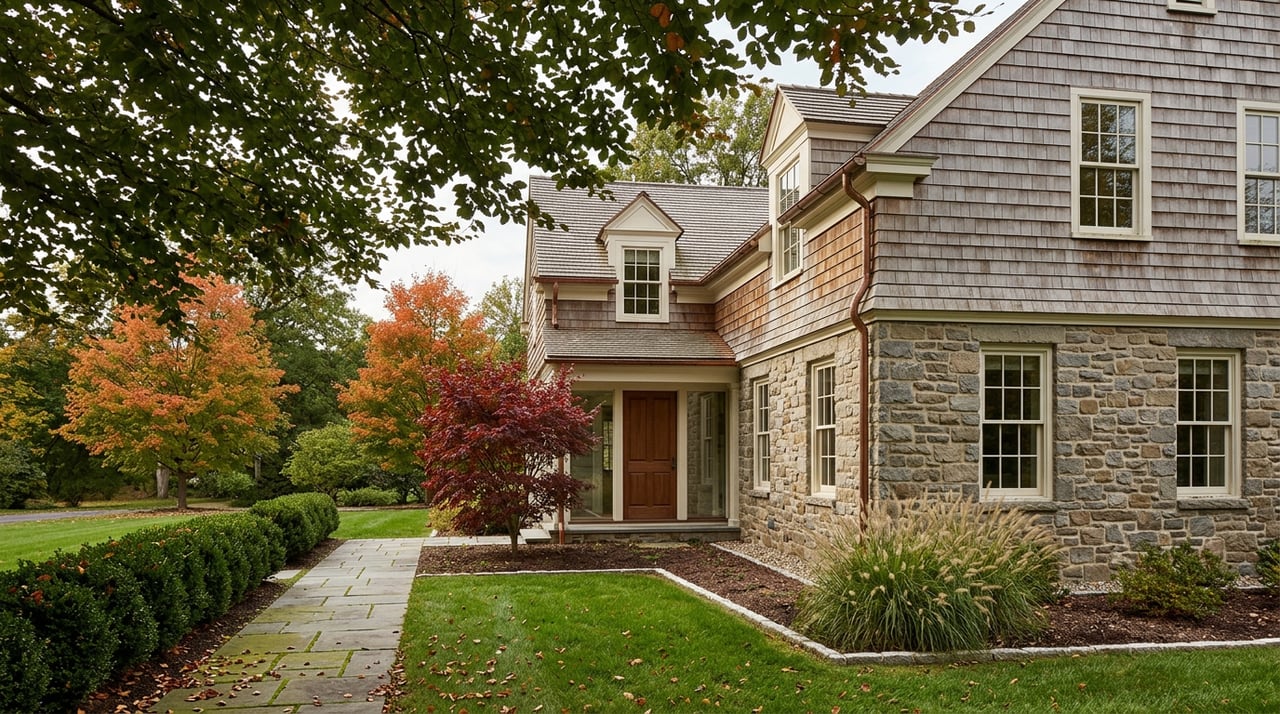
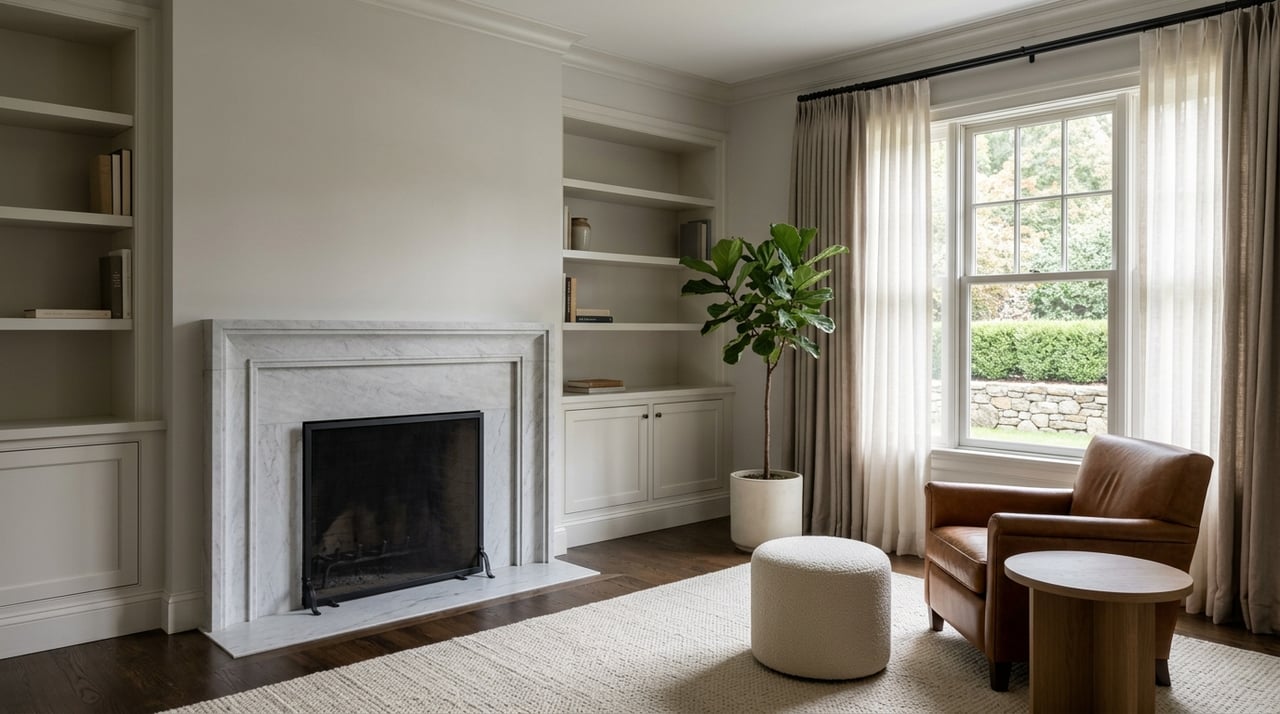
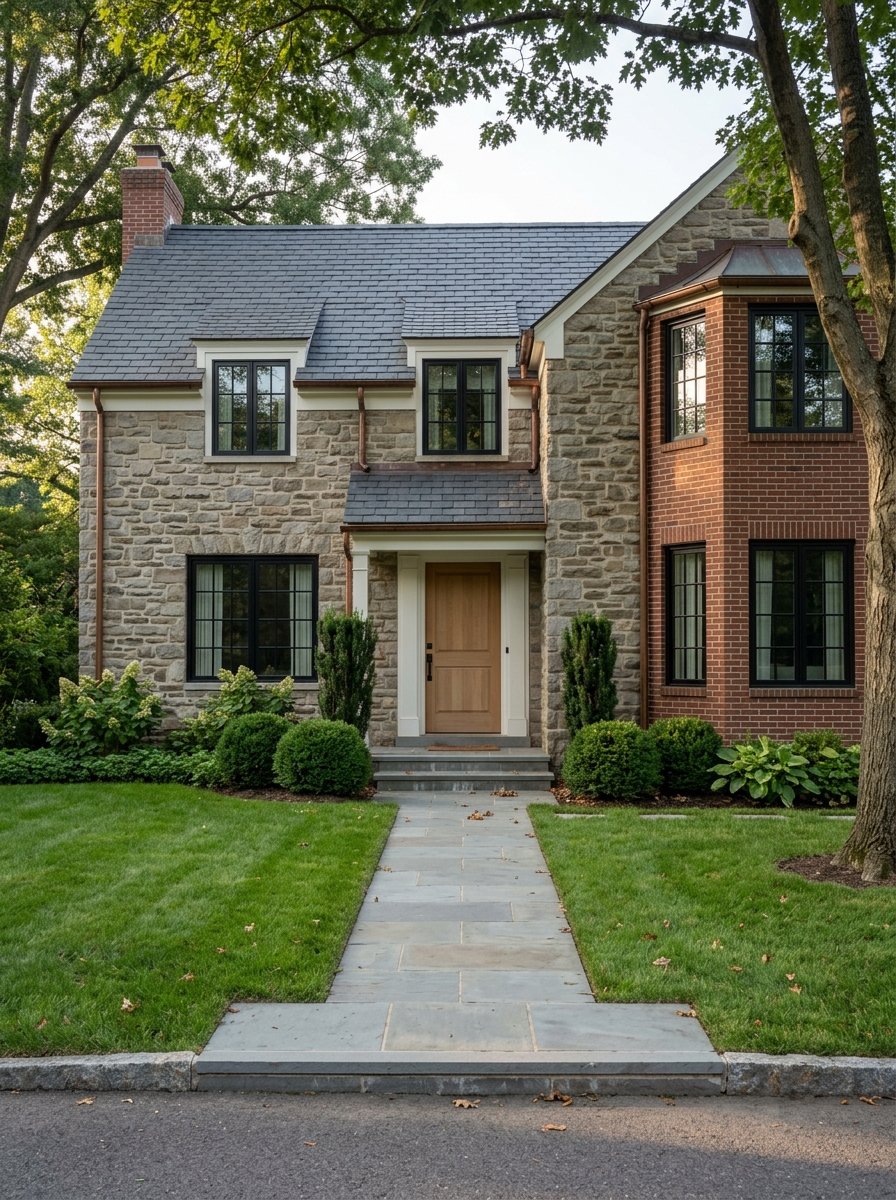
Stone is a defining material throughout the Main Line’s historic housing stock, and it comes with maintenance needs that differ meaningfully from wood-frame construction. Repointing and repairing mortar joints, addressing moisture that can get trapped behind stone facades, and maintaining original windows and roofing all require specialized knowledge rather than general contractor work. These homes often retain significant original architectural detail, even when kitchens and bathrooms have been updated over the years, which makes working with someone experienced in historic stone construction worth prioritizing. Getting this wrong isn’t just a cosmetic issue, since poor repointing or trapped moisture can lead to real structural problems over time.
Why This Material Deserves Specialized Attention
- Stone is a defining material throughout much of the region’s historic housing
- Mortar repointing and moisture management require specialized knowledge
- Original windows and roofing often need particular care to maintain properly
- Working with an experienced historic preservation contractor is worth prioritizing
Local Historic Districts Come With Real Approval Requirements
Properties within a designated local historic district face real review requirements, not just general encouragement to preserve character. In Lower Merion specifically, a Historical Architectural Review Board reviews applications for exterior alterations, new construction, and demolition for any property within one of the township’s local historic districts. Properties outside those local districts but still listed on the township’s broader Historic Resource Inventory go through a separate Historical Commission instead, so the specific approval process depends on exactly where a property falls within that structure. This distinction matters in practice, since the timeline and paperwork involved can differ depending on which body actually reviews your application.
What This Actually Means for Owners
- Properties in a local historic district require review for exterior changes
- Lower Merion’s Historical Architectural Review Board handles properties within local districts
- A separate Historical Commission reviews properties on the broader inventory
- The applicable process depends on exactly where a specific property falls
A Plaque Is Different From a Historic District Designation
Several Main Line communities, including Lower Merion, Radnor, and Philadelphia itself, offer plaque programs that let homeowners mark a property’s historical significance. These plaques are purely honorific, requiring an assessment from the local historical group and typically costing around 70 dollars to have one mounted. This is a meaningfully different thing from formal historic district designation, which comes with binding exterior review requirements rather than just public recognition, so a homeowner interested in one shouldn’t assume it carries the same obligations as the other.
Why This Distinction Matters
- Plaque programs exist in Lower Merion, Radnor, and Philadelphia
- These plaques are purely honorific, requiring only an assessment and a modest fee
- Formal historic district designation carries binding exterior review requirements instead
- Worth understanding which one actually applies to a specific property
Weighing the Tradeoffs Before You Buy or Renovate
Historic district designation restricts what an owner can do to a property’s exterior, which protects neighborhood character but also limits flexibility for renovations or additions down the road. This tradeoff has been the subject of real, sometimes contentious debate in Main Line communities, since not every owner wants that added layer of oversight even when a property is considered architecturally significant. Understanding exactly what level of protection applies to a specific property, rather than assuming based on the home’s general age or style, is worth doing before you buy or begin planning renovations.
What’s Worth Weighing
- Historic designation restricts exterior changes in exchange for protecting character
- This tradeoff has been a real source of debate in some Main Line communities
- Not every owner wants the added oversight, even for a significant property
- Worth confirming a property’s exact status before buying or planning renovations
FAQs
Does every historic-looking home on the Main Line actually have a historic designation?
Not necessarily, no. Plenty of older homes reflect the architectural styles common to the area without being formally listed in a local historic district or on a township’s historic resource inventory.
Can we make exterior changes to a home with a historic plaque?
Generally, yes, since a plaque alone is honorific and doesn’t come with binding review requirements. Formal historic district designation is the one that actually restricts exterior changes.
How do we find out if a specific property is in a local historic district?
We’d recommend checking directly with the relevant township, since each one maintains its own historic resource records and review boards.
Contact The MacDonald Team Today
Understanding exactly what a historic designation does and doesn’t require is something we walk buyers and owners through carefully before any purchase or renovation decision.
Reach out to The MacDonald Team, and we’ll help you figure out what a specific historic home actually involves.