By The MacDonald Team
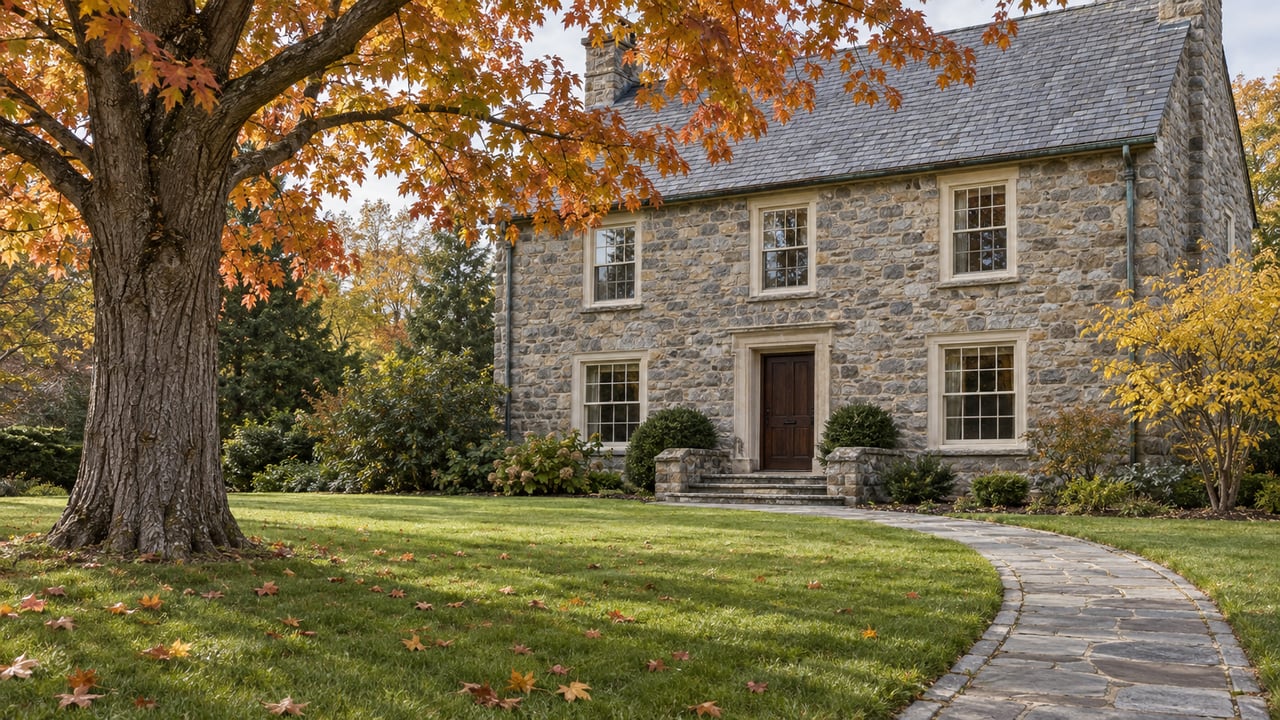
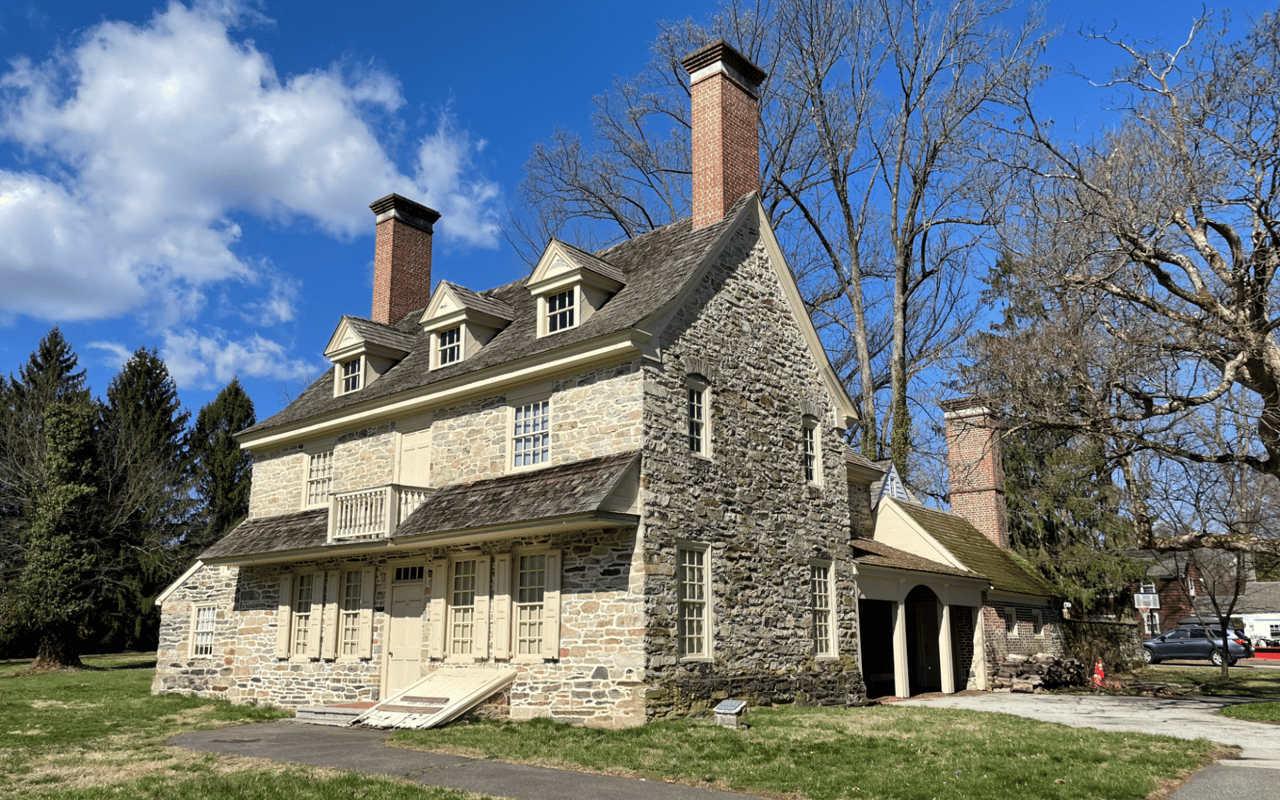
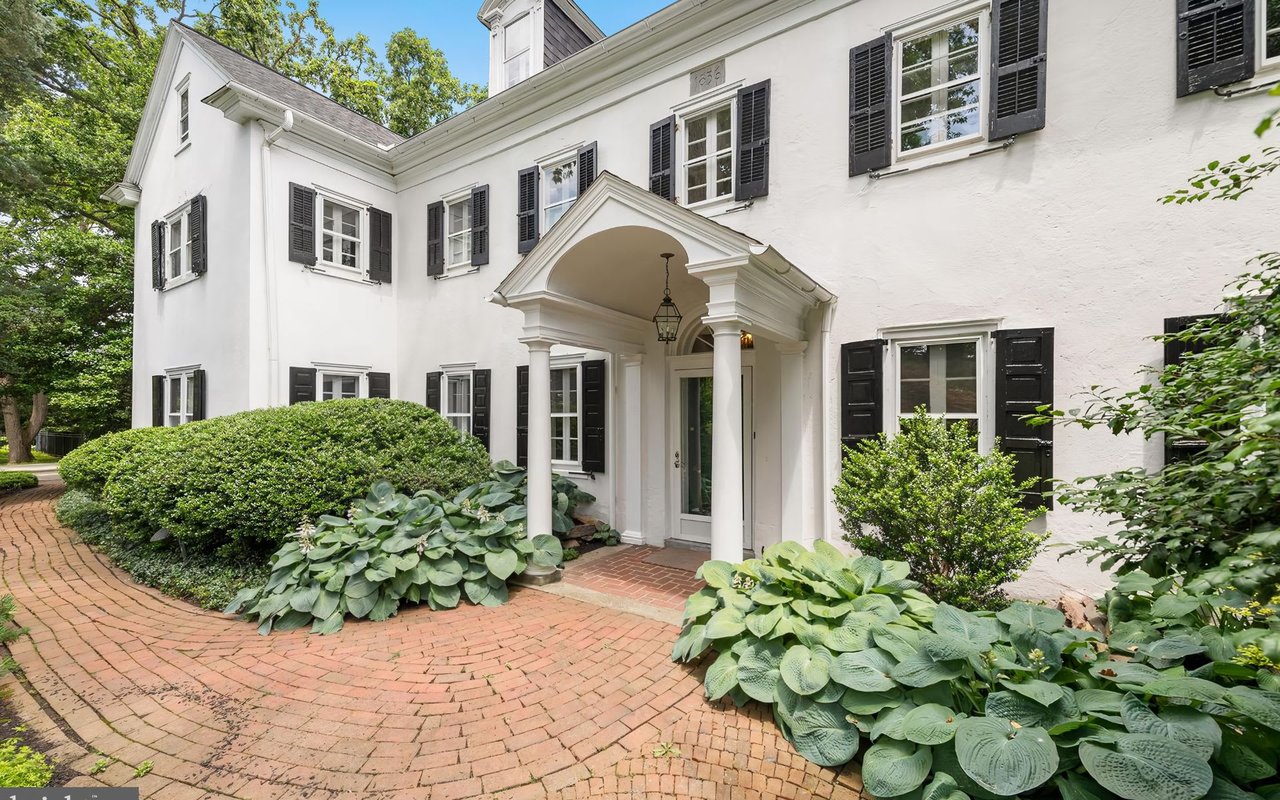
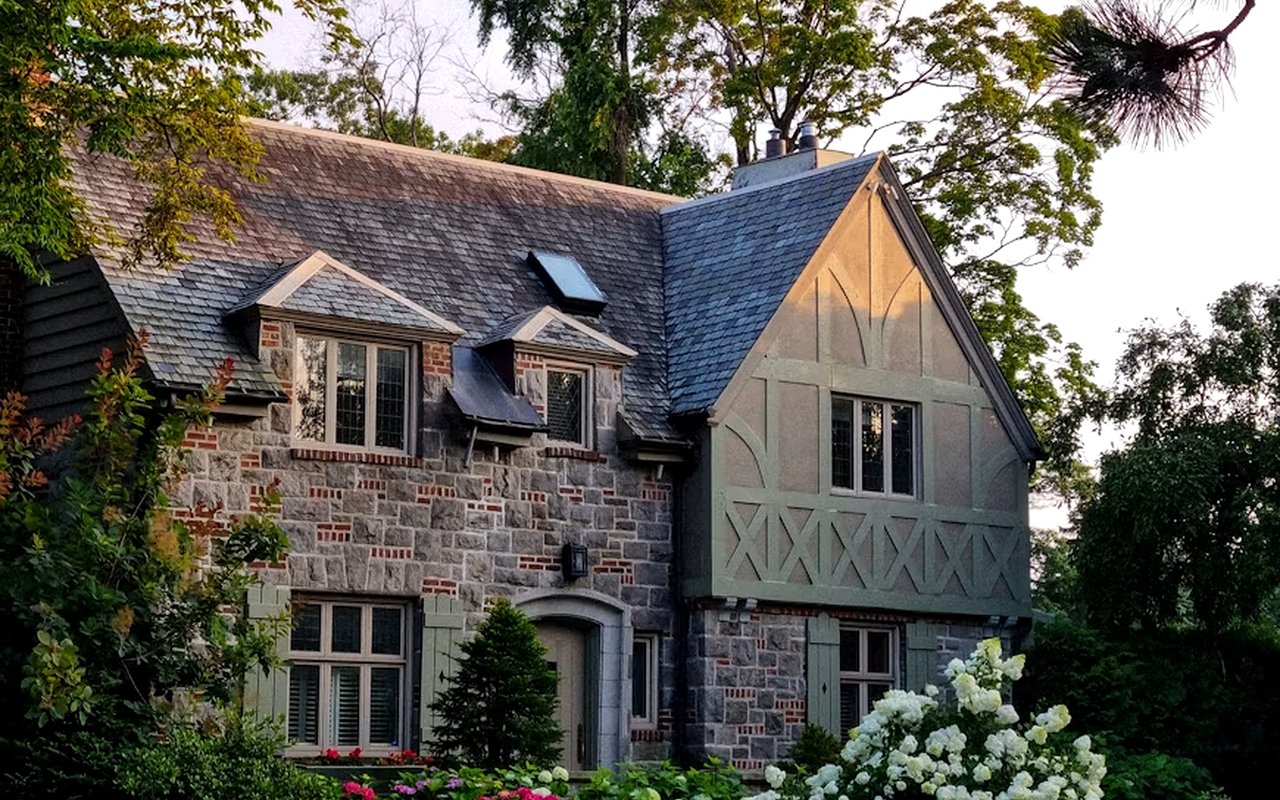
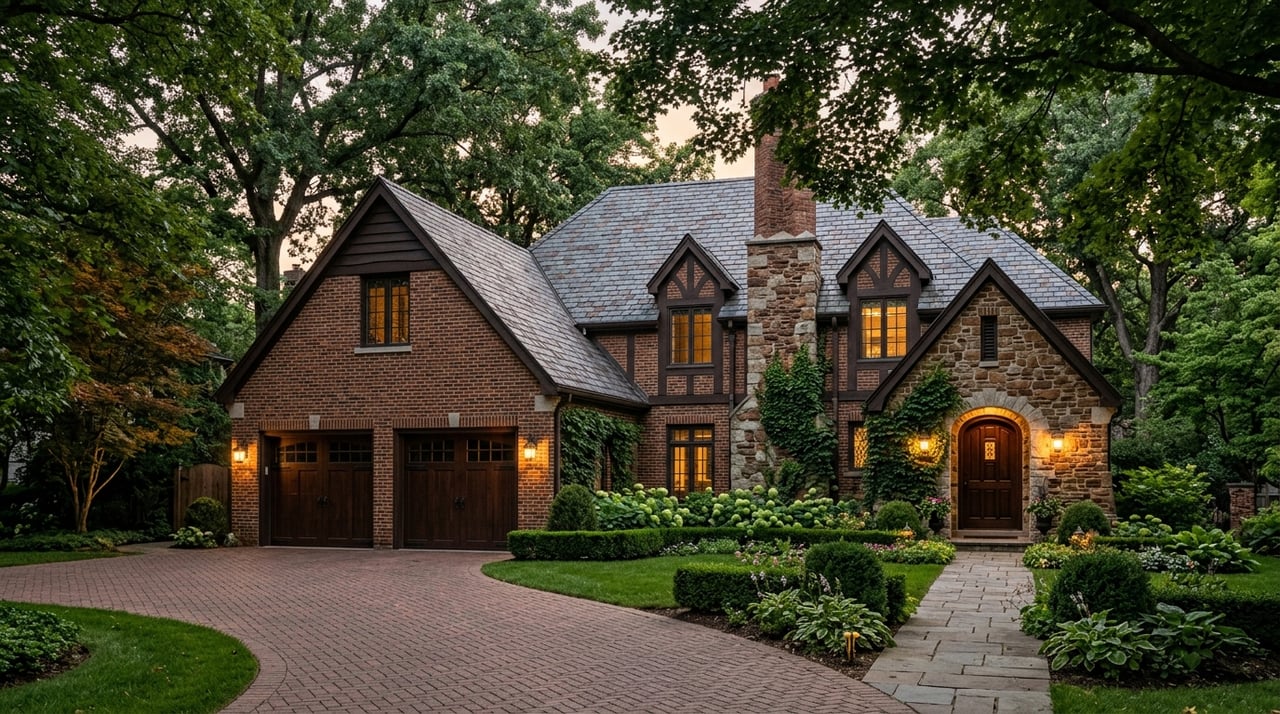
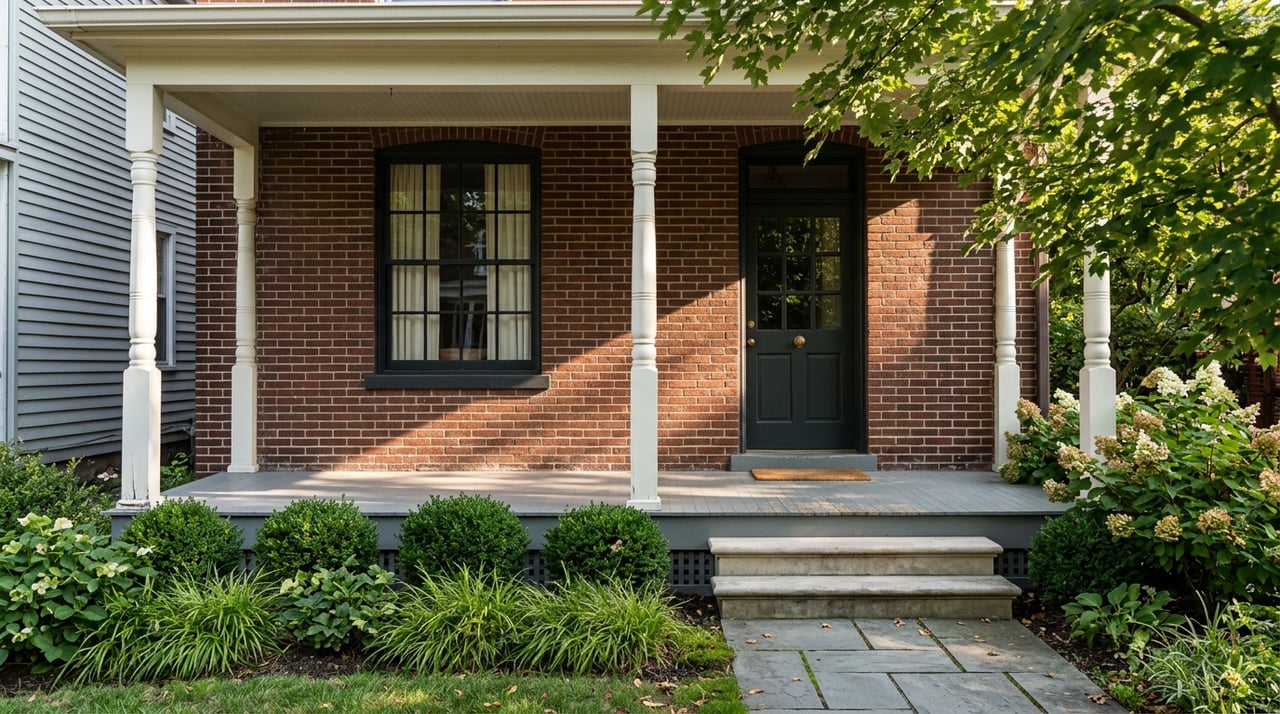
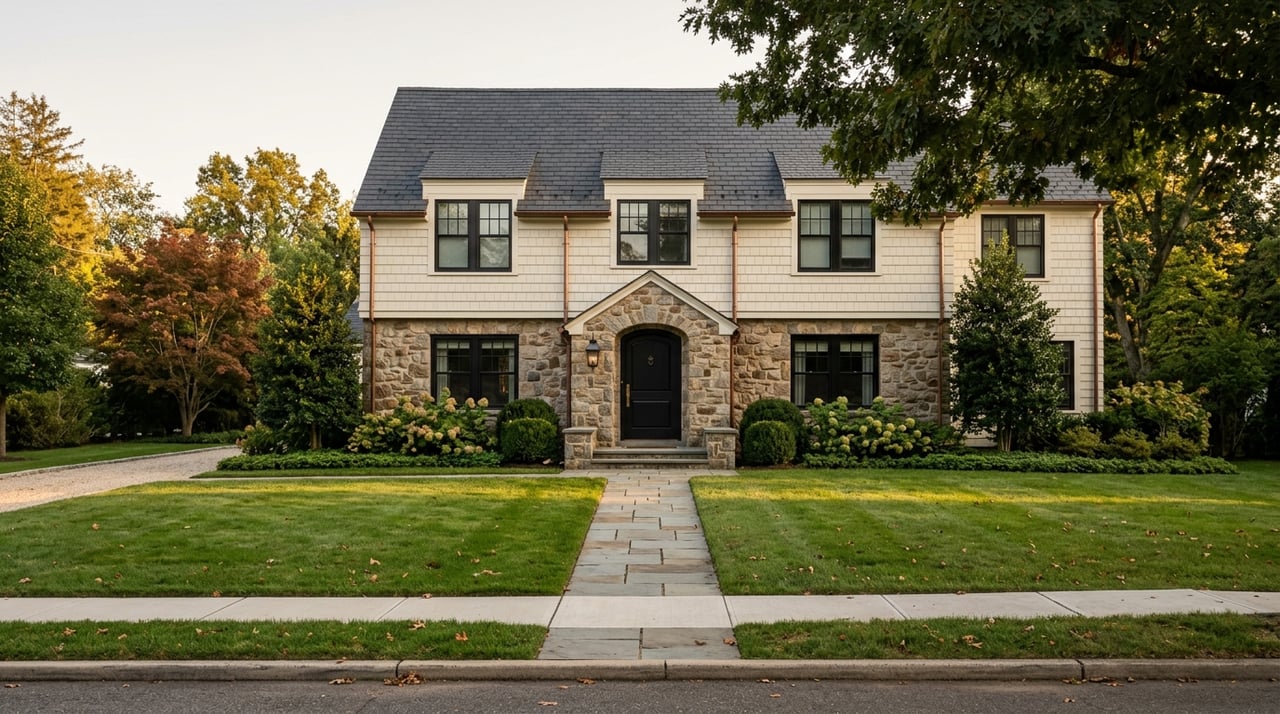
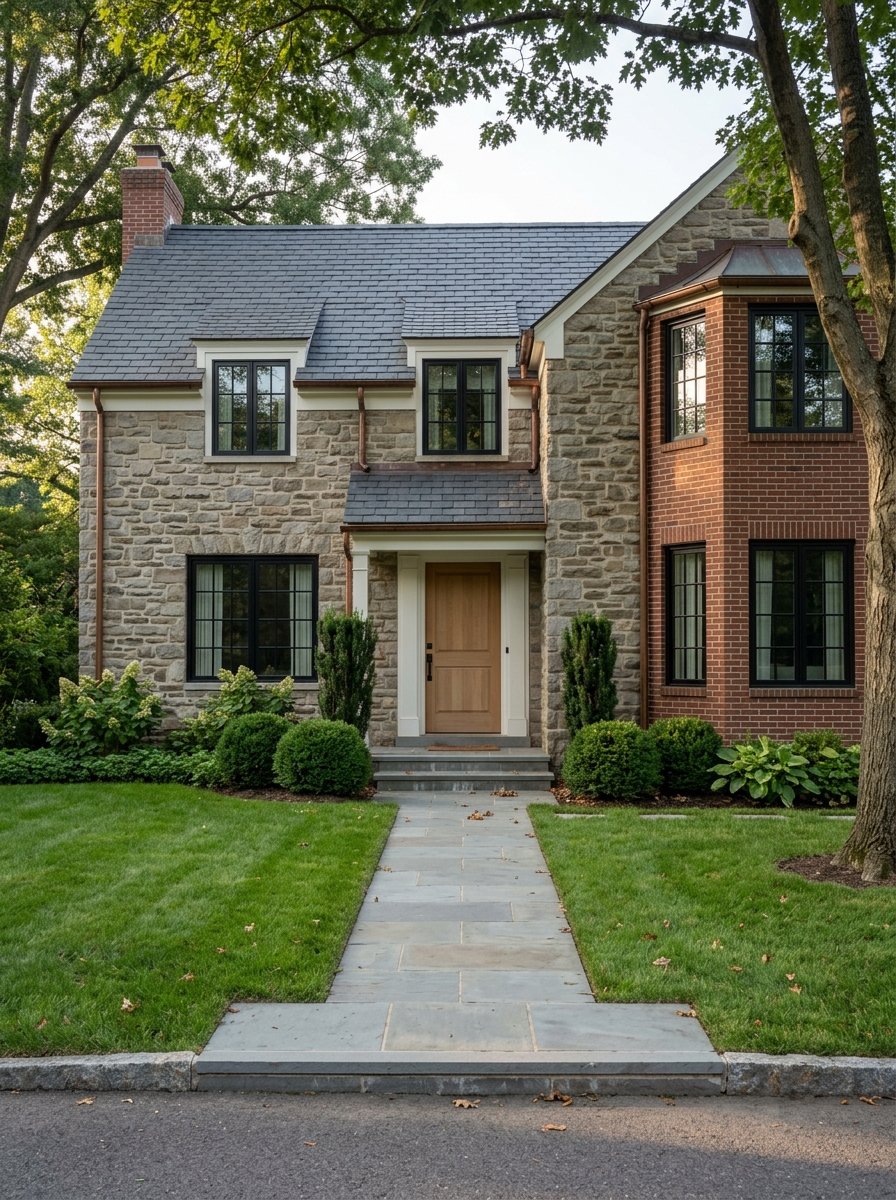
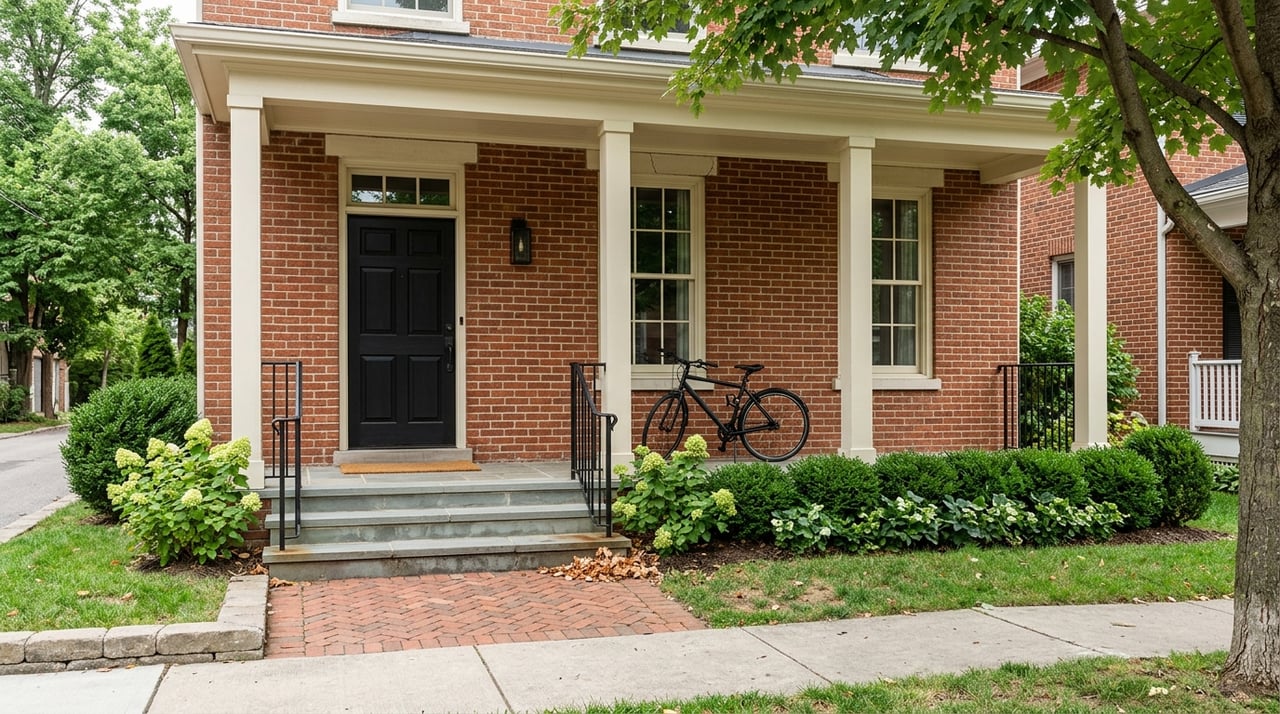
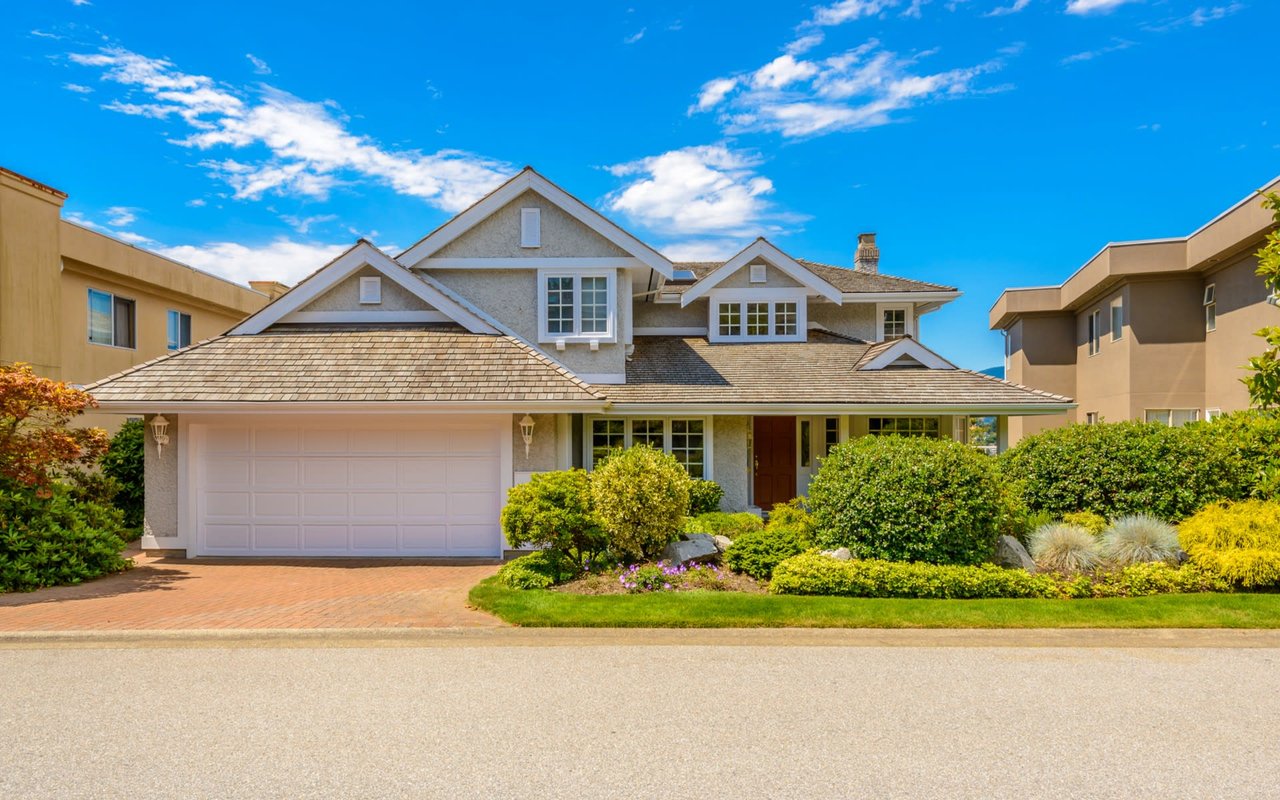
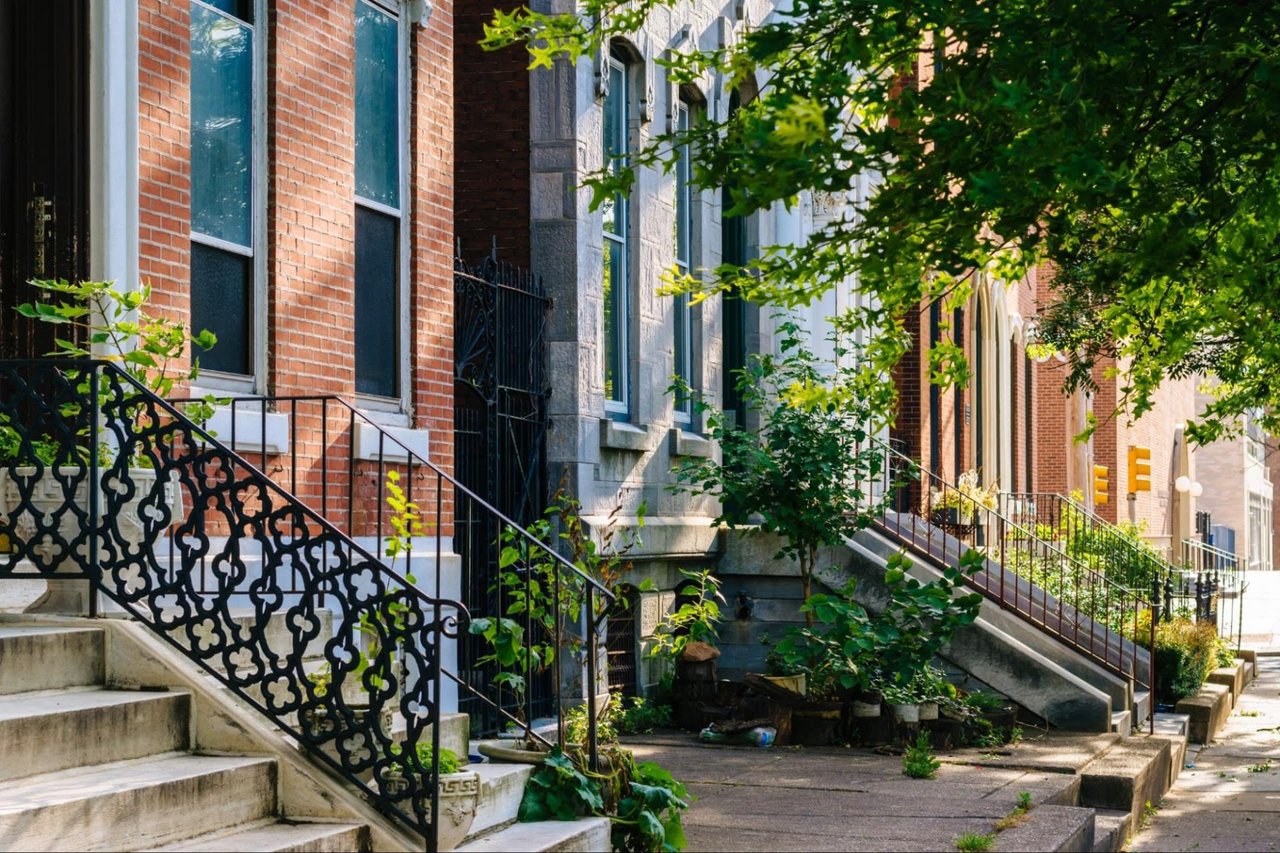
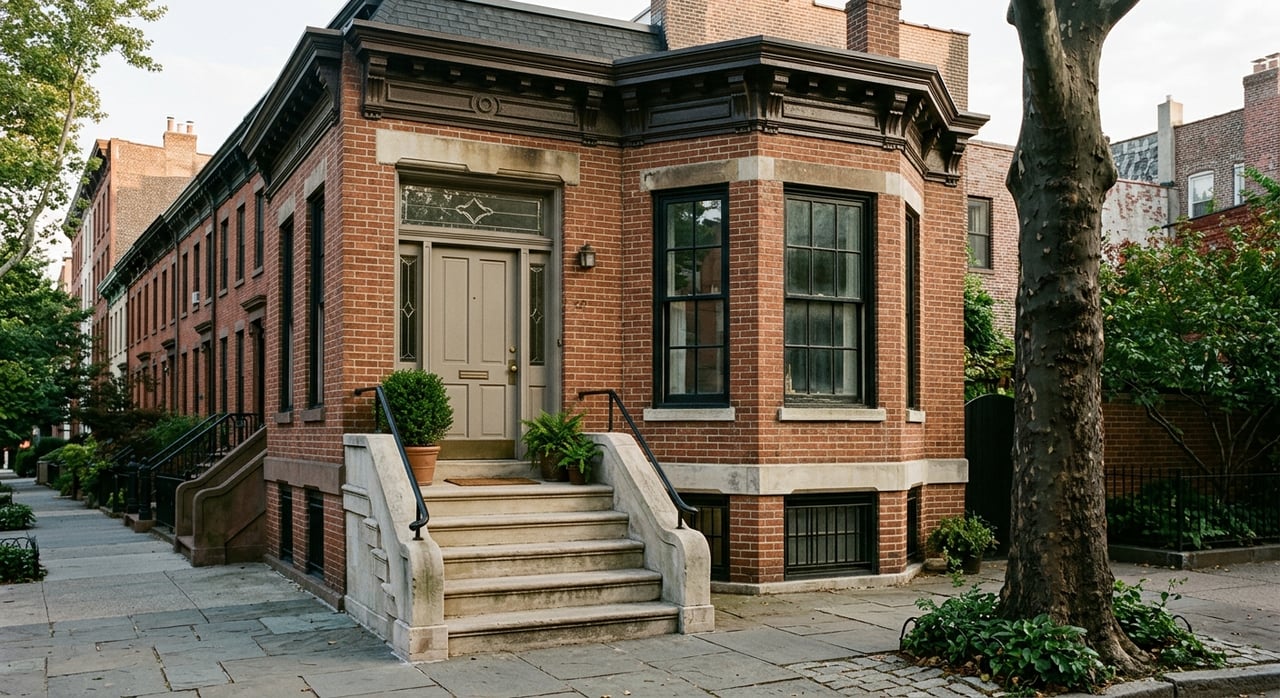
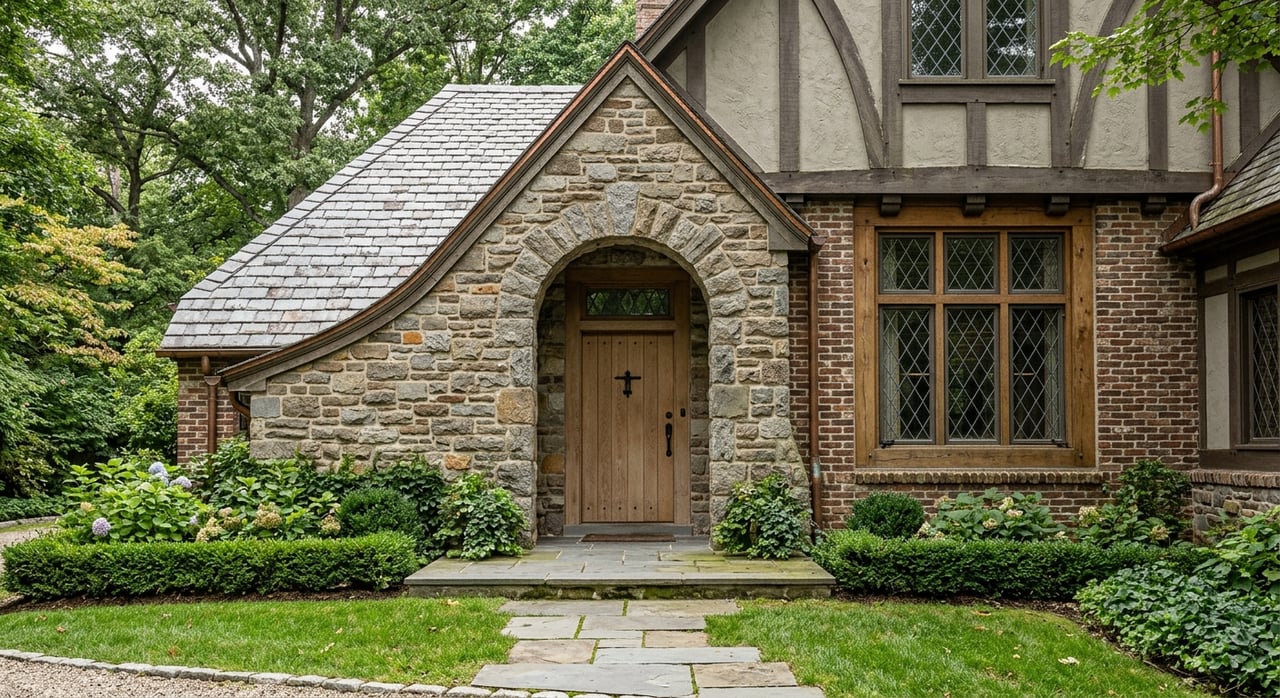
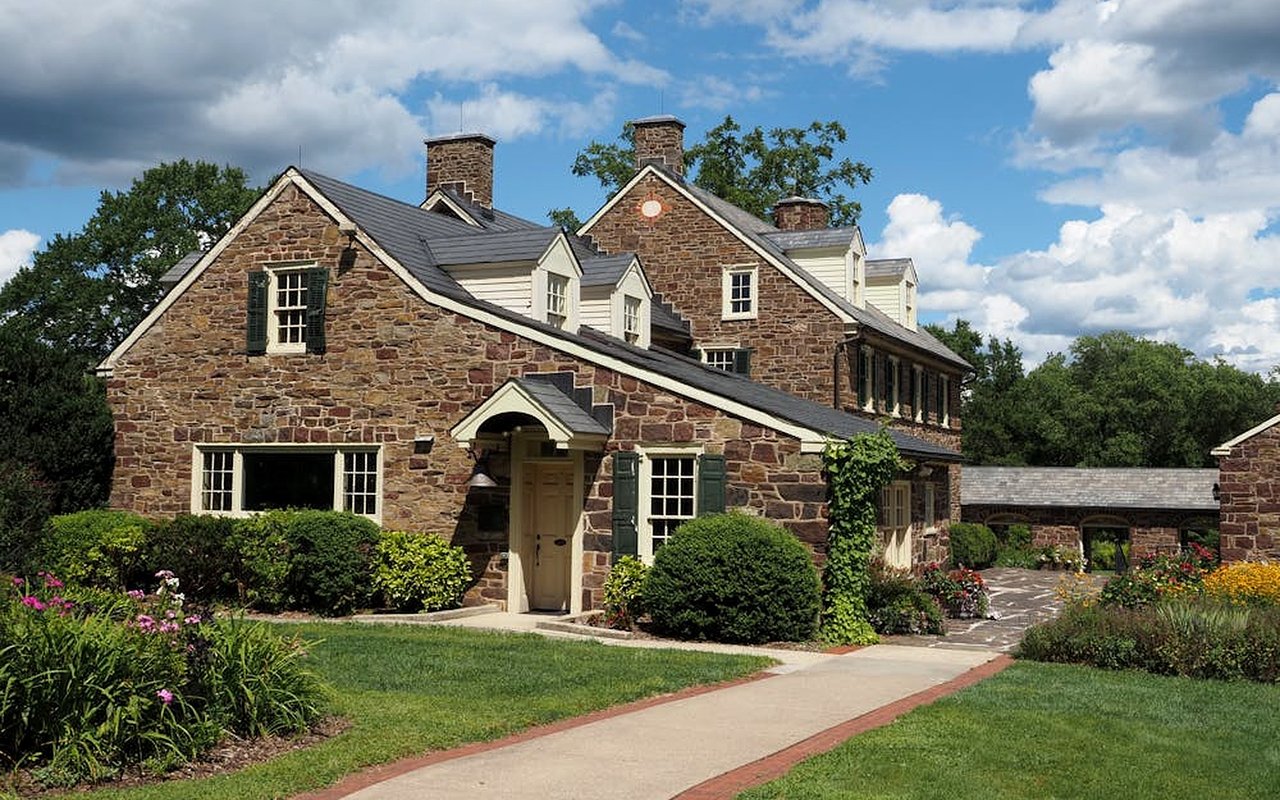
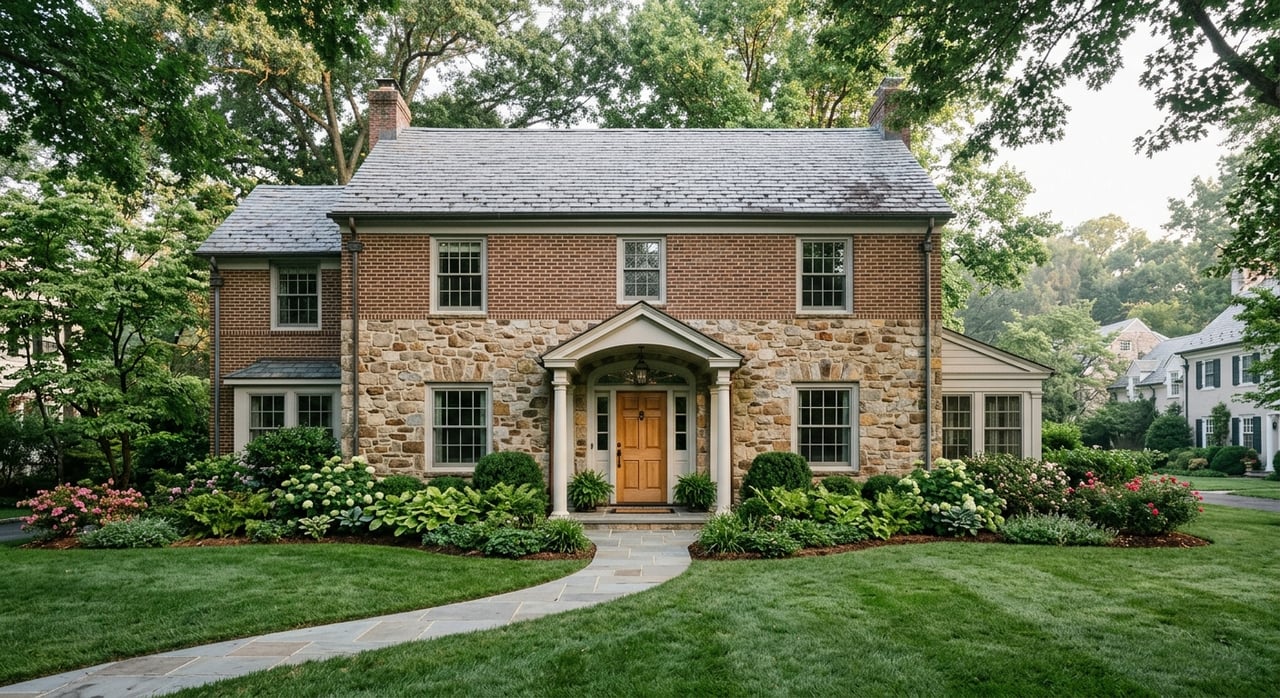
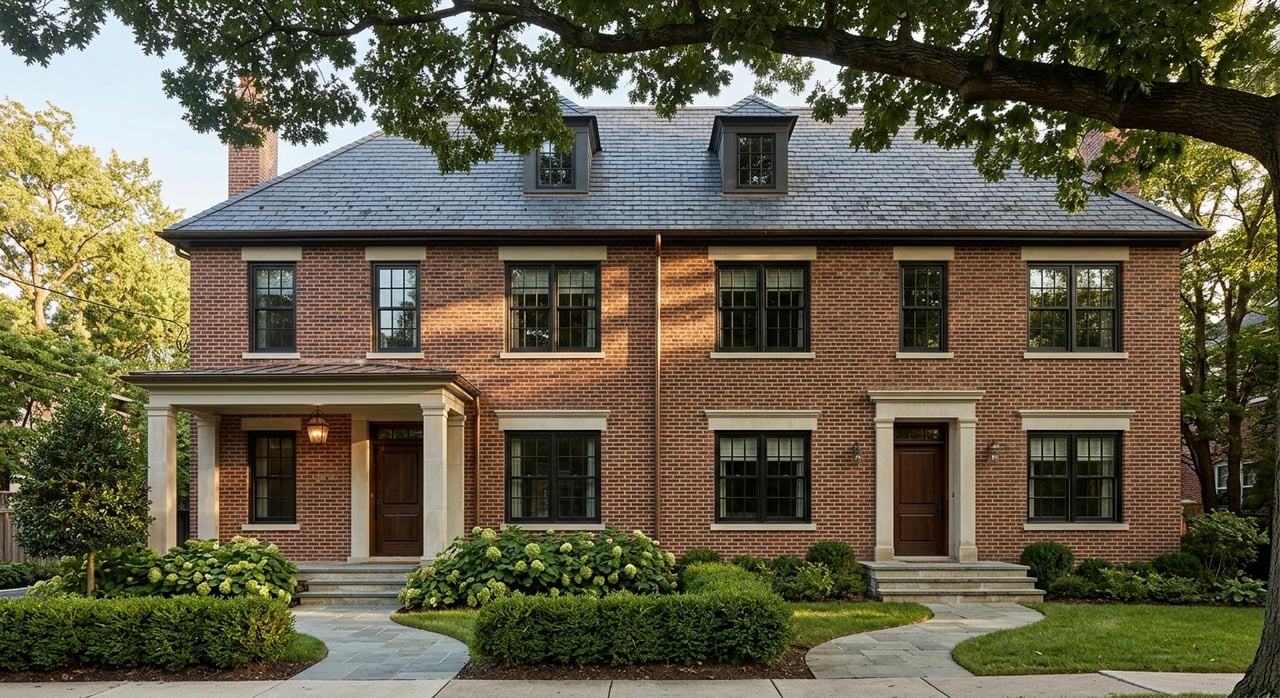
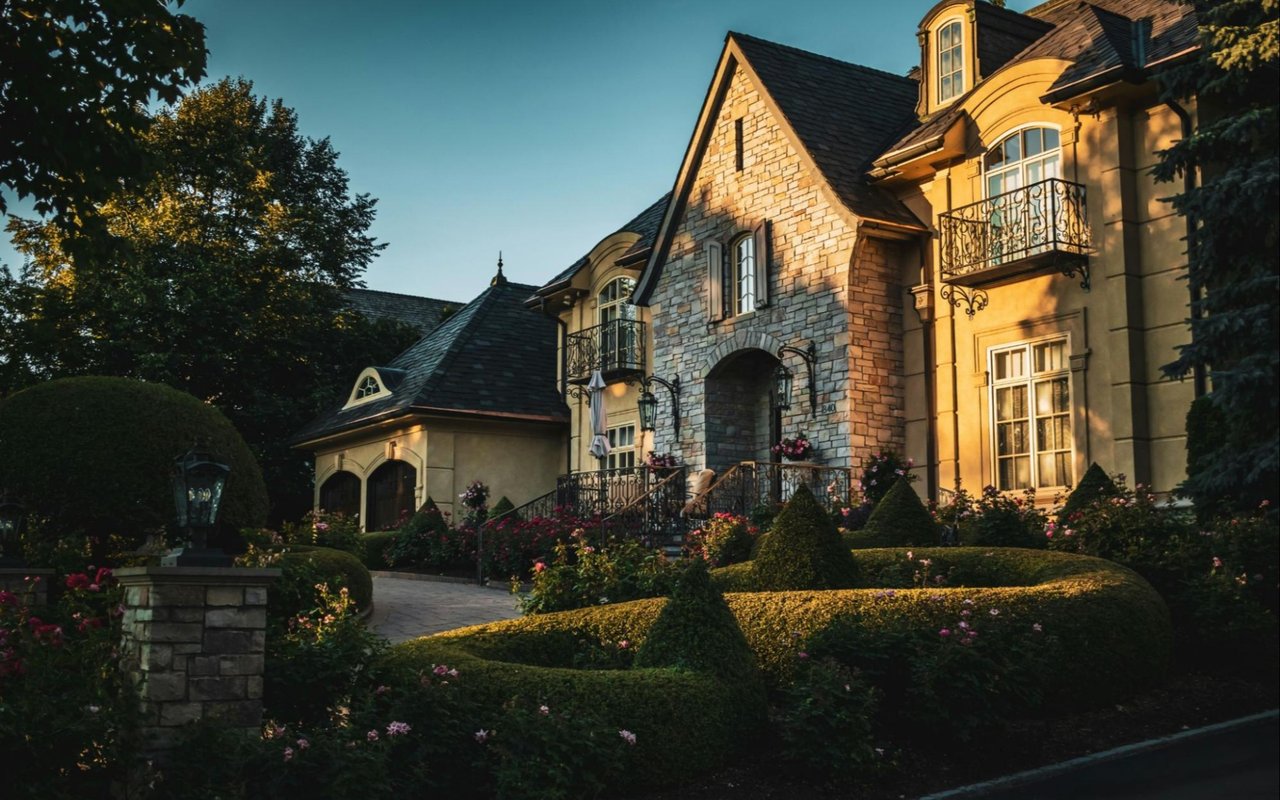
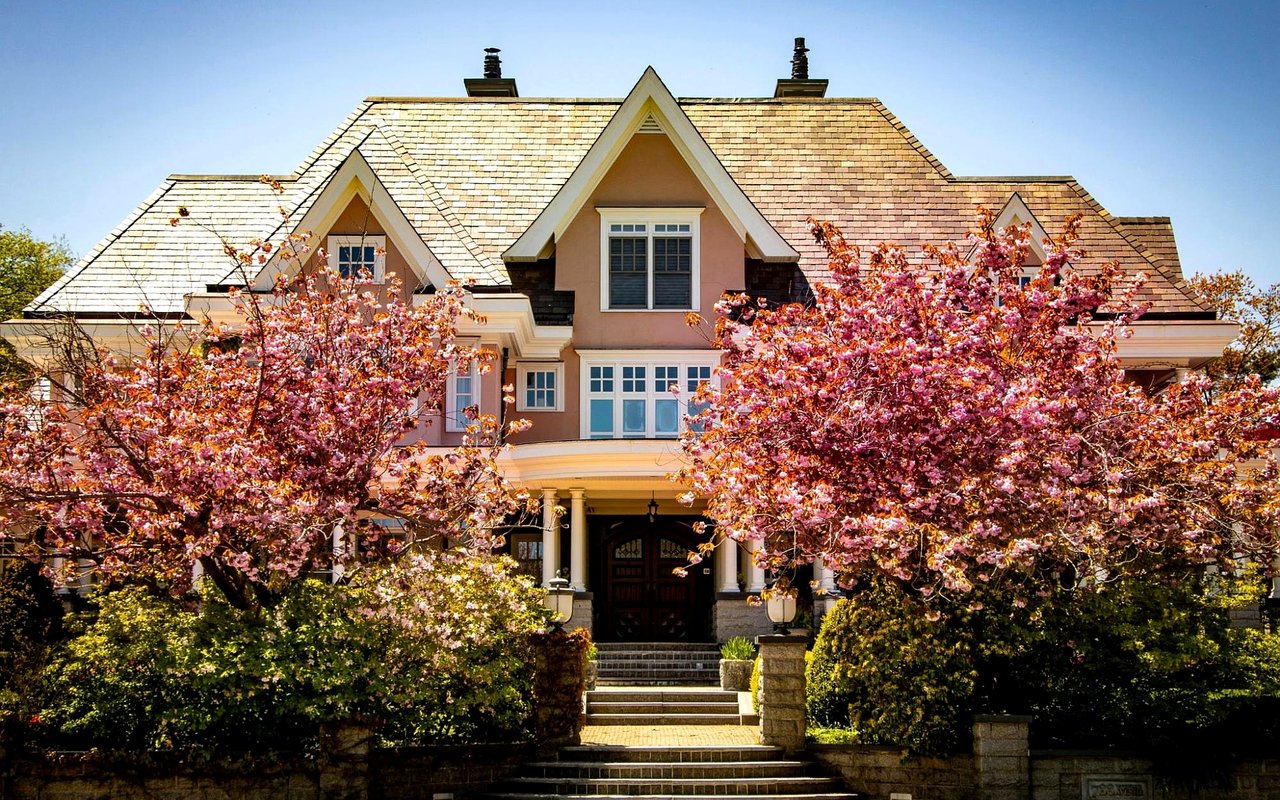
We talk to a lot of homeowners here who want updates that will still look right in ten or twenty years, not just this season. Given how much of the Main Line’s housing stock already carries real architectural character, from Tudor Revival to stone colonial, the most timeless choices are often the ones that work with that existing character rather than against it. Here’s what we think is worth knowing about timeless home design tips for the Main Line.
Key Takeaways
- Neutral, warm-toned palettes consistently outlast trend-driven color choices
- Natural materials like wood and stone develop character instead of just showing wear
- Bold choices hold up better when confined to easy-to-change elements, not permanent surfaces
- Classic architectural details tend to protect resale value more than trendy renovations do
Why Neutral, Warm Palettes Pair Well With Historic Architecture
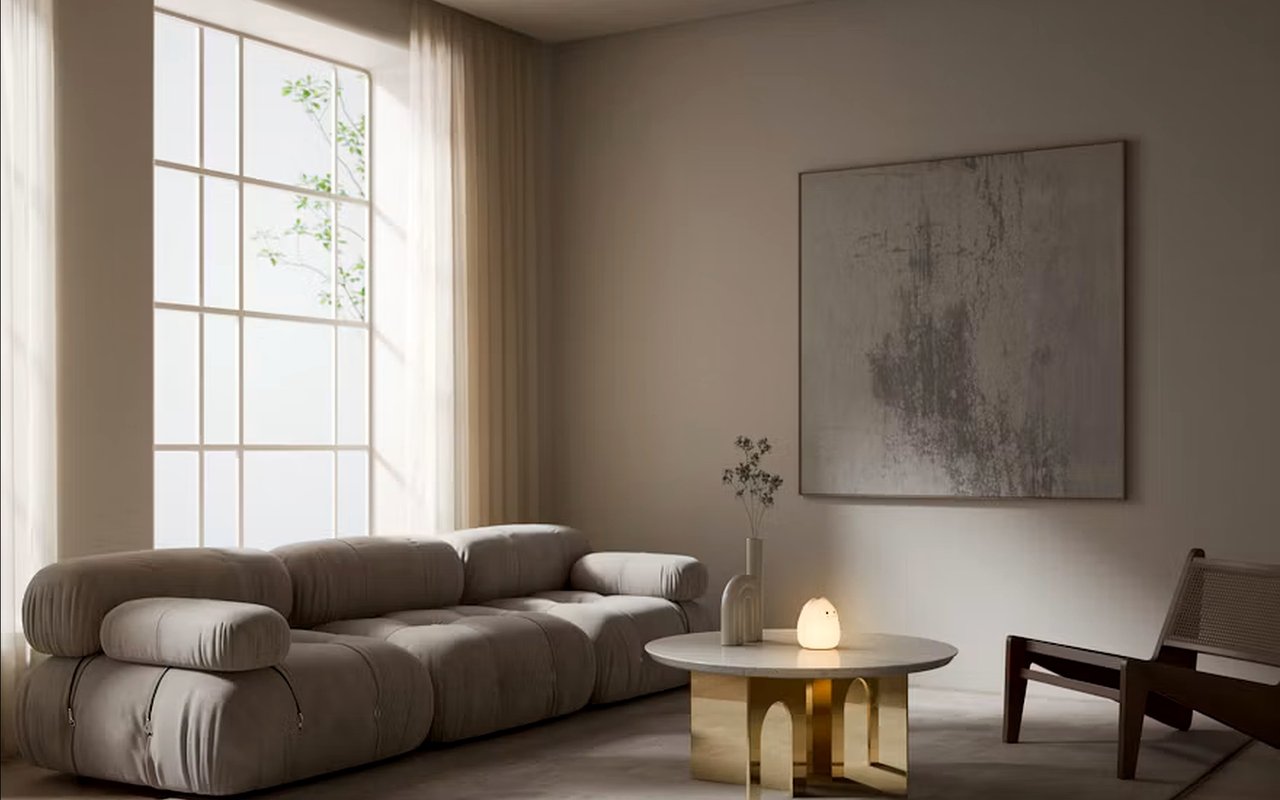
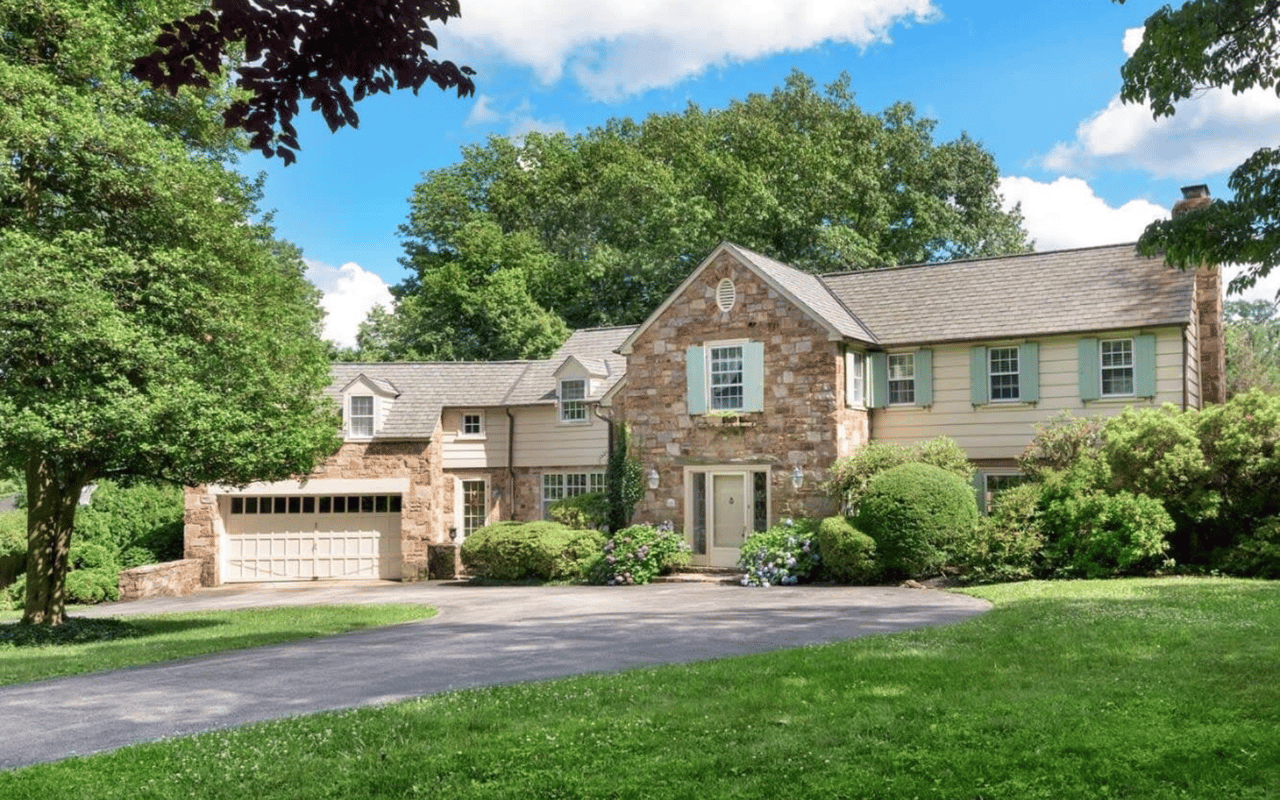
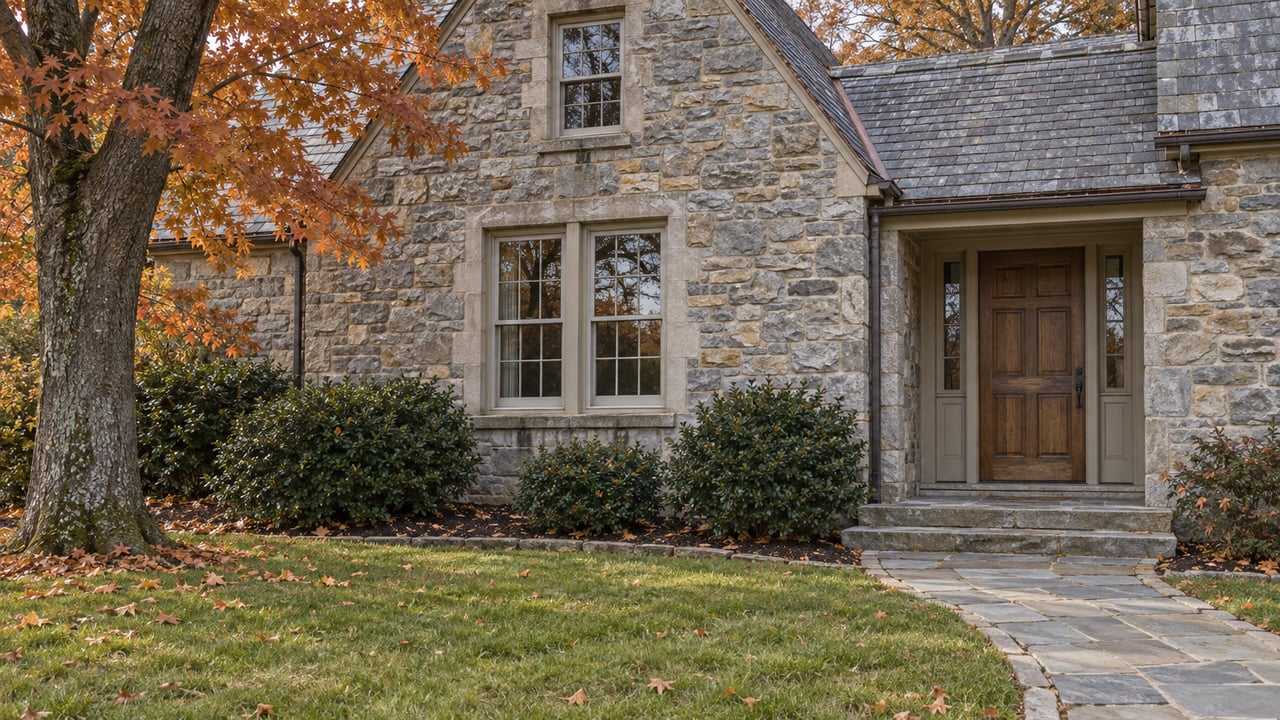
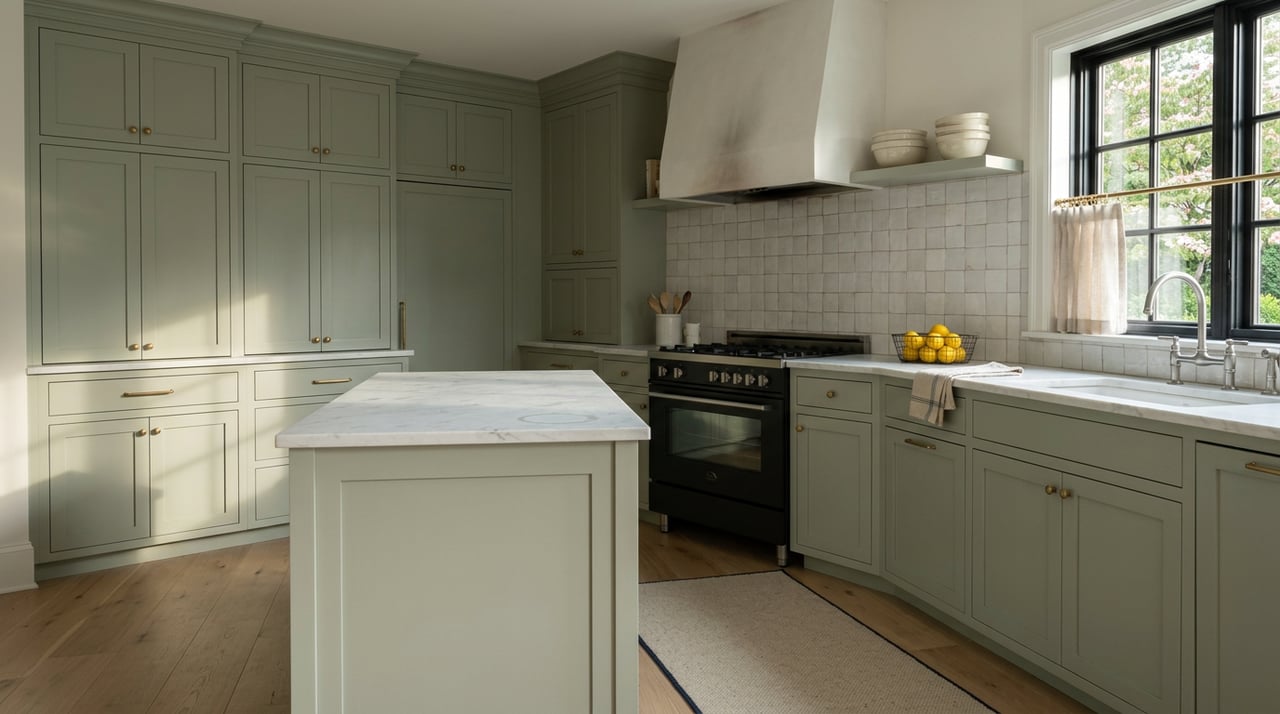
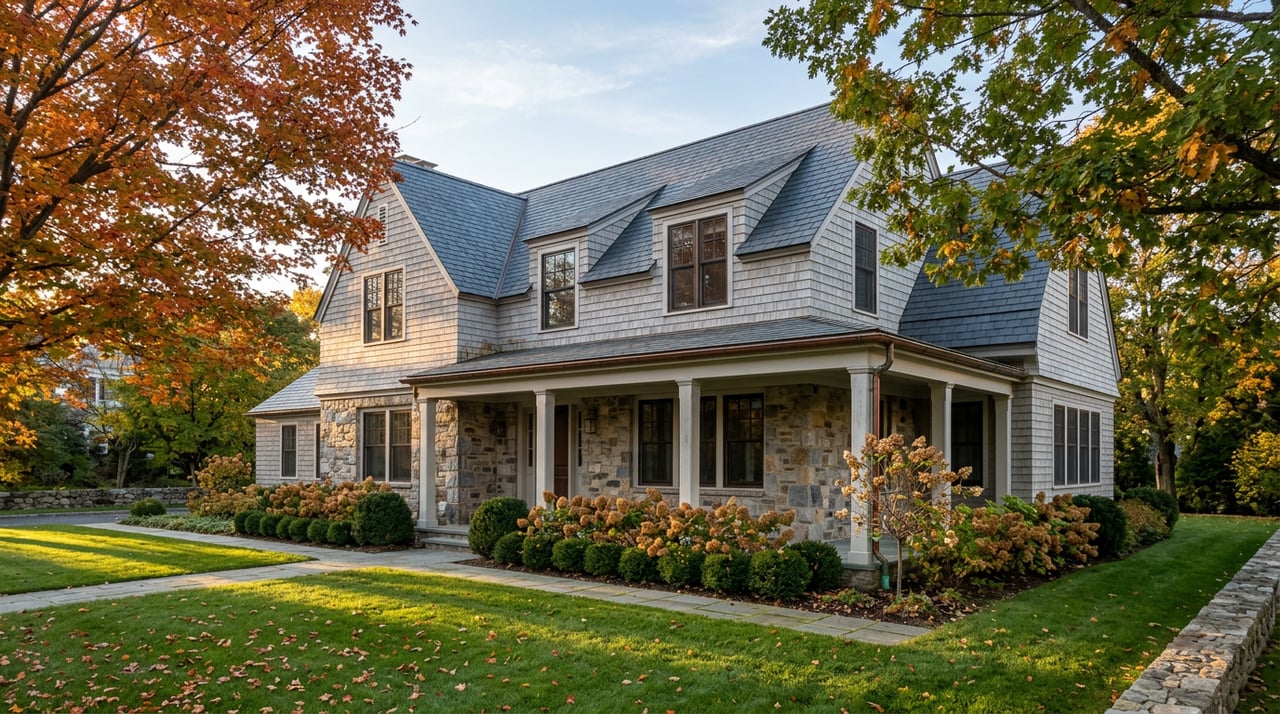
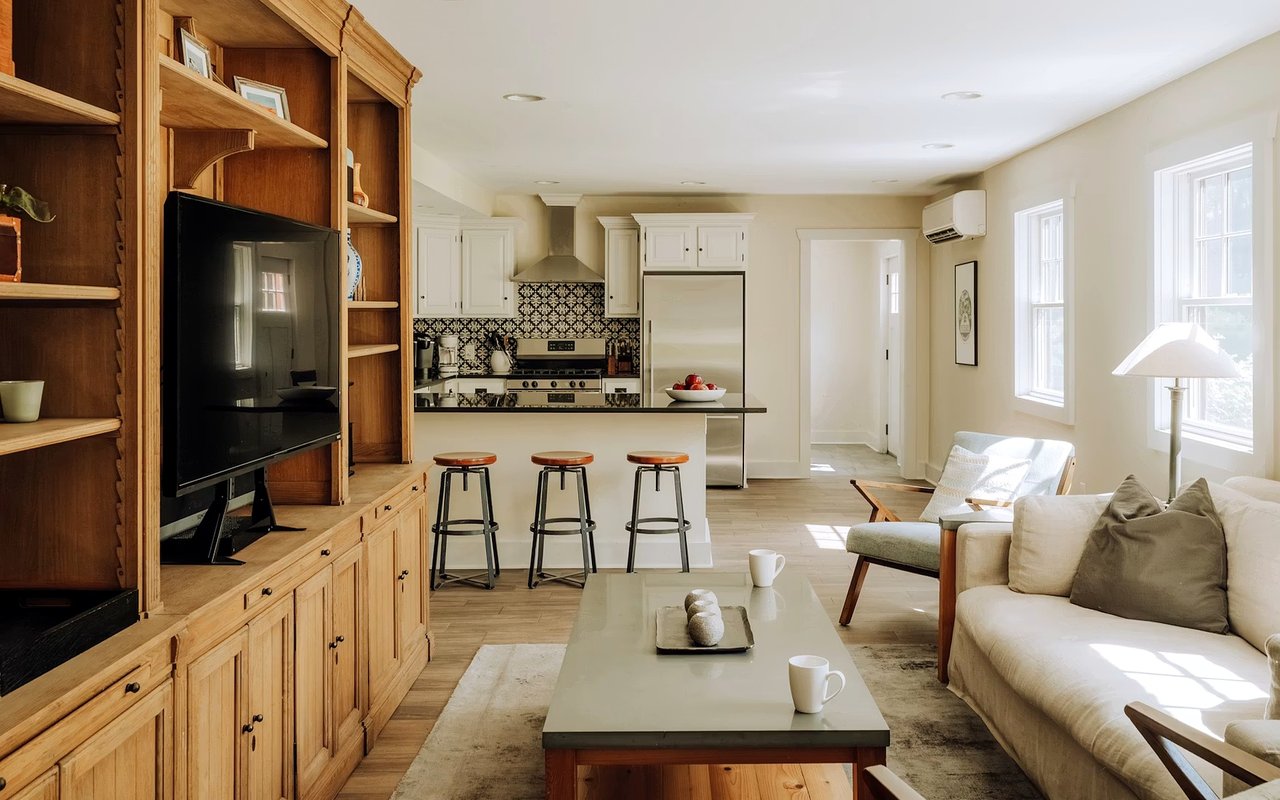
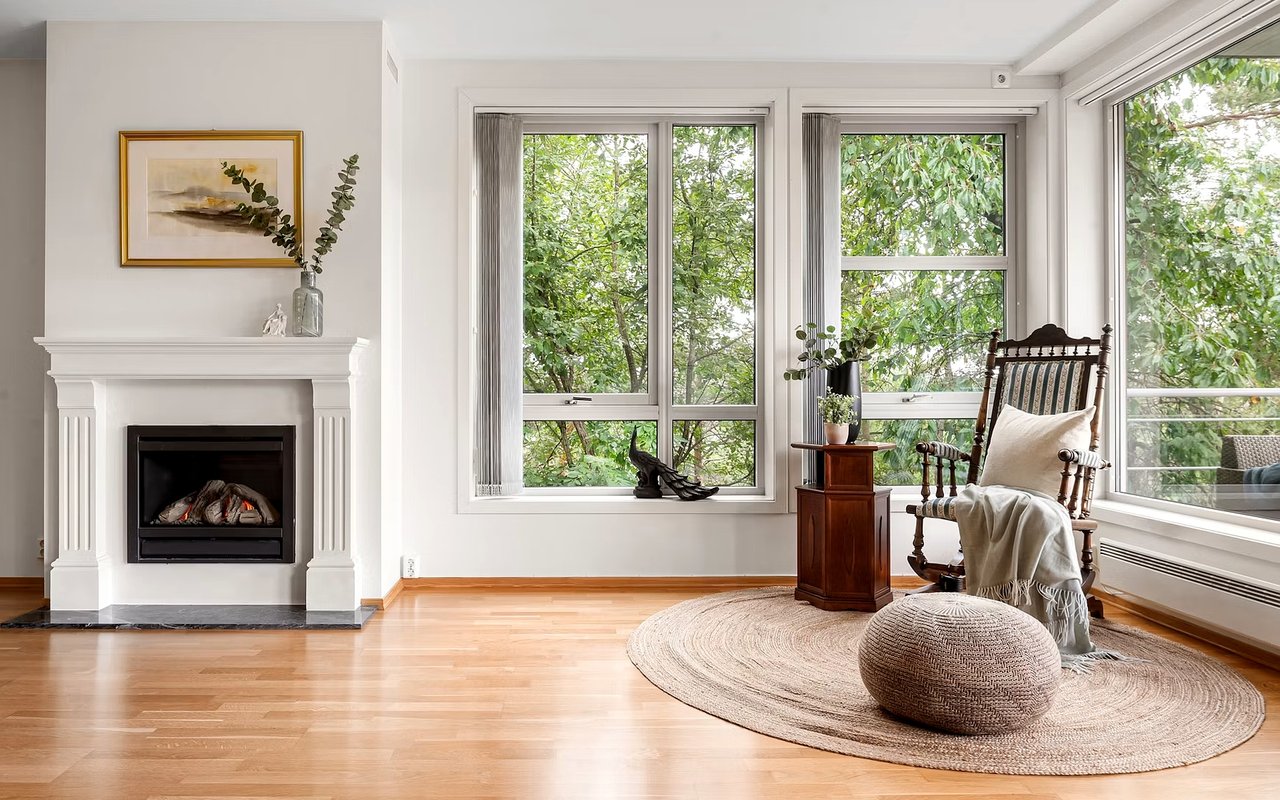
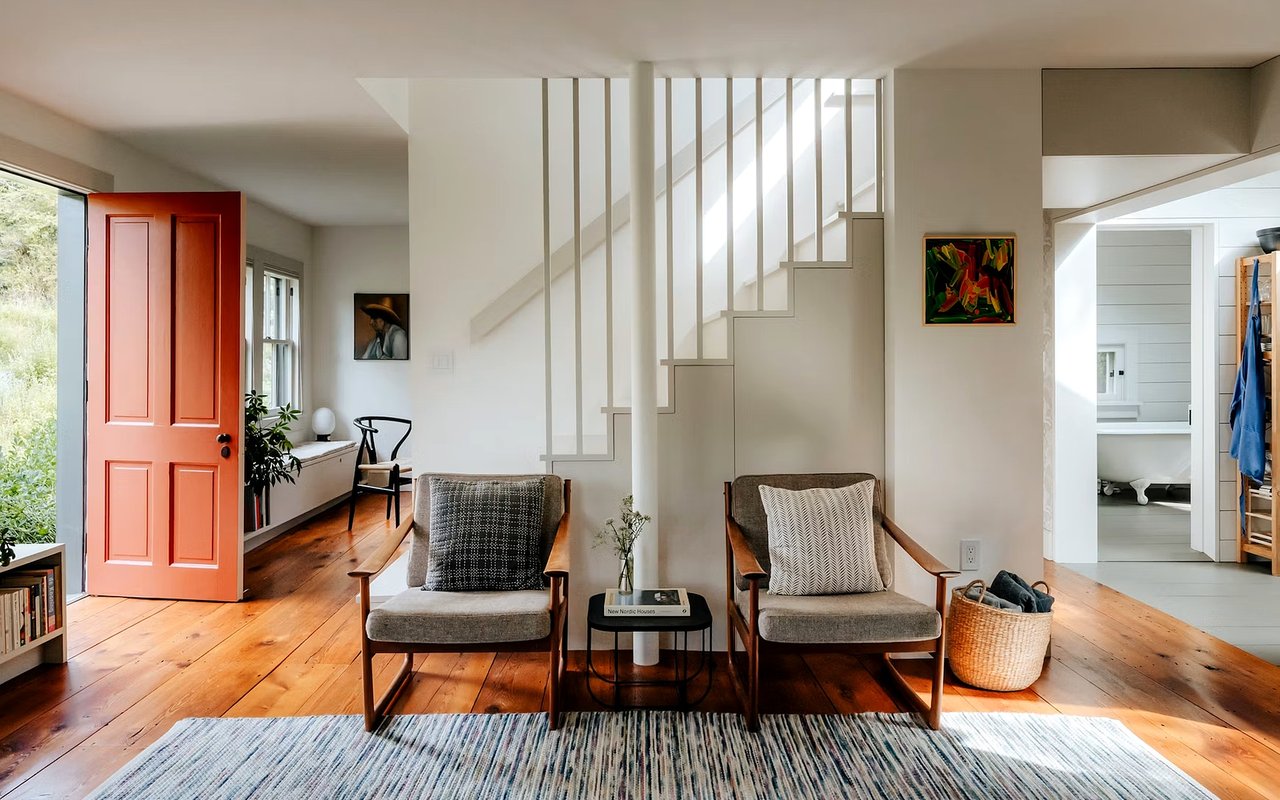
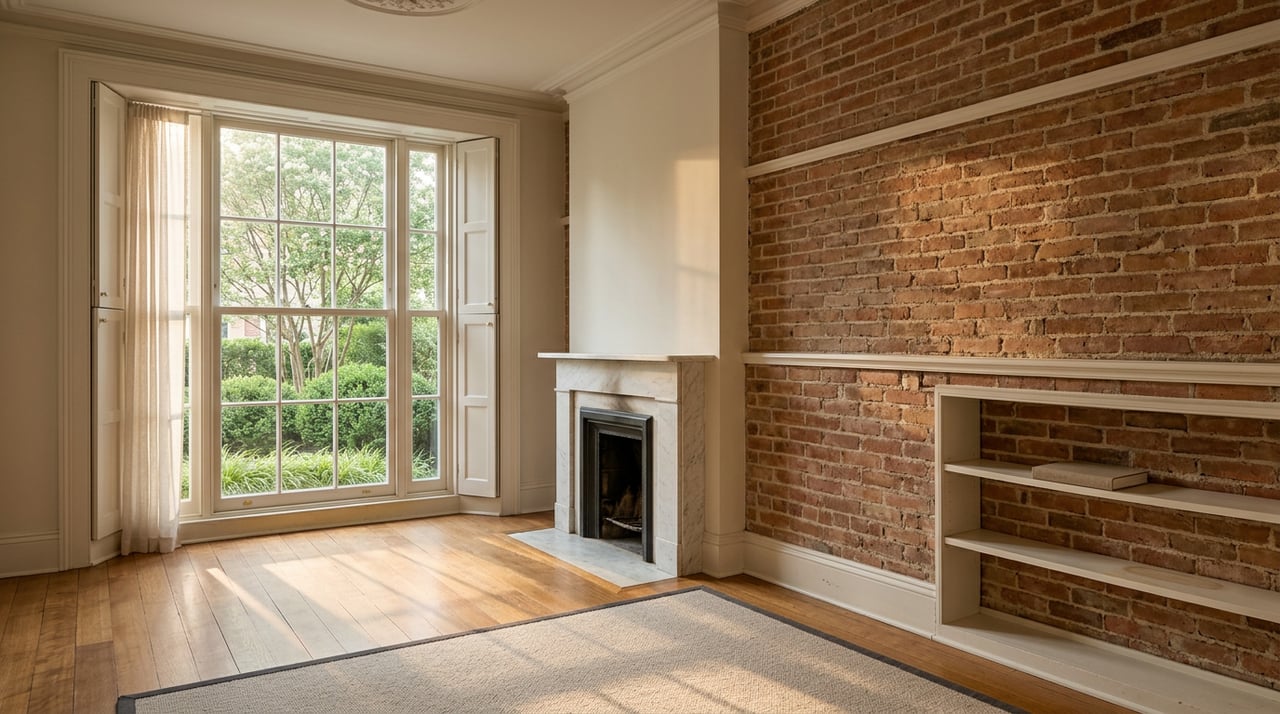
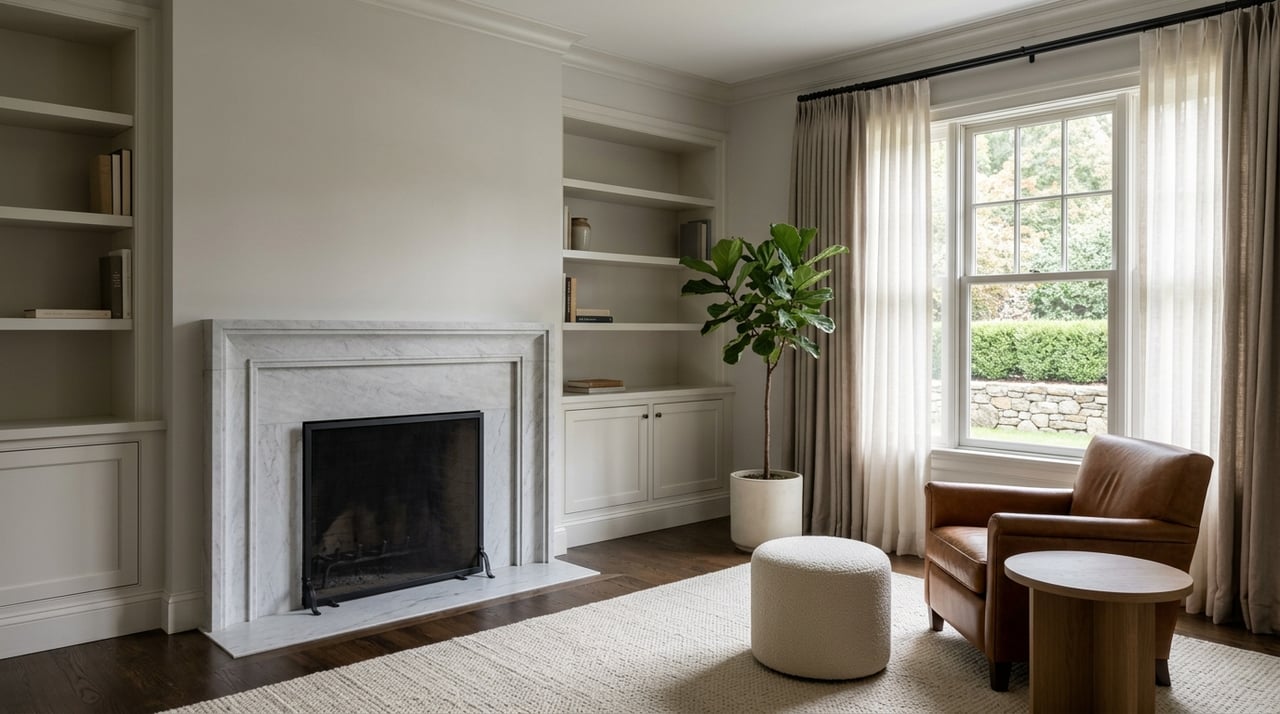
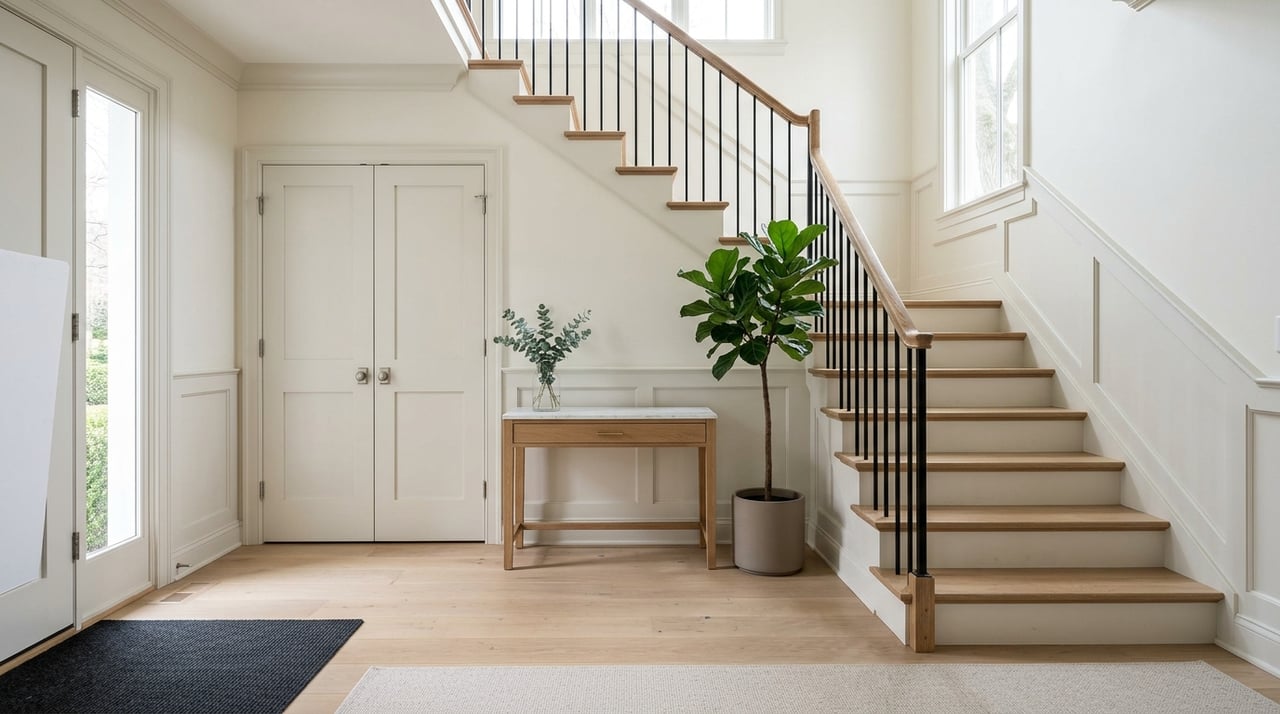
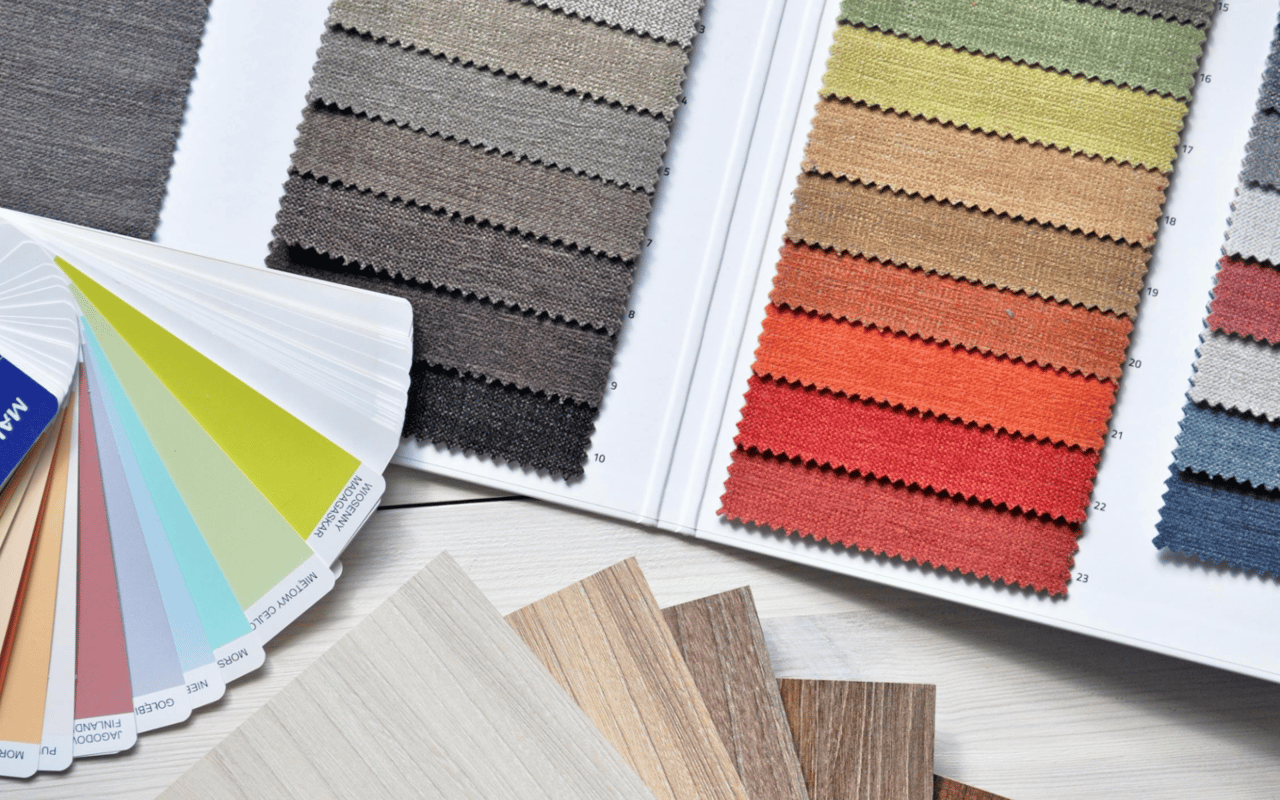
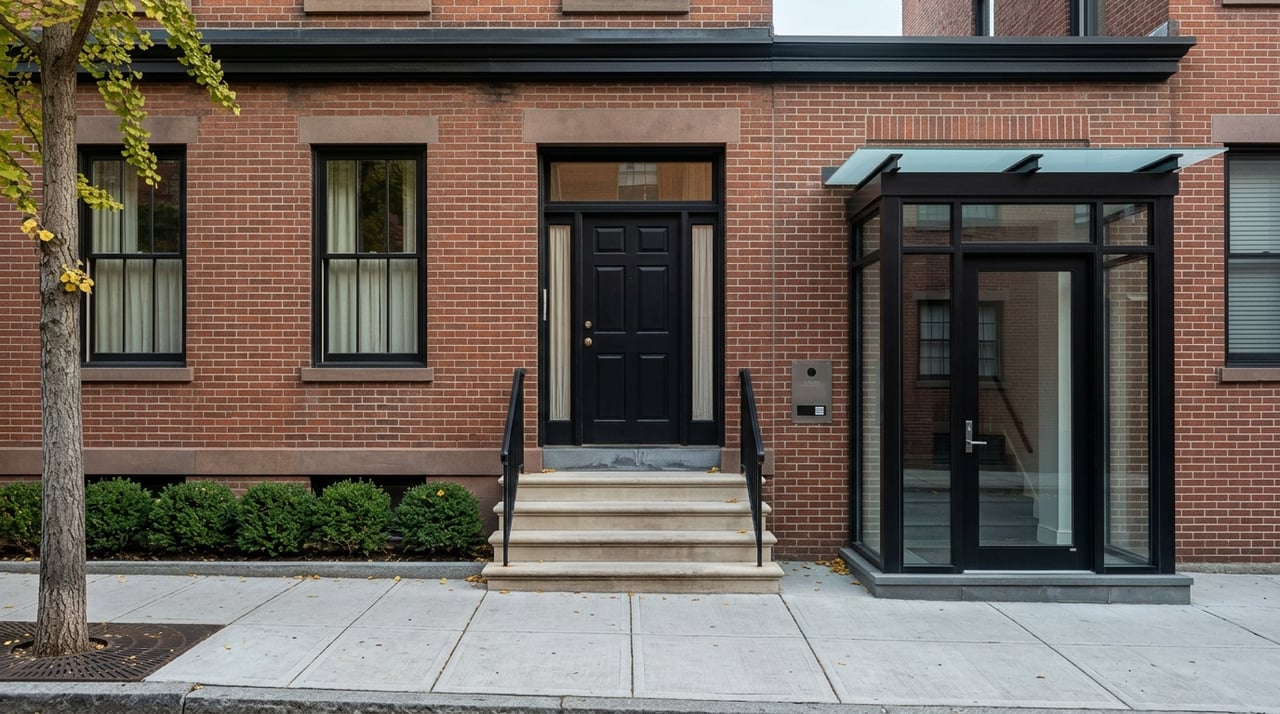
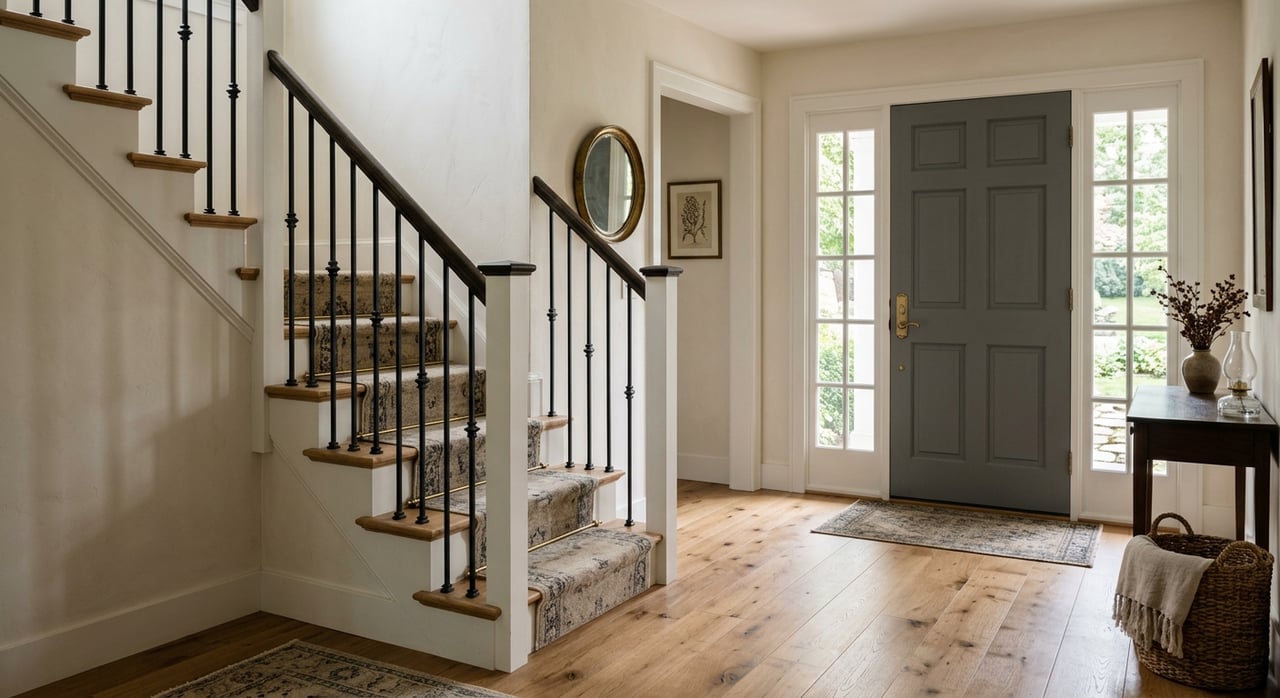
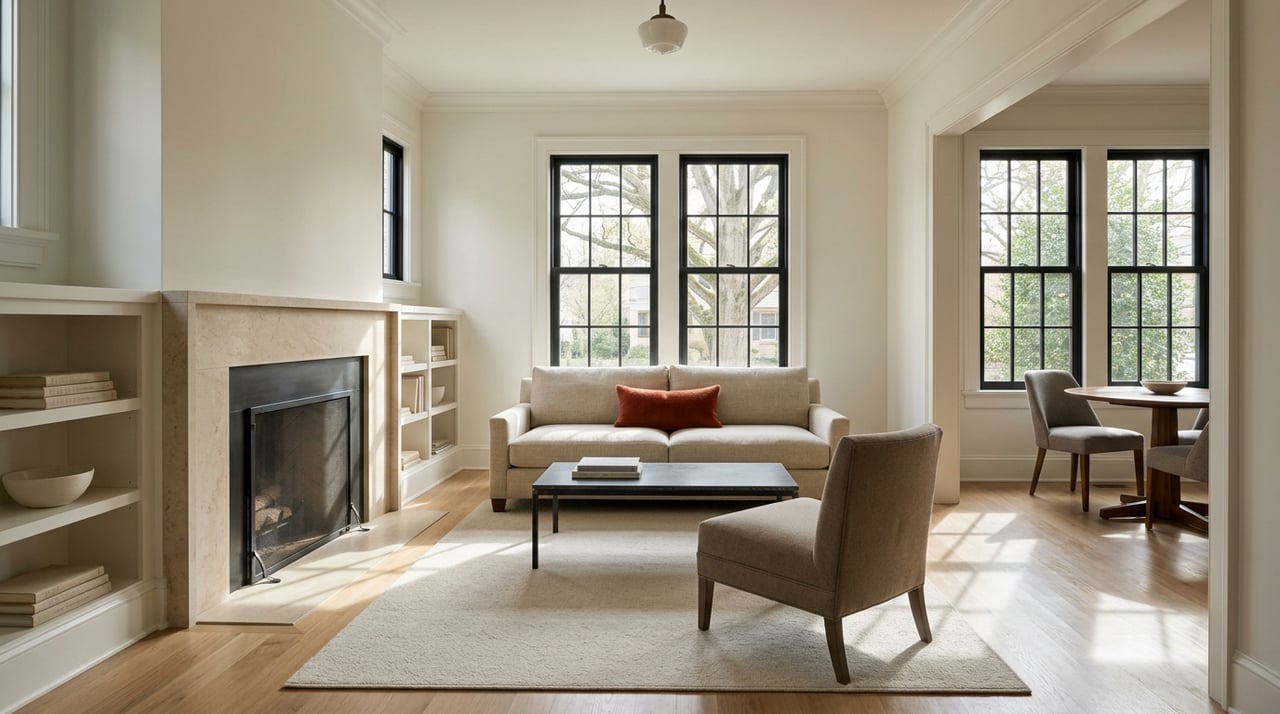
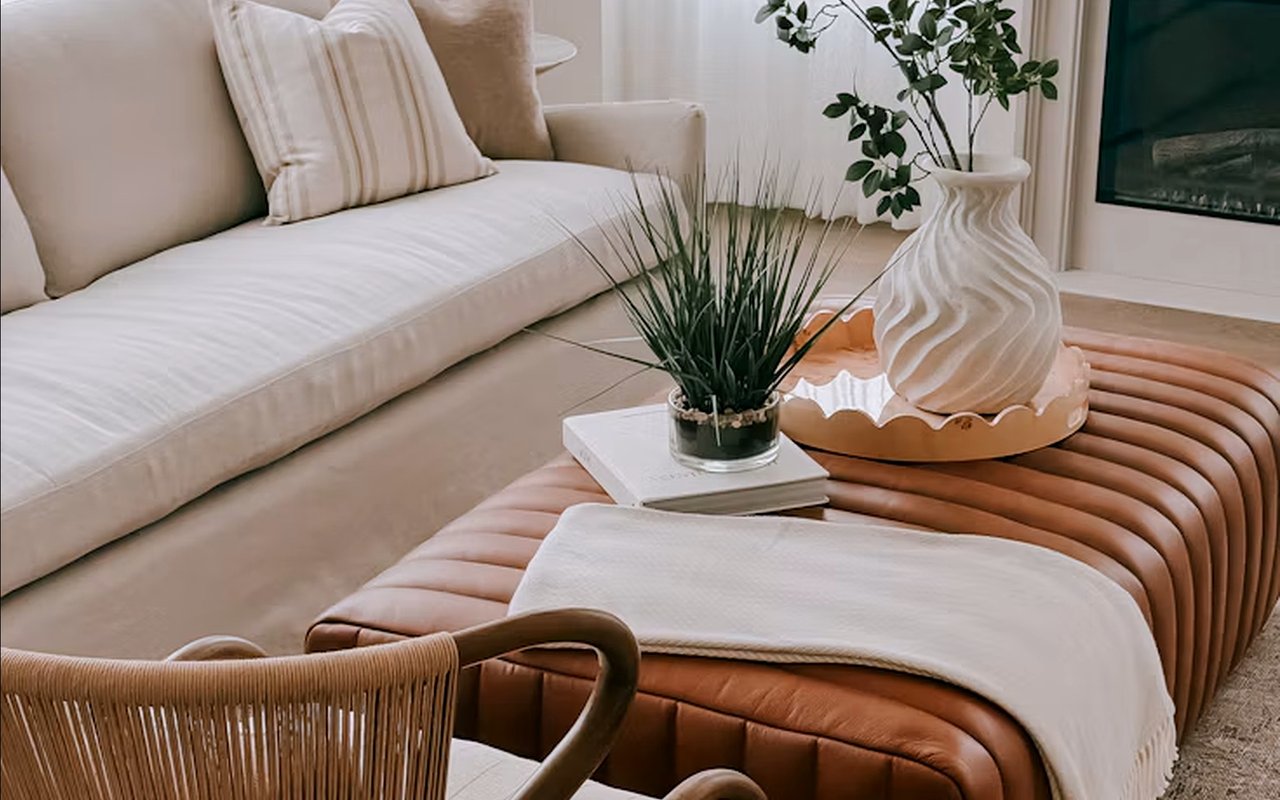
Neutral colors with warm undertones, think soft greiges, warm whites, and creamy tones, have remained a foundation of timeless design for good reason, and they pair especially well with the stone and wood already present in many older homes on the Main Line. These tones create a calm backdrop that doesn’t compete with a home’s existing architectural detail the way a bolder, more saturated color often does. Starting with this kind of neutral foundation gives a historic home room to feel updated without erasing the character that likely drew you to it in the first place.
Why This Palette Works So Well Here
- Warm neutrals have remained a foundation of timeless design for decades
- These tones complement the stone and wood common in older Main Line homes
- A neutral backdrop doesn’t compete with existing architectural detail
- Leaves room to feel updated without erasing a home’s original character
Natural Materials Age With Character, Not Just Age
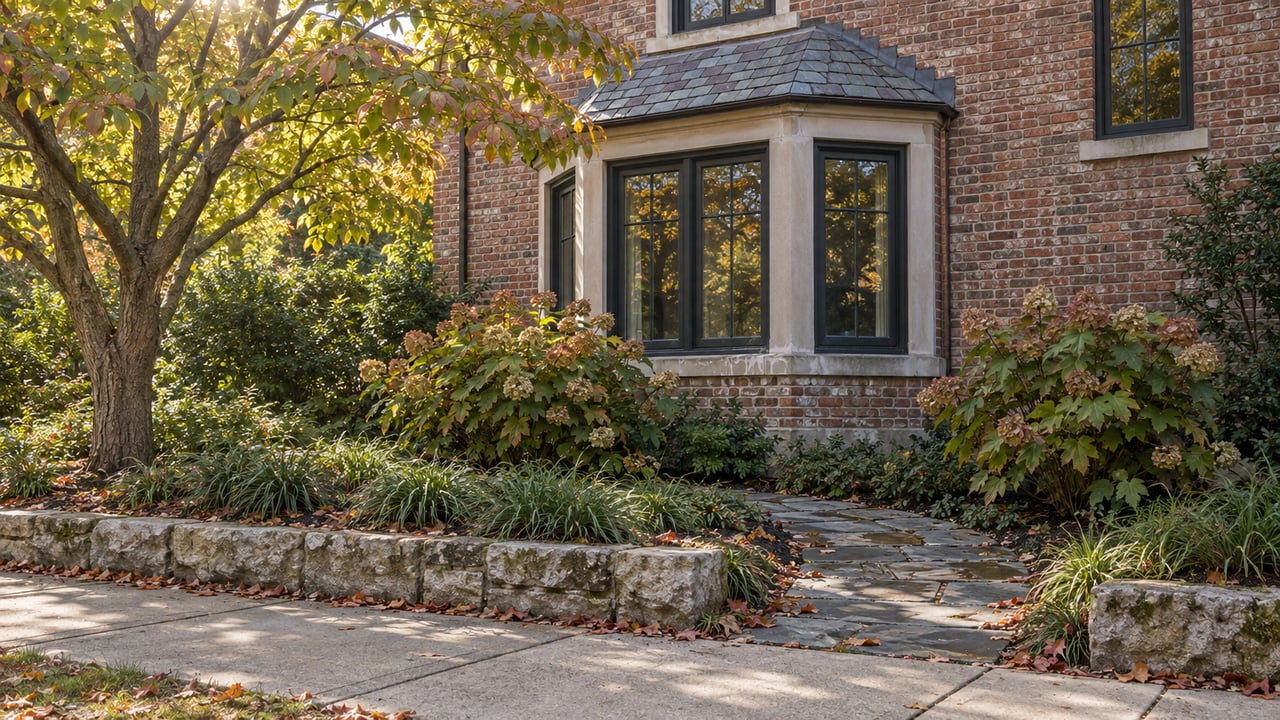
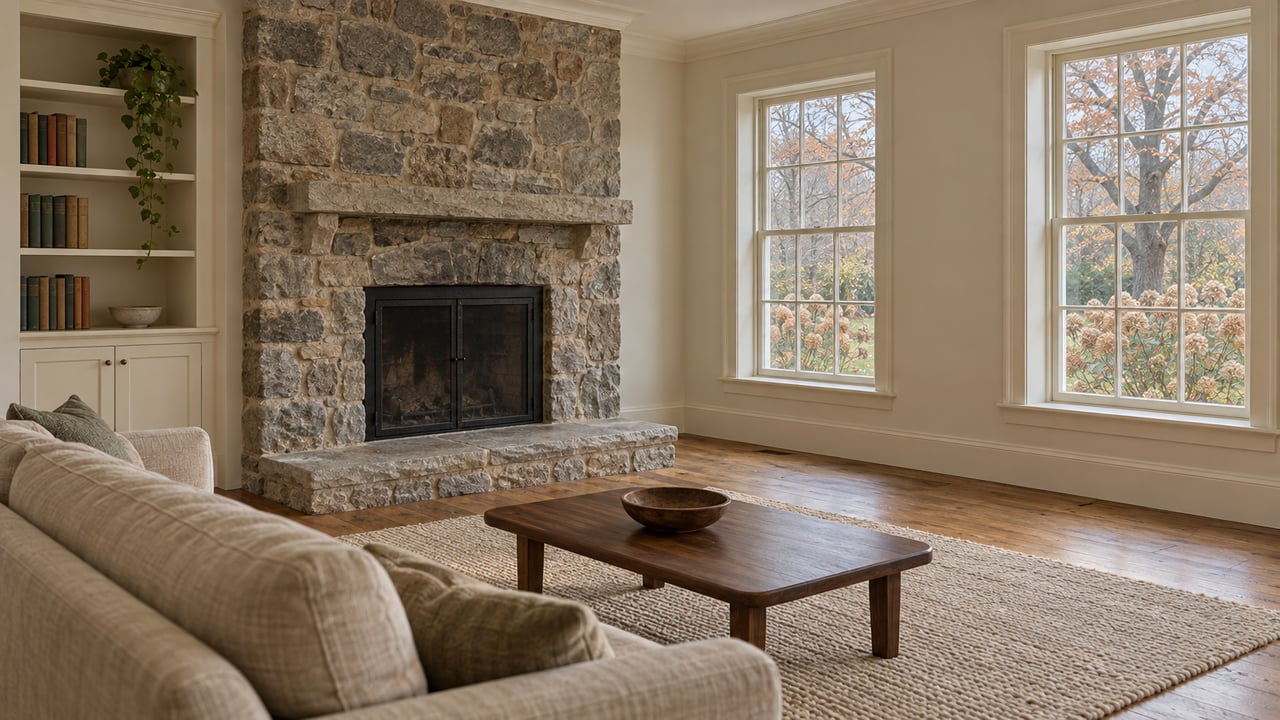
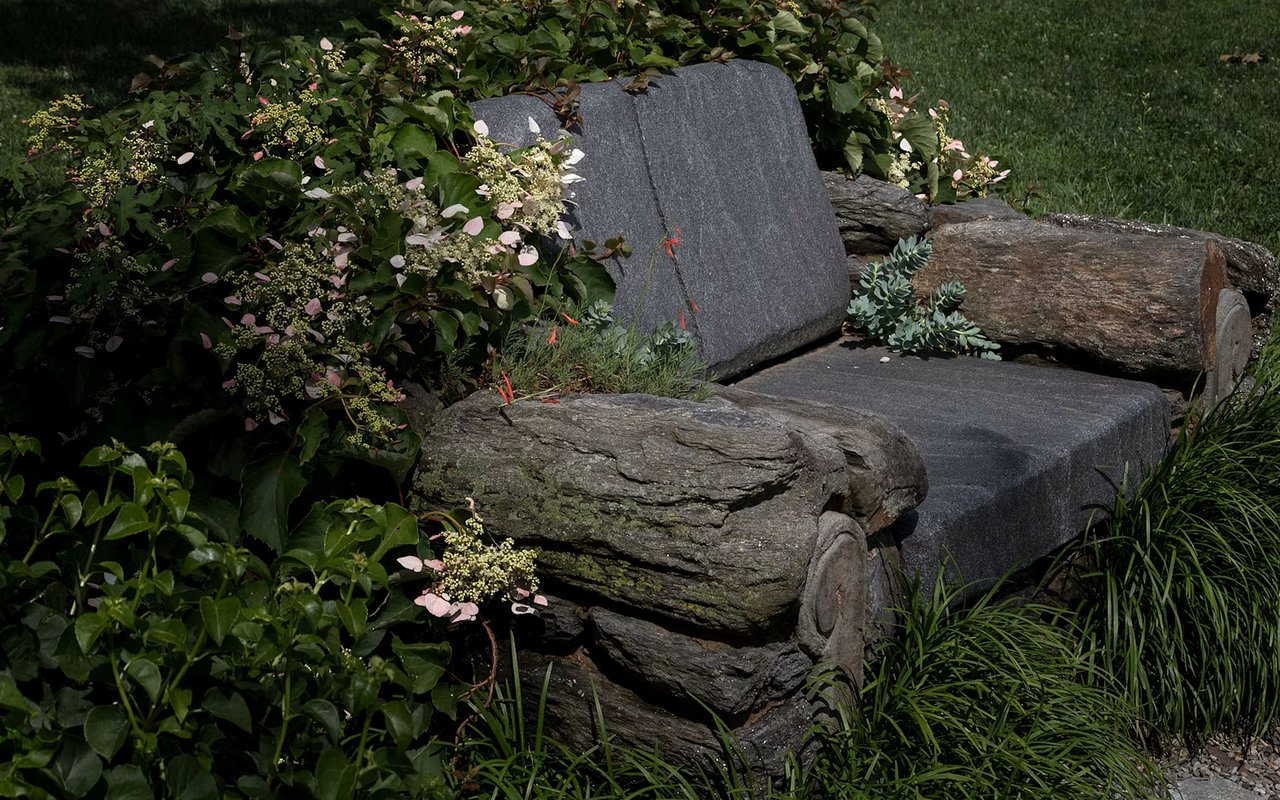
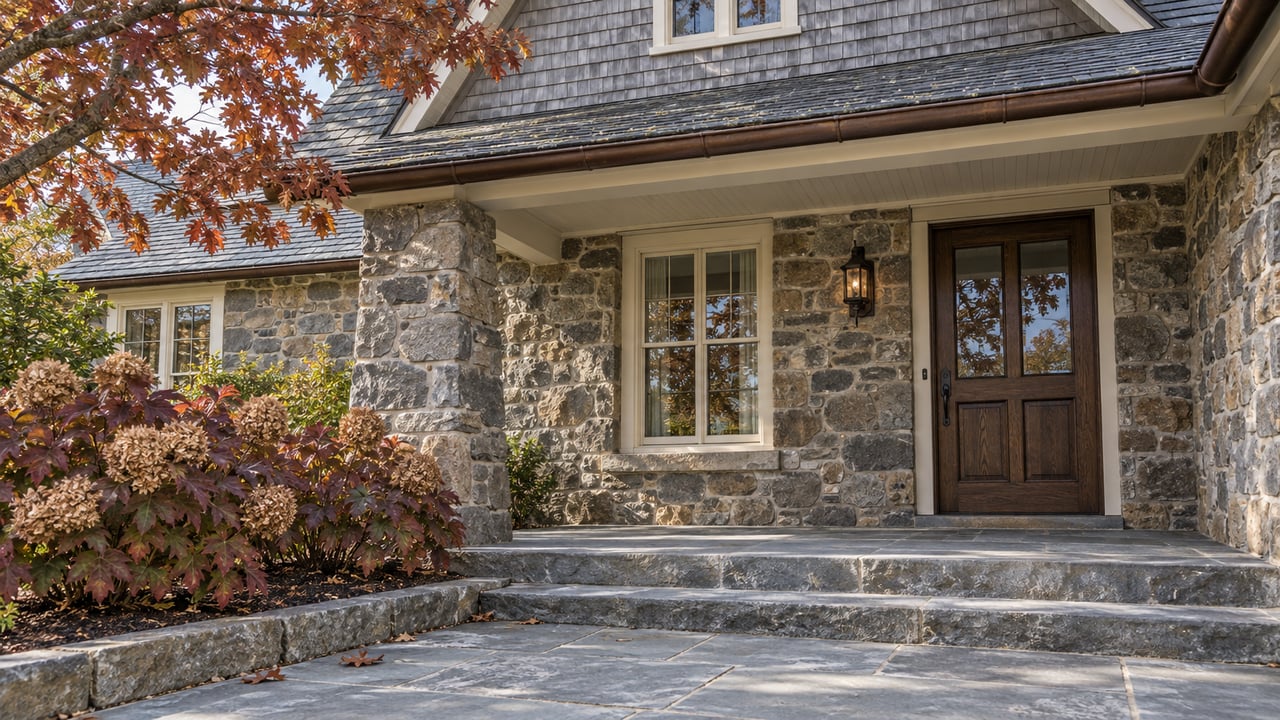
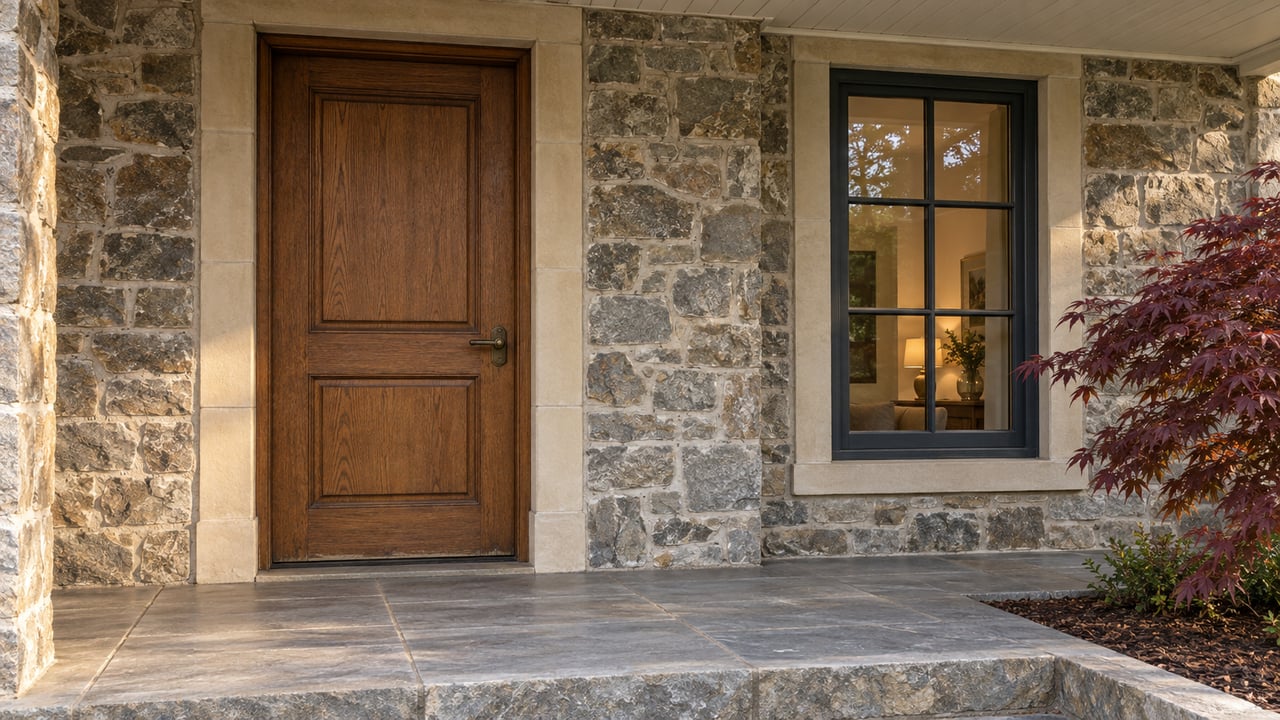
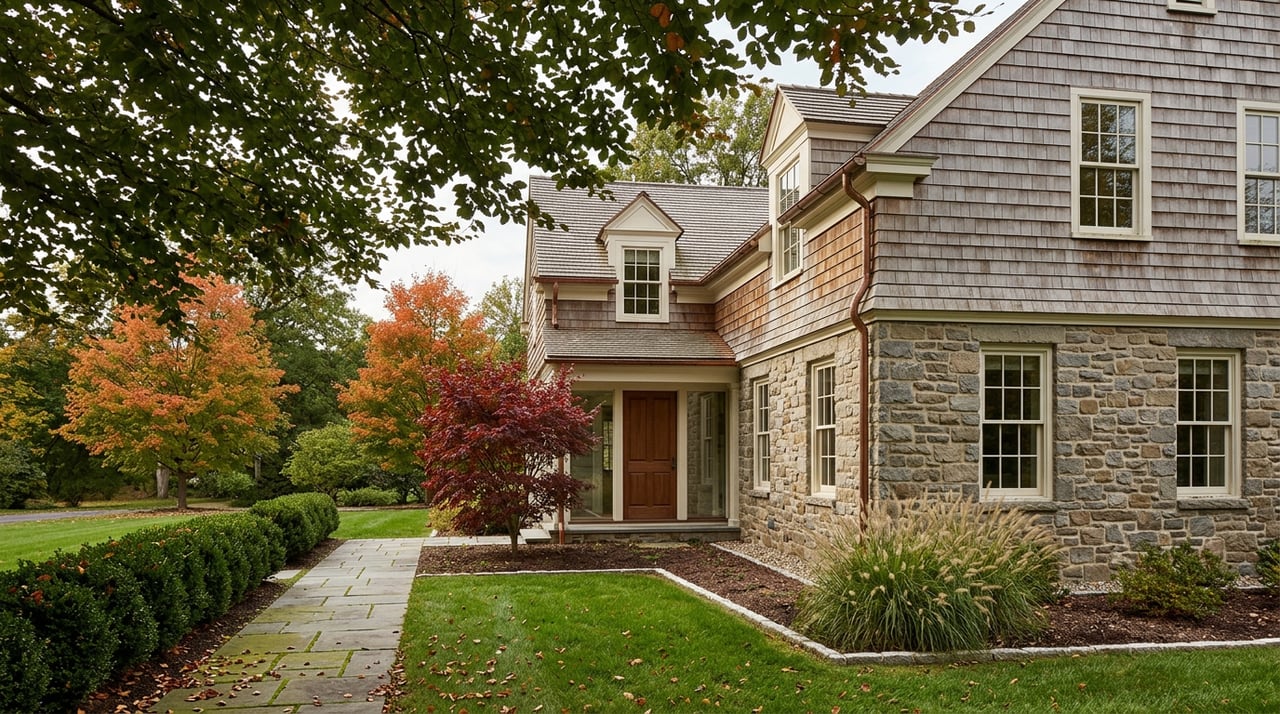
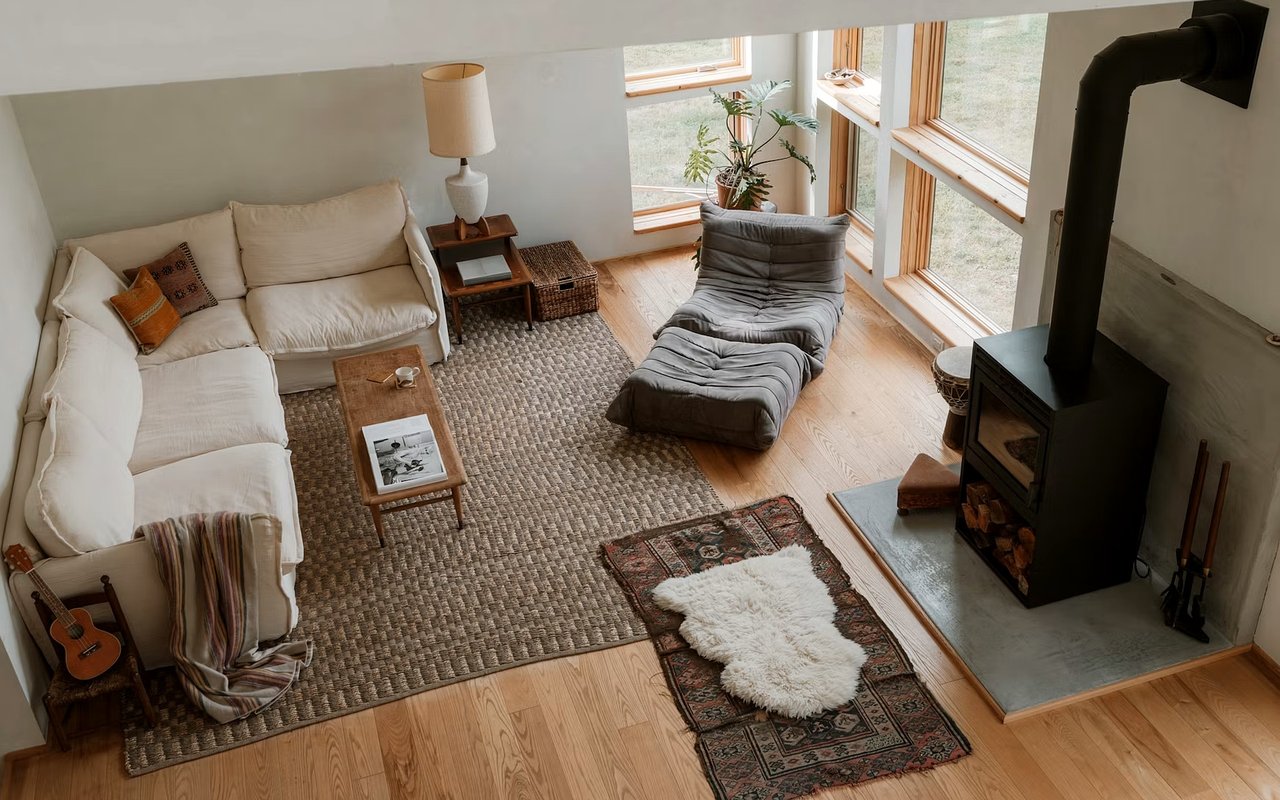
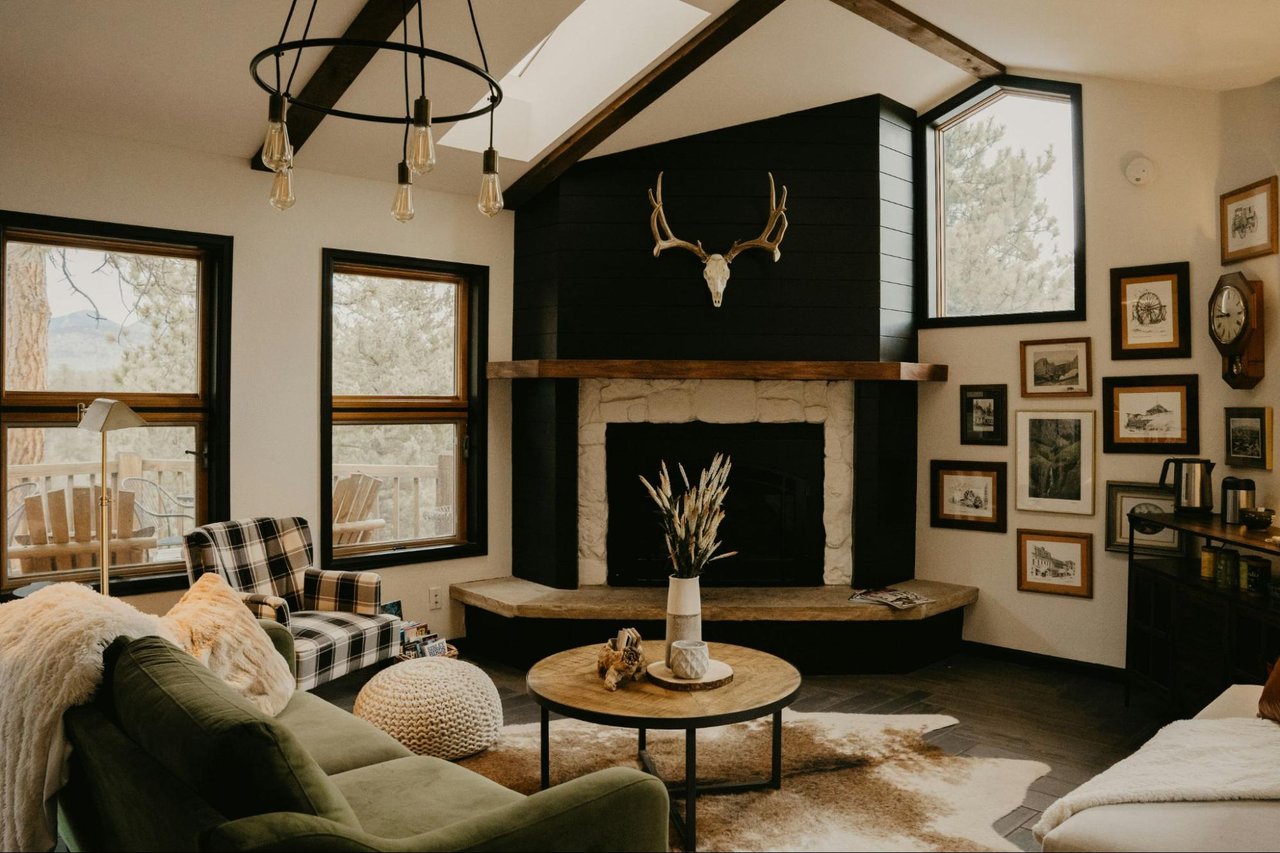
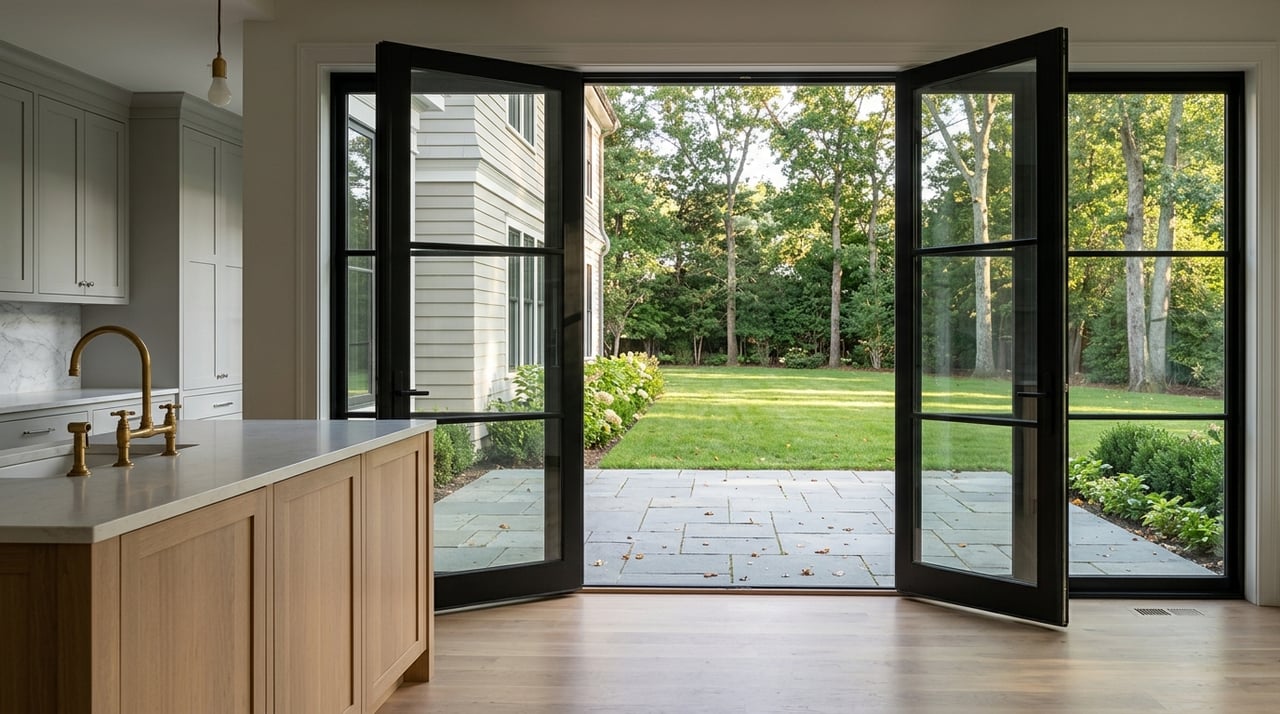
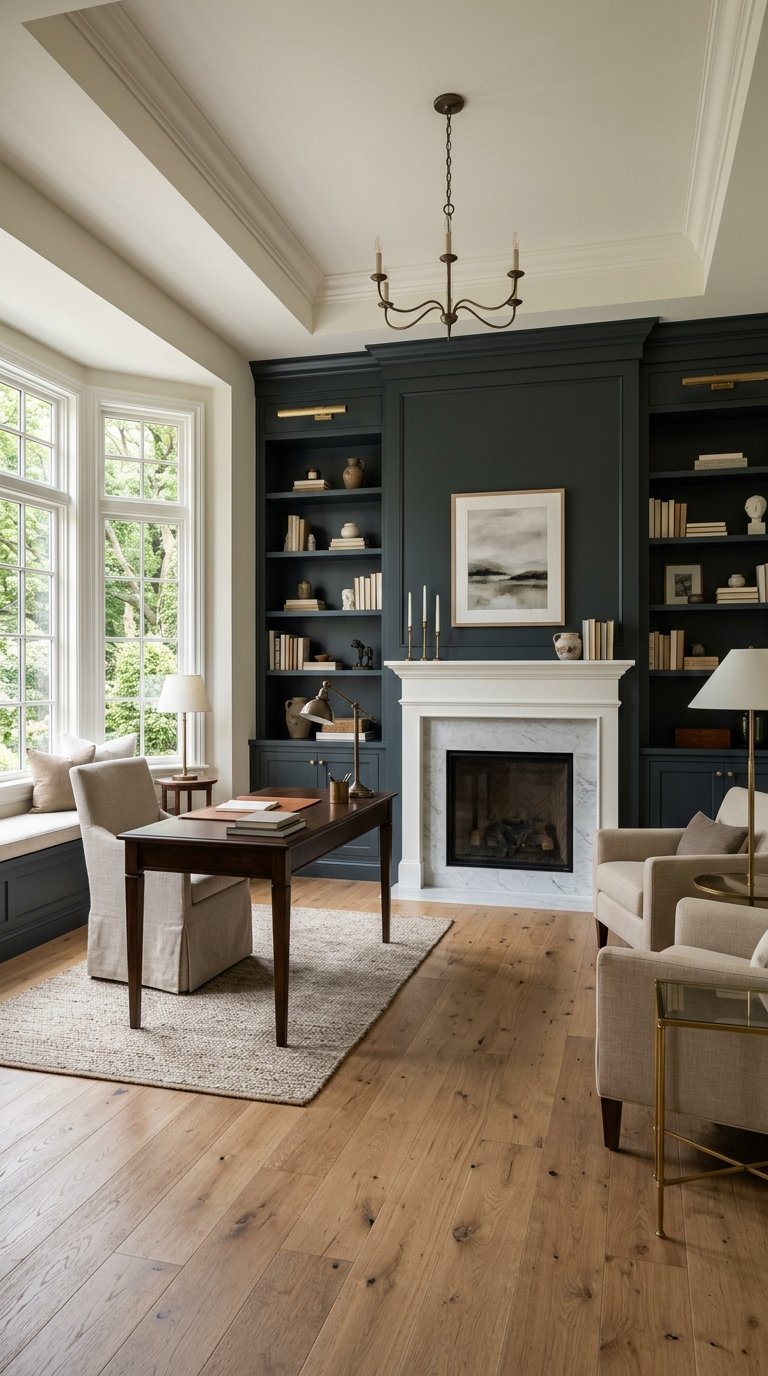
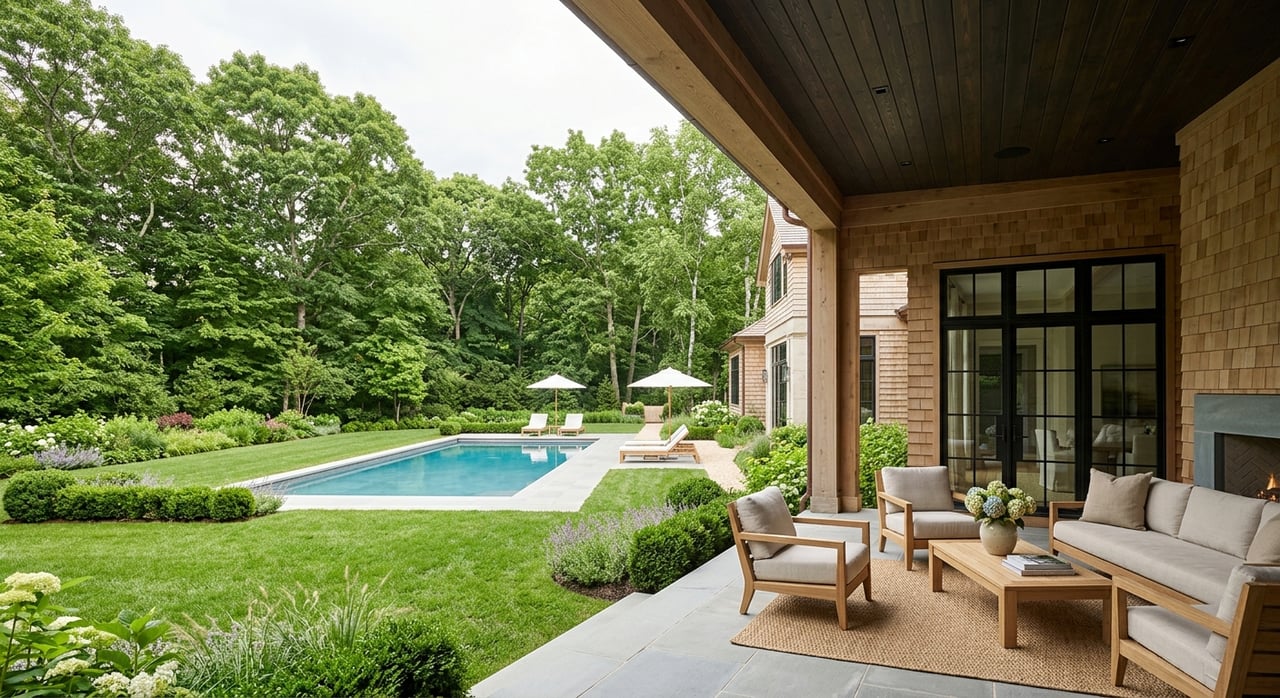
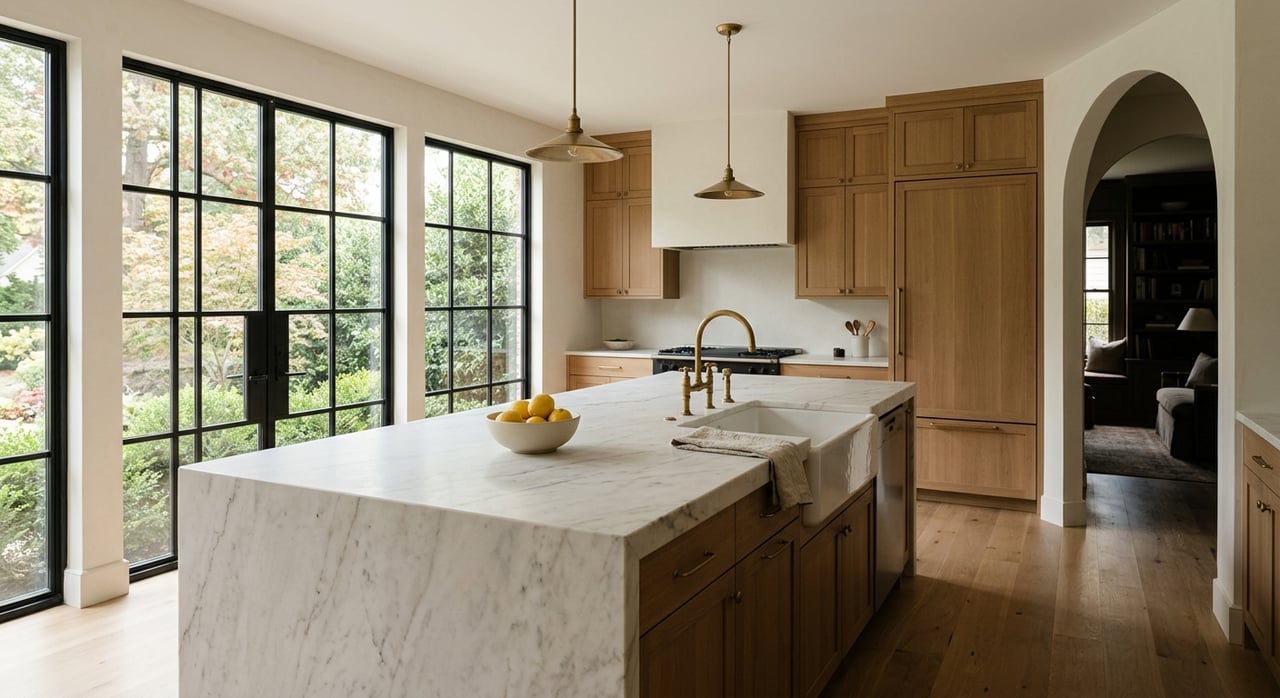
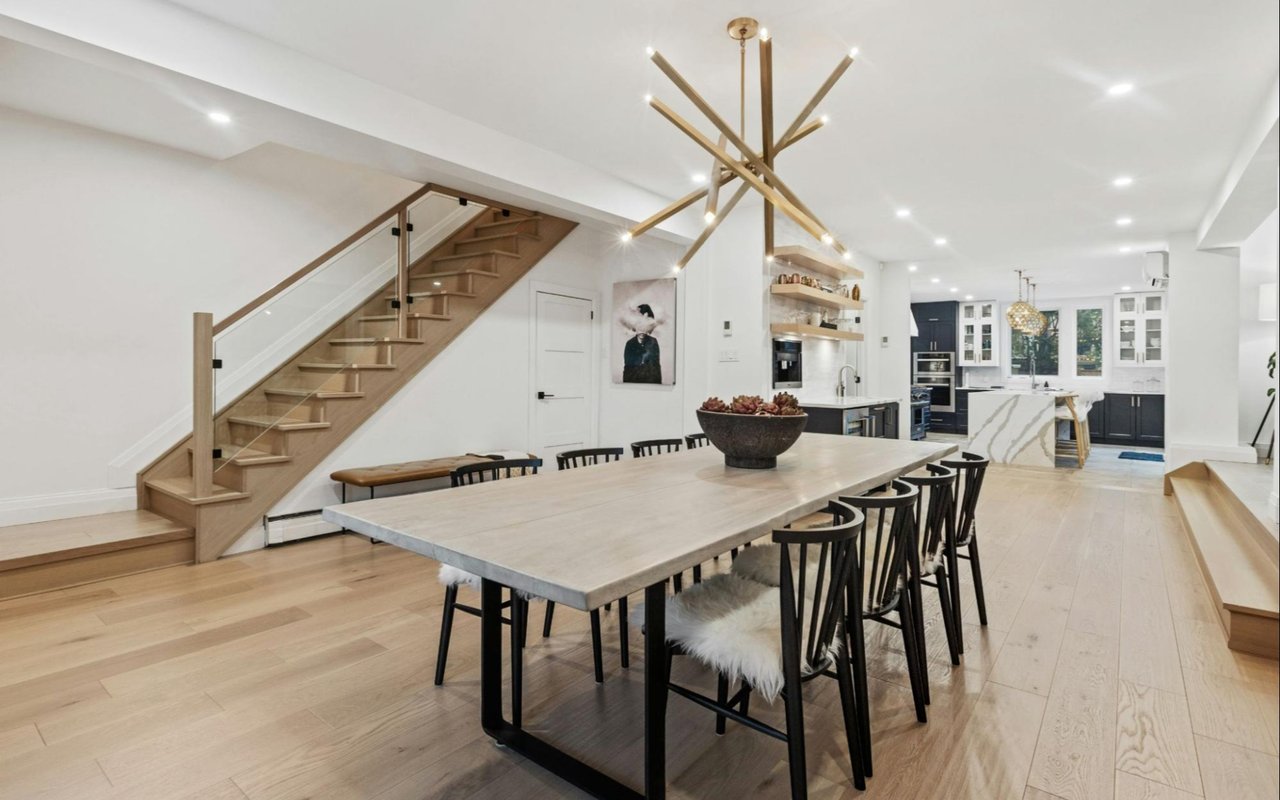
Natural materials like wood, stone, and quality ceramics tend to develop character over time rather than simply show wear, which is part of why they remain popular in timeless design generally. This works particularly well in a home that already features original stone or wood elements, since matching new materials to what’s already there keeps a renovation feeling cohesive rather than like two different houses stitched together. Choosing natural materials for major, hard-to-change elements, such as flooring, countertops, and built-ins, tends to pay off far more than chasing a trendier synthetic alternative. This matters even more in homes where buyers specifically expect to see real wood and stone rather than a convincing substitute.
Why Natural Materials Make Sense for These Homes
- Wood, stone, and quality ceramics develop character rather than just showing wear
- Matching new materials to existing original elements keeps a renovation cohesive
- Works especially well in homes with original stone or wood features already in place
- Worth prioritizing for major, hard-to-change elements specifically
Save Bold Choices for What’s Easy to Change Later
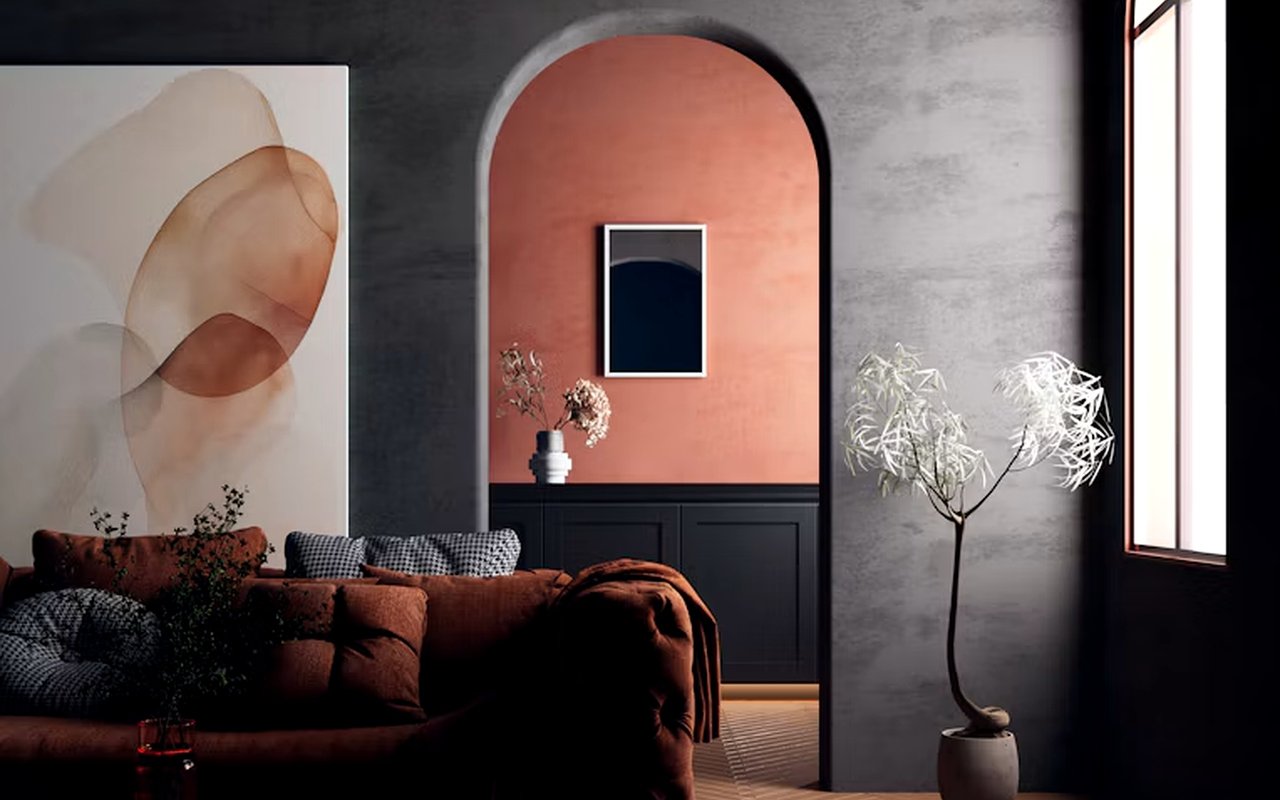
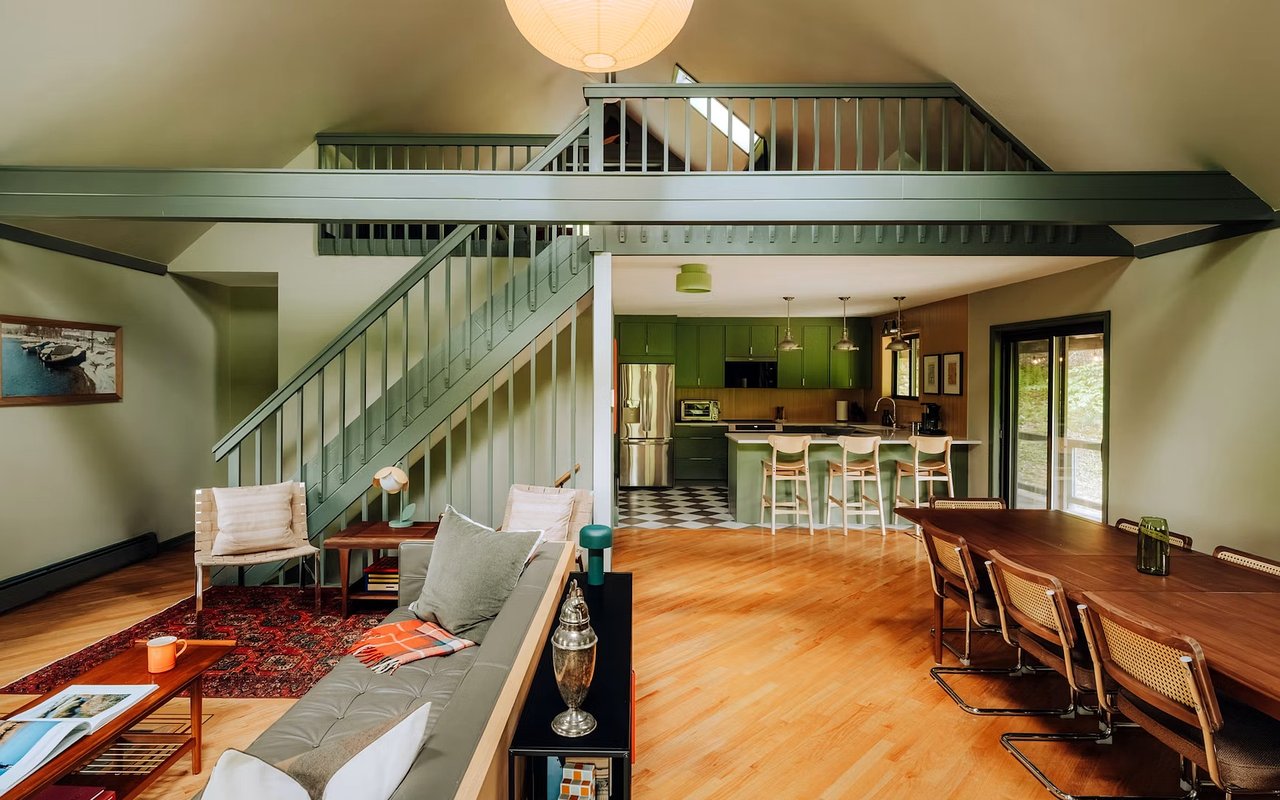
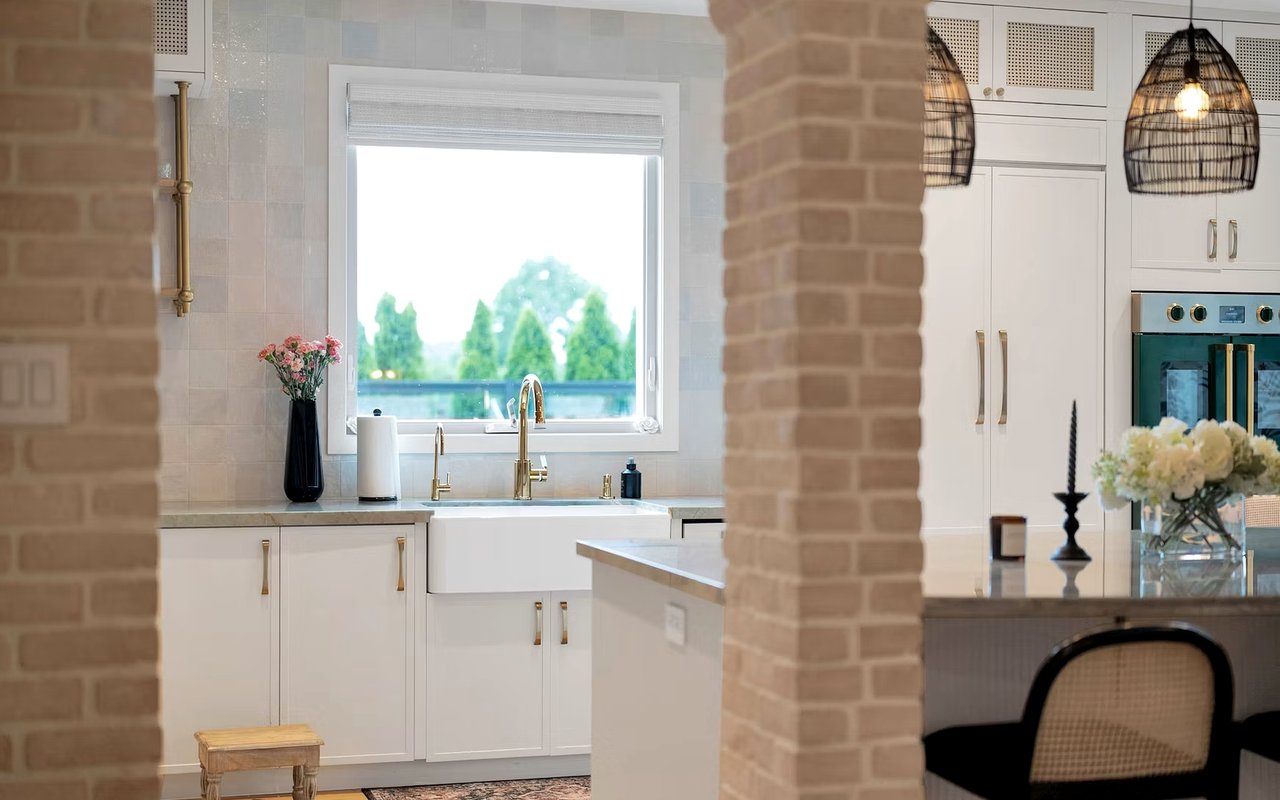
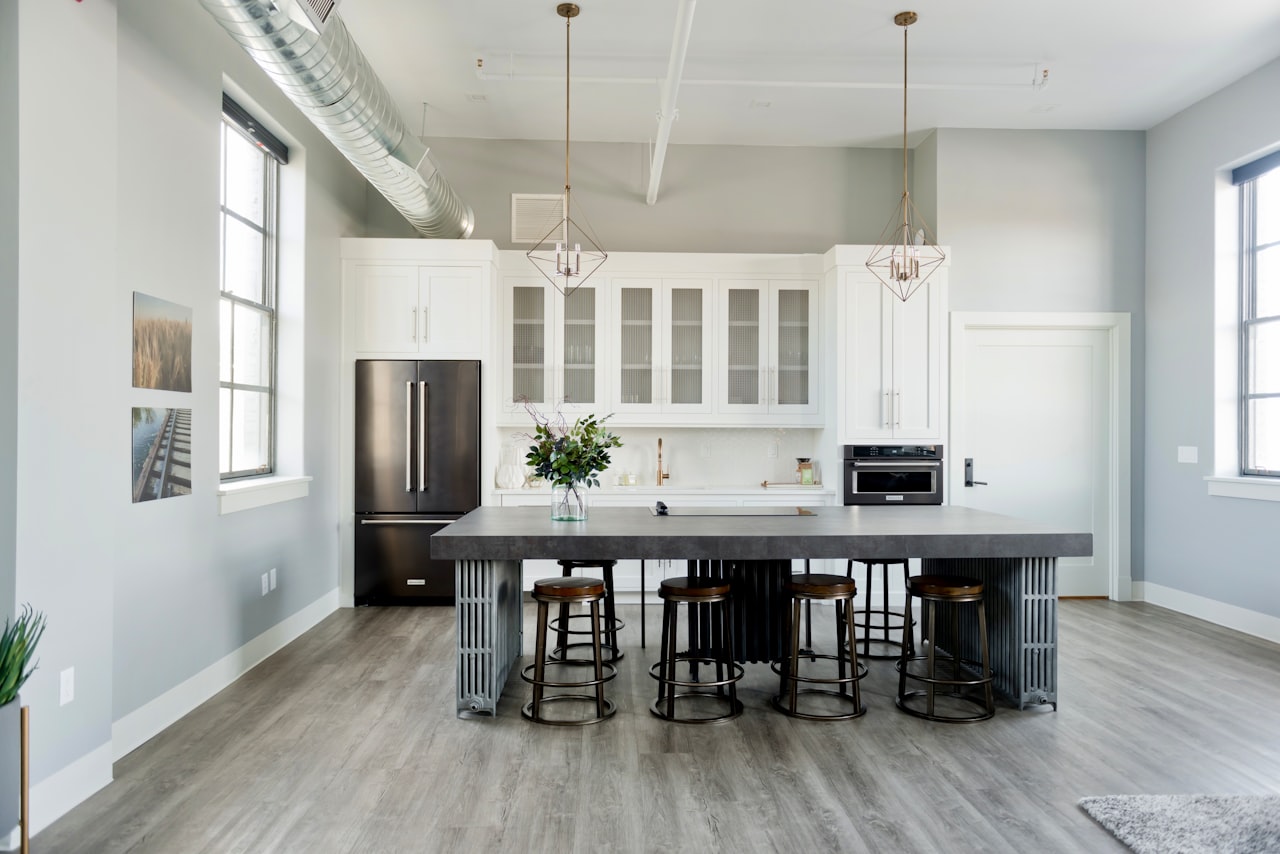
Color and pattern are the easiest ways to date a renovation, which is why the safest long-term approach is reserving bold choices for elements that are simple and inexpensive to swap out later. Textiles, light fixtures, and accessories let you bring in personality and current trends without committing a permanent surface, like tile or cabinetry, to something that might feel dated in a few years. This approach also protects a historic home’s resale value, since a future buyer can update soft furnishings far more easily than they can redo a kitchen’s tile work.
Why This Approach Protects Your Investment
- Color and pattern are the fastest way to date a space
- Textiles, lighting, and accessories are simple to update later
- Permanent surfaces like tile and cabinetry are the riskiest place for trendy choices
- Protects resale value, since future buyers can update soft furnishings easily
Classic Architectural Details Hold Their Value
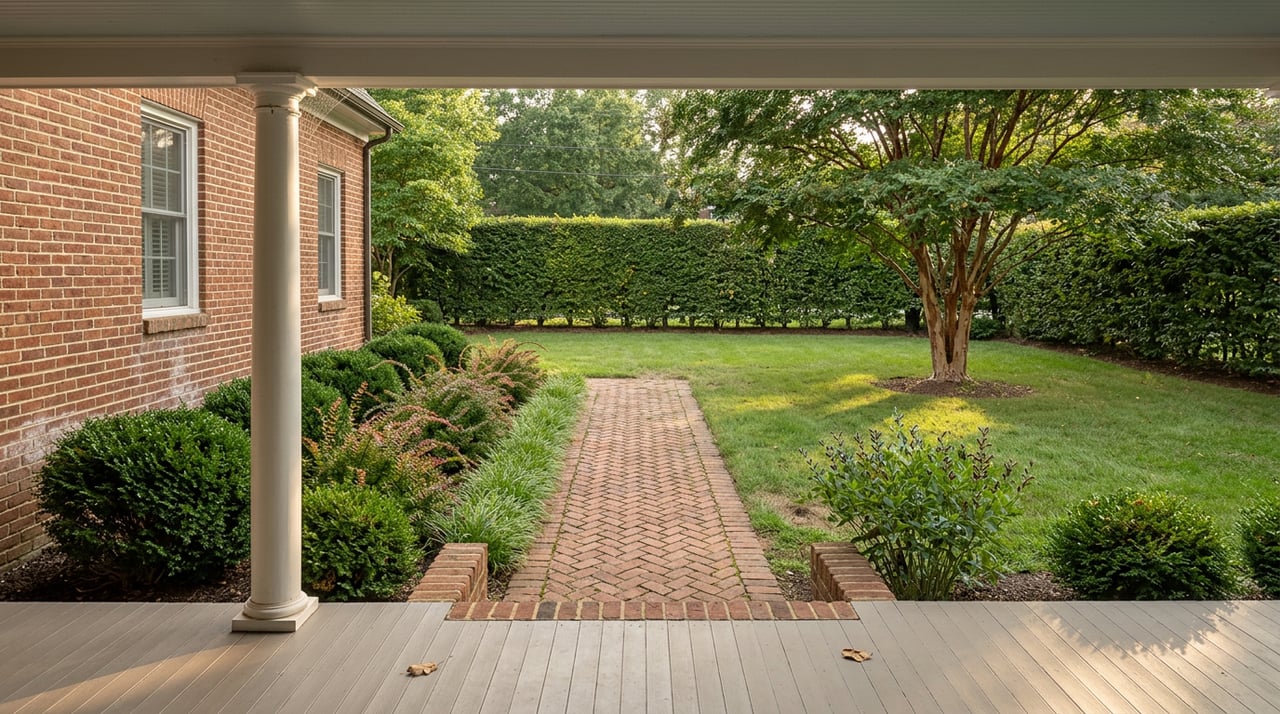
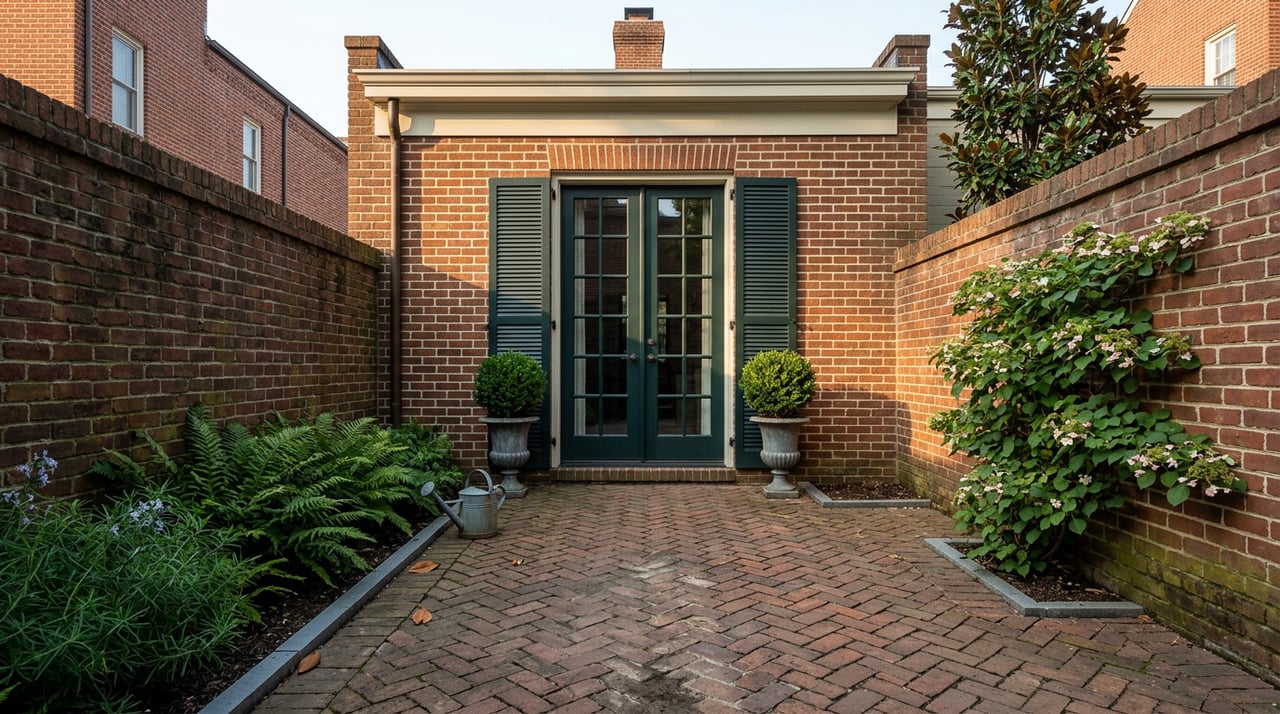
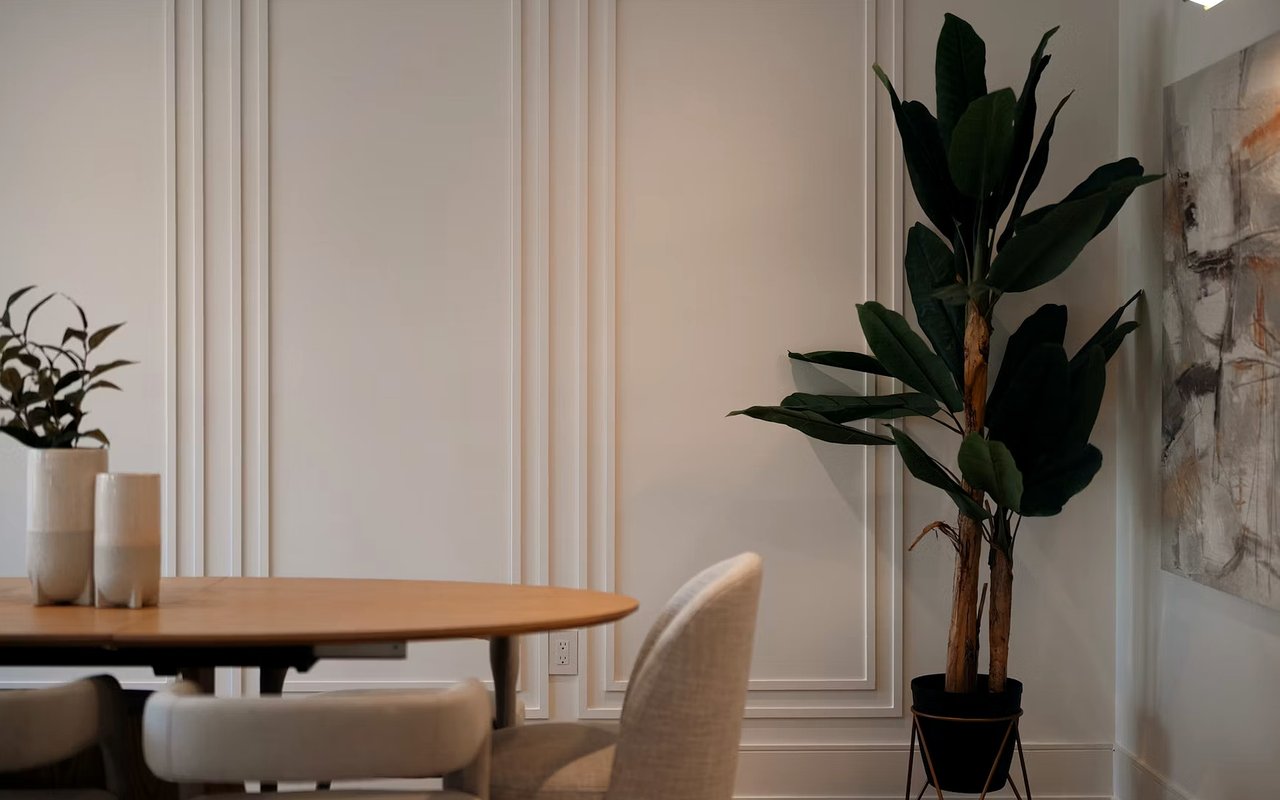
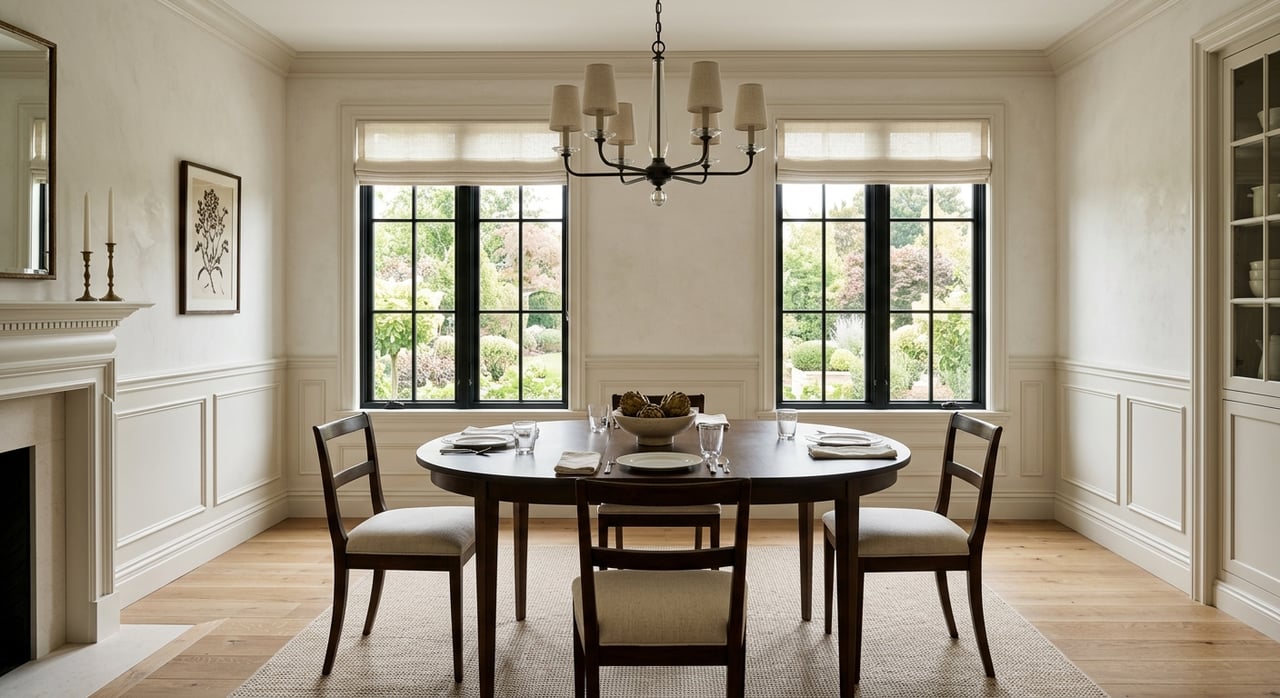
Quality millwork, like crown molding and substantial trim, consistently adds resale value because it reads as a permanent feature rather than a passing trend. In a home that already has original architectural detail, matching any new millwork to the existing style keeps additions feeling like they belong rather than like a visible, newer insertion. This kind of consistency between old and new detail work is often what separates a renovation that feels timeless from one that just feels recently done.
Why These Details Matter So Much
- Quality millwork consistently adds resale value as a lasting feature
- Matching new work to existing original detail keeps a home feeling cohesive
- Visible inconsistency between old and new work undercuts a timeless feel
- Often the difference between a renovation that feels timeless and one that just feels recent
Maintenance Is Part of What Makes a Design Choice Actually Timeless
Even the most timeless material choice only stays that way with real maintenance, since neglected wood, stone, and other natural materials can age poorly rather than gracefully. Oiling wood surfaces, resealing stone, and caring for original finishes are what actually keep these materials looking intentional rather than simply old. This is especially relevant in a historic home, where many of the most valuable original features are also the ones that need this kind of ongoing attention to actually hold up.
Why Maintenance Belongs in This Conversation
- Timeless materials only stay that way with real, ongoing maintenance
- Neglected wood and stone can age poorly rather than gracefully
- Oiling wood and resealing stone are simple but important upkeep steps
- Especially relevant for a historic home’s most valuable original features
FAQs
Does choosing neutral colors mean our home can’t have any personality?
Not at all, no. Personality works best in the easy-to-change layers, like textiles, art, and accessories, while the neutral foundation gives those pieces room to stand out.
Is it worth matching new materials to a home’s original architectural style?
Generally, yes. It keeps a renovation feeling cohesive rather than like two different houses, and it tends to protect resale value better than an inconsistent mix of styles.
Do timeless design choices actually require less maintenance over time?
Not necessarily less, just different. Natural materials like wood and stone need real upkeep to age well, but that upkeep tends to be more predictable than constantly updating trend-driven finishes.
Contact The MacDonald Team Today
Figuring out which design choices will actually hold up in a historic Main Line home is something we talk through with clients regularly, especially when a renovation needs to respect a home’s existing character.
Reach out to The MacDonald Team, and we’ll help you think through what will actually last in your specific home.
Reach out to The MacDonald Team, and we’ll help you think through what will actually last in your specific home.