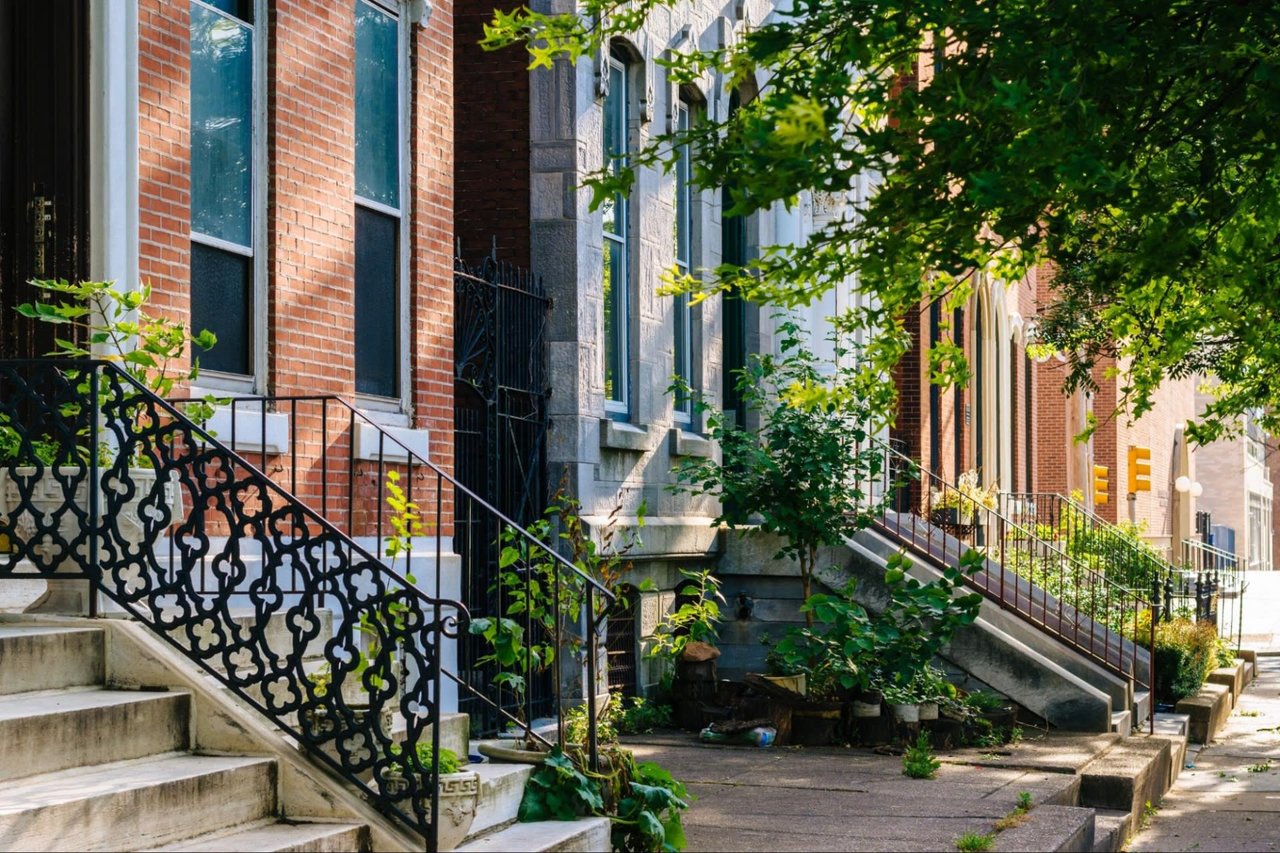
Walk Fairmount Avenue this month and you'll pass at least three storefronts that didn't exist under their current name a year ago, plus a construction site on the corner of 20th where a Rite Aid used to sit. On paper, that reads like typical urban churn: businesses close, new ones open, a block keeps moving. But look closer at the choices behind these openings, and a pattern emerges: each business is taking a different approach to the block. Taken together, the choices described here suggest an emphasis on how these businesses fit into the block.
That distinction matters more than it sounds. Philadelphia has no shortage of corridors where a new opening means a bid for citywide attention, a reservation list, a line down the sidewalk pulling diners in from other zip codes. Fairmount Avenue's newest wave suggests a different approach, one that becomes clearer in the choices behind each opening.
Three Storefronts, Three Approaches
Start with the plainest evidence: what closed, what opened, and where.
| Address | What Closed | What Opened | Concept |
|---|---|---|---|
| 1833 Fairmount Ave | Tela's Market and Kitchen (12 years) | Manong | Filipino comfort food plus a bottle shop and market |
| 2501 Meredith St | Figs (25 years) | Valentina Italian Ristorante | Italian BYOB, brunch weekends, Monday cooking classes |
| 1642 Fairmount Ave | Thirsty Dice | Queen & Rook Game Café (second location) | Retrofuturist board-game café |
Three different concepts, three different owners, three different backstories. Together, they bring food, retail and recreation to the block.
Manong Didn't Just Take Tela's Address. It Took Its Job.
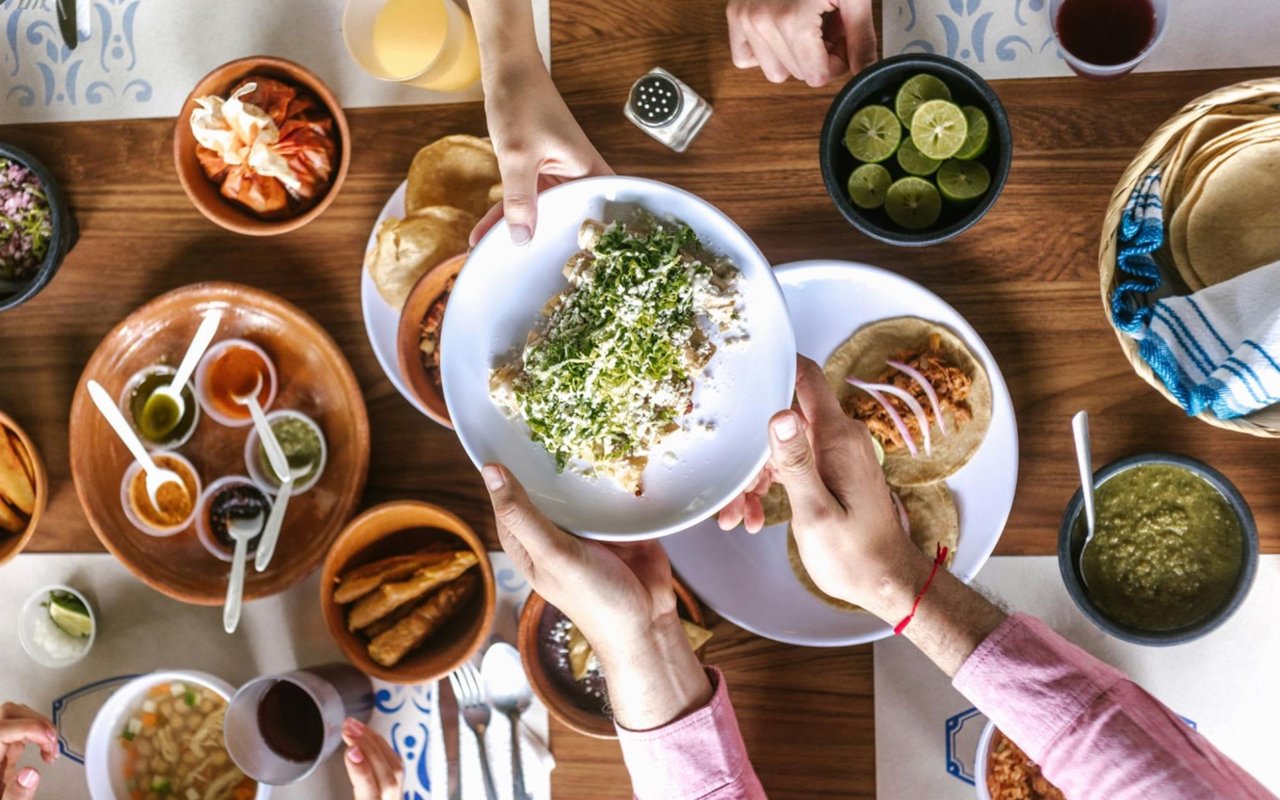
As WhatNow reported, Chef Chance Anies, known locally for Tabachoy, opened Manong at 1833 Fairmount Avenue in the space Tela's Market and Kitchen occupied for 12 years. The menu leans into Ihawan-style Filipino cooking, banana ketchup burgers and Filipino spaghetti among them, with an all-day format that includes breakfast. The dining room seats around 80, with outdoor seating on nice days.
What separates this from a simple lease transfer is the retail component. Manong includes a bottle shop and market selling house-made products, a direct nod to what Tela's used to provide the block. Anies has said the goal is to meet the neighborhood's needs, not just occupy its address. That's a specific and unusual thing for a restaurant opening to promise. Most new concepts want you to come for the excitement of the food. Manong is also asking to be your Tuesday-night market run.
Valentina Kept the Rowhouse, Kept the BYOB, Kept the Size
As The Philadelphia Inquirer reported, Figs ran for 25 years at 2501 Meredith Street, first as chef Mustapha Rouissiya's Moroccan-inspired spot, later shifting toward a broader Mediterranean menu under Salvatore De Cristofaro, known around the neighborhood as Chef Sal. When Cristofaro decided to sell, closing out a kitchen career that started in 1967 when he arrived in the United States as a teenager, he described the moment simply: "This is like show business. You've got to leave when you're on top."
The buyer, Landi Prendi, a longtime personal chef originally from Albania, is relaunching the space as Valentina Italian Ristorante, named for his mother. What's notable is what Prendi chose not to change. Figs sat 45 people inside and about 20 outside, tucked into a rowhouse block, and Valentina is keeping that footprint rather than expanding into something grander. It will remain a BYOB. Hours run 5 to 11 p.m. daily, with brunch on weekends and cooking classes on Mondays, the same intimate, neighborhood-paced rhythm the block has run on for decades. Prendi is scaling up his own ambitions inside a space explicitly built to stay small.
Even the Import Got Localized
As Philadelphia Today reported, Queen & Rook Game Café built its reputation on South Street, where thousands of board games line the walls in a medieval fantasy setting. When co-founders Edward Garcia and Jeannie Wong decided to open a second location in the former Thirsty Dice space at 1642 Fairmount Avenue, they didn't clone the formula. They're building a retrofuturist aesthetic instead, drawing on 1970s space-age design and solarpunk optimism rather than repeating what already works across town.
That choice gives the Fairmount location a distinct identity from the South Street original. The Philadelphia Today report also quotes Garcia saying there are a lot of ways of imagining the future; Fairmount apparently gets a different one than South Street does.
The Developer Said the Quiet Part Out Loud
The clearest confirmation of this pattern isn't a restaurant at all. It's a construction project.
According to Philadelphia Today, developer Yoav Shiffman purchased the former Rite Aid property during the chain's bankruptcy auction and is building a three-story, 28-unit apartment building with roughly 9,000 square feet of ground-floor retail, split into five commercial spaces ranging from about 1,300 to 3,000 square feet, some combinable for larger tenants.
Shiffman was direct about what he wants in those retail spaces, and what he doesn't. He's aiming for businesses that draw steady foot traffic from people who already live nearby, not what he called destination dining that pulls crowds in from other neighborhoods. His stated wish list includes coffee shops, bakeries, light retail, and medical offices, the kind of tenants nobody drives across town for and everybody down the block actually uses.
That's a developer choosing not to maximize buzz. On a corridor where land is finite and every square foot of new retail could theoretically chase the next big opening, Shiffman is explicitly building for daily errands instead.
What This Means If You Already Live Here
None of this changes what's kept Fairmount Avenue itself for years. Zorba's Tavern is still serving the same Greek family recipes it has for three generations. A Mano is still cash-only, still BYOB, still turning out Chef Michael Millon's handmade pasta. Green Eggs Café is still the brunch spot up the block. Eastern State Penitentiary still anchors the western end of the corridor, and the Fairmount Water Works and Kelly Drive corridor still give the neighborhood its best excuse for a weekday walk.
What's changed is what's filling the gaps between those anchors: a range of businesses and concepts serving the neighborhood in different ways. The Park to Broad Arts & Business District's Taste of Fairmount, which launched a new Small Business Fund at its November 2025 event, gives neighborhood restaurants a way to grow without needing to become the next big citywide name. The fund itself, built to help cover repairs, storefronts, and community events for local businesses, is a signal of where the district's priorities sit heading into its next edition.
If you've walked past these storefronts without stopping to piece the pattern together, it's an easy thing to miss. A new sign goes up, and you assume it's just another restaurant swap. But the choices behind these openings offer a coherent picture of how new businesses can fit into the avenue, from food and recreation to market services and planned everyday retail. Taken together, the examples suggest a corridor evolving in ways that serve its residents.
If you're curious how a neighborhood with this kind of steady, resident-first character tends to hold its value over time, or you just want a local read on what's changing block by block, The MacDonald Team keeps a close eye on Fairmount as part of its Philadelphia coverage. Reach out any time you want that conversation.